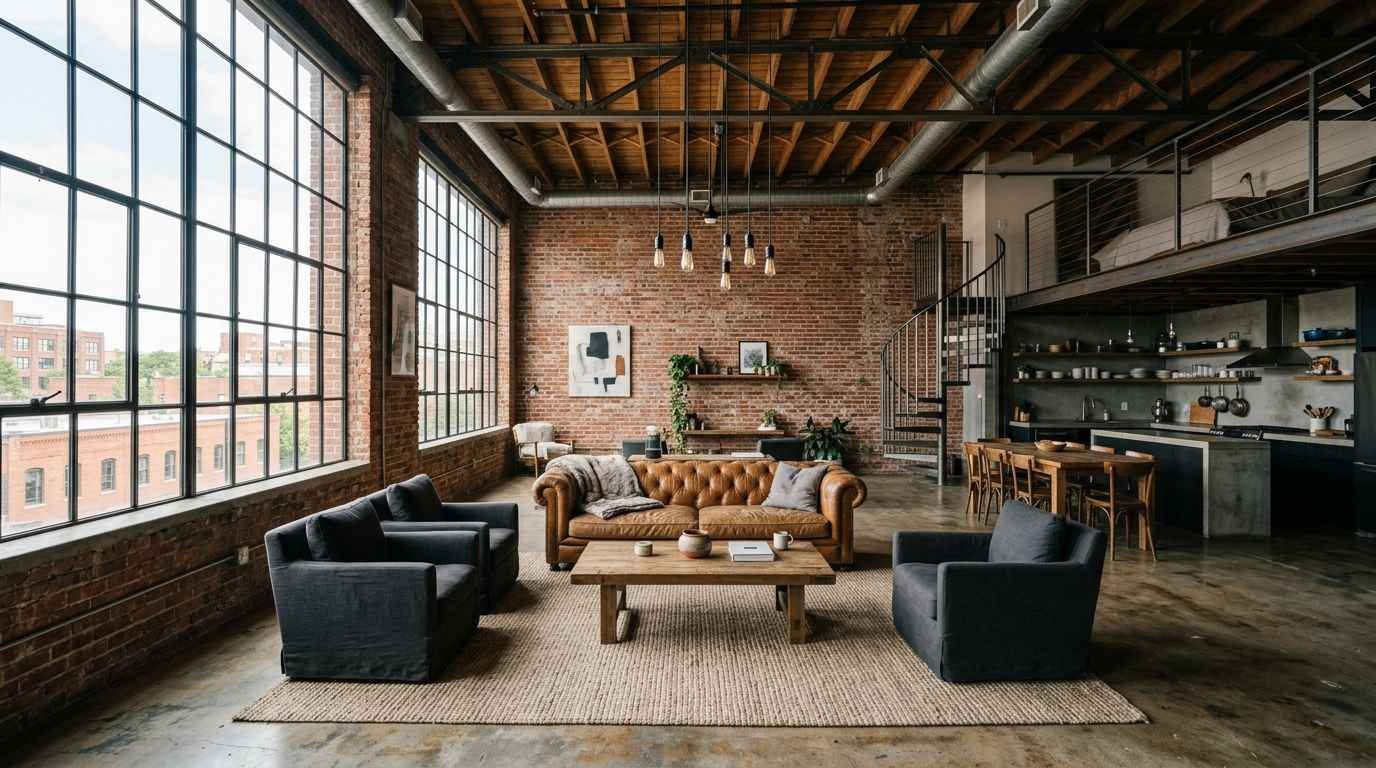
I’ve spent three years pinning industrial loft photos and slowly redoing my own 900-square-foot apartment room by room. Some of these ideas cost $15.
Others cost thousands. All of them work.
Industrial style gets a bad reputation as cold or unfinished.
Done right, it’s warm. It just wears its bones on the outside instead of hiding them behind drywall.
This list splits into three budget tiers: cheap, mid-range, and splurge. Pin whatever fits your wallet this month. Come back for the rest later.
Quick reference table
| Budget tier | Typical spend | Best starting point |
|---|---|---|
| Shoestring | Under $200 | Lighting and paint |
| Mid-range | $200 to $1,500 | Flooring or furniture swap |
| Splurge | $1,500+ | Structural changes, exposed brick or ductwork |
Budget-friendly ideas (under $200 each
Swap your bulbs for Edison filament bulbs. This is the fastest, cheapest industrial fix that exists. A $12 bulb changes an entire room’s mood in five minutes.
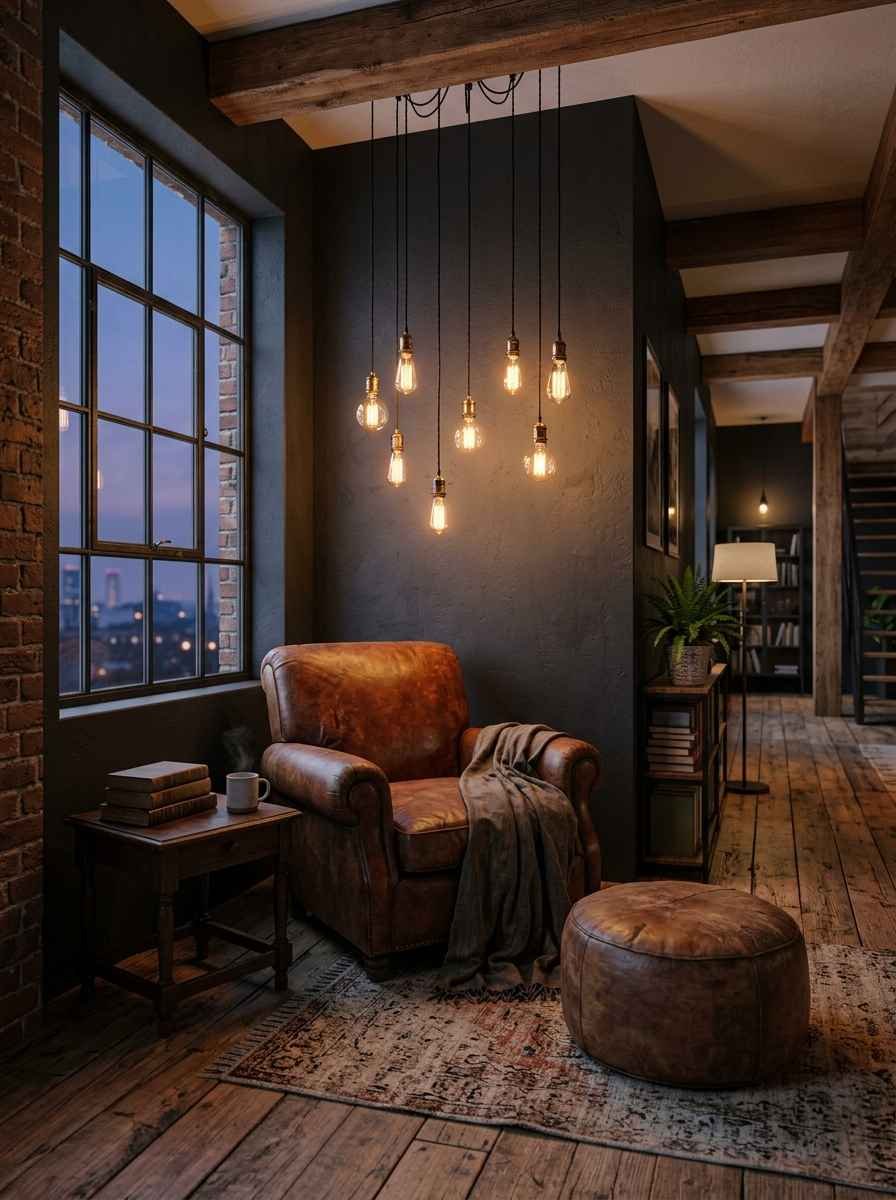
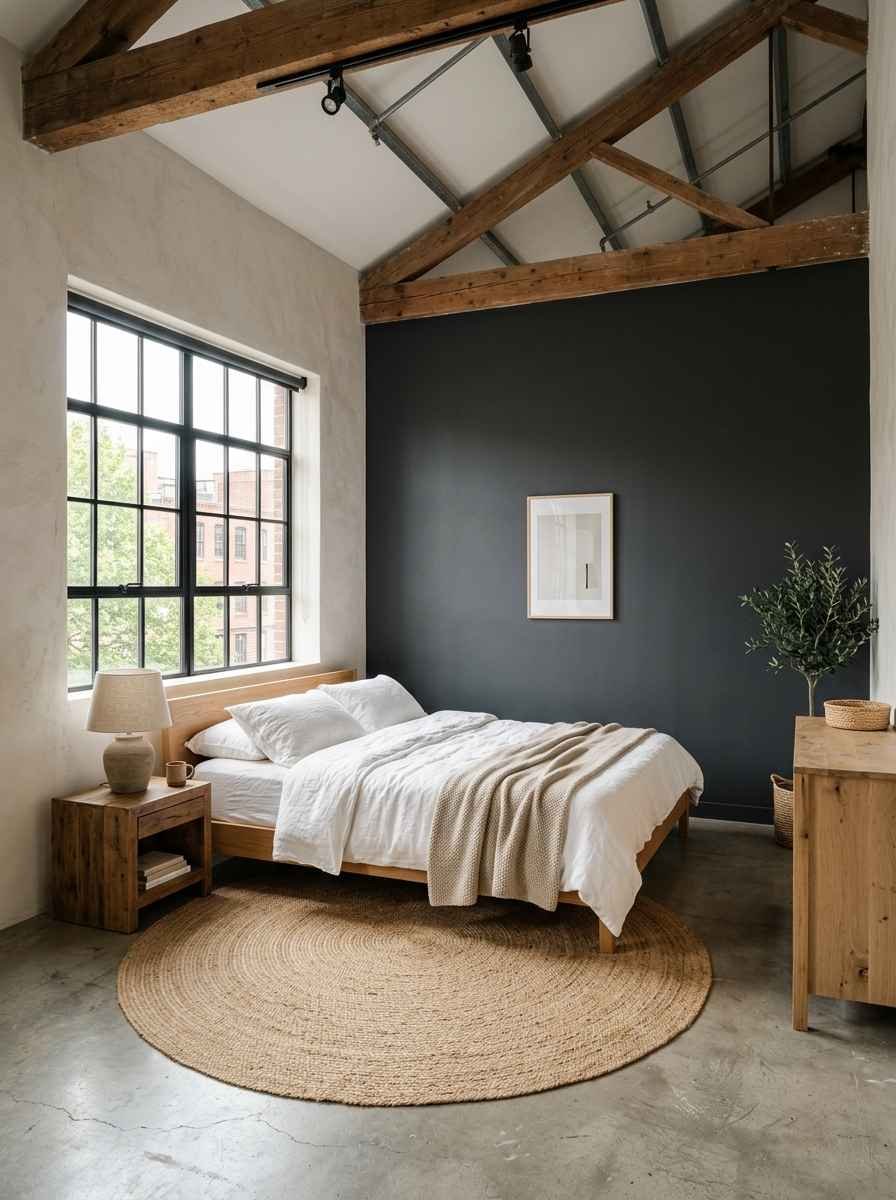
Paint one wall matte charcoal. Skip the whole room. One wall does the job and costs under $40 in most cases.
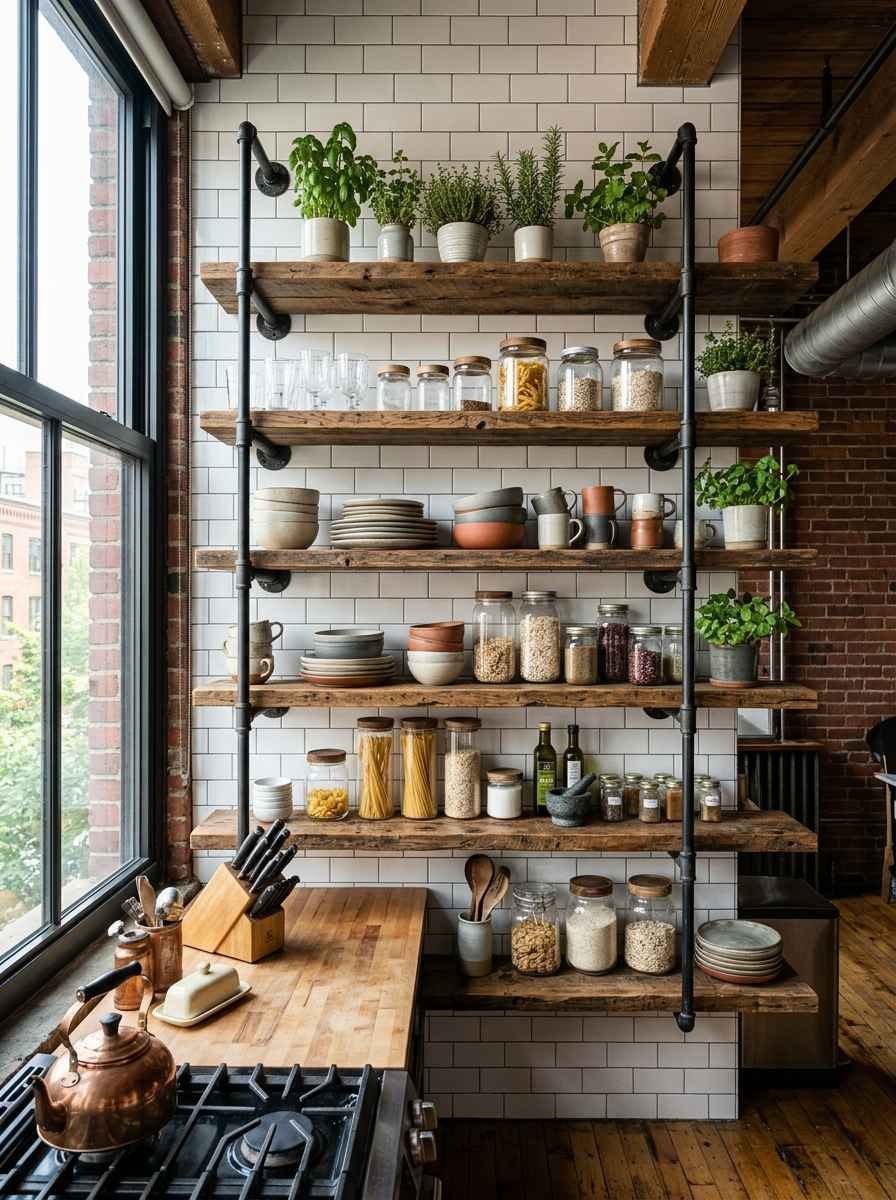
Hang pipe shelving. Black plumbing pipe from any hardware store, cut to length, bolted to reclaimed wood. IMO this is the single most Pinterest-famous industrial hack, and it earned that reputation.
Add a rolling metal cart as a side table. Bar carts with black metal frames read industrial instantly and double as storage.
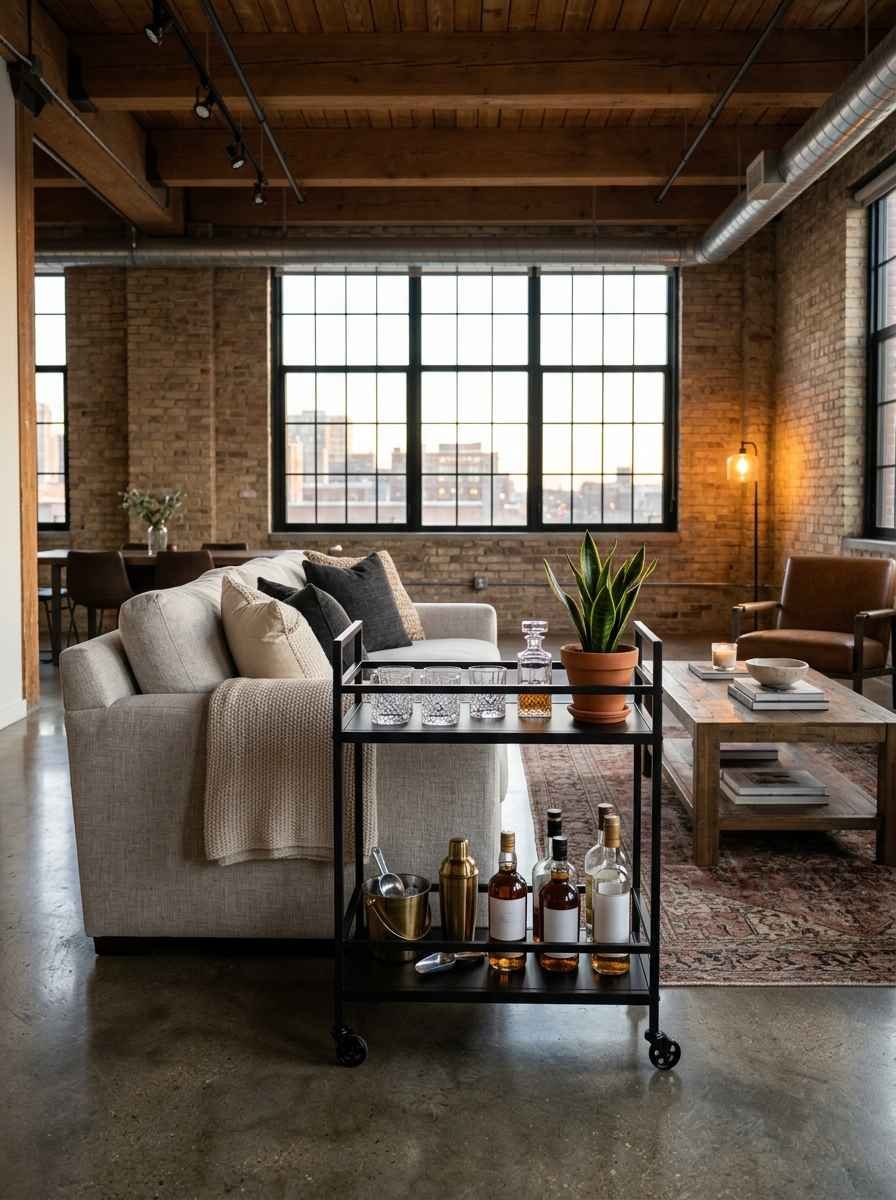
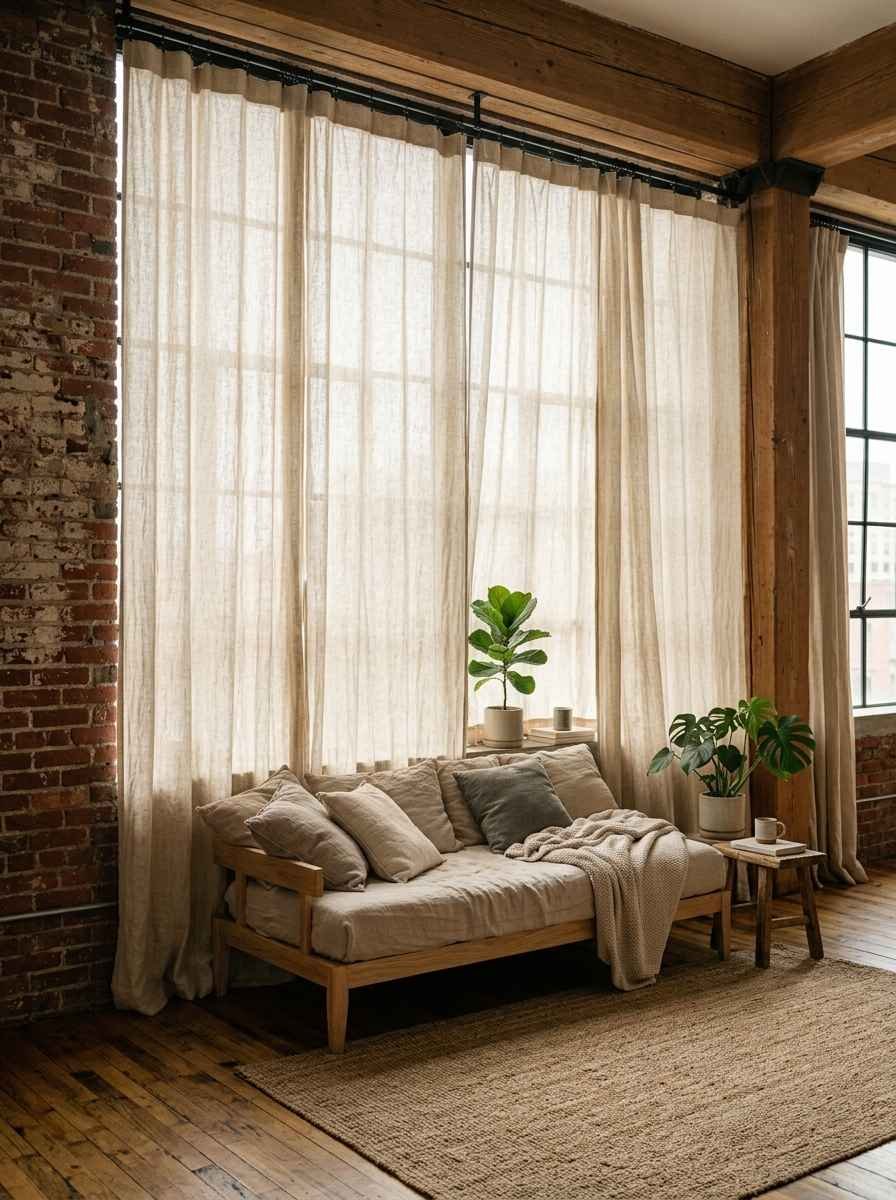
Use canvas drop cloths as curtains. Sounds strange until you see it. The rough texture and neutral tone fit the aesthetic perfectly, and a full drop cloth runs about $15.
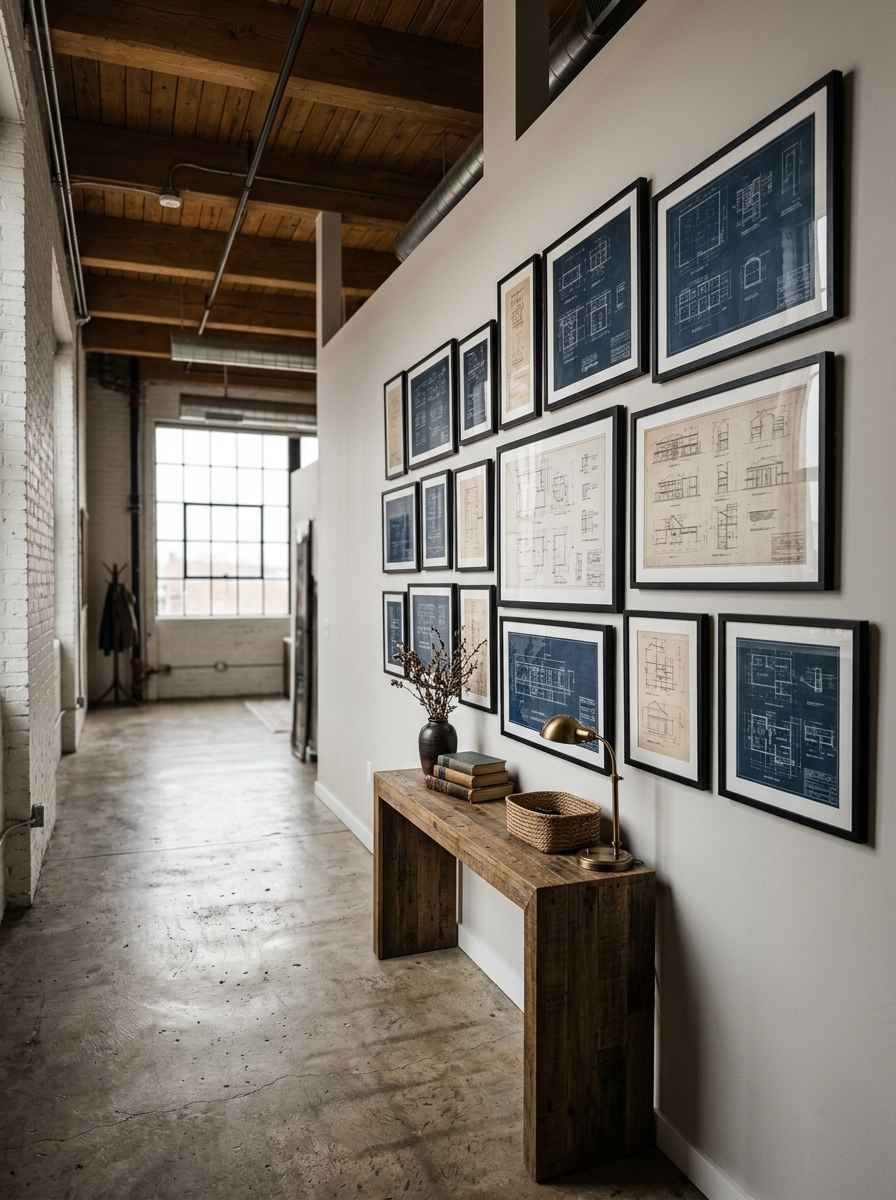
Frame vintage blueprints or schematics. Thrift stores and estate sales are full of them. Cheap, framed, done.
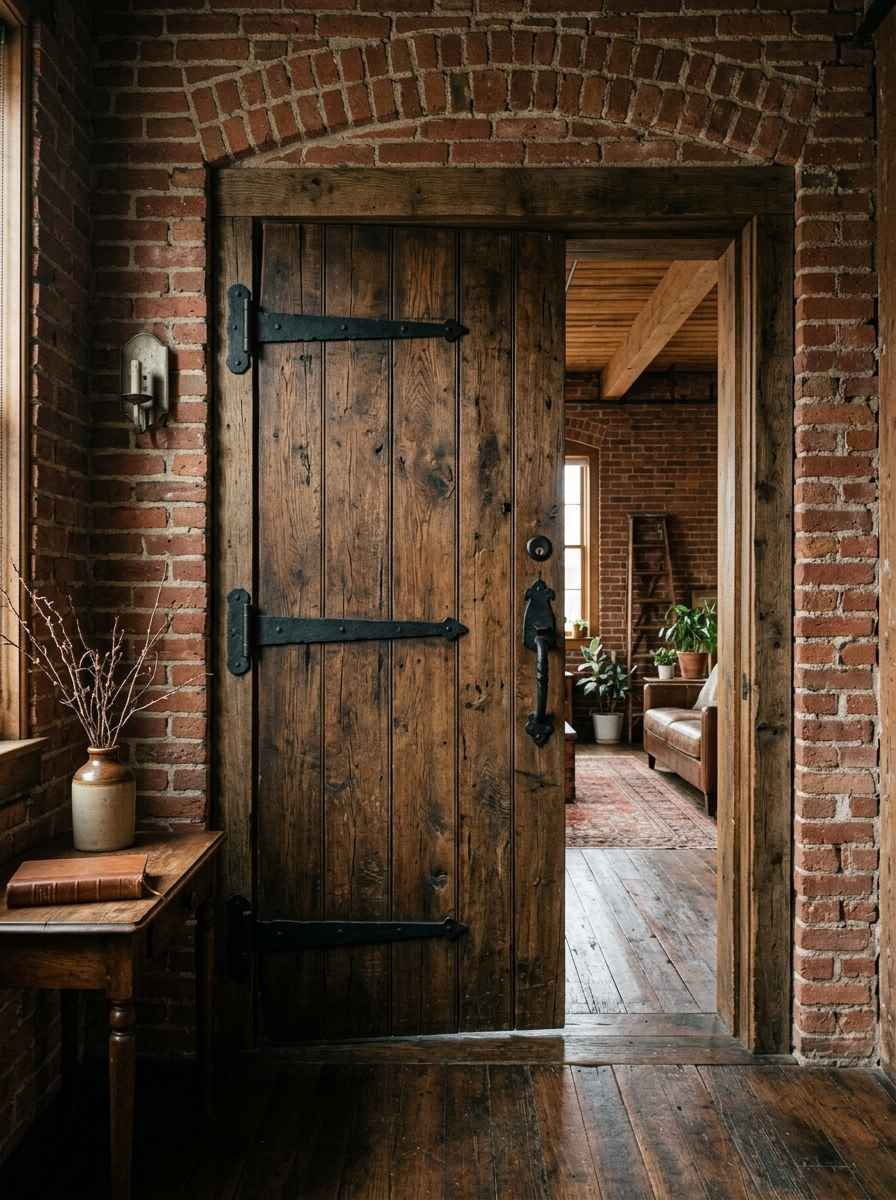
Swap door hardware for black iron handles. A $6 handle change transforms a hollow-core door into something that looks salvaged.
Add exposed extension cords intentionally. Braided fabric cords in black or copper look deliberate instead of messy, and they cost less than $10 each.
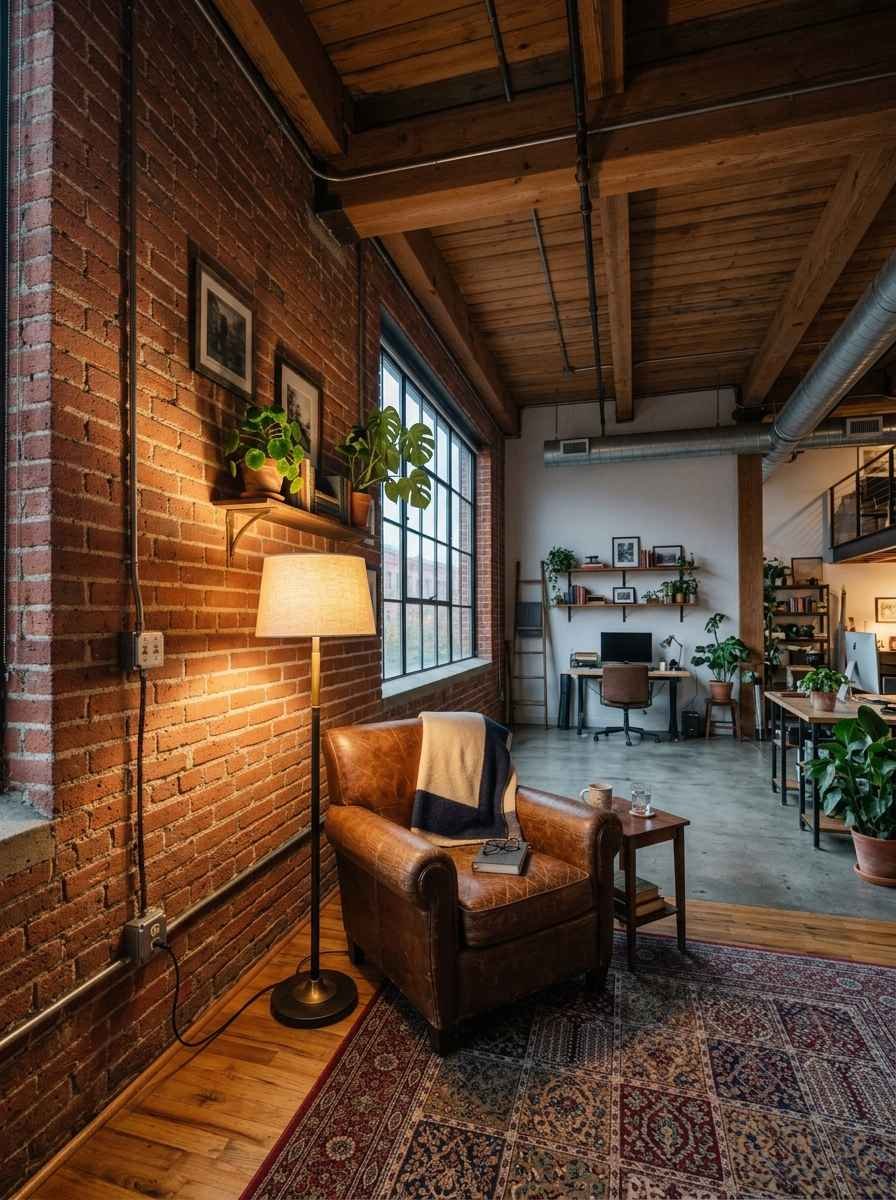
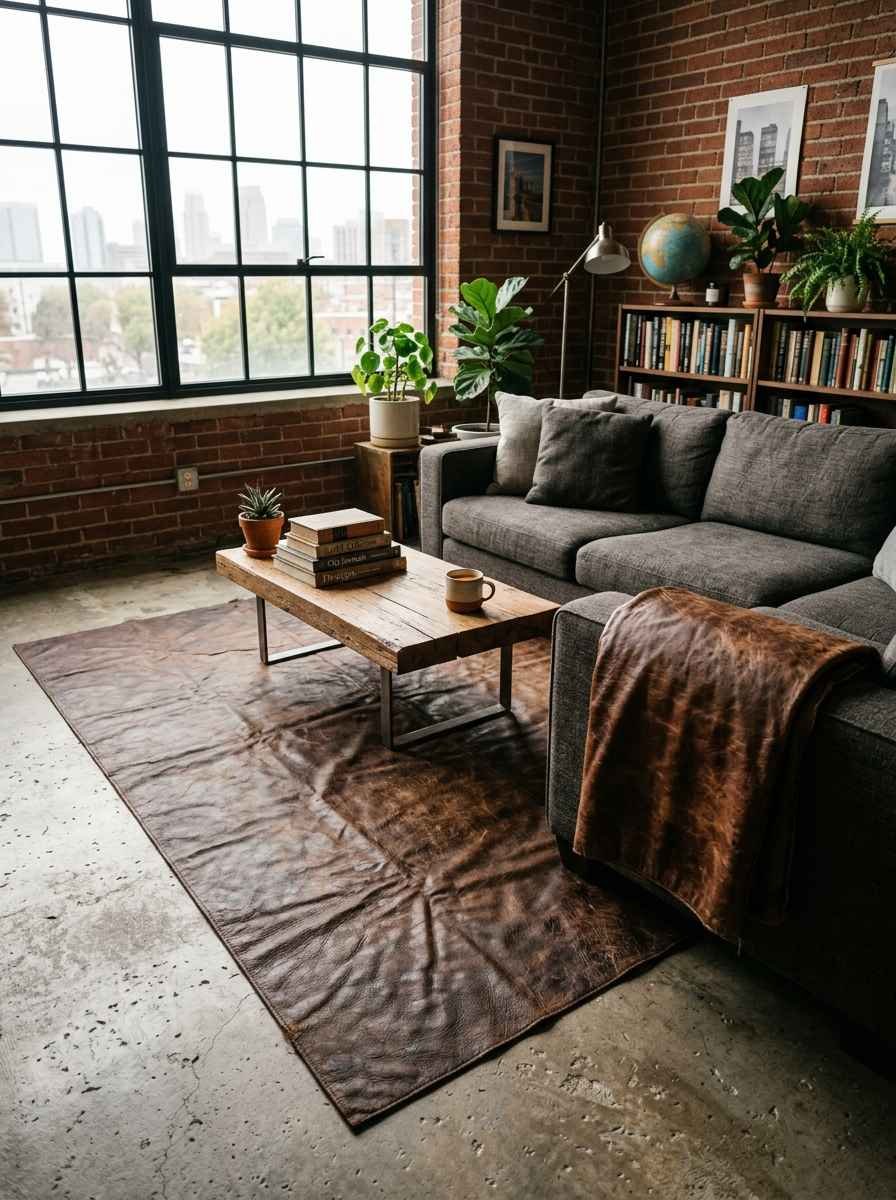
Layer a worn leather rug or throw. Faux leather works fine here. Nobody’s checking.
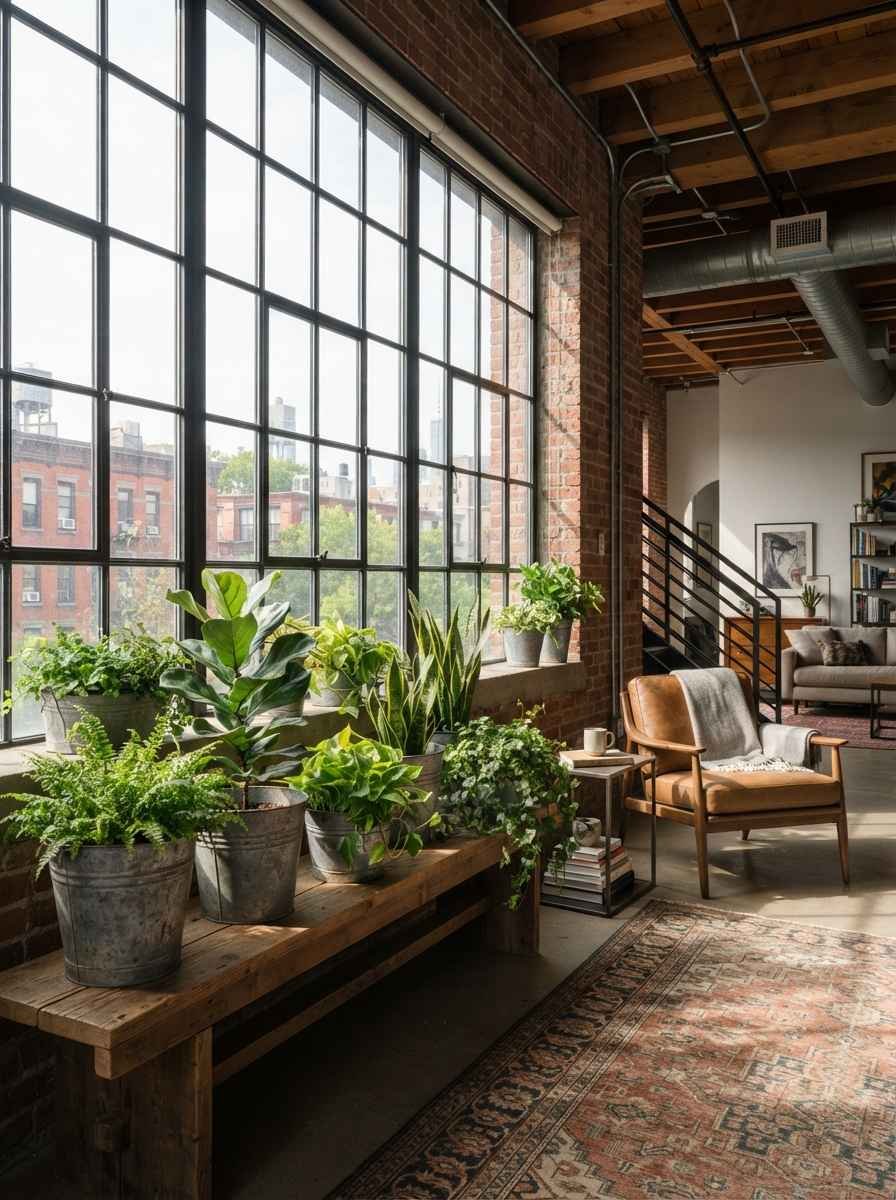
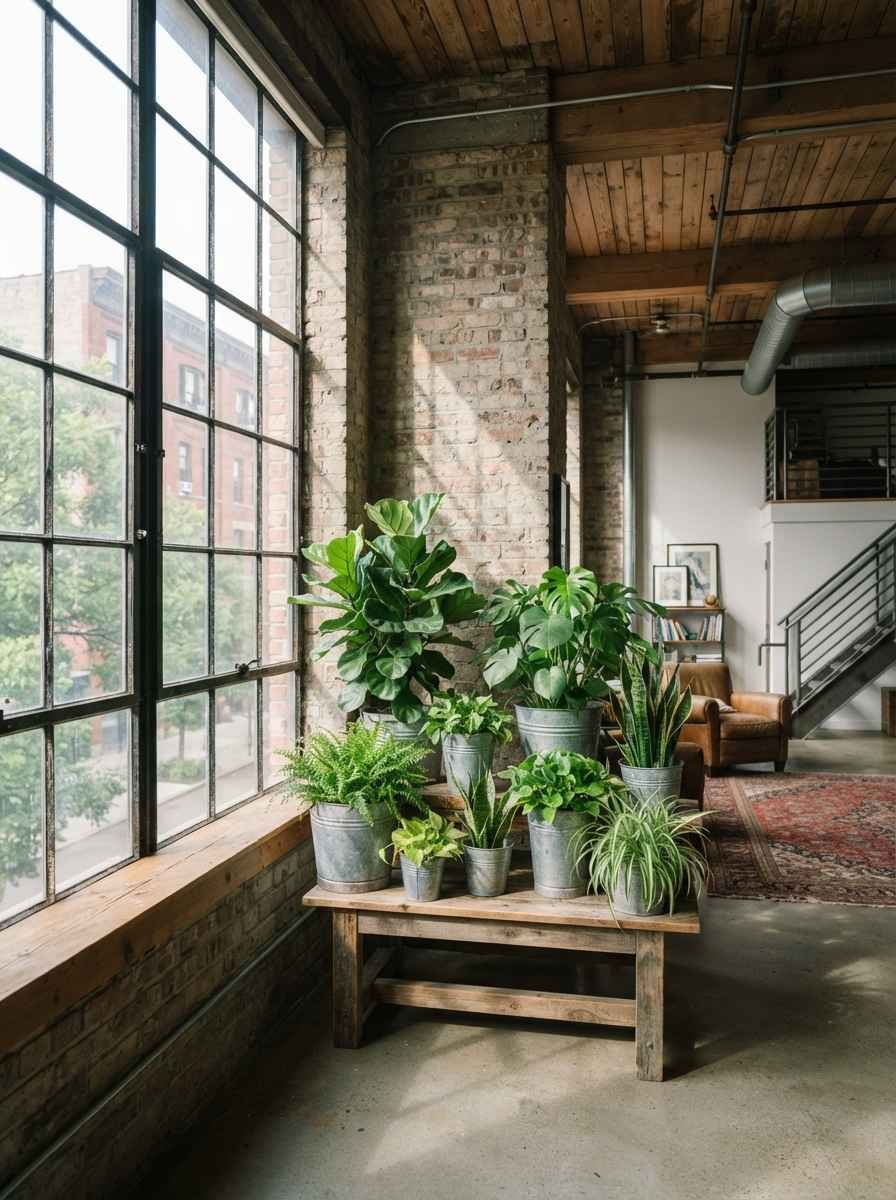
Use metal bucket planters for greenery. Galvanized buckets from a garden center run $8 to $15 and pair well with any industrial corner.
I’ll be honest: the pipe shelving one (number 3) took me two tries to get level. My first attempt leaned like it had had a few drinks. Worth the redo though.
Mid-range ideas ($200 to $1,500)
Install a concrete-look vinyl or laminate floor. Real concrete is a bigger job, but the vinyl versions fool almost everyone.
If you want the durability facts on real polished concrete before committing, this concrete floor guide from The Spruce breaks down sealing and maintenance well.
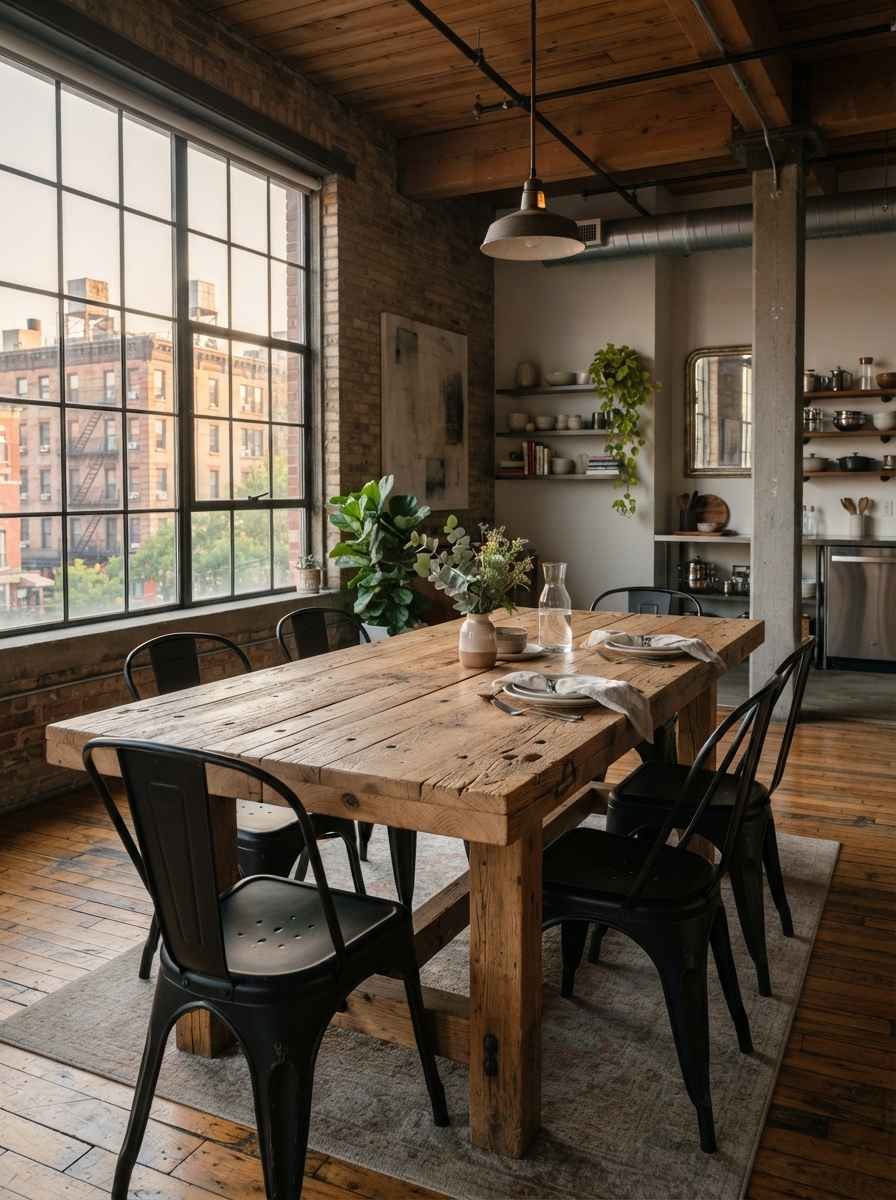
Buy a genuine reclaimed wood dining table. This is where the style really clicks. Reclaimed wood carries scars, nail holes, and color shifts that new lumber can’t fake.
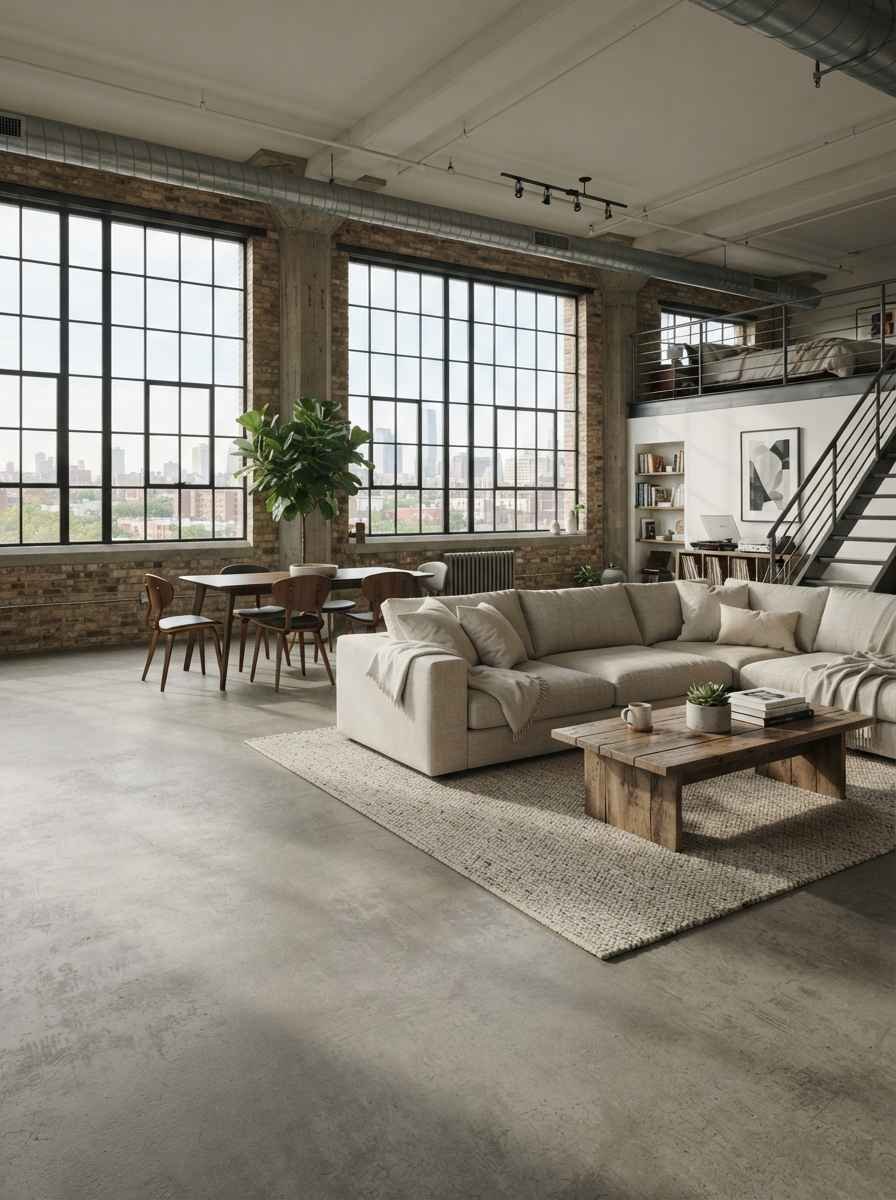
Add black steel-frame windows or room dividers. These frames run $400 to $900 depending on size but change a room’s whole silhouette.
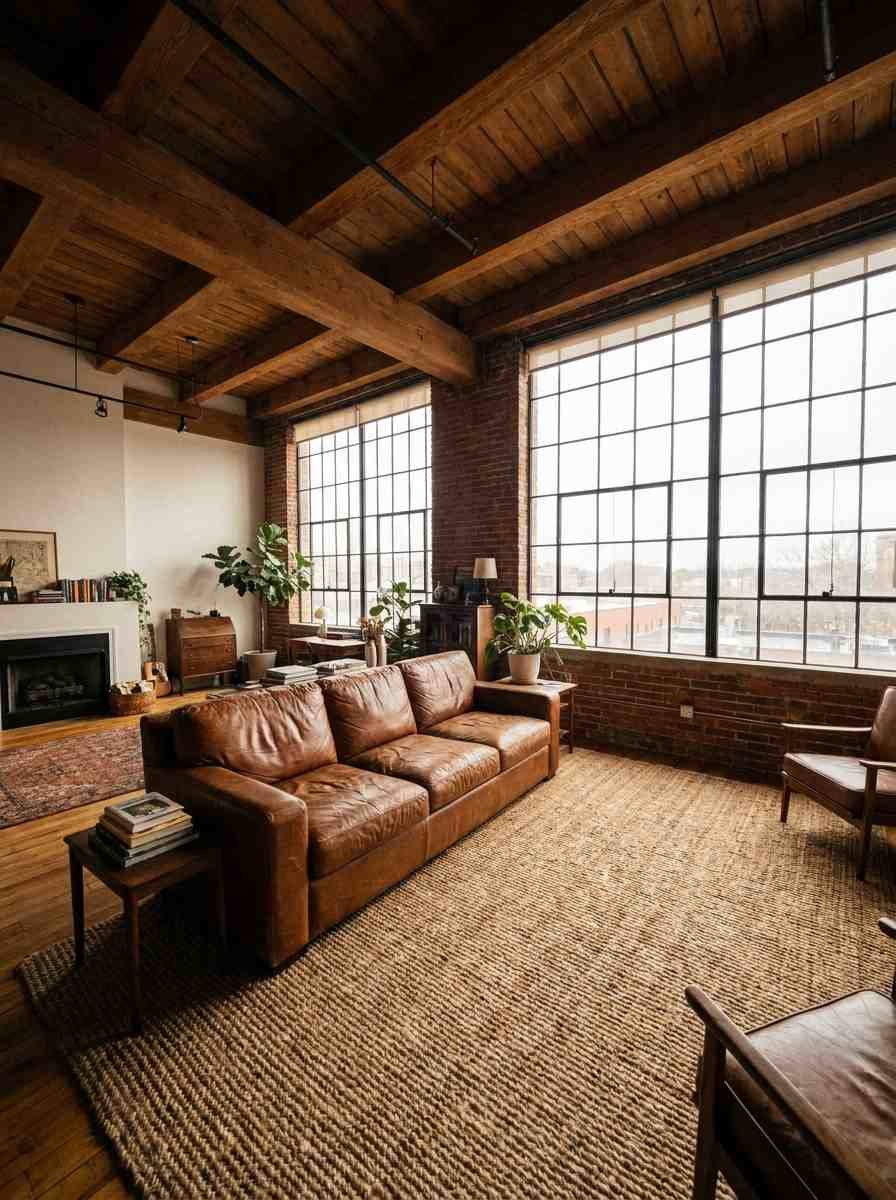
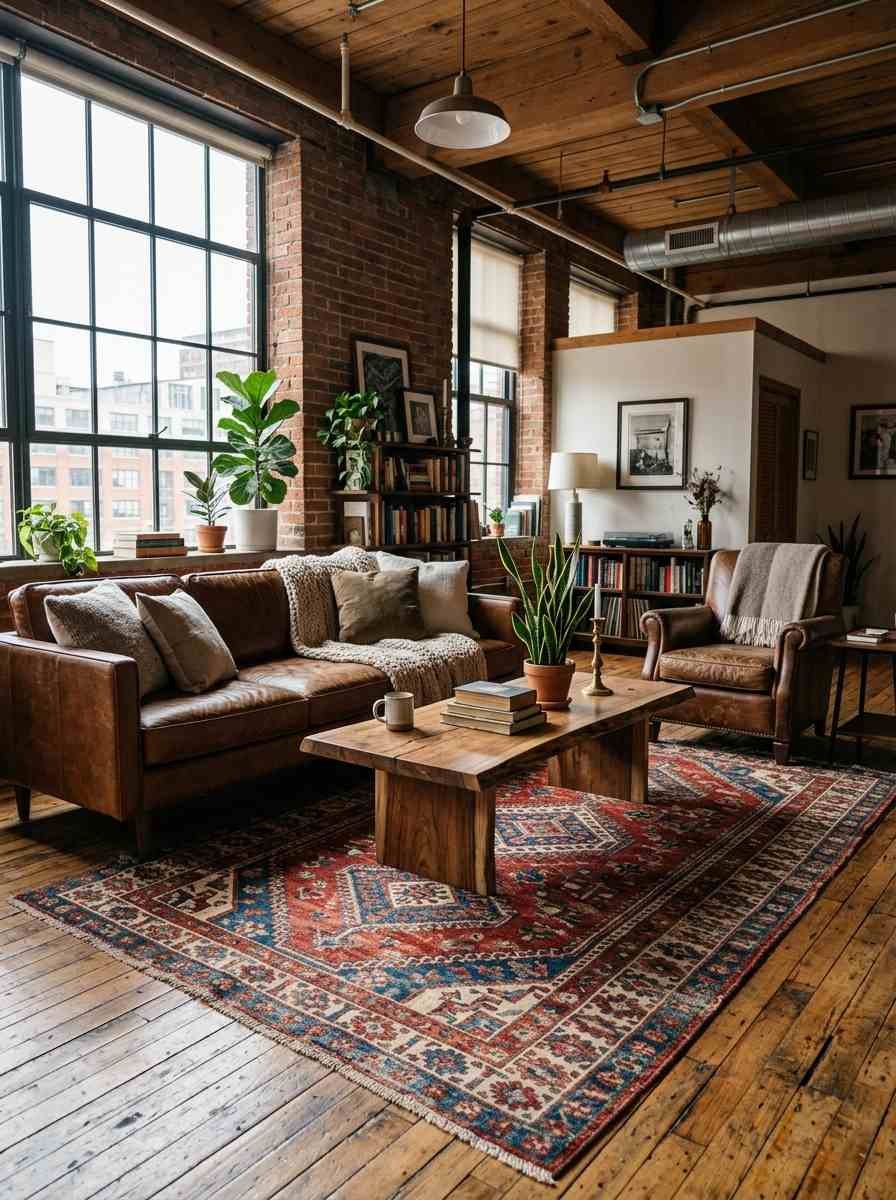
Upgrade to a leather sofa in cognac or dark brown. A good leather sofa ages into the look. A cheap faux one just peels.
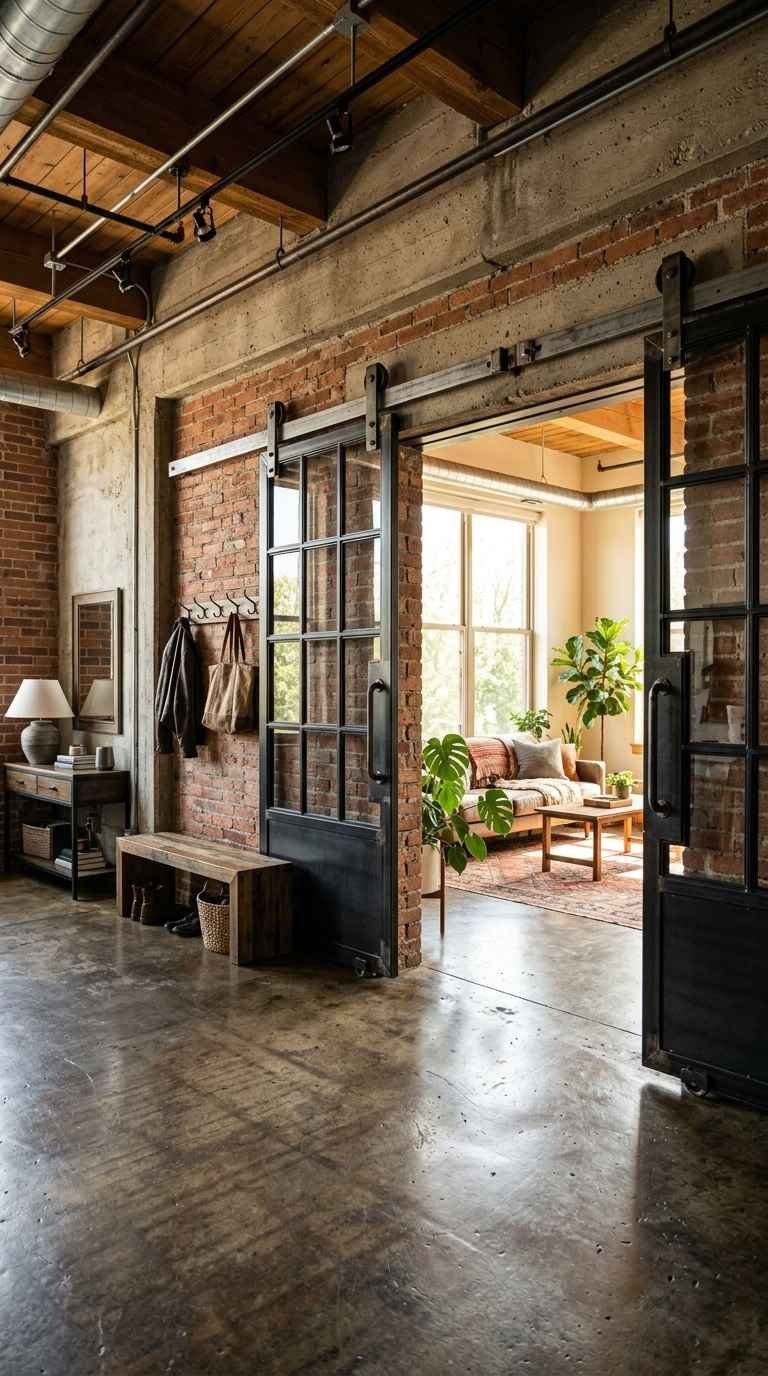
Install a sliding barn door on exposed track hardware. Functional and photogenic. Wins on both counts.
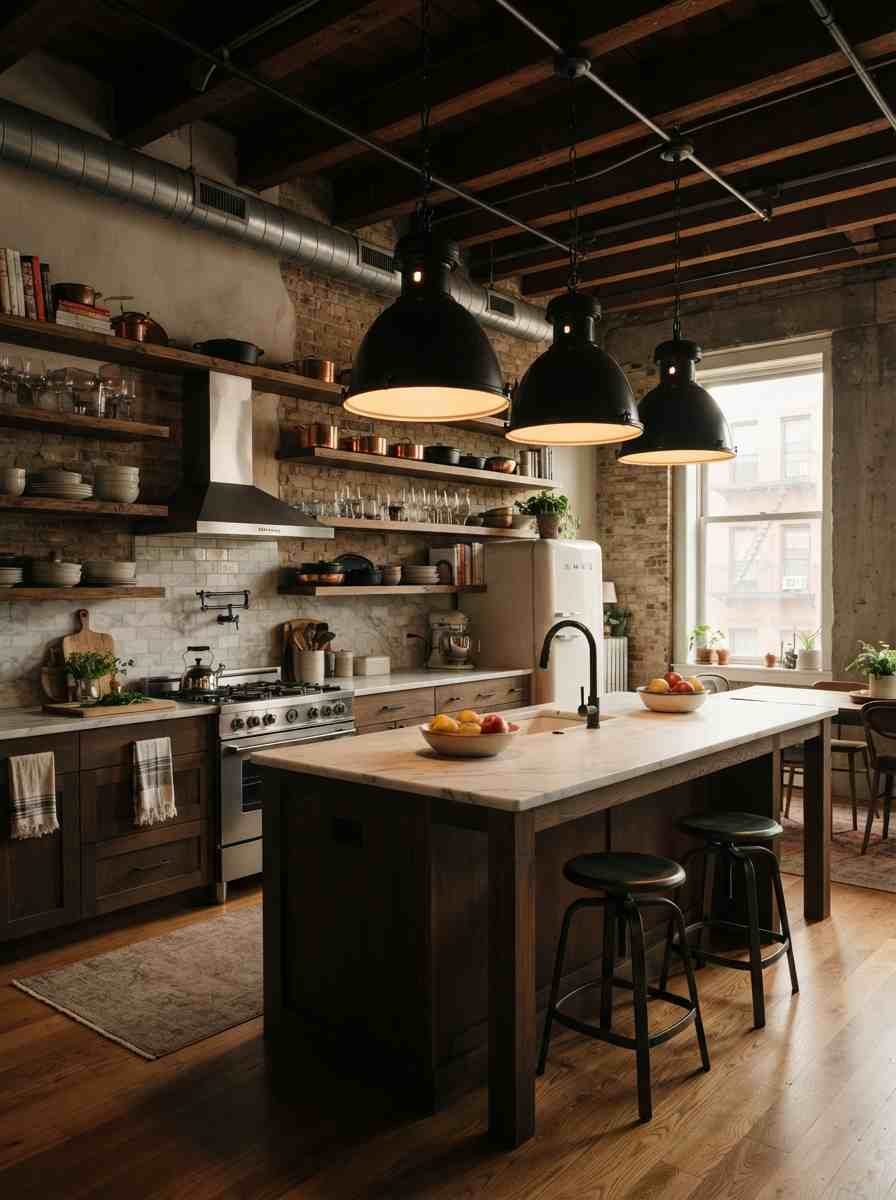
Add oversized factory-style pendant lighting over a kitchen island. These fixtures anchor a whole room and usually run $150 to $400 each.
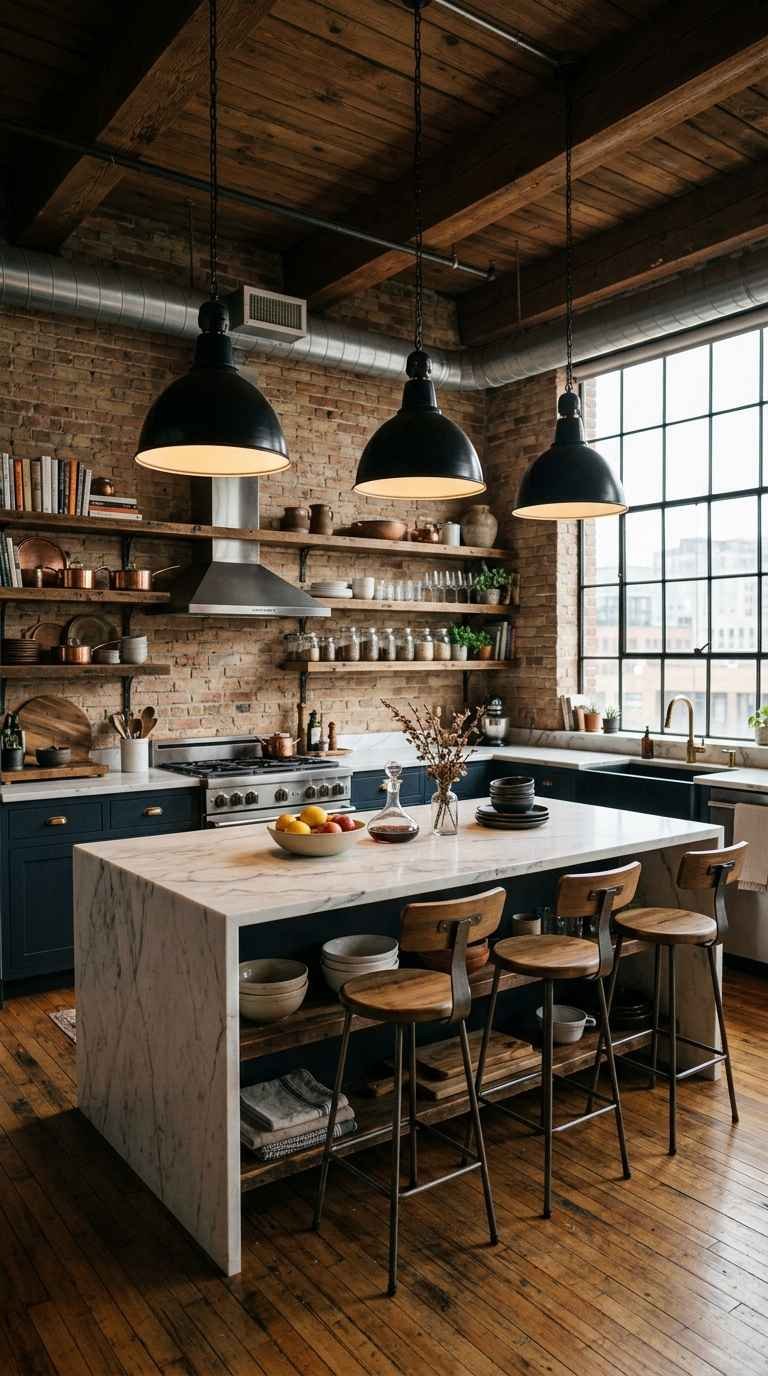
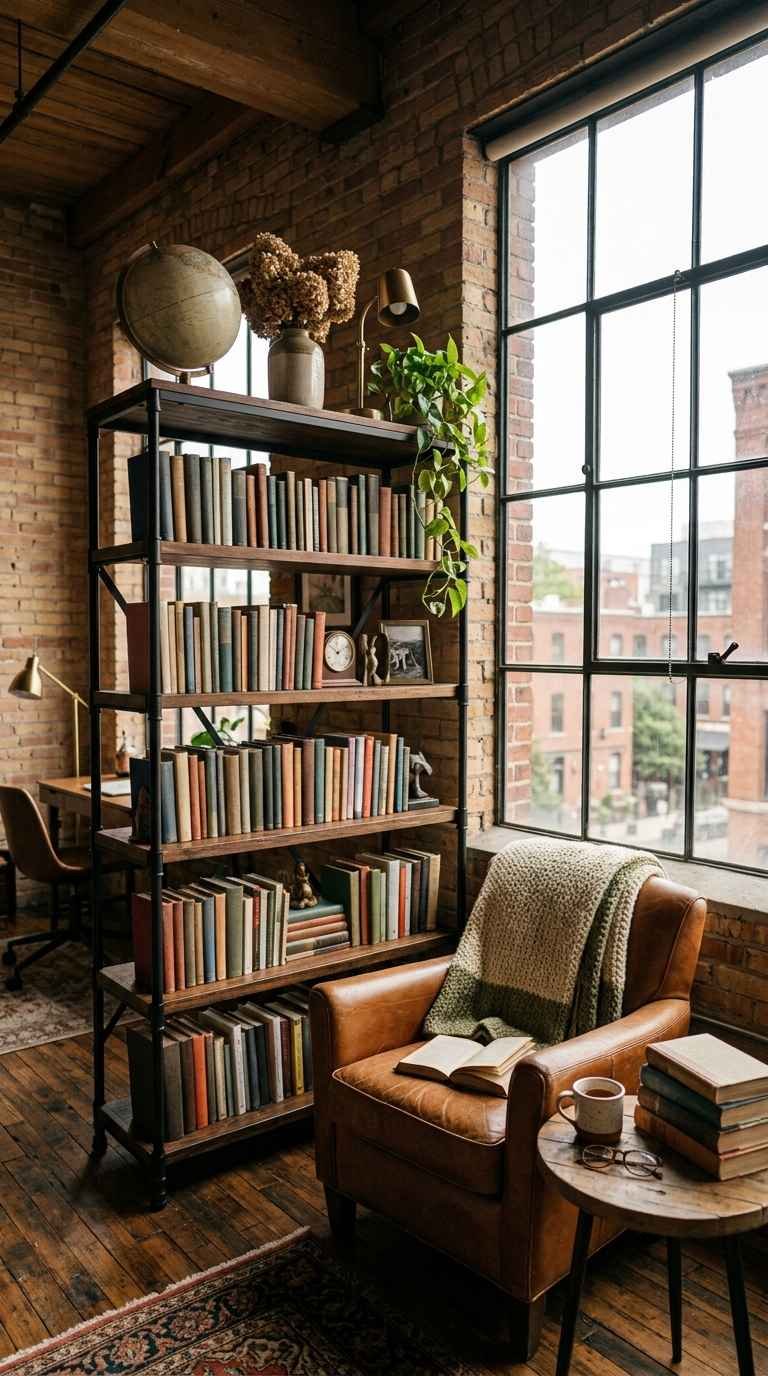
Bring in a metal-and-wood bookshelf, floor to ceiling. Storage and style in one piece.
Swap standard doors for warehouse-style sliding doors. These aren’t cheap, but they’re the detail that makes visitors stop mid-sentence.
Add a statement rug that’s worn or distressed on purpose. Vintage-style Persian or kilim rugs soften all that hard metal and concrete.
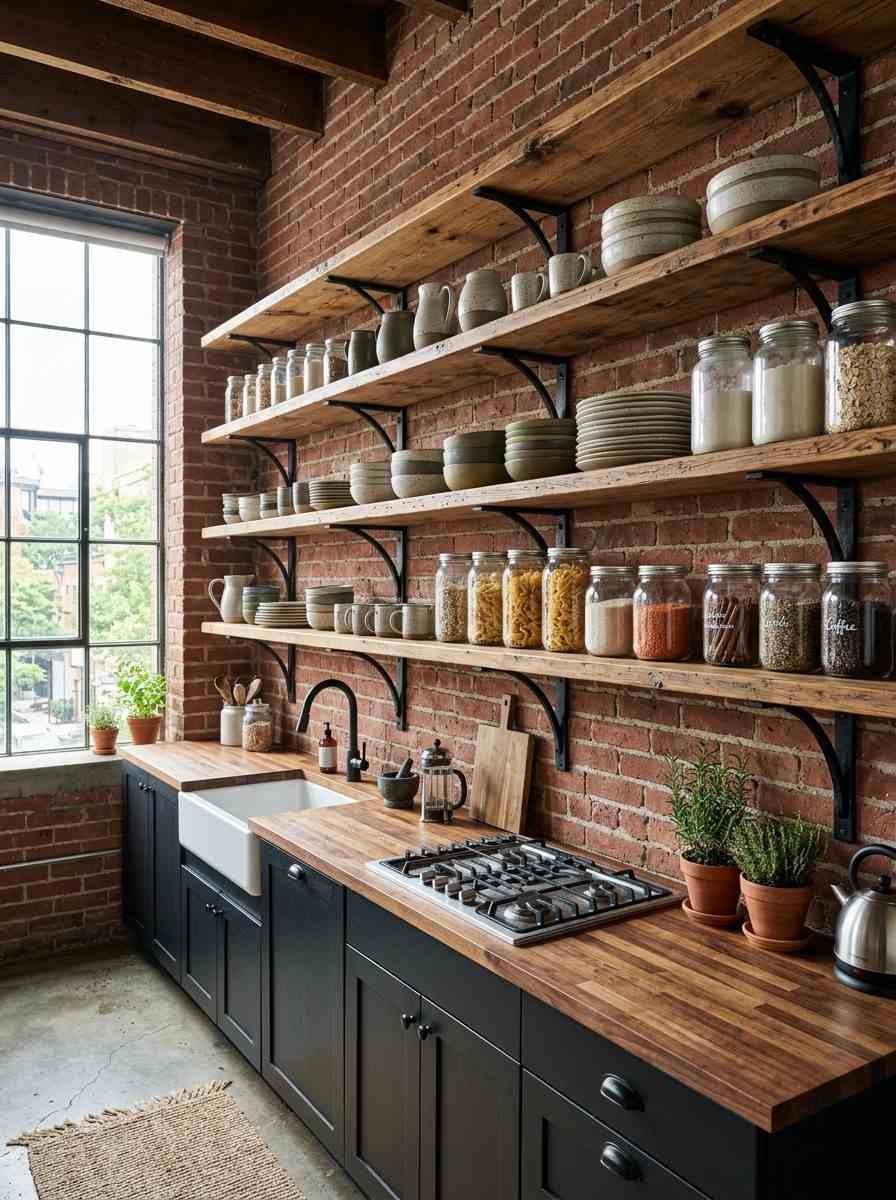
Install open shelving in the kitchen with black brackets. Cabinets hidden behind doors feel too polished for this style. Open shelves show off your dishes and your commitment to the aesthetic.
Splurge-worthy ideas ($1,500+)
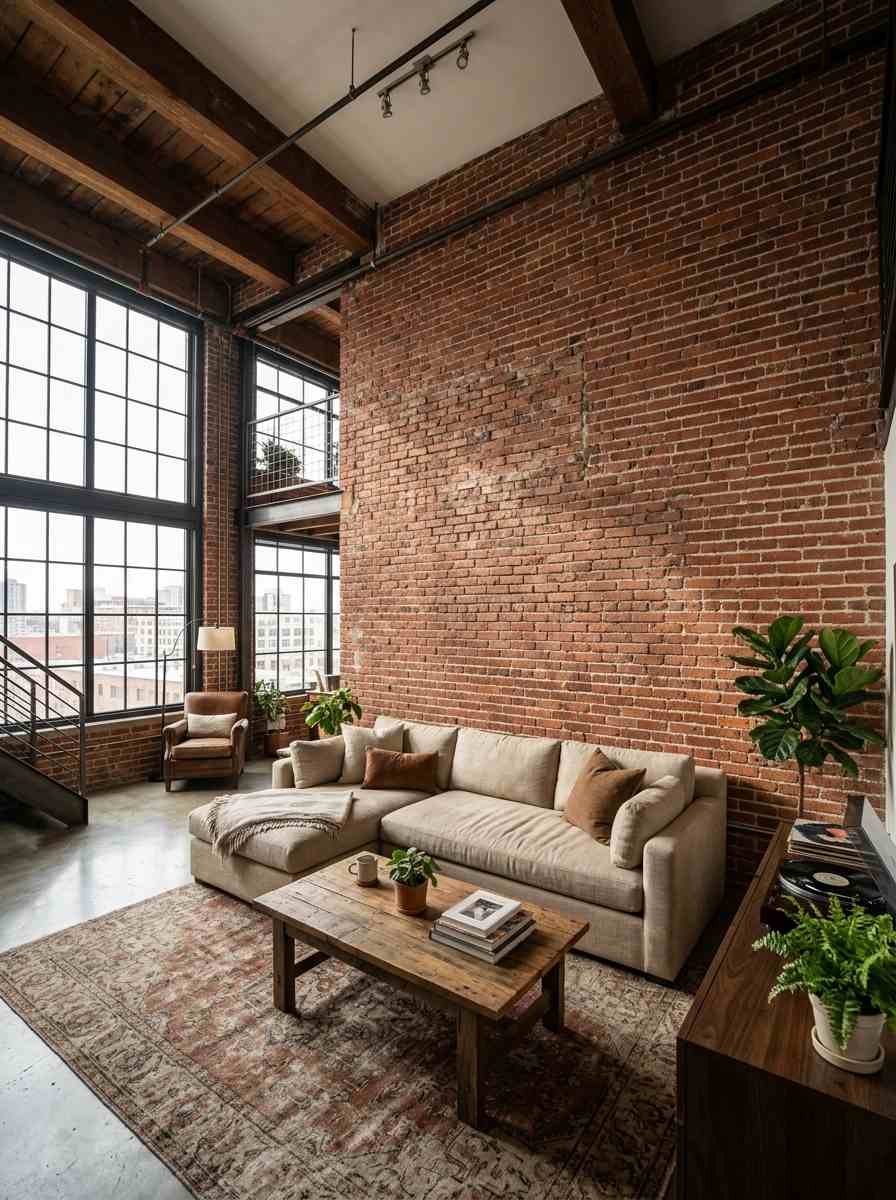
Expose the brick. If your walls have brick underneath drywall or plaster, this is the single highest-impact renovation on this entire list. It’s dusty, messy work, but wow, the payoff.
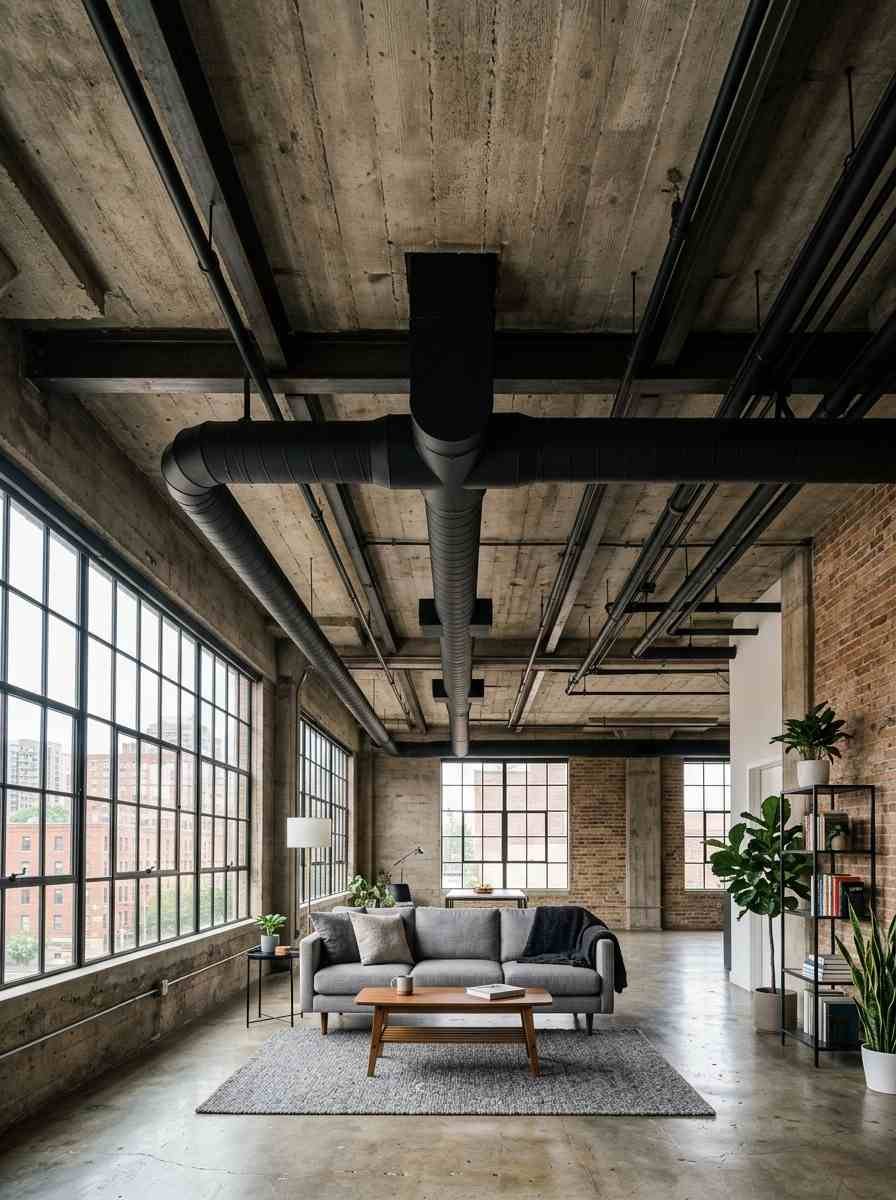
Expose the ductwork and paint it matte black. Contractors sometimes charge extra to leave it visible instead of boxing it in. Ask first.
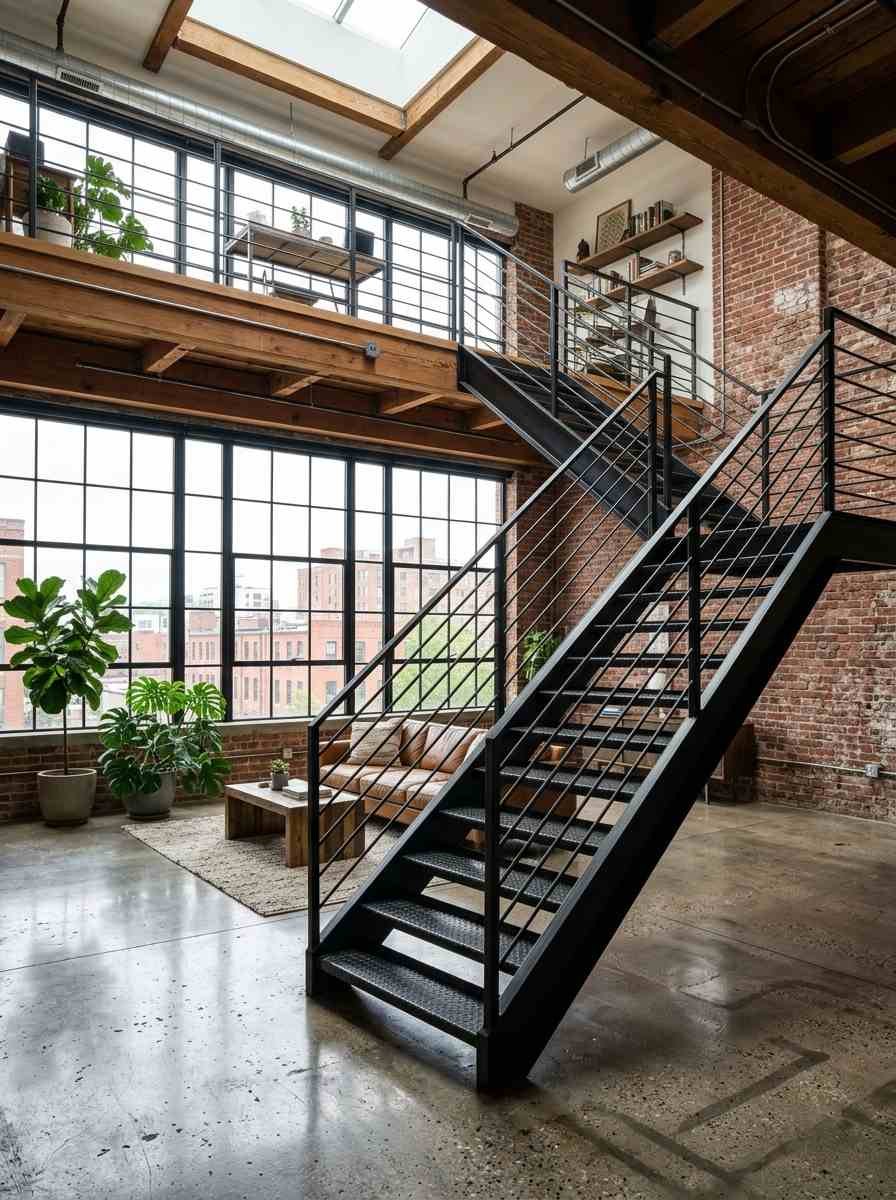
Install a spiral or open-riser steel staircase. If you’ve got a loft with a mezzanine level, this single feature can define the whole space.
Add oversized factory windows or a skylight. Natural light is what separates a good industrial loft from a dark, heavy one. Don’t skip this if your budget allows it at all.
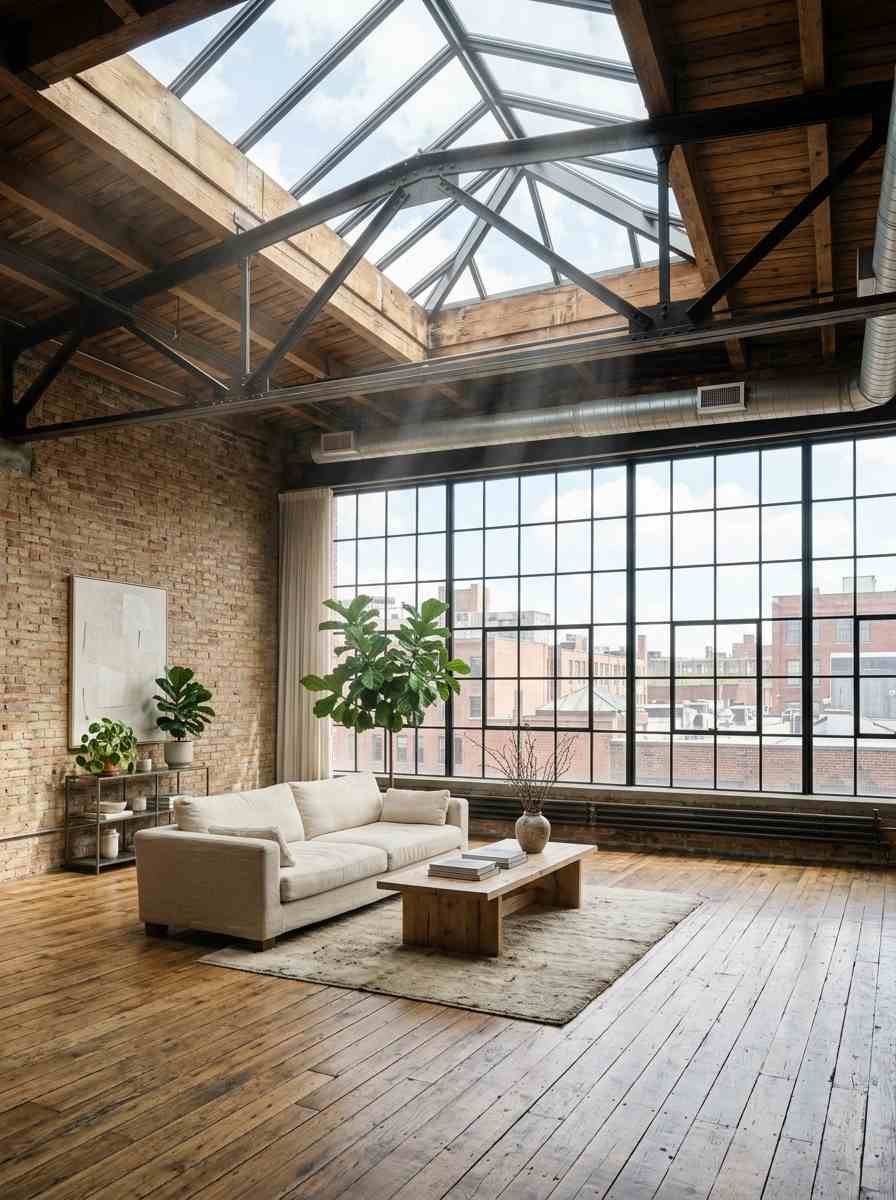
Install polished or stained concrete flooring. The real thing, not the vinyl version.
It’s cold underfoot in winter, so budget for radiant heating if you live somewhere that gets properly cold.
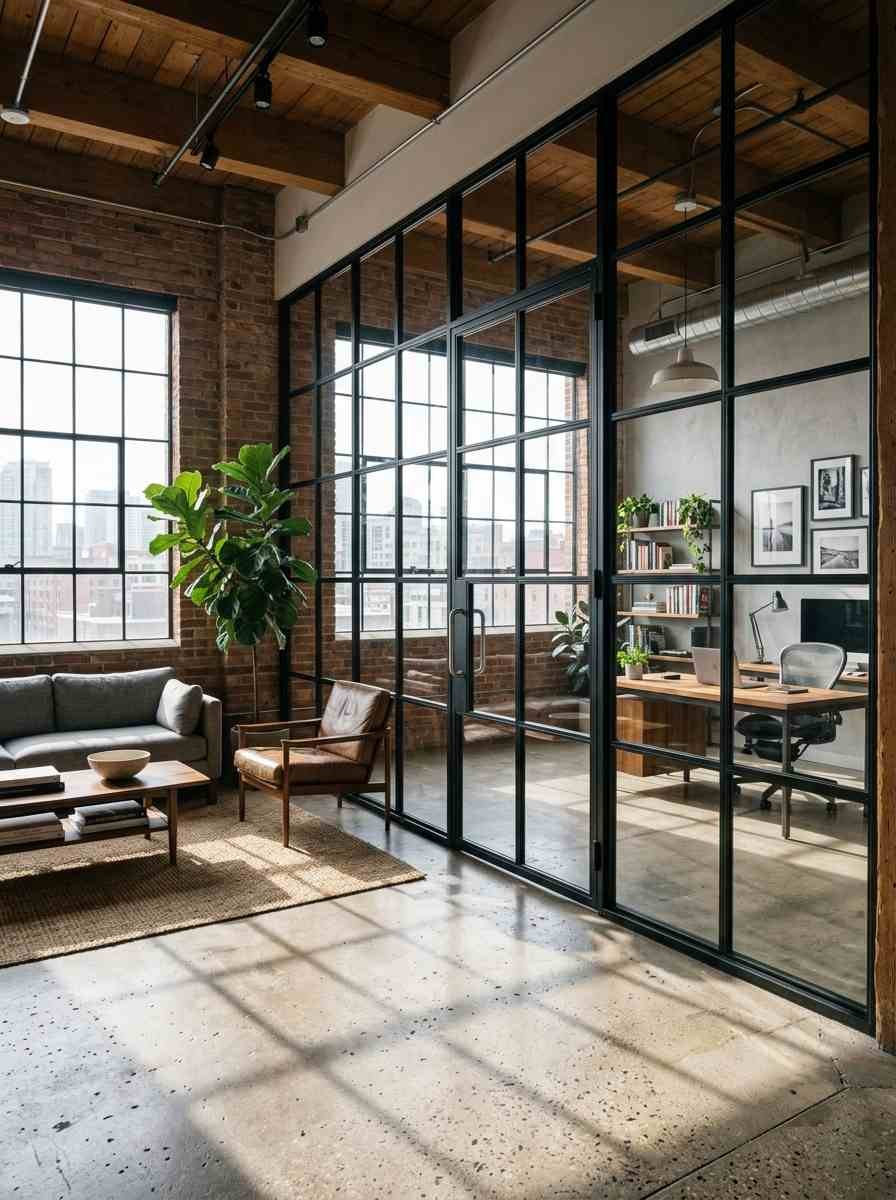
Build a custom steel-and-glass room divider. These separate open-concept spaces without closing them off, which keeps the loft feeling loft-like.
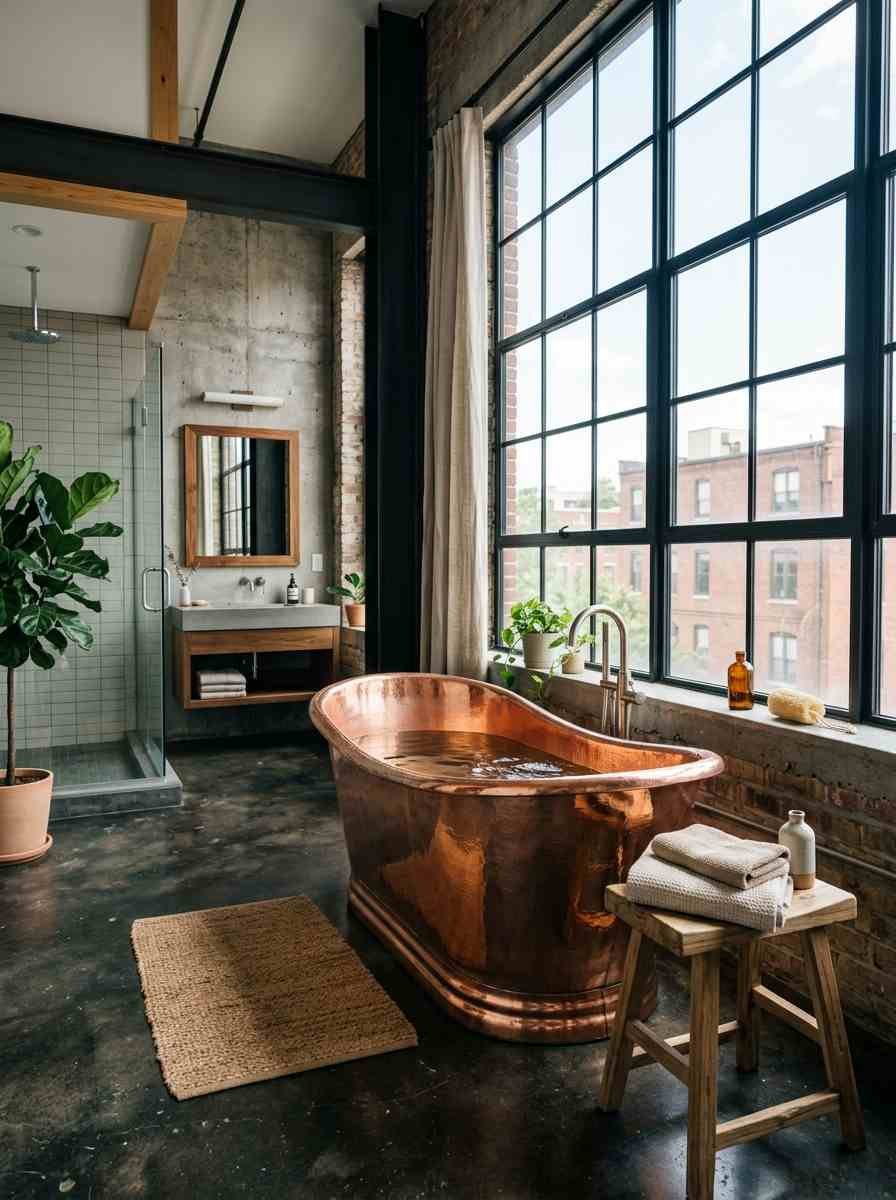
Add a freestanding cast iron or copper soaking tub. In a bathroom, this single piece can carry the entire industrial theme on its own.
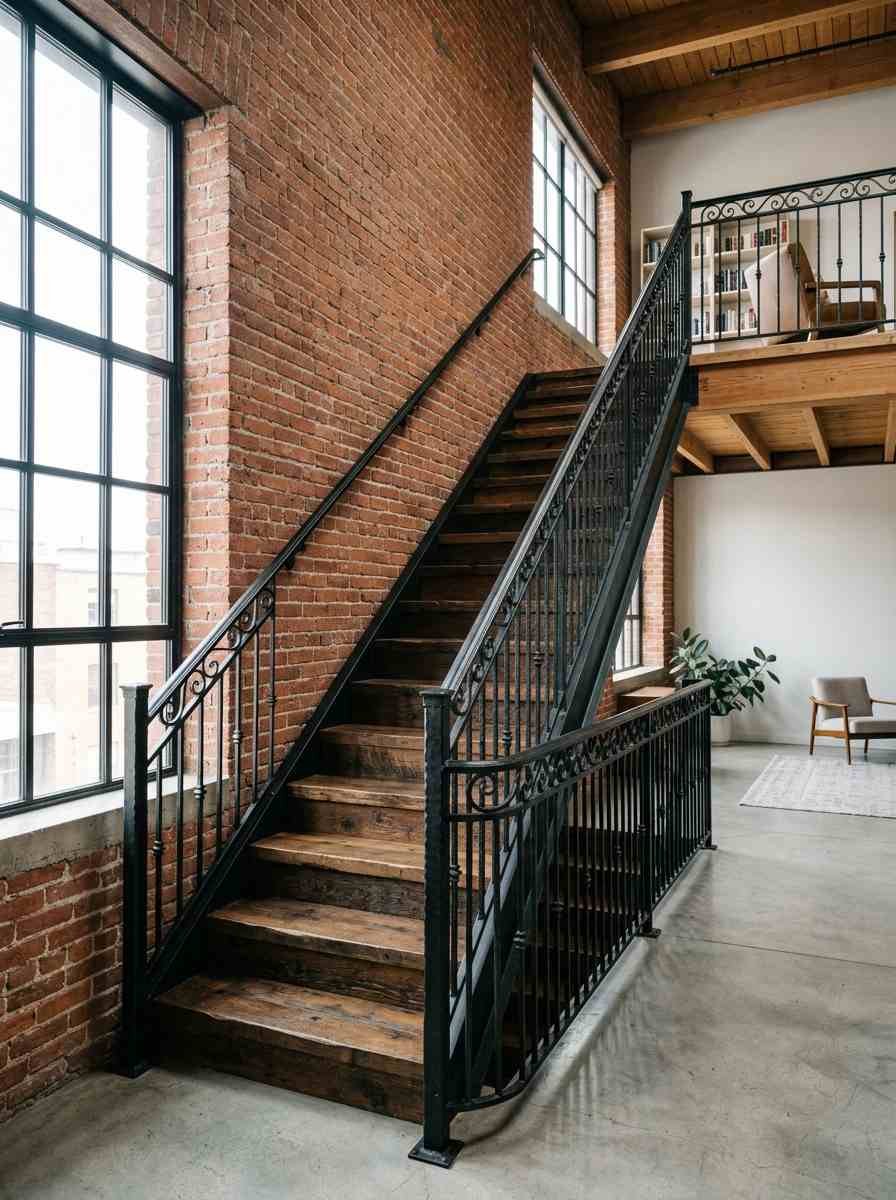
Commission a custom metal staircase railing. Off-the-shelf railings rarely match the scale of a real loft ceiling.
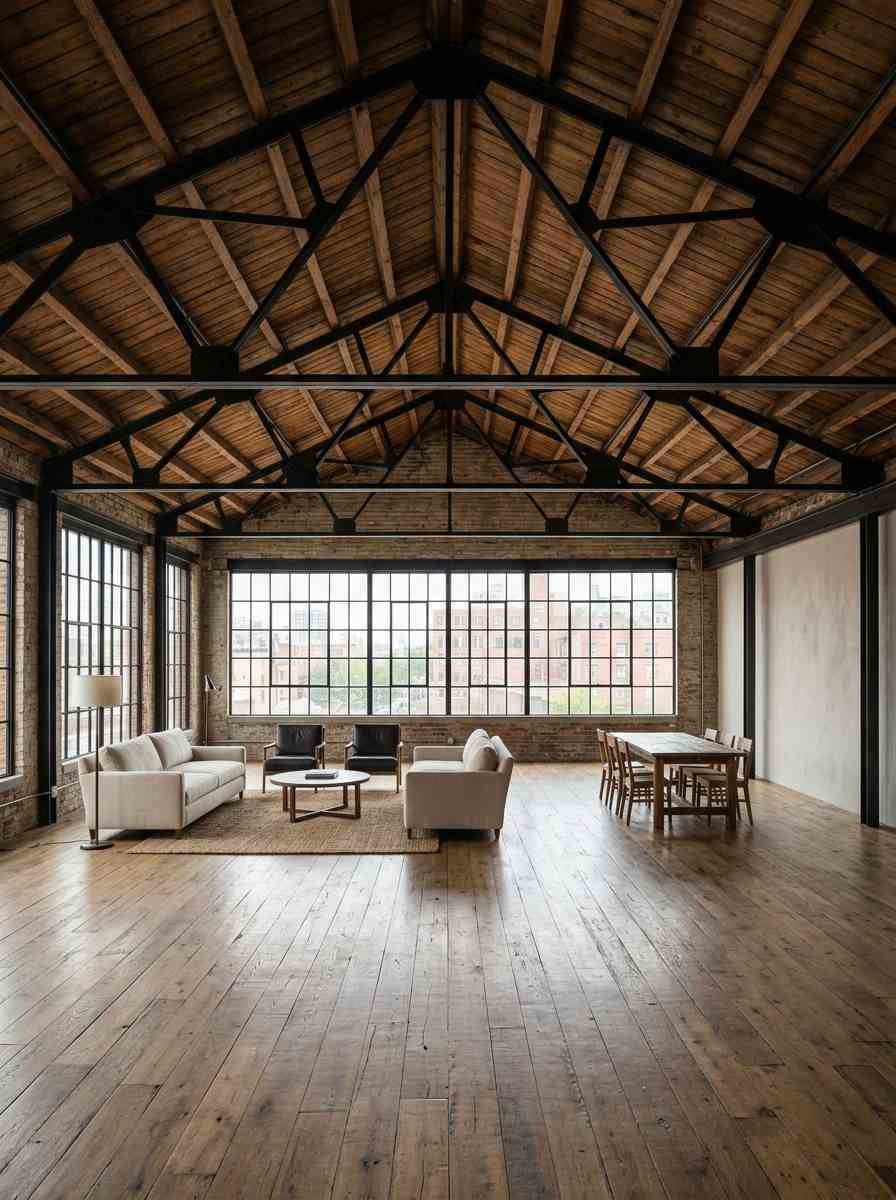
Vault or expose the ceiling structure. Removing a dropped ceiling to reveal original beams or trusses is expensive and often requires a contractor, but it’s the difference between a loft that looks industrial and one that actually is.
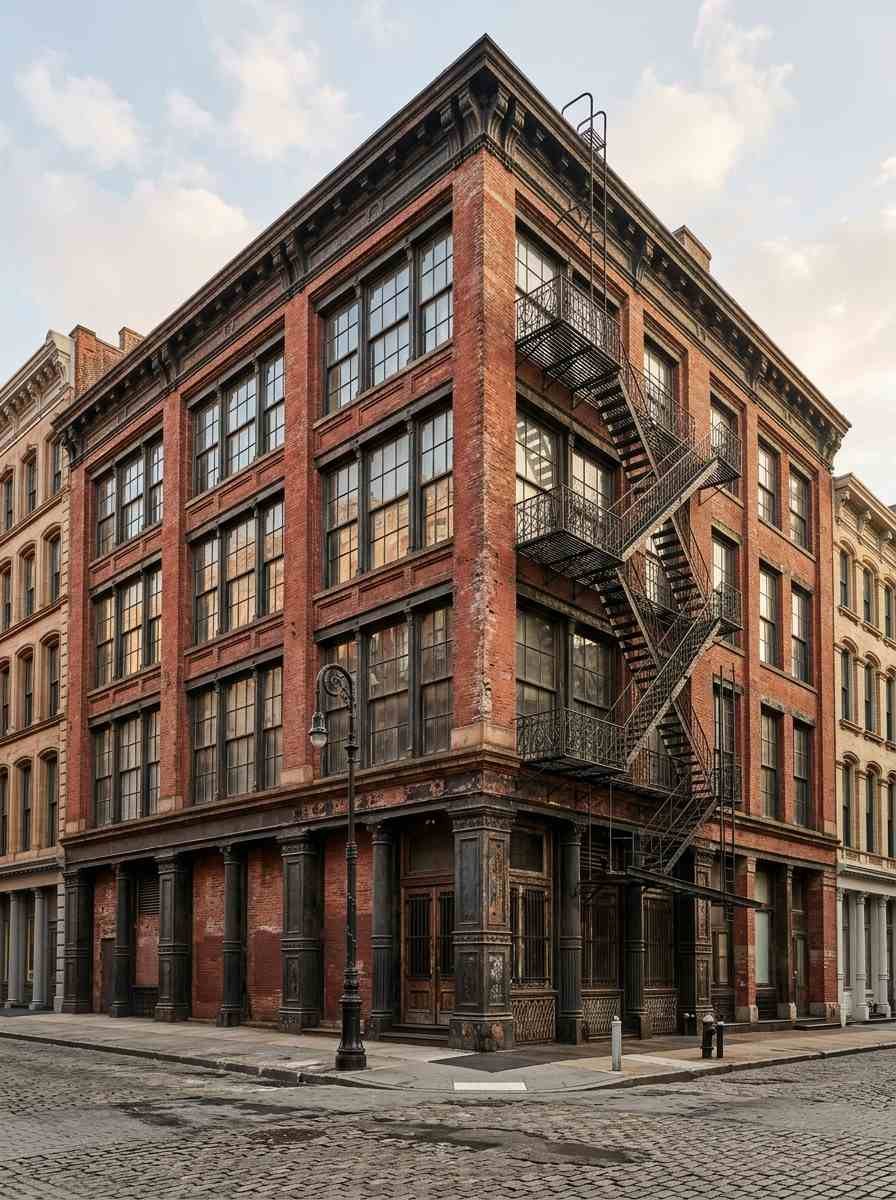
Quick tangent, and I promise this connects: I once spent an entire Saturday afternoon deep in a rabbit hole about how old factory buildings got converted into lofts in the first place, starting in SoHo in the 1960s with artists who just wanted cheap studio space with good light.
That history is exactly why this style feels honest instead of trendy. It wasn’t designed. It was inherited.
How to mix budgets without it looking mismatched
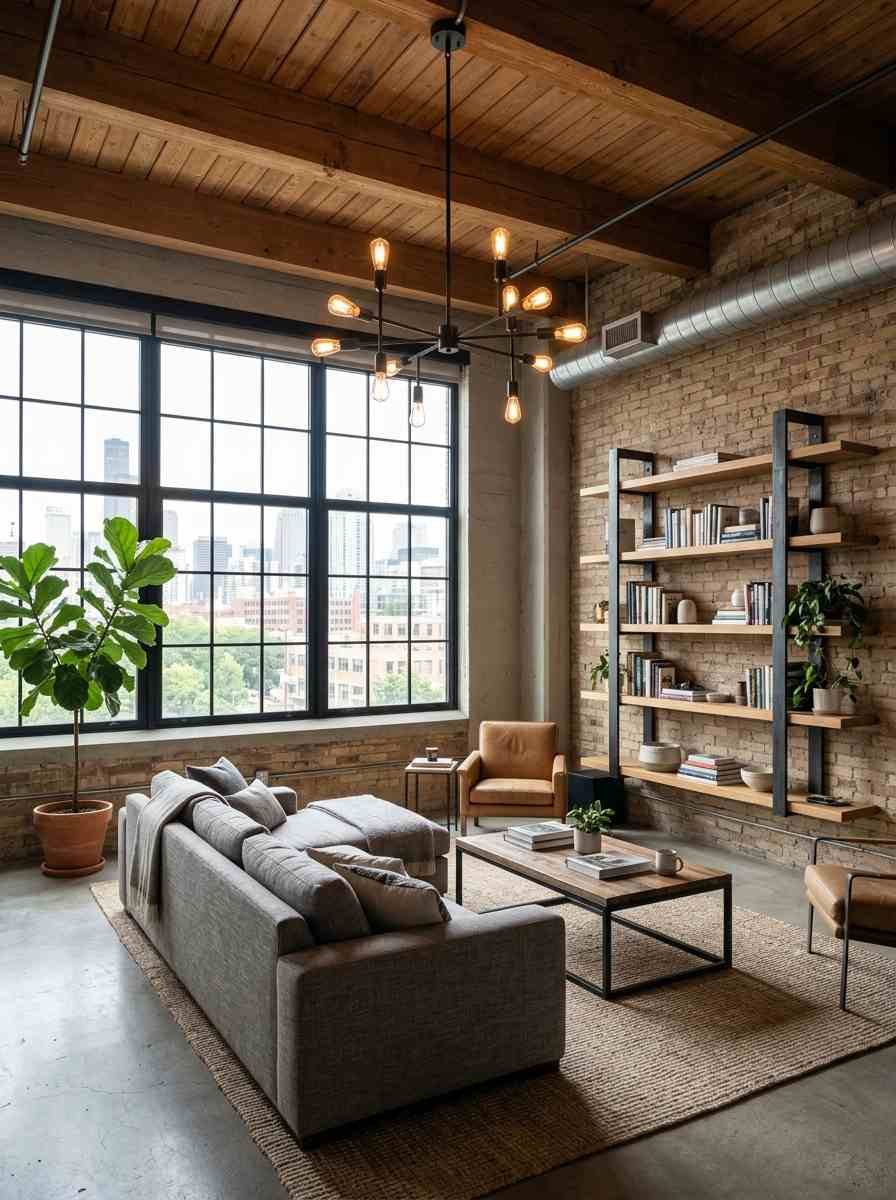
Here’s what nobody tells you about combining a $12 light bulb with a $3,000 staircase: consistency in color and material matters more than consistency in price.
- Stick to a palette of black, brown, gray, and warm wood tones across every price point.
- Repeat one material, like blackened steel, in at least three spots around the room so cheap and expensive pieces feel related instead of random.
- Add at least one soft or plush texture, whether that’s a rug or a leather chair, so the room doesn’t read as cold. This is a personal rule of mine after living in an apartment that felt like a parking garage for the first six months.
- Save your splurge money for the largest surface in the room, usually flooring or a wall, since that’s what sets the tone for everything else.
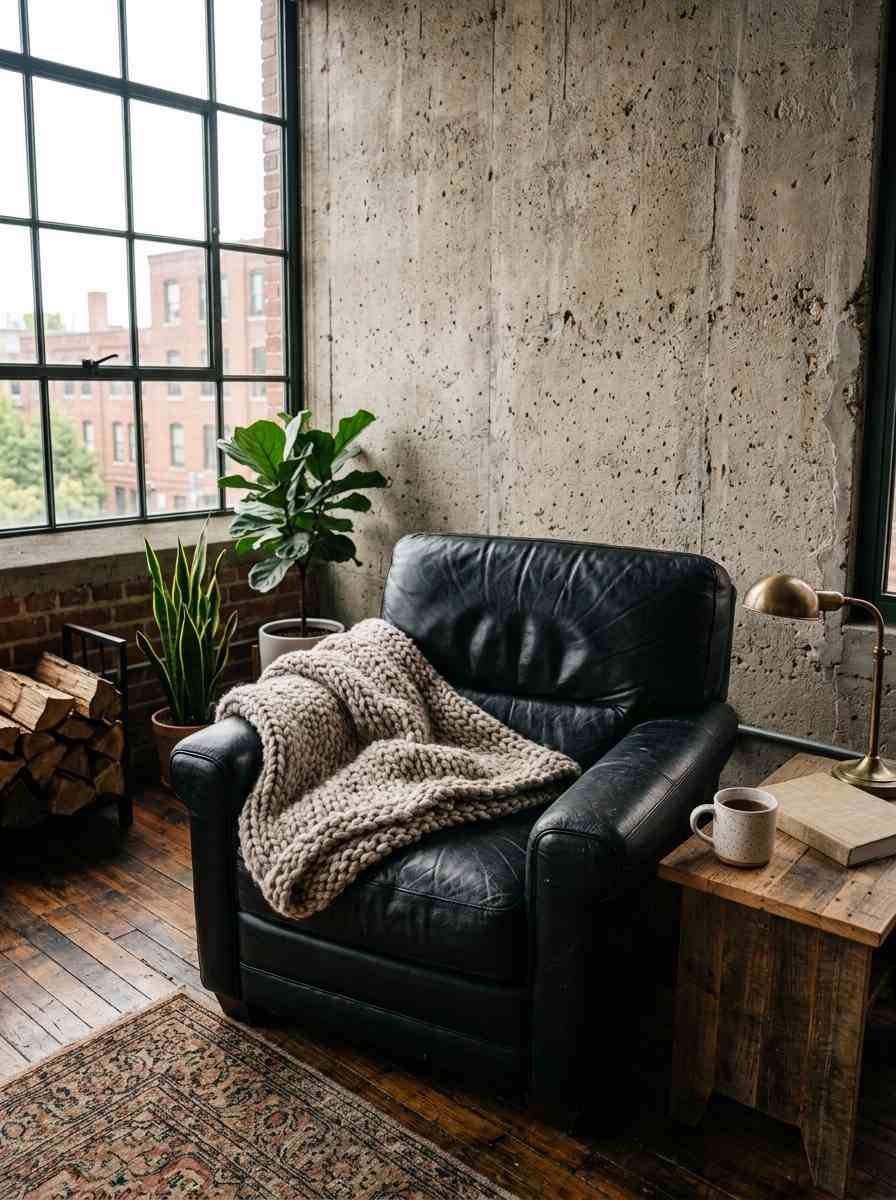
For more on layering textures in industrial spaces, Architectural Digest’s guide to industrial interior design covers a handful of real loft conversions worth studying, and HGTV’s roundup of industrial decor tips is a solid second opinion if you want more angles before you commit to anything permanent.
Frequently asked questions
Is industrial style expensive to achieve? Not necessarily. Lighting, paint, and small hardware swaps can shift a room’s whole feel for under $100 total. The expensive versions involve structural work like exposed brick or steel staircases, but those are optional, not required.
Does industrial style work in a small apartment? Yes, and honestly it can work better in a small space. Exposed materials and minimal clutter make a small room feel less boxed in than heavy furniture and busy patterns would.
Can I do industrial style if I’m renting? Mostly yes. Stick to removable items: rugs, lighting, shelving on tension rods, and furniture. Skip anything that requires drilling into brick or removing drywall unless your landlord signs off first.
Final thought
Twenty-nine ideas is a lot to take in at once, so don’t try to do all of them this month. Pick three from the shoestring list, save this article, and come back once you’ve lived with those changes for a bit.
Which one are you starting with: the pipe shelving, the pendant lights, or something further down the list?
