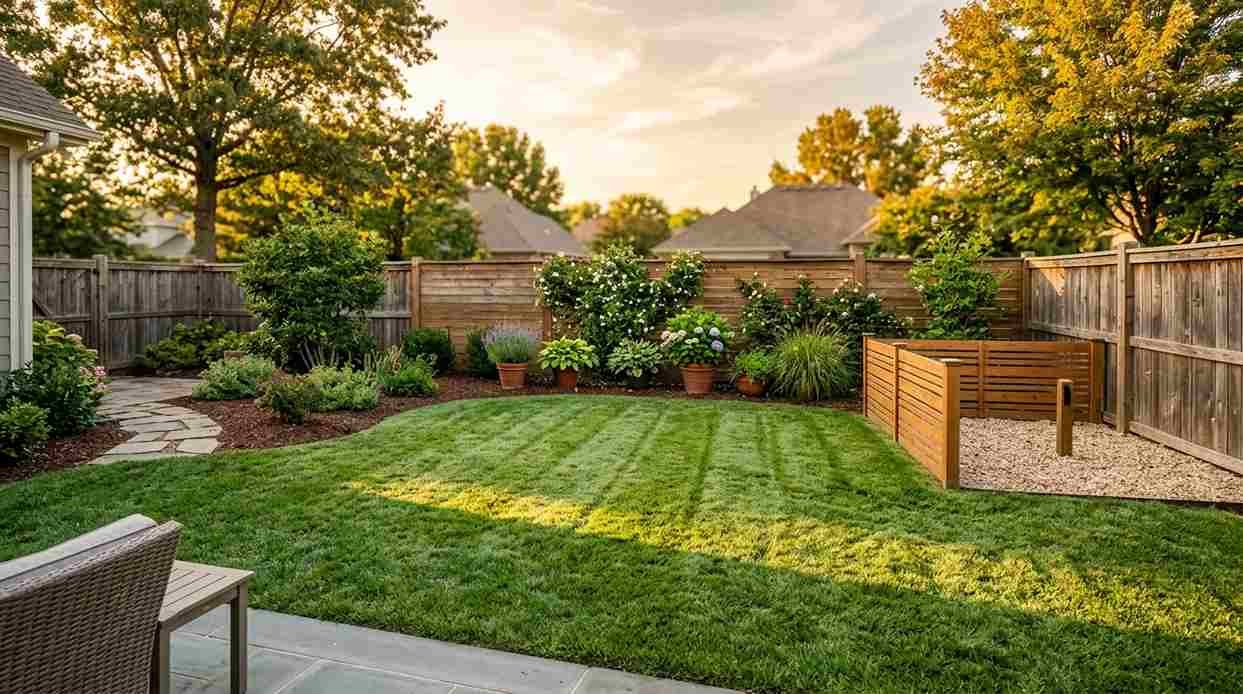
My dog Remy used to treat the entire backyard like his personal restroom.
Every corner, every flower bed, right in the middle of the lawn where I’d inevitably step in it barefoot at 6 a.m. I got tired of playing minesweeper with my own yard, so I built him a real potty spot. It took a weekend and about $40.
He still uses it three years later.
If your yard looks like a dog obstacle course right now, you’re not alone, and you don’t need to rip up your whole landscape to fix it.
Here are 27 backyard potty area ideas that pet owners (myself included) have actually tested, not just pinned and forgotten.
Why bother with a designated potty spot
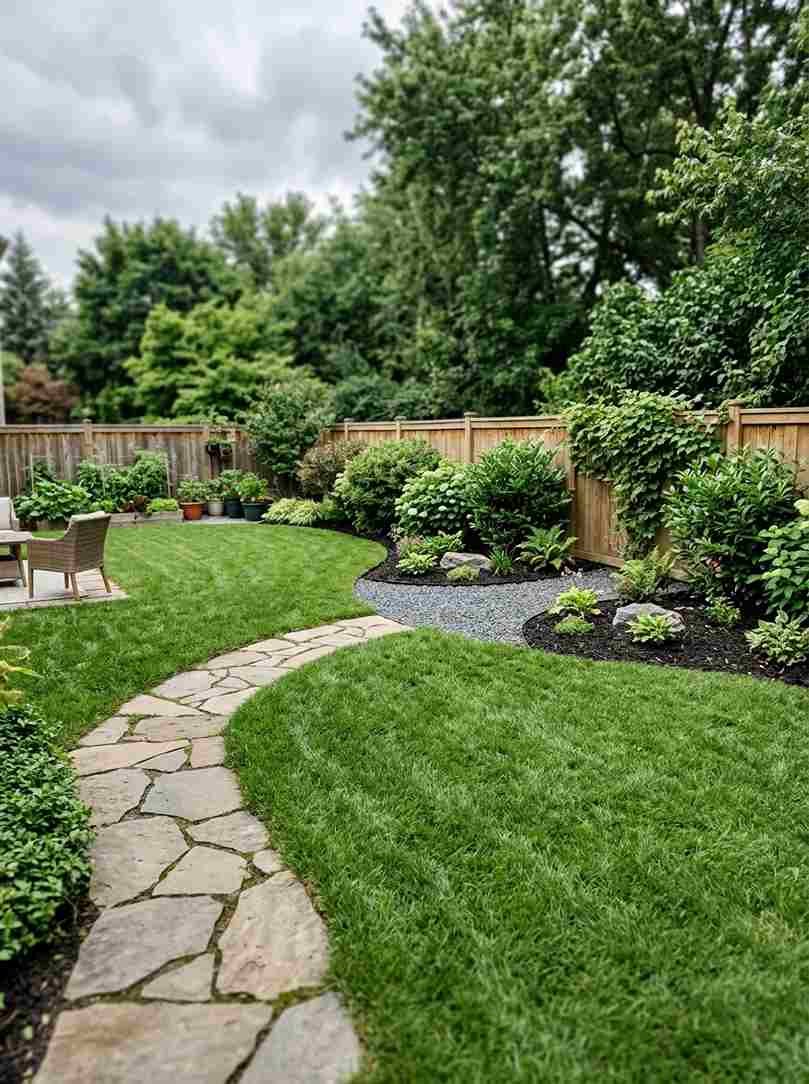
A dedicated potty area keeps waste in one manageable zone instead of scattered across your lawn.
That means less lawn burn, fewer surprise steps, and a yard your kids or guests can actually walk through.
It also makes cleanup faster. Instead of scanning the whole yard, you check one 4×6 patch and you’re done.
According to the American Kennel Club, dogs respond well to consistent cues and locations, which is exactly why a fixed spot works so well once the habit sticks.
Is it a little bit of upfront work? Sure. But compared to years of guessing where the landmines are, it’s worth every minute.
There’s a health angle too, one people forget about.
Leaving waste scattered around the whole yard makes it easy to miss spots, and old waste left in soil can attract flies and carry bacteria for longer than most people realize.
Containing everything to one zone makes thorough cleanup realistic instead of aspirational.
And honestly, a contained spot just smells better. You’d be shocked how much a yard’s overall smell improves once waste isn’t sitting under every bush and along every fence line.
Pick the ground surface first
The surface matters more than anything else on this list. Get it wrong and your dog will avoid the spot completely, no matter how nicely you’ve marked it off.
I learned this the hard way with Remy. My first attempt was plain dirt, and he hated it after the first rain turned it into a mud pit.
Swapping to pea gravel fixed the problem in a single afternoon.
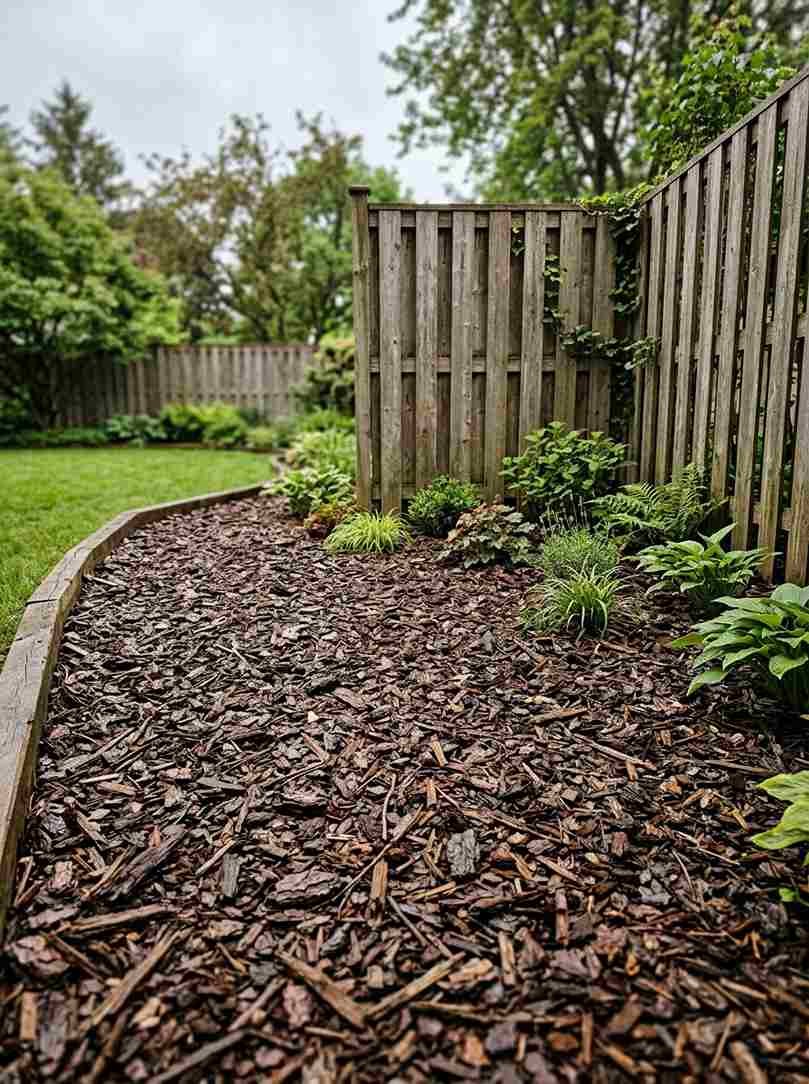
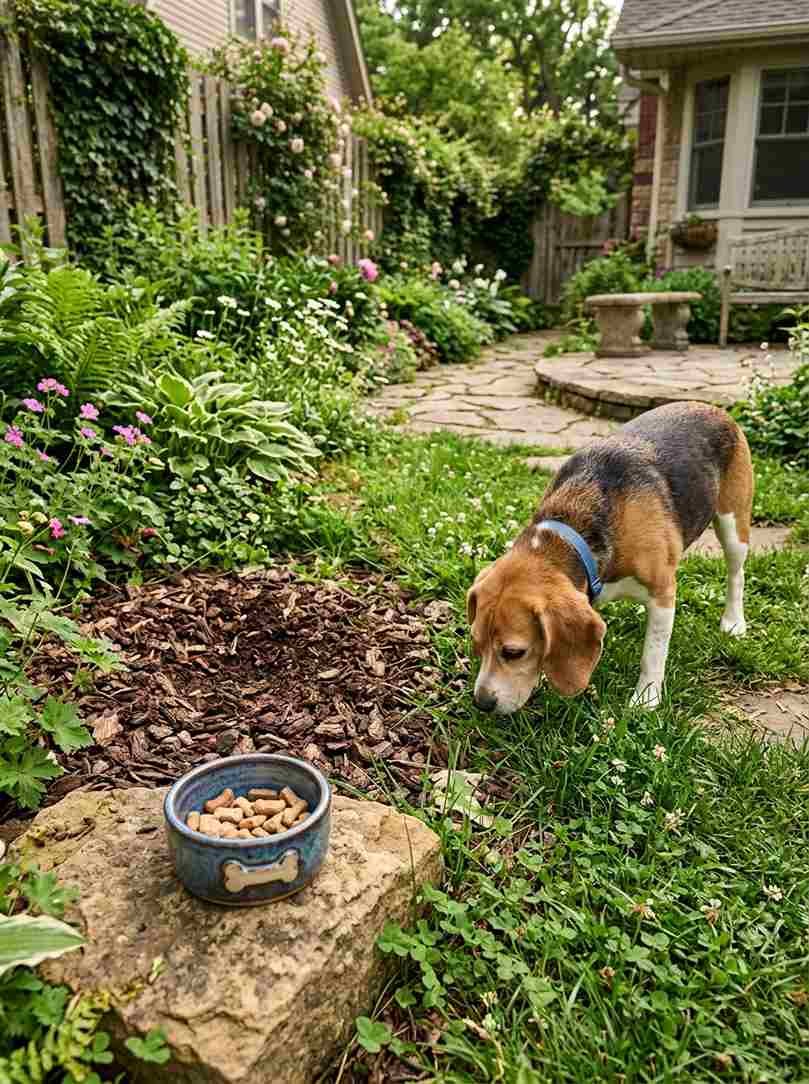
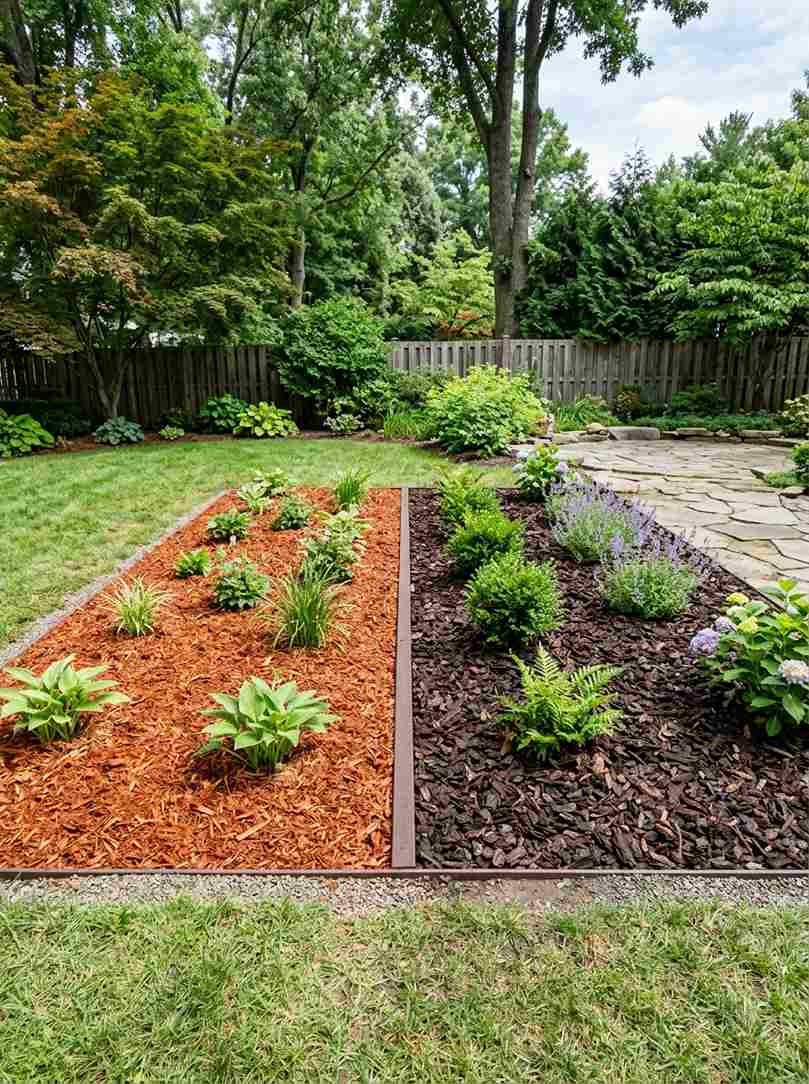
Mulch. Cheap, absorbs some odor, and dogs seem to like digging in it. Skip cocoa mulch entirely.
It contains theobromine, the same toxic compound found in chocolate, and vets have documented real poisoning cases from dogs eating it.
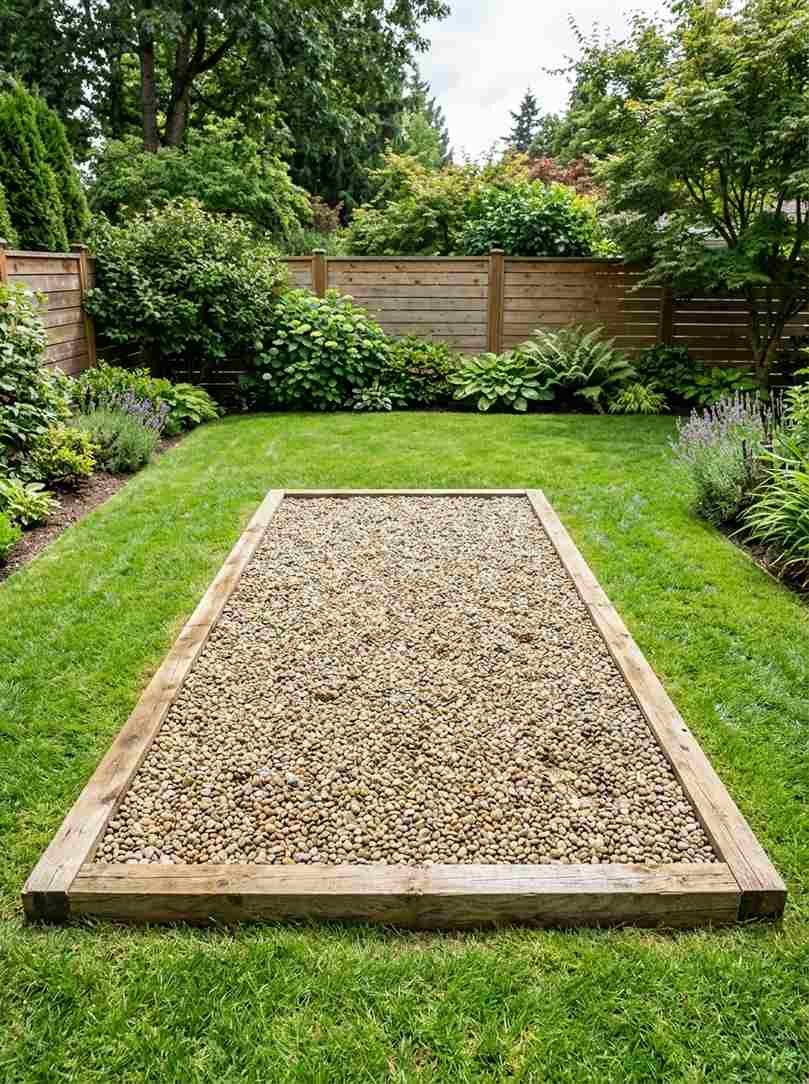
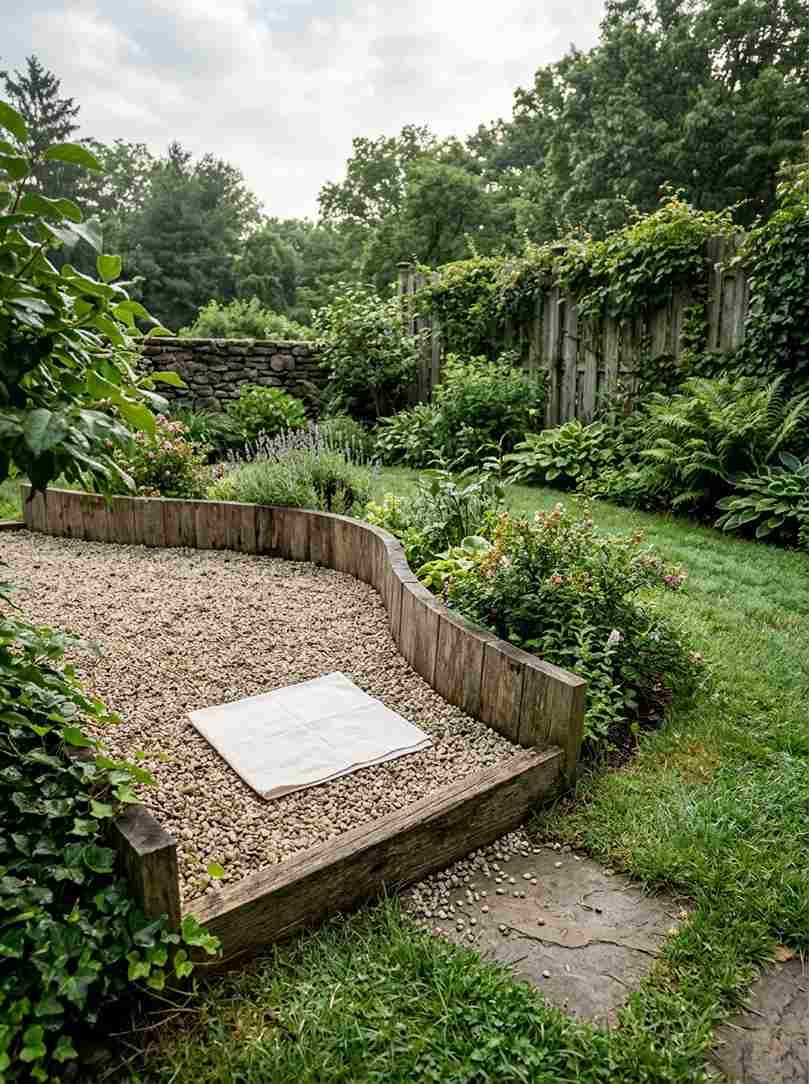
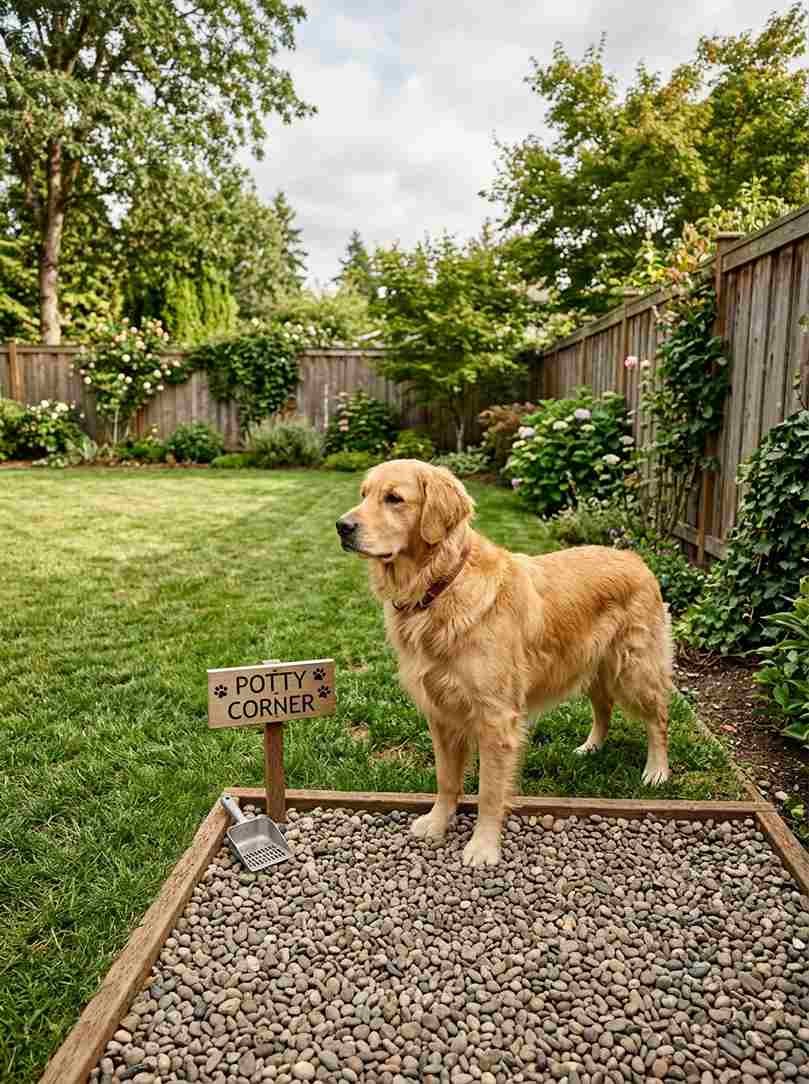
Pea gravel. My personal favorite. It drains fast, doesn’t hold smell the way soil does, and you can hose it down in under a minute.
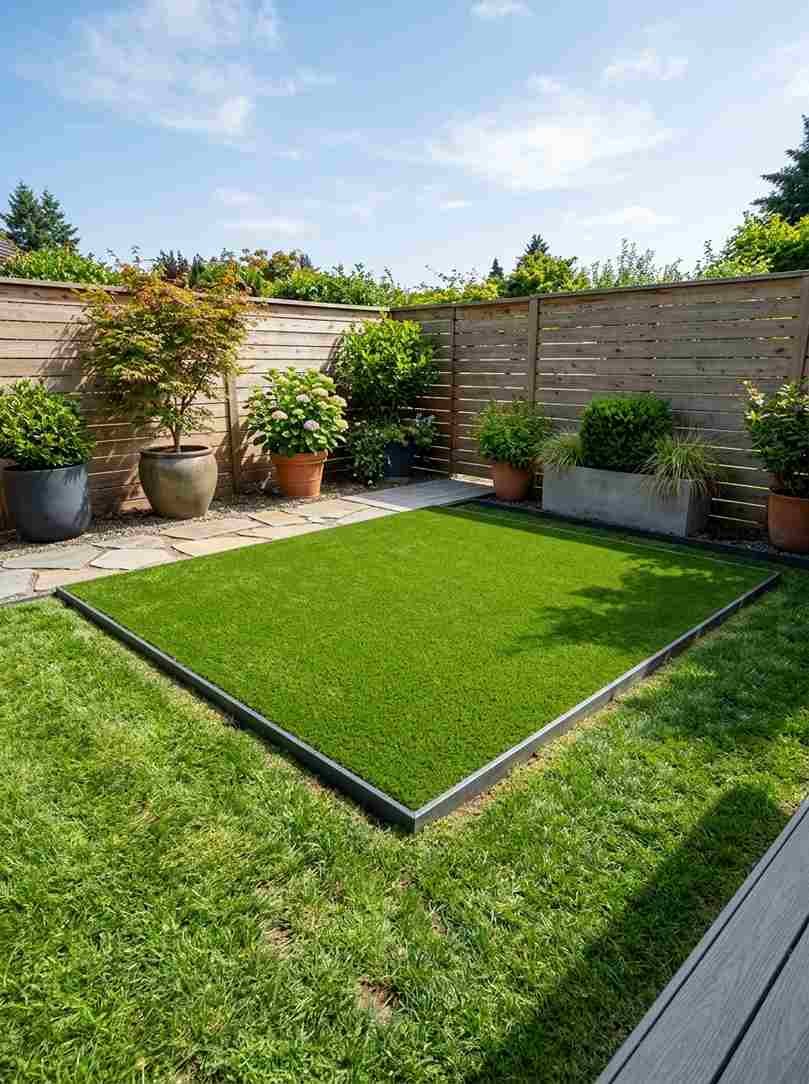
Artificial turf with a drainage backing. Looks the most like a “real” lawn, which matters if the spot is visible from your patio. Pricier upfront, but it holds up for years.
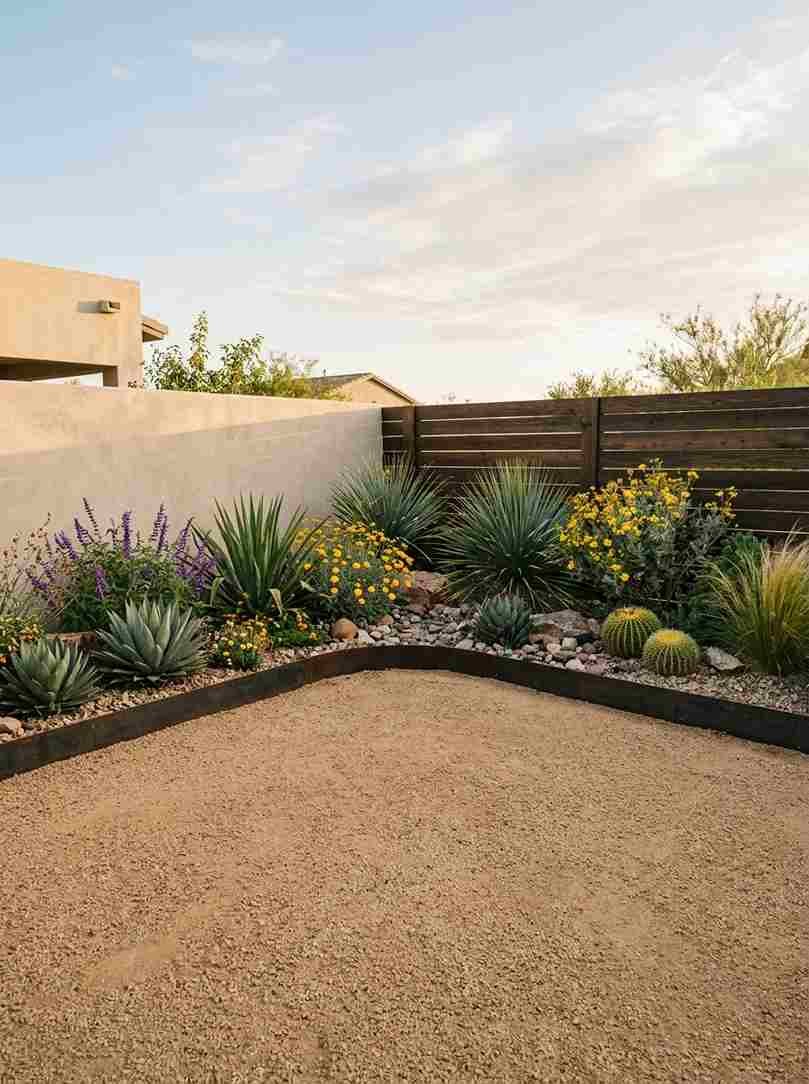
Decomposed granite. Common in xeriscaped yards. Firm underfoot, drains well, though it can track a bit of dust into the house on wet days.
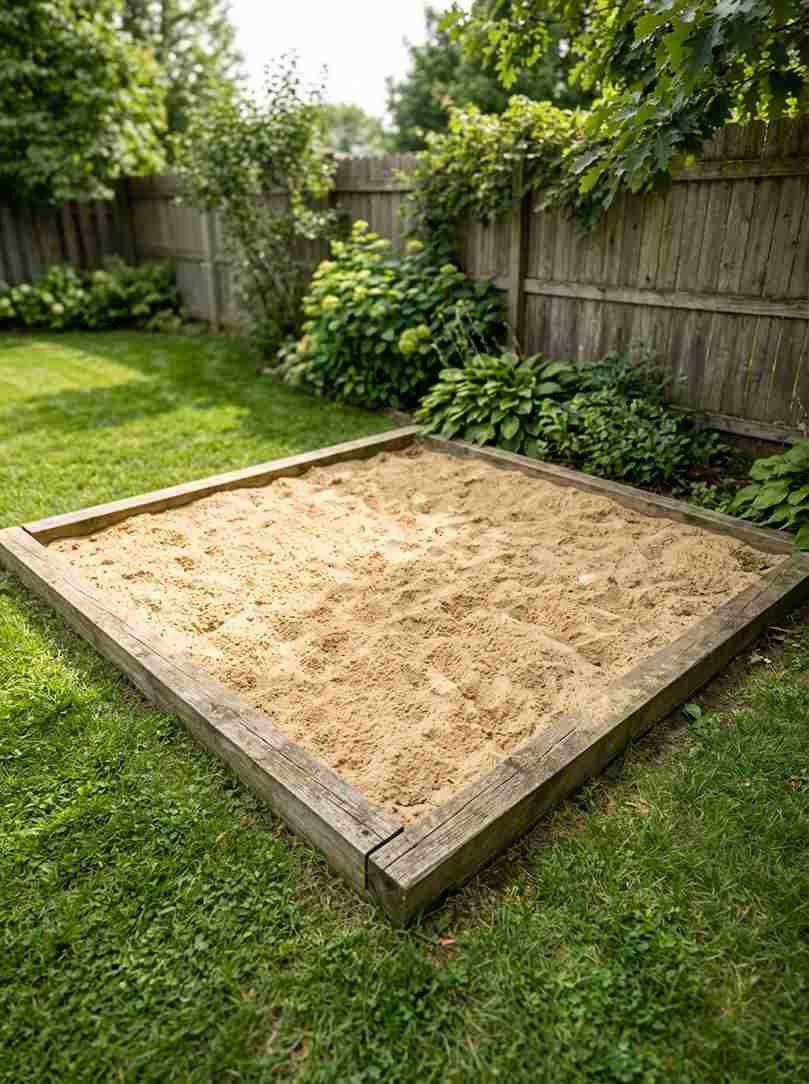
Sand. Works, but IMO it’s the messiest option if you have kids who also use the yard. Sand plus dog waste plus bare feet is not a combo I’d recommend.
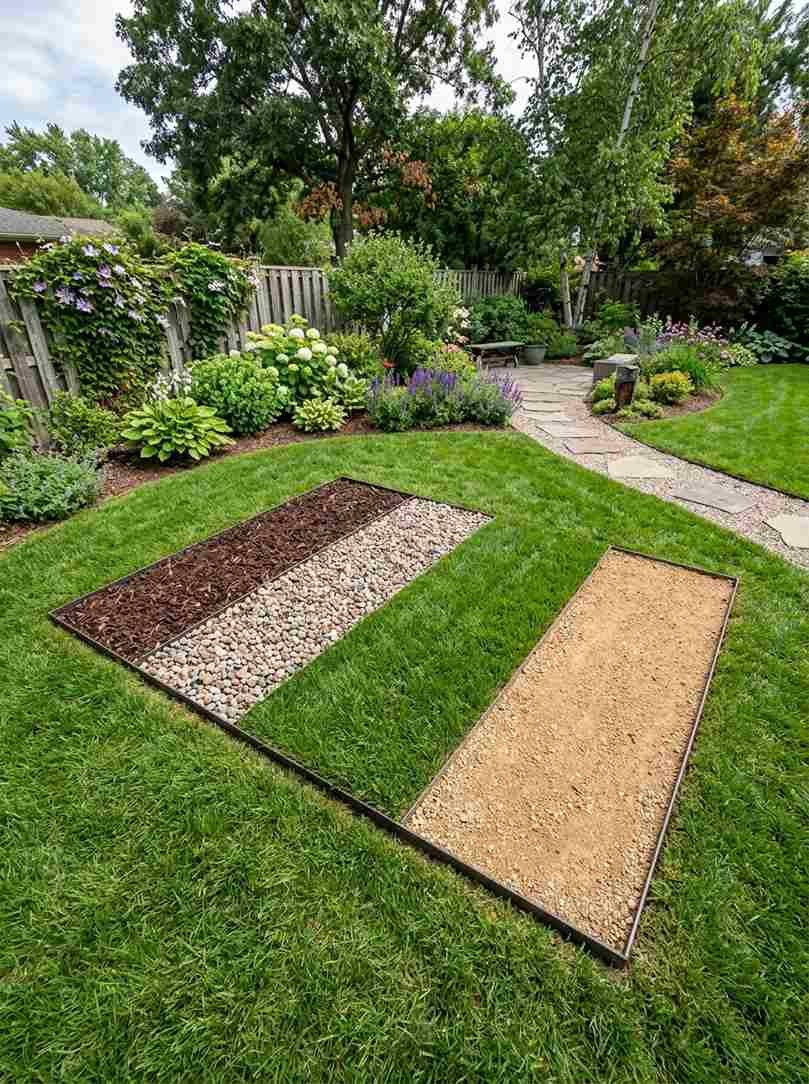
Here’s a quick side-by-side if you’re torn between options:
| Surface | Drainage | Odor Control | Upkeep |
|---|---|---|---|
| Mulch | Good | Moderate | Replace every 6-12 months |
| Pea Gravel | Excellent | Good | Hose down weekly |
| Artificial Turf | Good (with backing) | Needs enzyme cleaner | Rinse and brush monthly |
| Sand | Excellent | Poor | Rake and scoop daily |
Mark the boundaries so your dog gets the hint
Dogs need a clear signal that this specific patch is different from the rest of the yard. Visual and physical boundaries do that job.
None of these need to look fancy either. A simple, low-effort border works just as well as something you’d see in a magazine spread, and your dog genuinely does not care about aesthetics.
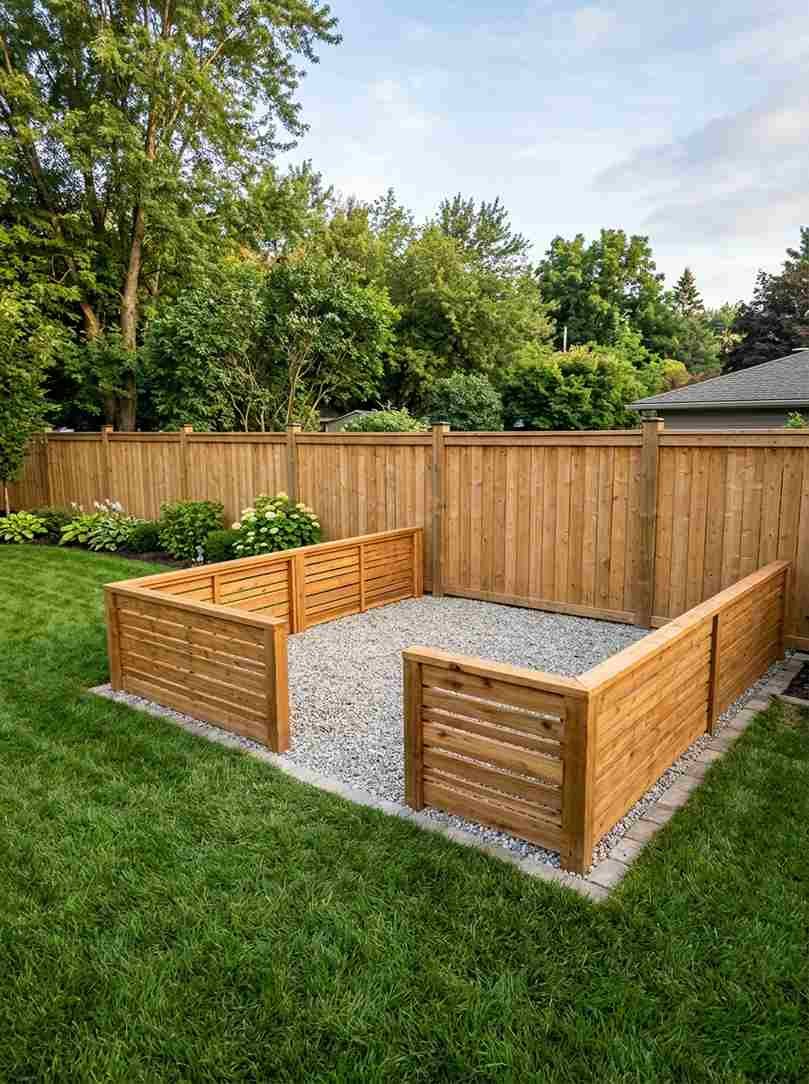
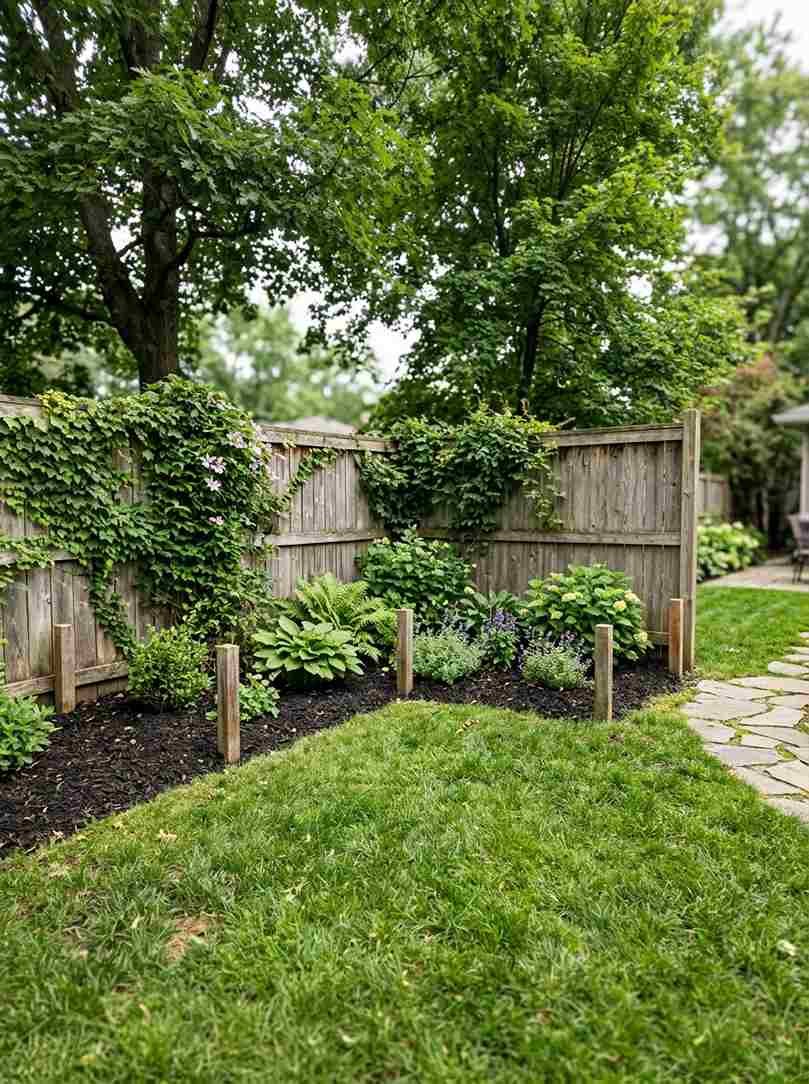
A low wooden fence panel, just 12-18 inches tall, framing three sides of the area.
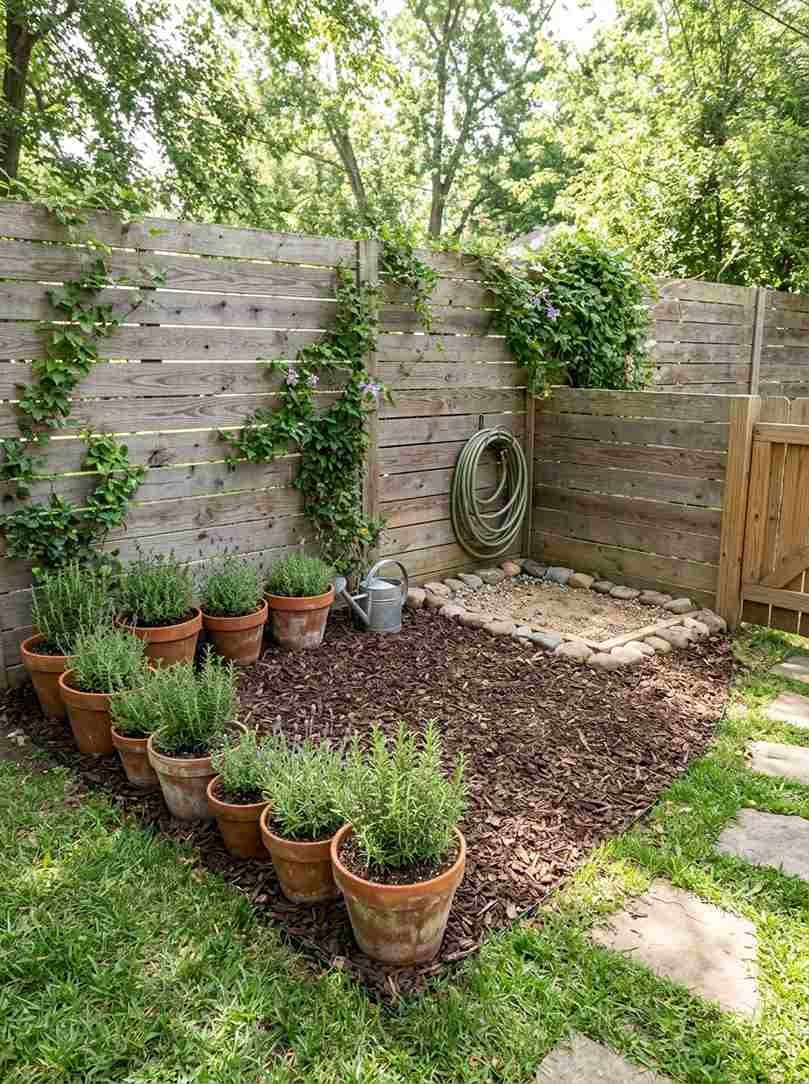
A border of potted plants. Pick anything dog-safe (more on that below) and line the edge like a mini hedge.
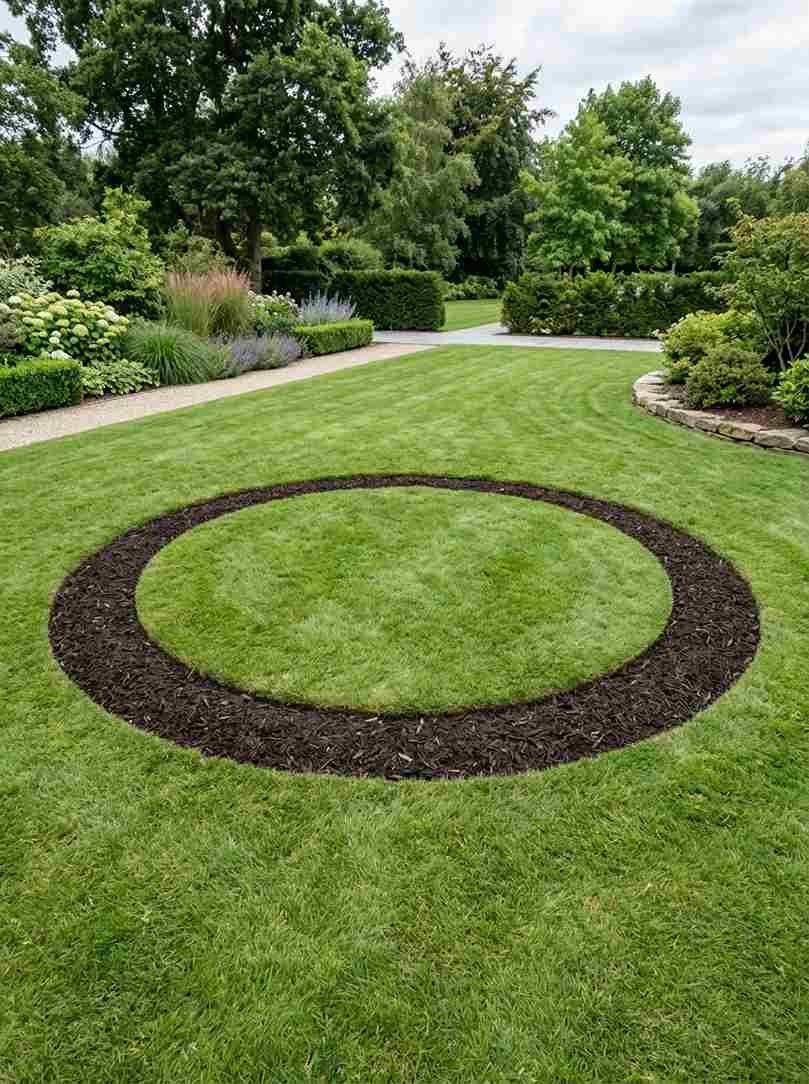
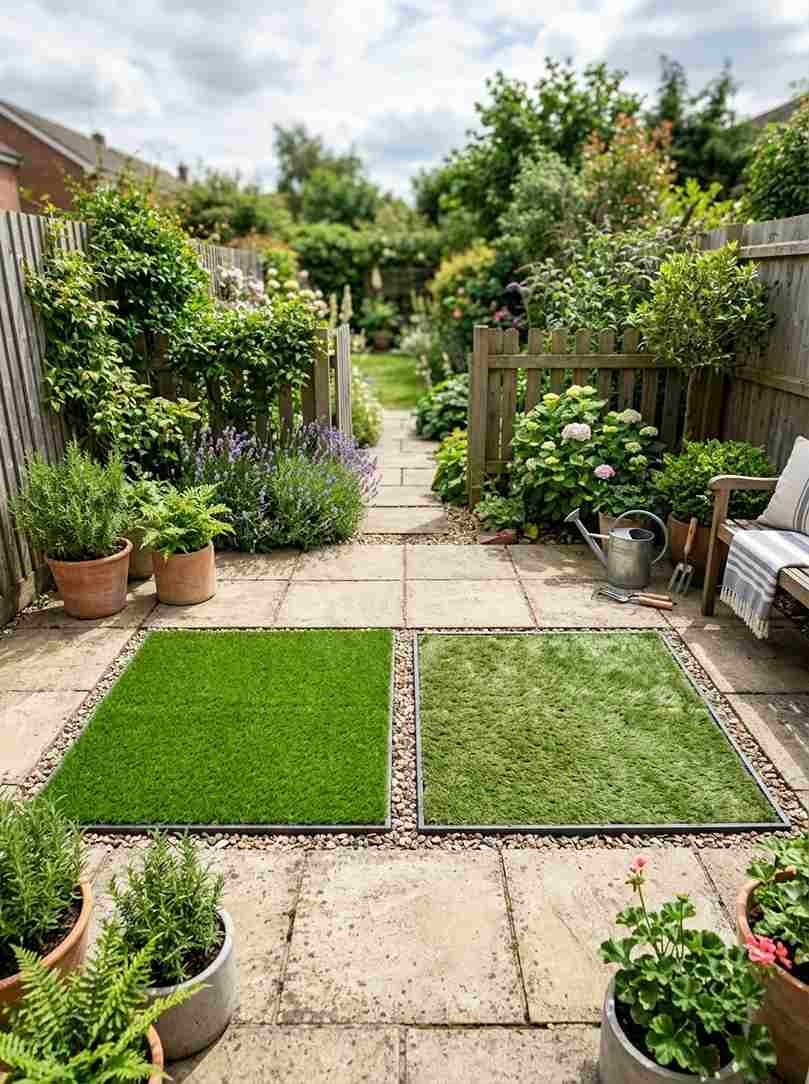
A mulch or gravel ring around a grass or turf center, so the texture change itself acts as a border.
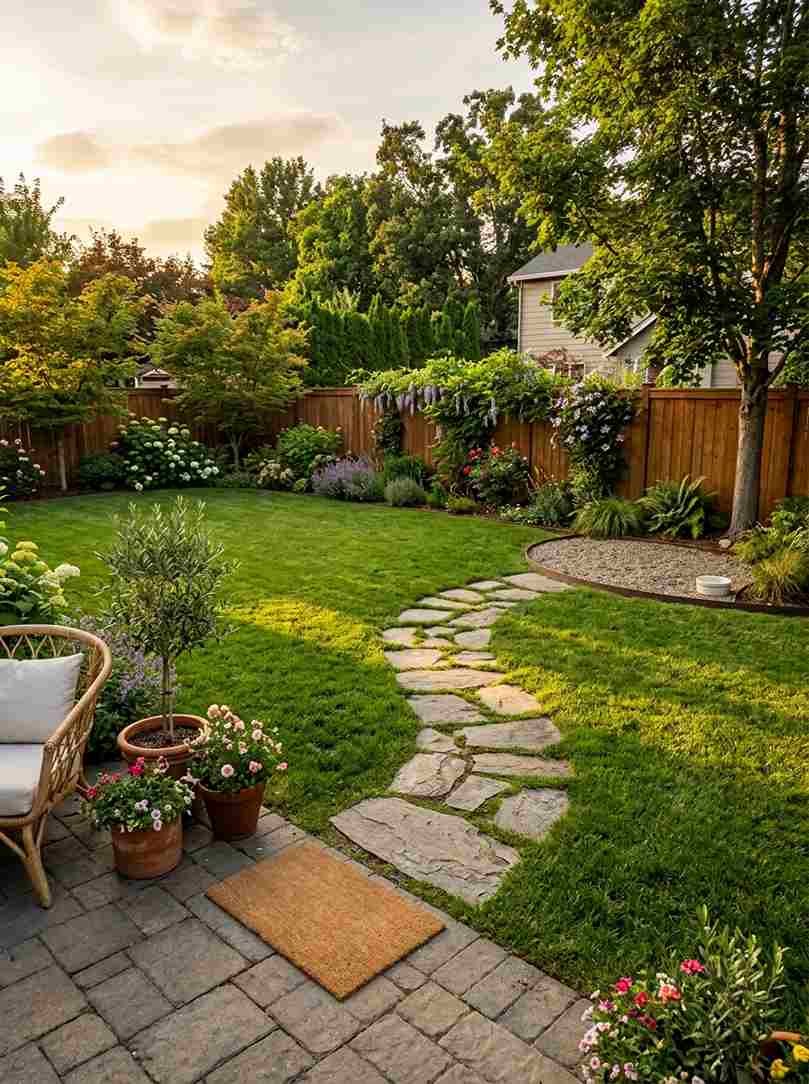
A short stepping-stone path leading straight to the spot. Dogs, like people, follow the path of least resistance.
Small garden flags or stakes at the corners. Not glamorous, but genuinely effective while training is still underway.
Get your dog to actually use it
A fenced-off patch of gravel means nothing if your dog ignores it. This is where the real work happens, and honestly, it’s the part most guides gloss over.
Wow, this part took longer than I expected with Remy. Two full weeks of leash walks to the same spot before he’d go there on his own. Worth it though, because now he heads straight there without me saying a word.
Transfer the scent. Take a paper towel with a bit of your dog’s waste on it and leave it in the new spot for the first few days. Dogs navigate by smell first, sight second.
Pick one verbal cue and stick with it. “Go potty,” “get busy,” whatever. The AKC’s guide on teaching a potty cue breaks down a capturing method that pairs the cue with the behavior your dog is already doing, which speeds things up a lot.
Reward immediately, not two minutes later. Treats, praise, whatever motivates your dog, delivered within seconds of them finishing.
Leash them to the spot for the first two weeks. Free roaming during training just gives them 15 other options to choose from instead.
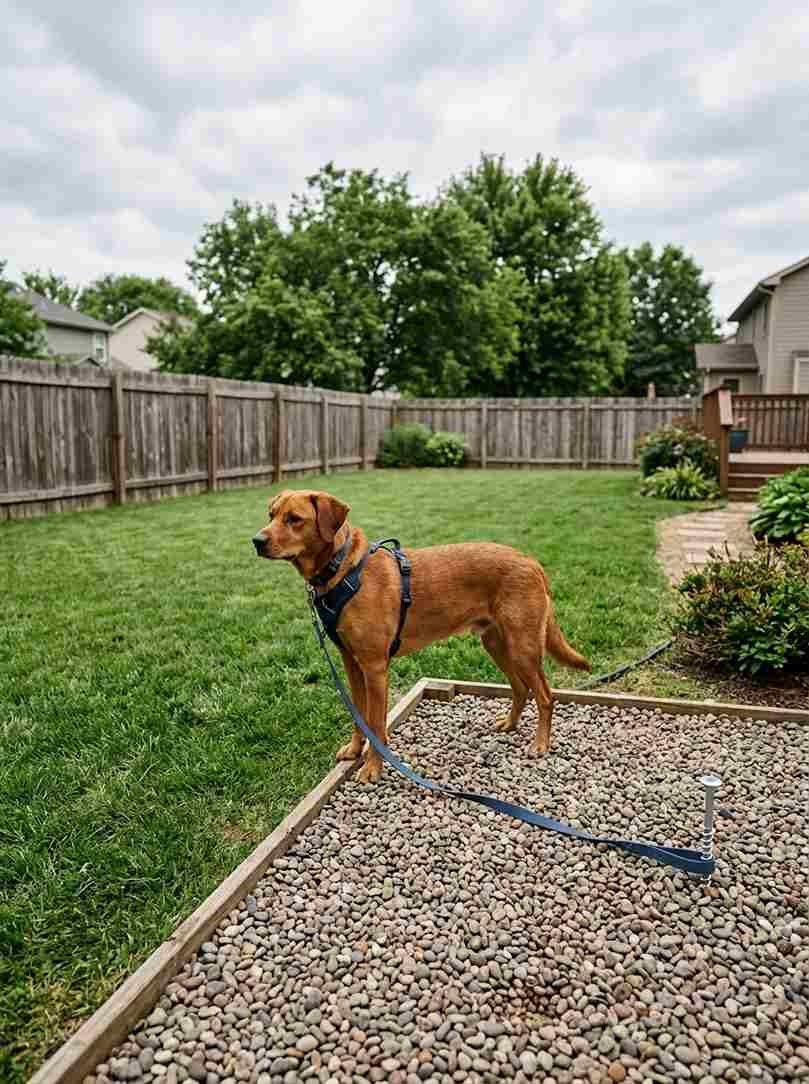
Let your dog help pick the location if they already have a favorite corner. Fighting an established habit is harder than working with it.
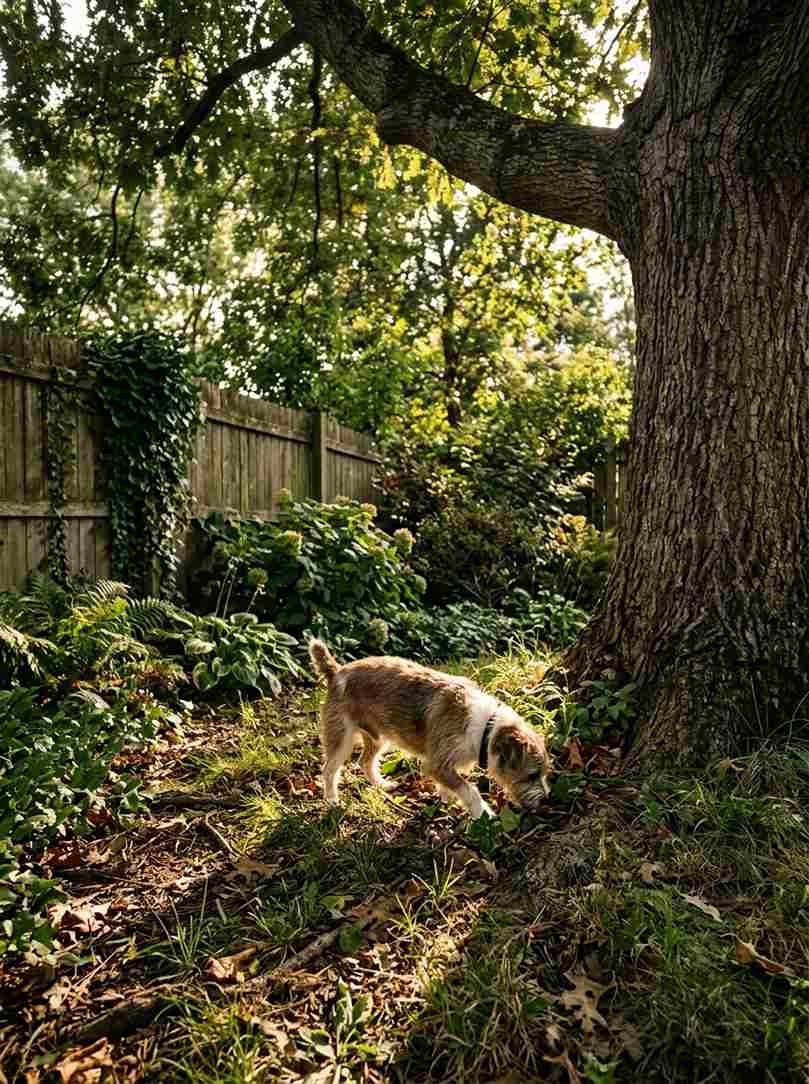
Keep it from turning into a swamp
This is the part nobody plans for and everyone regrets. A potty area that floods or smells will get abandoned by your dog fast, and by you even faster.
Budget-wise, a basic gravel base runs somewhere around $30 to $60 for a small area, depending on how deep you go.
Not a huge investment for something that saves your lawn and your nose.
Slope the ground slightly, even a half-inch drop across the width helps liquid run off instead of pooling.
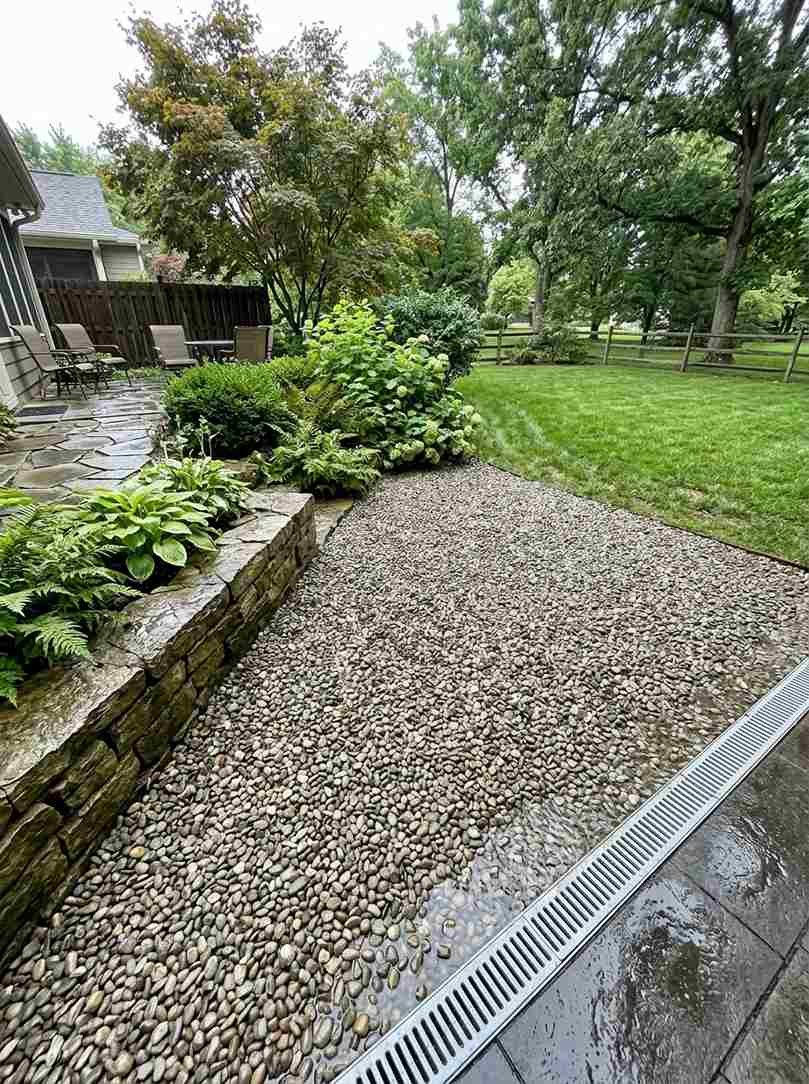
Add a gravel base layer under mulch or turf. It acts like a mini French drain and keeps the surface from turning to mud.
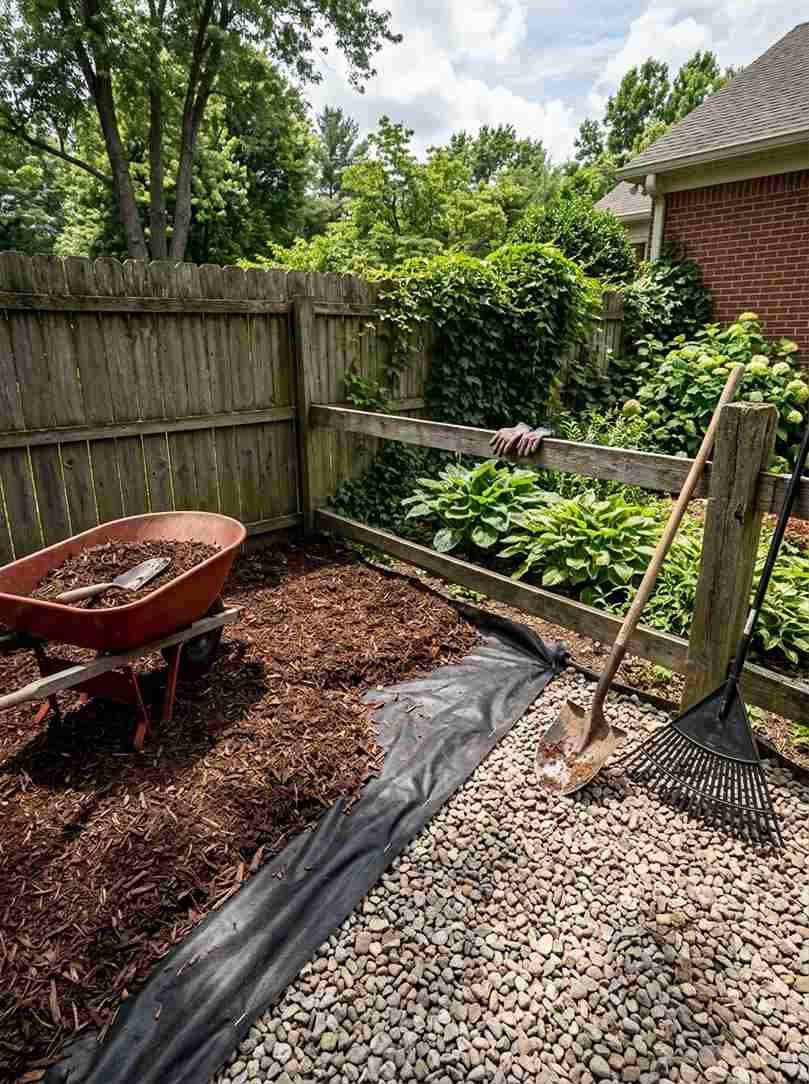
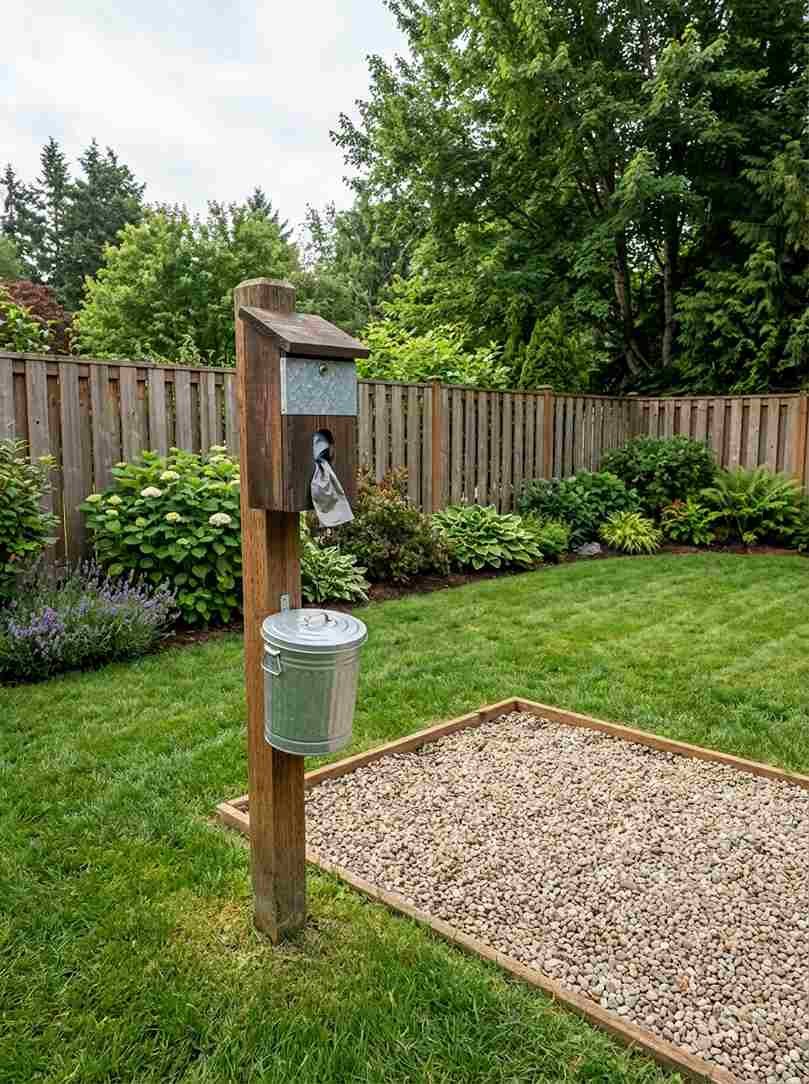
Set up a waste bag station right next to the spot. No more walking back to the garage for a bag while your dog wanders off mid-business.
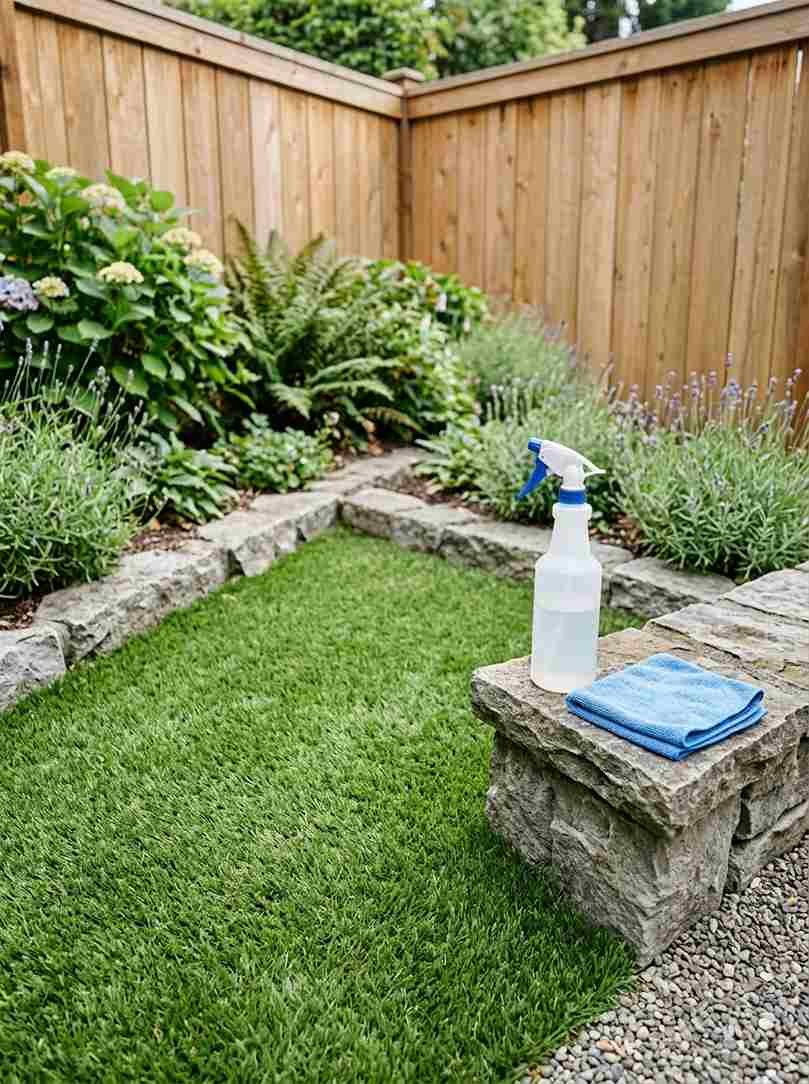
Use an enzymatic cleaner, not just water, on turf or hard surfaces. Enzymes break down the compounds that cause lingering odor. Plain hosing just moves the smell around.
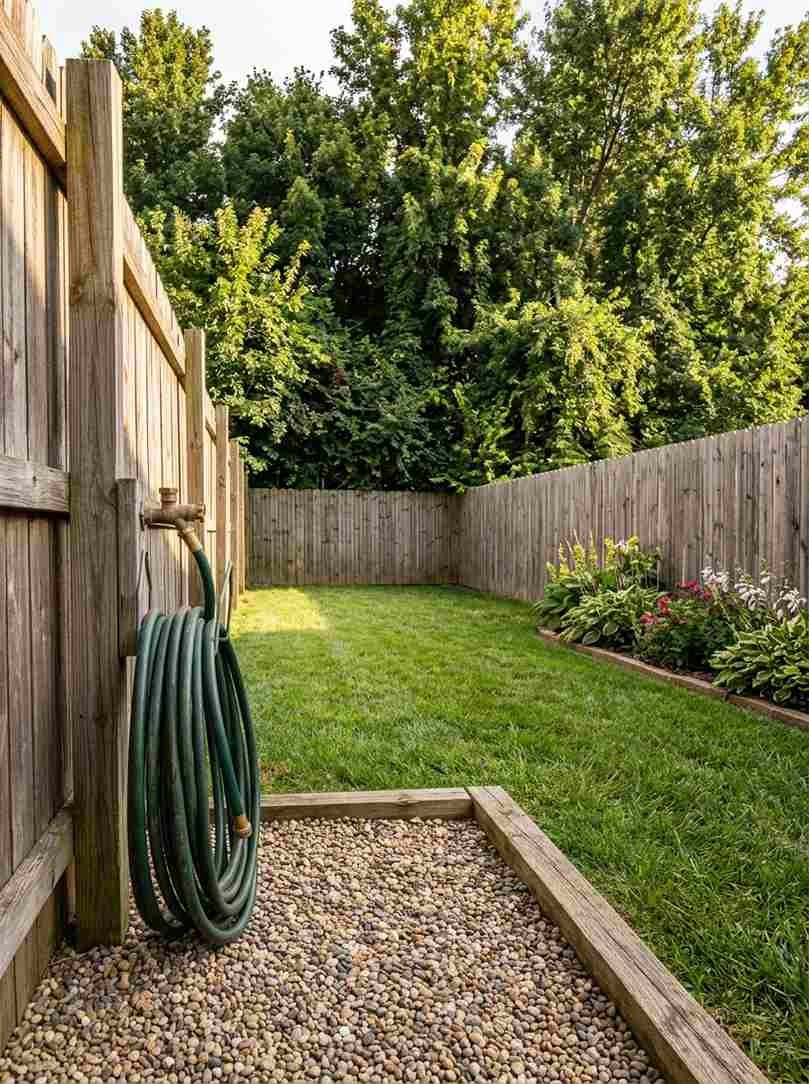
Install a garden hose bib or quick-connect near the area. Sounds like overkill until you’re hauling a hose across the whole yard every single day.
Small yard or apartment patio? Here’s what actually works
Not everyone has a quarter acre to dedicate to this. A patio, balcony, or tiny fenced strip can still work with the right setup.
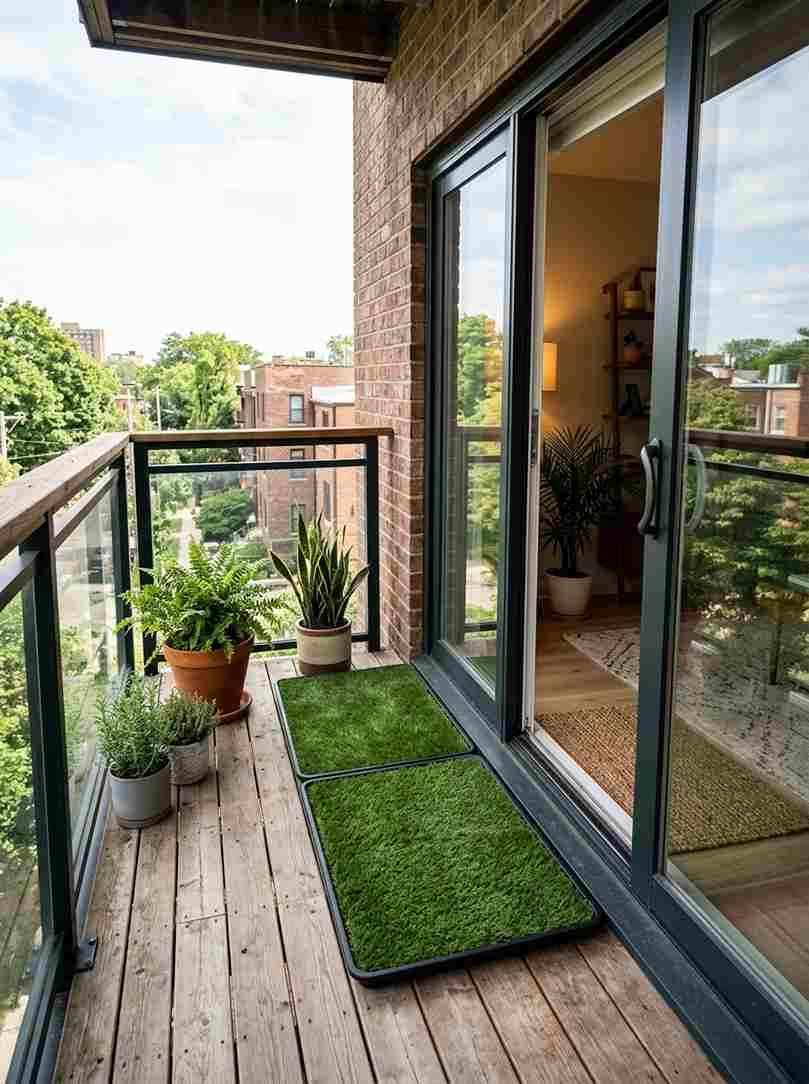
A friend of mine in a third-floor apartment swears by the rotation method.
Her corgi never seemed to notice the switch between the two pads, and her balcony never smells the way you’d expect.
A raised turf box, basically a shallow planter bed lined with fake grass and a drainage tray underneath. Elevated off the ground, easy to hose out.
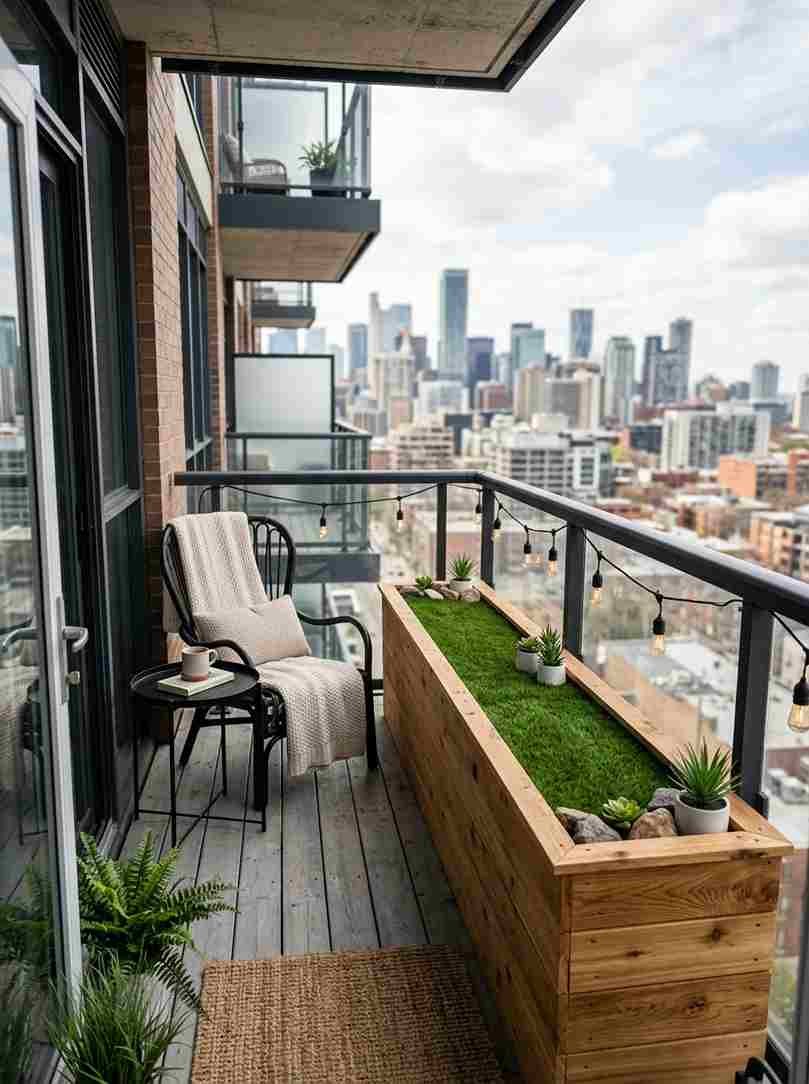
A portable grass potty pad. These roll up, and you can rotate two of them so one’s always drying while the other’s in use.
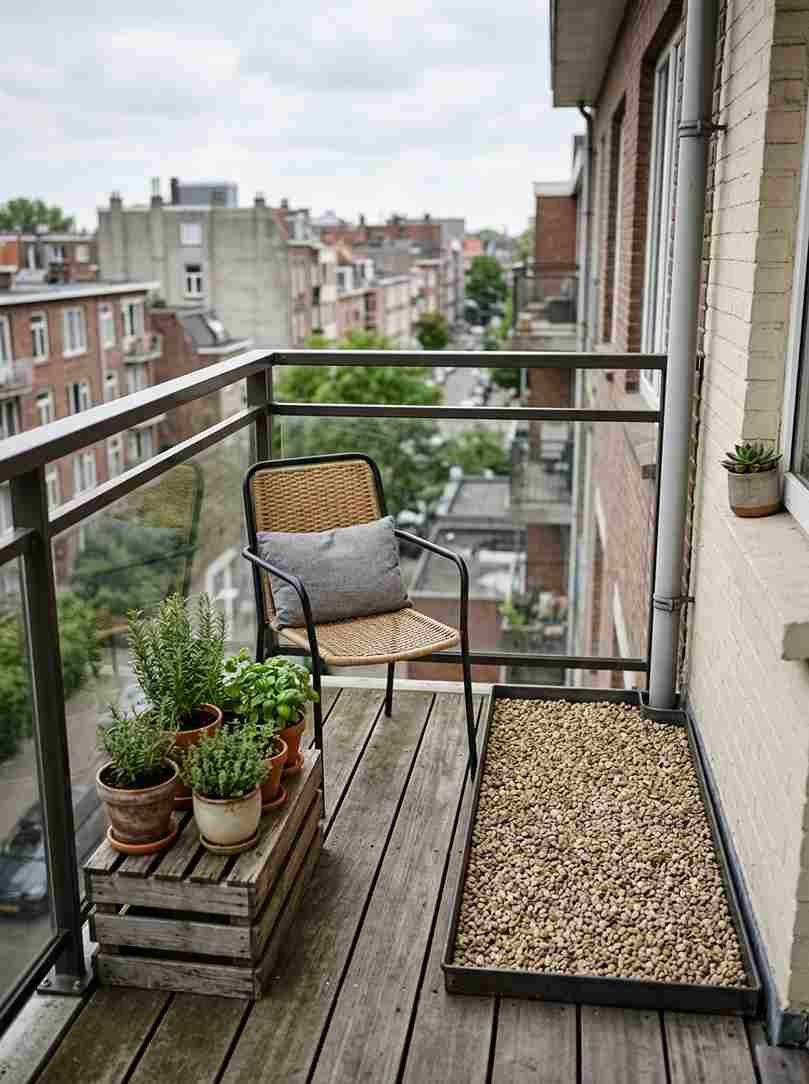
A balcony corner with a drainage tray and a thin layer of pea gravel. Works surprisingly well for small breeds.
A two-zone rotation system, one patch resting while the other’s active, then swap weekly. Keeps grass or turf from getting overwhelmed.
Landscape around it without guessing wrong
Once the functional part is sorted, you can make the space look intentional instead of like an afterthought.
This is honestly the fun part. It’s the difference between a corner of the yard you hide from guests and one you’d happily walk someone past.
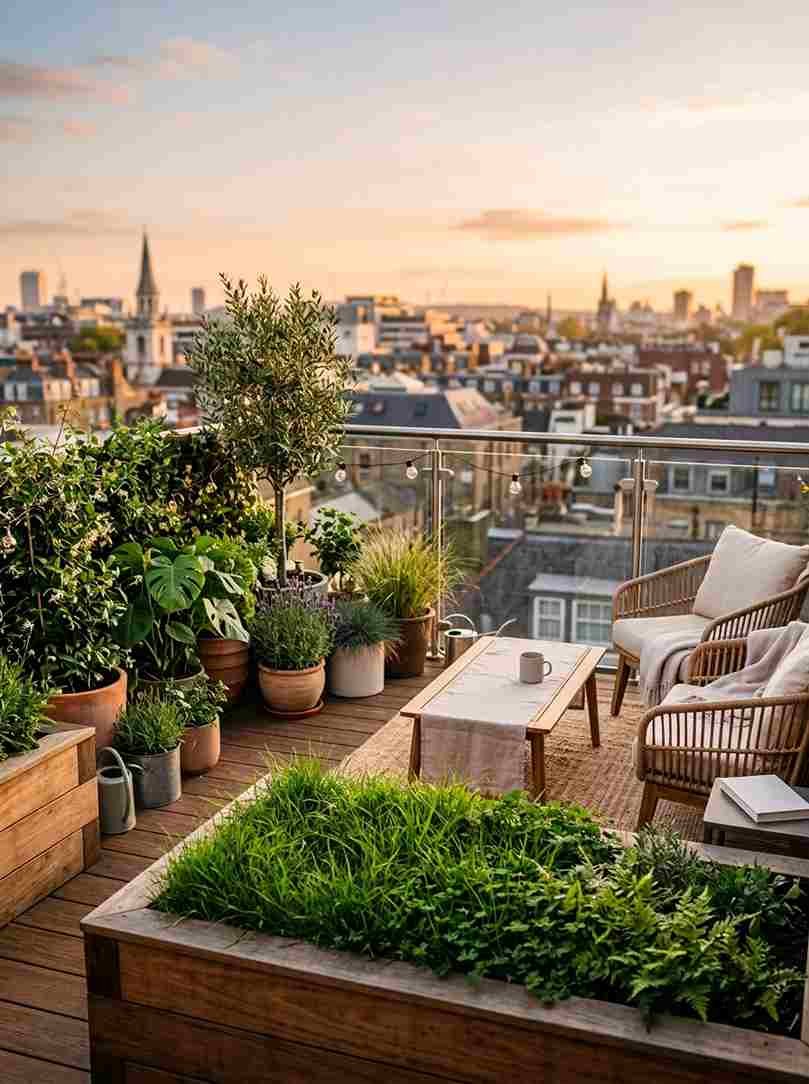
Border it with dog-safe plants.
Skip anything on the ASPCA’s toxic plant list, which includes common yard plants like azaleas and sago palms. Safer picks include rosemary, snapdragons, and sunflowers.
Double-check your mulch type. Cocoa mulch aside, cedar and pine mulch are generally considered safer choices, though any dog that eats mulch in large quantities can still end up with an upset stomach.
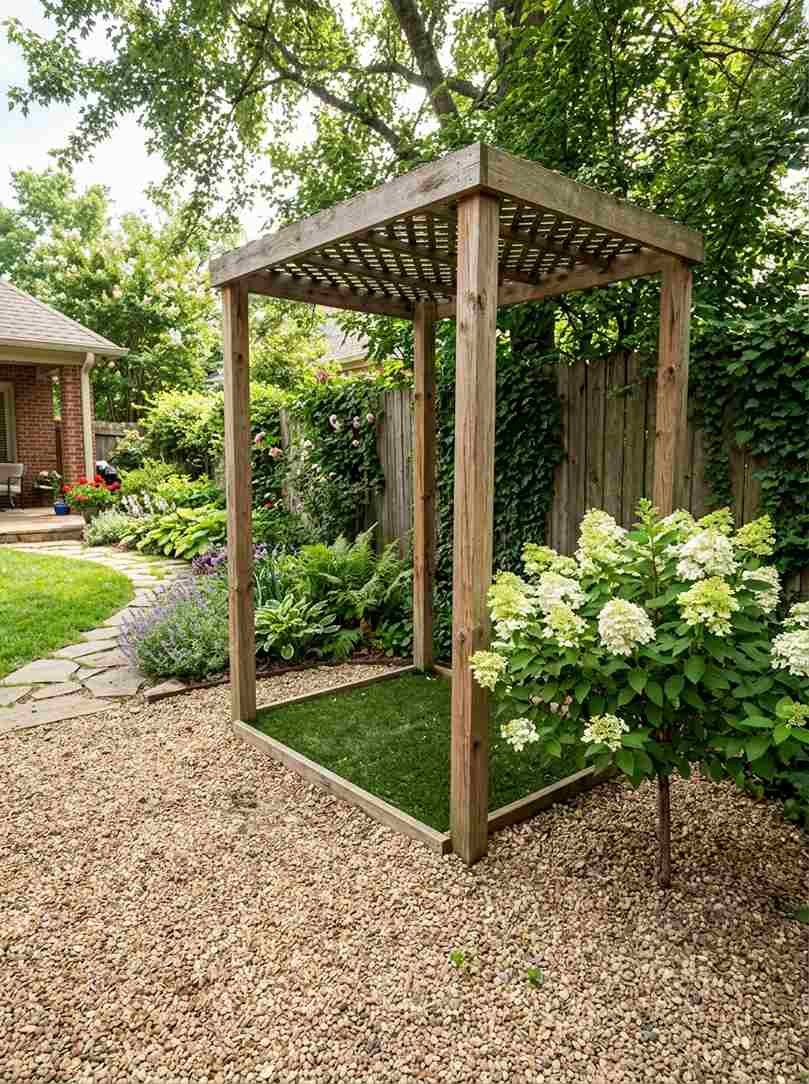
Add a small shade element, a shrub, umbrella, or even a lean-to panel. Dogs are more likely to use a spot comfortably if it’s not baking in direct sun all afternoon.
Random thought, but this is basically the same logic behind why cats prefer covered litter boxes over open trays. Privacy and comfort matter to animals way more than we give them credit for.
Quick FAQs
How big should a dog potty area be? A good rule of thumb is roughly 5 times your dog’s body length in width, so a mid-size dog usually needs at least a 4×6 foot space to move around comfortably. Bigger breeds obviously need a bit more room to circle and settle before they go.
What’s the best surface for a dog potty area? Pea gravel and artificial turf with proper drainage tend to perform best long term. Mulch works too, just avoid cocoa mulch completely, and rinse whichever surface you pick at least once a week.
How long does training take? Most dogs start showing progress within a week and are reliably using the spot on their own within 3 to 4 weeks, according to multiple trainer guides. Older or rescue dogs may need a bit longer.
Final thought
Twenty-seven ideas is a lot, and you definitely don’t need all of them. Pick a surface, mark a boundary, and commit to the training routine for two or three weeks.
That’s genuinely 80% of the battle.
So which one are you trying first this weekend, the gravel patch or the turf box? Let me know how it goes with your dog.
