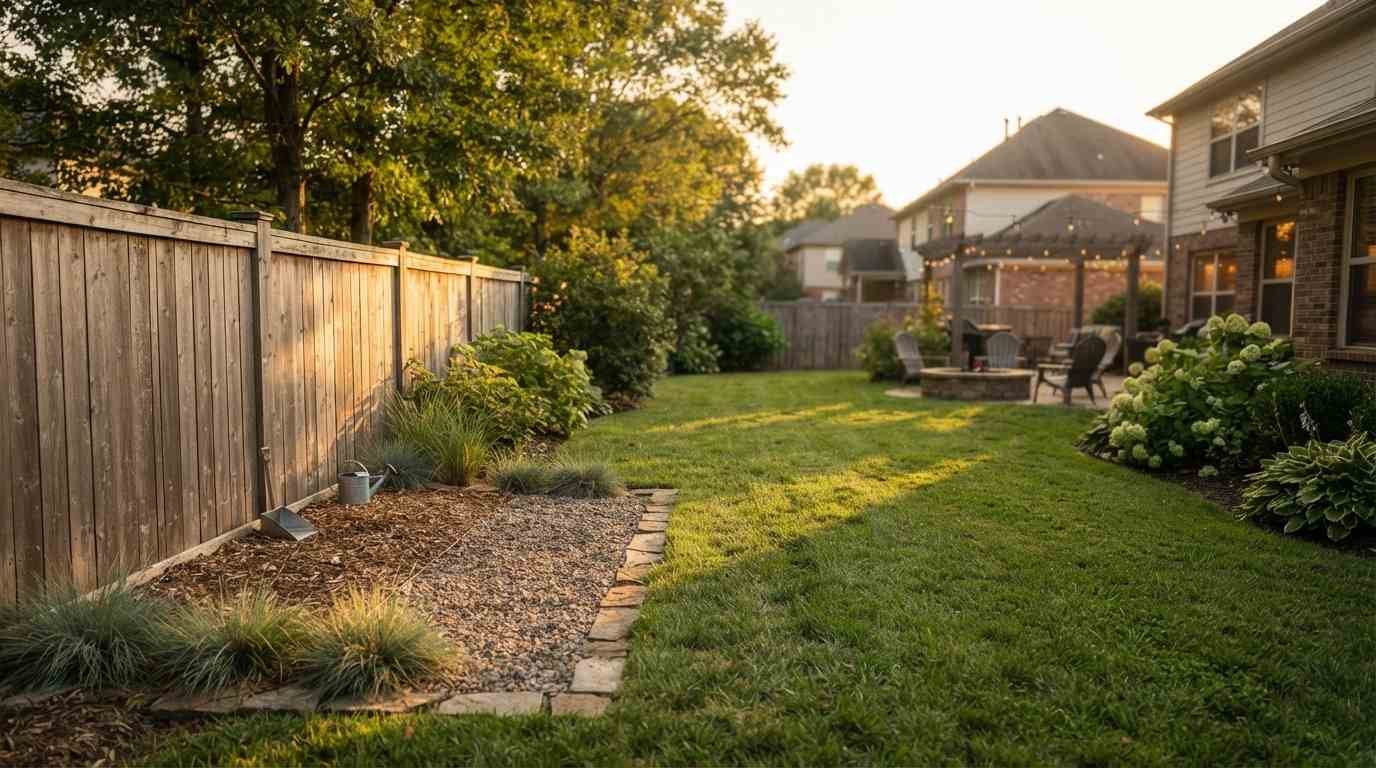
My dog Winston used to treat my entire backyard like his personal restroom. Front bed, back corner, the one spot under the maple tree I actually cared about.
It took me two ruined patches of grass and one very awkward conversation with a landscaper before I finally built him a real potty spot. Best decision I made all year.
If you’re standing in your yard right now trying to figure out where your dog should go (and where they absolutely should not), this guide is for you.
I’ve tested a handful of these ideas myself, borrowed a few from other dog owners in my neighborhood, and pulled the rest from what actually works based on soil type, dog size, and how much patience you have for scooping.
Let’s get into it.
Why a dedicated potty spot actually matters
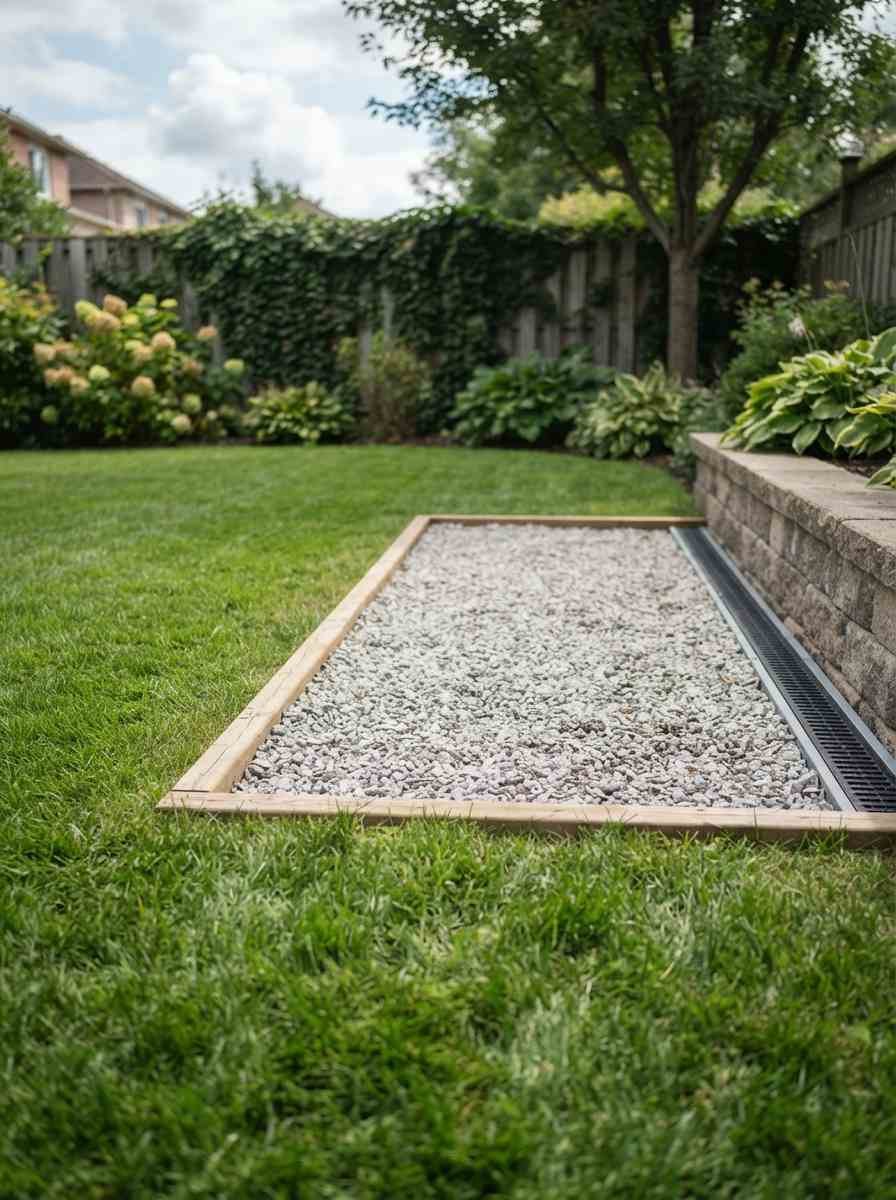
Dogs are creatures of habit. Once they learn a spot is “the spot,” they’ll head there on their own, which means fewer surprises on your lawn and fewer arguments with your grass.
There’s also a practical reason beyond convenience.
According to EPA guidance on pet waste and stormwater pollution, rain can carry bacteria and parasites from waste on the ground straight into storm drains and local waterways.
A contained potty area with a surface built for cleanup makes it much easier to scoop consistently, which is good for your yard and honestly good for your whole neighborhood’s water quality.
And yes, training your dog to use one consistent spot is a real technique trainers recommend. Walking your dog on a leash straight to their toilet spot and returning to the same location every time helps them recognize where they’re supposed to go, since the scent from previous visits reinforces the habit.
Picking the right spot in your yard
Before you touch a single bag of mulch, walk your yard and think about a few things.
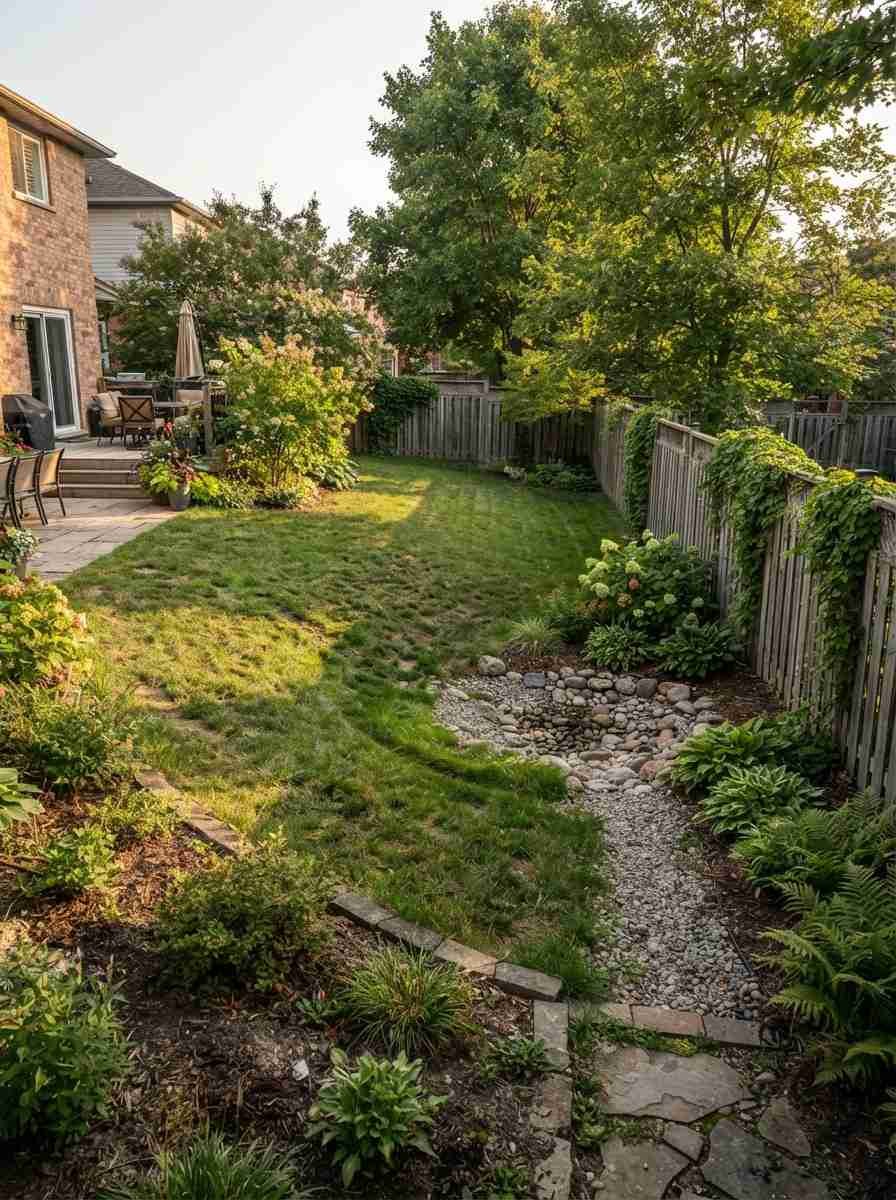
Drainage matters more than people expect. A low spot that collects rainwater turns into a swamp fast, and nobody wants that near the patio.
Pick somewhere with a slight slope or good natural drainage.
Distance from your outdoor living space matters too. Close enough that middle-of-the-night trips aren’t a hike. Far enough that you’re not smelling it from the grill.
A few other things worth checking:
- Sun exposure. Full sun bakes mulch and can make gravel scorching hot on paws in summer.
- Existing grass health. If a spot already struggles to grow grass, that’s often your answer right there.
- Fence line access. A gate near the potty zone makes waste disposal way easier on trash day.
One thing I didn’t think about the first time around: sightlines from your neighbor’s yard.
If your fence has gaps or you’re on a corner lot, a potty area tucked behind a raised bed or a row of shrubs keeps things a bit more private for everyone involved, dog included.
Dogs actually prefer some cover when they’re going, which is part of why so many will circle a bush or a fence corner before settling in.
Ground surface ideas that actually hold up
This is the part everyone actually cares about, so here are the materials worth considering, ranked roughly by how often I’d personally recommend them.
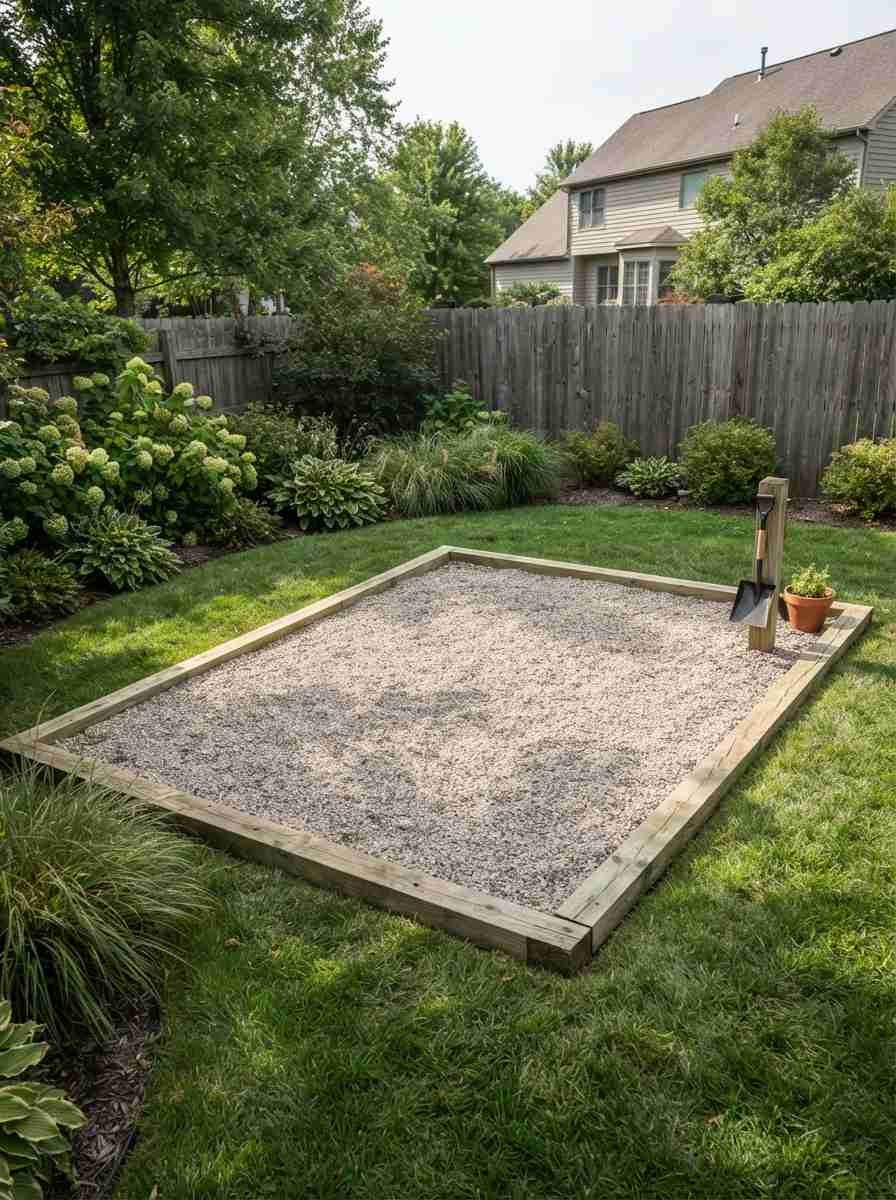
1. Pea gravel. My personal favorite. It drains fast, doesn’t hold odor the way mulch can, and rinses clean with a hose. Downside: it can get warm in direct sun.
2. Artificial turf with a drainage backing. Looks like real grass, holds up to daily traffic, and pairs well with a rinse system underneath. Pricier upfront but low maintenance long term.
3. Mulch. Cedar mulch specifically helps mask odor and is soft on paws. Replace it every few months since it breaks down and can hold bacteria if you skip cleanup.
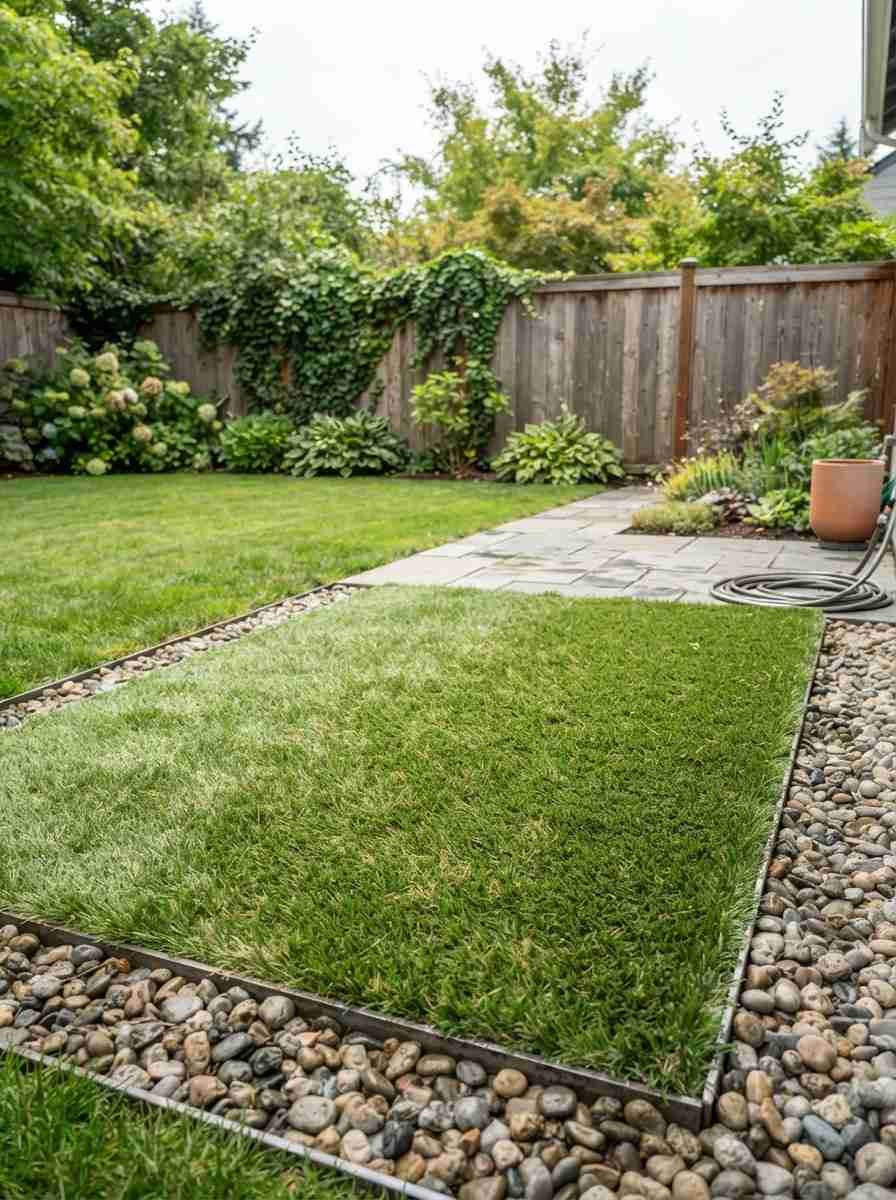
4. Decomposed granite. Compacts into a firm, walkable surface. Great for larger dogs and higher-traffic potty zones.
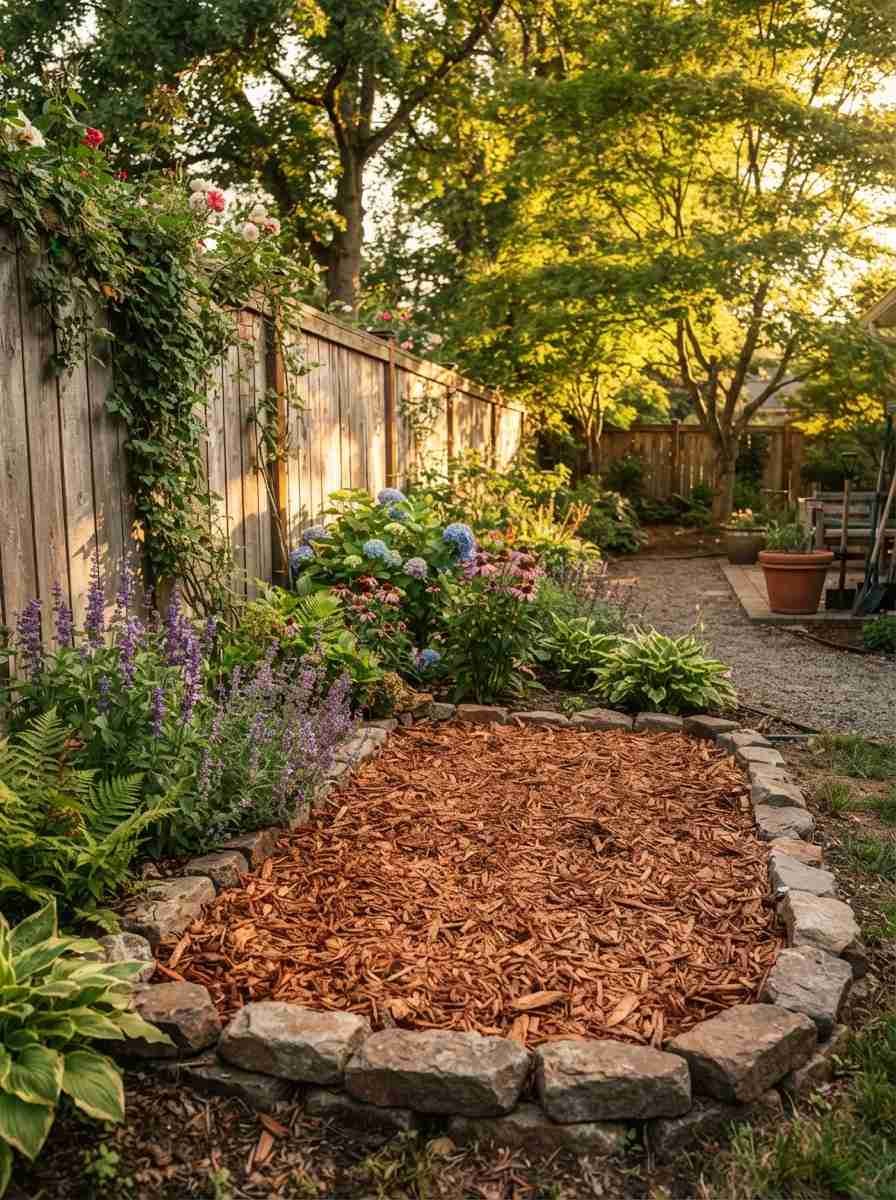
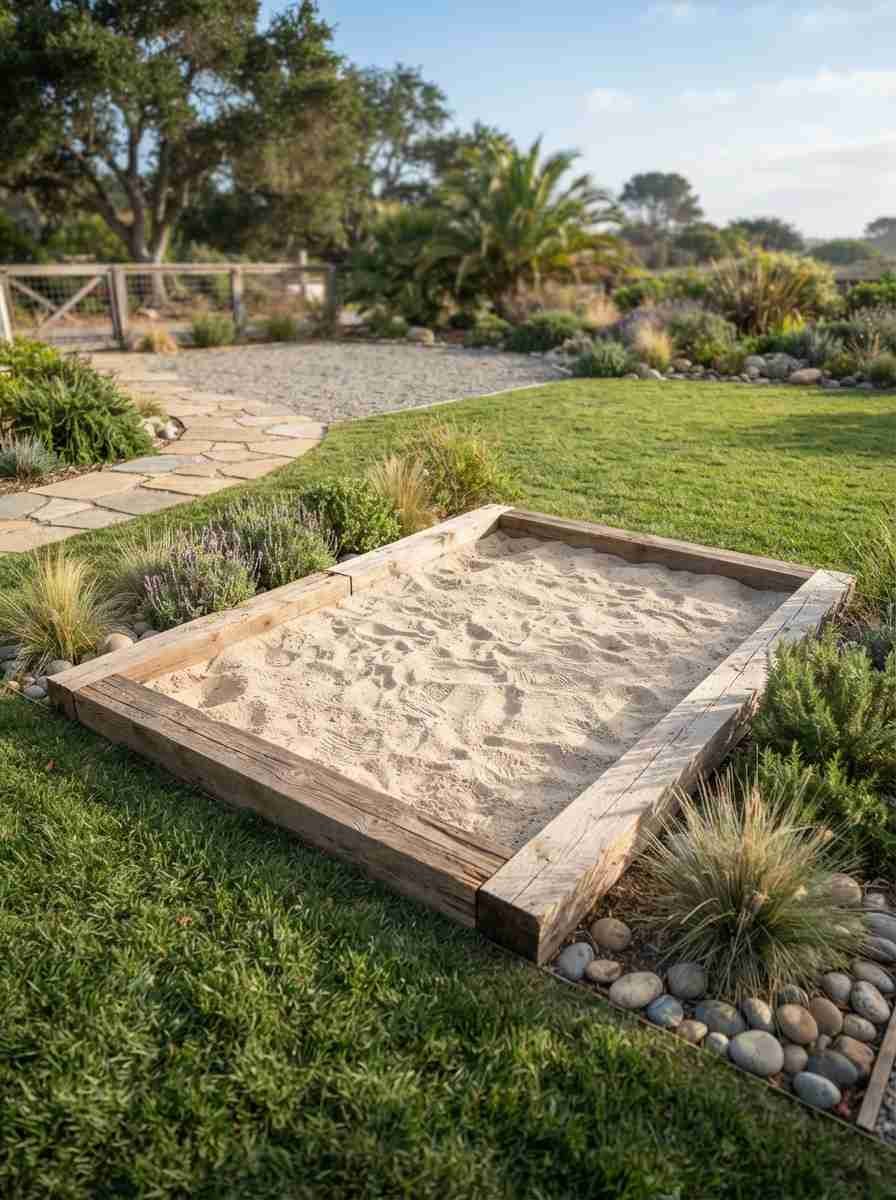
5. Sand. Easy on joints for senior dogs, but it clumps with waste in a way that’s honestly kind of gross if you don’t stay on top of it.
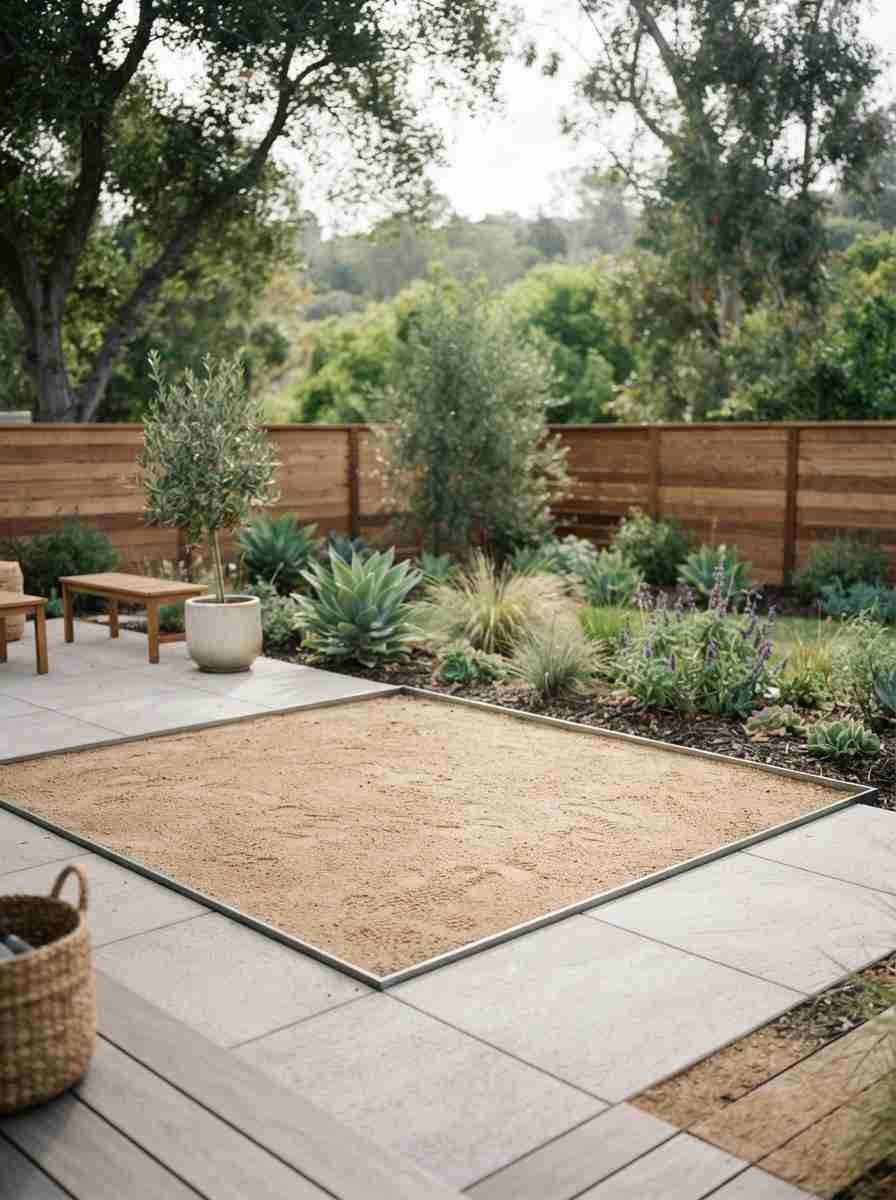
6. Rubber mulch. Doesn’t break down like wood mulch, though I’ll be honest, it can hold heat and smell a bit odd in high humidity.
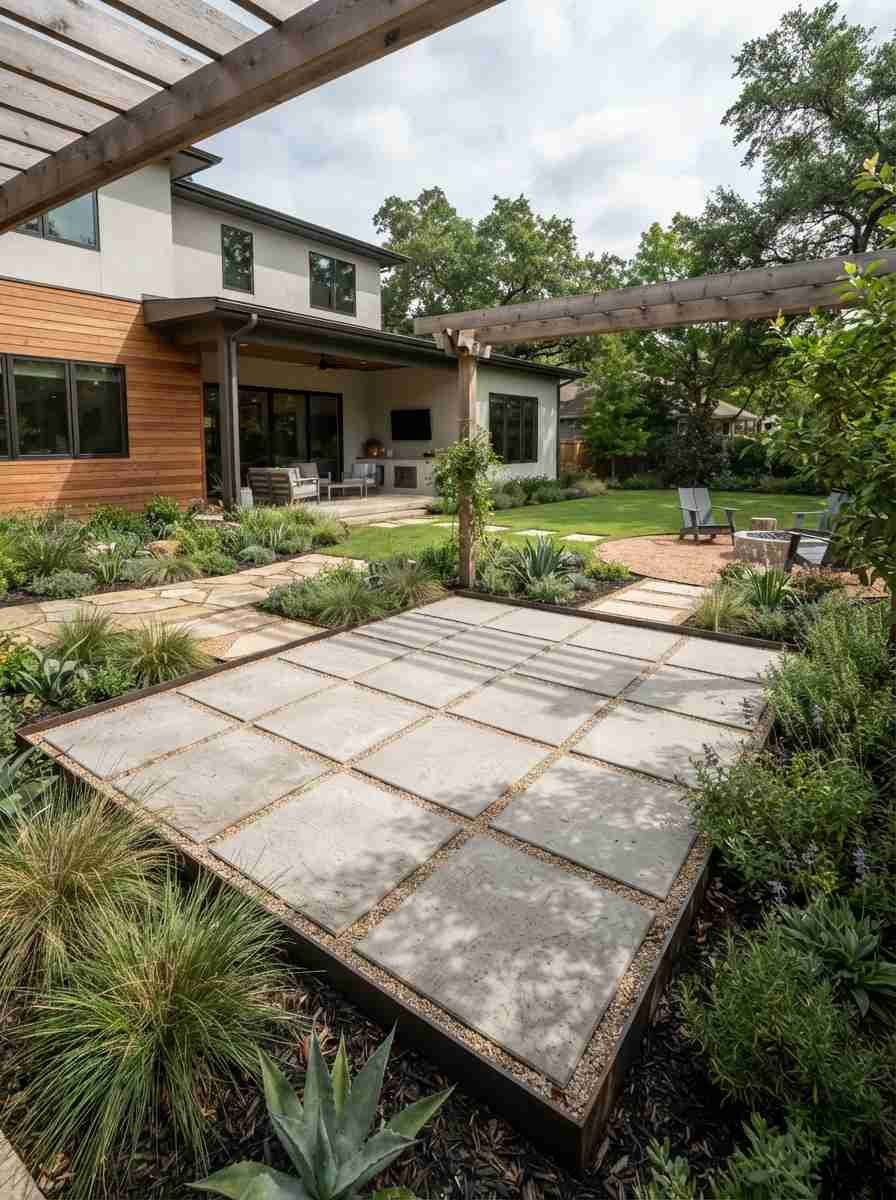
7. Concrete pavers with gravel joints. A clean, structured look if your yard leans more landscaped than rustic.
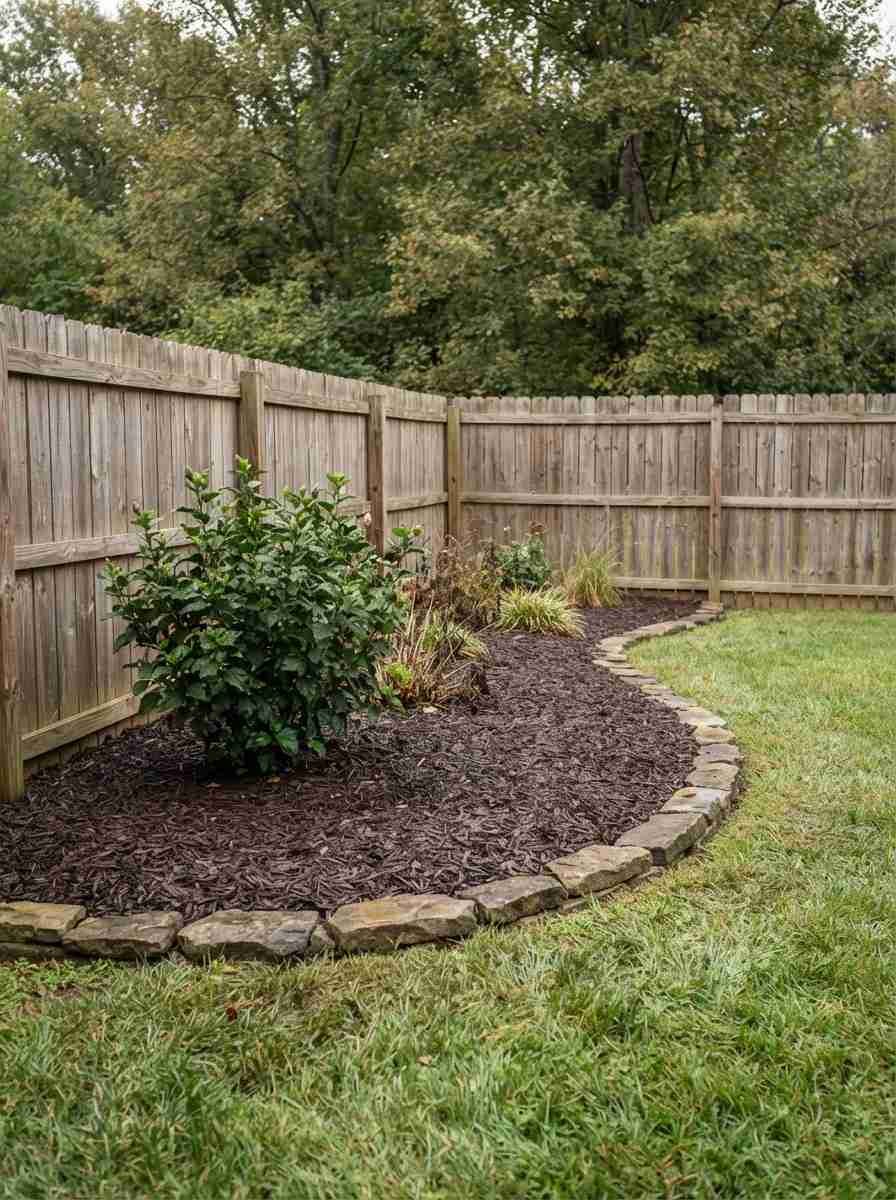
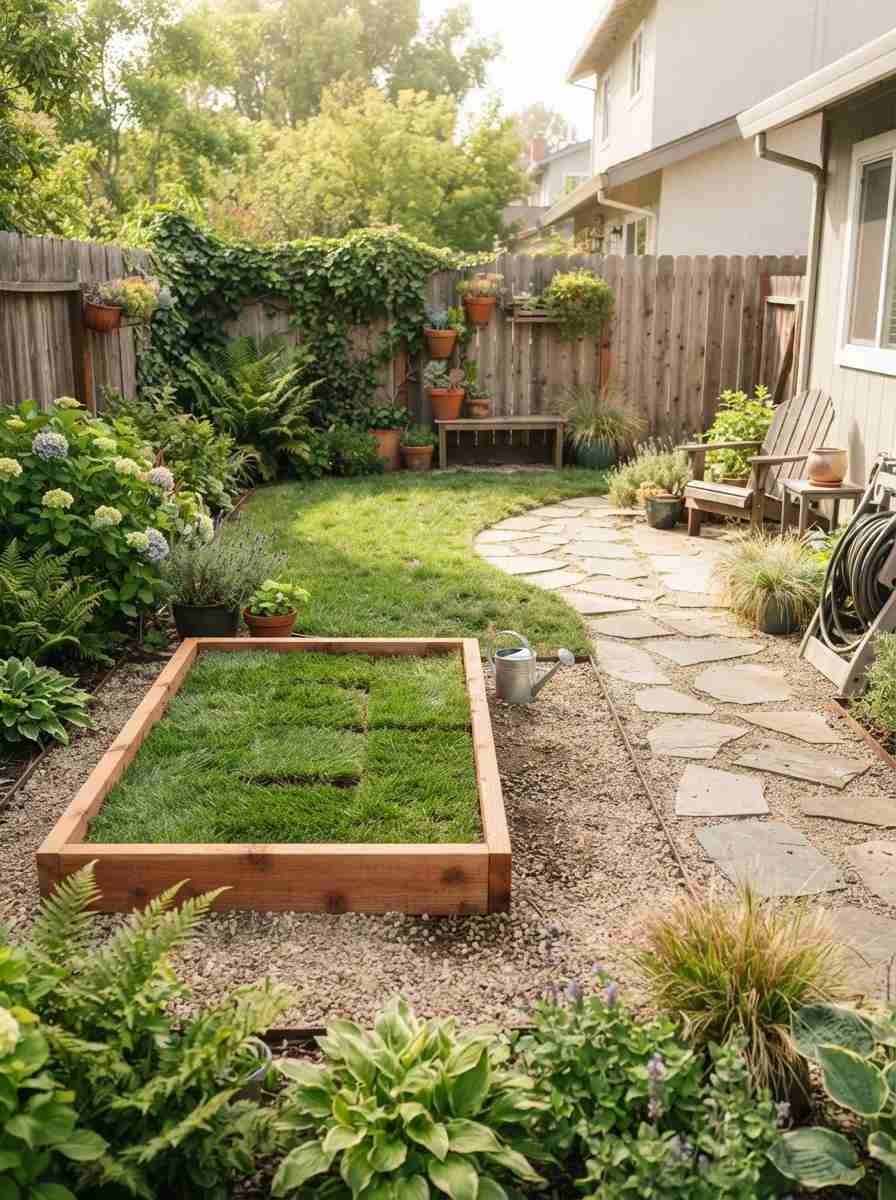
8. Sod squares on a raised frame. Basically a giant, replaceable potty patch. Great for renters who don’t want to dig up the actual lawn.
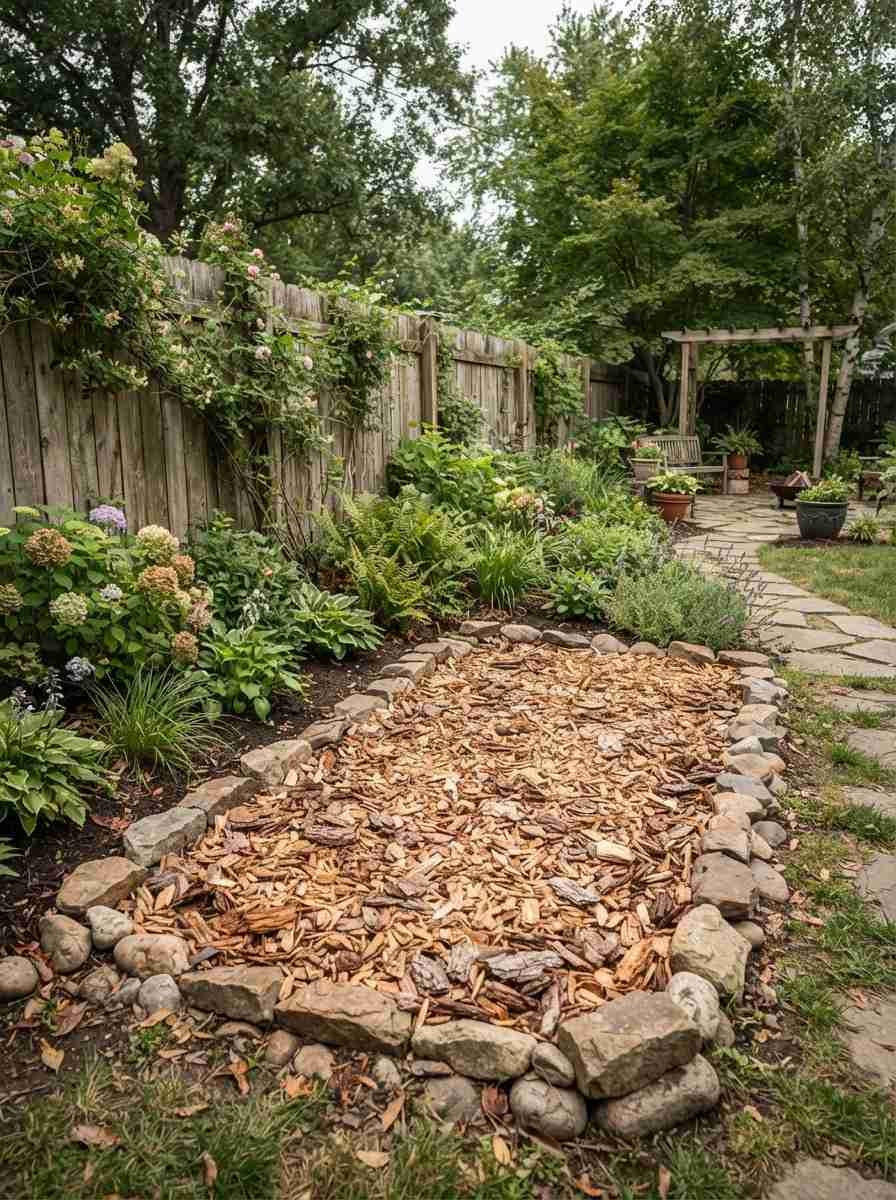
9. Wood chips. Cheaper than mulch, though they break down faster and need more frequent topping off.
10. Synthetic pebble surfacing. Looks nicer than plain gravel and drains just as well, at a higher price point.
Here’s a quick side-by-side if you’re torn between the top contenders.
| Surface | Drainage | Odor control | Upkeep |
|---|---|---|---|
| Pea gravel | Excellent | Good | Low |
| Artificial turf | Excellent | Good | Medium |
| Cedar mulch | Good | Very good | Medium |
| Sand | Fair | Poor | High |
Layout and placement ideas worth stealing
Once you’ve settled on a surface, the layout is where you can get a little creative. This is the fun part, honestly, especially if you’re the type who saves fifty backyard photos to a Pinterest board before committing to anything.
11. A raised rectangular bed framed with landscape timbers, filled with your chosen surface. It contains everything neatly and looks intentional instead of like a random patch.
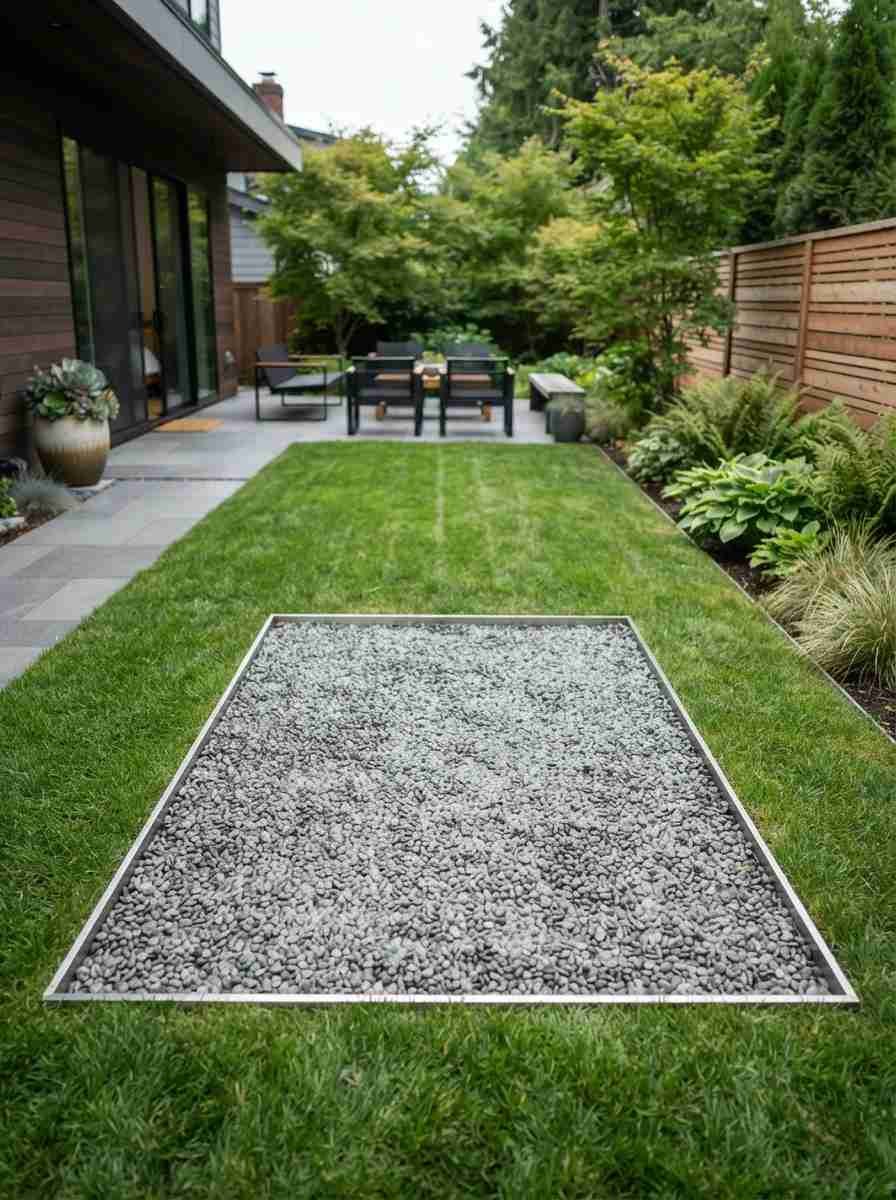
12. An L-shaped potty path that follows the fence line, giving your dog room to sniff around before choosing a spot.
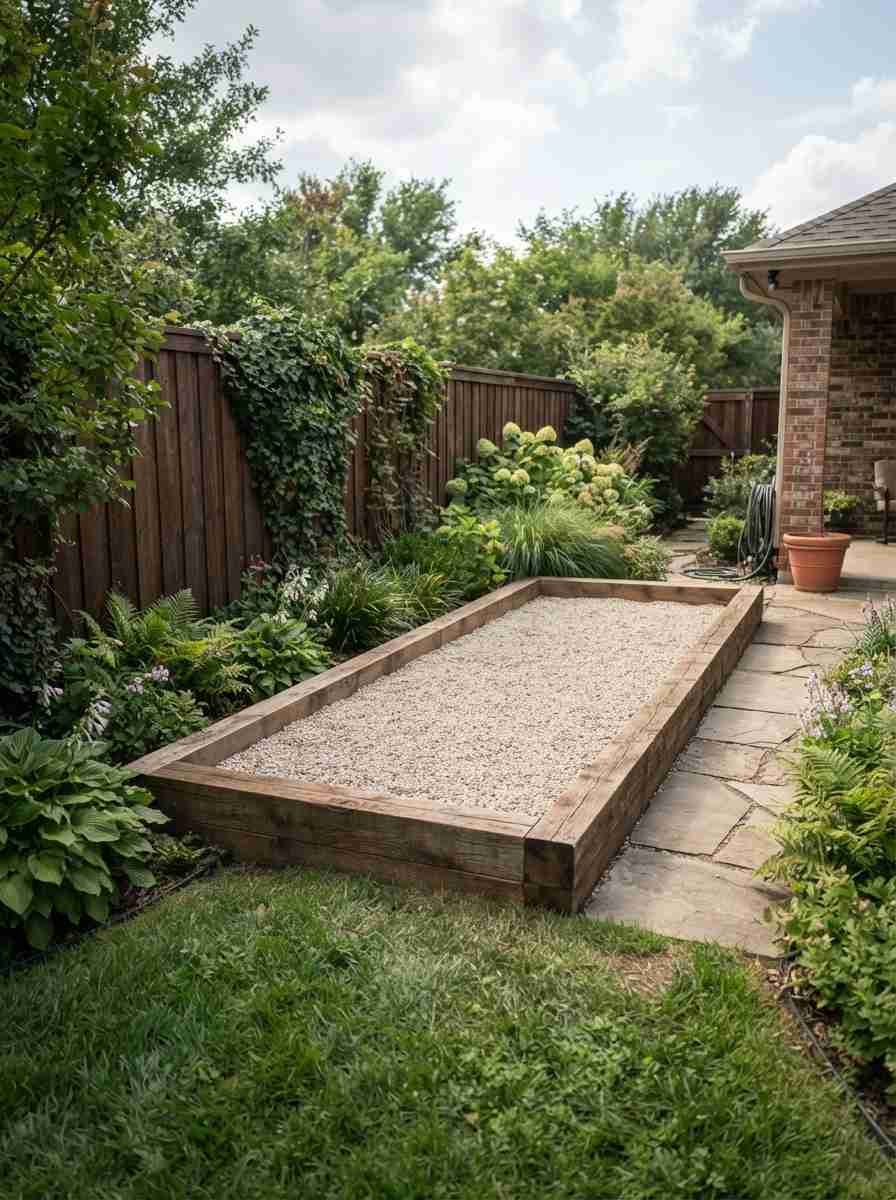
13. A circular gravel pad centered around a small tree or shrub, which male dogs especially seem to gravitate toward as a natural marking point.
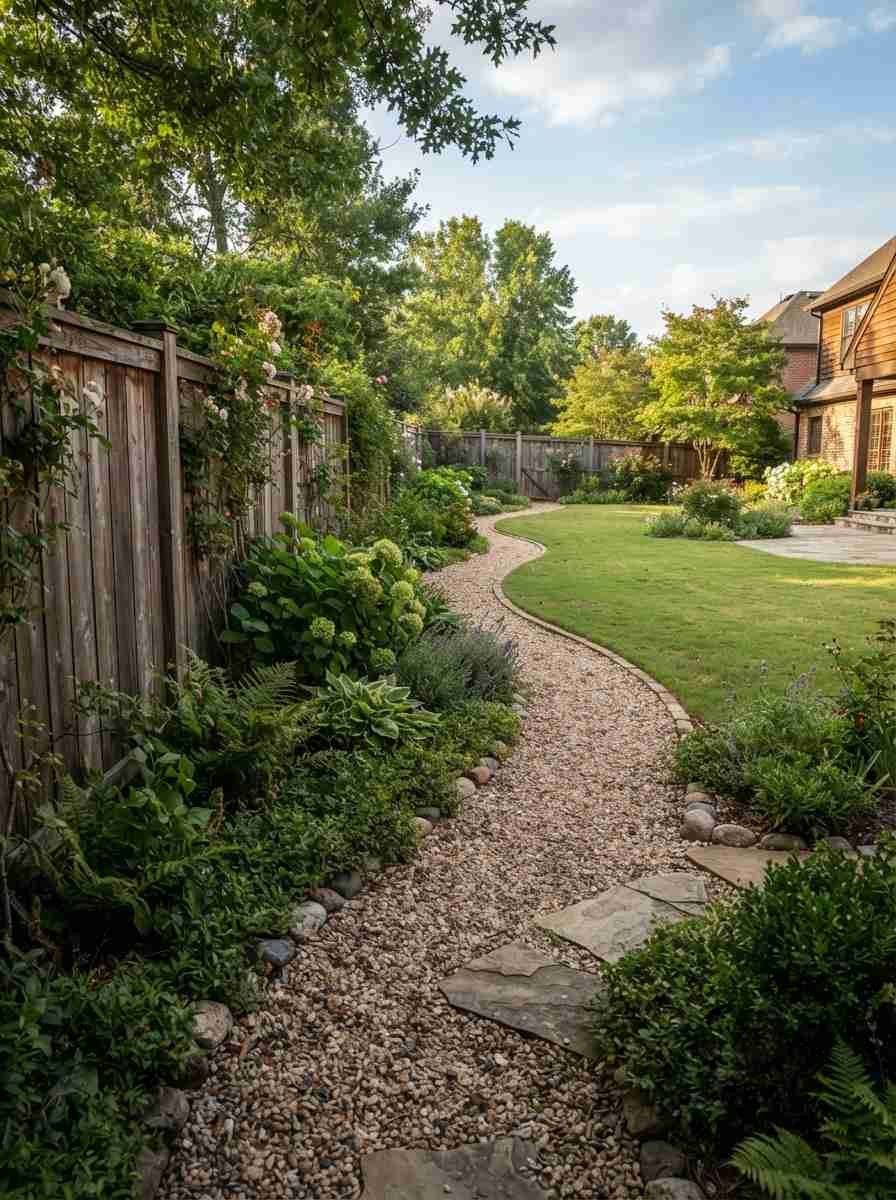
14. Two separate zones if you have multiple dogs who don’t love sharing space. Sounds excessive until you’ve refereed a turf war over one patch of grass.
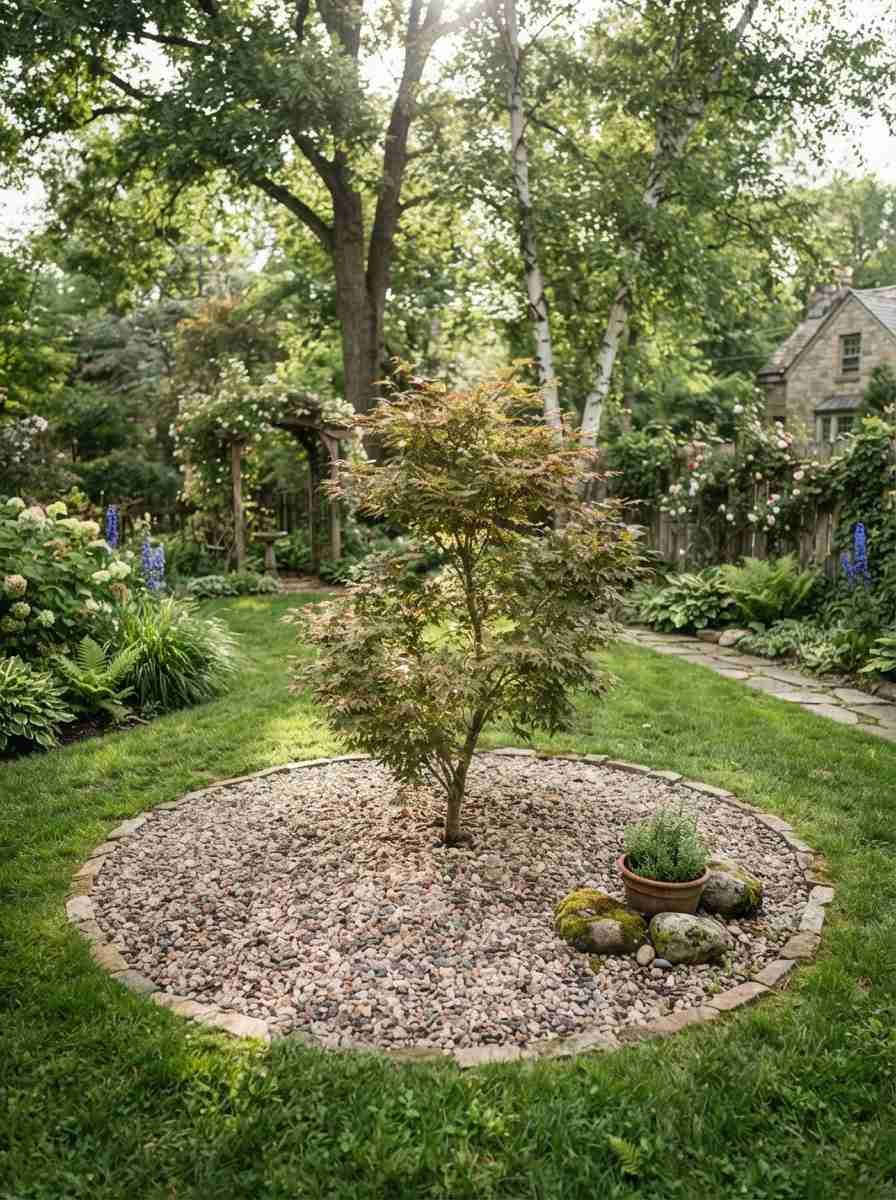
15. A potty area tucked beside the garden shed, out of the main sightline from your patio or kitchen window.
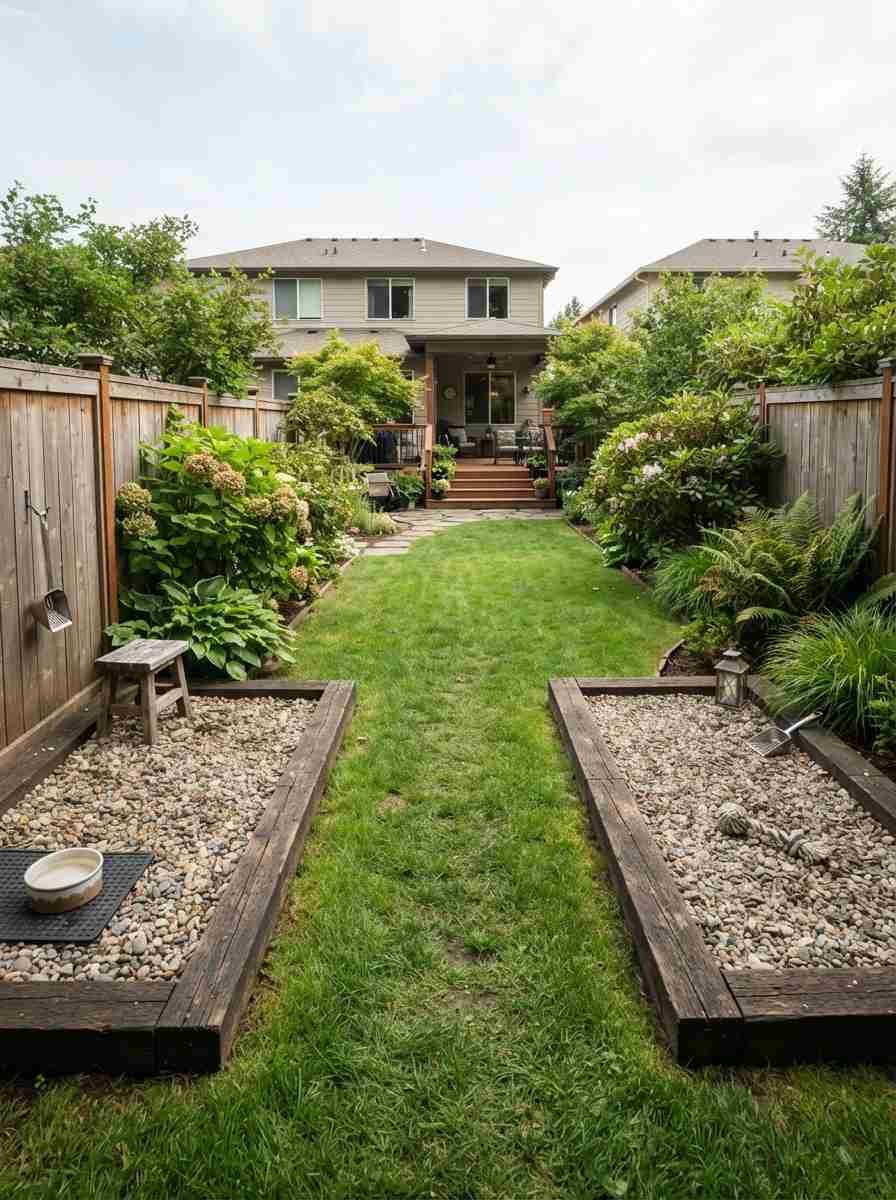
16. A gravel strip along a side yard that’s otherwise wasted space anyway. This is genuinely one of the smartest small-yard tricks I’ve seen.
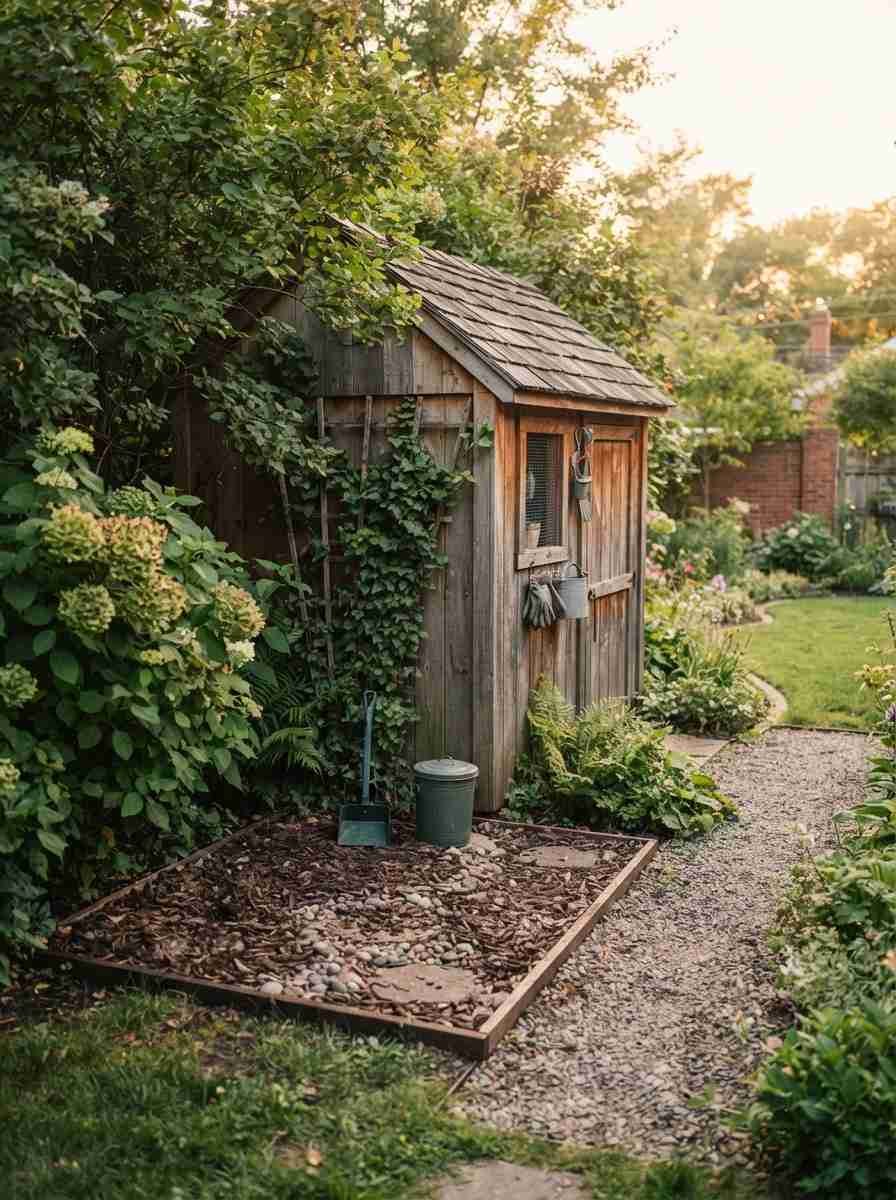
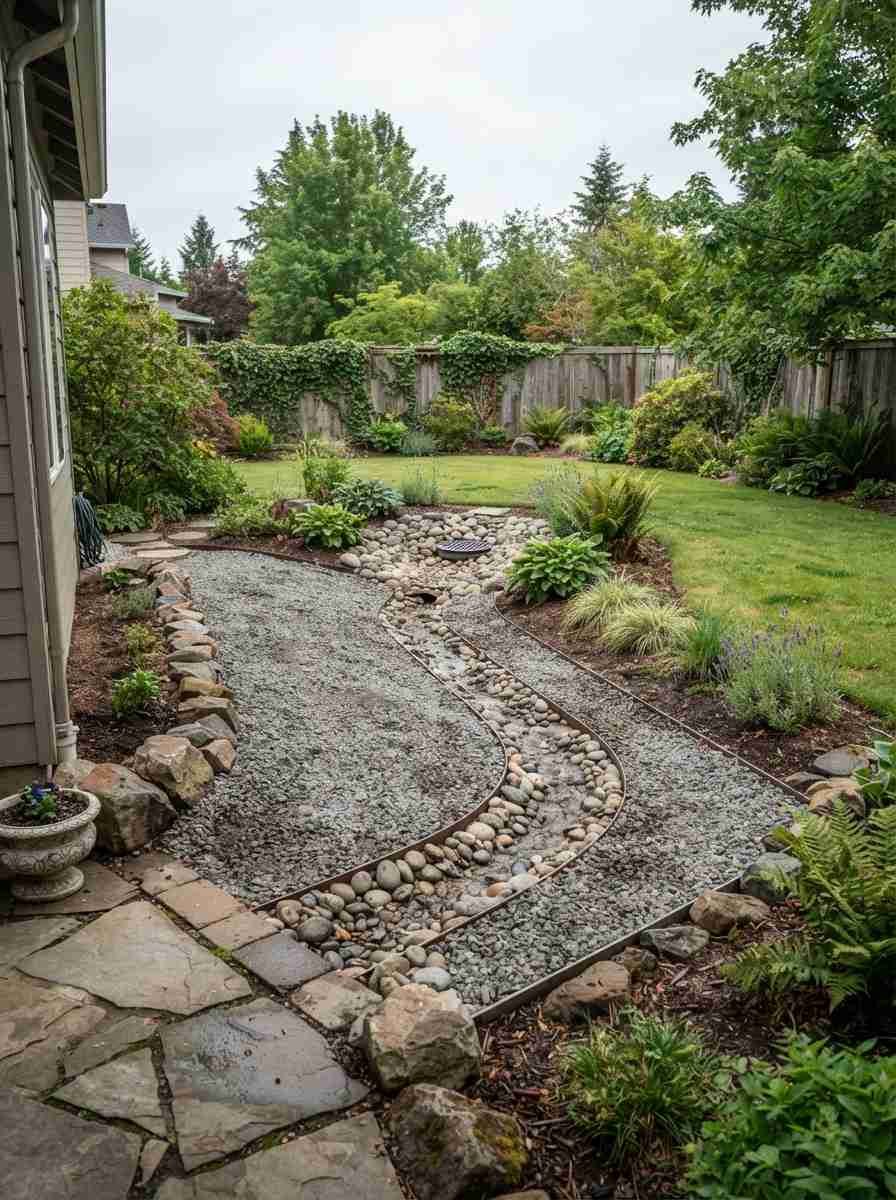
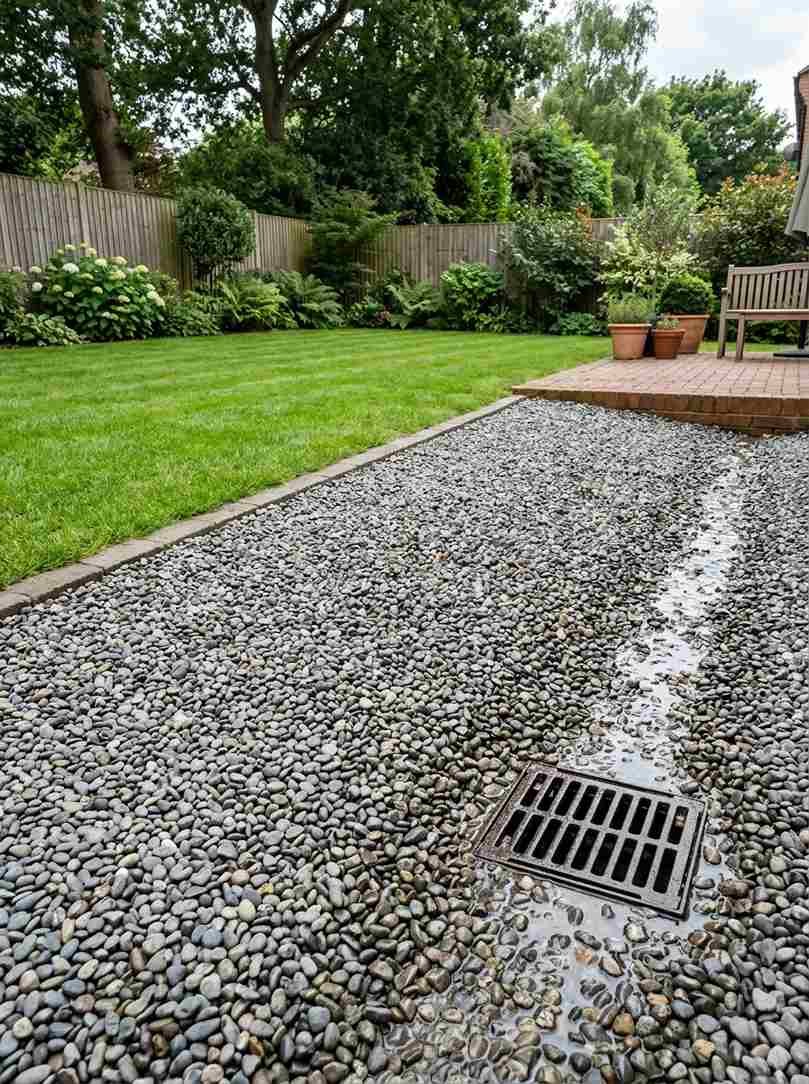
17. A potty zone with a small drainage channel built at a slight angle toward a French drain, ideal if your yard already deals with runoff issues.
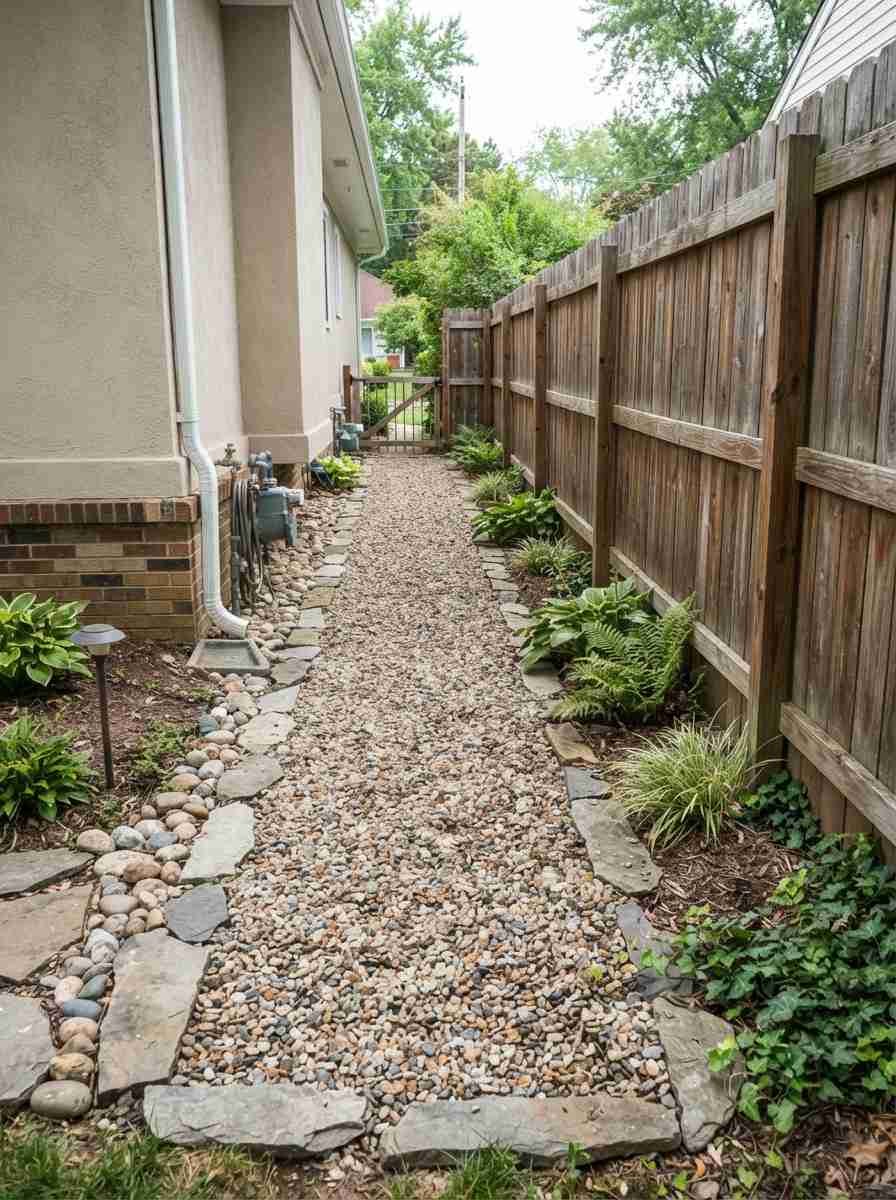
If your yard slopes at all, work with that slope instead of fighting it. I tried to level out a naturally sloped corner of my yard once, spent an entire Saturday hauling dirt, and honestly the drainage was worse afterward than before I touched it. Sometimes the lazy option is also the smart one.
Making cleanup painless
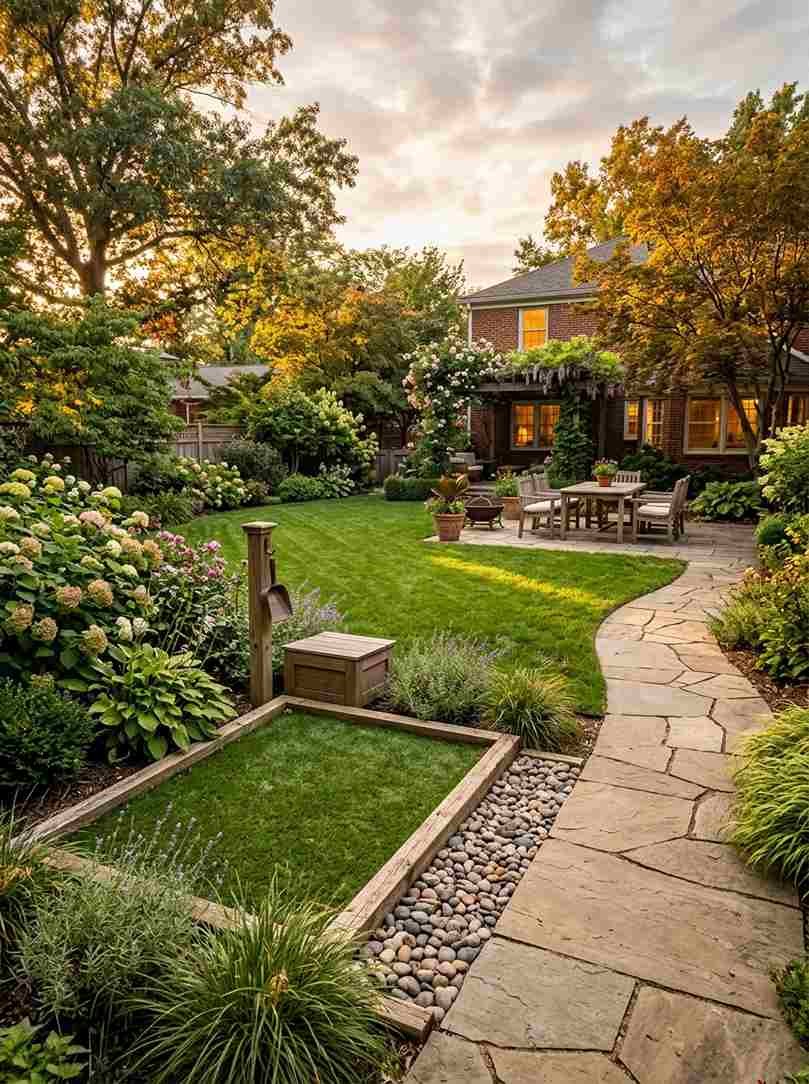
A potty area only works long term if scooping it doesn’t feel like a chore you dread. A few setups that make life easier:
18. A built-in hose bib nearby. Rinse-and-go beats hauling a hose across the yard every single time.
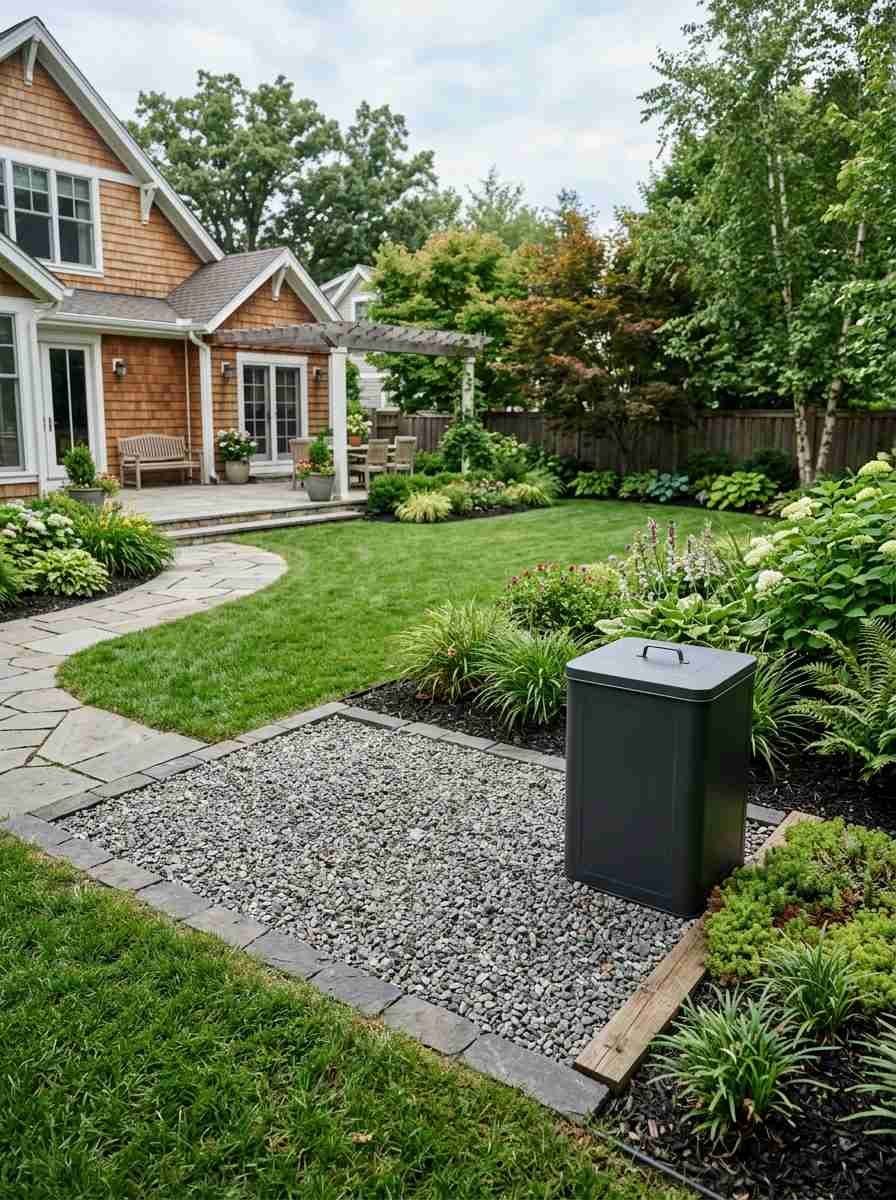
19. A dedicated waste bin with a lid, placed right at the edge of the potty zone so bags don’t pile up by your back door.
20. A flushable or septic-safe disposal system buried near the potty area, which handles waste without you touching a trash can at all.
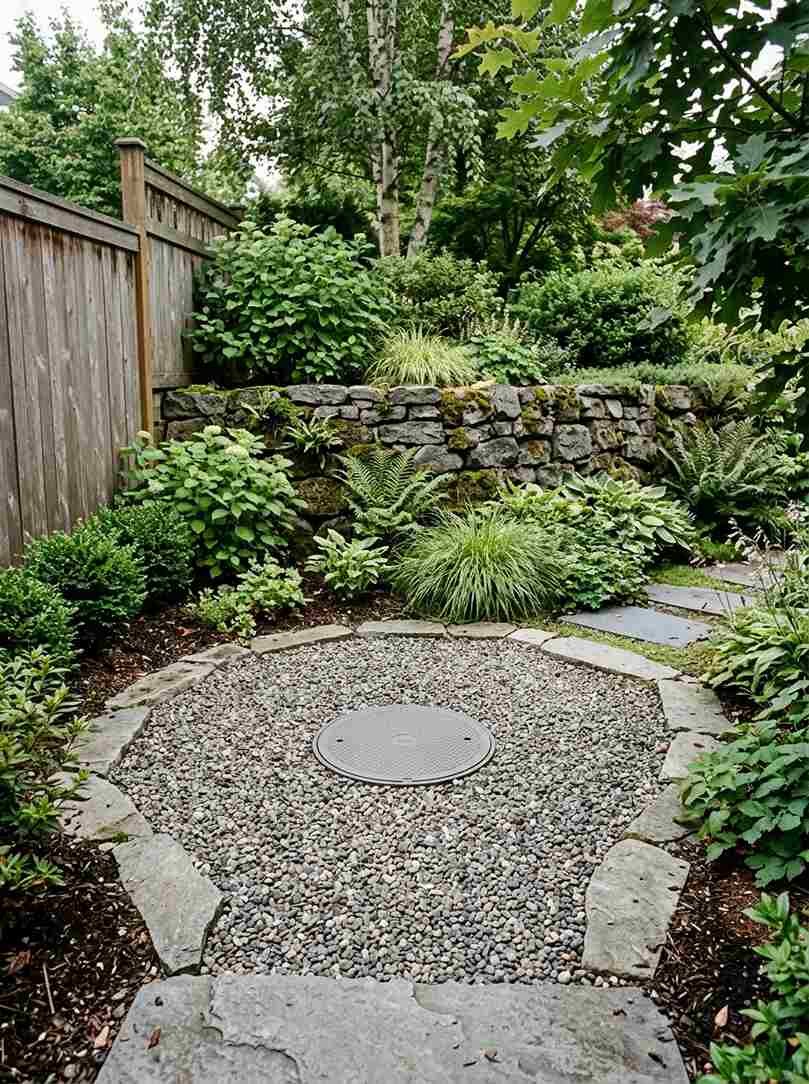
According to EPA recommendations for pet waste disposal, flushing pet waste down the toilet is one of the most effective methods since it goes to a treatment plant that removes most pollutants before reaching a waterway, while bagged waste in the trash is a reasonable second option. Either way, skip composting it. It’s just not sanitary for garden use.
21. A gravel base over landscape fabric, which stops waste and urine from soaking straight into bare soil and keeps the whole area easier to spot-clean.
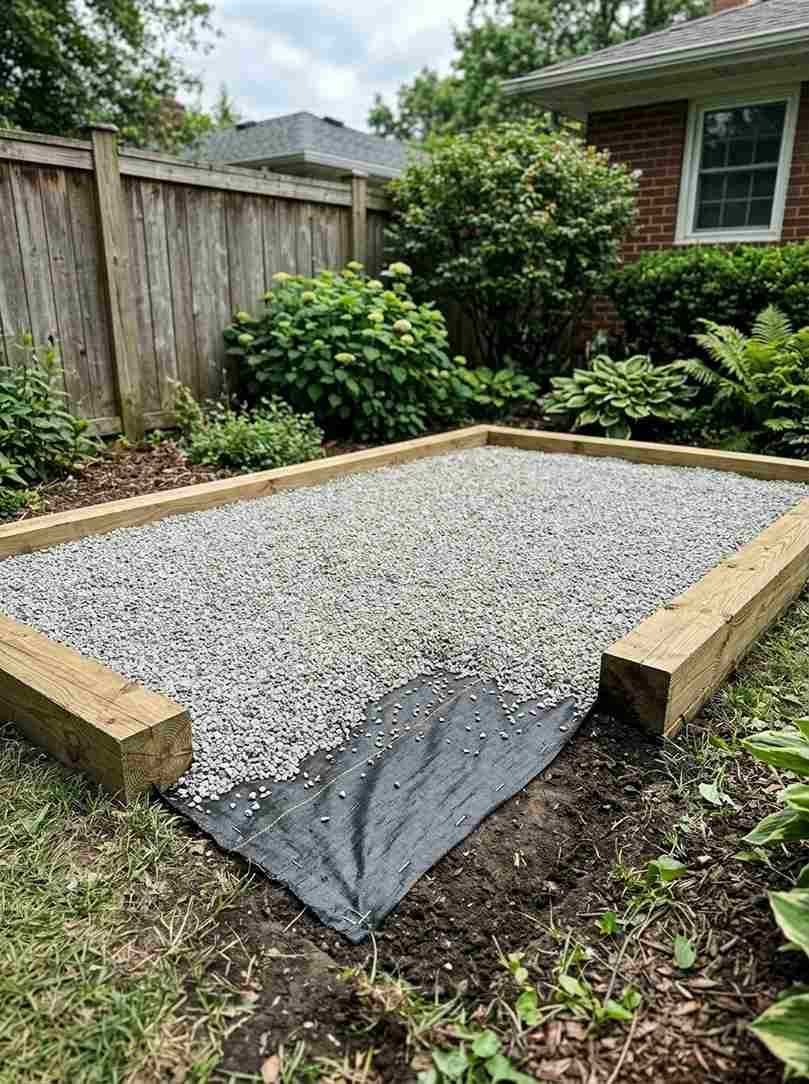
22. A slight slope toward a drain, so rinse water doesn’t just sit and stagnate.
Quick aside, and this has nothing to do with potty areas really, but has anyone else’s dog developed a weirdly specific opinion about which direction they face while doing their business? Winston will not go unless he’s facing the fence. Every single time. Dogs are strange little creatures and I love that about them.
Adding privacy and a little style
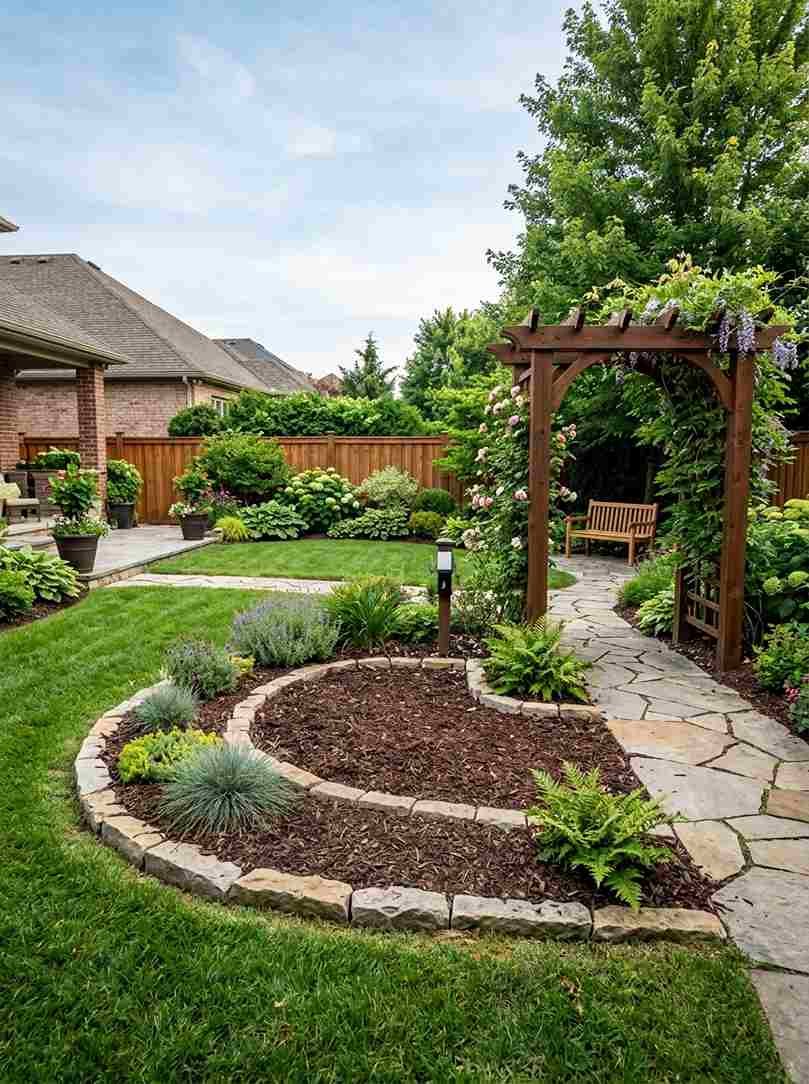
Nobody wants a bare gravel square as the focal point of an otherwise nice yard. These last few ideas make the space blend in.
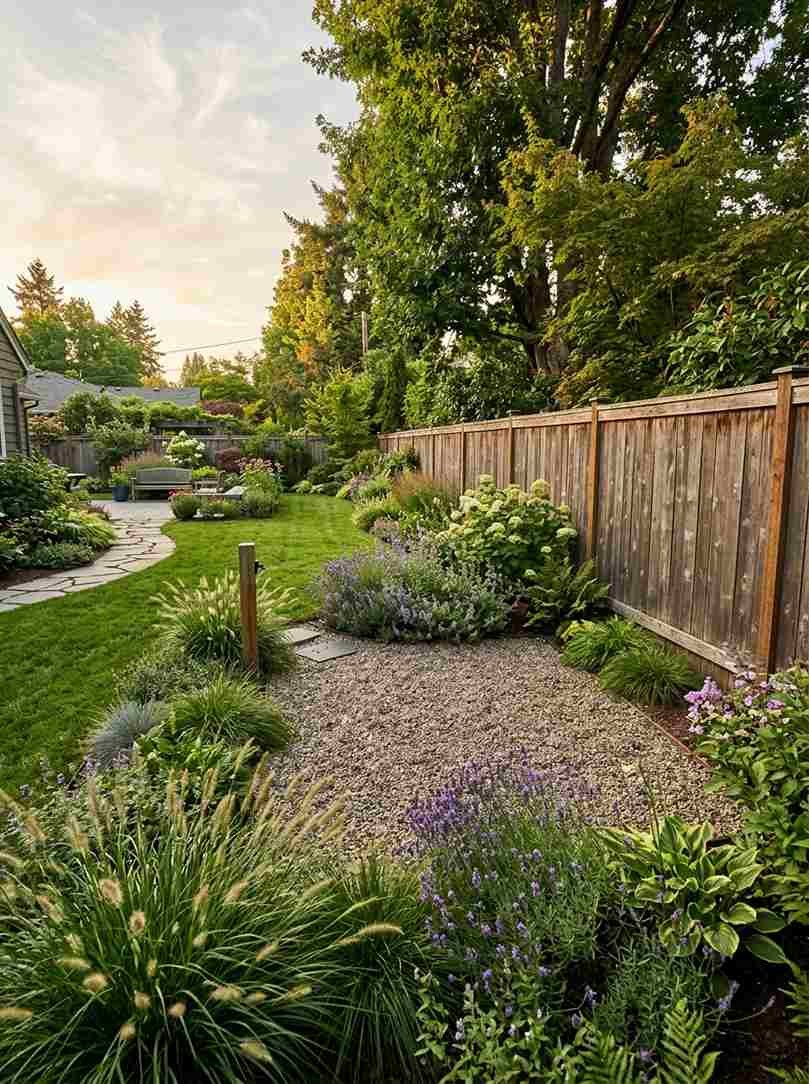
23. Low shrubs or ornamental grasses around the perimeter. Just double check anything you plant is dog-safe, since some common landscaping plants aren’t.
AKC’s advice on protecting your lawn from urine damage notes that switching part of your lawn to clover, moss, or ornamental grass alternatives can also hold up better against urine than traditional turf, so it does double duty as both a screen and a durability fix.
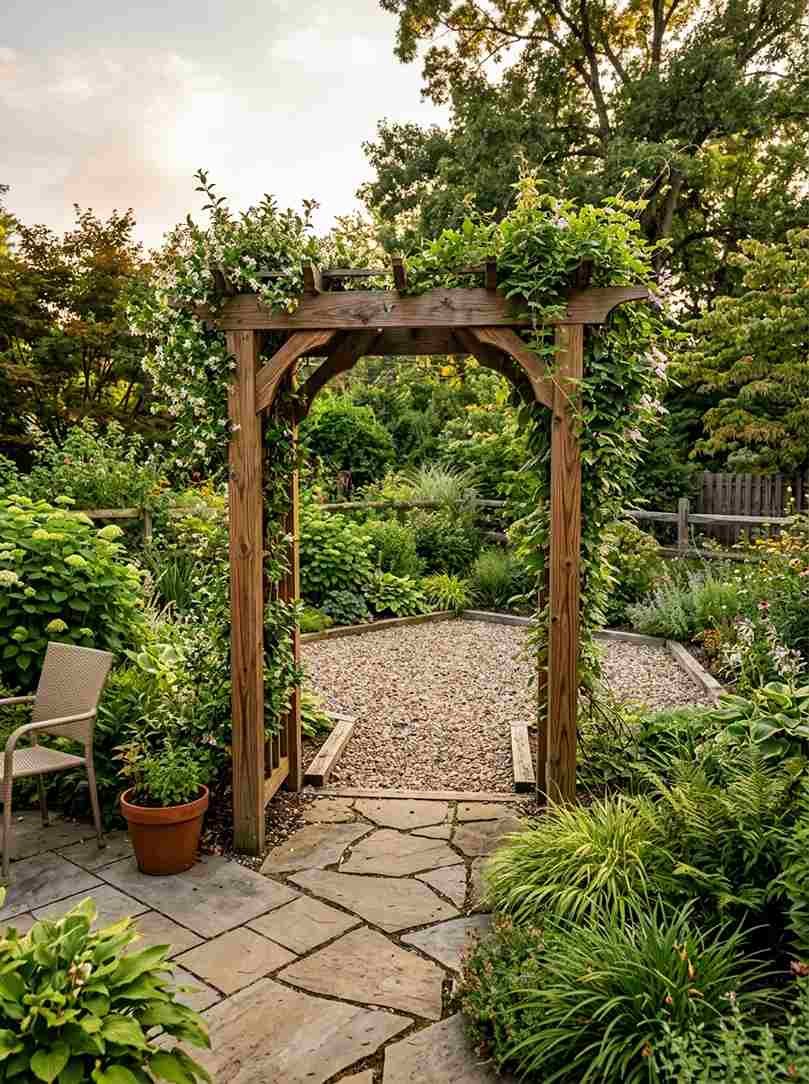
24. A small decorative arbor or trellis entrance. Sounds fancy, but even a basic $40 kit from a hardware store signals “this is a designed space,” not an afterthought.
Wow, twenty-four ideas later and I still think the gravel-plus-cedar-mulch combo is the one I’d tell a friend to start with if they only tried one thing on this list.
One more note worth mentioning here.
If your dog is leaving those telltale brown rings on the lawn near their favorite spot, that’s nitrogen buildup from concentrated urine, not the acidity of the pee itself, which is a common myth.
A defined potty area basically solves this problem for good since the damage happens somewhere you’ve planned for instead of the middle of your lawn.
Quick FAQs
How big should a backyard dog potty area be? For one medium to large dog, aim for roughly 4×6 feet at minimum. Bigger dogs, multiple dogs, or breeds that like to pace before settling in will do better with more like 6×10 feet.
Do I need to replace gravel or mulch completely, or can I just top it off? Topping off works for regular maintenance, but plan on a full replacement every 12 to 18 months depending on how much traffic the area gets and how consistently you’re scooping.
Will my dog actually use a designated spot on their own? Most dogs will, especially with consistent leash-guided visits early on and positive reinforcement when they go in the right place. It usually takes a couple of weeks of consistency before it clicks.
Final thought
Building Winston’s potty corner turned out to be one of those small home projects that quietly improved my whole week, every week.
No more guessing where the surprises are hiding in the grass, no more sacrificing my favorite flower bed, and a yard that finally looks like I planned it on purpose.
So, which of these 24 ideas are you stealing for your own backyard? Save this guide, pin your favorite layout, and let me know how it turns out.
