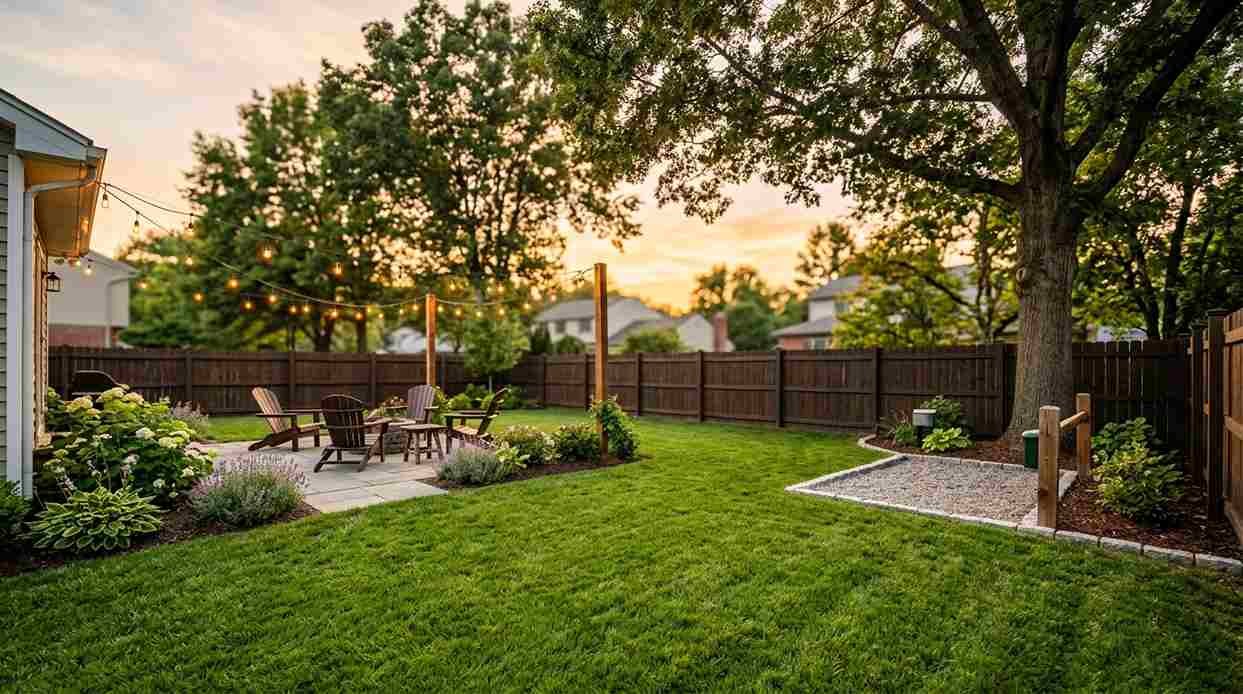
My dog used to treat the whole backyard like a bathroom. Every corner, every flower bed, right next to the patio table where we eat dinner.
I fixed that with one dedicated spot, some gravel, and about three weeks of stubborn consistency.
If your yard currently looks like a minefield, here’s everything I wish I’d known before I started digging.
This isn’t a “buy these ten products” listicle. It’s a real breakdown of layout ideas, materials, training steps, and the mistakes that cost me a weekend I’ll never get back.
Why a dedicated potty spot is worth the effort
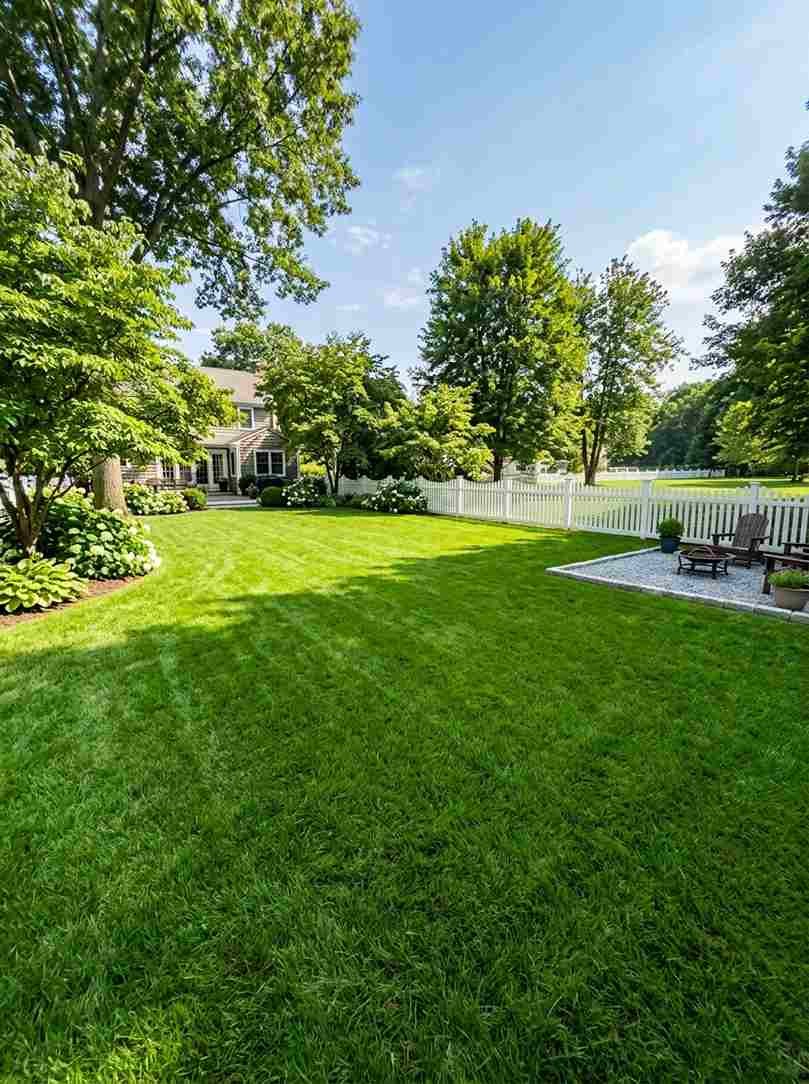
A single potty zone keeps the rest of your lawn green, your shoes clean, and your kids’ bare feet safe.
Dog urine is high in nitrogen. Concentrated in one spot, it kills grass fast. Spread across the whole yard, it kills the whole yard slowly.
I learned that the hard way with a lawn that looked like a checkerboard for two summers straight.
There’s a hygiene angle too. Waste left sitting around carries bacteria and parasites that can affect kids, older adults, and anyone with a weaker immune system. One contained area is genuinely easier to clean, sanitize, and forget about.
IMO, the biggest win is mental. You stop scanning the grass before you let the kids run around. That alone is worth a Saturday afternoon of setup.
Choosing the right location first
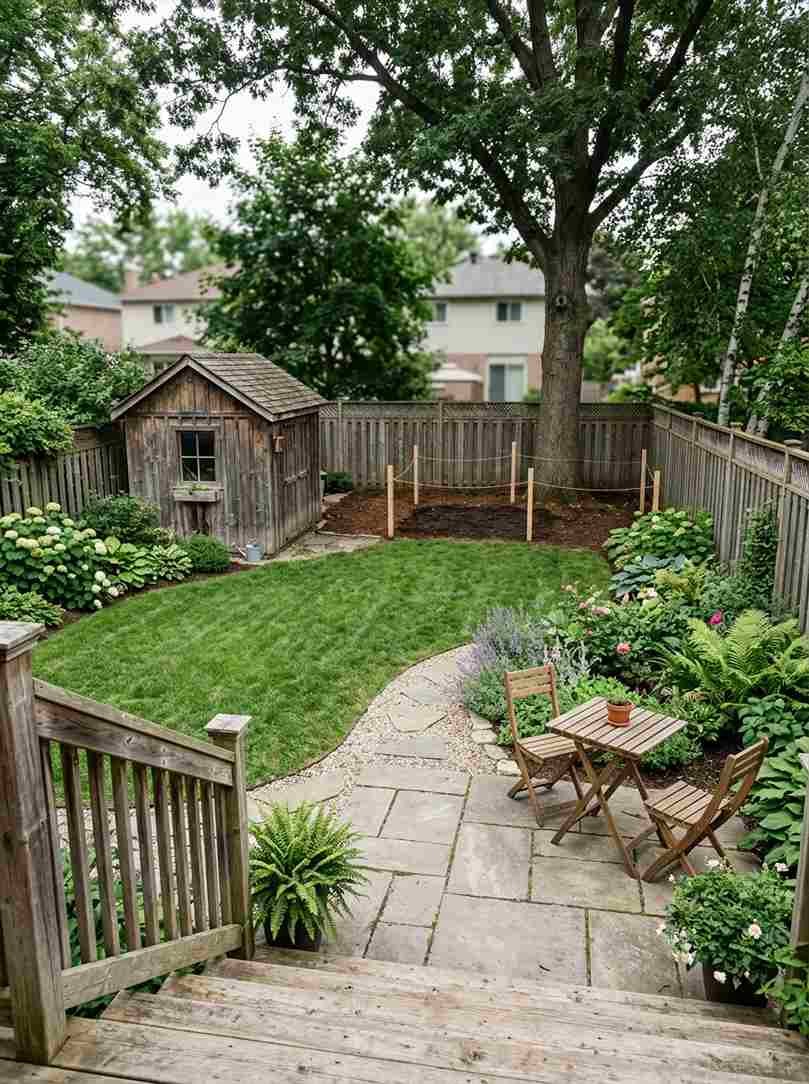
Before you touch a single idea on this list, walk your yard and figure out where the spot should live.
A good potty area sits close enough to the door for 2am emergencies, roughly 15 to 20 feet away to keep smell down, and away from the patio, play structures, and garden beds.
Guidance from pet waste specialists on picking a potty spot backs up that distance range for keeping odor manageable without turning every bathroom break into a hike, and a location this far from the house also tends to hold up better against weather and foot traffic.
A few things I’d add from experience:
- Drainage matters more than looks. I first picked a low spot because it was tucked behind the shed. It turned into a swamp after every rainstorm.
- Watch where your dog already goes. Dogs gravitate toward familiar corners. If yours already has a favorite tree or fence line, work with that instinct instead of fighting it.
- Size it to your dog. A rule of thumb from DoodyCalls suggests roughly five times your dog’s body length in space, so they can turn, sniff, and settle without feeling cramped.
20 backyard potty area ideas, ranked by how much work they take
I’ve grouped these by effort level because “DIY project” means something different to everyone. Some of these took me an afternoon. One took an entire long weekend and a trip to three different hardware stores.
Low-effort options (weekend project or less)
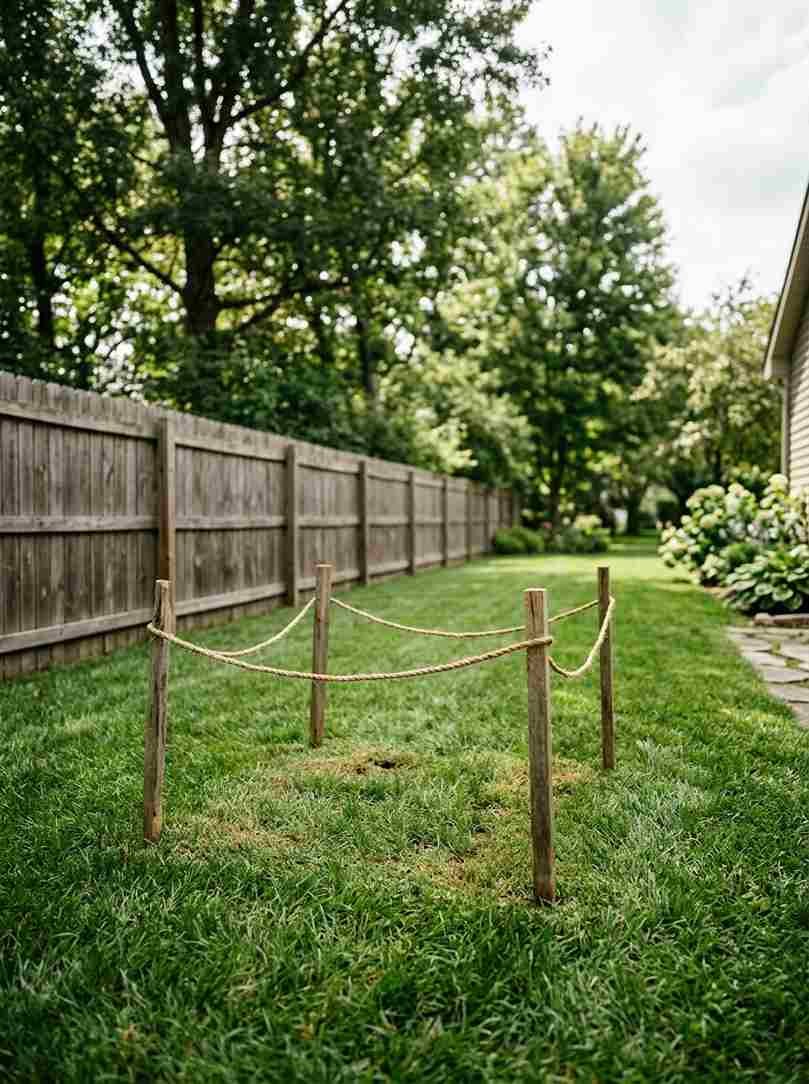
Roped-off grass corner. Use decorative rope or garden stakes to fence off a section of existing lawn. Zero construction, and you can move it if it’s not working.
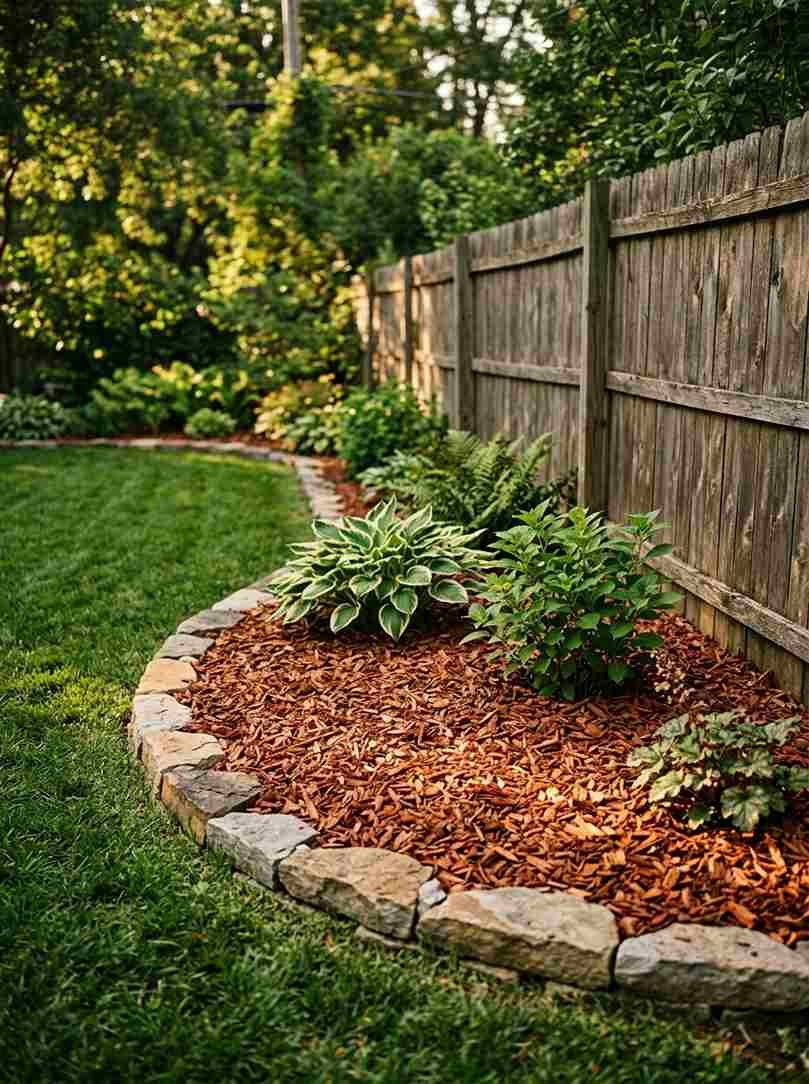
Mulch bed. Cedar or pine bark mulch smells good, drains well, and is cheap to refresh. Skip cocoa bean mulch entirely. The ASPCA warns that cocoa mulch can cause vomiting,
tremors, and a fast heart rate in dogs who eat it, since it contains the same compound that makes chocolate dangerous.
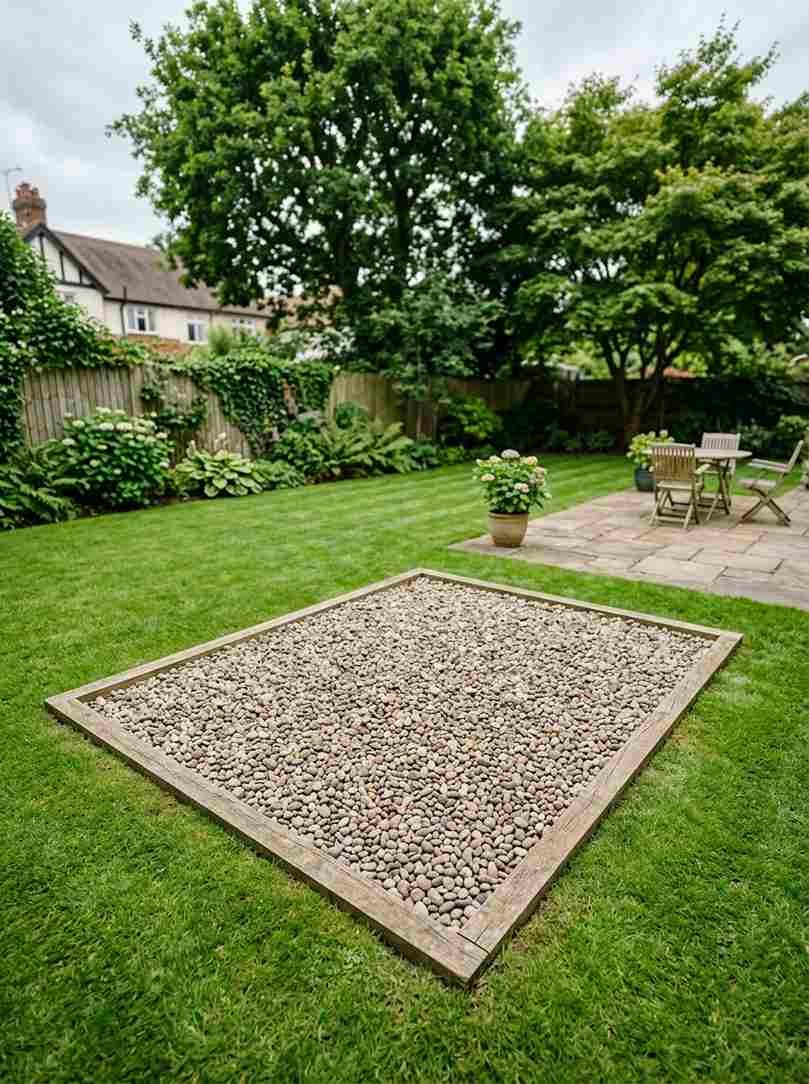
Pea gravel patch. Small, smooth stones. Easy on paws, easy to hose down, and waste is simple to spot and scoop.
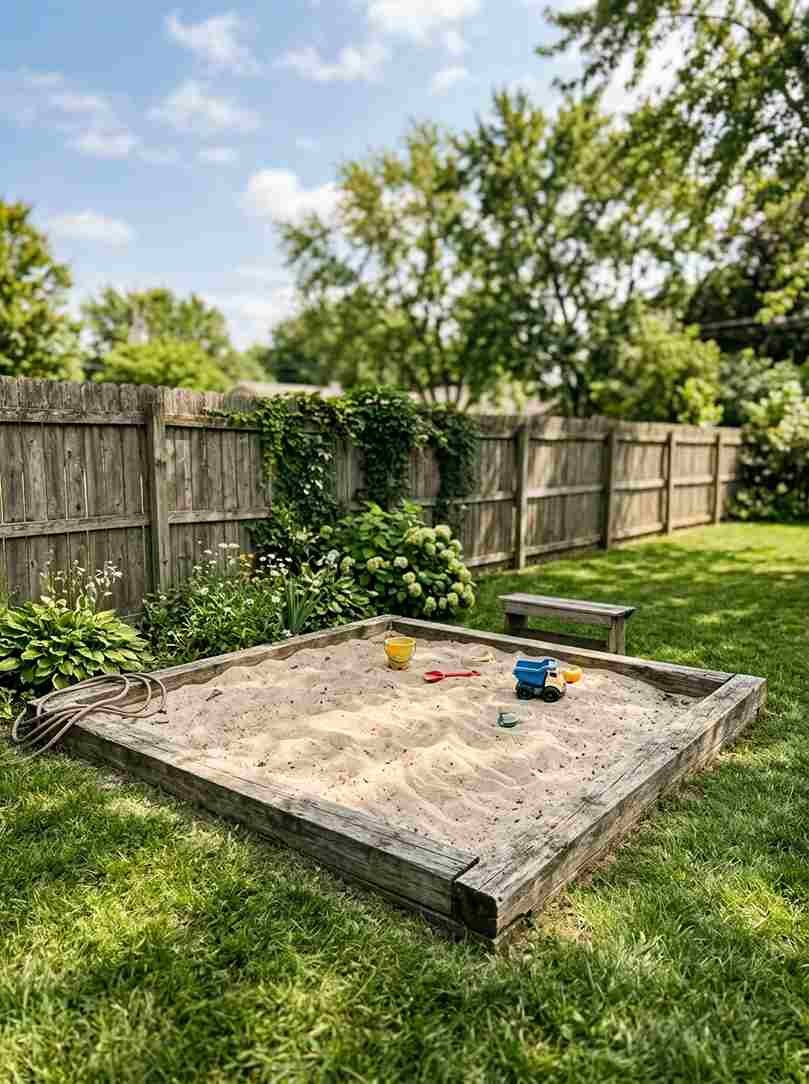
Sand pit. Great drainage, easy cleanup with a cat-litter-style scoop, though sand can get tracked into the house on wet paws.
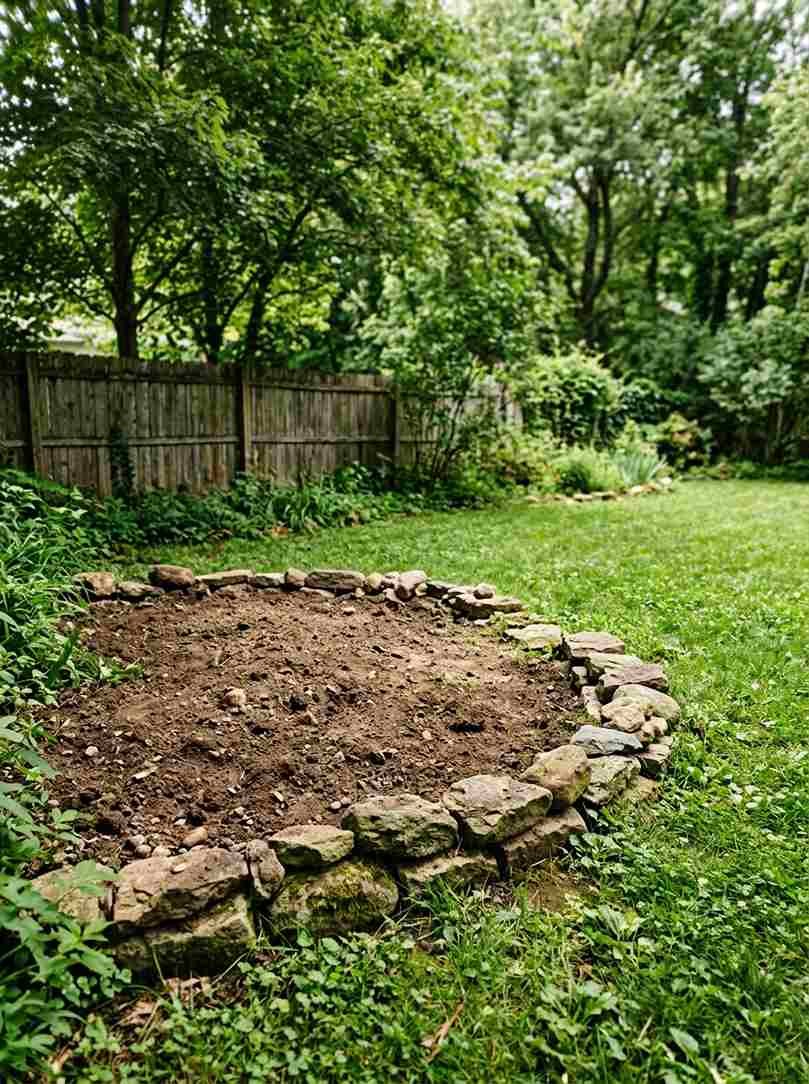
Existing dirt patch. If a bare patch already exists where grass won’t grow anyway, just formalize it with a border. Free real estate.
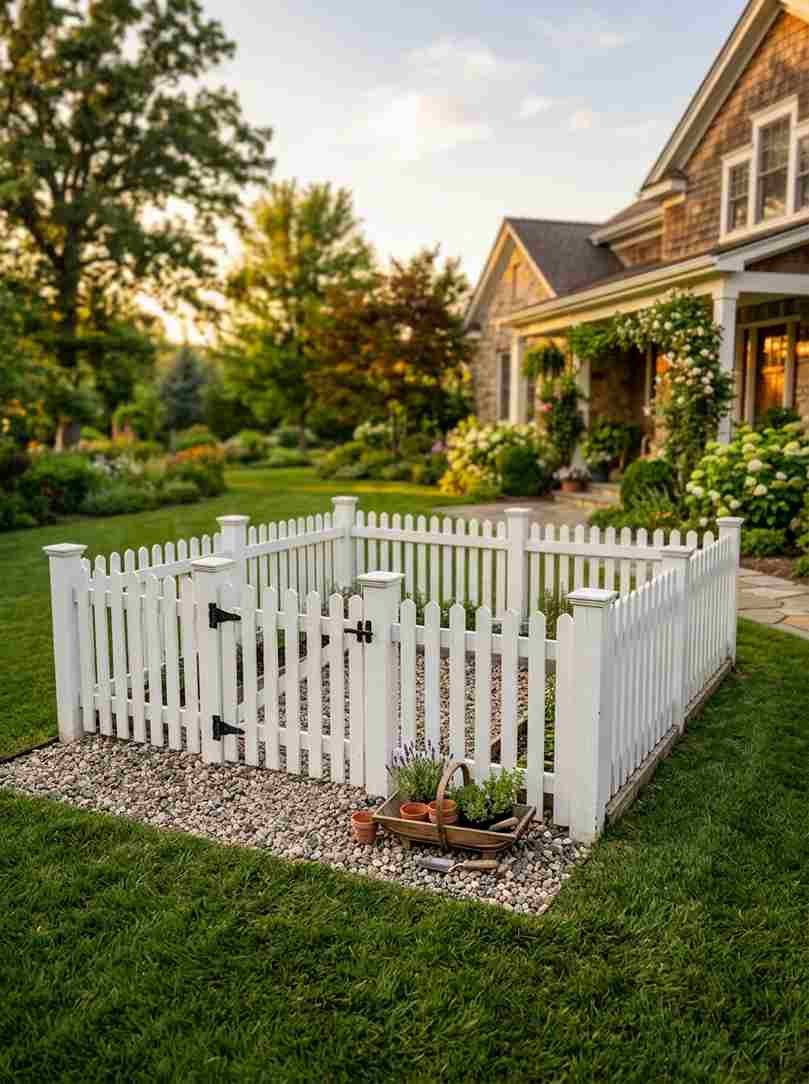
Fenced corner with a simple gate. A short section of picket fencing turns any corner into a defined zone in an hour or two.
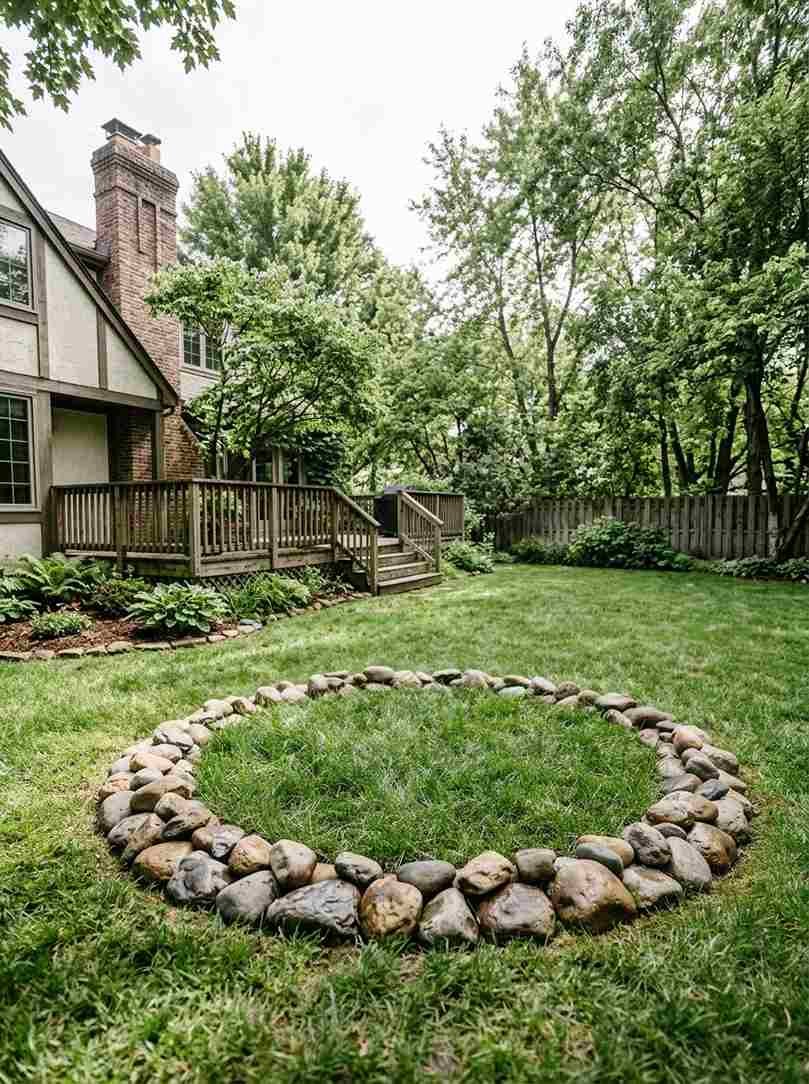
Rock border with grass fill. Line the perimeter with medium rocks and leave the grass inside. Cheap and forgiving if you change your mind later.
Medium-effort builds (a solid Saturday)
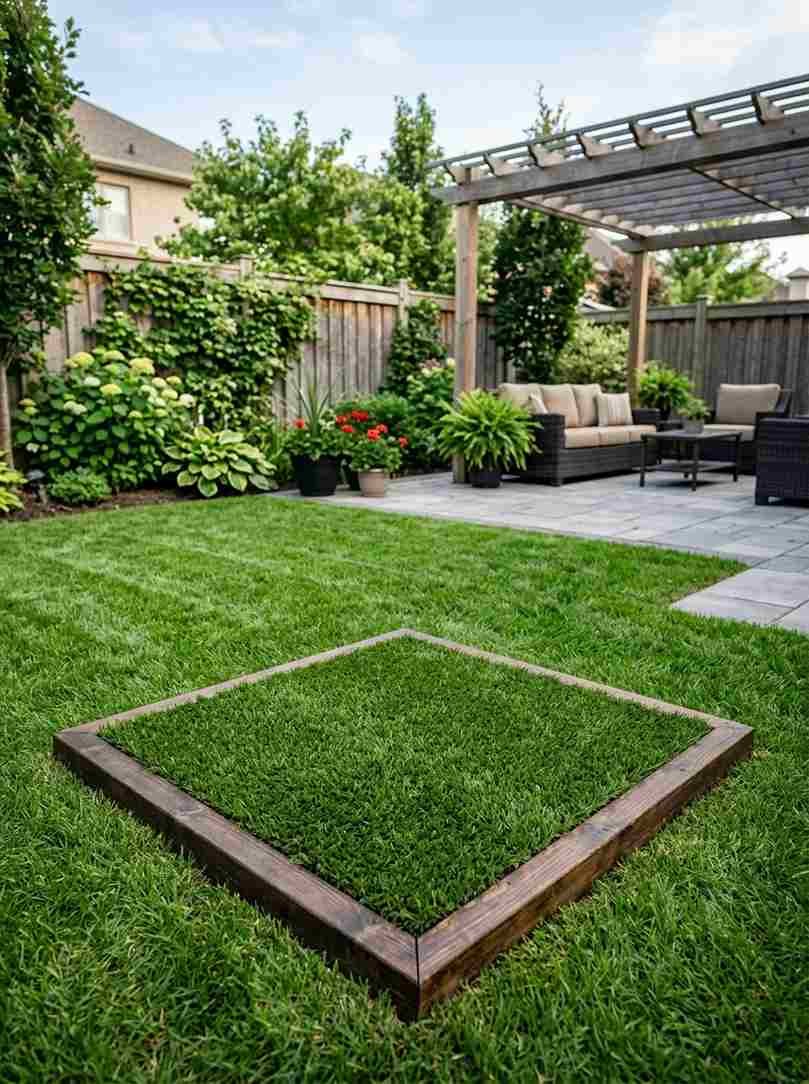
Artificial turf potty patch. Pet-specific synthetic turf drains urine straight through a permeable backing instead of pooling on top.
This was my second and final fix, and honestly, it’s the one I’d tell a friend to start with.
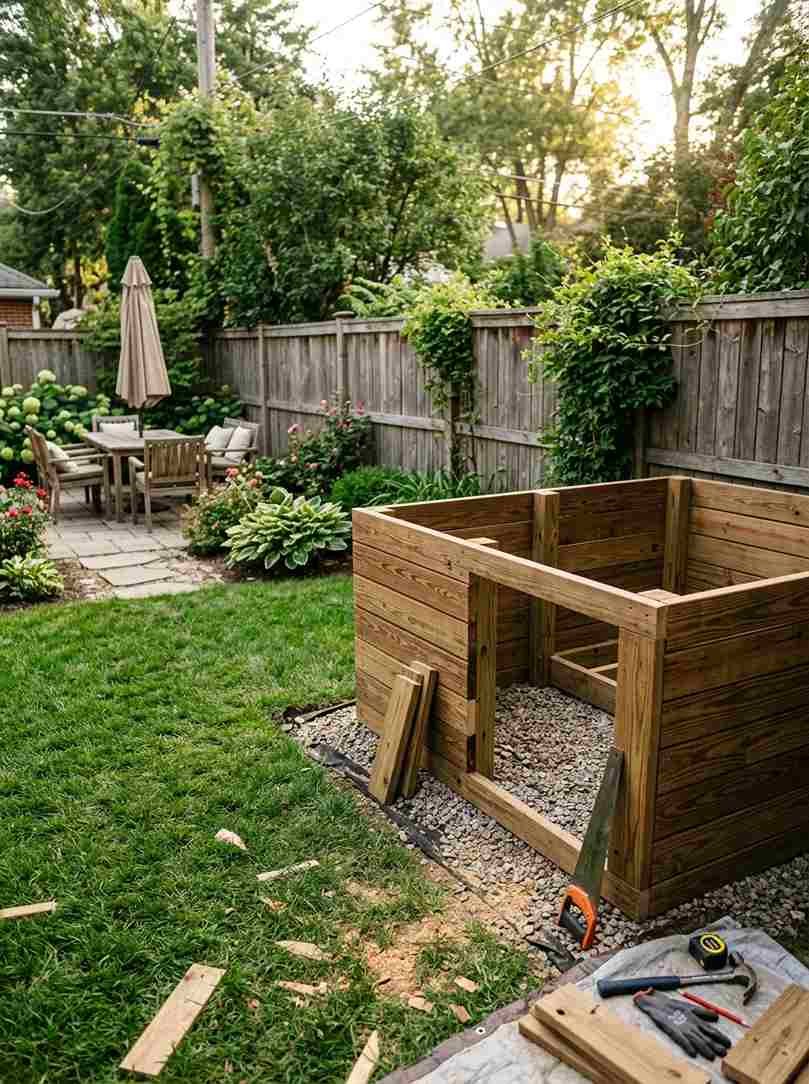
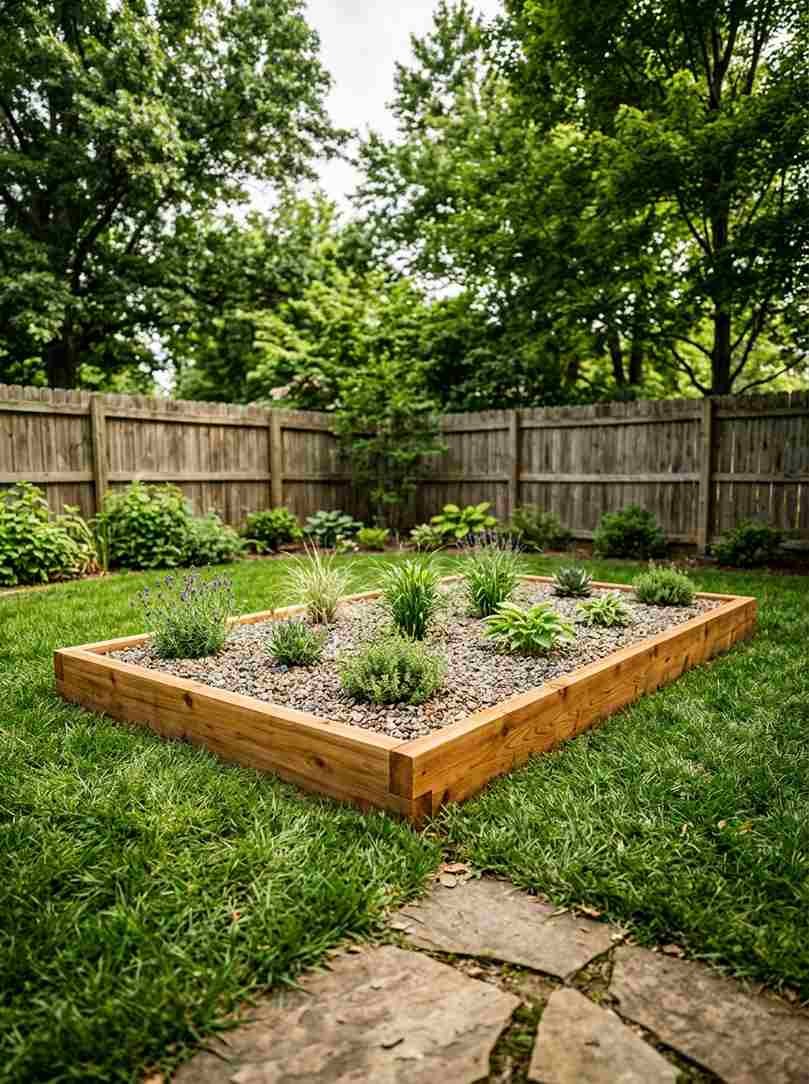
Raised gravel bed with wood edging. Build a low wooden frame, fill with gravel, and you’ve got a spot that drains fast and looks intentional instead of like an afterthought.
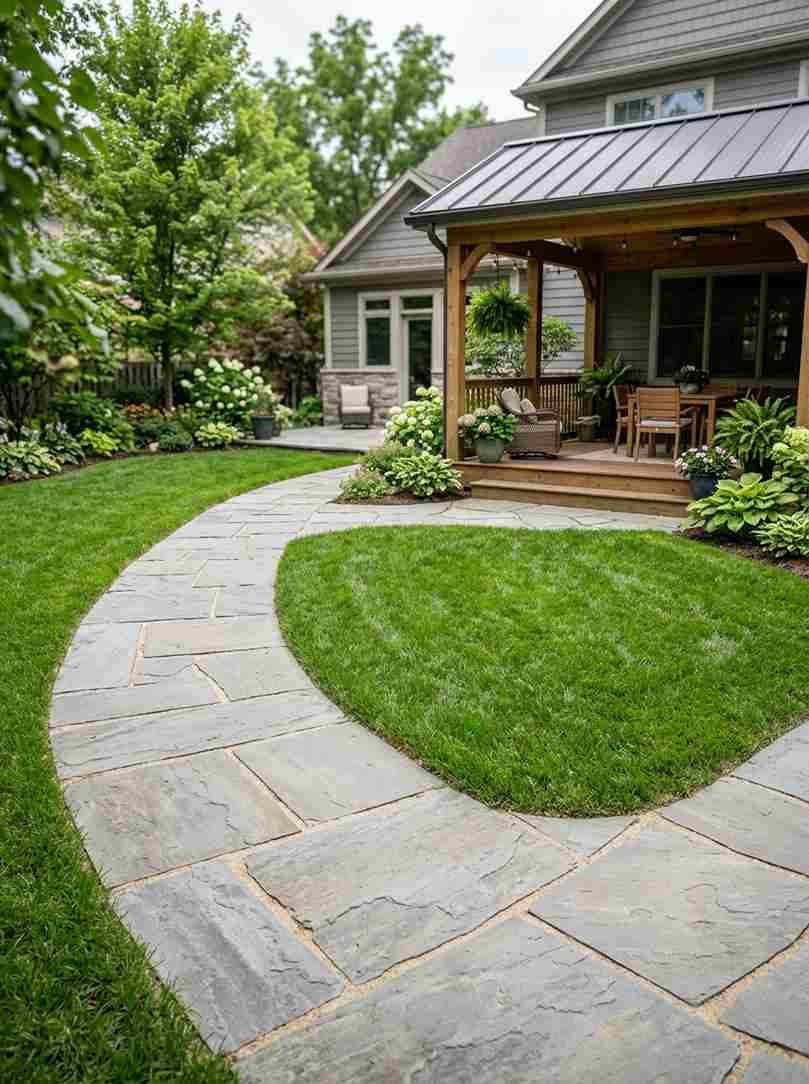
Paver stone potty pad. Flat pavers with sand-filled gaps look tidy and hold up to weather better than loose materials.
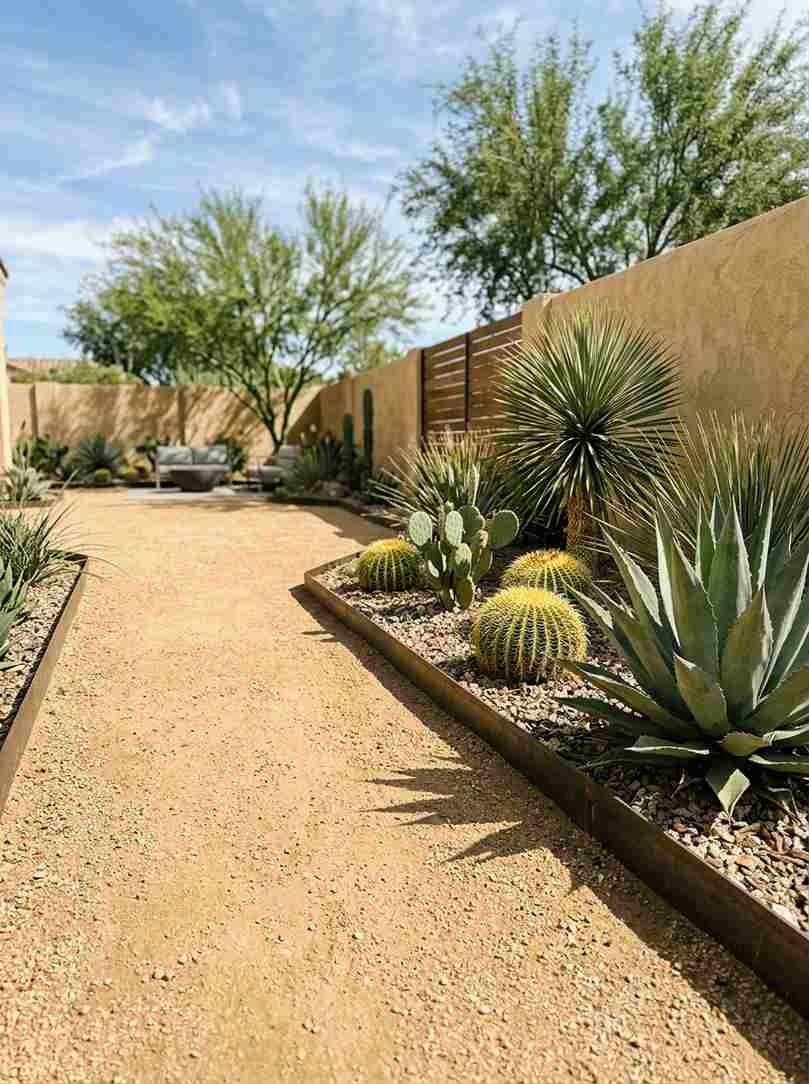
Decomposed granite patch. Popular in drier climates. Compacts well, drains fast, and doesn’t track indoors the way sand does.
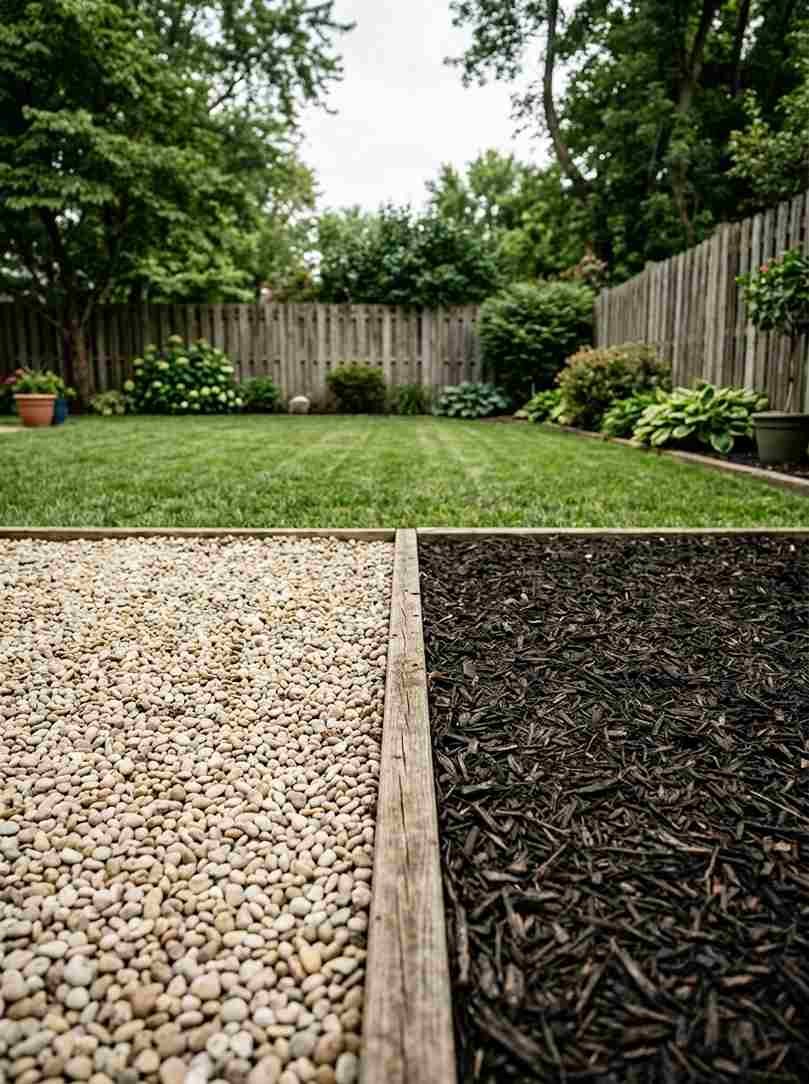
Mixed-substrate zone. Half mulch, half gravel, split down the middle. Some dogs are picky about texture, and giving them a choice speeds up training.
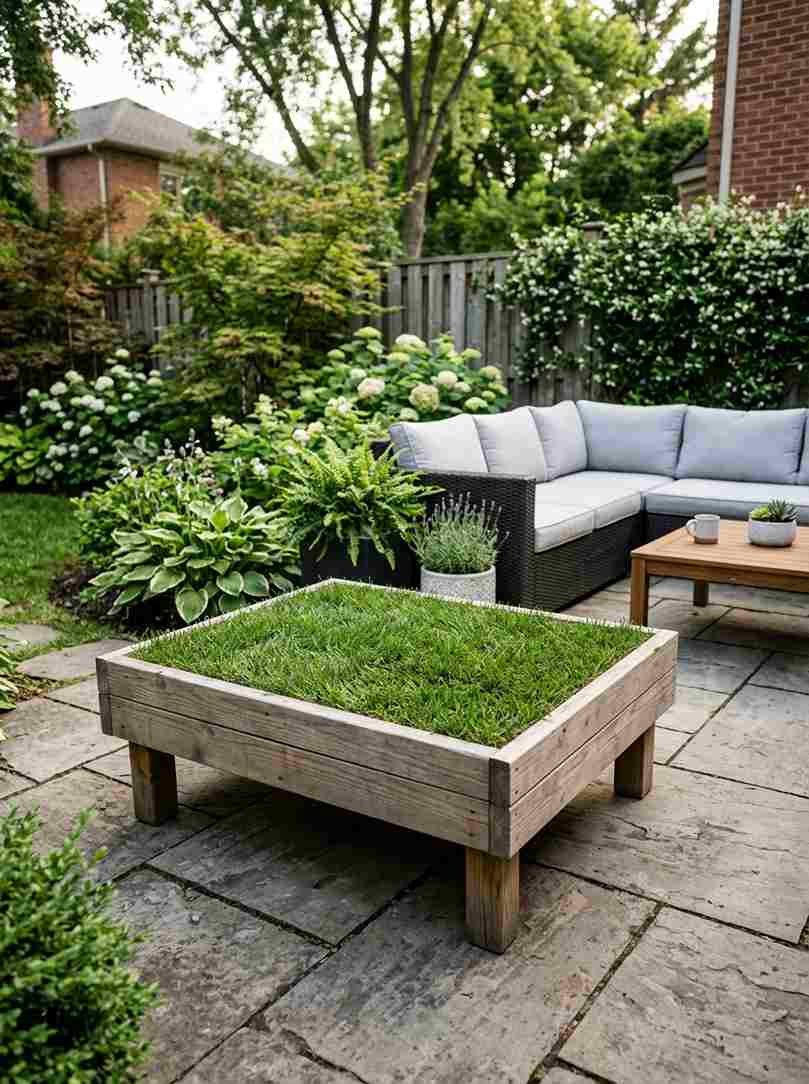
Elevated potty box with drainage holes. A simple wooden box filled with turf or gravel, raised a few inches with drainage holes drilled through the bottom.
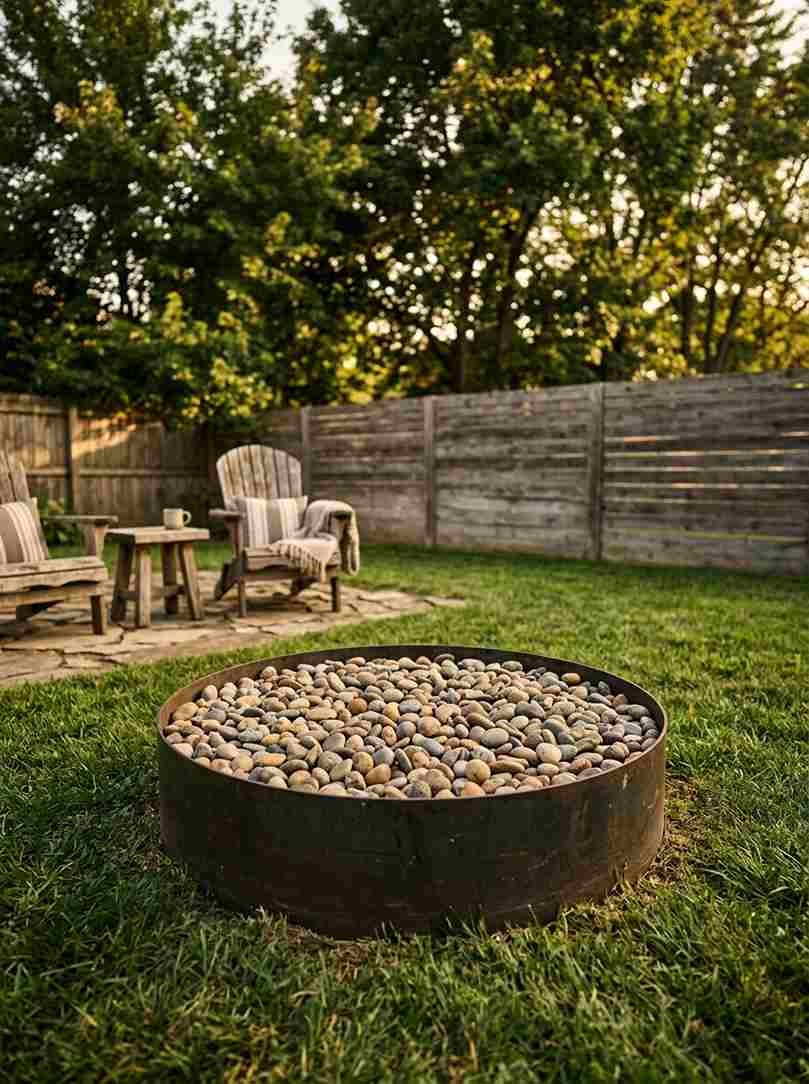
Fire pit ring repurposed as a potty circle. Sounds odd, works great. The circular metal edging is already built for containing loose material.
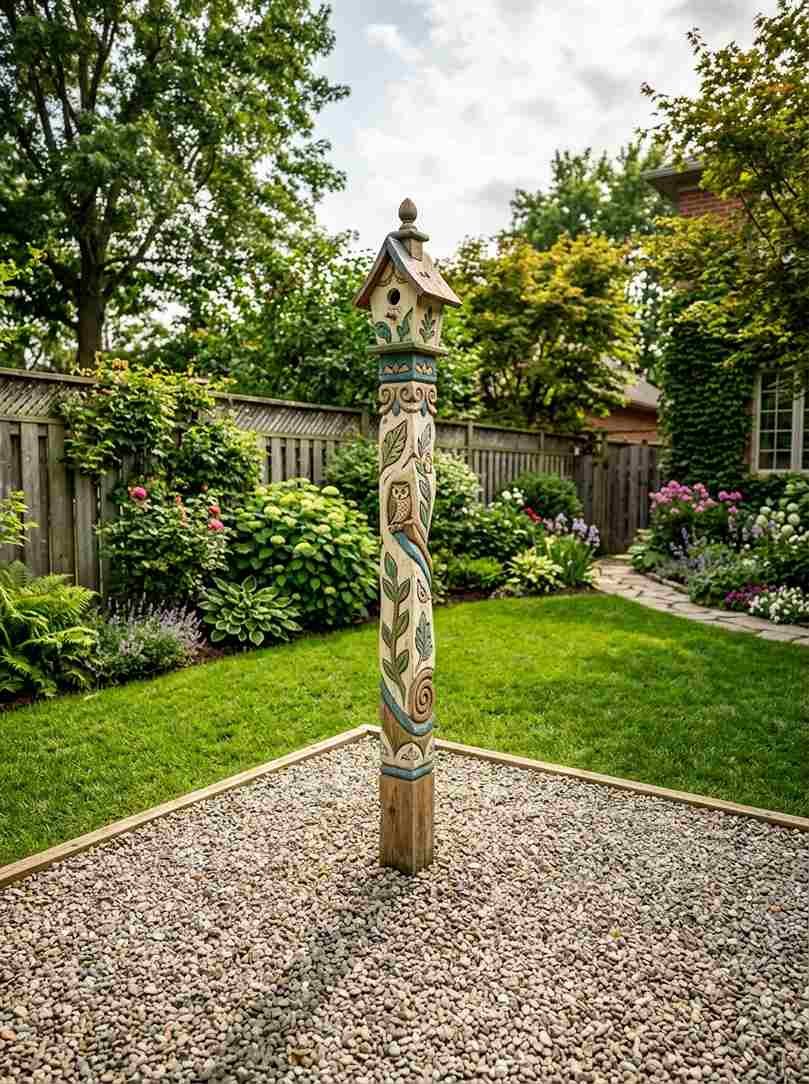
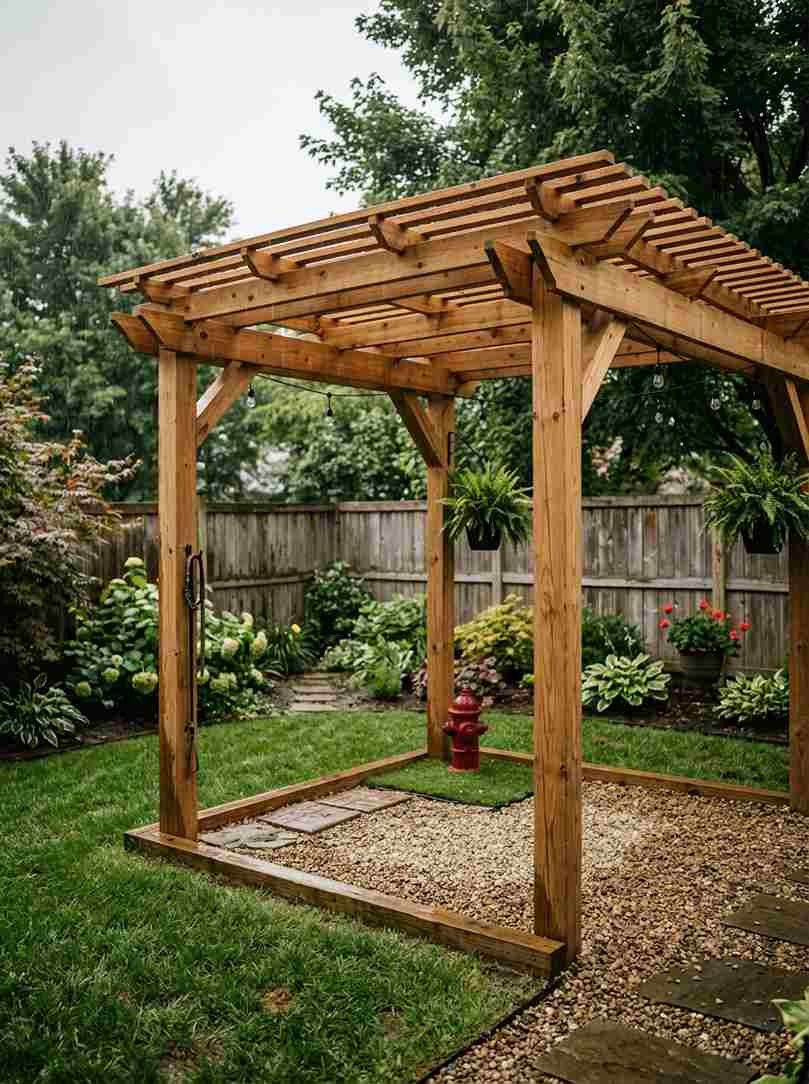
Vertical pee post plus ground zone. Adding a post, rock, or even a fake fire hydrant near the spot gives male dogs (and plenty of females) an obvious target that speeds up marking behavior.
Bigger projects (worth it if you’re staying in the house long-term)
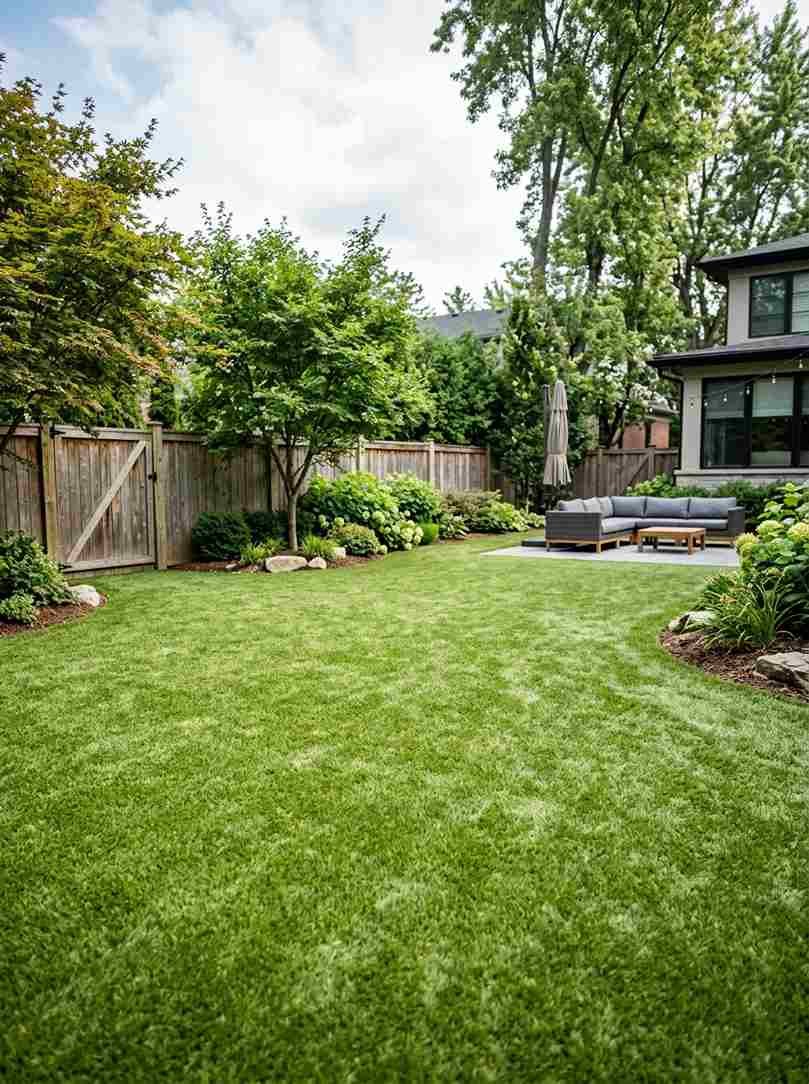
Full artificial turf yard with a drainage layer underneath. More expensive, but if you’ve got multiple dogs, this solves the whole-yard problem in one shot.
French drain beneath a gravel bed. For yards with real drainage issues, running a French drain under the potty area prevents standing water and the smell that comes with it.
Covered potty patio. A small roof or pergola over the area means your dog (and you) can use it in the rain without either of you getting soaked.
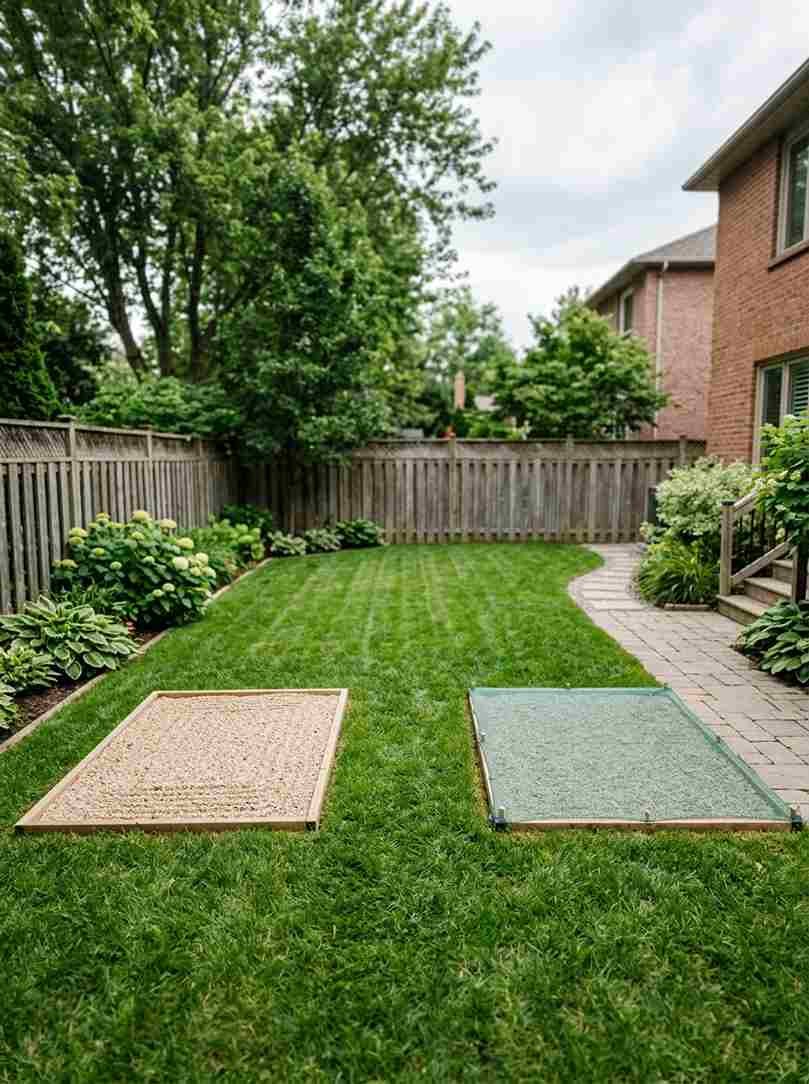
Two-zone rotation system. Build two separate potty areas and alternate weekly, letting one rest and dry out while the other gets used. Great for larger dogs or multi-dog households.
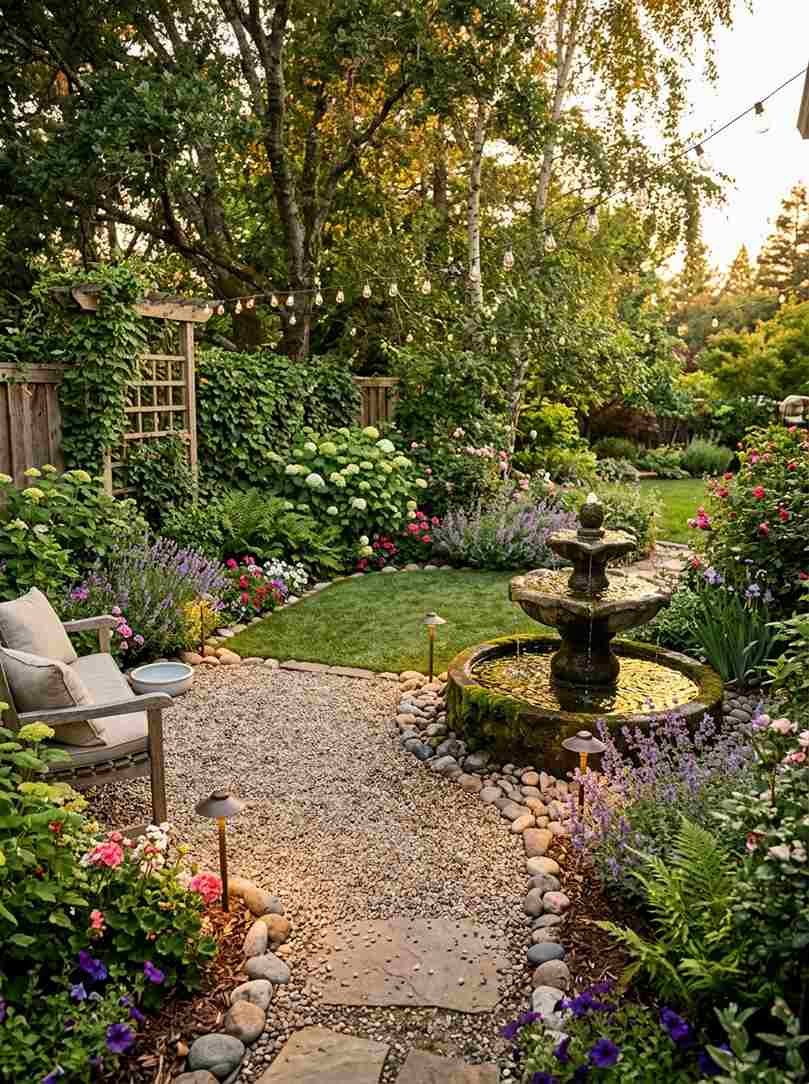
Full landscaped potty garden. Some people go all out with pet-safe plants, a small fountain for ambiance, and a defined gravel or turf center.
Overkill for most yards, but if you’re into gardening anyway, why not make the ugly part beautiful too.
Quick comparison: which surface fits your yard
| Surface | Drainage | Upkeep | Best for |
|---|---|---|---|
| Pea gravel | Excellent | Low, hose and rake | Rainy climates, easy cleanup |
| Mulch (cedar/pine, never cocoa) | Good | Medium, needs refreshing | Odor control, softer on paws |
| Artificial turf | Excellent with proper backing | Low, occasional rinse | Multi-dog homes, year-round use |
| Sand | Excellent | Medium, tracks indoors | Warm, dry climates |
Training your dog to actually use it
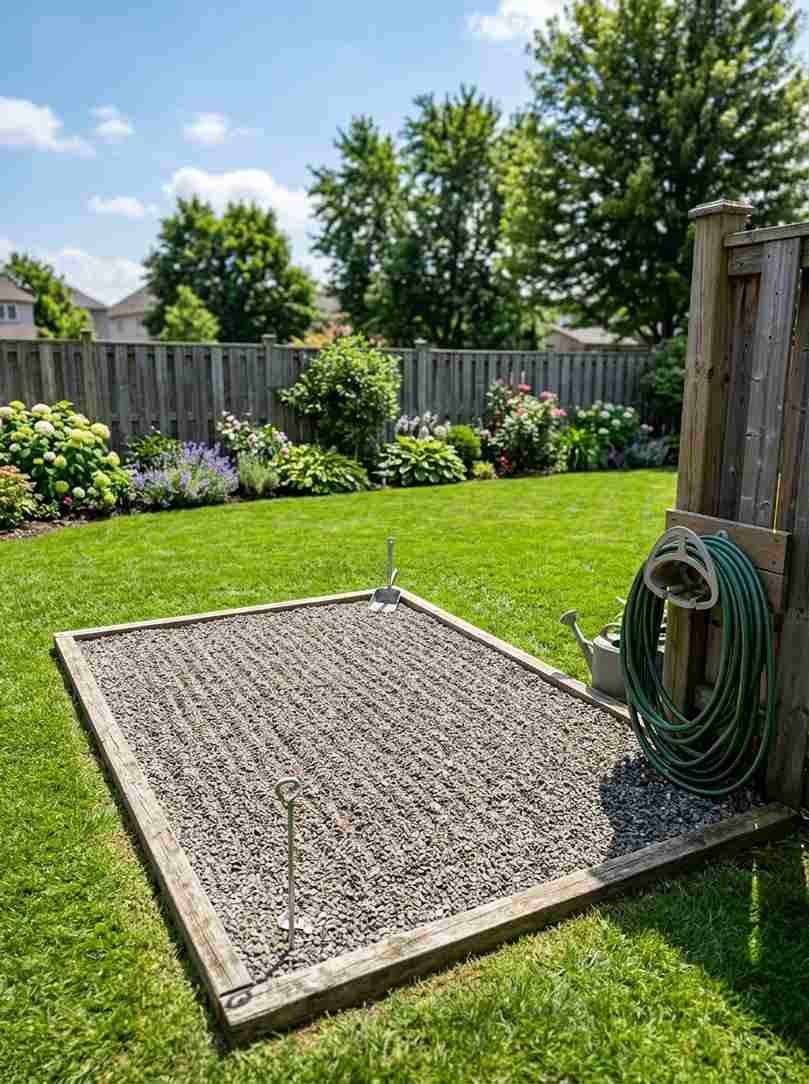
Building the spot is the easy half. Getting your dog to use it consistently takes real patience, and this is where most people give up too early.
Leash your dog to the spot for every bathroom trip during the first couple of weeks.
No free roaming yet. Pick one verbal cue, something like “go potty,” and use the exact same phrase every single time, in the same tone.
Reward within seconds of success, not minutes later.
Dogs connect cause and effect fast, but the window is short.
Consistency training research and dog behavior guides both point to the same timeline: most dogs show real progress within the first week, and many are heading to the spot on their own by week two.
Full independence usually lands around the four-week mark, though older dogs or rescues with years of yard-roaming habits sometimes need longer.
Don’t punish accidents outside the zone. Clean them up calmly with an enzymatic cleaner so the smell doesn’t pull your dog back to the wrong spot, and just skip the reward that trip.
Scolding tends to create anxiety, and an anxious dog is a slower learner, not a faster one.
Okay, slightly random tangent here, but has anyone else noticed their dog develops a completely different personality the second they step into “outside mode”?
Mine turns into a detective the moment the door opens, sniffing every blade of grass like it holds state secrets. Anyway, back to the yard.
One more thing worth mentioning: if your dog is still struggling after a month of consistent effort, it might not be a training problem.
Frequent accidents, sudden urgency, or straining can point to a urinary tract infection or another medical issue, so a vet visit is worth ruling that out before you assume it’s stubbornness.
Maintenance that actually keeps the smell down
- Scoop solid waste daily, not weekly. This one habit does more than any product you’ll buy.
- Rinse gravel or turf with a hose at least twice a week in warm months.
- Use an enzymatic pet-safe cleaner monthly to break down lingering bacteria, not just mask the smell.
- Skip products marketed as fast fixes with no ingredient list. If you can’t tell what’s in it, your dog probably shouldn’t be standing in it every day.
This is genuinely the part people underestimate the most. A gorgeous potty patch turns into a smelly disaster in about three weeks without a cleaning routine attached to it.
Frequently asked questions
What’s the cheapest backyard potty area for a dog? A roped-off grass corner or a small mulch bed costs almost nothing and can be set up in an afternoon.
Upgrade to gravel or turf later once you know the spot is actually working for your dog.
Is artificial turf safe for dogs to potty on? Yes, as long as it’s pet-specific turf with a proper drainage backing underneath, not standard decorative turf. Rinse it regularly so ammonia from urine doesn’t build up and cause skin irritation.
How long does it take to train a dog to use one potty spot? Most dogs show noticeable progress within a week and are largely independent by around four weeks, based on consistent leash training and immediate rewards. Older dogs or those used to roaming the whole yard may take a bit longer.
Final thought
A backyard potty area isn’t glamorous, but it’s one of those small changes that quietly improves everyday life with a dog.
Clean patio, healthier lawn, way less stepping in surprises barefoot at 7am.
Wow, three summers of checkerboard grass later, I really wish someone had just told me to start with gravel.
Which one of these are you trying first, or do you already have a setup that beats everything on this list? Save this guide, pin it for later, and let me know how your yard turns out.
