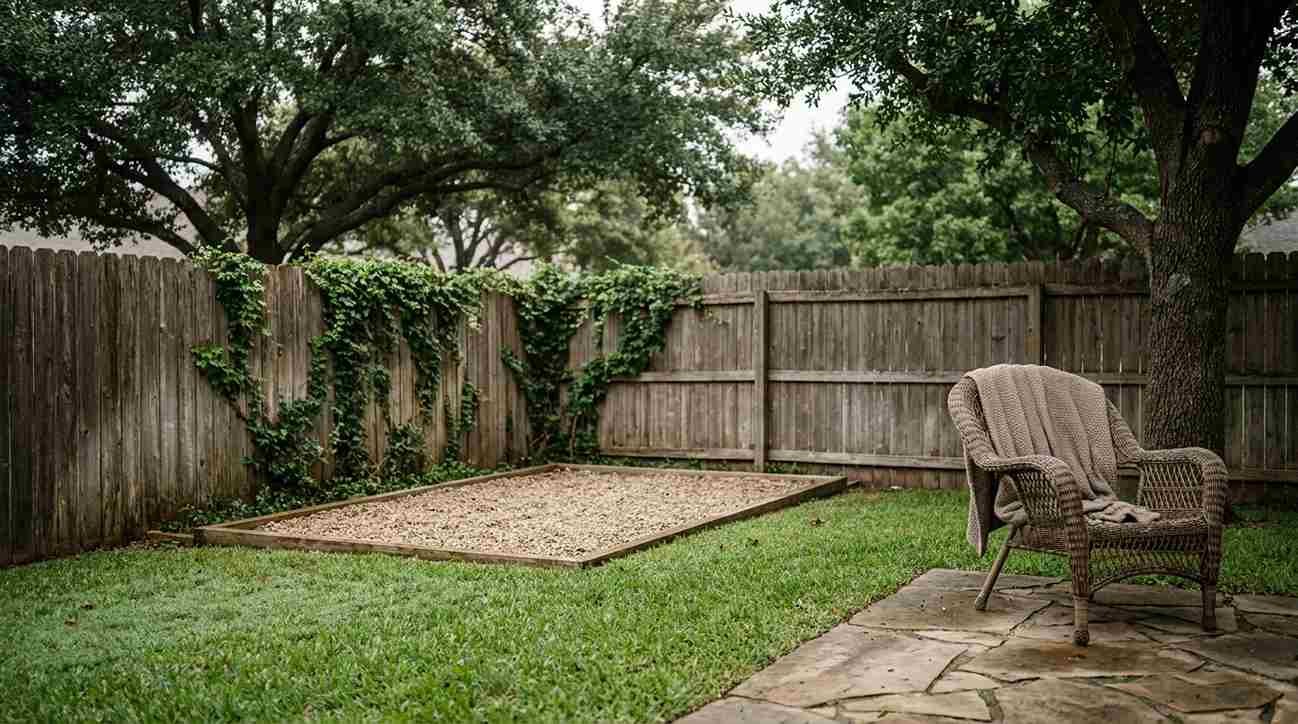
My dog used to treat the entire backyard like a minefield.
Every patch of grass, every flower bed, every spot near my tomato plants was fair game.
It took me two summers and one very dead rose bush to figure out the fix: give your dog one good spot, and they’ll actually use it.
That’s really what this whole idea comes down to.
Dogs like routine. They like a spot that smells familiar. Once you set one up right, most of them switch over in a week or two.
Below are 23 ideas that actually work, pulled from what I’ve tried, what other pet owners swear by, and what trainers actually recommend.
Why a designated spot matters more than you’d think
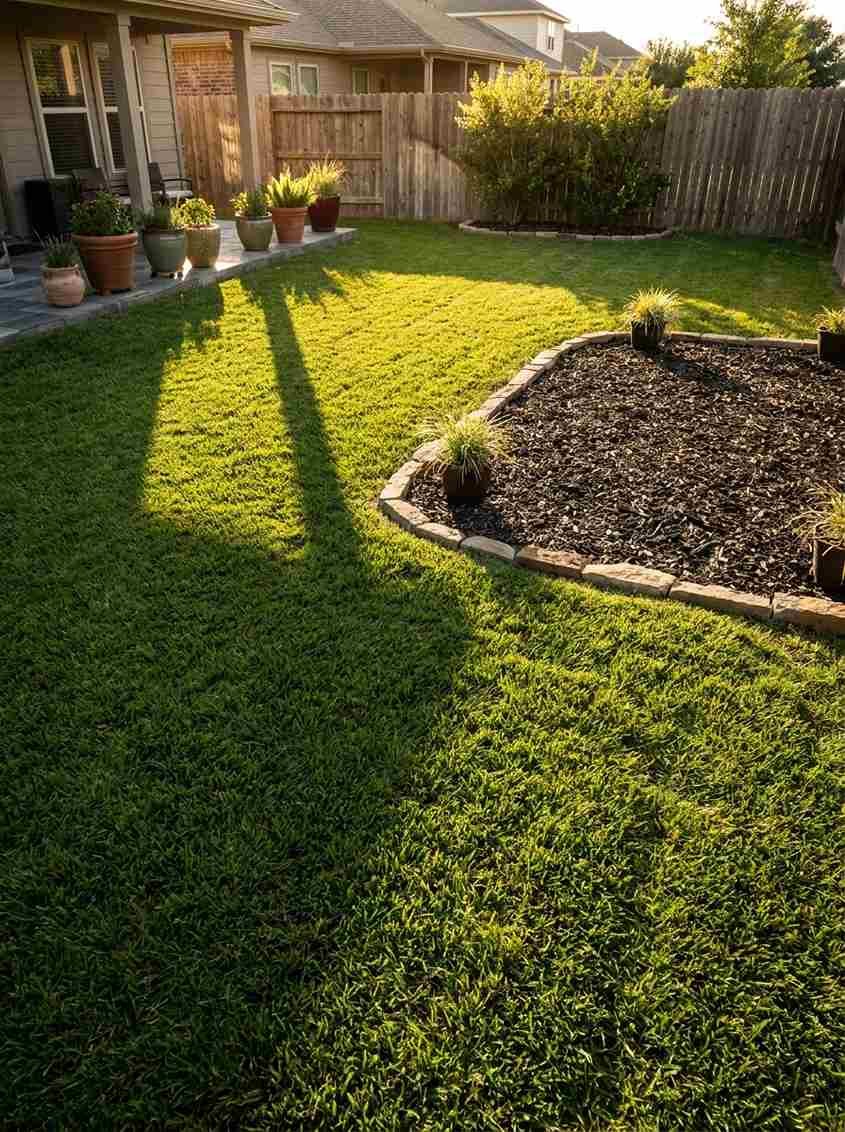
A random yard means random mess. A designated potty area means one section to clean, one section to smell, and a lawn that doesn’t look like it survived a hailstorm.
According to the American Kennel Club, teaching a dog that there’s an approved place to go (and that other places are off-limits) speeds up the whole house training process considerably.
There’s also a scent factor most people miss.
Dogs return to spots that already smell like them. So the sooner you commit to one zone, the sooner your dog builds that mental map.
Ground materials that actually hold up
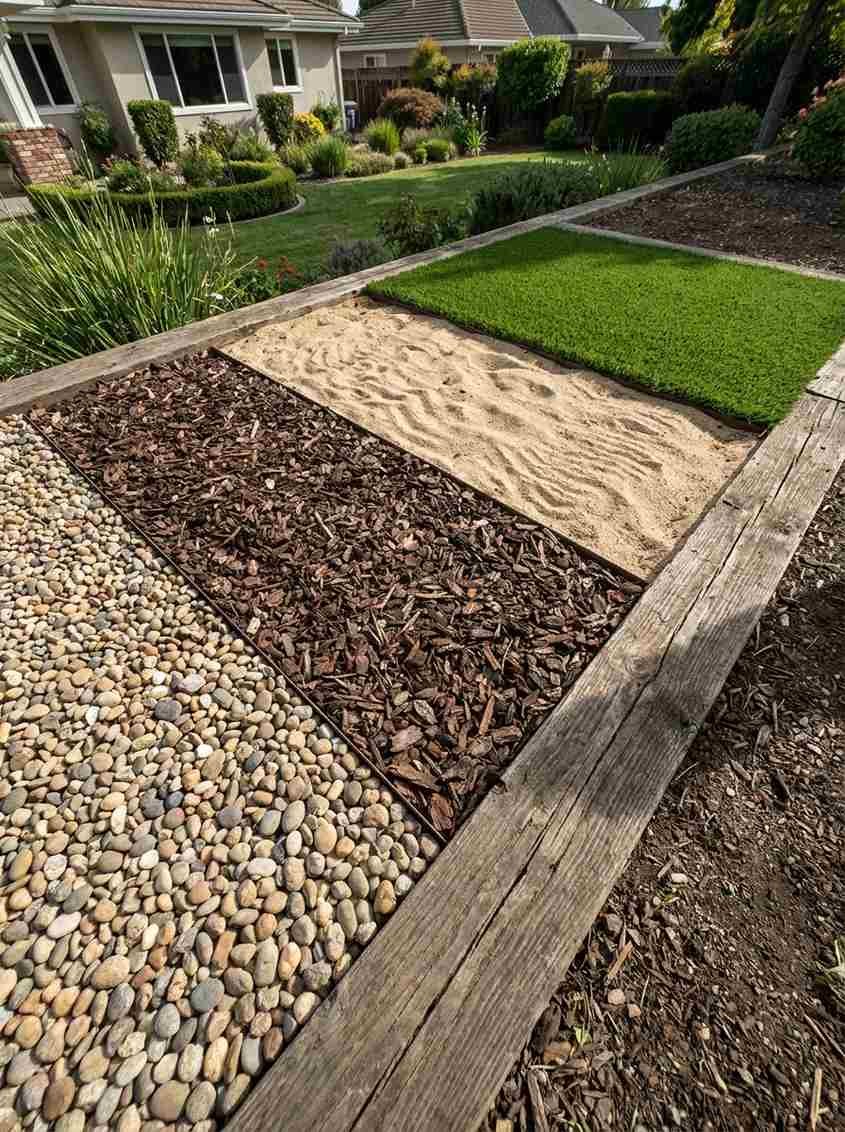
The surface you pick matters almost as much as the location.
Some materials drain well. Others turn into a swamp after one rainstorm (ask me how I know).
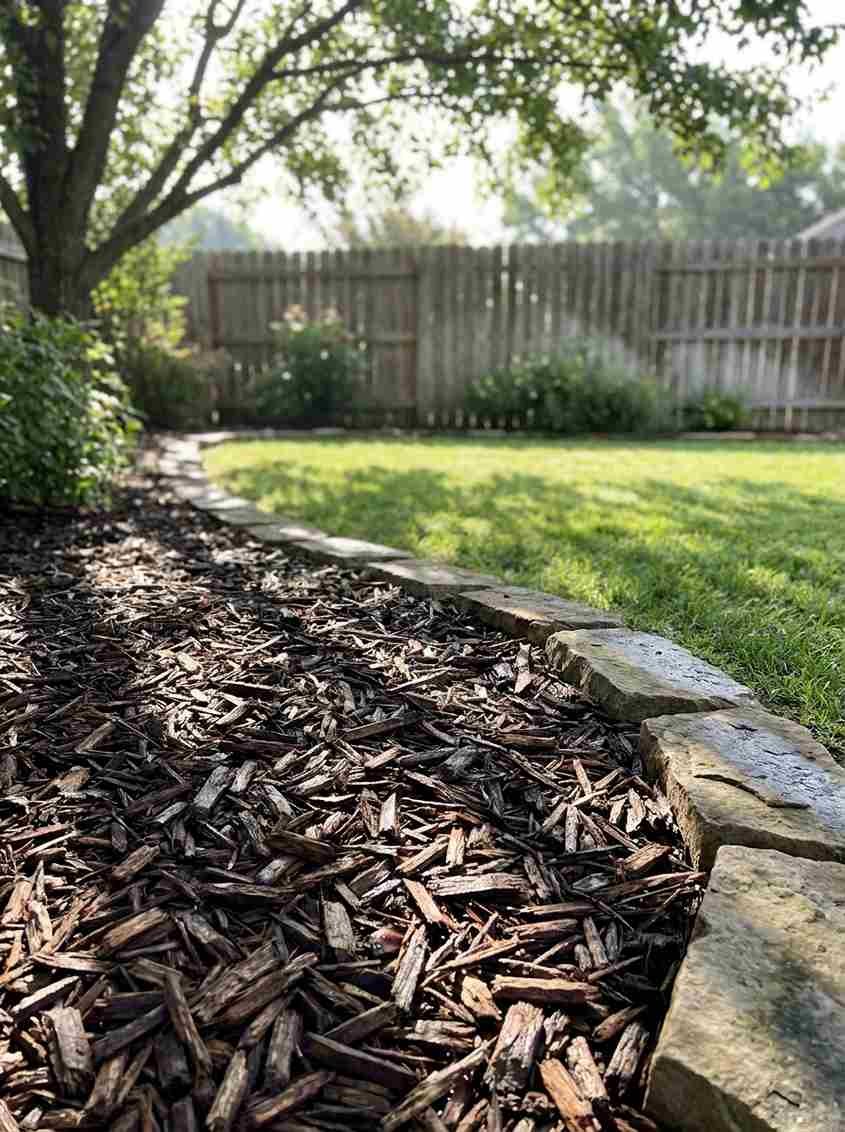
1. Mulch or wood chips. Cheap, absorbent, and easy to rake clean. Cedar mulch also helps mask odor, which your nose will thank you for come July.
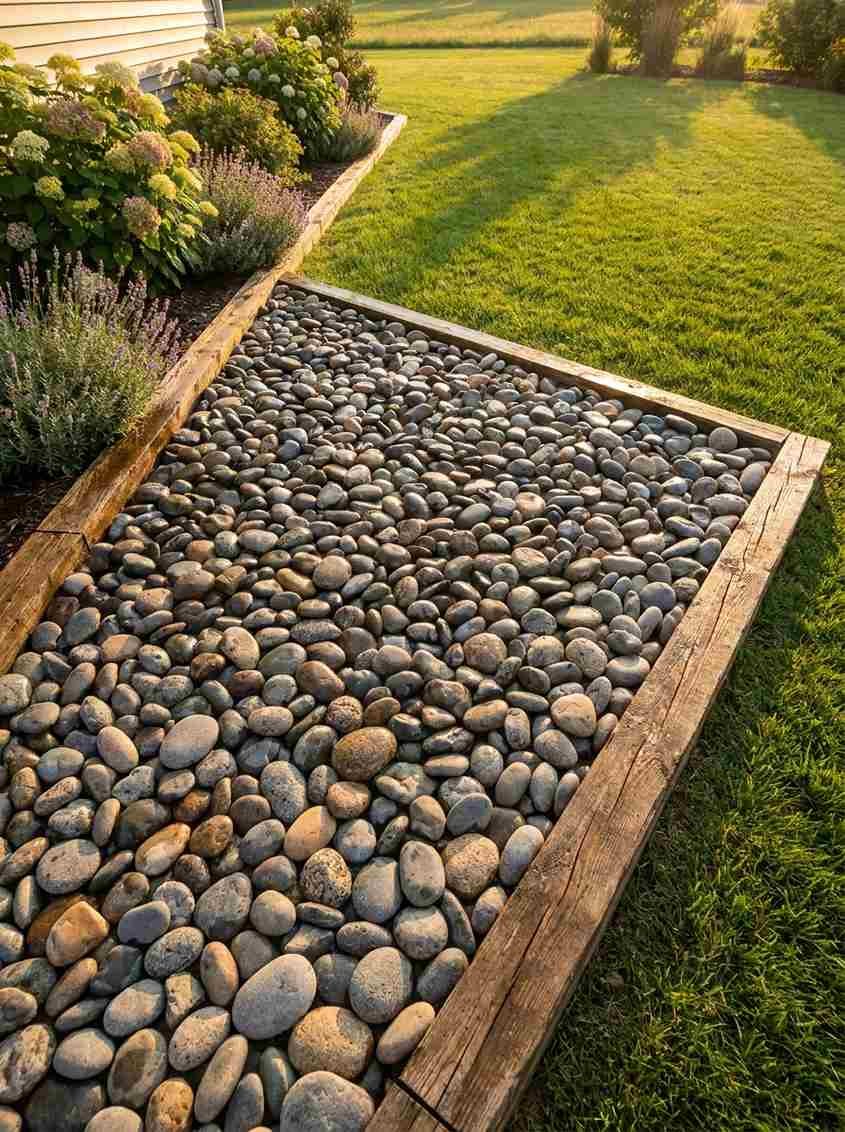
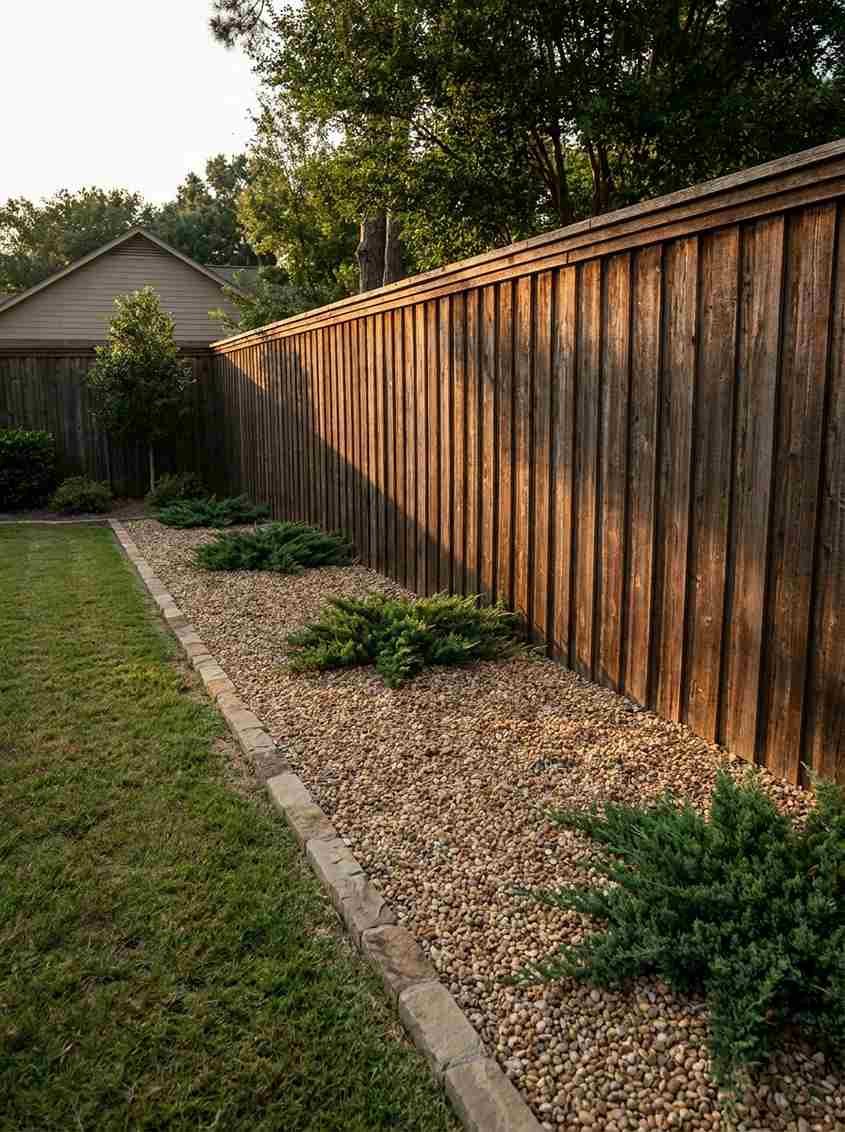
2. Pea gravel. This is my personal favorite. It drains fast, doesn’t hold smell the way dirt does, and rinses clean with a garden hose in under a minute.
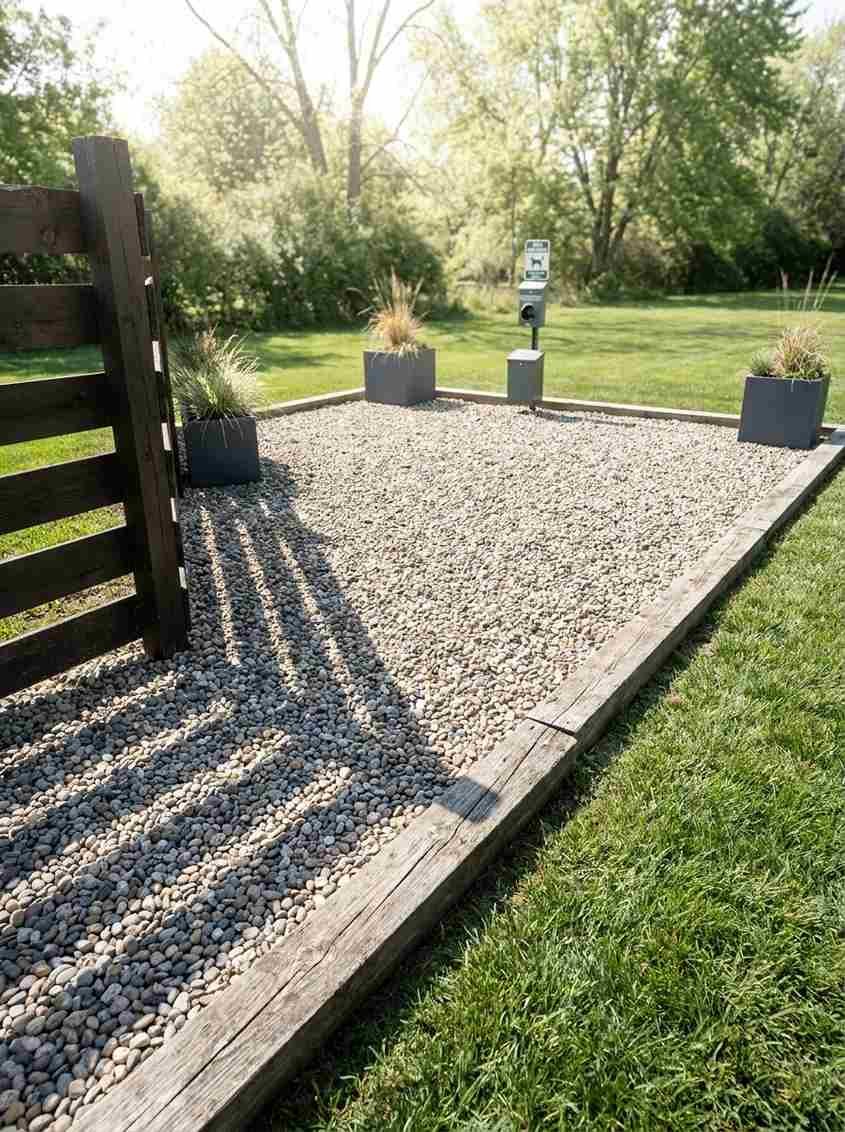
3. Artificial turf sections. Pricier upfront, but if you’ve got a small yard or a dog who’s rough on real grass, synthetic turf built for pet use pays for itself.
Look for turf with a proper drainage backing, not the cheap stuff meant for putting greens.
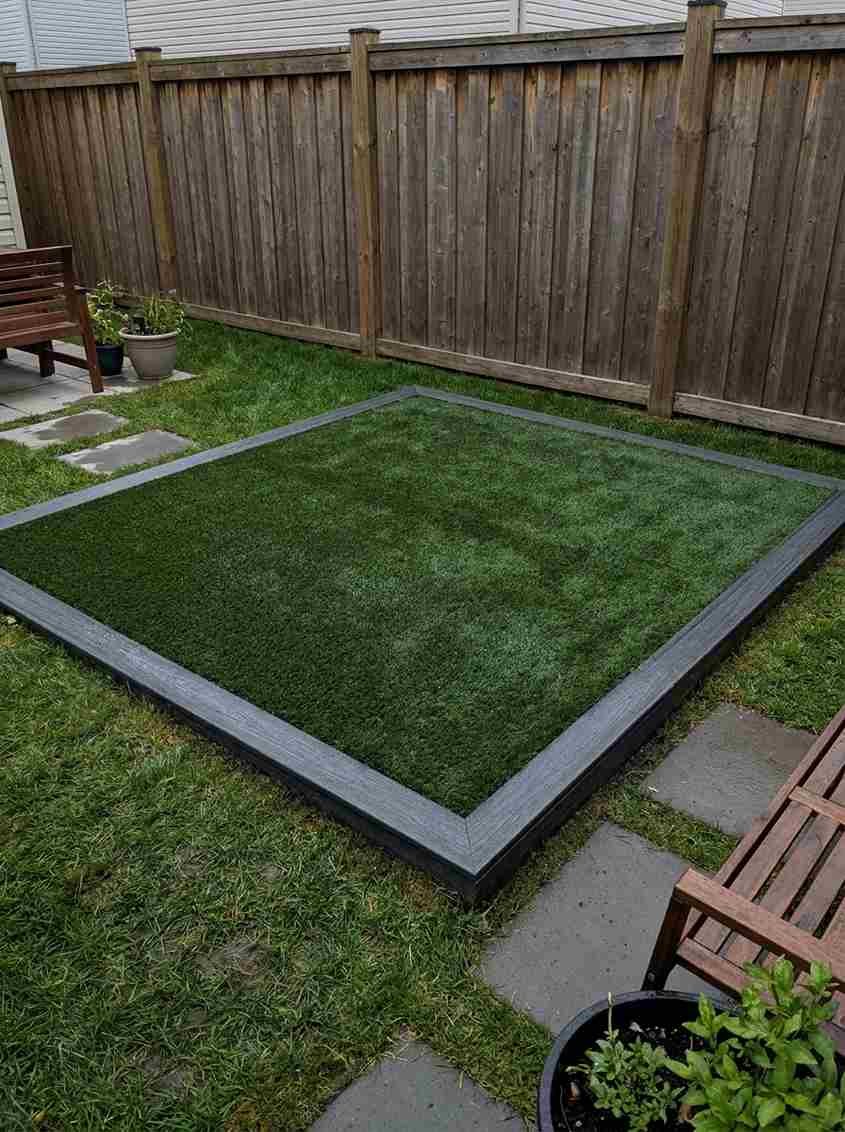
4. Sand pits. Great for larger dogs. Sand absorbs liquid, and solid waste is easy to scoop. It does need occasional turning to stay fresh, though.
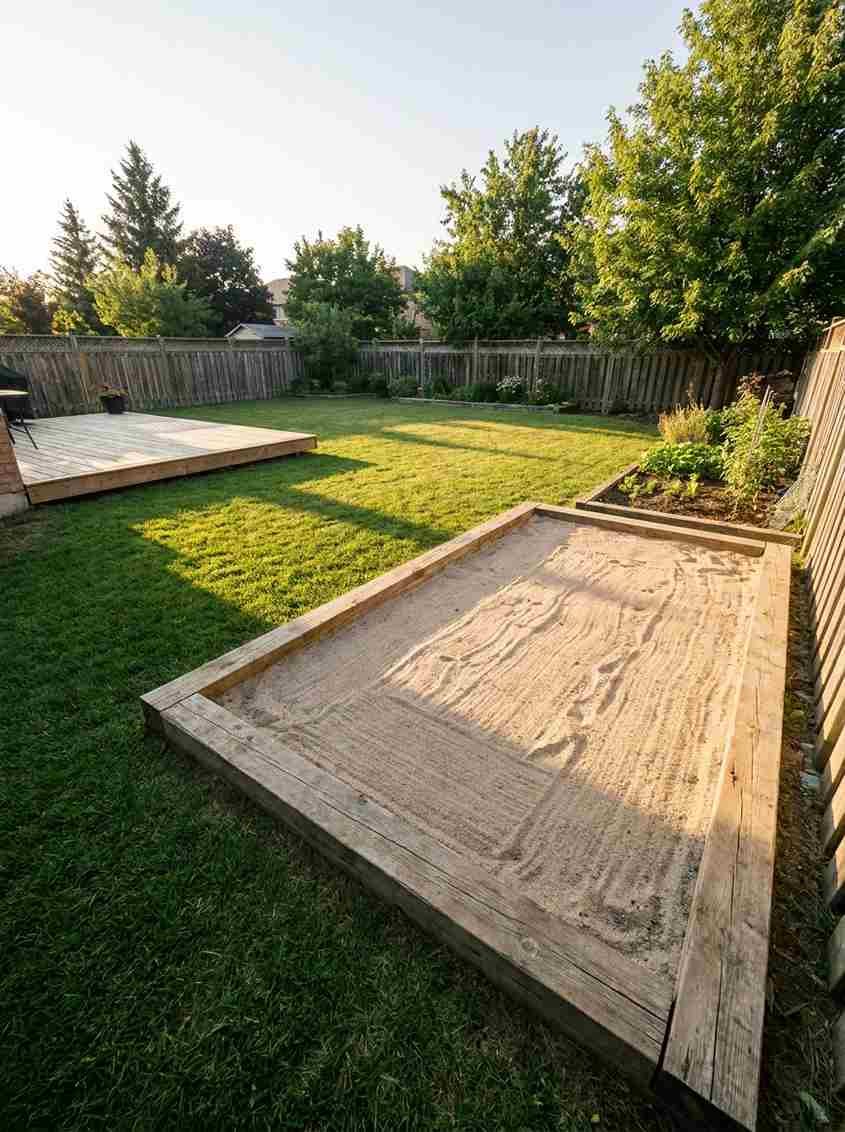
5. Concrete pavers. Not glamorous, but nearly indestructible.
hose it down, done. IMO this is the lowest-maintenance option on this whole list.
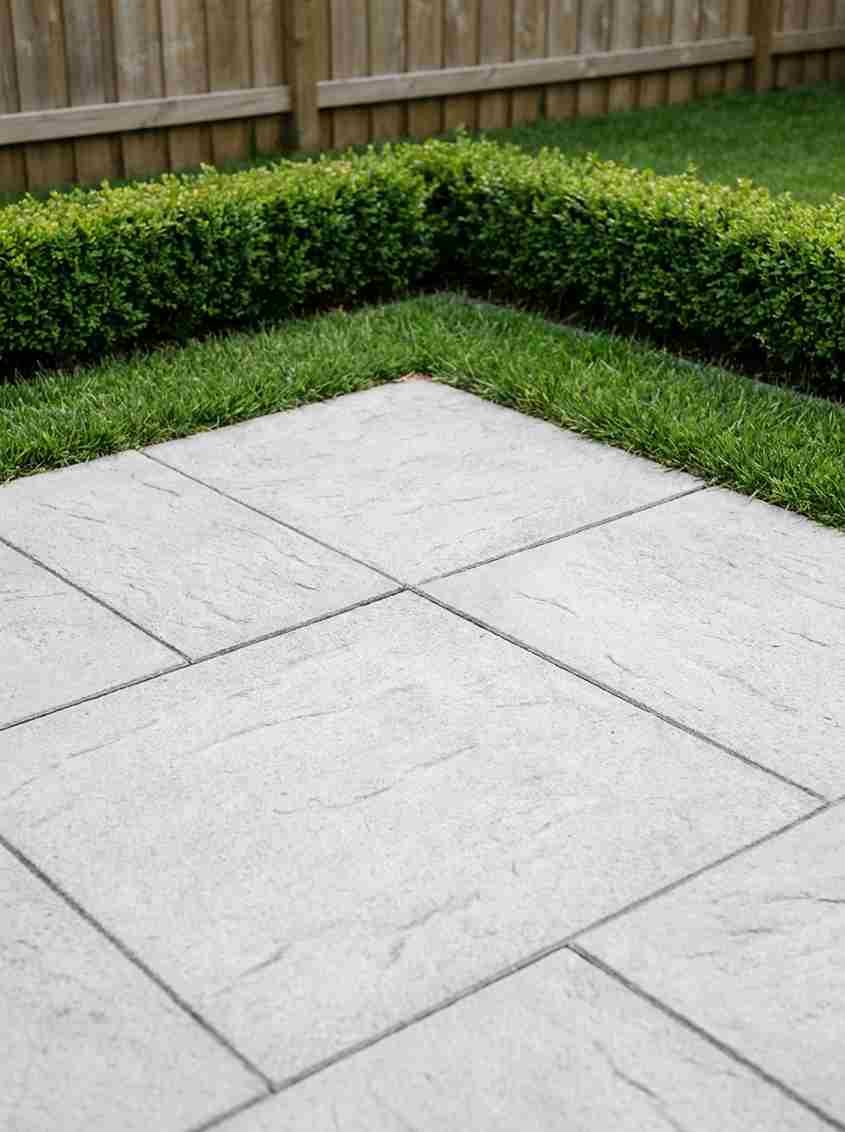
6. River rock. Similar drainage benefits to gravel, with a slightly more polished look if you care about backyard aesthetics (Pinterest people, I see you).
Placement ideas that keep the rest of your yard usable
Where you put the spot changes how well your dog accepts it, and how much it bothers your daily life.
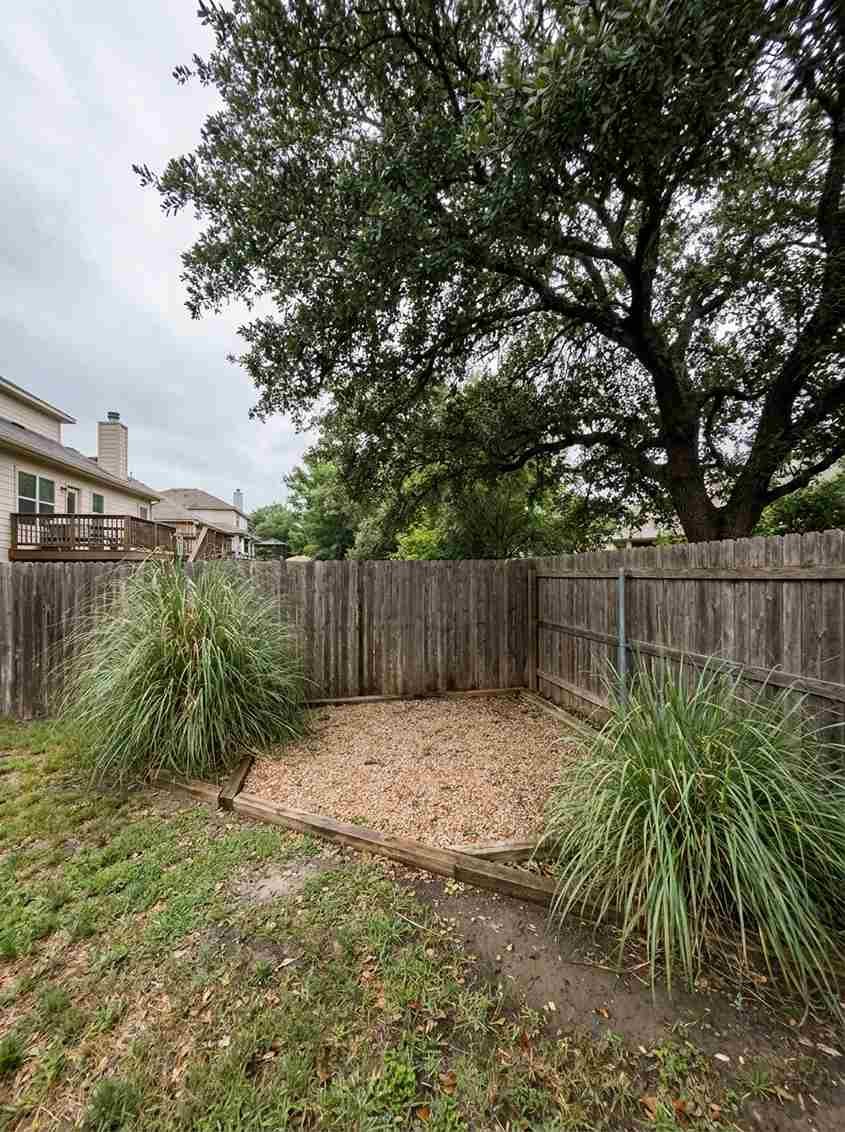
7. The far back corner. Out of sight, out of nose-range from the patio. This is the classic setup for a reason.
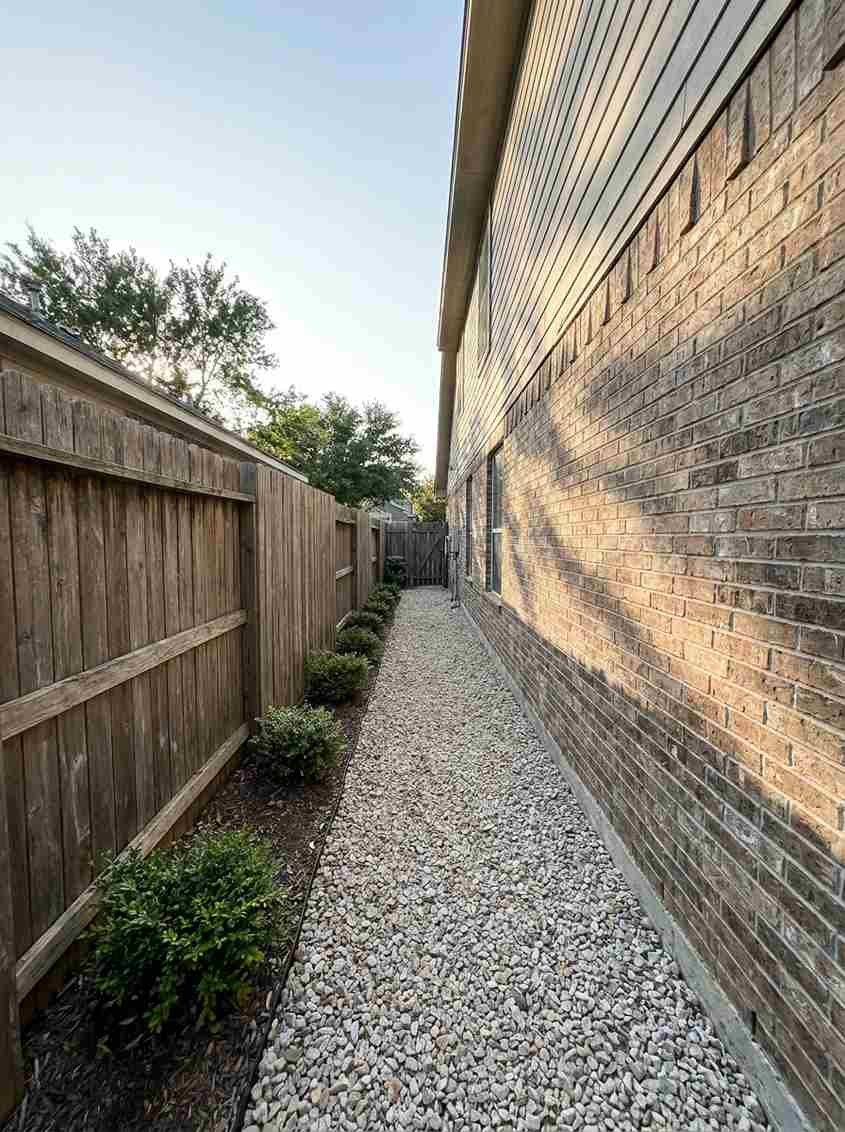
8. A narrow side yard strip. If you’ve got that awkward strip between your house and the fence that never grows grass anyway, that’s basically a free potty spot waiting to happen.
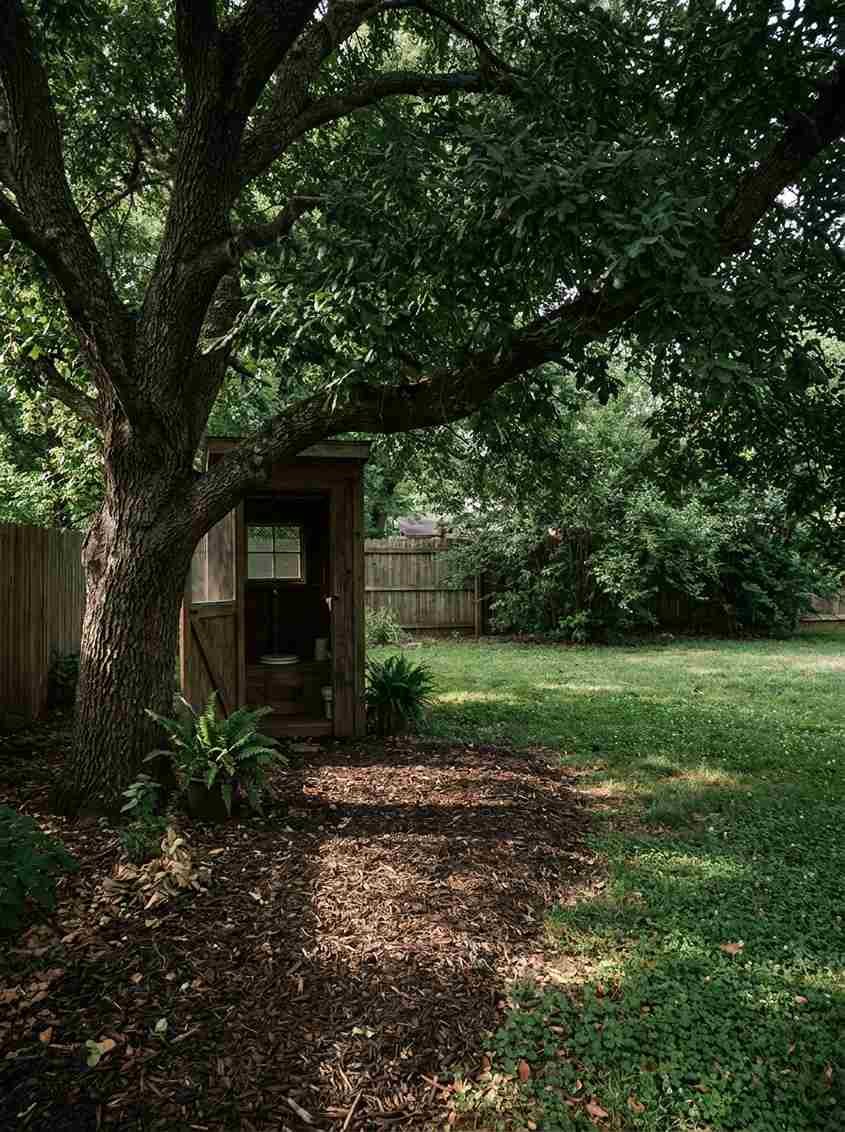
9. Under a mature tree. Shade keeps the area cooler, and tree roots already drain water away from the surface. Two birds.
10. A small fenced-off section. A 3-foot decorative fence or picket border tells your dog (and your guests) exactly where the zone starts and stops.
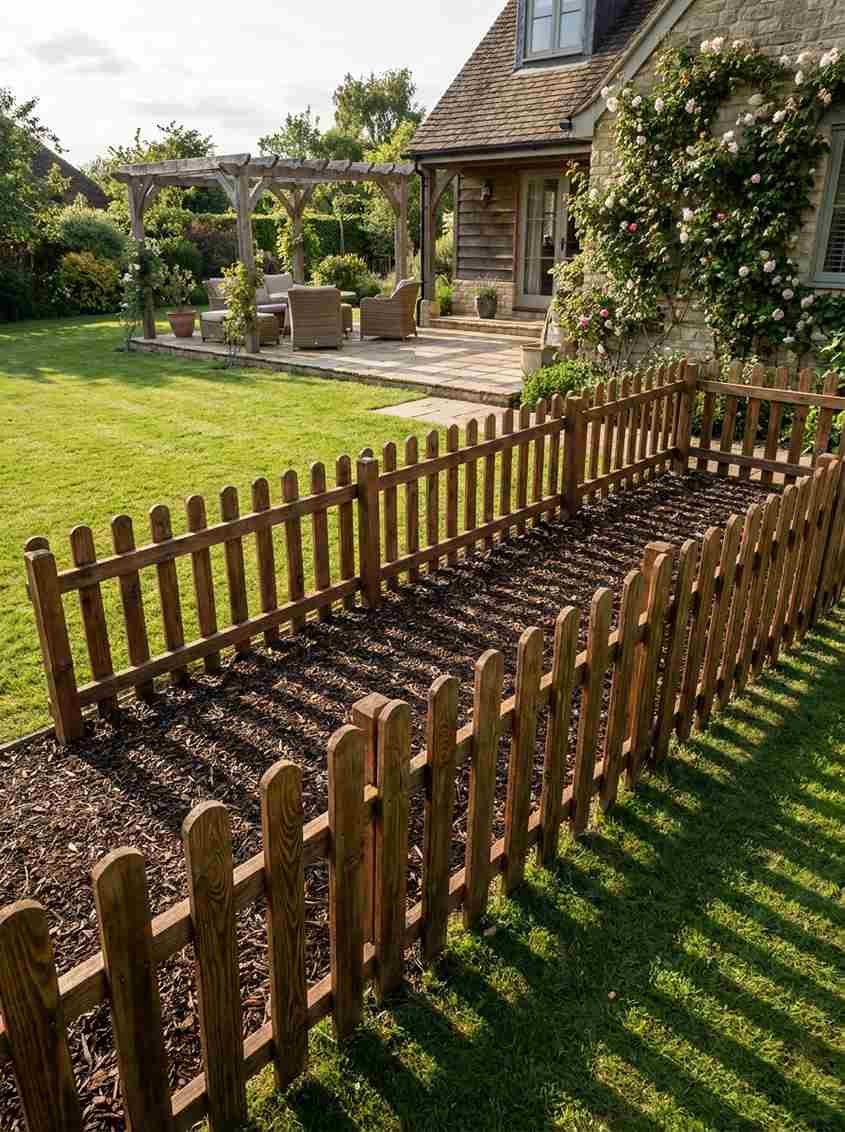
11. Along the back fence line. Keep it away from windows so you’re not staring at it from the kitchen table every morning.
DIY builds for the weekend warrior crowd
If you like a project, these are worth an afternoon.
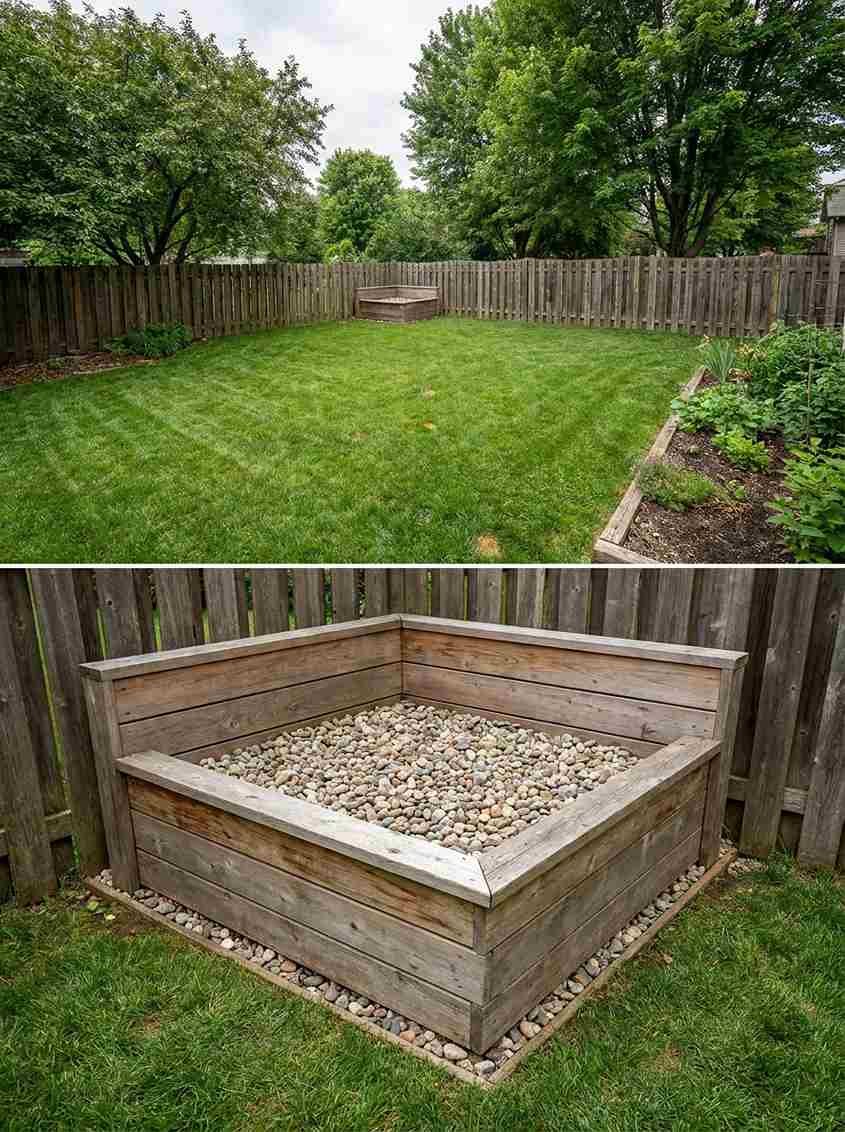
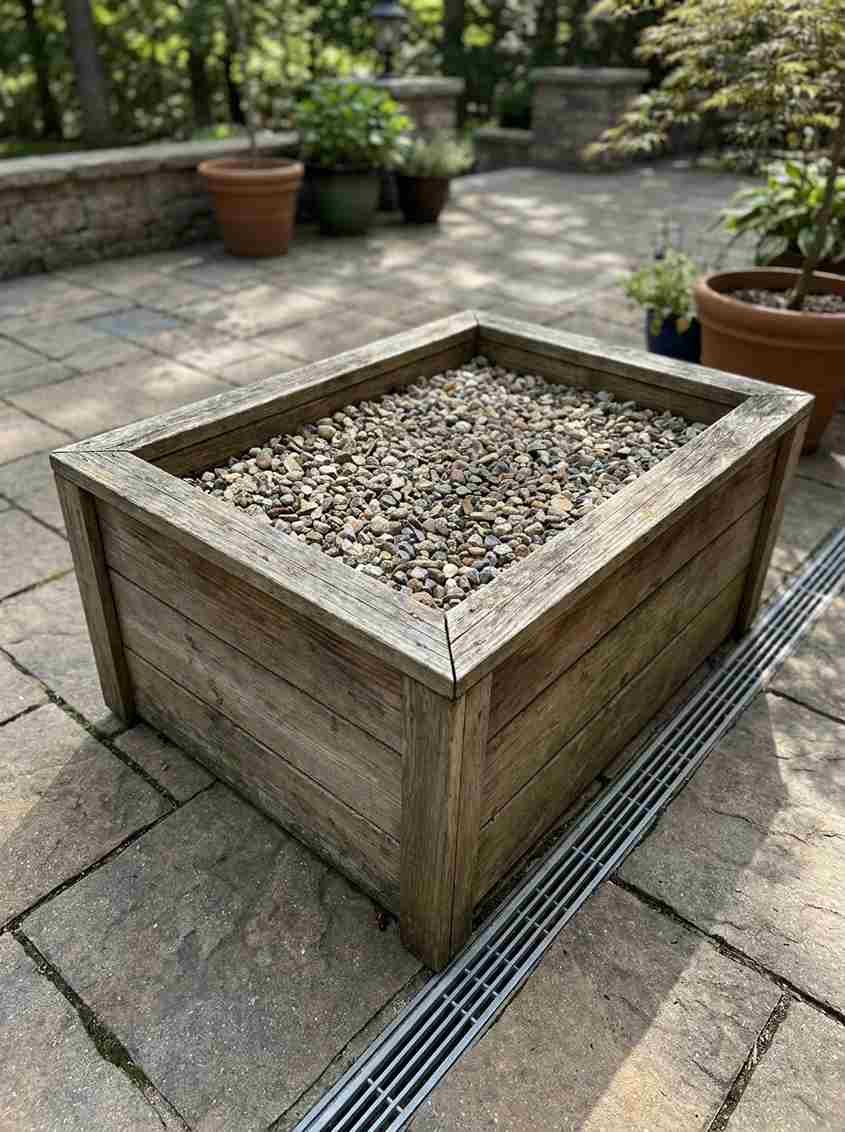
12. A raised potty box with drainage holes.
Build a simple wood frame, line it with landscape fabric, fill with gravel or mulch, and drill holes in the base so it never pools.
My neighbor built one out of leftover deck boards and it’s held up for three years.
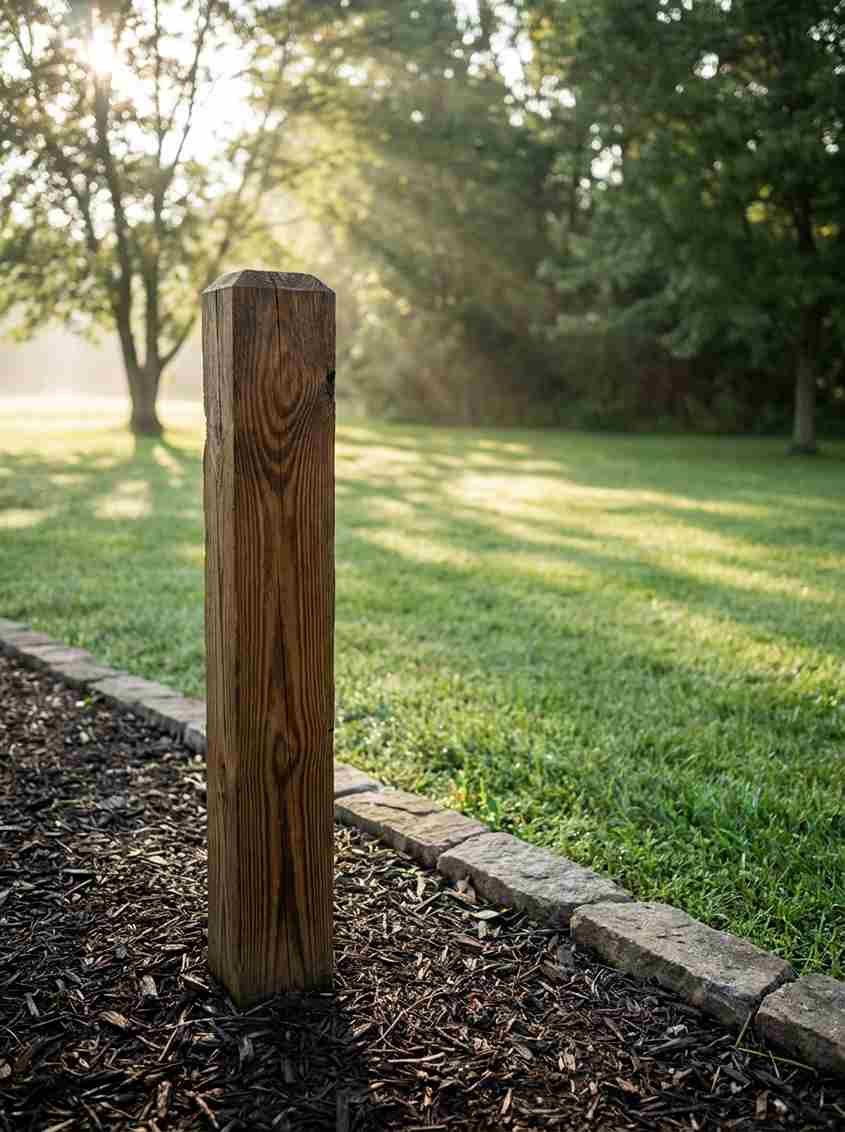
13. A vertical marker post. For male dogs especially, a low post (an old fire hydrant lawn ornament works, or just a treated 4×4) gives them something specific to aim at.
14. A covered mini-pergola spot. Handy if you live somewhere with a lot of rain. Nobody wants to stand outside in a downpour while their dog decides whether they really need to go.
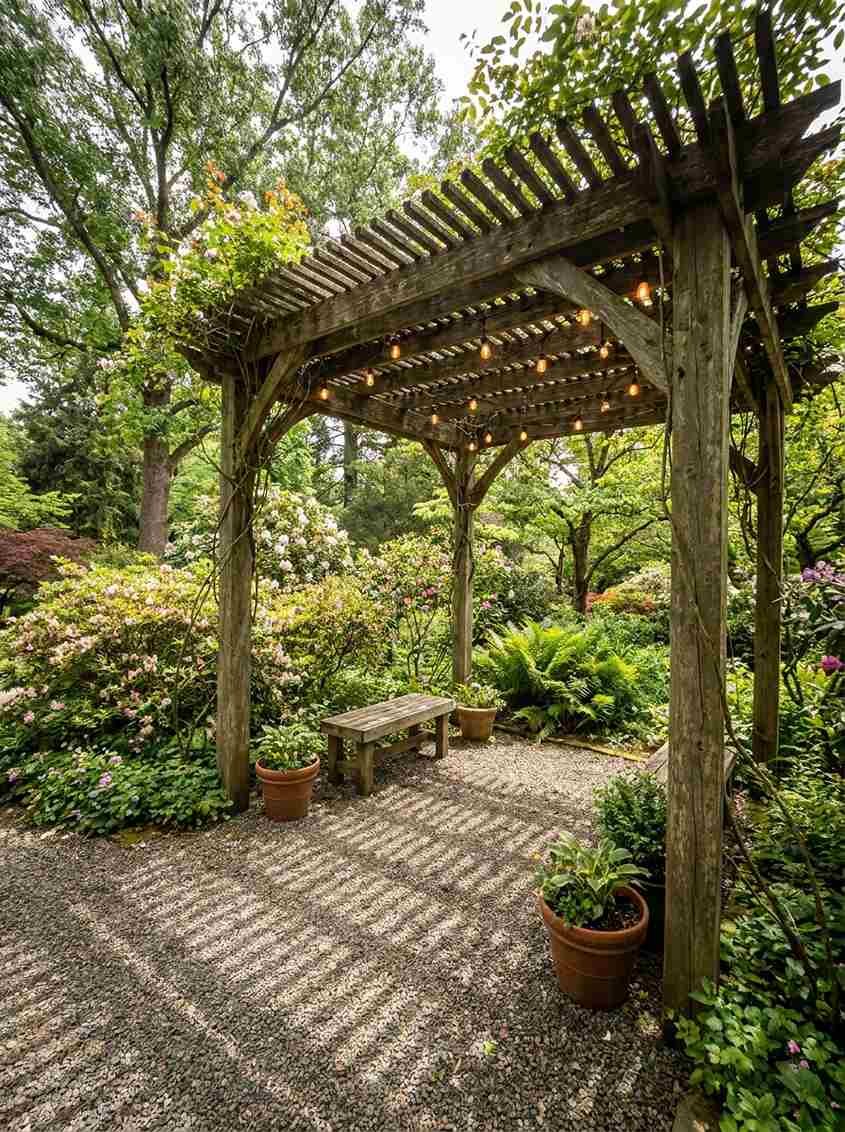
The folks at DoodyCalls point out that the ideal potty space should be roughly five times the length of your dog, giving them room to sniff and circle without feeling cramped.
That number stuck with me because it’s oddly specific and, honestly, correct.
Budget-friendly ideas under $50
Not everyone wants to sink money into this. Fair enough.
15. A repurposed kiddie pool filled with gravel. Cut drainage holes in the bottom, fill it, done. Instant contained zone for under $20 if you already have the pool sitting in the garage.
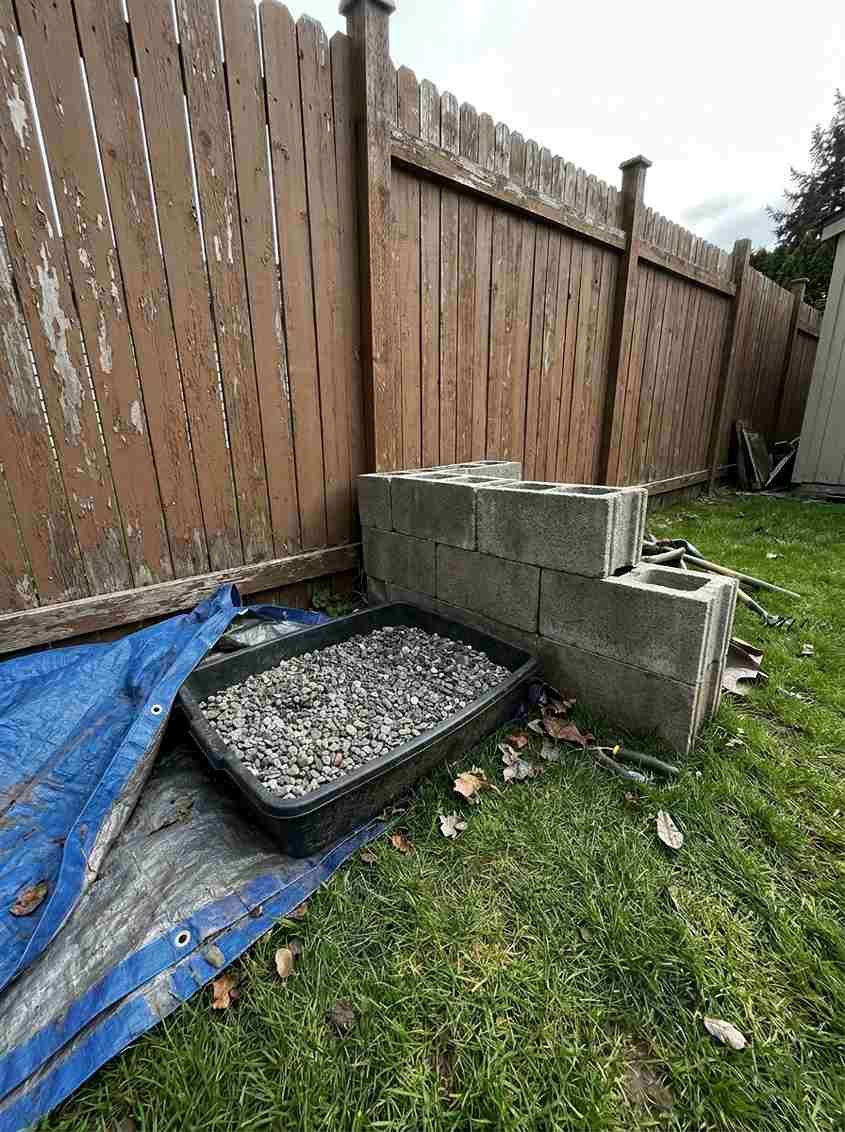
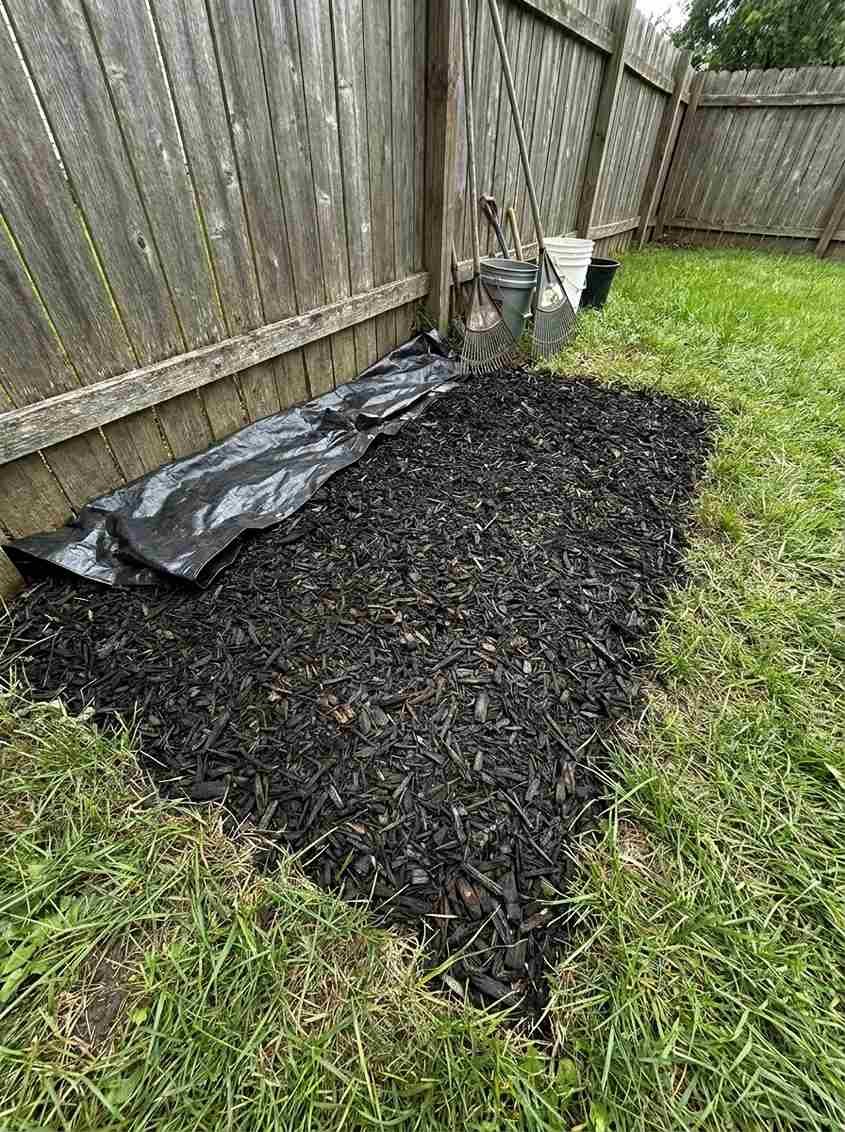
16. Tarp plus mulch layering. Lay a tarp down first to stop weeds from growing through, then pile mulch on top. Cheap and surprisingly effective.
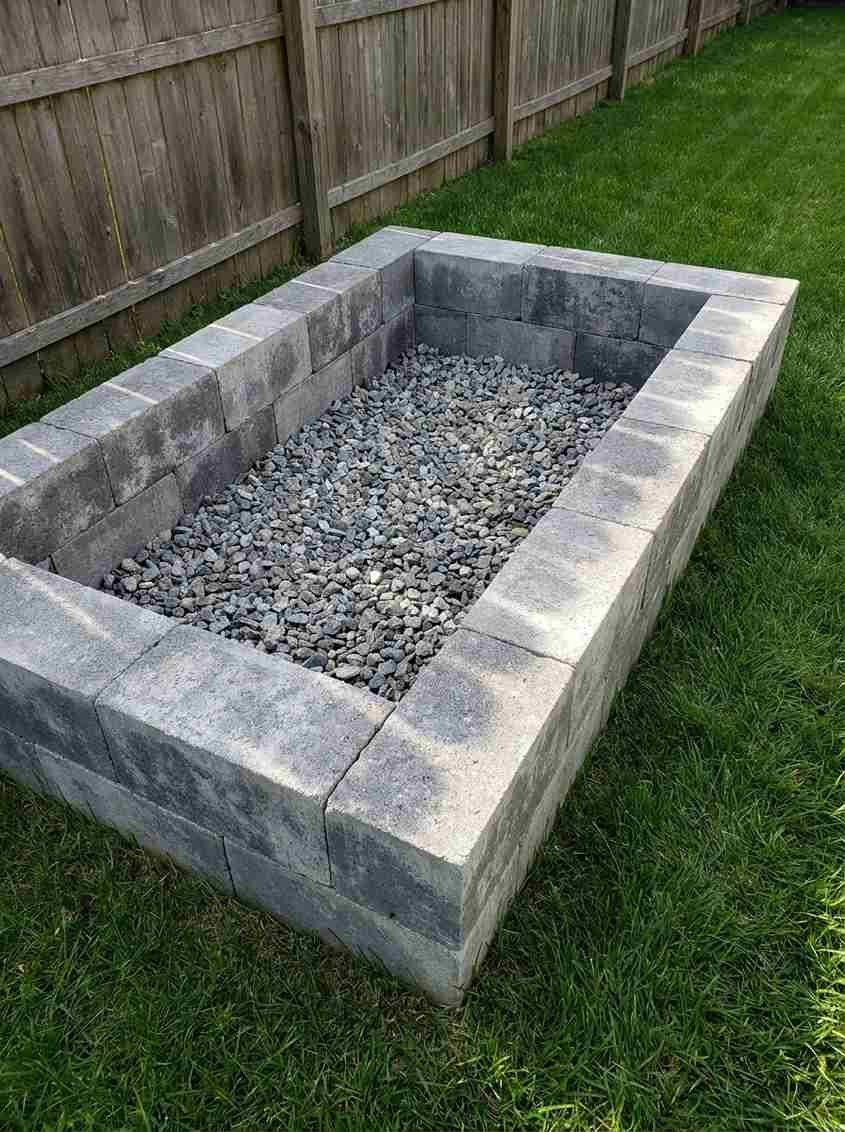
17. A cinder block border. Stack a few cinder blocks in a rectangle, fill the middle with your surface of choice. Ugly? Maybe a little. Functional? Absolutely.
Small yard and apartment patio ideas
Not everyone has a sprawling backyard, and that’s fine.
18. An artificial turf tray for balconies. These come pre-built with drainage trays underneath, so liquid doesn’t just run off onto your neighbor’s patio below (they will not thank you if it does).
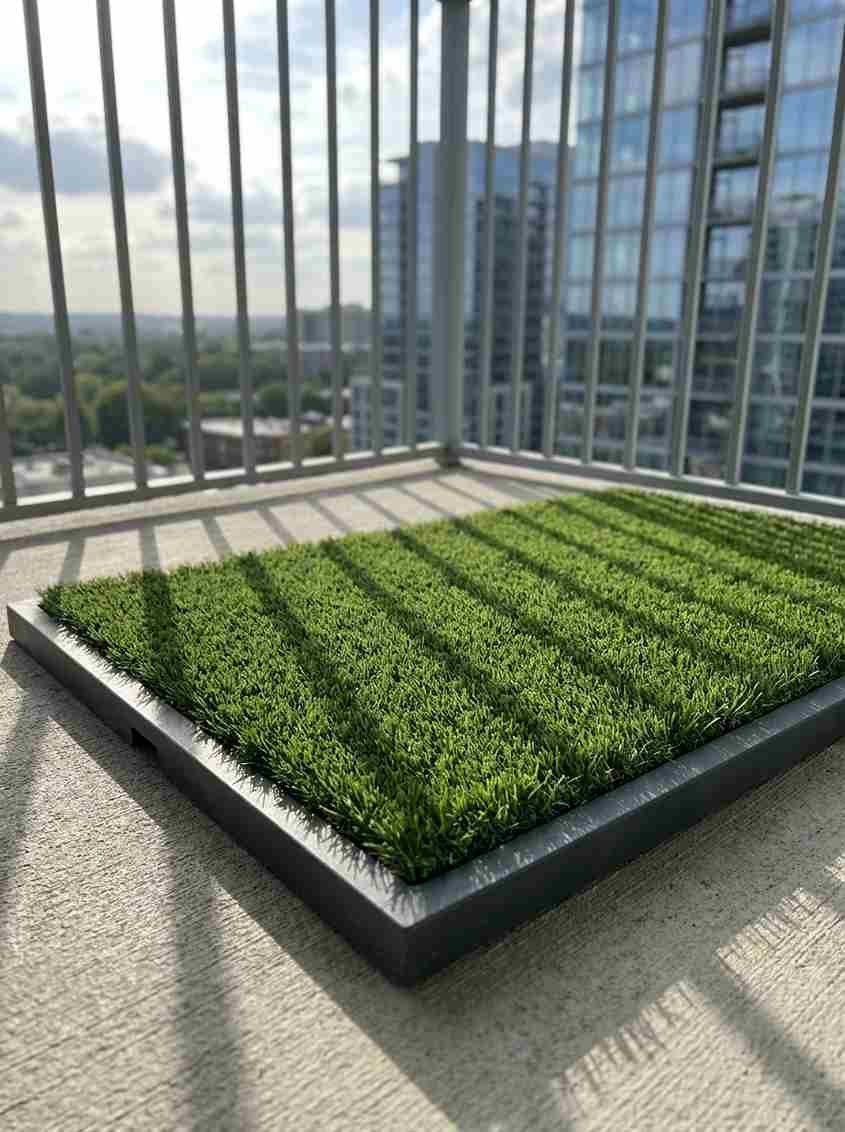
19. A portable potty patch. The kind you can order online, roll out, and hose off. Good for renters who can’t dig up anything permanent.
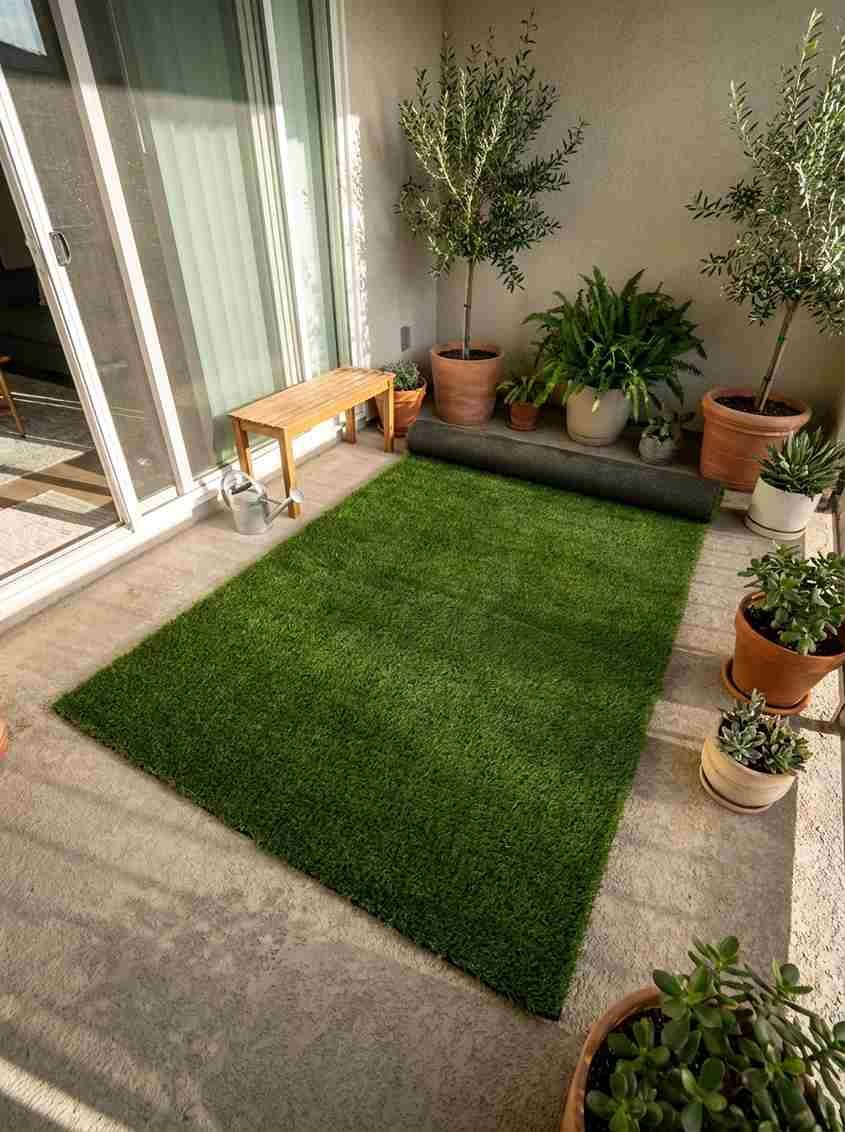
20. A vertical drainage box with a slight tilt. Angle the box so liquid runs to one corner where you’ve placed a small drain tray. Simple physics, honestly.
Random thought here, unrelated but true: my neighbor’s cat has somehow figured out how to use my dog’s gravel patch too, and now I’m apparently running a shared bathroom for two species.
Nobody warned me about that when I started this project.
Keeping the spot clean and smell-free
None of this matters if the area turns rank by week three.
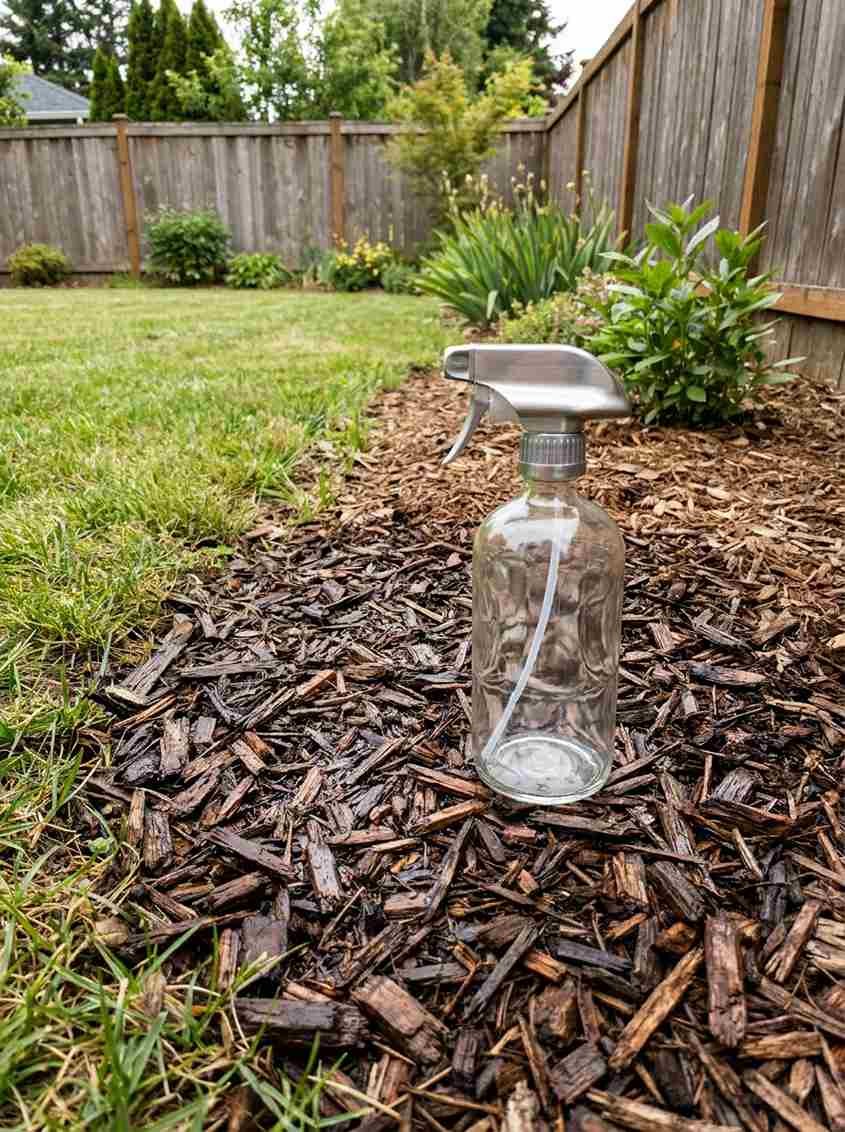
21. An enzyme cleaner routine. Regular soap won’t break down the bacteria causing odor. Enzymatic cleaners actually do, and a weekly spray keeps things from getting bad. Poo Pickers recommends cleaning up messes thoroughly to avoid leftover scent markers that pull your dog back to spots you don’t want them using.
22. A gentle slope toward a drain. Even a slight grade, an inch or two over several feet, keeps liquid from pooling and turning stagnant.
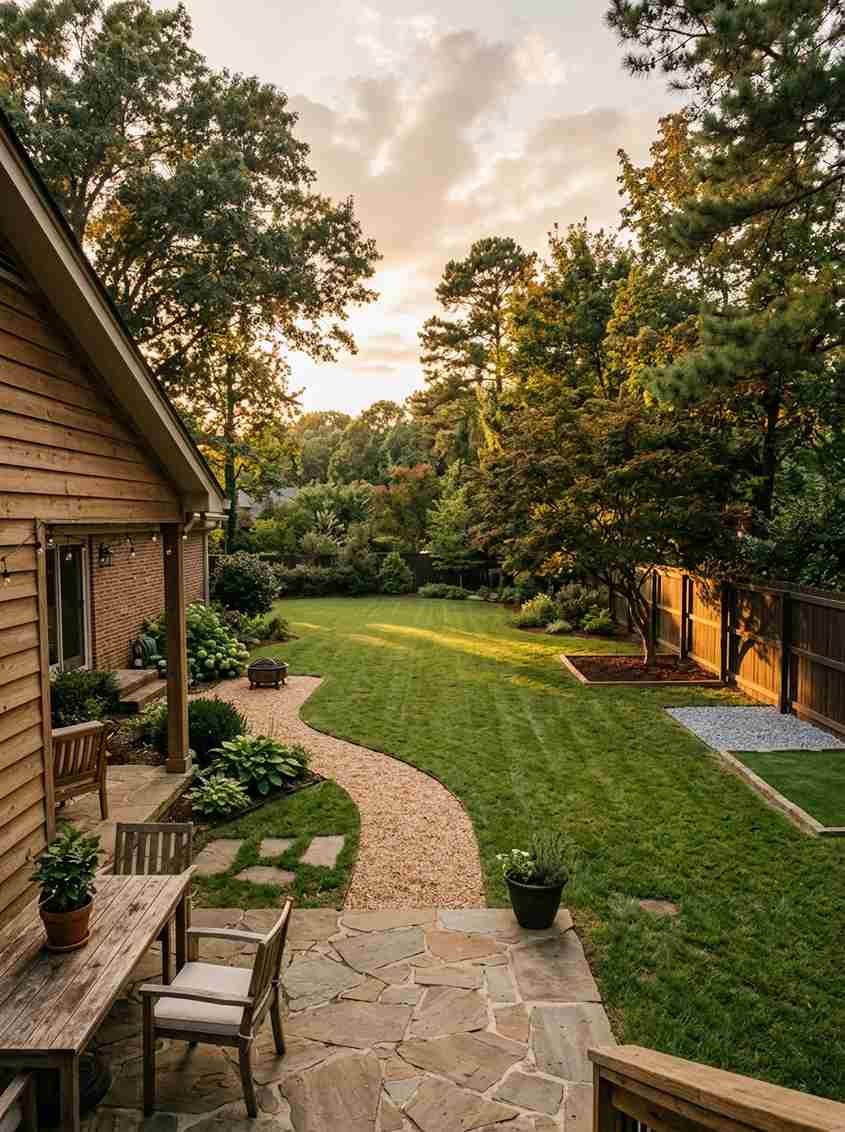
23. Rotating between two zones. Let one area rest and dry out for a few days while the dog uses the other. This cuts down on smell buildup significantly, especially in hot climates.
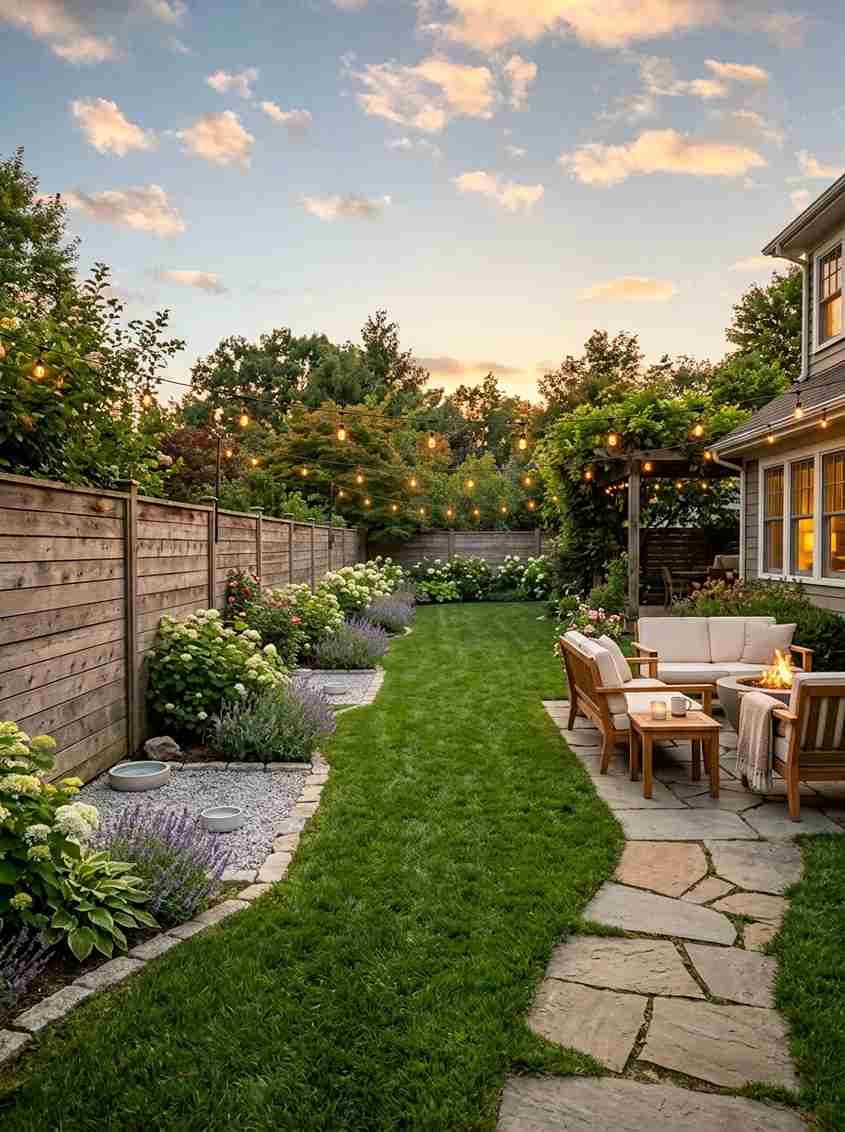
Quick comparison table
| Material | Drainage | Rough Cost | Upkeep |
|---|---|---|---|
| Pea gravel | Excellent | $$ | Low |
| Mulch/wood chips | Good | $ | Medium |
| Artificial turf | Excellent | $$$ | Low |
| Sand | Good | $ | Medium |
A few things worth deciding before you start
Picking the right combination of material, location, and size depends on your dog’s size, your climate, and honestly how much yard you’re willing to give up.
A small terrier doesn’t need the same footprint as a Great Dane.
And if you live somewhere with brutal winters, gravel or turf will outlast mulch, which tends to freeze into a solid brick (ask me how I found that out too).
FAQs
How big should a designated dog potty area be? A good rule is about five times your dog’s body length in each direction. That gives them room to sniff, circle, and settle without feeling boxed in.
Will my dog switch to the new spot on its own? Some do within days.
Most need a week or two of supervised trips, a consistent command, and a treat every time they use the right spot. Leaving a little residual scent there in the beginning genuinely helps.
Does artificial turf really control odor better than grass? Turf built specifically for pets, with proper drainage backing and antimicrobial infill, holds up better than standard grass over time.
Regular real grass tends to die off in a heavily used spot and gets muddy, which actually traps smell worse.
Final thought
Twenty-three ideas is a lot to look at, but you really only need one that fits your yard and your dog’s personality.
Start small, pick a surface that drains well, and stay consistent with the command you use.
So which one are you trying first, gravel, turf, or the kiddie pool trick? Let me know how it goes.
