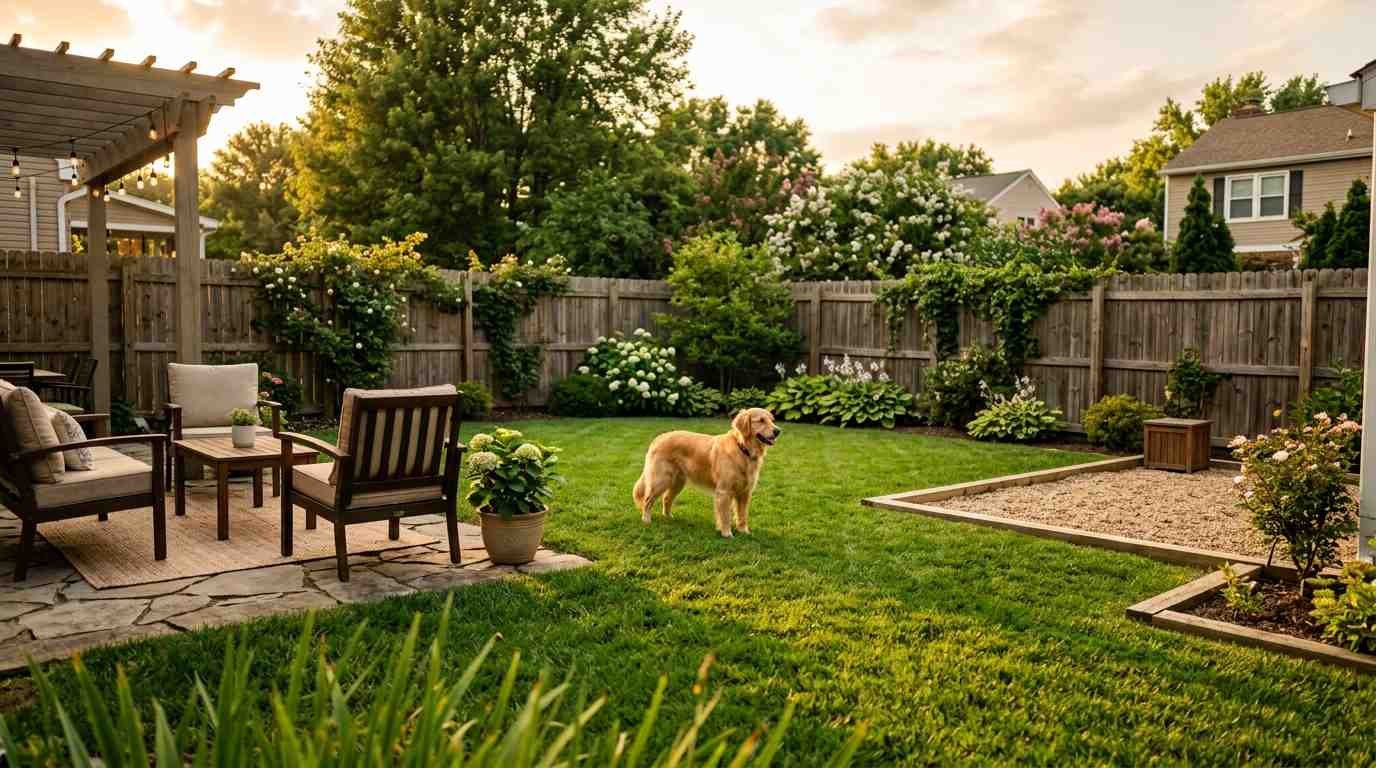
My dog Milo turned my backyard into a mud pit within three months of getting him. Not exaggerating.
There was a brown path worn straight from the back door to his favorite corner, and every rainy day meant paw prints across my kitchen floor.
So I get it if you’re standing in your yard right now wondering how other pet owners make this look so easy.
They don’t, by the way. They just planned for it. That’s the whole secret.
A dedicated potty area isn’t just about keeping your grass alive (though that’s a nice bonus).
It’s about giving your dog a consistent spot, cutting down on cleanup time, and honestly, making your whole yard smell better.
If you’ve ever hosted a summer barbecue and caught a whiff of something unpleasant near the fence line, you know exactly what I mean.
Below are 24 ideas that actually work, pulled from what pet owners, landscapers, and a few
Pinterest rabbit holes have taught me over the years. Pin the ones that fit your space and skip the rest. No judgment here.
Ground Cover Options That Won’t Turn Into a Swamp
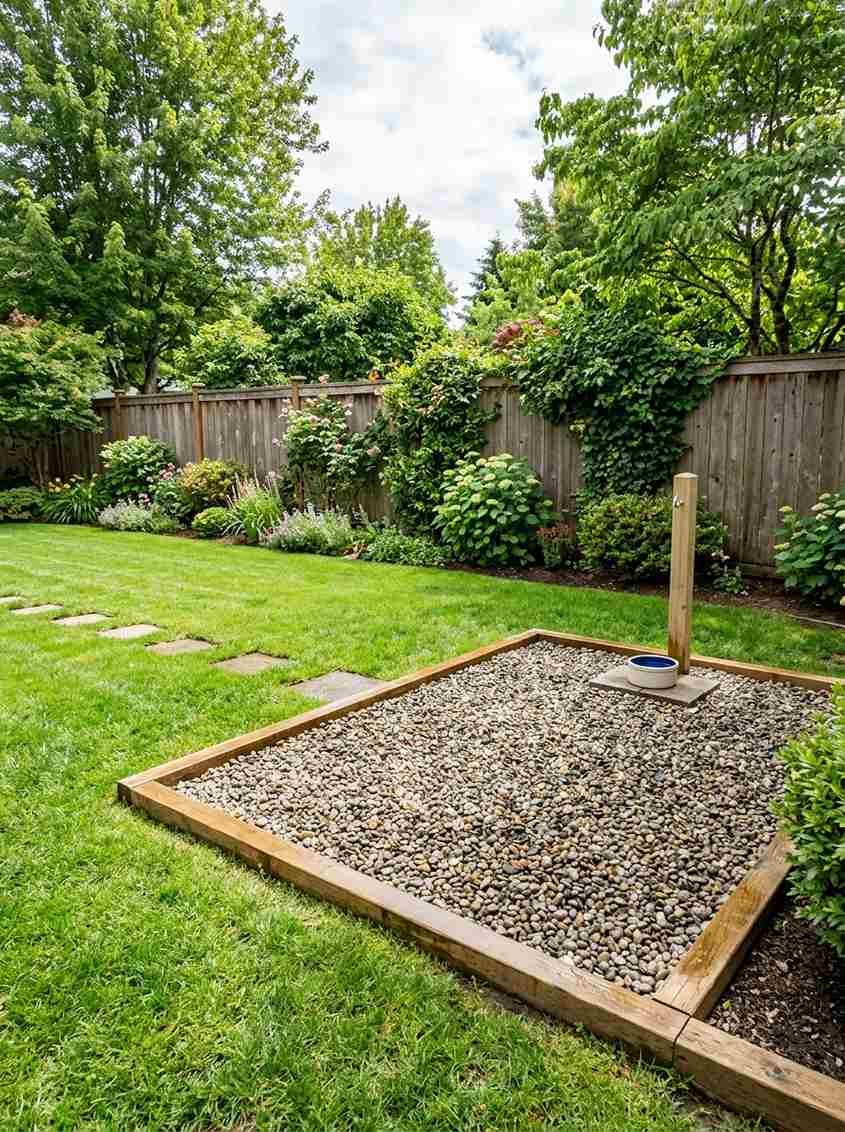
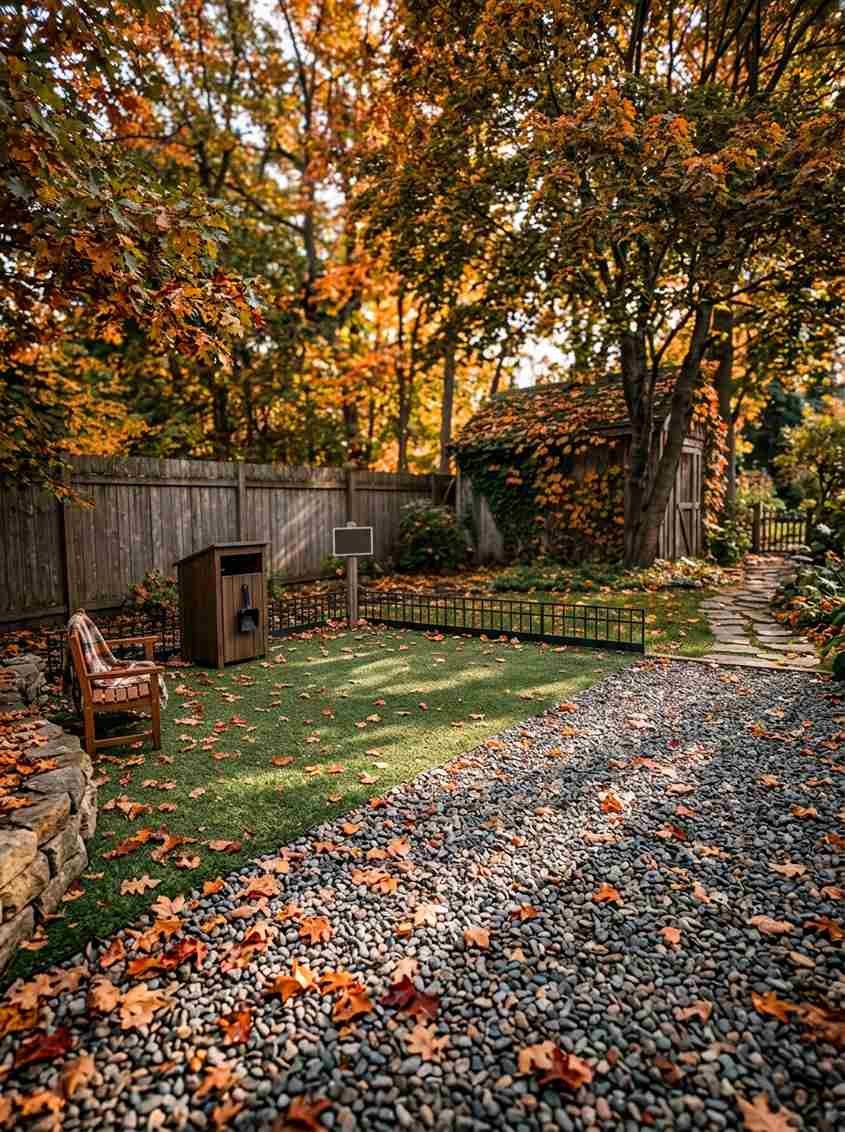
Pea gravel zones. This is probably the most popular potty surface out there, and for good reason. It drains fast, doesn’t hold odor the way grass does, and it’s cheap to refresh every year or two.
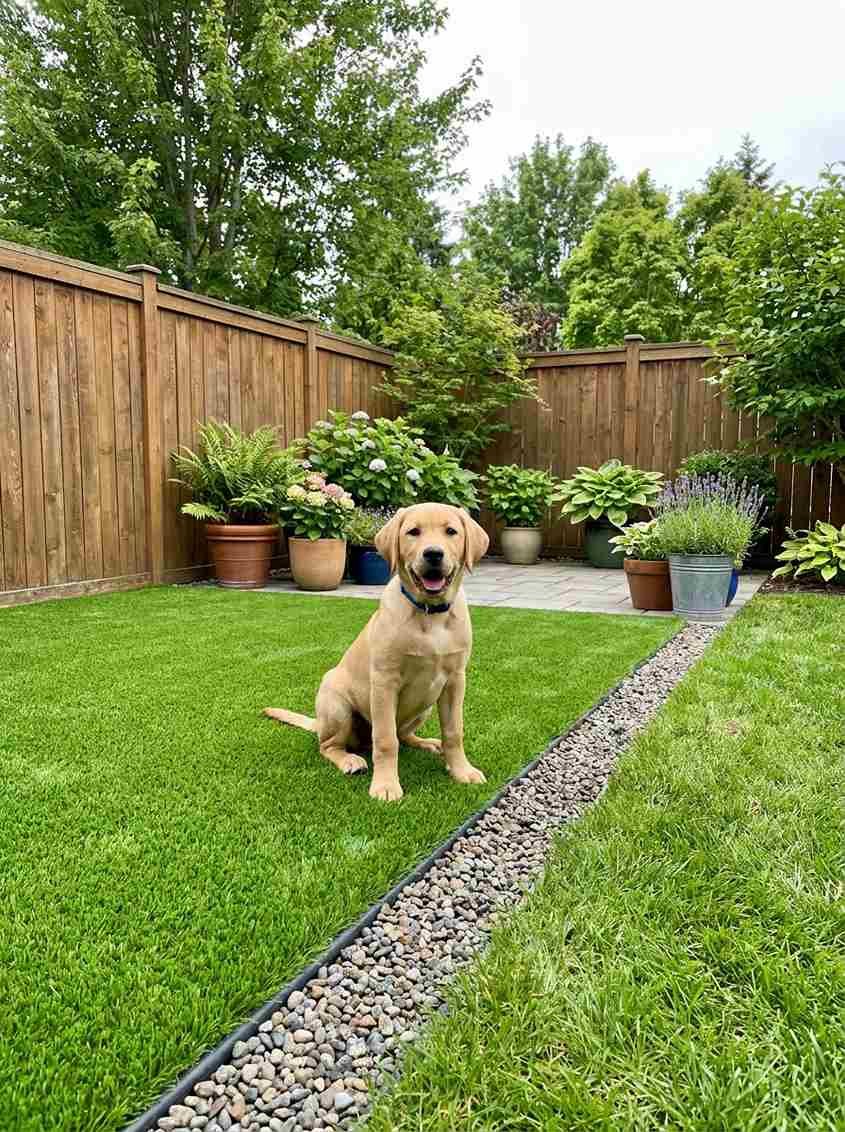
Artificial turf with a drainage layer. If you want the green look without the maintenance, synthetic turf designed for pets (not the cheap kind meant for putting greens) is worth the investment. Just make sure it has proper drainage holes underneath, or you’ll regret it fast.
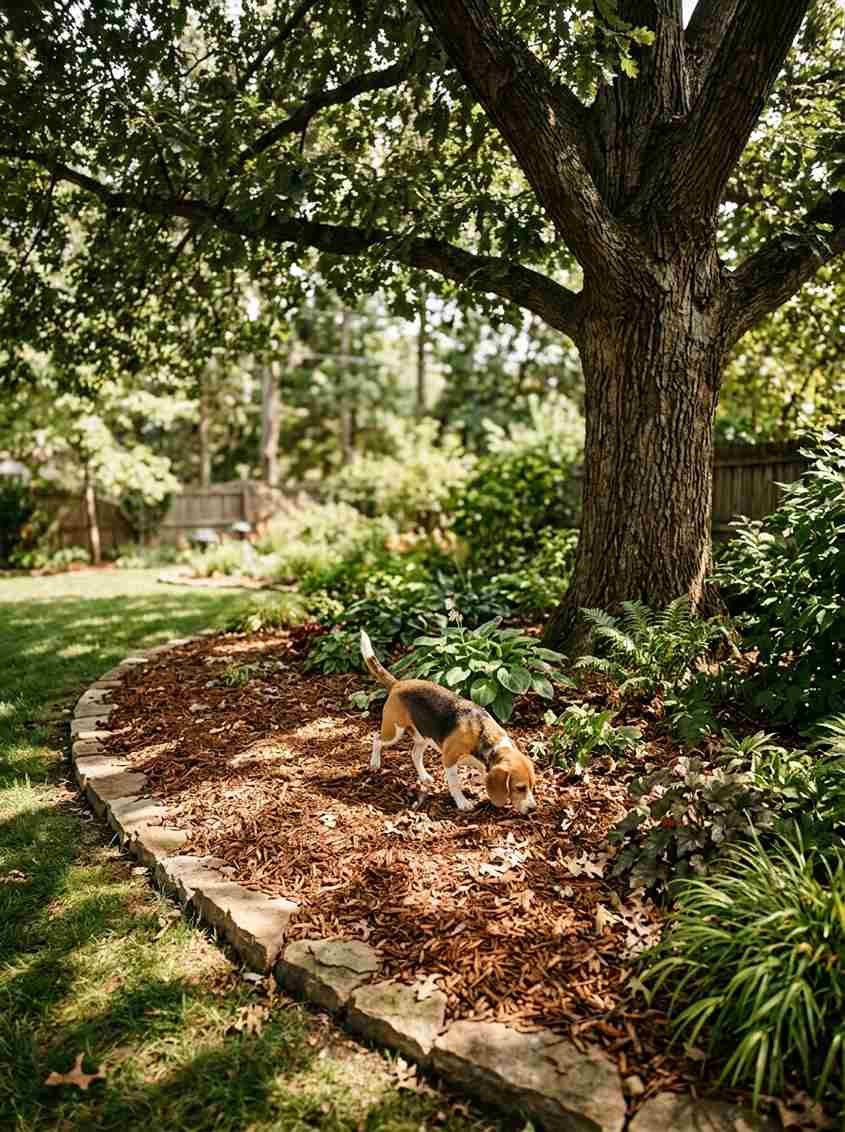
Mulch beds using cedar or cypress. Cedar mulch naturally repels some insects and smells decent even after it’s been used a bit. I switched to this after the gravel started tracking into my house and honestly prefer it.
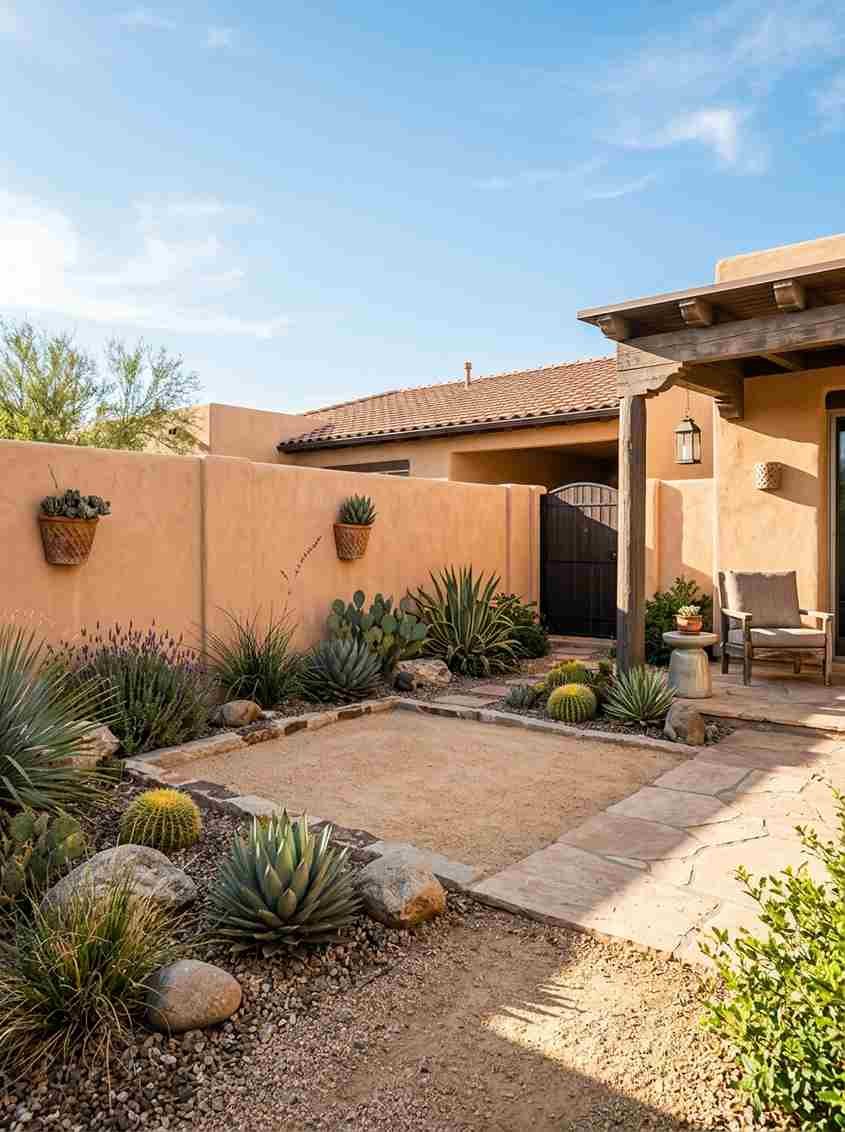
Decomposed granite. This one’s popular in drier climates like Arizona and parts of California. It compacts well, drains well, and looks more polished than gravel if you’re going for a tidier aesthetic.
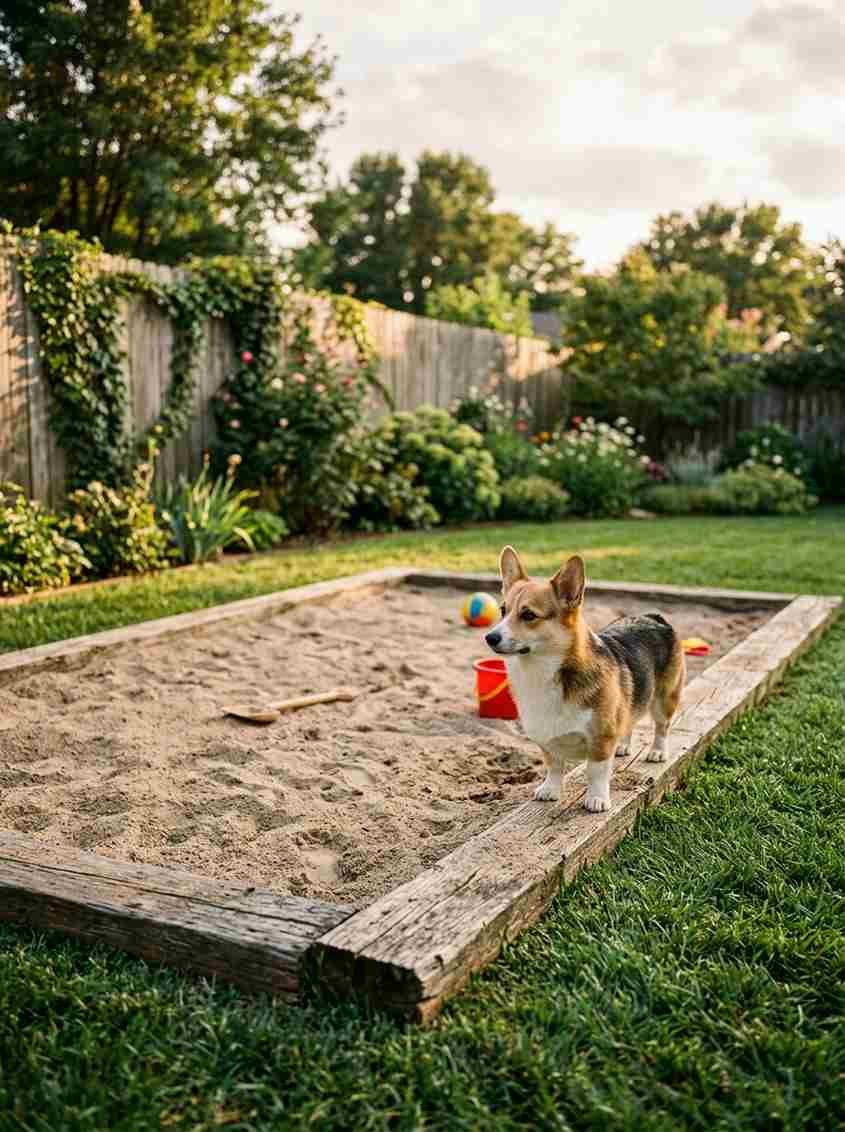
Sand pits. Some owners swear by sand, especially for smaller breeds. It’s soft on paws and easy to scoop, though it does need occasional raking to stay sanitary.
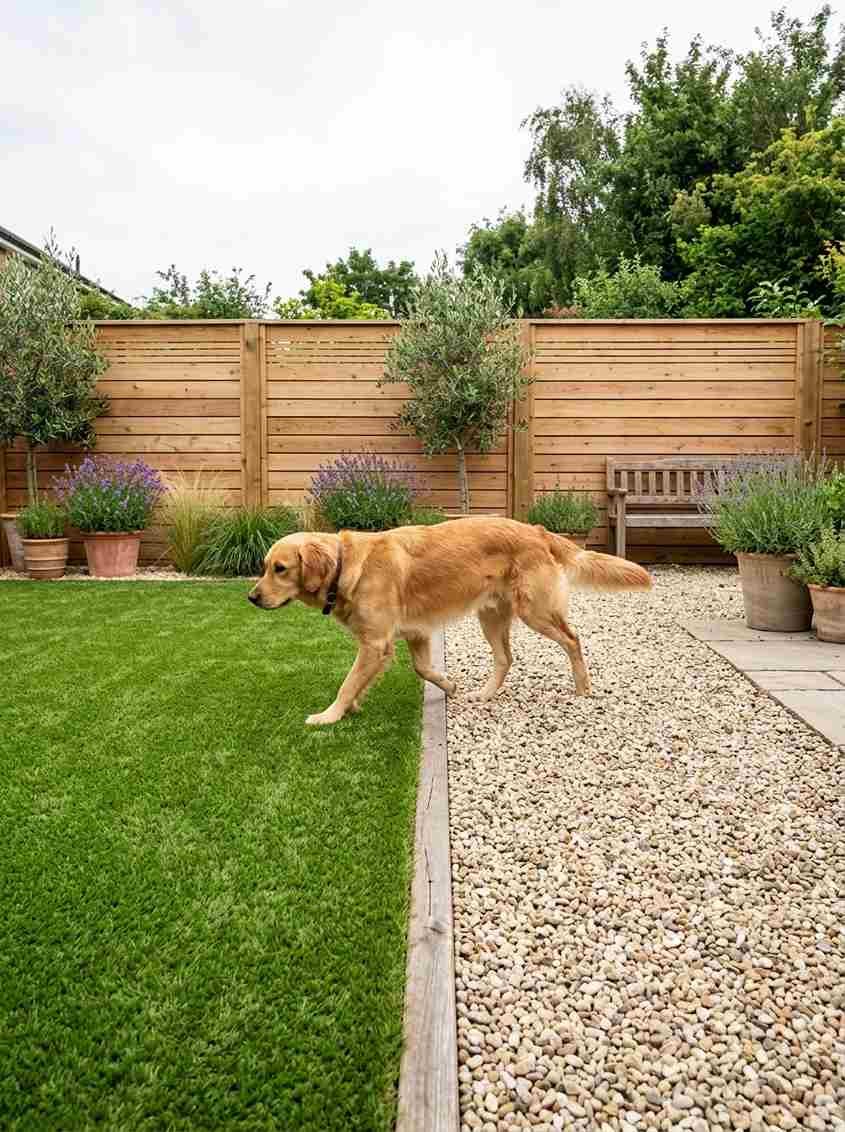
Pea gravel and turf combo zones. Split your area in half. Turf for lounging, gravel for business. Milo actually prefers this setup, and I think it’s because the texture change signals to him which zone is which.
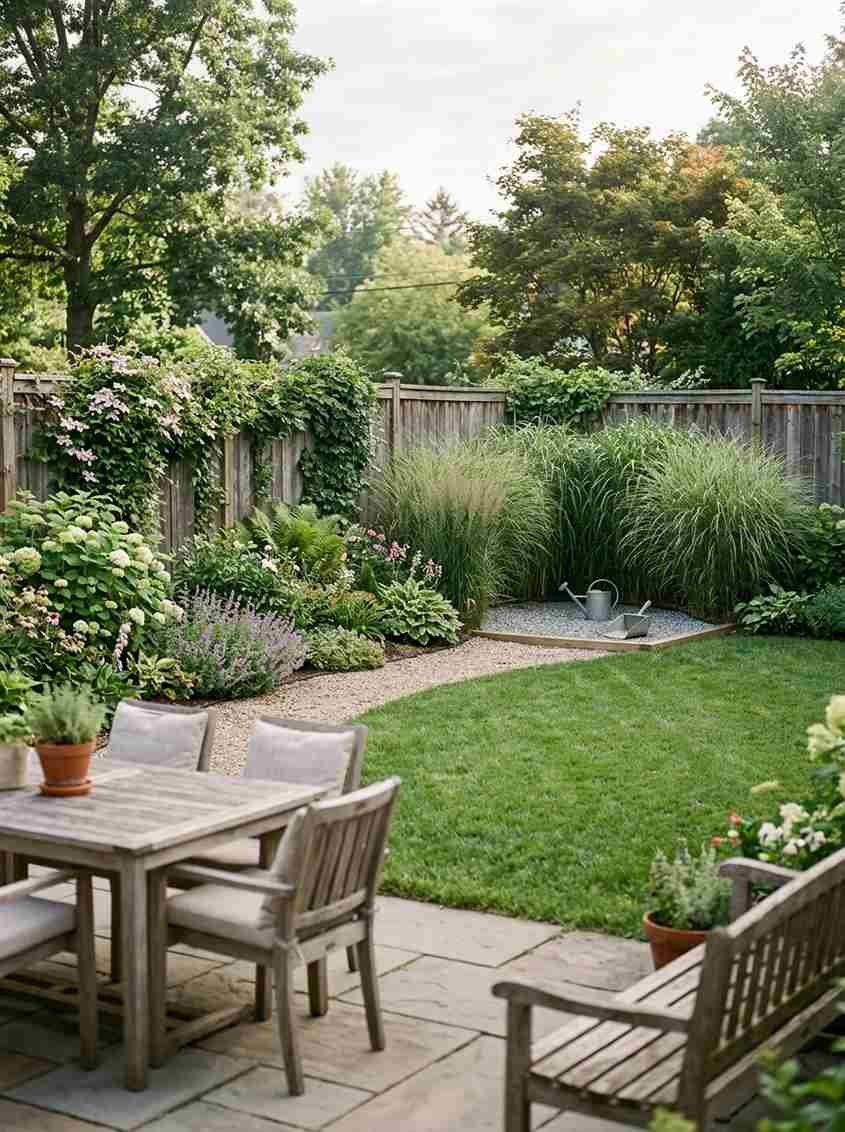
Layout Ideas to Steal
Corner potty stations. Tucking the area into a back corner keeps it out of sight from your patio or deck, which matters more than you’d think when you’re entertaining guests.
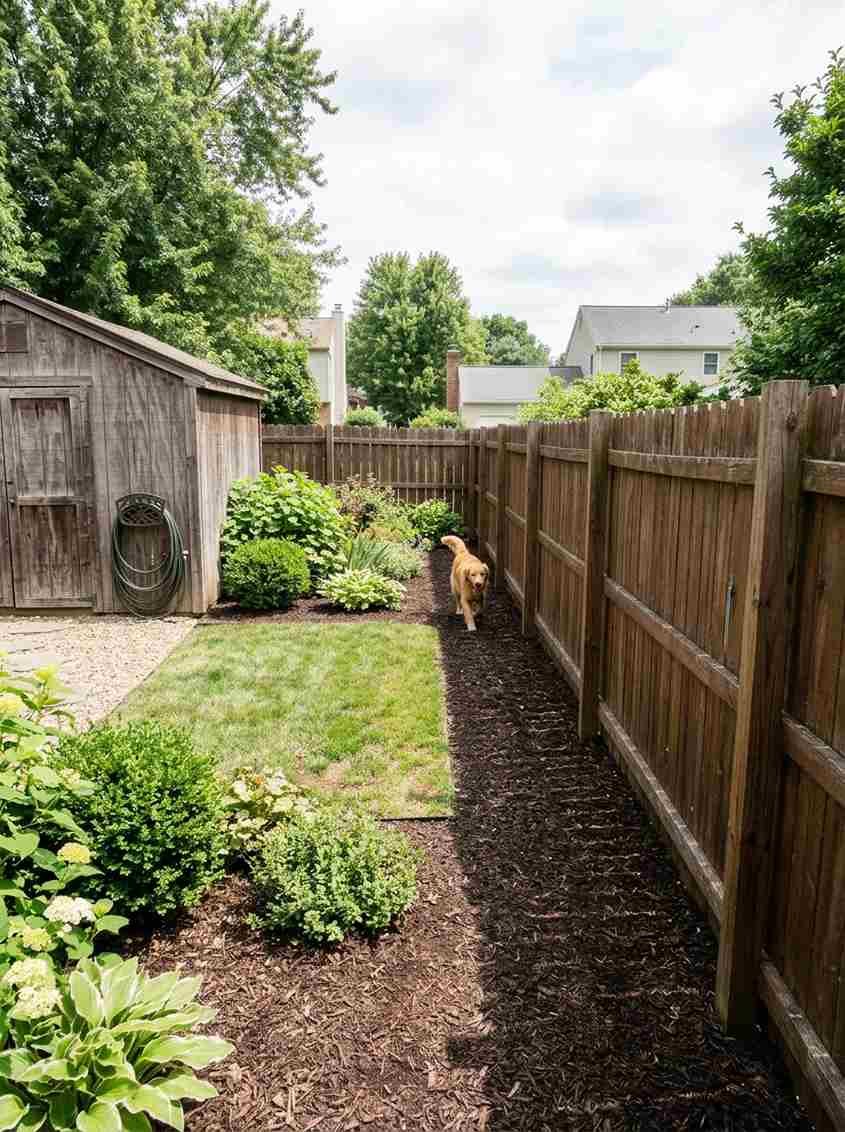
fence-line strips. A narrow strip running along the fence works great for smaller yards. Dogs naturally gravitate toward boundaries anyway, so you’re working with instinct instead of against it.
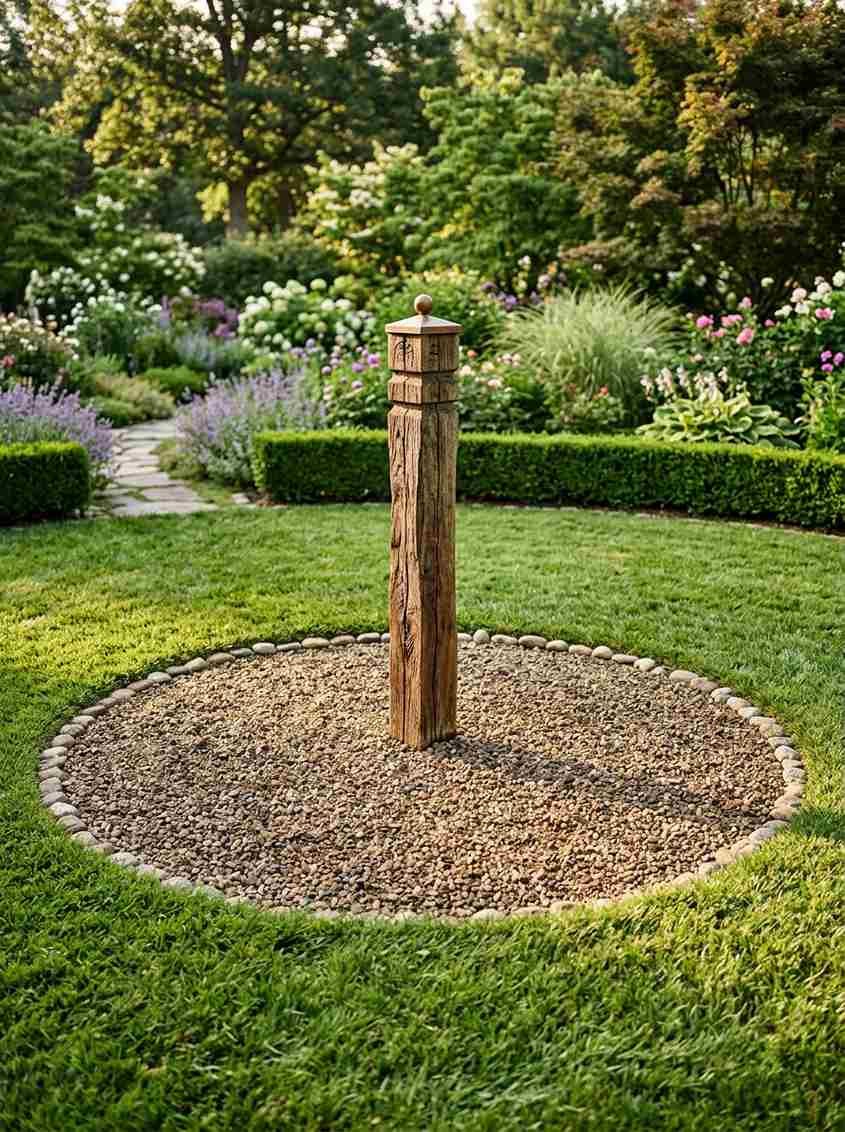
Circular gravel patches with a center post. Adding a fire hydrant style post or a large decorative rock in the middle gives male dogs a marking target, which can actually reduce random spot-marking across your whole lawn.
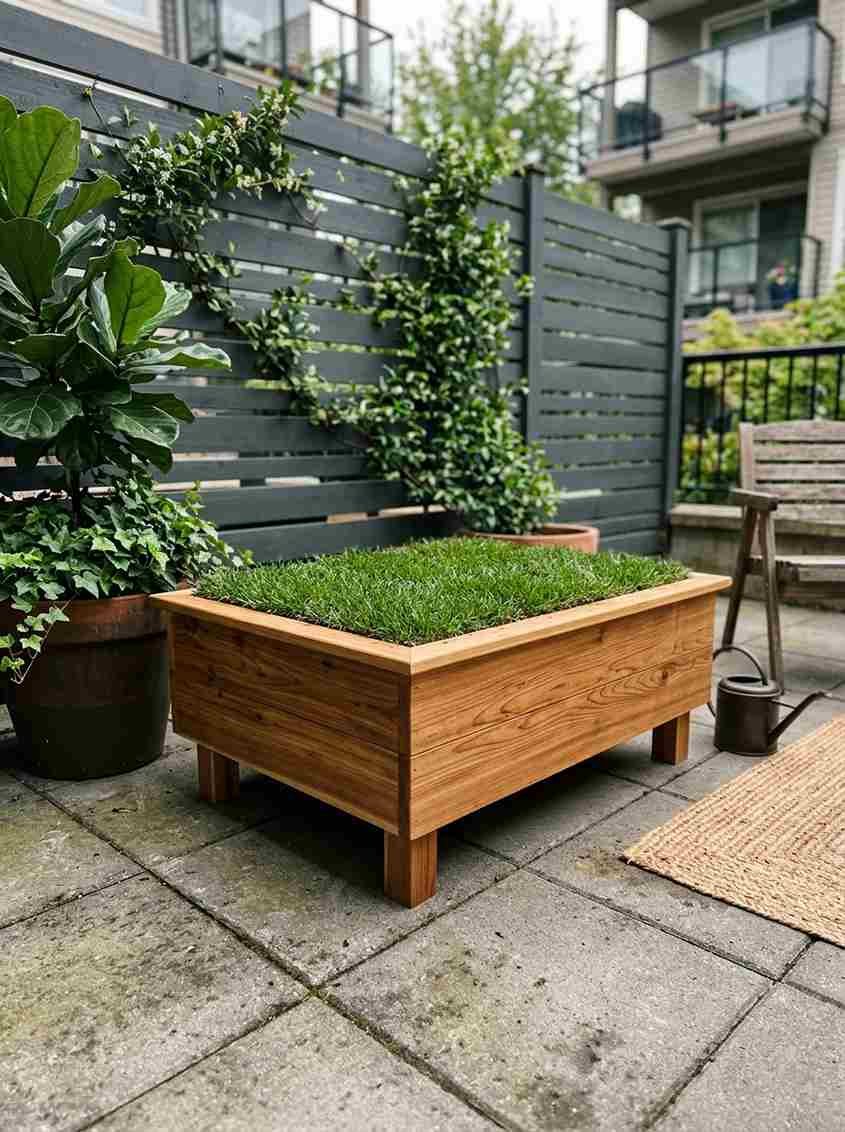
Raised potty boxes. Think of these like sandboxes but filled with grass patches or turf, elevated slightly for drainage. Popular for apartment patios but scalable for full yards too.
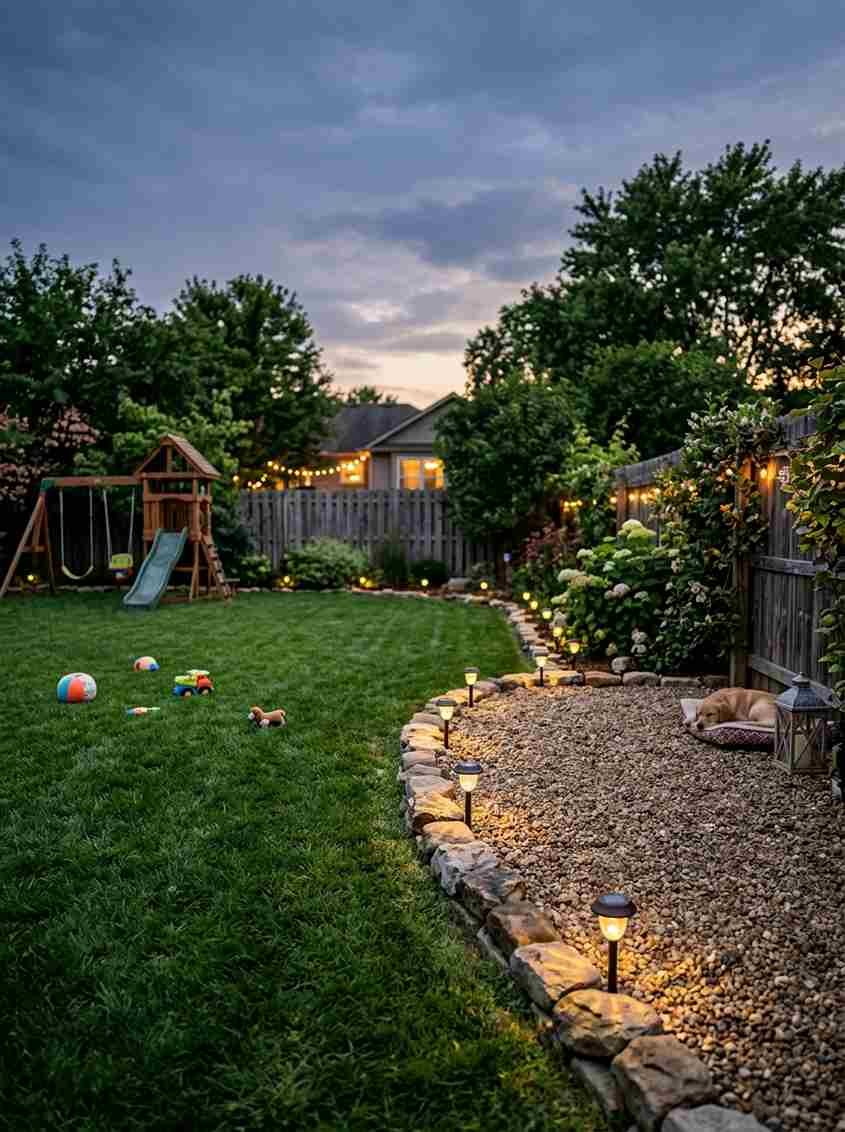
Dual-zone yards. One side for play, one side for potty, divided by a low decorative border or a row of solar lights. Clean visual separation without a fence.
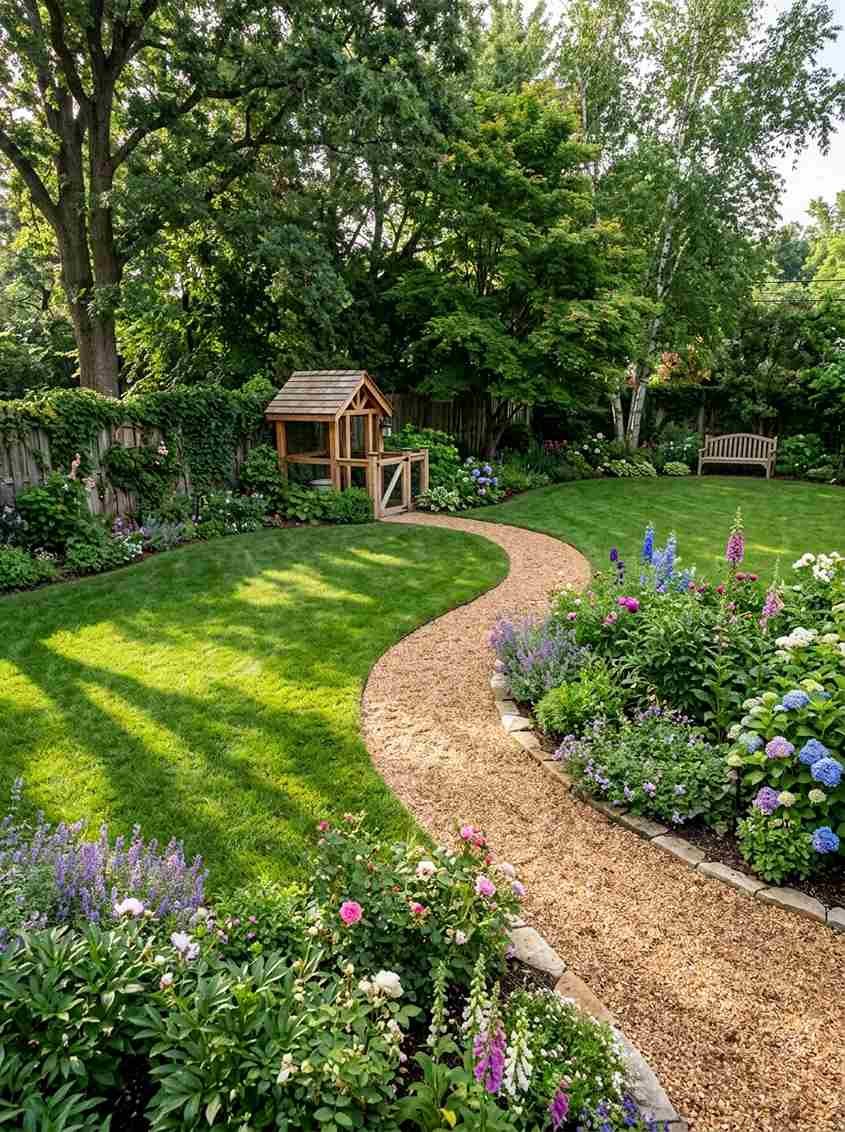
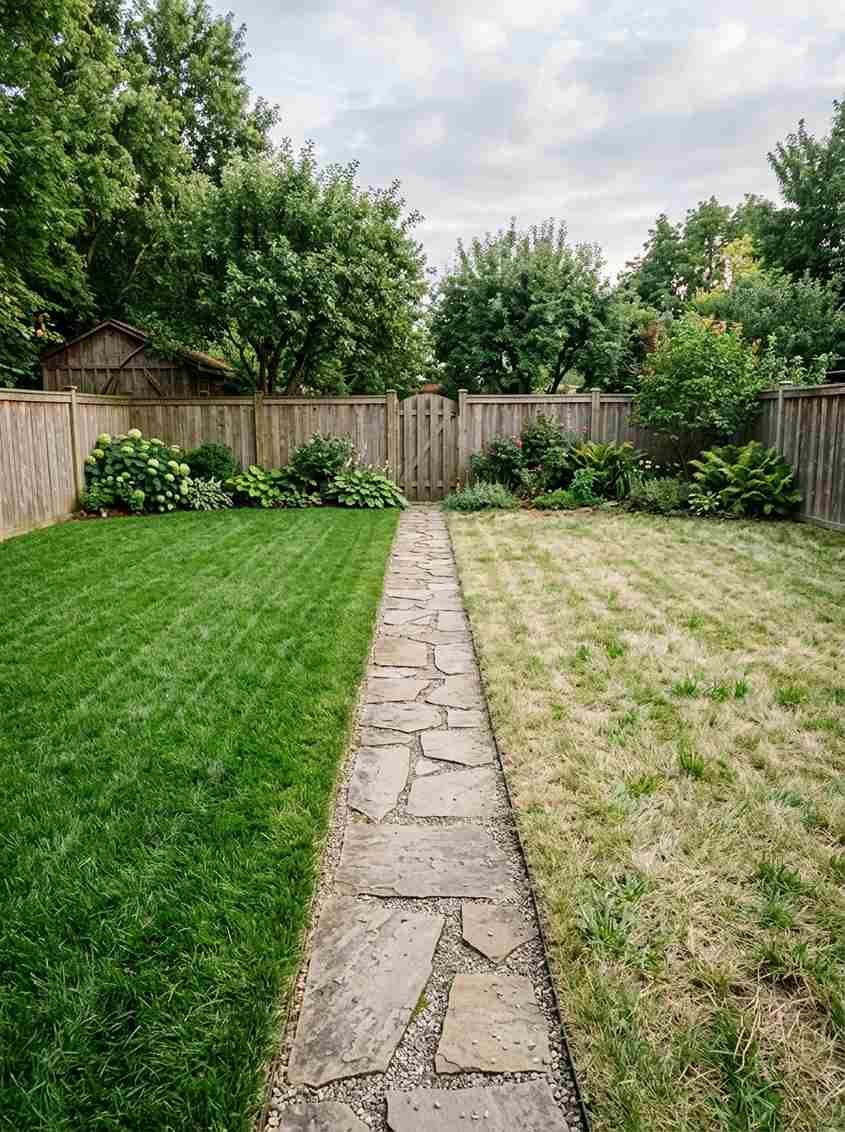
Winding gravel paths that lead to the potty zone. This sounds fancy, but it’s really just a psychological trick. Dogs follow paths. Give them one that leads exactly where you want them to go.
Real Grass Alternatives Worth Considering
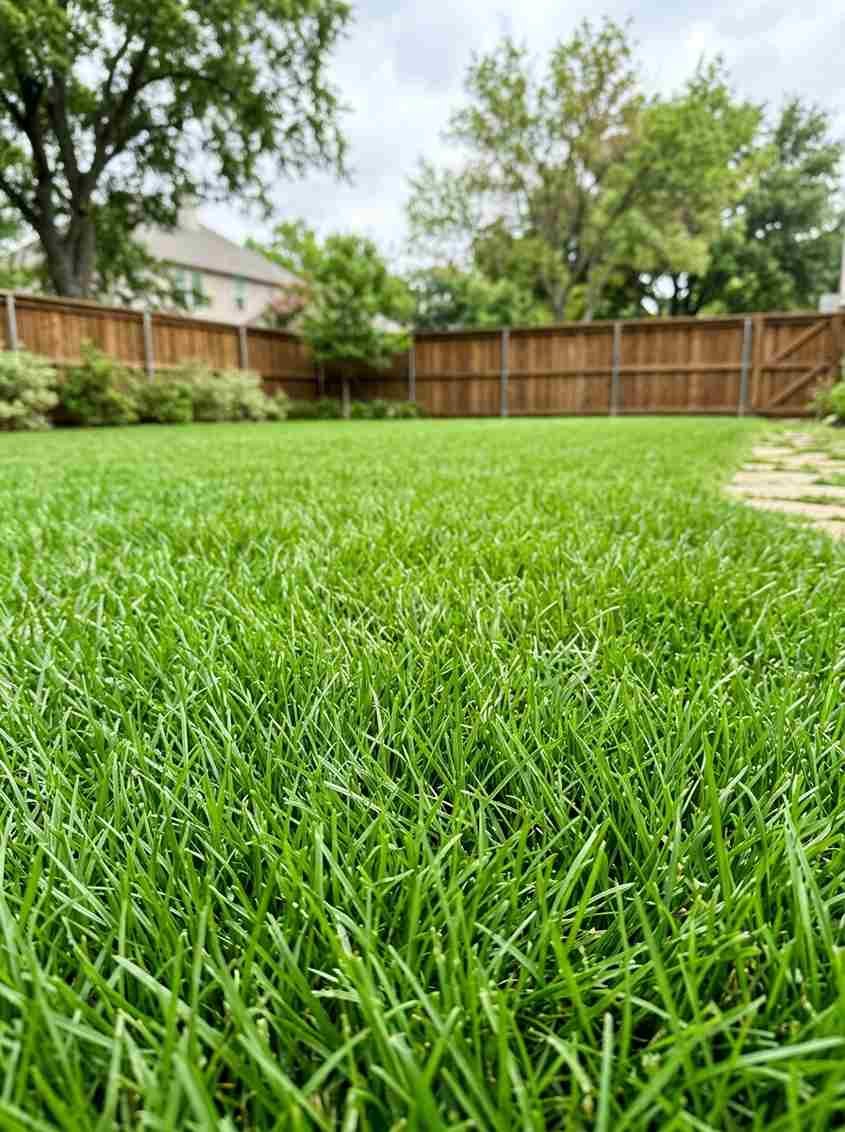
Zoysia grass. It’s one of the more urine-resistant grass types out there, according to horticulture research from Penn State Extension. If you love the look of real grass but hate the yellow patches, this is worth researching for your climate zone.
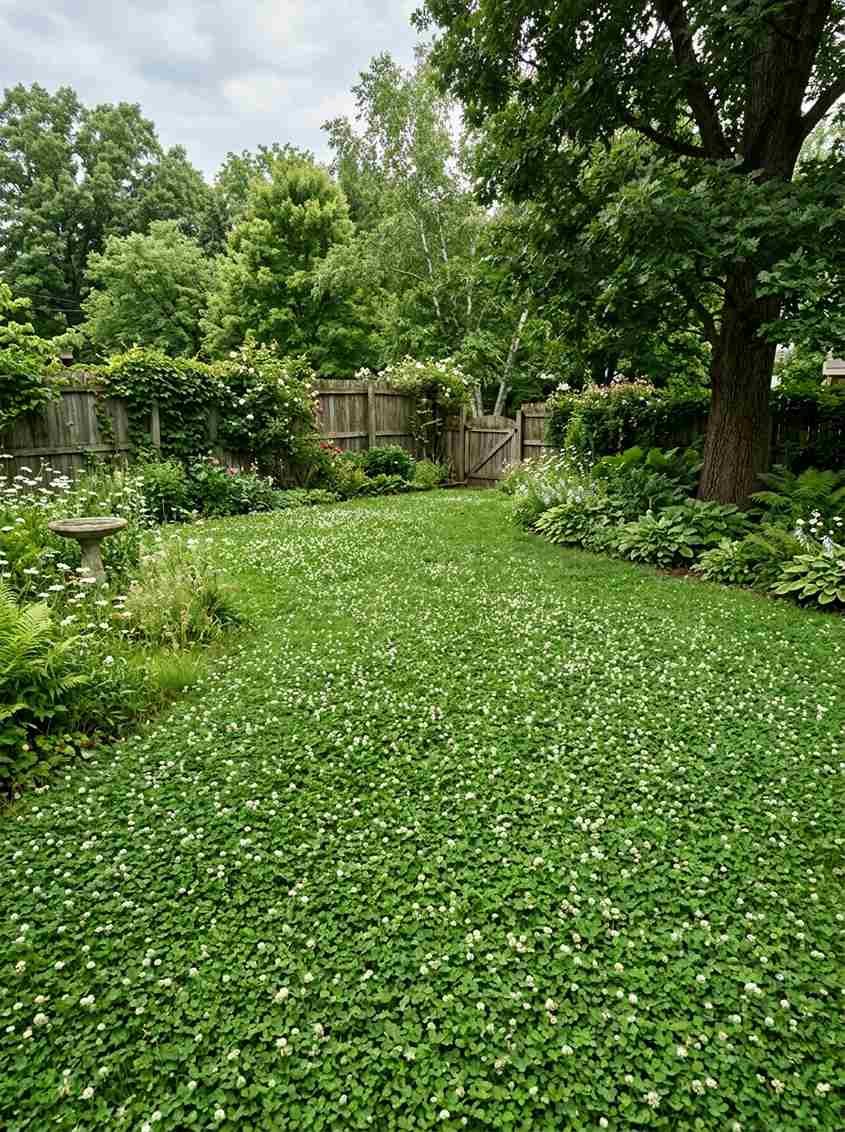
Clover lawns. Clover recovers from urine damage faster than most traditional grasses and requires less mowing. It’s become a favorite among eco-conscious pet owners for exactly that reason.
Rye grass mixed with fescue. A hardier blend that handles foot traffic and the occasional accident better than a pure Kentucky bluegrass lawn.
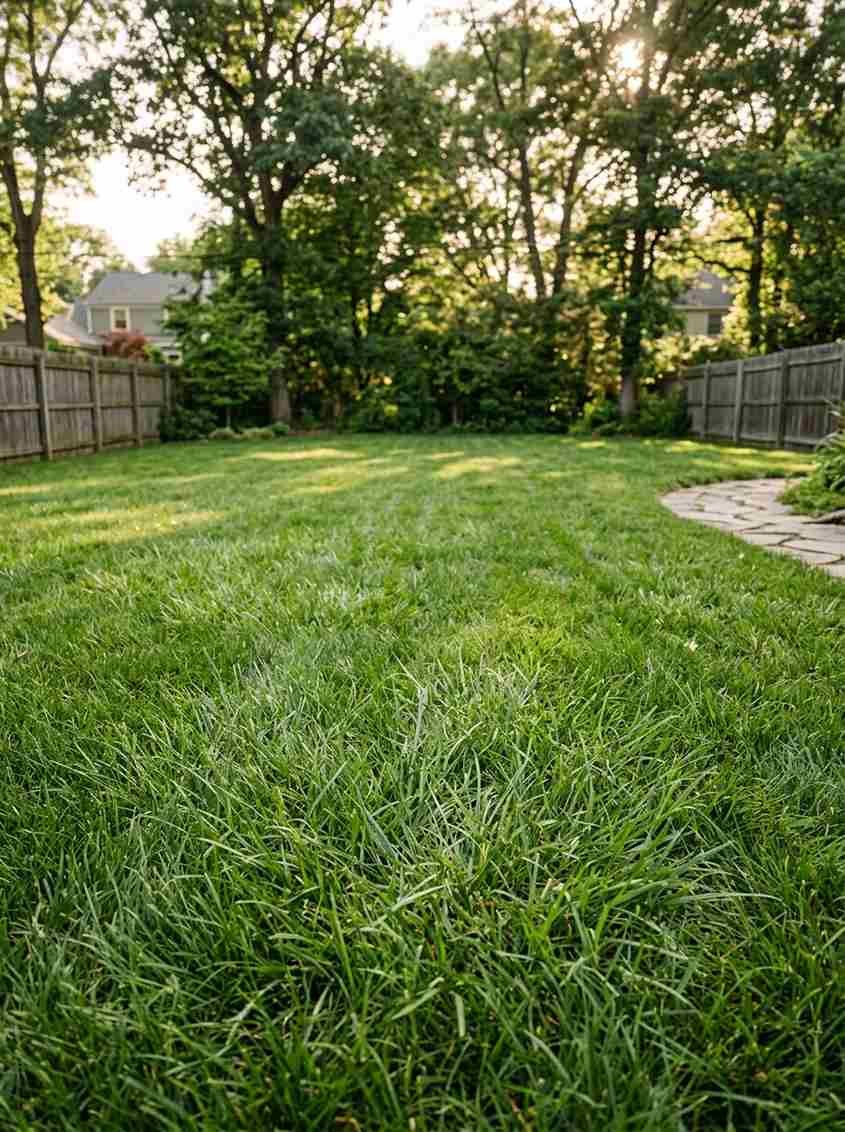
Rotational grass zones. Some owners section off two grass areas and alternate which one the dog uses weekly, letting the other recover. It’s more work, sure, but it keeps your whole lawn green year-round.
Landscaping Touches That Make It Feel Less Like a “Potty Area”
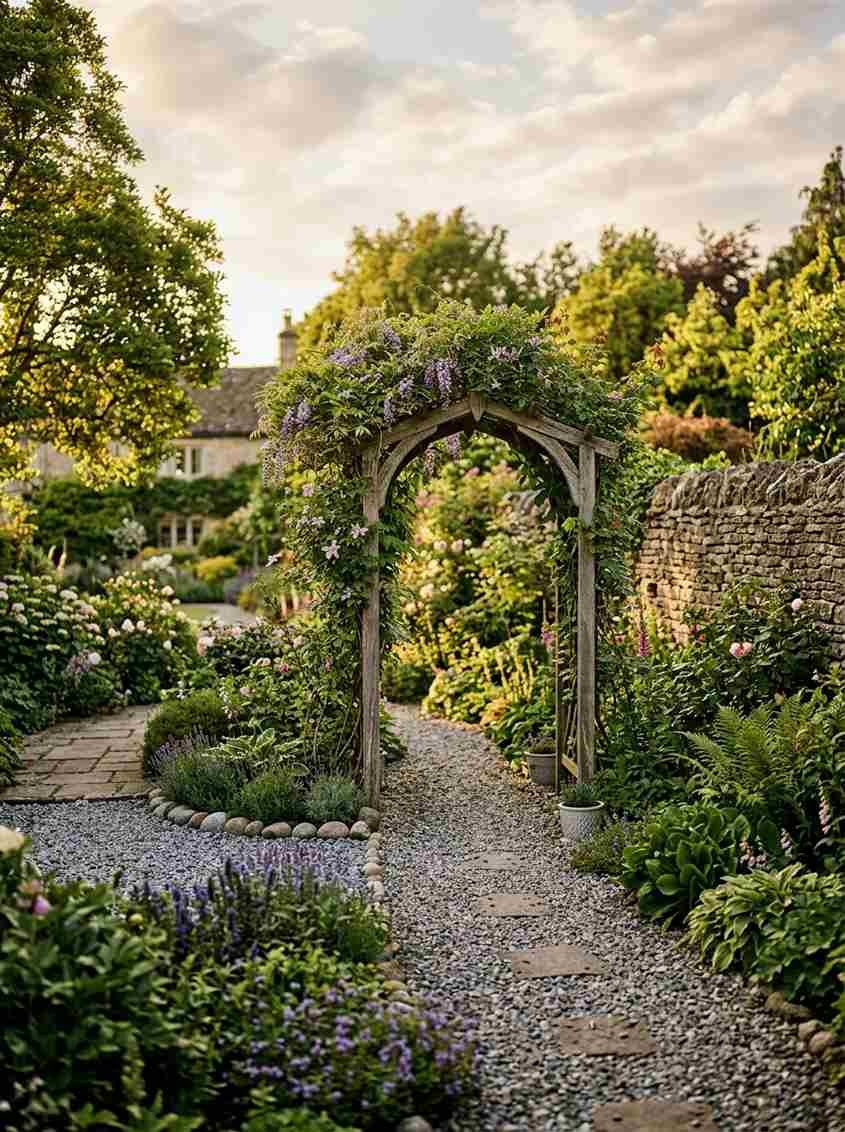
Add a small trellis or arbor nearby. It draws the eye upward and away from the ground level, which is honestly just clever visual misdirection.
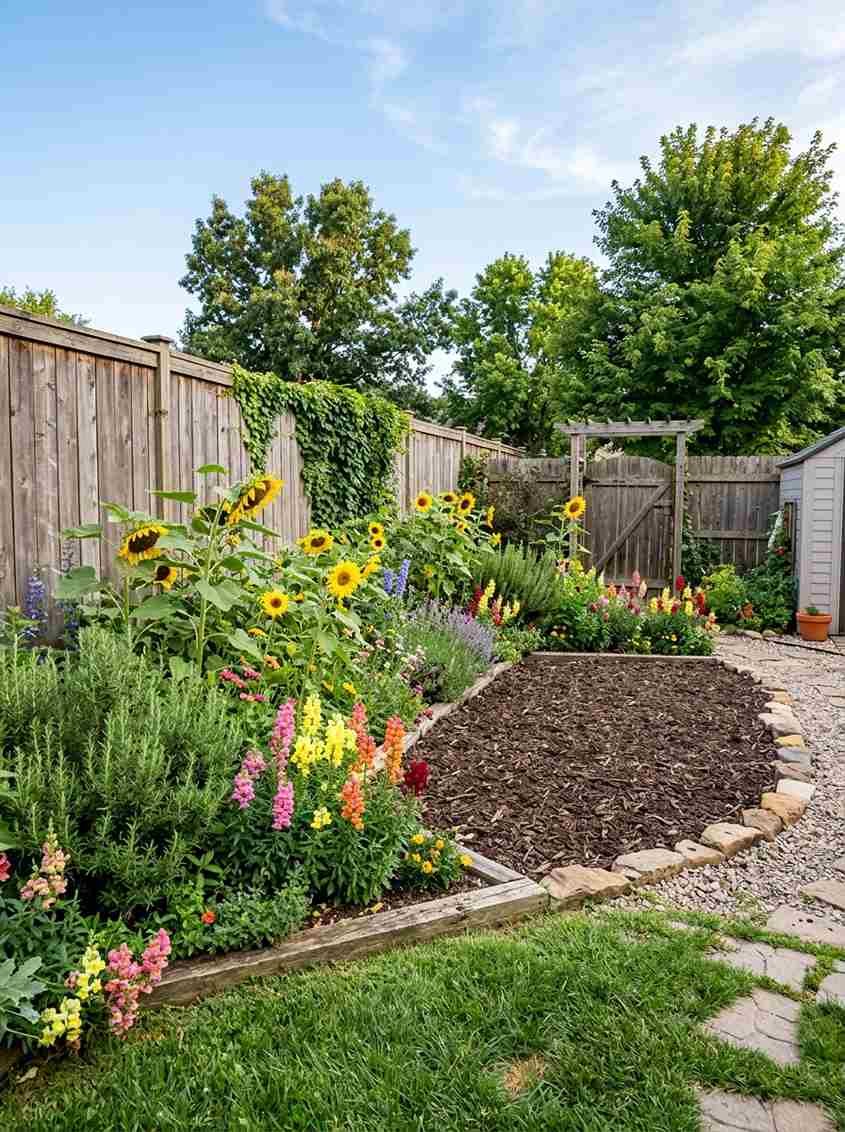
Plant dog-safe shrubs around the perimeter. Rosemary, sunflowers, and snapdragons are all considered non-toxic options according to the ASPCA’s plant list, and they add color without adding risk.
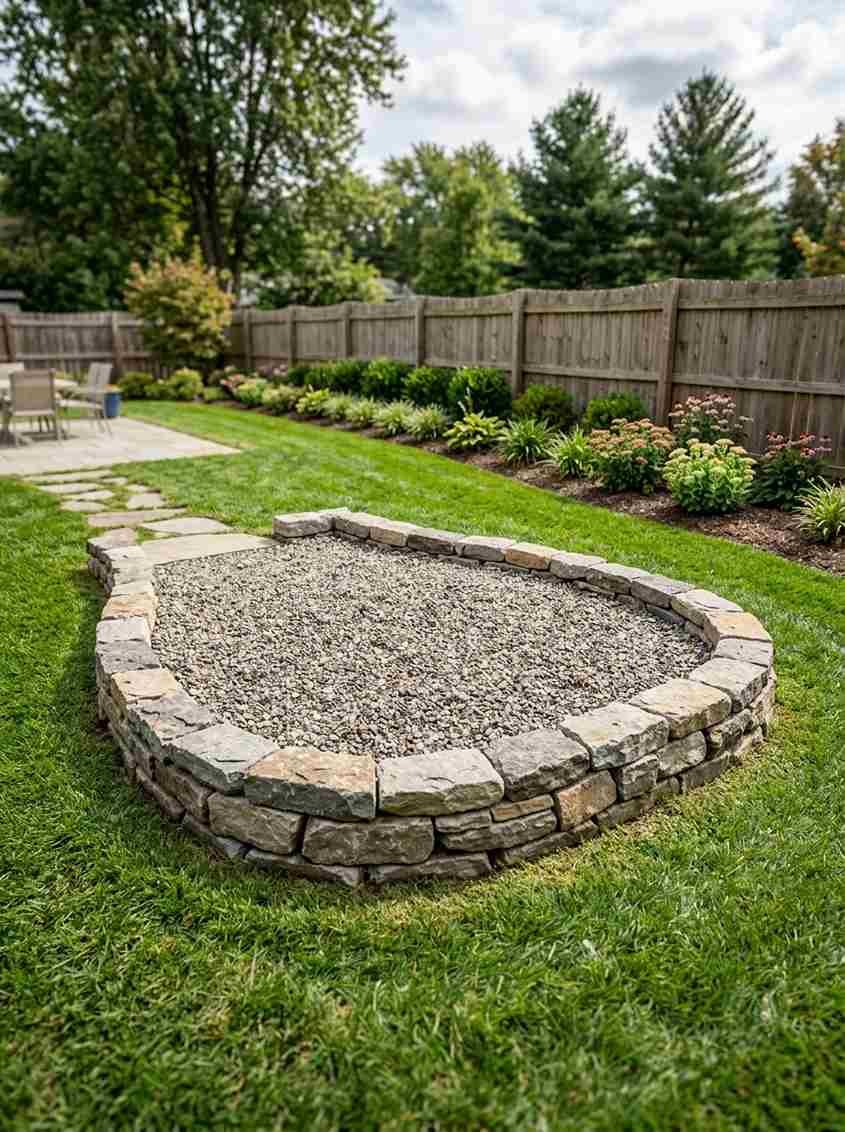
Use decorative rock borders. A simple stacked stone edge instantly makes a gravel patch look intentional instead of like an afterthought.
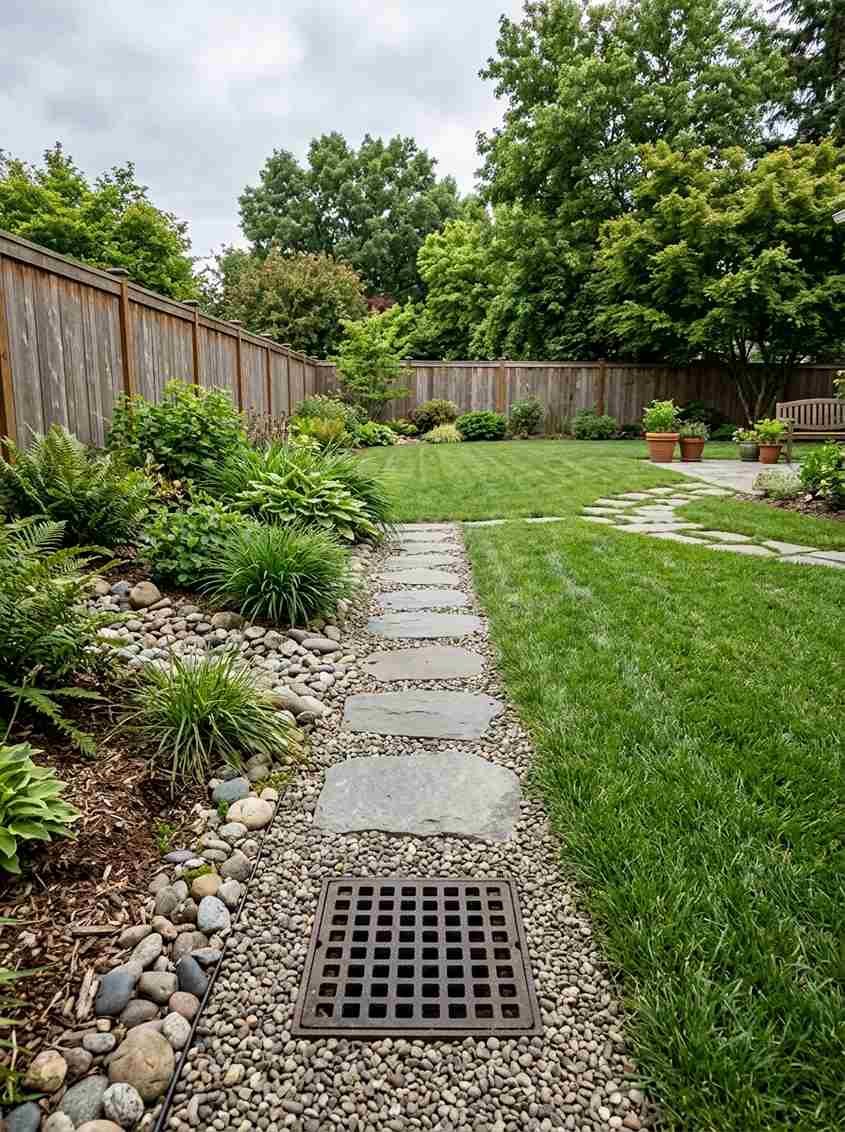
Install a small drainage grate. If your yard tends to pool water, a discreet grate keeps the potty area from turning into a smelly puddle after every rainstorm.
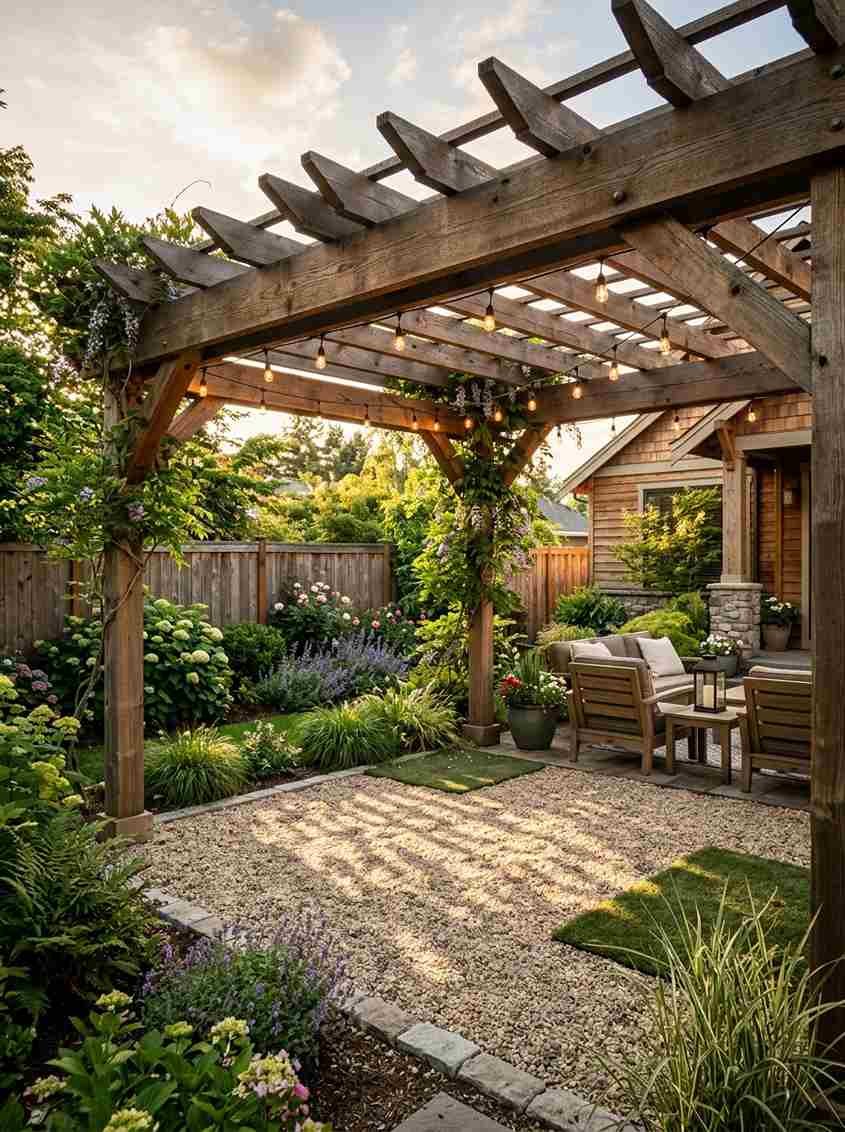
Add a shaded pergola over the zone. Dogs, like people, don’t love doing their business in direct blazing sun. A little shade goes a long way, especially in hotter states.
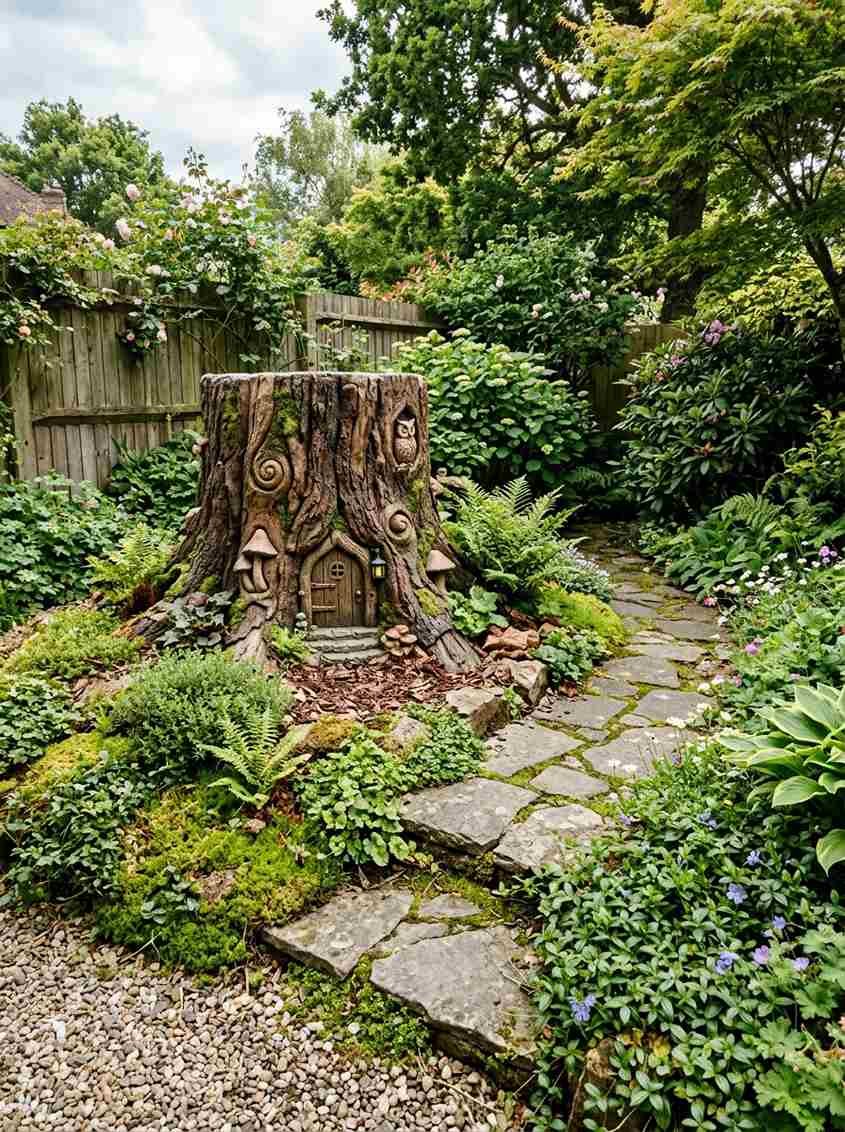
Vertical potty posts disguised as garden art. A fake tree stump or a decorative post can double as a marking spot and a yard decoration. Kind of genius, honestly.
Maintenance Add-Ons That Save Your Sanity
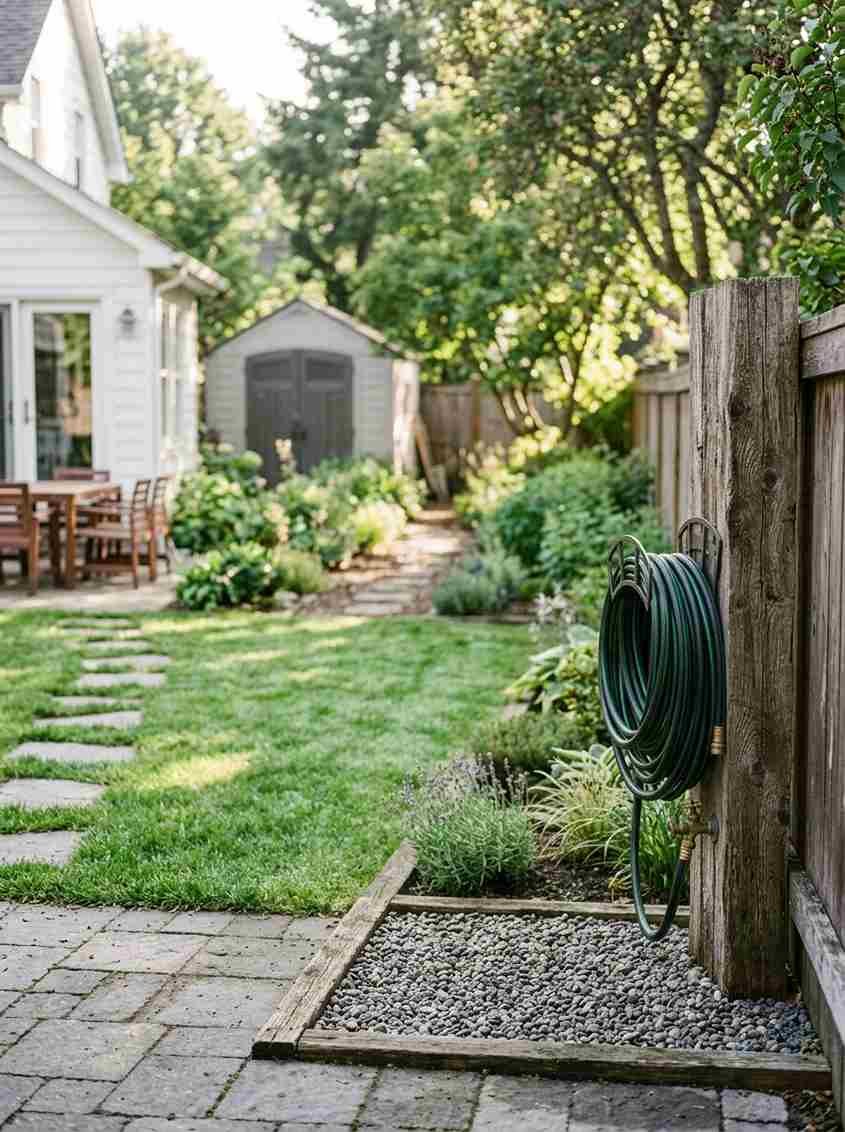
Built-in hose hookups near the zone. Trust me on this one. Being able to rinse the area without dragging a hose across your whole yard is a small change that makes a huge difference.
Enzyme-treated gravel or turf infill. These products break down odor-causing bacteria over time. It’s not a magic fix, but it does help, especially in warmer months when smell tends to spike.
Quick Comparison Table
Surface Type | Drainage | Odor Control | Best For Pea Gravel | Excellent | Good | Most climates, easy DIY Artificial Turf | Good (with base) | Fair | Small yards, low mess tolerance Mulch (cedar) | Good | Very Good | Larger dogs, natural look Sand | Fair | Fair | Small breeds, soft paw needs
Wait, random thought here: has anyone else noticed dogs somehow always pick the one spot in the yard you just planted new flowers in? Milo has done this to me three separate times. There’s got to be a scientific explanation, though I’ve honestly given up trying to figure it out.
Anyway, back to the good stuff.
If you’re designing this for a rental property or a yard you don’t own outright, temporary options like raised boxes or turf mats are your best bet.
You can pack them up when you move, and your landlord won’t have anything to complain about.
I learned this one the hard way after installing a permanent gravel patch in a place I only lived in for a year.
FAQs
Do I need to train my dog to use the potty area, or will they figure it out on their own?
Most dogs need some guidance at first. Leading them there on a leash for the first week or two, and rewarding them immediately after they go, tends to speed things up.
Some pick it up in days, others take a few weeks. It really depends on the dog.
What’s the cheapest option if I’m on a tight budget?
Mulch and sand are typically the most budget-friendly choices, especially if you’re covering a small area.
Gravel comes in a close second and tends to last longer, so it can actually save money over time even though the upfront cost is a bit higher.
How often should I clean or refresh the potty area?
Daily scooping is a must regardless of surface type. For gravel or mulch, a deeper clean or partial refresh every few months keeps odor under control, especially through summer.
So which one of these are you pinning first? I’d genuinely love to know if you go with the classic gravel setup or get a little more adventurous with something like the vertical post idea.
Drop a comment or save this for your next weekend project. Your yard (and your nose) will thank you.
