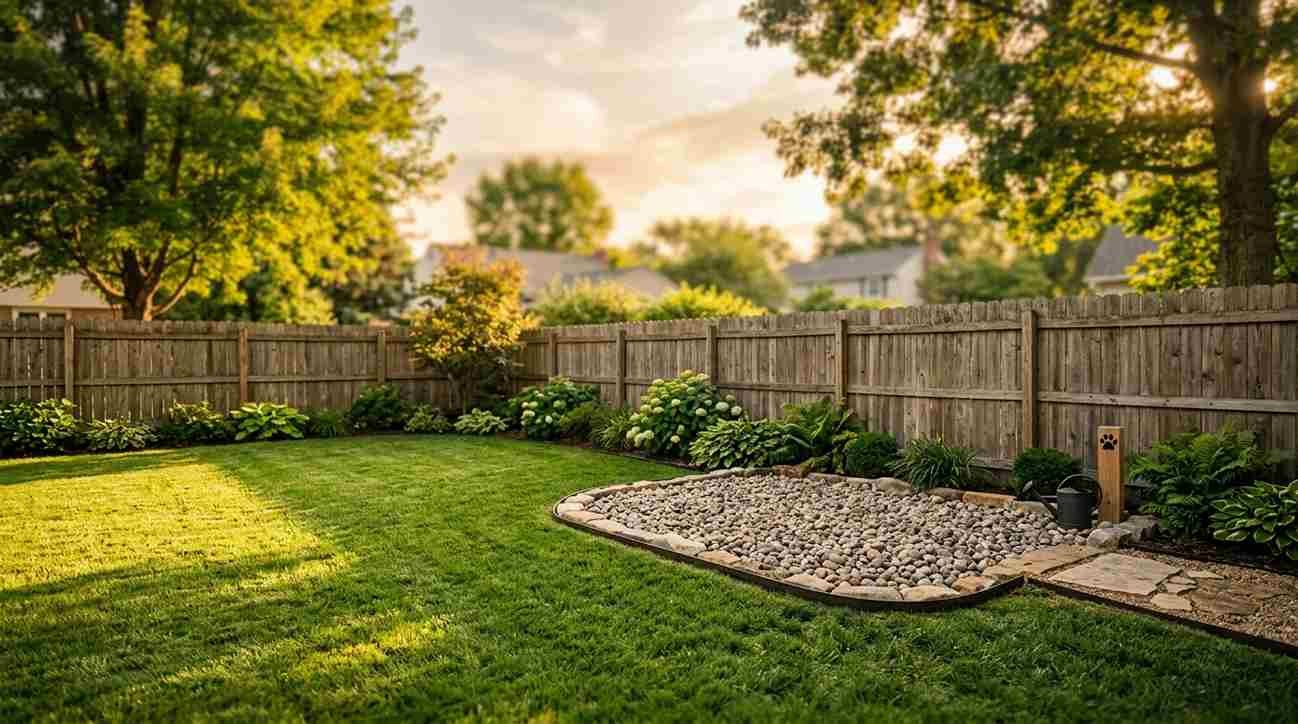
My dog used to treat the whole backyard like his personal bathroom.
Every corner, every flower bed, right in the middle of the lawn my husband spent a whole spring reseeding.
Then we built him one small, dedicated spot, and the rest of the yard finally got to stay a yard.
That’s the whole idea behind a dog potty area. One designated zone, a few smart material choices, and suddenly you’re not doing the “avoid the landmines” dance every time you walk outside barefoot.
I’ve pulled together 20 ideas that actually hold up in real backyards, not just in a photo. Some cost almost nothing.
Some are weekend projects. A couple are the kind of thing you save for and do once, properly. Pin the ones that fit your space and skip the rest.
Why a dedicated spot actually works
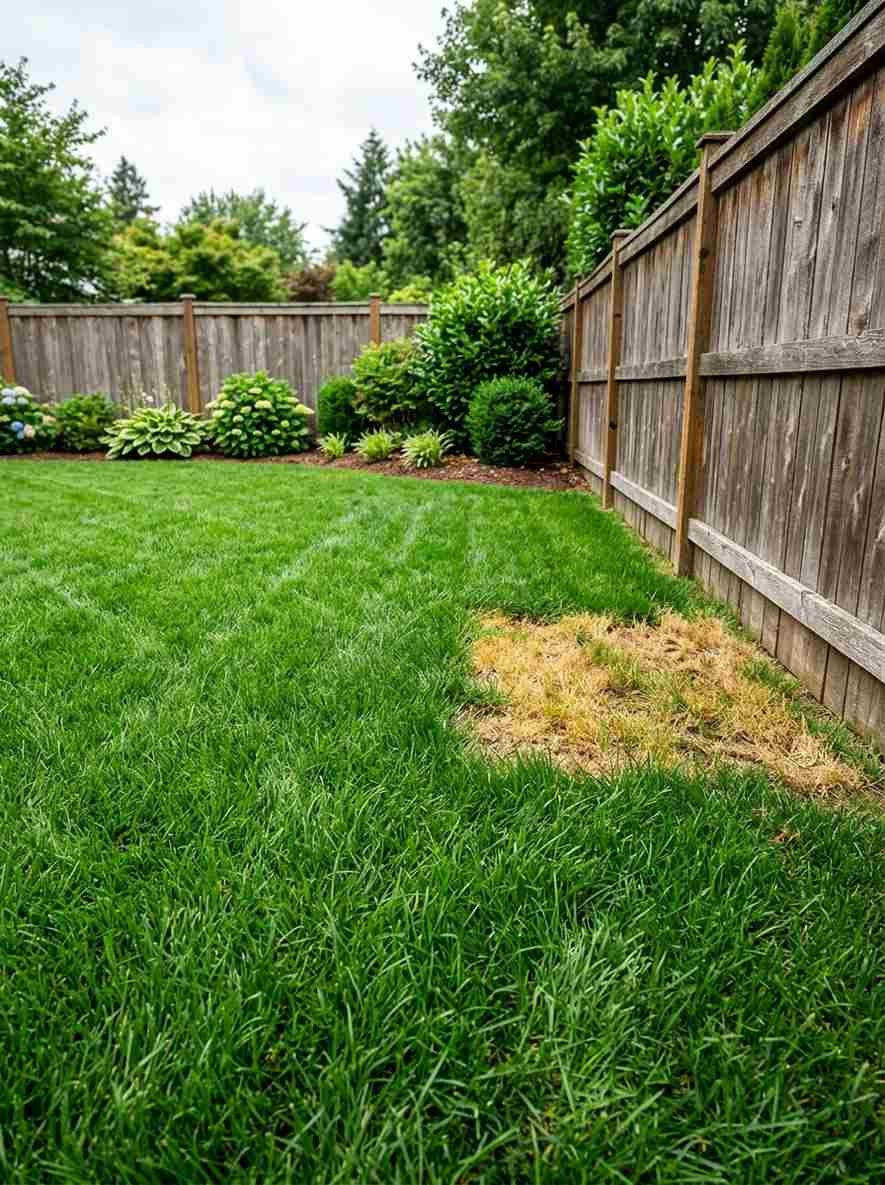
Dogs are creatures of habit. Once they learn a spot smells like “their” spot, they’ll head straight for it, especially if you’re consistent about walking them there on a leash at first.
The American Kennel Club’s guide to potty training recommends visiting the same spot every time during training, since the lingering scent tells the dog exactly what to do when they get there.
That’s not just a puppy trick. Adult dogs, rescues, even stubborn senior dogs respond to the same routine.
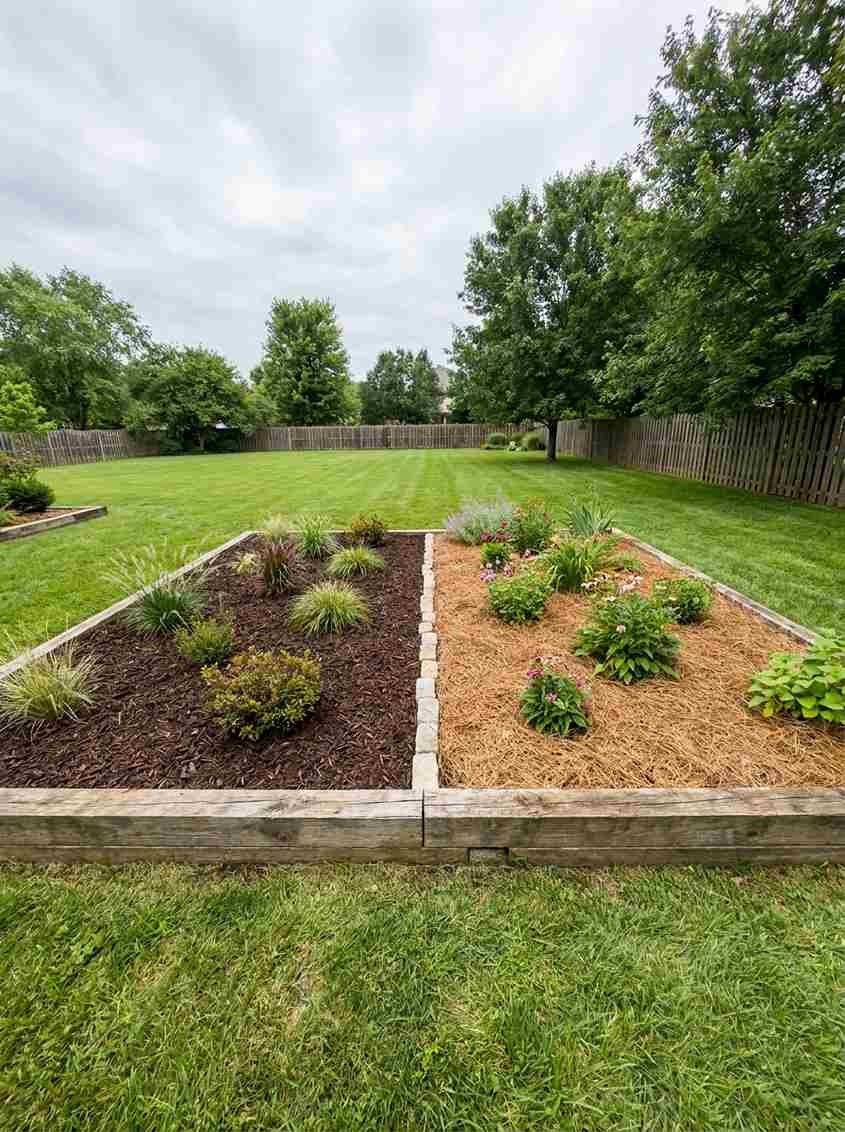
A potty area also protects the rest of your yard. Dog urine has a lot of nitrogen in it, and concentrated nitrogen burns grass.
You’ve probably seen those yellow rings or patches scattered across a lawn. Contain the damage to one zone instead of the whole yard.
Picking a surface: the short version
Before the idea list, here’s the part people skip and then regret.
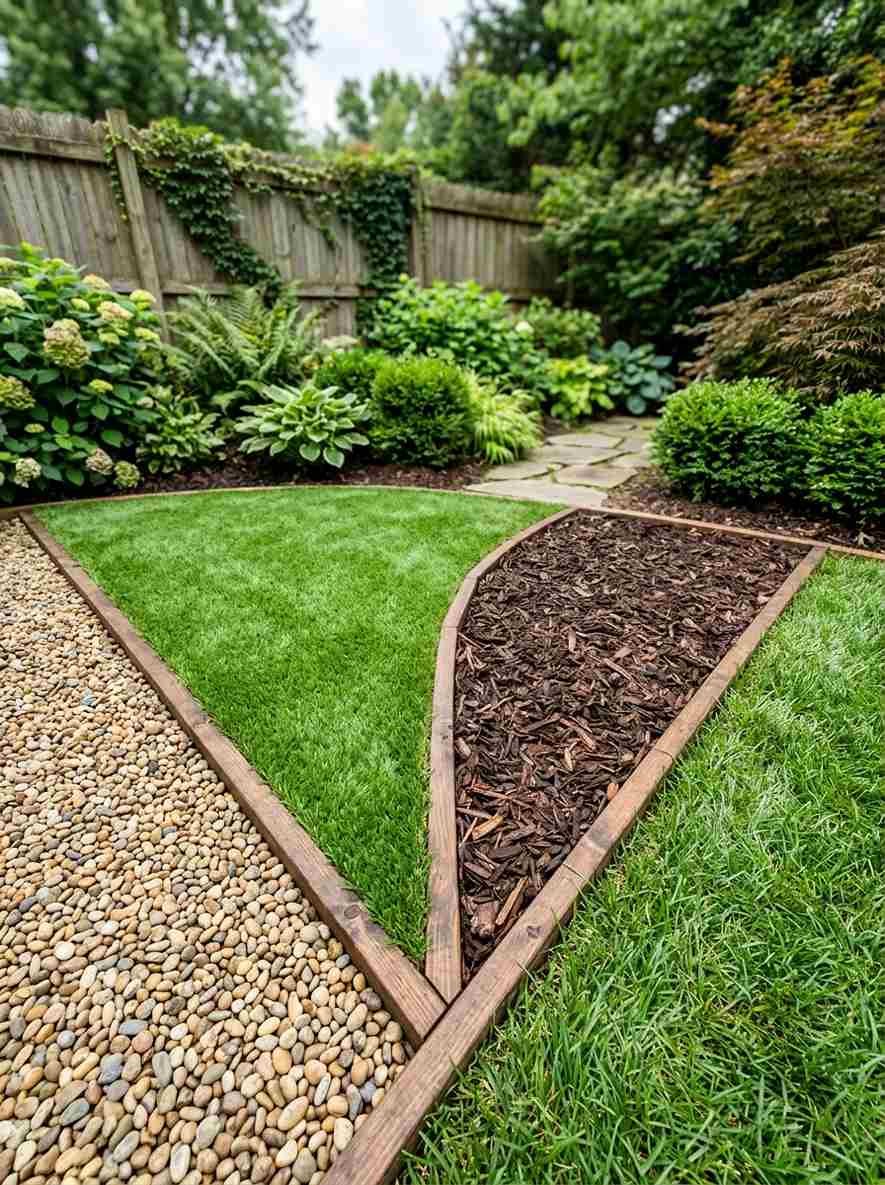
The ground material matters more than the shape or size of the area.
I learned this the hard way with wood mulch, which looked lovely for about three weeks and then started smelling like a locker room every time it rained.
| Material | Best for | Watch out for |
|---|---|---|
| Pea gravel | Most yards, good drainage | Needs topping up yearly, some dogs try to eat it |
| Artificial turf | Small spaces, tidy look | Gets hot in direct sun, needs rinsing regularly |
| Mulch (pine, not cocoa) | Budget builds, soft on paws | Holds odor after rain, cocoa mulch is toxic |
| Real grass | Big yards, natural feel | Yellows and dies with heavy, repeated use |
IMO pea gravel wins for most people. It drains fast, it’s cheap, and it doesn’t hold onto smells the way mulch does.
20 backyard potty area ideas
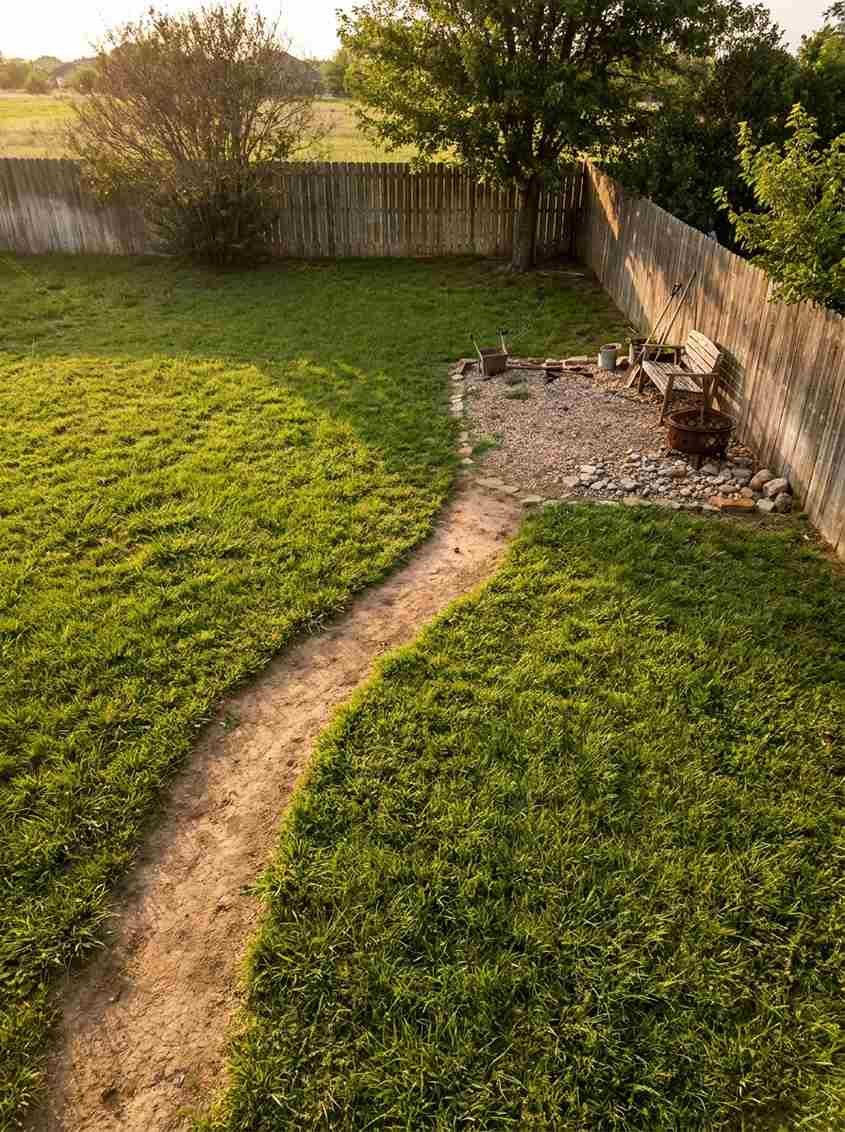
For small yards and tight budgets
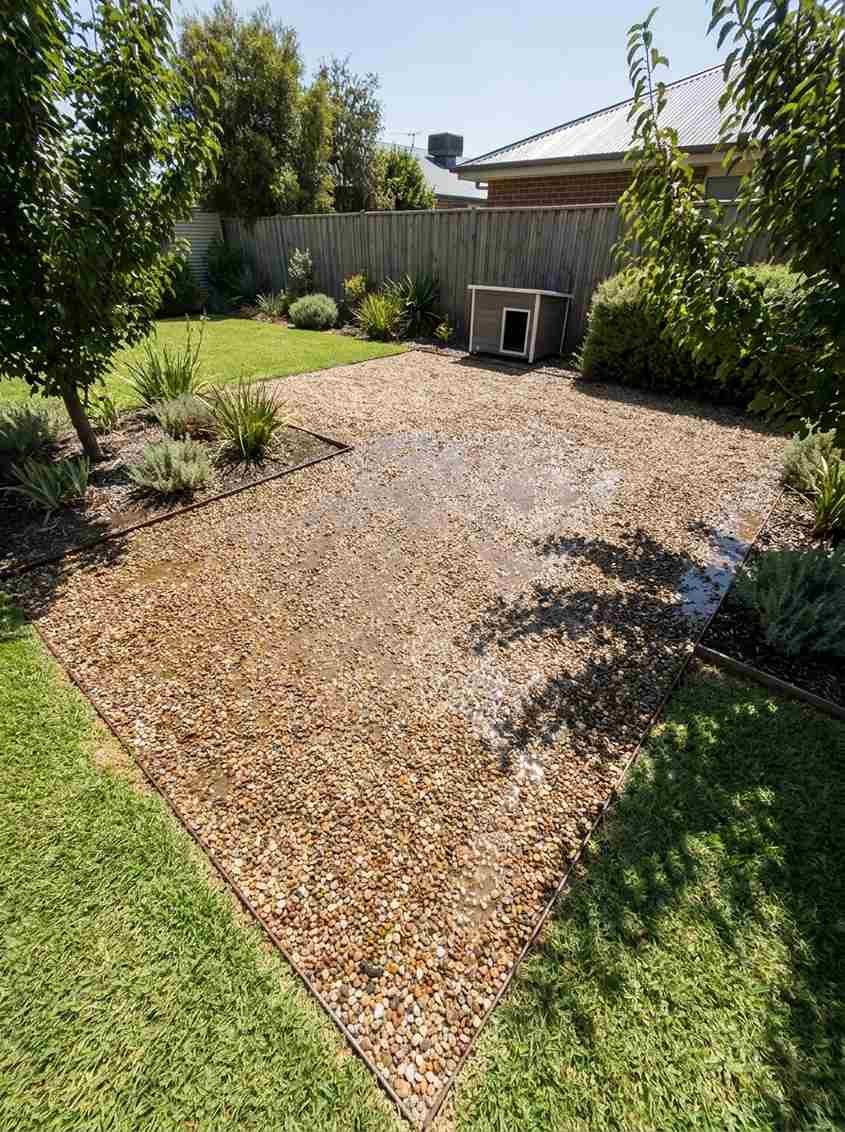
A single pea gravel square, about 4×4 feet, bordered with landscape edging. This is basically the starter version, and it’s the one we built first.
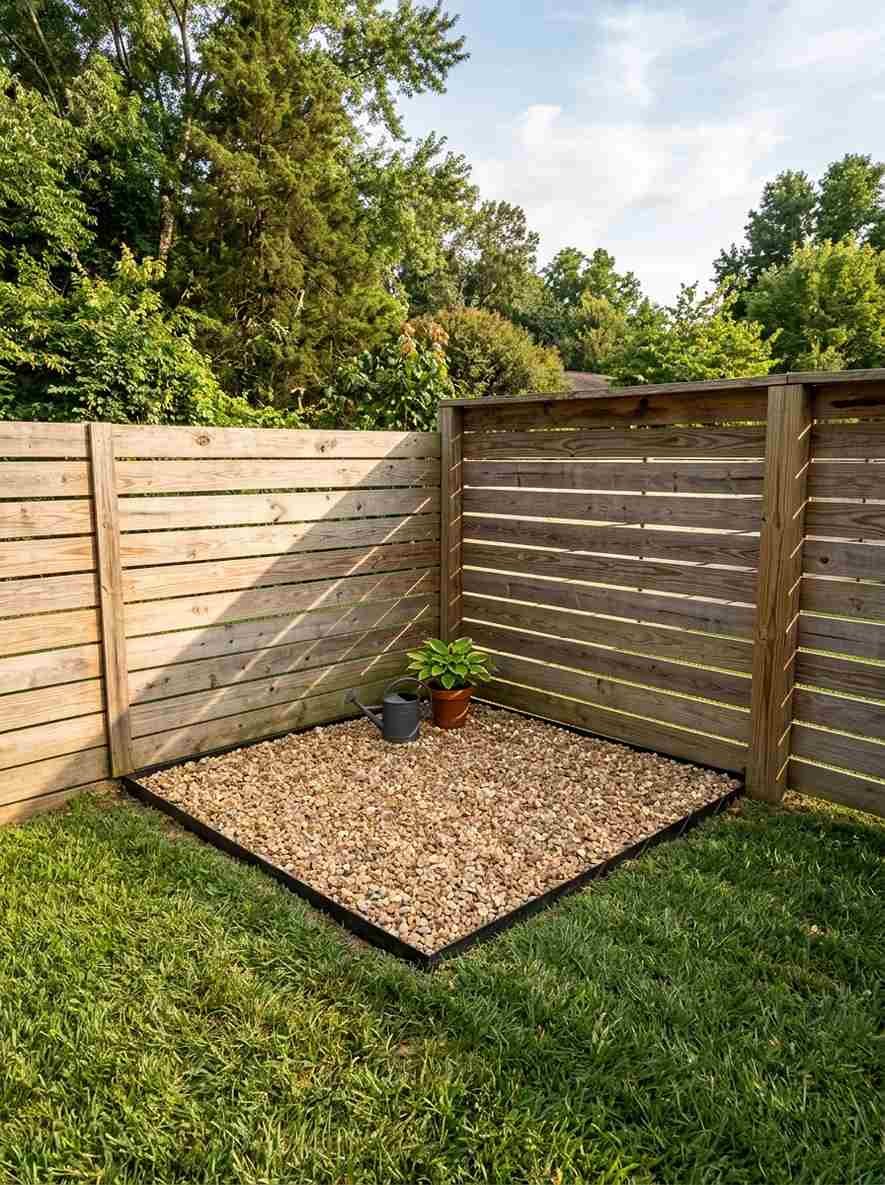
A repurposed kiddie pool filled with gravel or turf. Drill drainage holes in the bottom first. Cheap, contained, and you can move it if you rearrange the yard later.
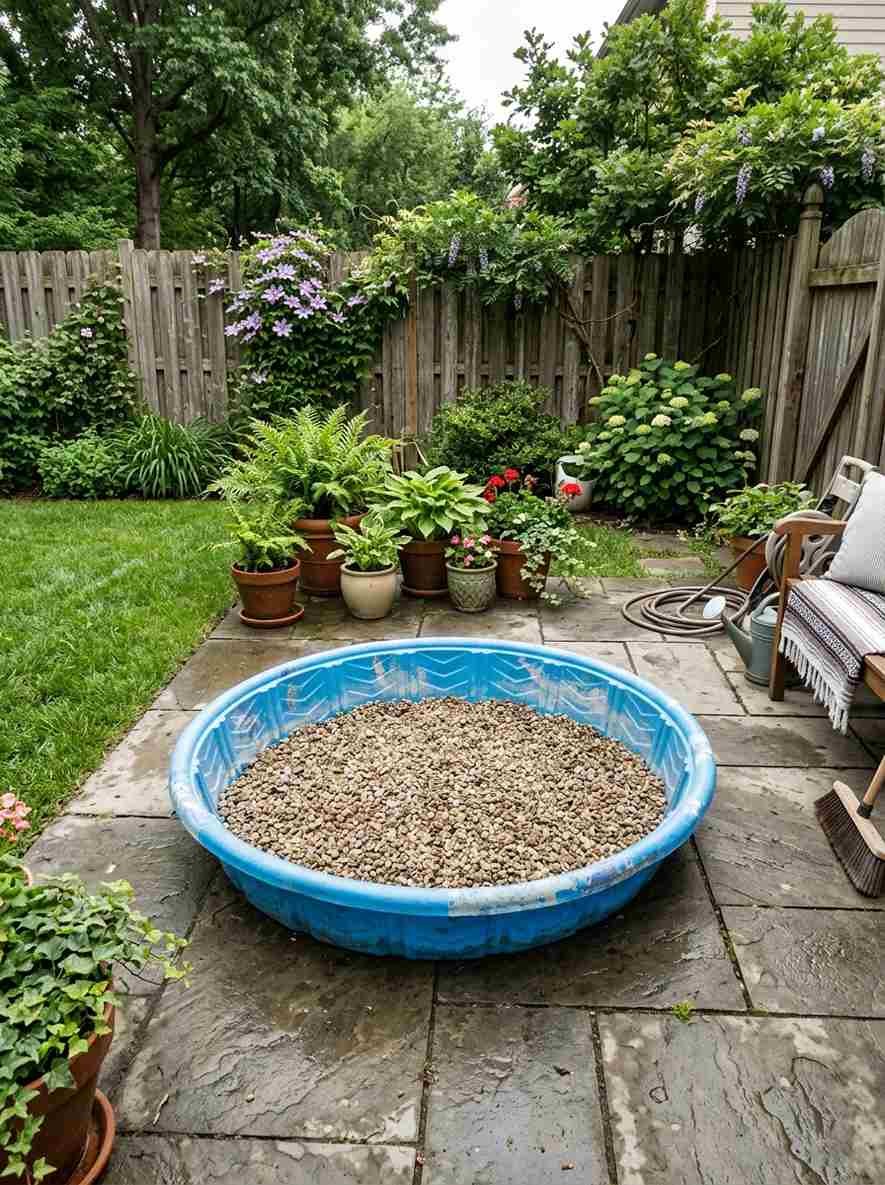
A gravel strip along the fence line. Skinny yards don’t have room for a square zone, so a long, narrow strip tucked against the fence works better.
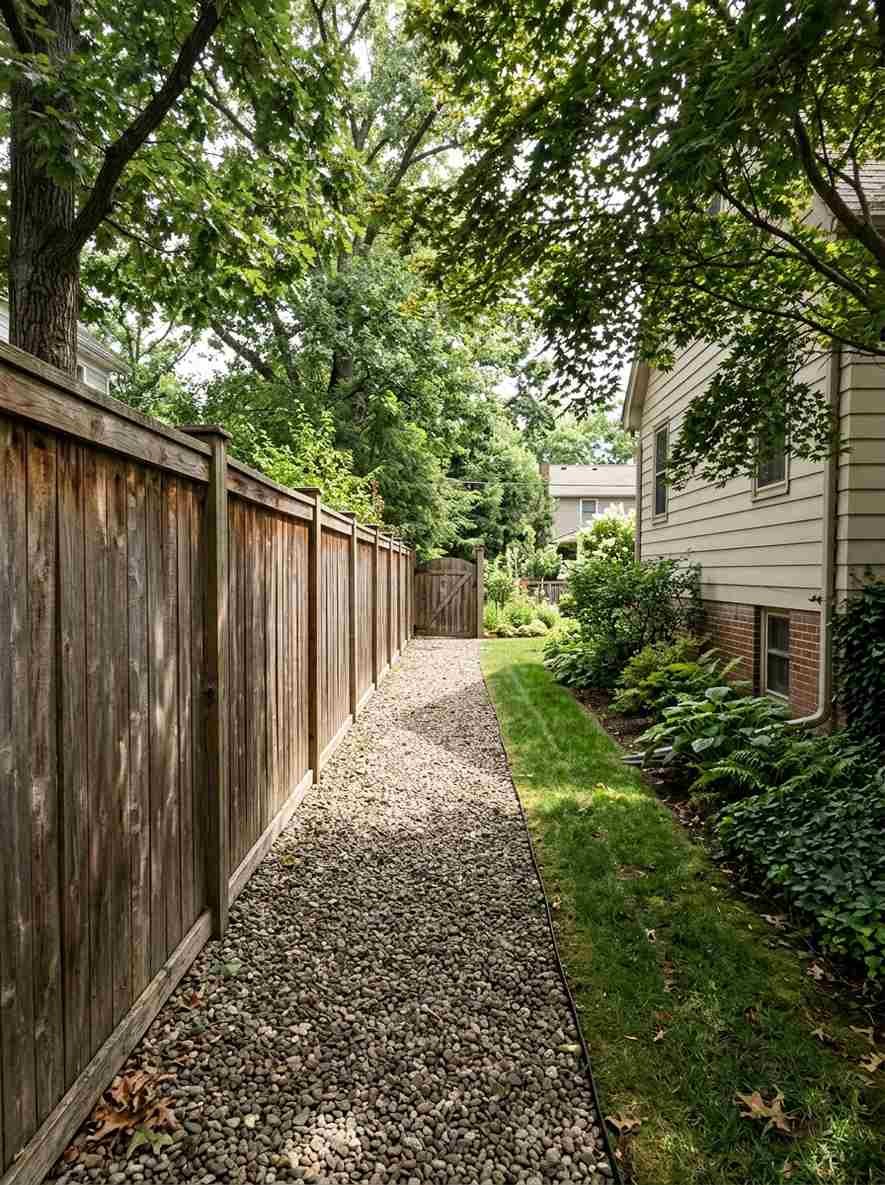
Mulch bed under an existing tree. If you’ve already got shade there, use it. Just skip cocoa mulch entirely (more on that below).
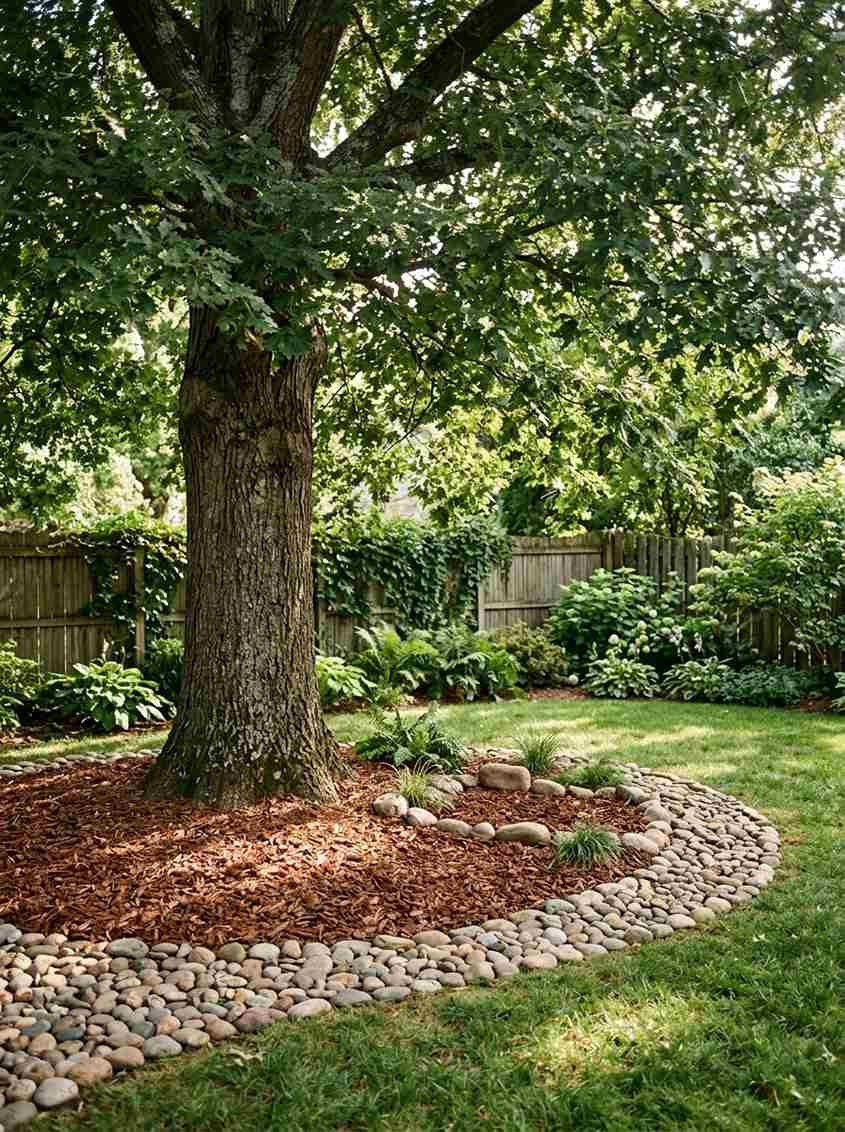
A patch of pea gravel next to the back door. Great for older dogs or ones with small bladders who need a fast exit at 2am. I’m not proud of how often this saved me during winter.
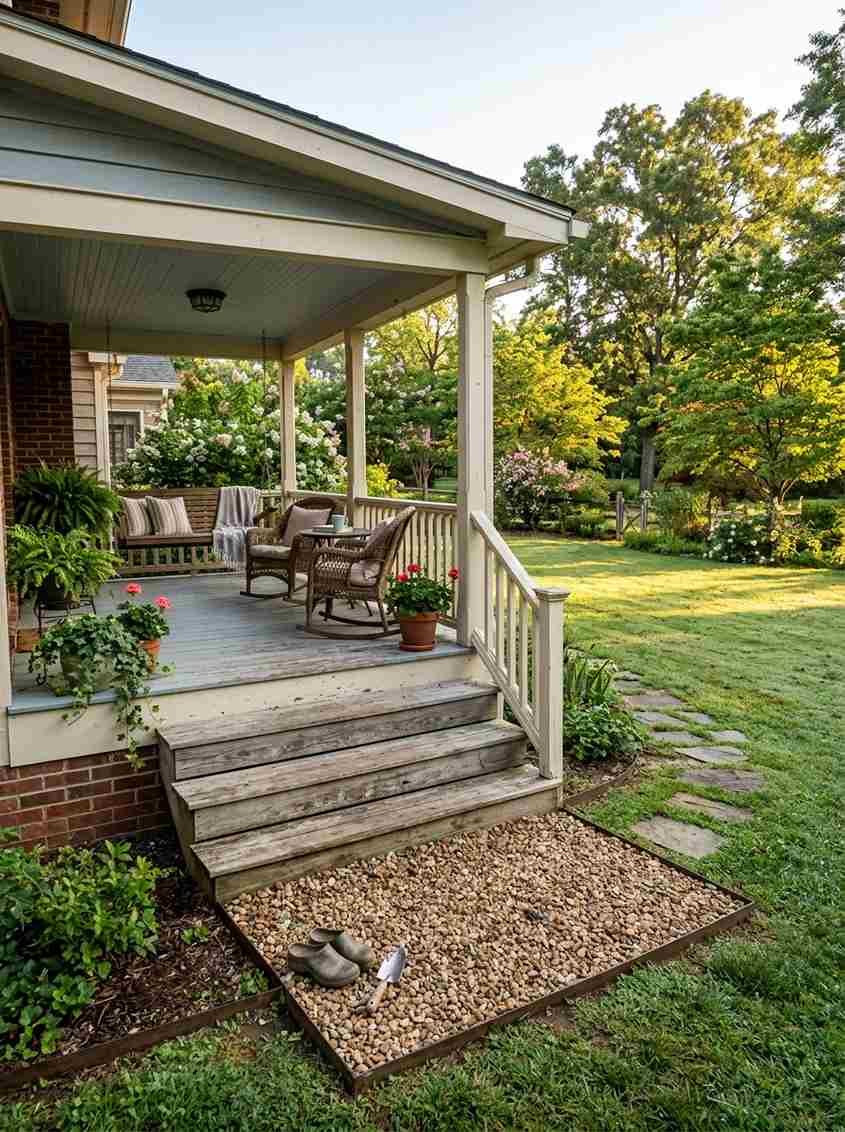
Ideas with real design appeal
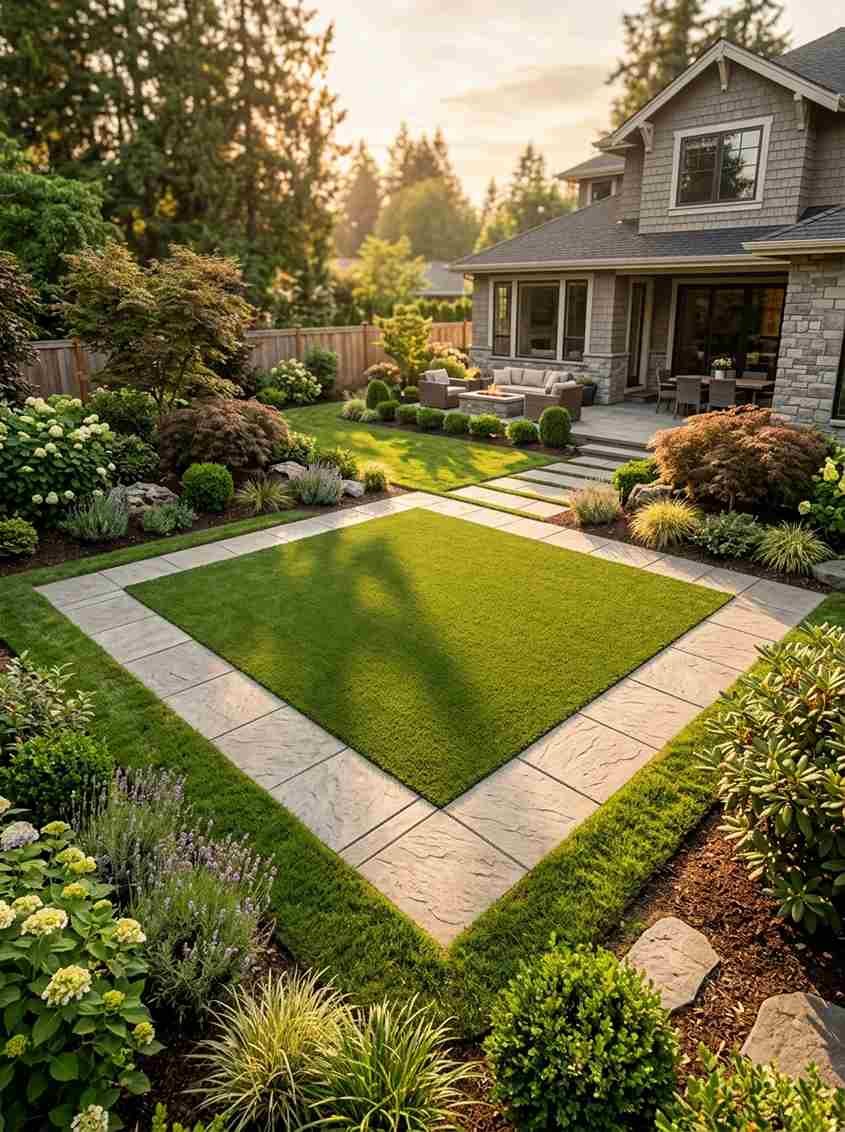
Artificial turf framed with pavers, laid out like a little rug. It photographs beautifully and stays green year-round, which matters if your yard doubles as an entertaining space.
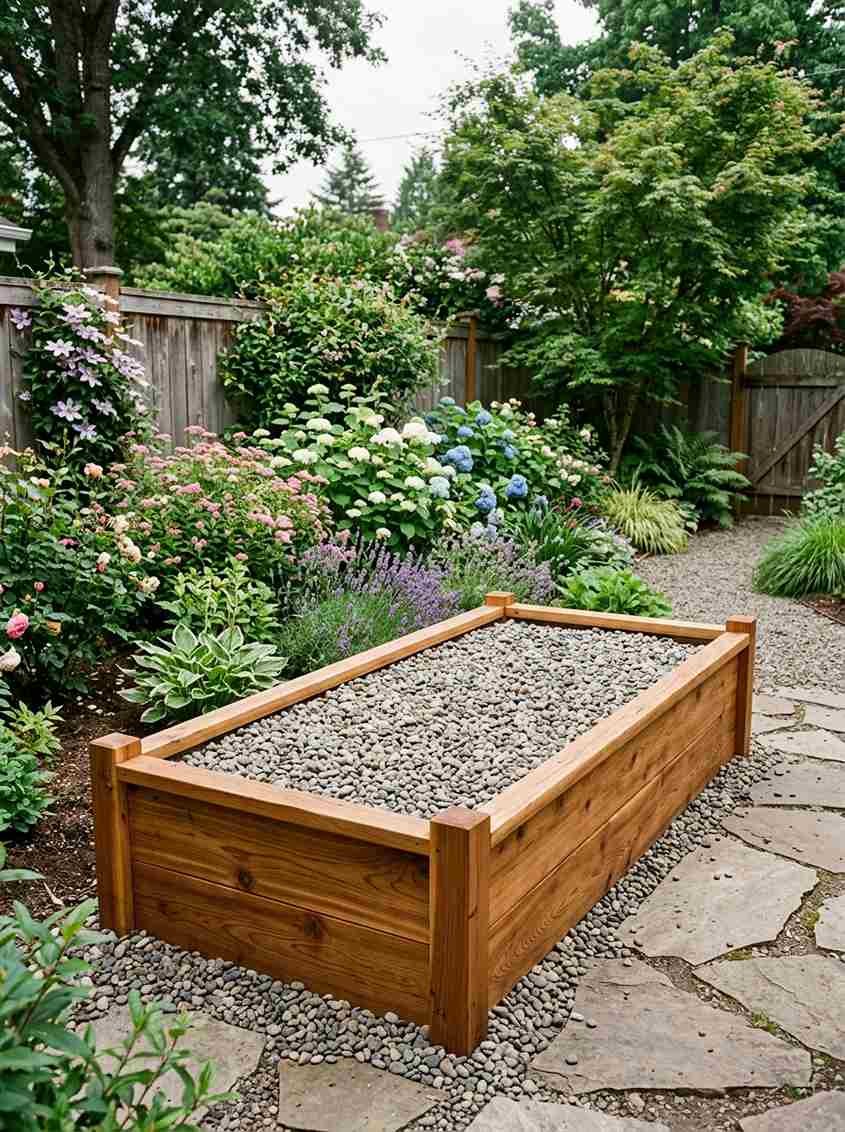
A raised wooden potty box with a gravel or turf base, similar to a raised garden bed. Keeps the area visually separated without a fence.
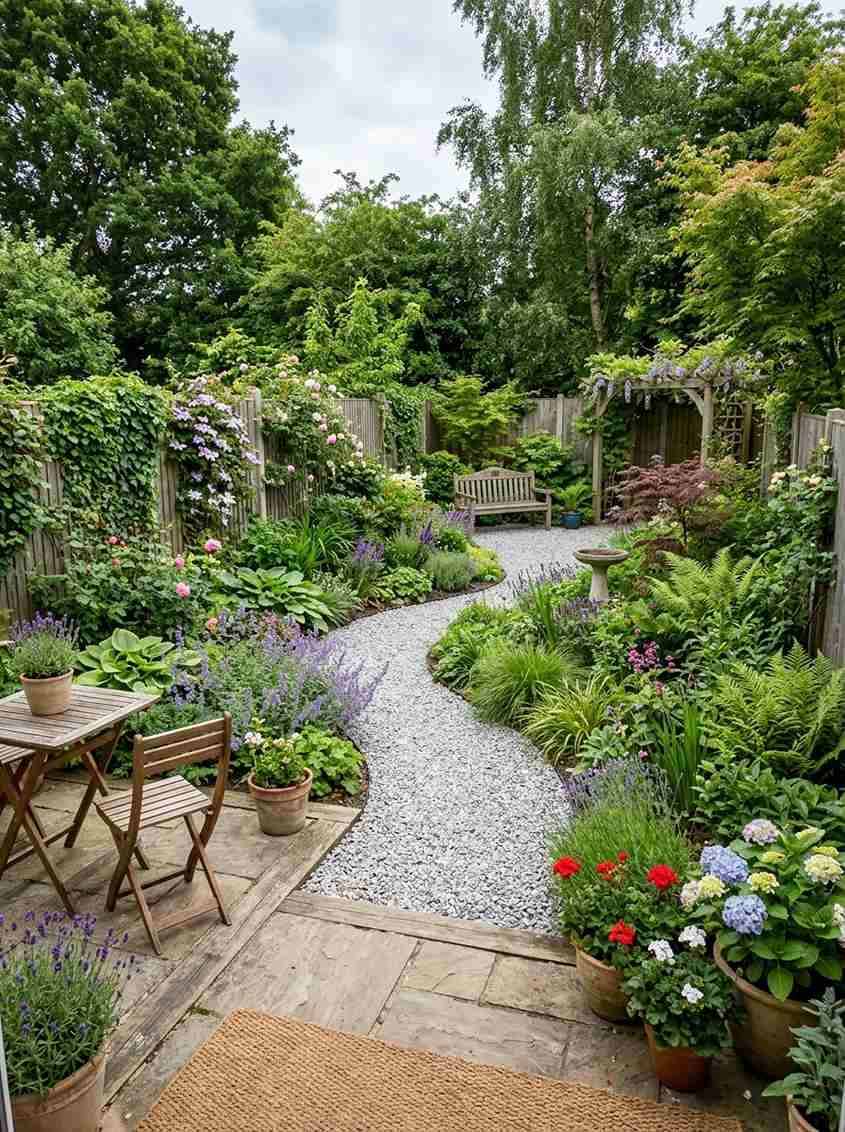
A gravel path that leads to the potty zone, so it reads as an intentional garden feature instead of an afterthought.
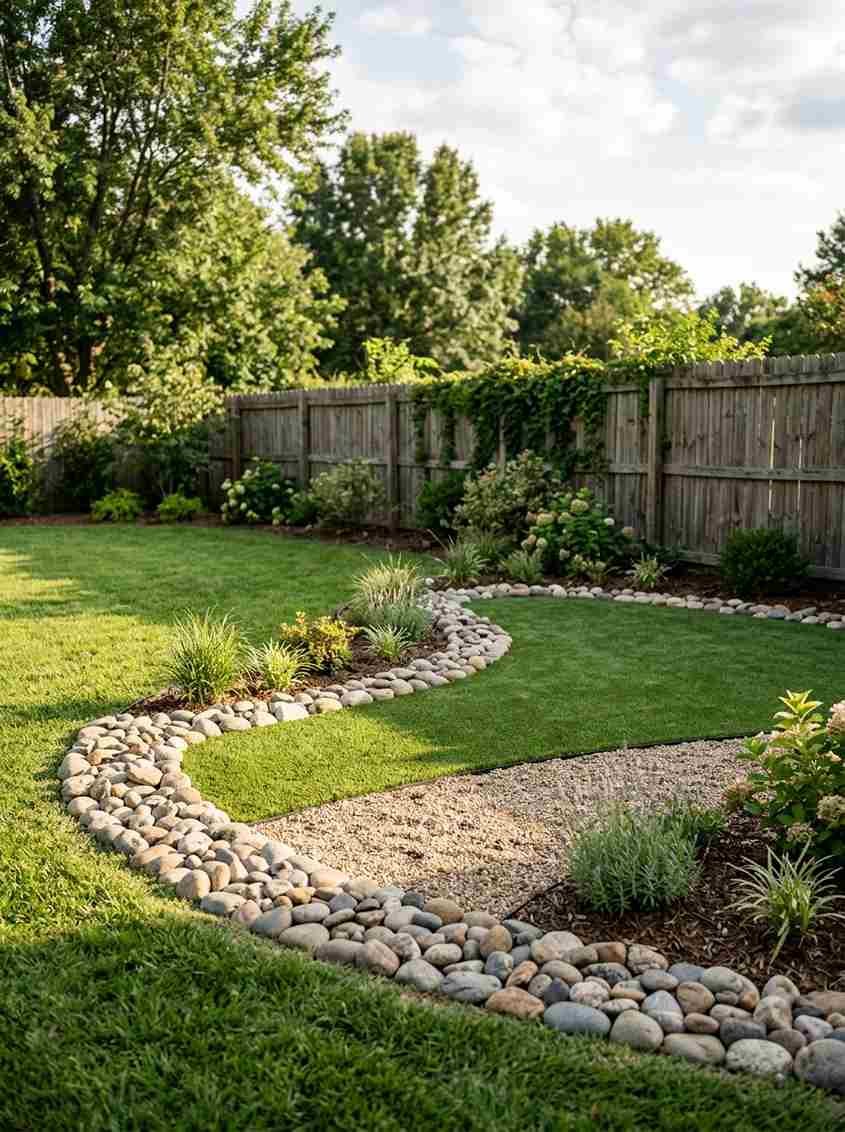
Decorative rock border using river stones around a turf or gravel center. This one takes the “boring dog toilet” out of the equation entirely.
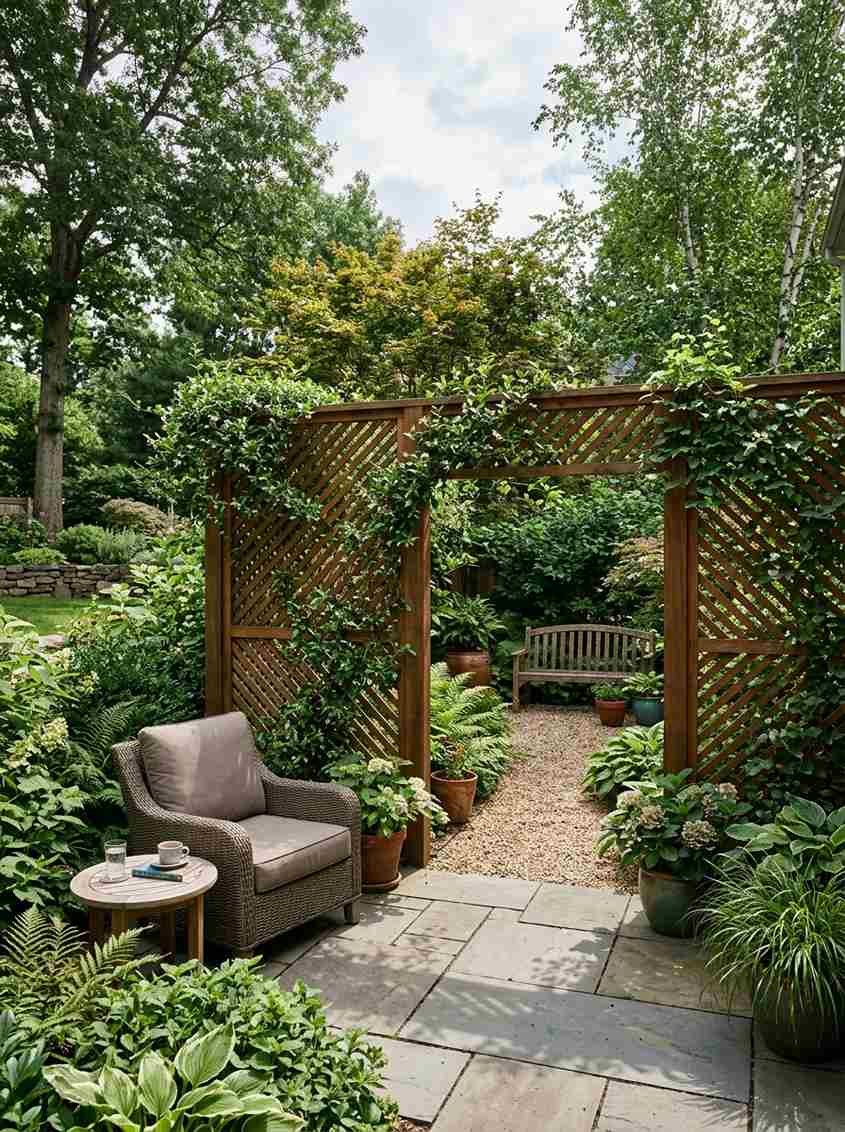
A potty area tucked behind a low hedge or lattice screen. Hides the zone from the patio view while keeping it easy for your dog to reach.
Multi-dog households
Two separate zones for two dogs who don’t love sharing. Some dogs are territorial about their spot, and honestly, who can blame them.
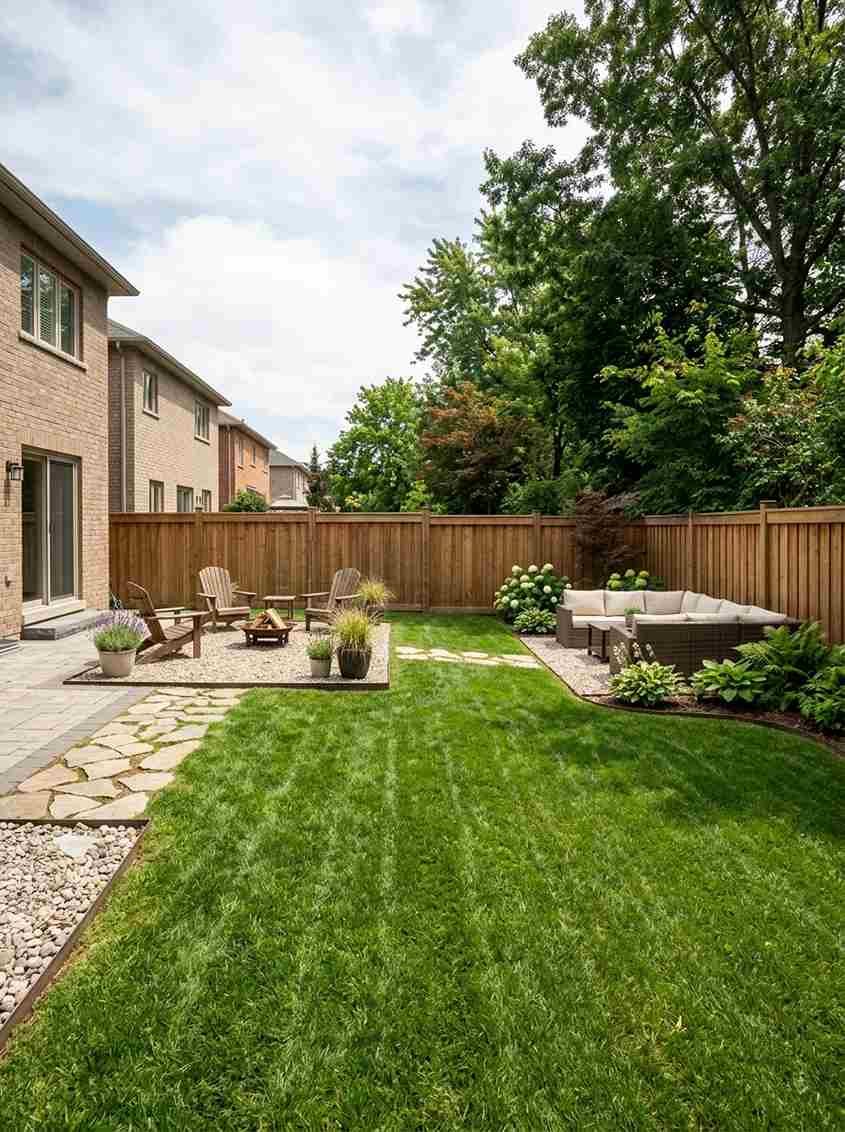
A wider gravel run, at least 6×10 feet, for households with more than two dogs or bigger breeds that need room to circle before settling.
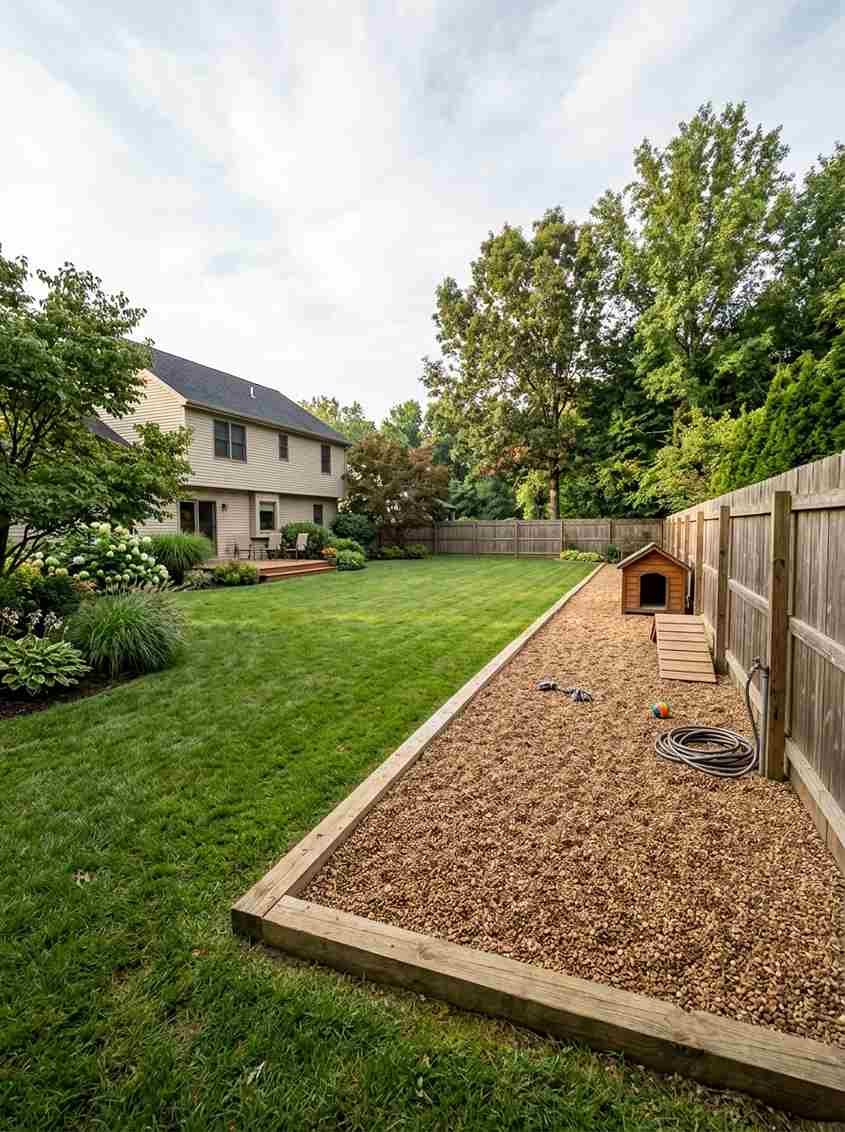
A shared turf pad with multiple entry points, so dogs aren’t forced to funnel through one narrow path and get territorial about it.
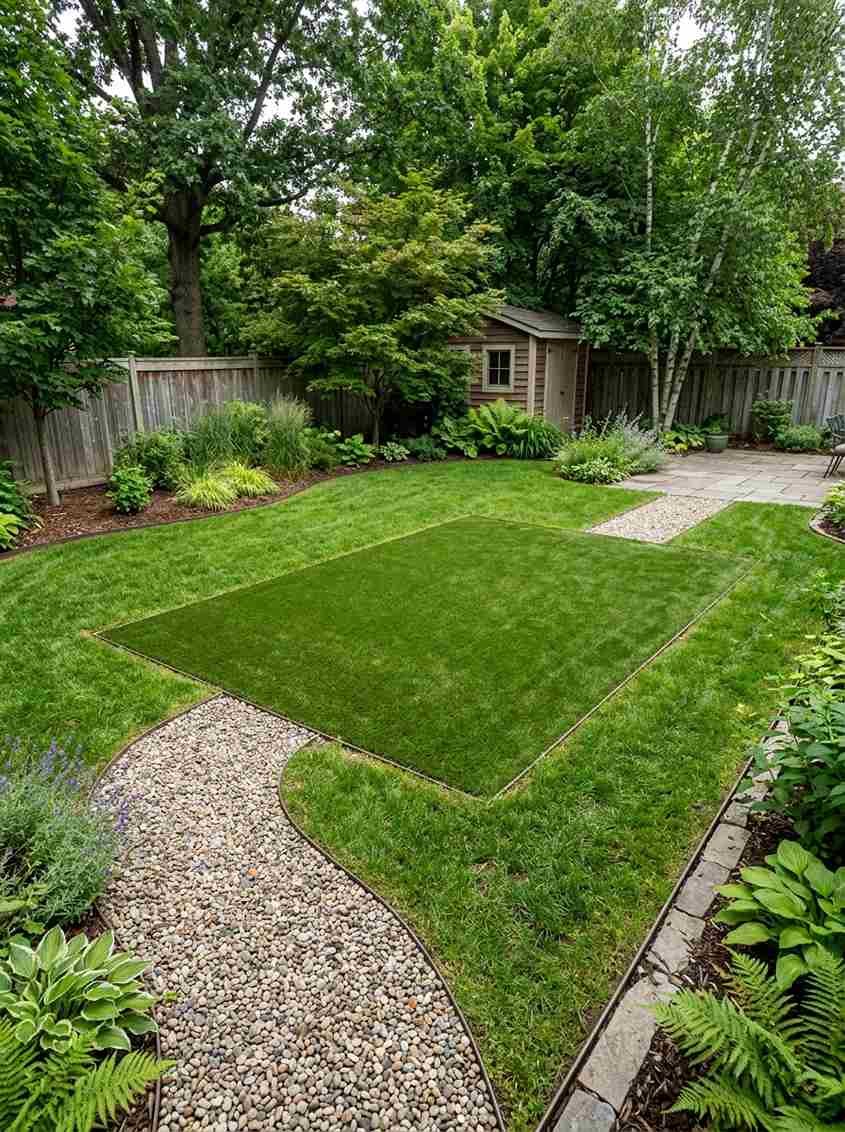
A fenced-off “dog only” corner of the yard that includes the potty zone plus a bit of play space, separated from the garden beds entirely.
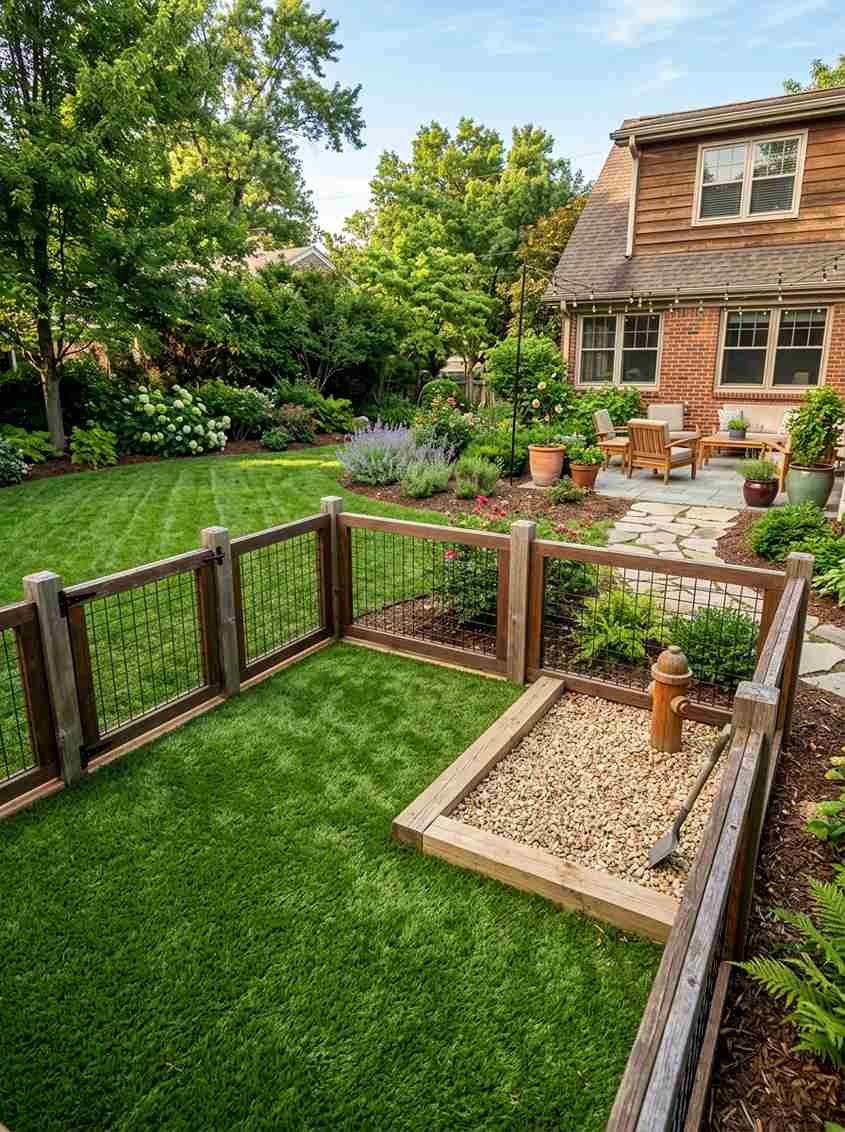
Weather-smart builds
A covered potty area with a simple roof panel, so your dog (and you, in your pajamas) doesn’t have to deal with rain every single time.
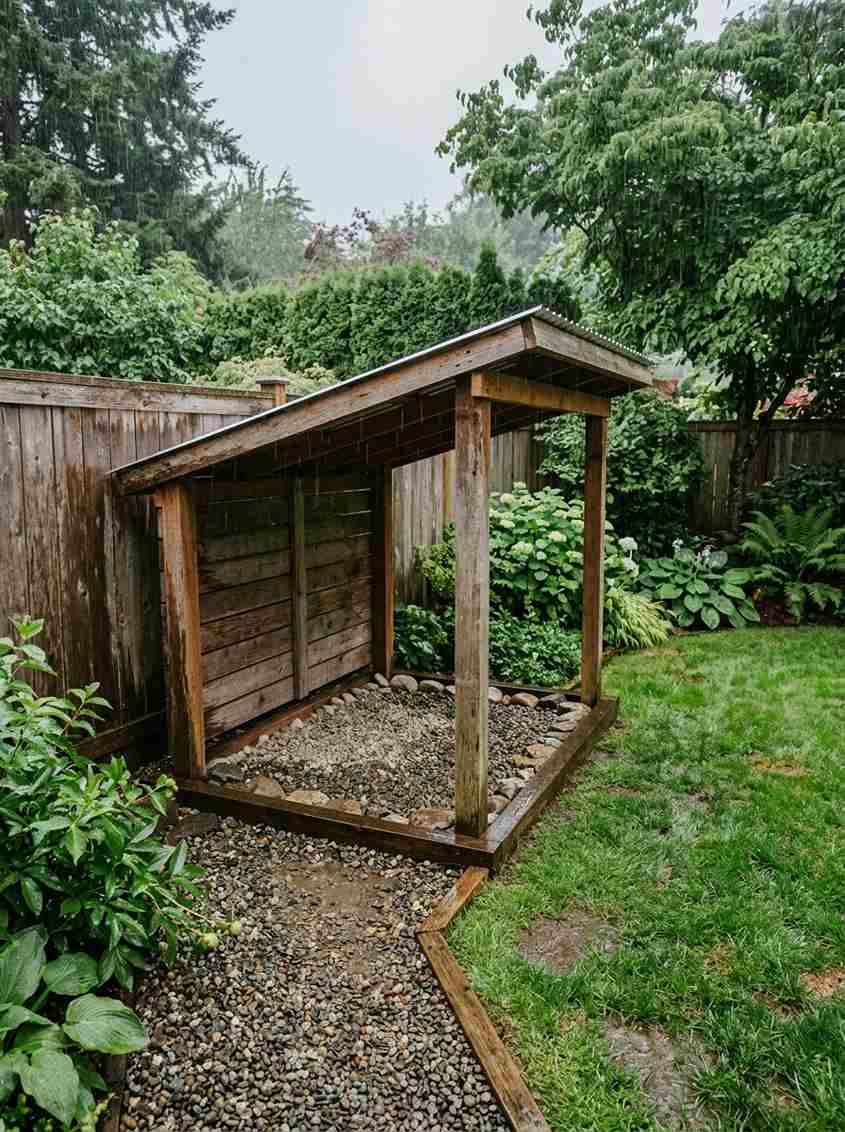
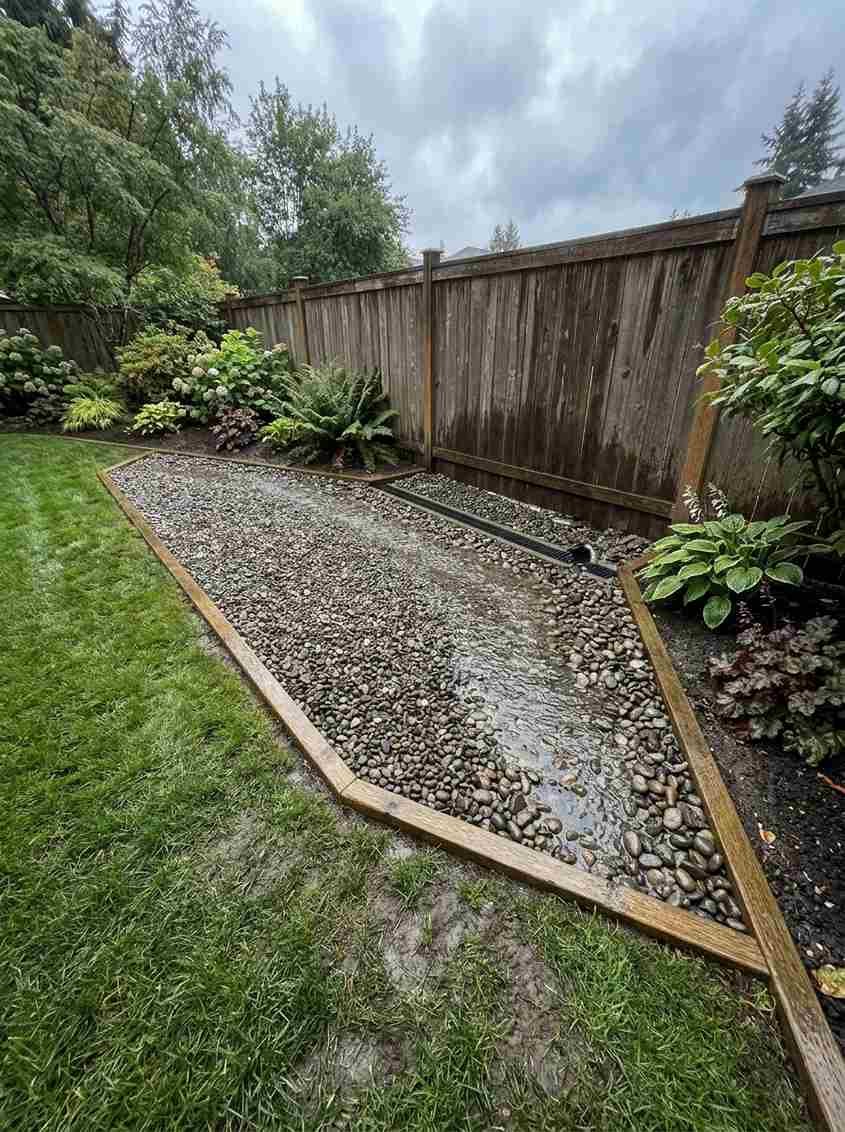
Gravel with a slight slope for drainage, which stops puddling in yards that get heavy rain. Ask me how I know this matters.
Turf with a drainage layer underneath, ideal for hot climates, though you’ll want to hose it down on scorching afternoons since synthetic surfaces can get uncomfortably warm underfoot.
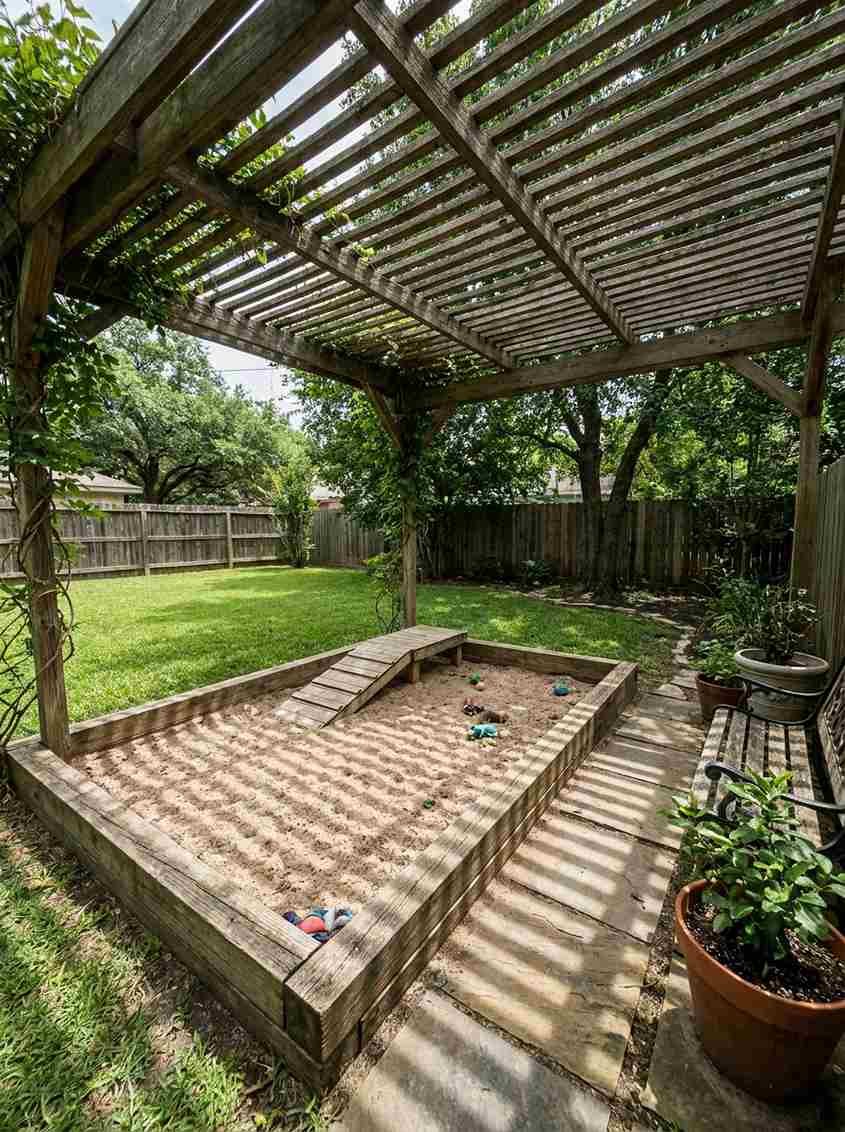
A sand pit potty area, popular in covered or partially shaded spots since sand doesn’t hold heat the way turf does.
Low-maintenance and eco-friendly picks
Native, pet-safe ground cover plants bordering a gravel core. Always check plant safety before adding anything new; the ASPCA’s toxic plant list is worth bookmarking, since some common landscaping picks like sago palm and azalea are genuinely dangerous if chewed.
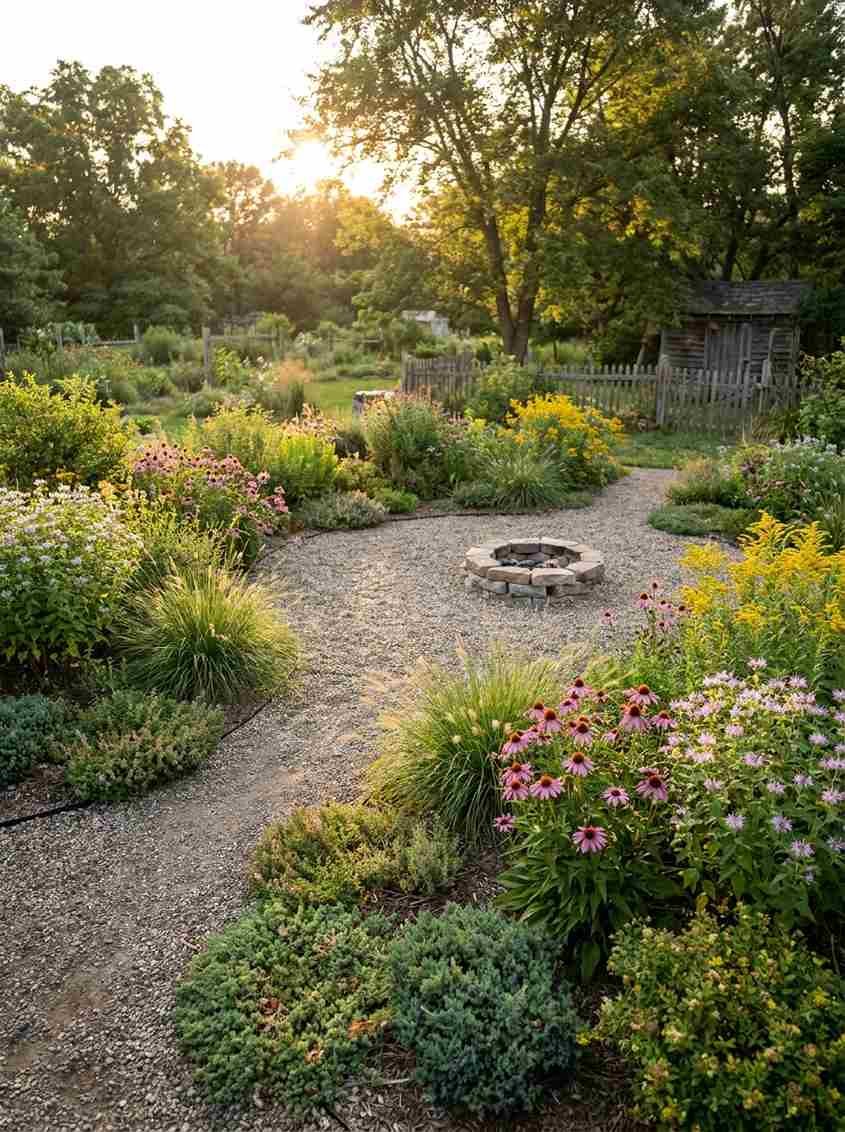
A DIY enzyme-treated gravel bed, where you periodically spray a pet-safe enzymatic cleaner to break down waste buildup and keep odor under control without constant replacement.
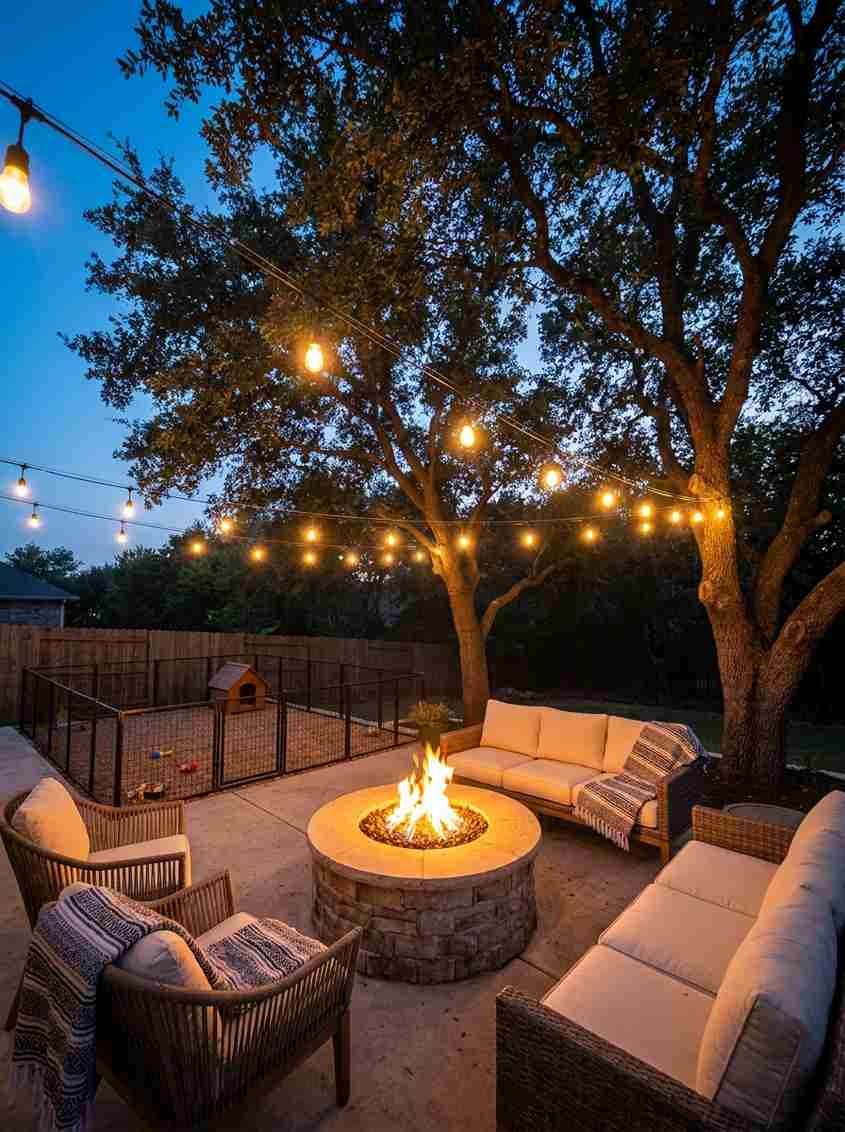
Okay, slightly off topic, but has anyone else noticed how much backyard content on Pinterest just… ignores dogs completely? Every “dream backyard” board is string lights and a fire pit, like nobody’s dog is going to immediately go find the one flower bed you actually care about. Anyway, back to it.
A few things I wish someone had told me sooner
- Skip cocoa mulch entirely. It smells like chocolate, dogs love chewing it, and it’s toxic to them.
- Rounded pea gravel is safer than sharp landscaping rock, both for paws and for dogs who like to chew on rocks (mine does, don’t ask).
- Train the spot before you build it fancy. A cheap gravel square your dog actually uses beats a gorgeous turf pad they ignore.
- Location matters more than material. Put it somewhere you’ll actually walk your dog to consistently, or none of this works.
Frequently asked questions
How big should a dog potty area be? For one medium dog, 4×4 feet is usually enough. Bigger breeds or multiple dogs do better with 6×8 feet or more, so they have room to sniff around and circle before settling.
Will my dog just use the potty area on their own? Not right away. Most dogs need a few weeks of leash-guided visits to the spot before it clicks, especially adult dogs switching from an old habit.
What’s the easiest material for beginners to install? Pea gravel. It’s the most forgiving option since it drains well, doesn’t need a professional installer, and you can lay it in an afternoon.
So which one are you pinning first? If you’ve already built a potty area that your dog actually uses without a fight, drop a comment. I collect these like other people collect recipes, and I’m always looking for the next backyard project.
