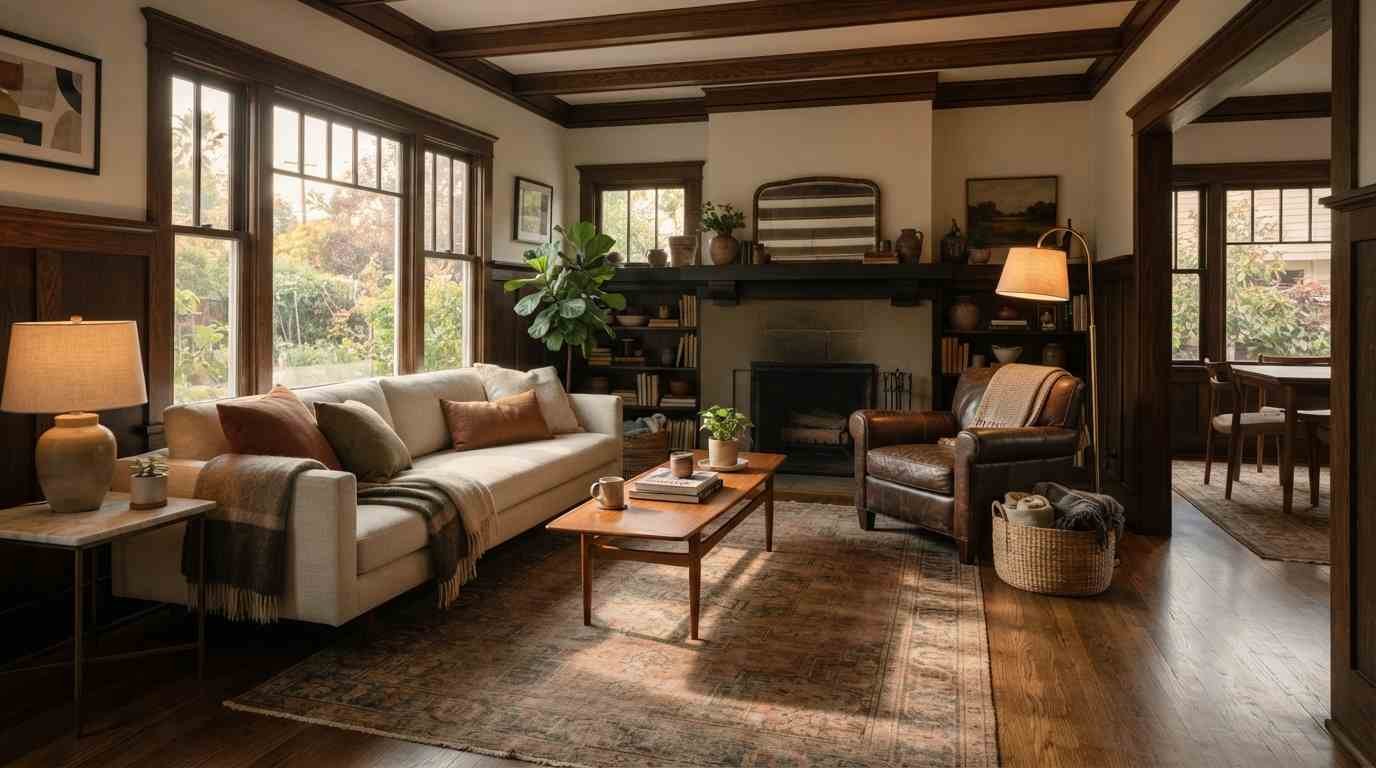
My apartment used to look like a furniture showroom threw up in it. Everything matched. Everything was beige. And honestly? It was boring as hell.
Then I started mixing things I actually loved instead of things that “went together,” and the whole place finally felt like mine.
That’s the entire secret to eclectic design, and it’s why Pinterest boards full of mismatched lamps and grandma’s old rug somehow look better than anything from a catalog.
I’ve pulled together 25 ideas that actually work in real homes, not just styled photo shoots. Some cost nothing. A couple require a weekend and a trip to a thrift store.
All of them make a space feel warmer and more like a person actually lives there.
Fair warning: I’m not a professional designer. I’m someone who’s moved four times in six years, dragged the same weird lamp through every single apartment, and slowly figured out what makes a room feel like home instead of a hotel room.
Take my opinions with a grain of salt, but also, some of these have genuinely changed how guests react when they walk into my place.
One friend stood in my living room for a full minute before saying “wait, how did you make this look so good with stuff that clearly doesn’t match.” That’s the whole vibe I’m going for here.
What makes a home “cozy eclectic” anyway
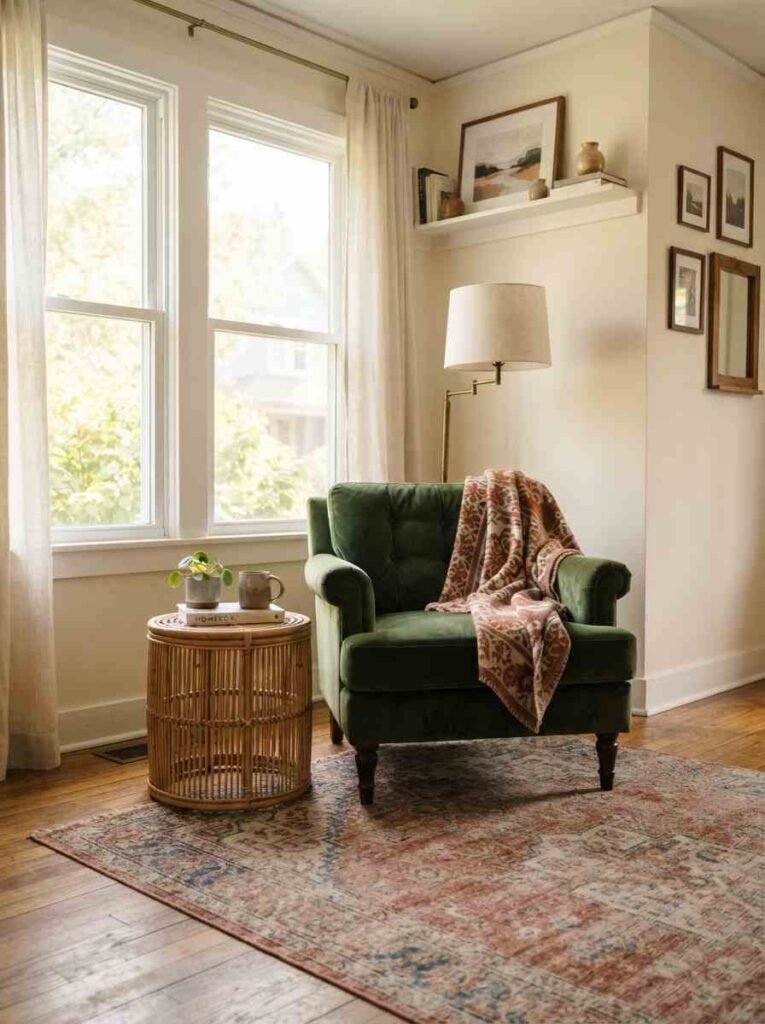
Eclectic doesn’t mean cluttered, and cozy doesn’t mean stuffed with throw pillows until you can’t sit down.
It means picking pieces from different eras, cultures, and price points, then tying them together with color, texture, or a repeated material.
A quick color wheel primer from HGTV helps here, since most eclectic rooms that “work” are actually following color theory even when they look random.
Pick one or two anchor colors and let everything else riff off them. That’s it. That’s the whole trick.
Living room ideas that punch above their weight
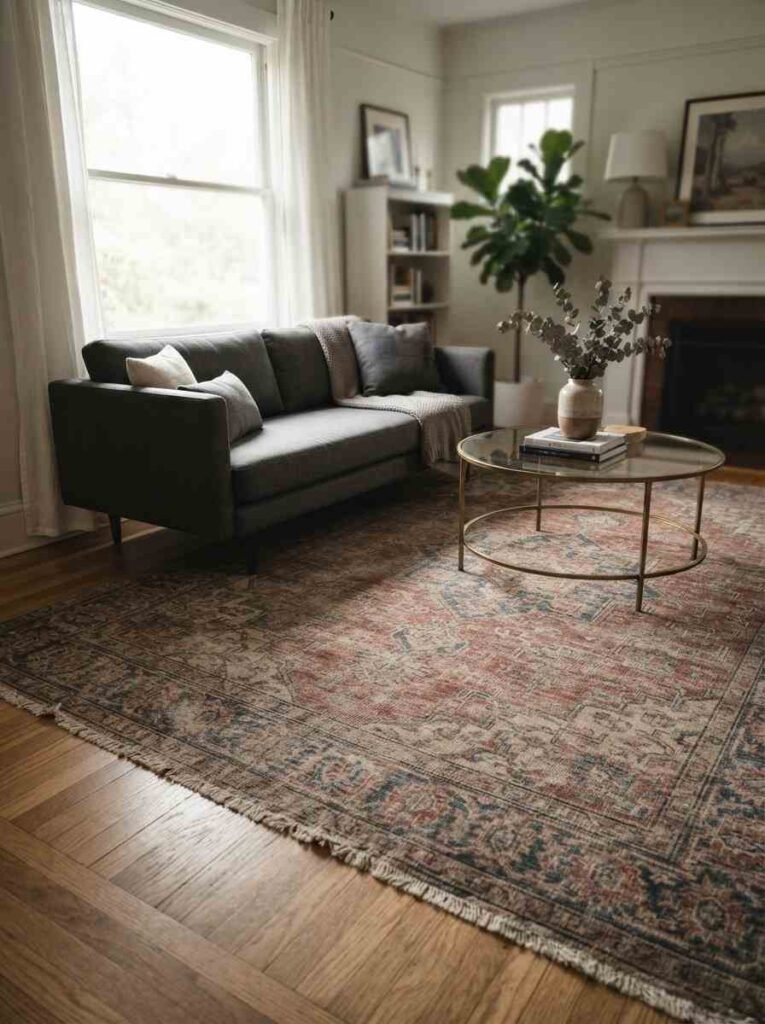
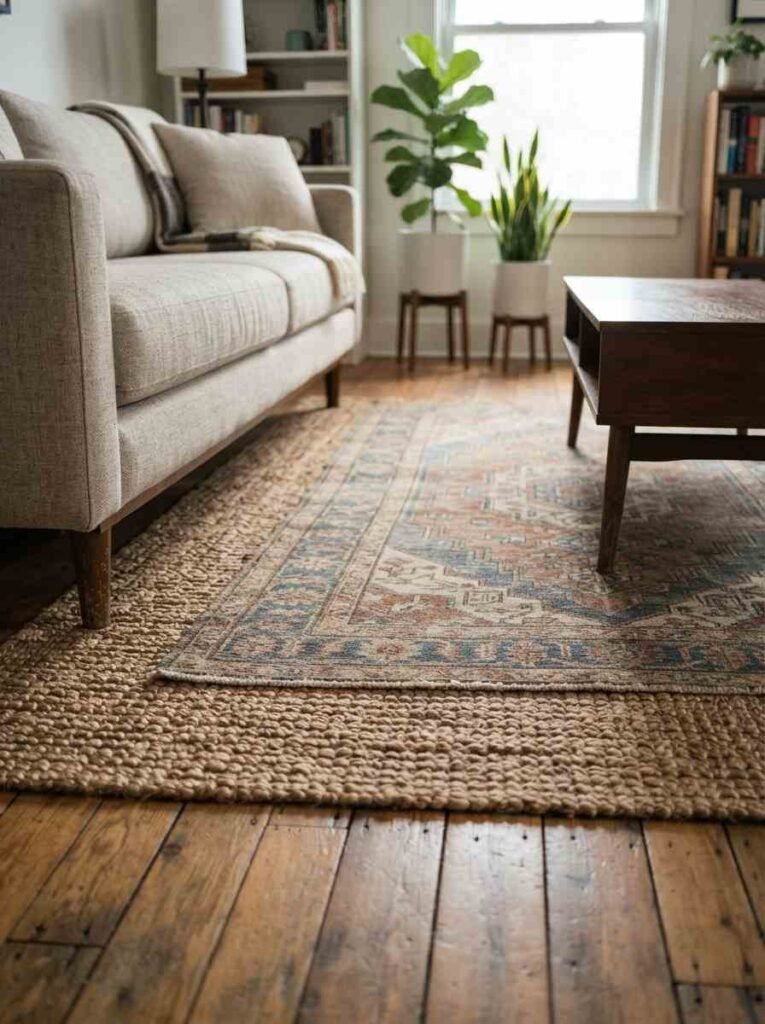
1. A vintage rug under modern furniture. This is the classic move, and it works every time. The rug adds age and pattern; the furniture keeps things from feeling like a museum.
Estate sales are the cheapest source I’ve found, and worn edges only make the rug look more authentic, not less.
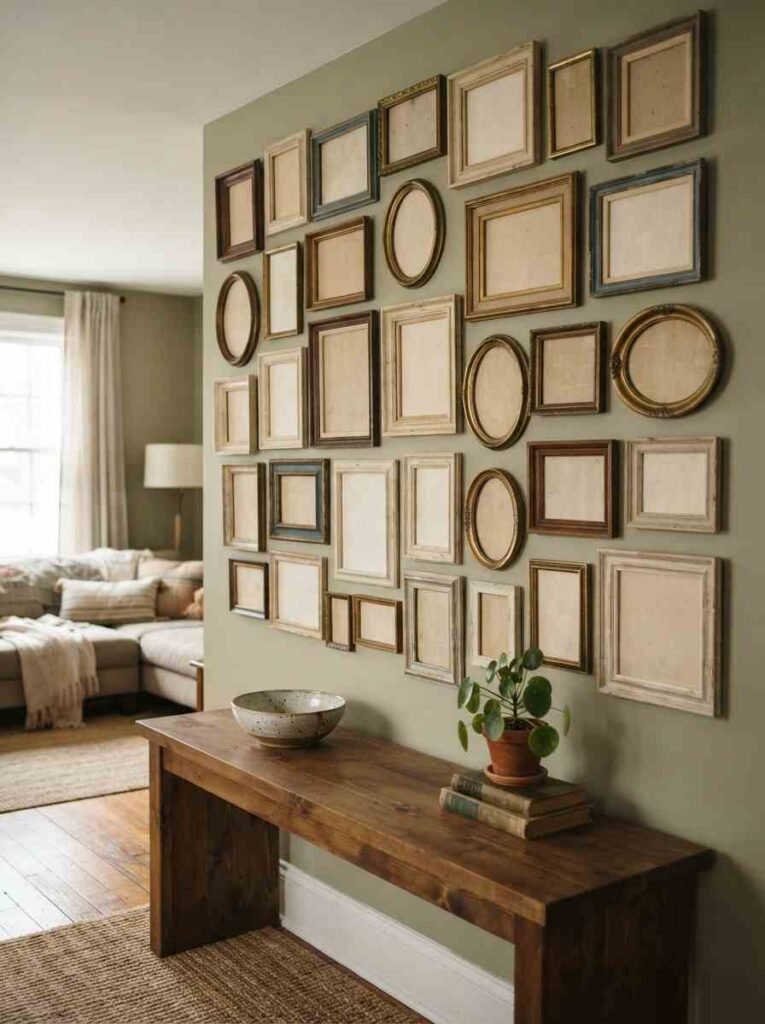
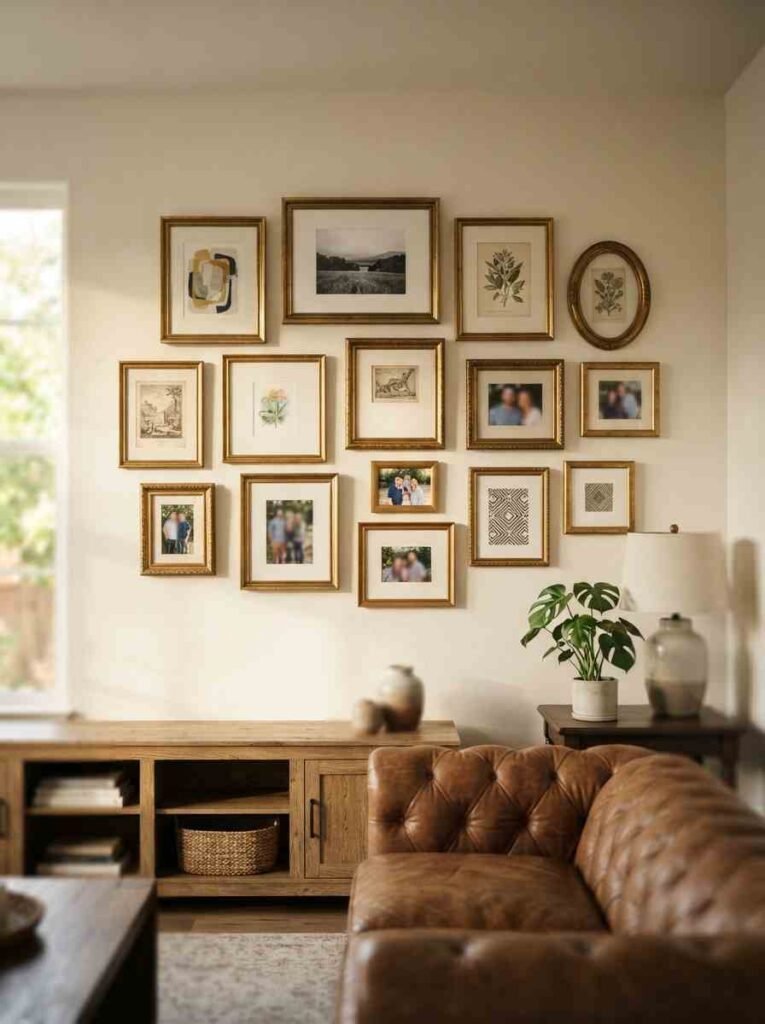
2. Gallery wall with mismatched frames. Skip the matching frame sets from big box stores. Grab frames from thrift shops, garage sales, even your parents’ basement.
The variety is the whole point.
3. One statement chair that doesn’t match anything. IMO this is the single easiest way to make a room feel curated instead of purchased in one trip.
A velvet wingback next to a leather sofa shouldn’t work. It does.
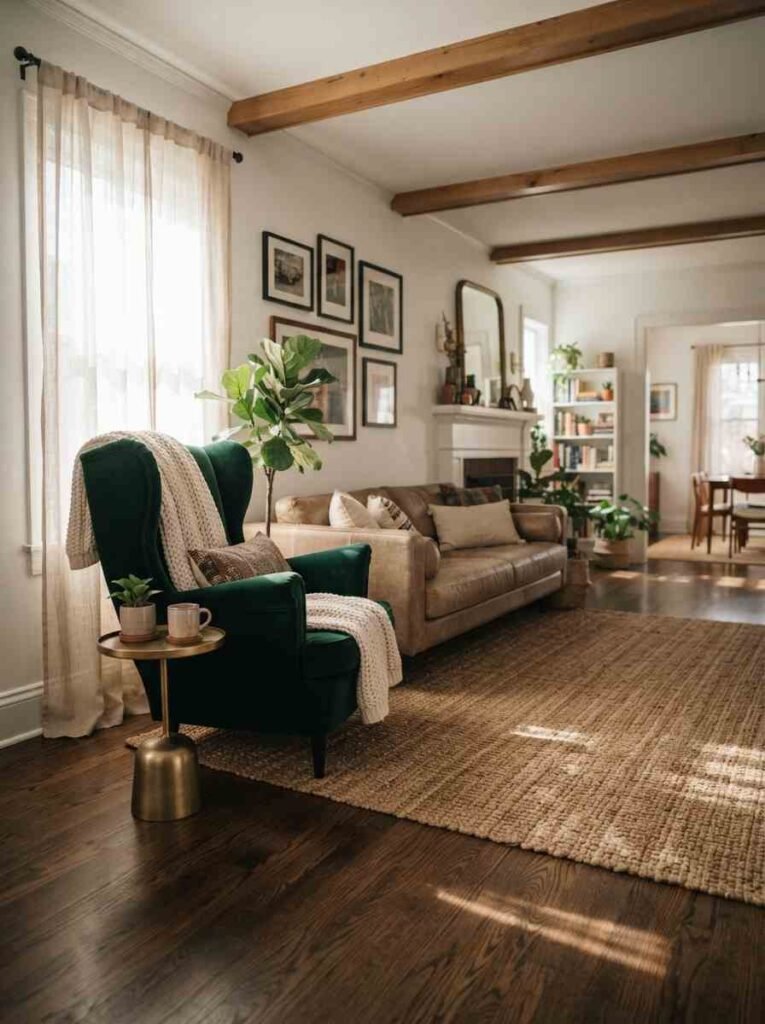
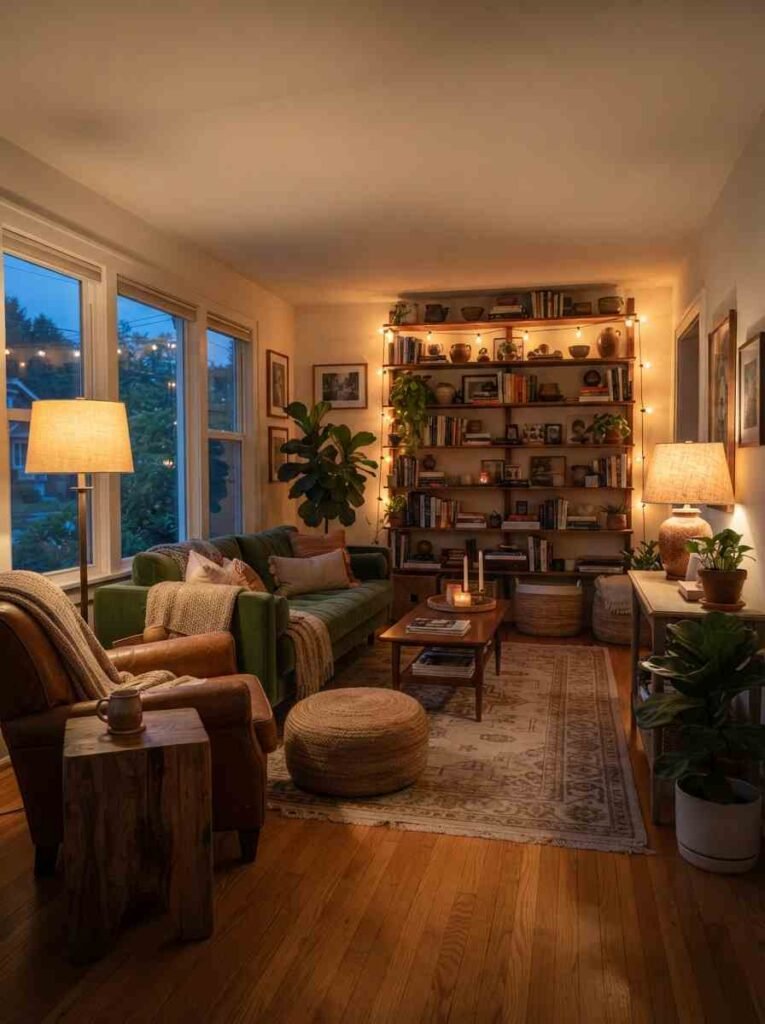
4. Layered lighting instead of one overhead fixture. Floor lamp, table lamp, a string of warm bulbs somewhere unexpected. Overhead lighting alone makes every room feel like a dentist’s office.
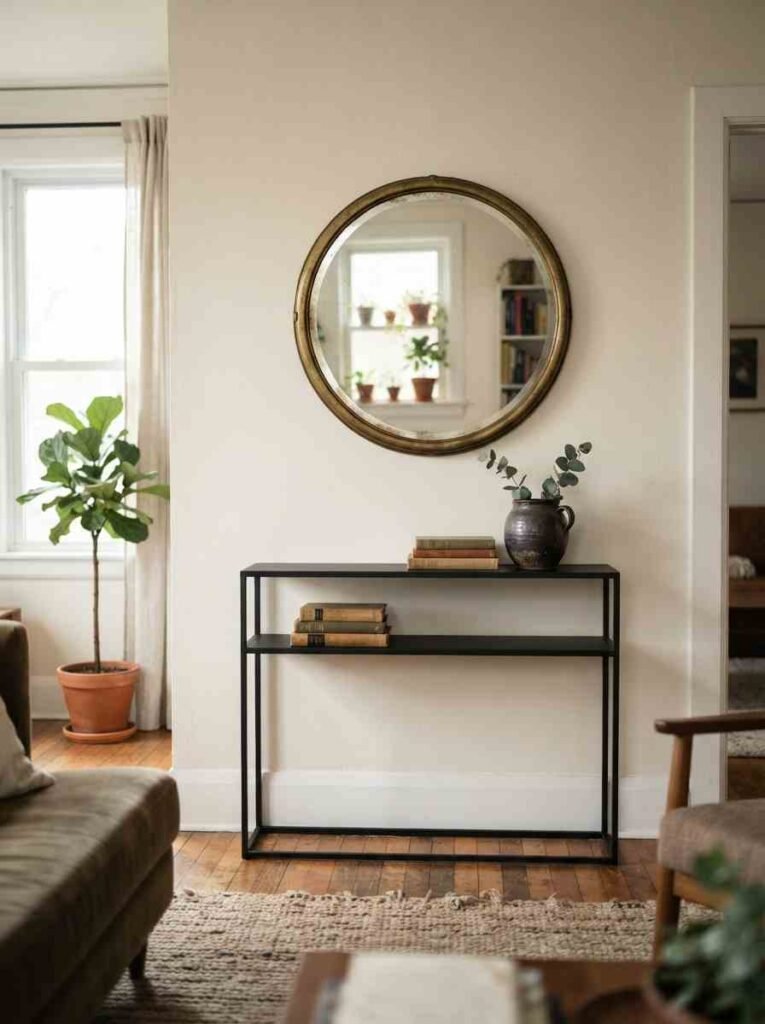
5. Vintage brass with modern black metal. Mixing metal finishes used to be a decorating sin. Now it’s basically required.
Pair an old brass mirror with a black metal shelf and watch it click into place.
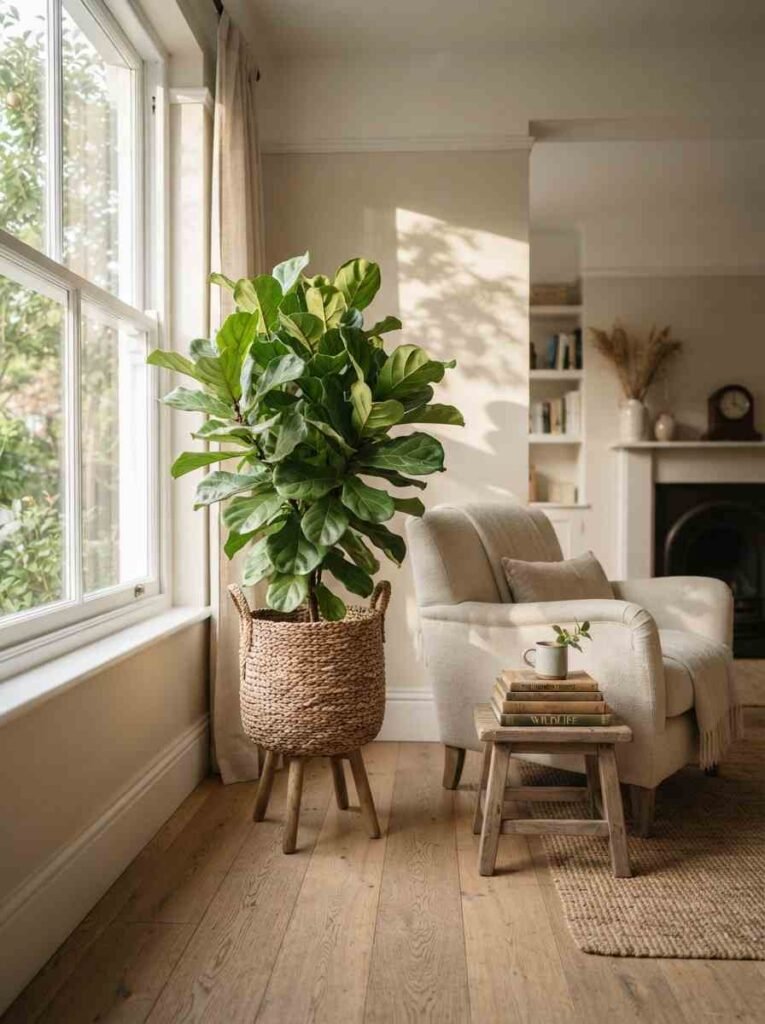
6. A bold plant, badly behaved. A big, slightly wild plant like a fiddle leaf fig or a monstera does more for a room than another throw pillow ever will.
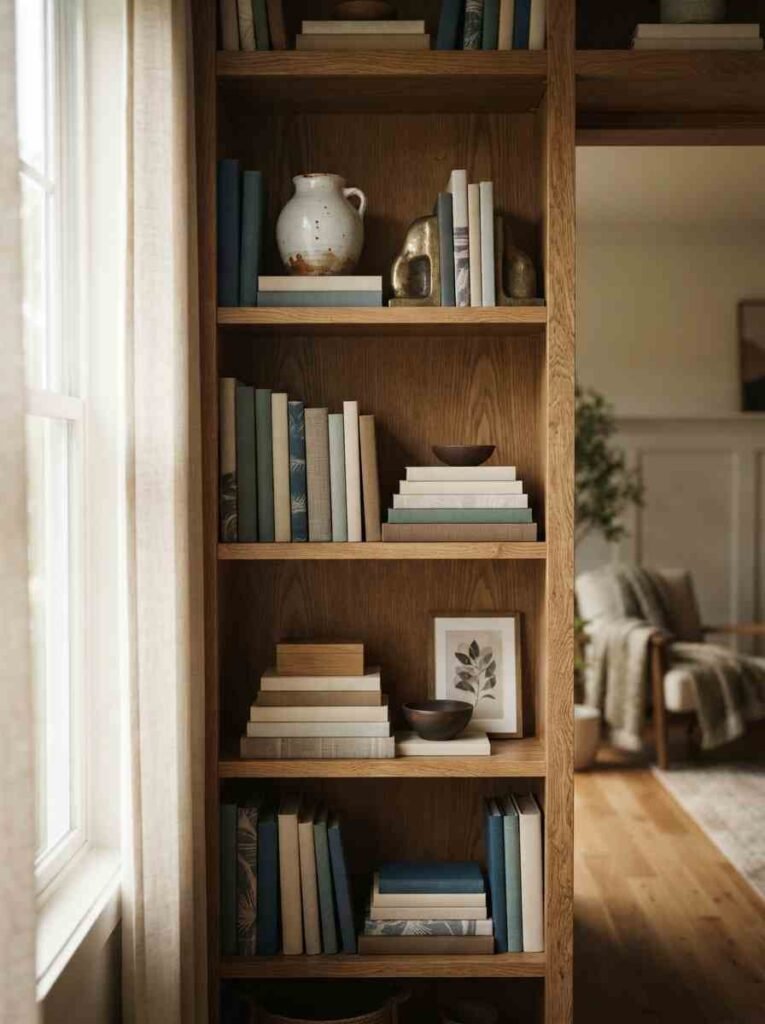
7. Books stacked sideways, not just upright. Small thing, big difference. Mix vertical and horizontal stacks and let a small object sit on top.
8. A rug on top of a rug. Layer a smaller patterned rug over a larger neutral one. It reads as intentional even though it started as “I own two rugs and one room.”
Bedroom ideas worth stealing
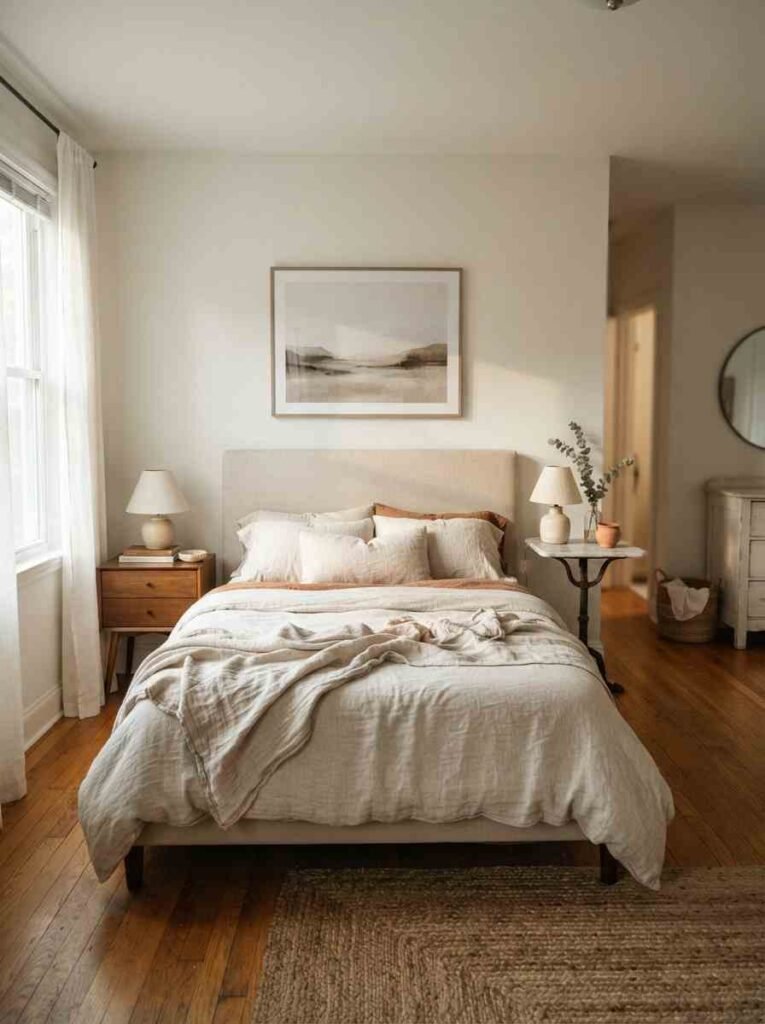
9. Mismatched nightstands. One thrifted, one new. Different heights are fine.
Different woods are fine. Perfect symmetry is the enemy here.
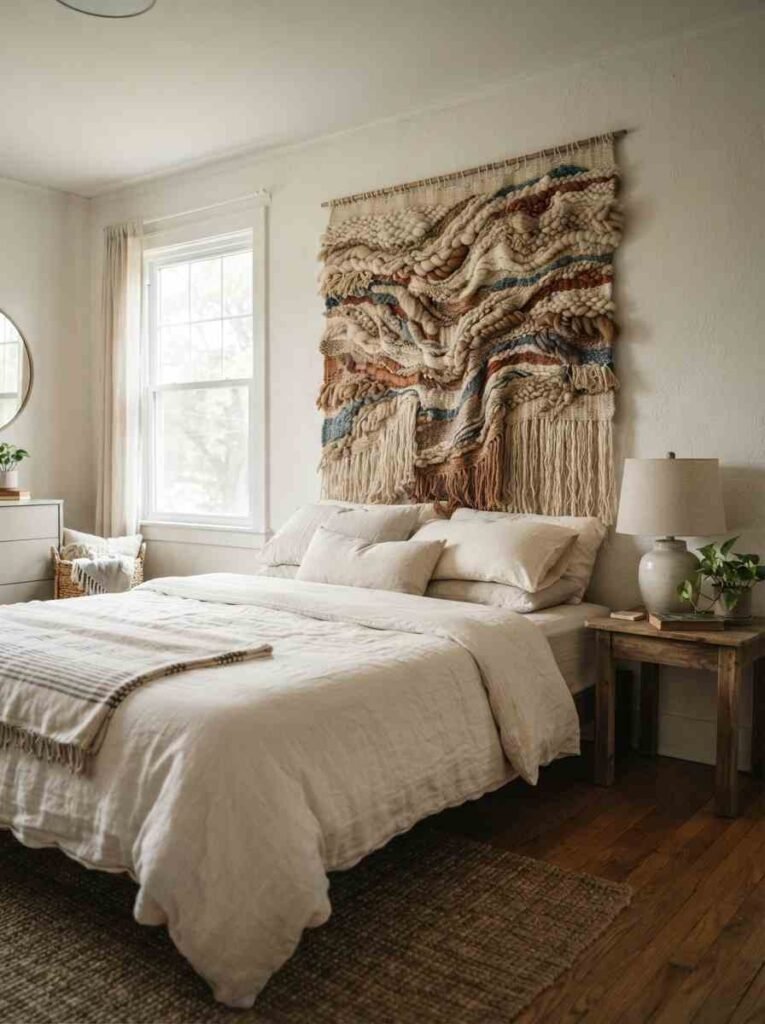
10. A headboard that’s actually a tapestry. Cheaper than furniture, instantly adds texture, and you can swap it out whenever you get bored.
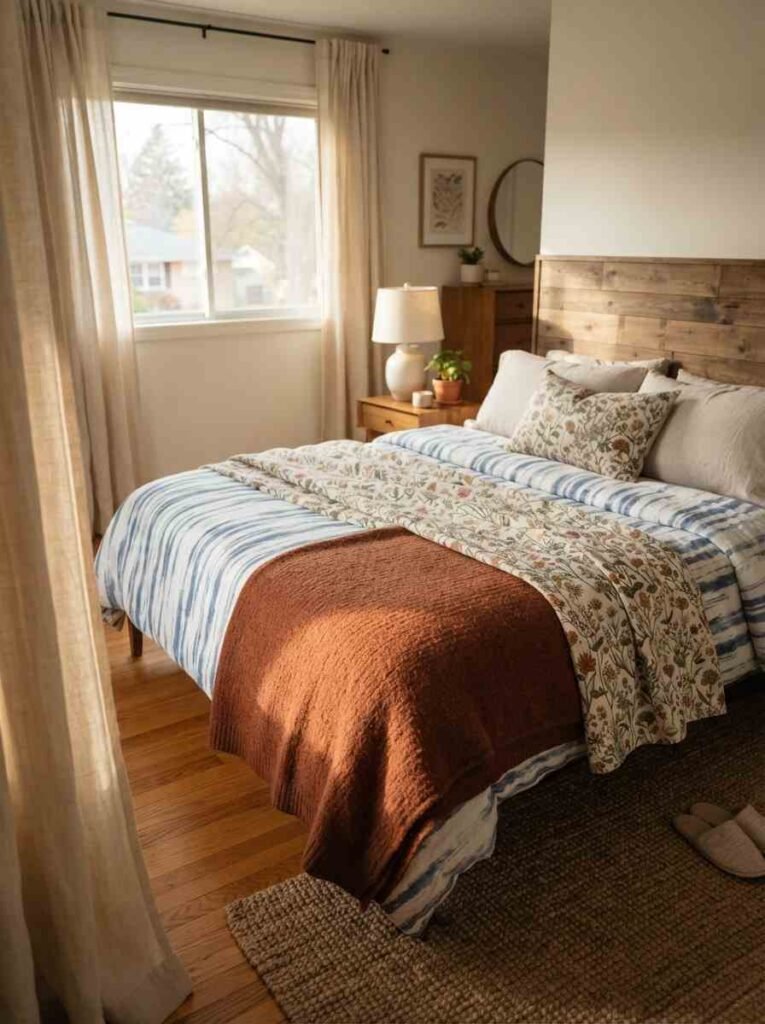
11. Layered bedding in clashing patterns. Stripes with florals with a solid throw on top.
This is the one spot in the house where “too much” is basically impossible, and honestly the bed is the easiest place to experiment since you can swap it out in five minutes if it doesn’t land right.
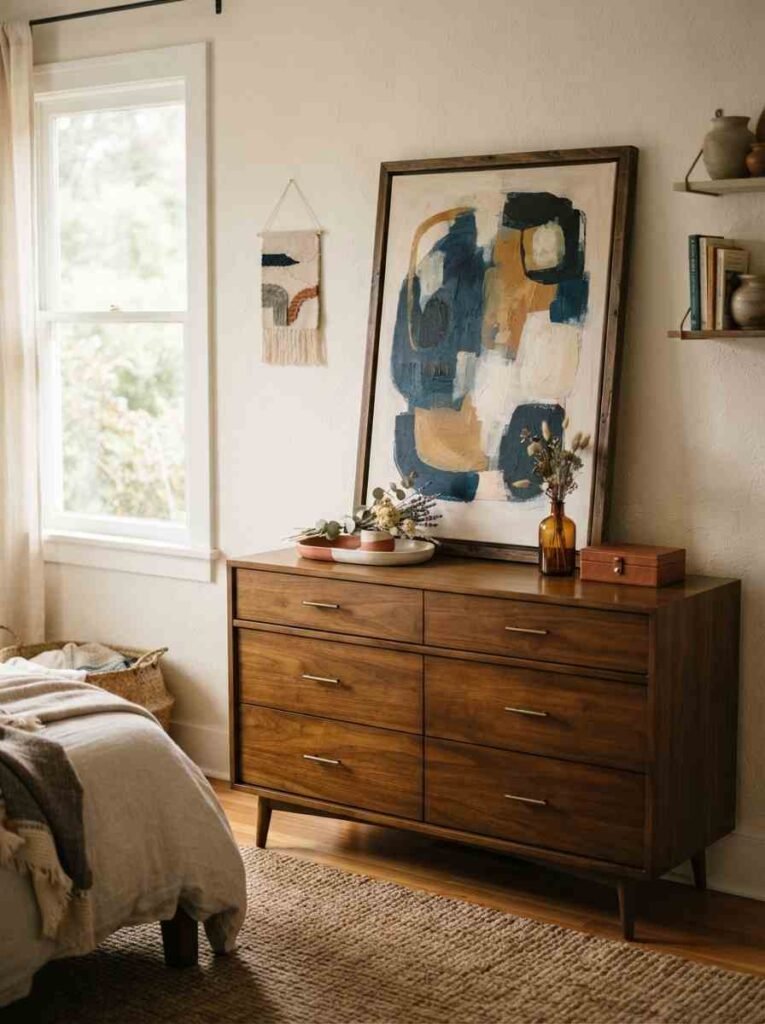
12. Vintage art leaned, not hung. Prop a framed piece against the wall on a dresser instead of nailing it up. It looks effortless and you can rearrange it in ten seconds.
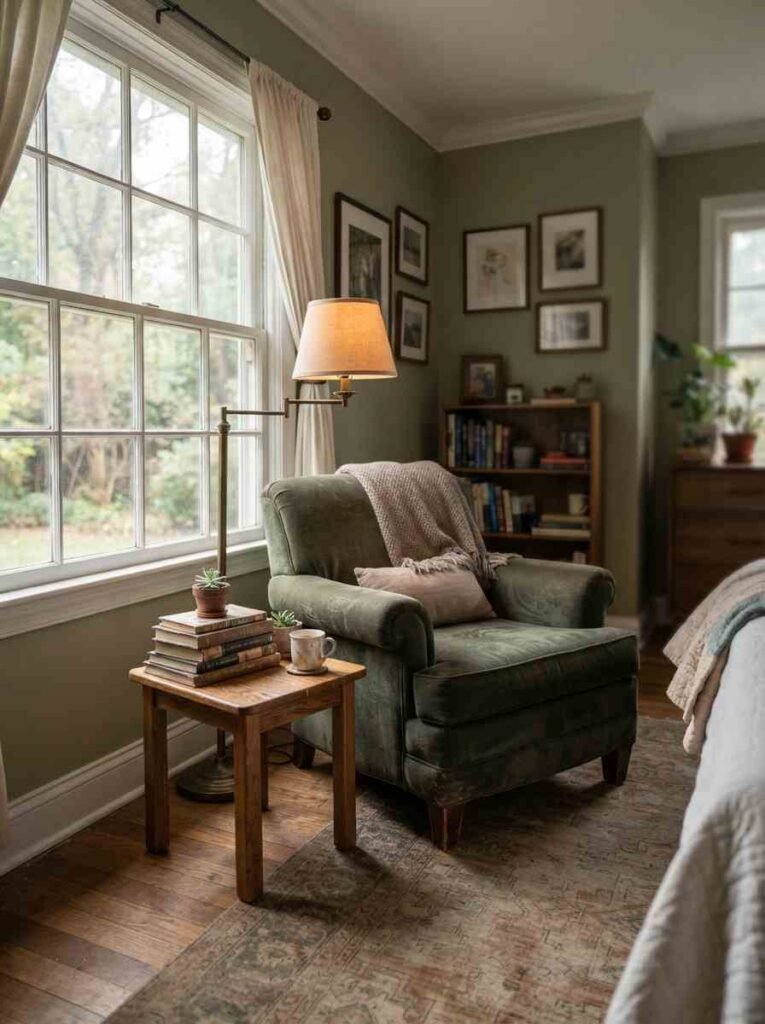
13. A reading nook in the corner nobody uses. Every bedroom has a dead corner.
Throw a secondhand armchair and a lamp in there and suddenly it’s the best seat in the house.
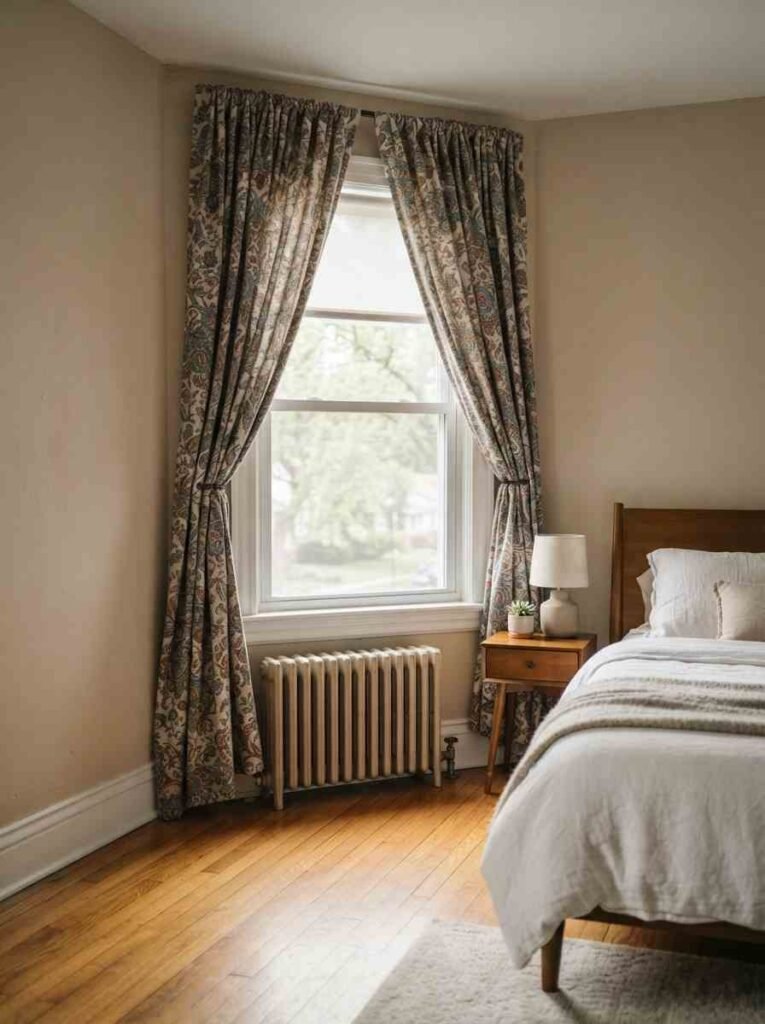
14. Curtains that don’t match the walls. Let the fabric contrast instead of blend. A patterned curtain against a plain wall does more work than a patterned wall ever could.
Kitchen and dining ideas that feel lived-in
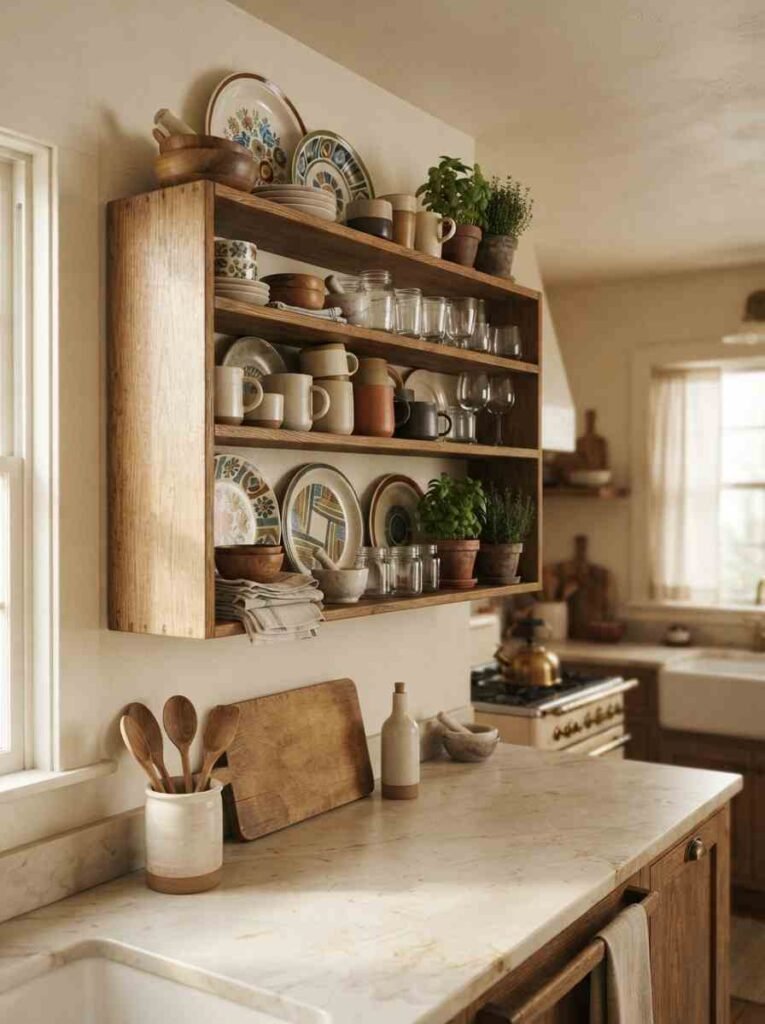
15. Open shelving with mismatched dishware. Not everything needs to be the same set.
Grandma’s china next to a modern mug collection tells a better story than a matched twelve-piece set from a big-box store.
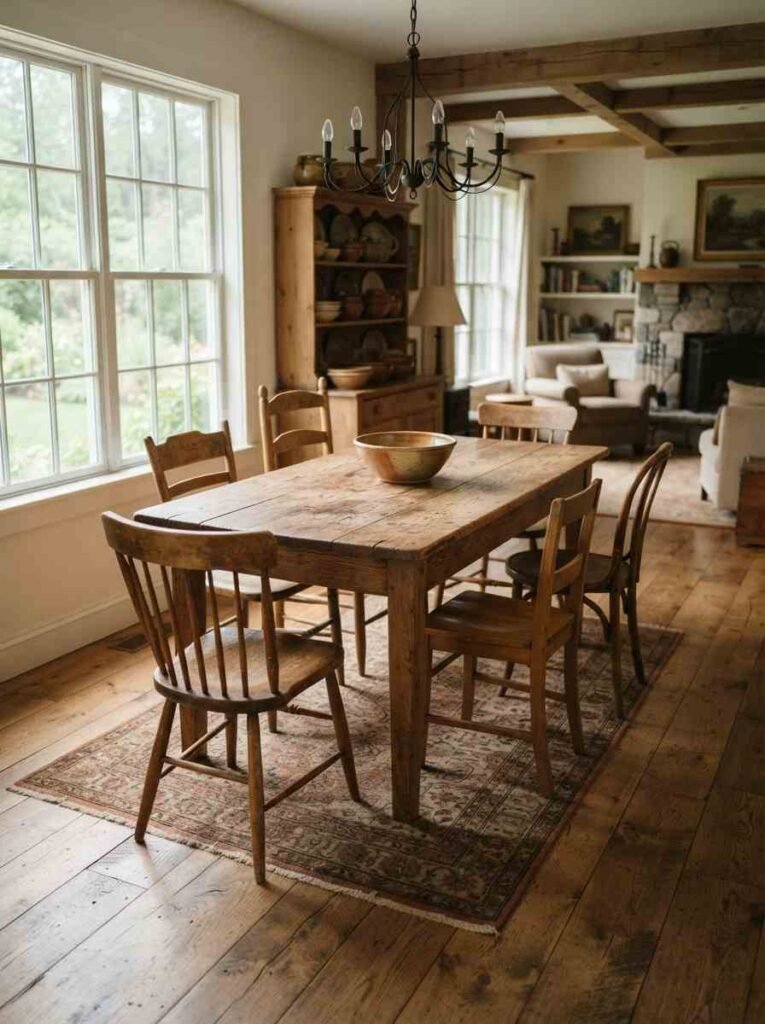
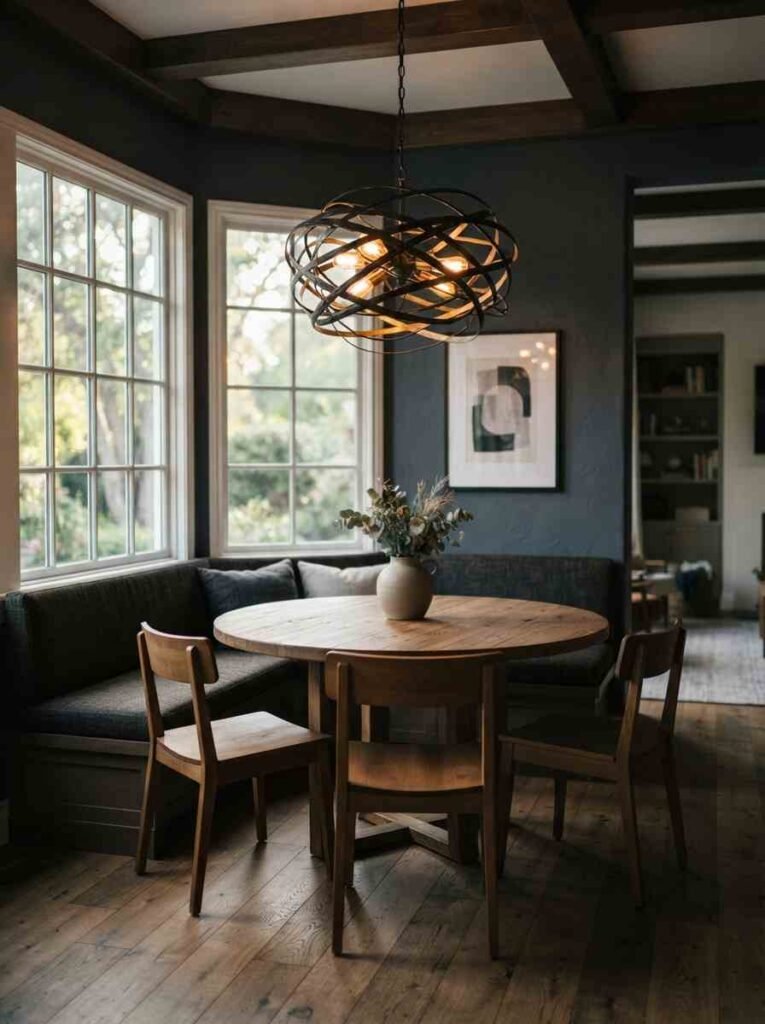
16. Mixed dining chairs around one table. This is having a moment for a reason. Four different chairs around a farmhouse table looks collected, not chaotic, especially if you keep the wood tones in the same family. I picked up two of mine at separate garage sales six months apart and nobody has ever guessed they weren’t bought together on purpose.
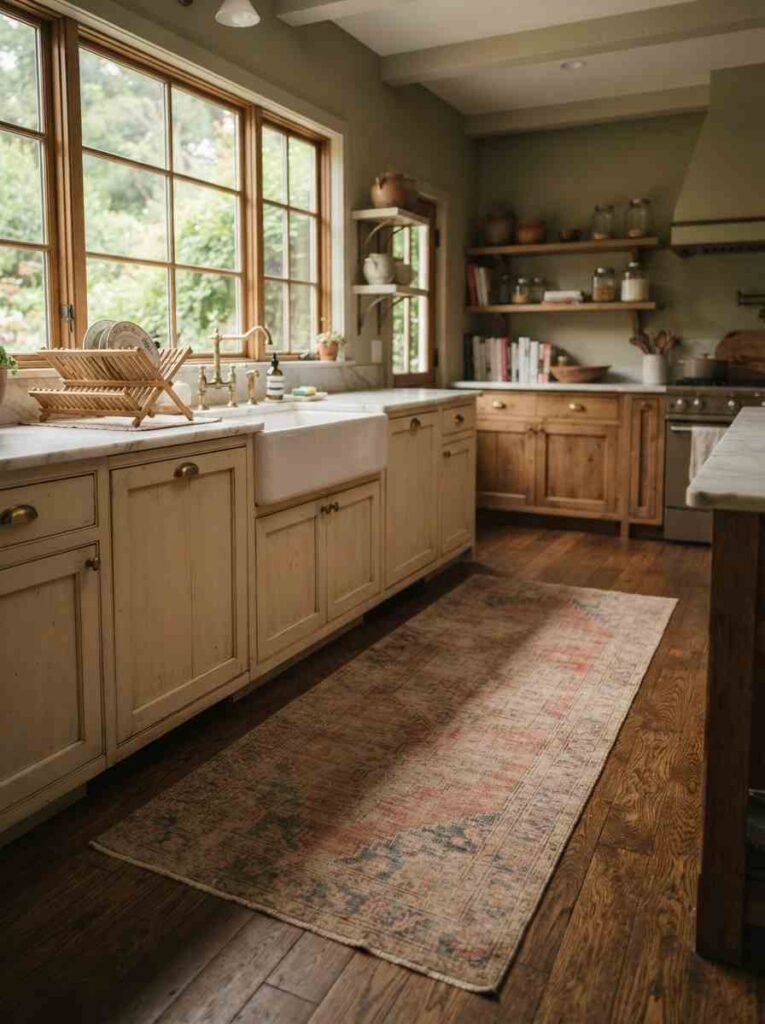
17. A vintage rug in the kitchen. Yes, in the kitchen. It softens the space and hides the fact that your floor is 40 years old.
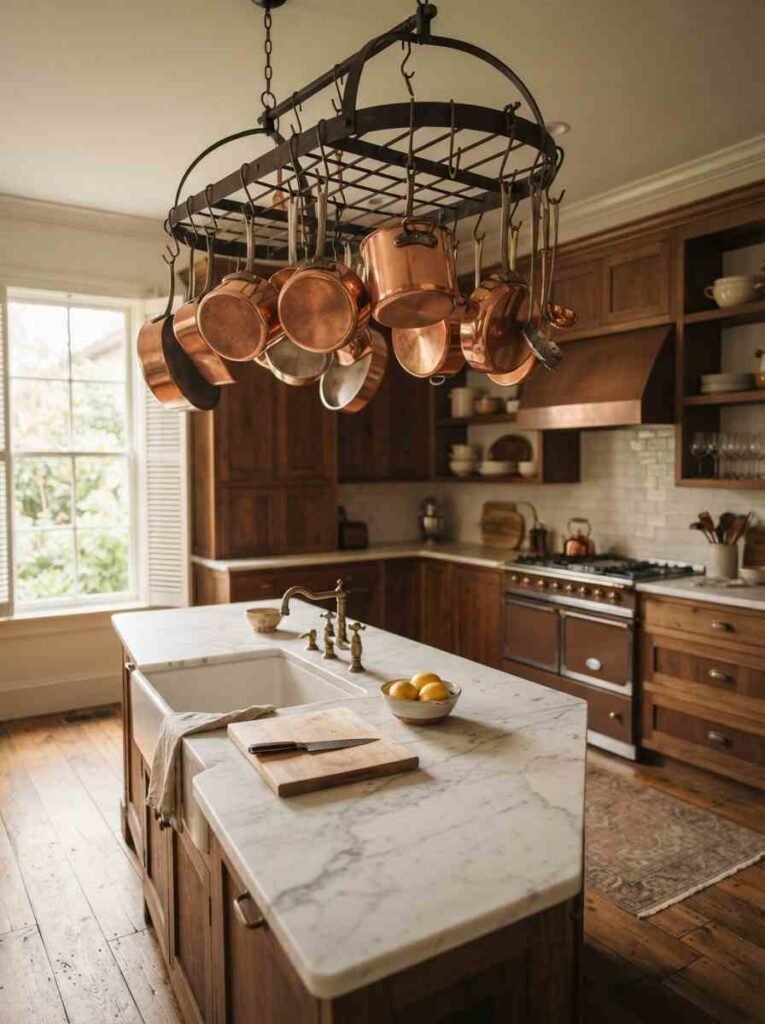
18. Copper pots hung as decor. Function and decoration in one move. Even if you only cook twice a week, they add warmth and shine that cabinets alone can’t.
19. A bold pendant light over a plain table. One dramatic light fixture can carry an entire room. Ever notice how a rental kitchen instantly looks better with a $60 pendant swap?
Small space and rental-friendly ideas
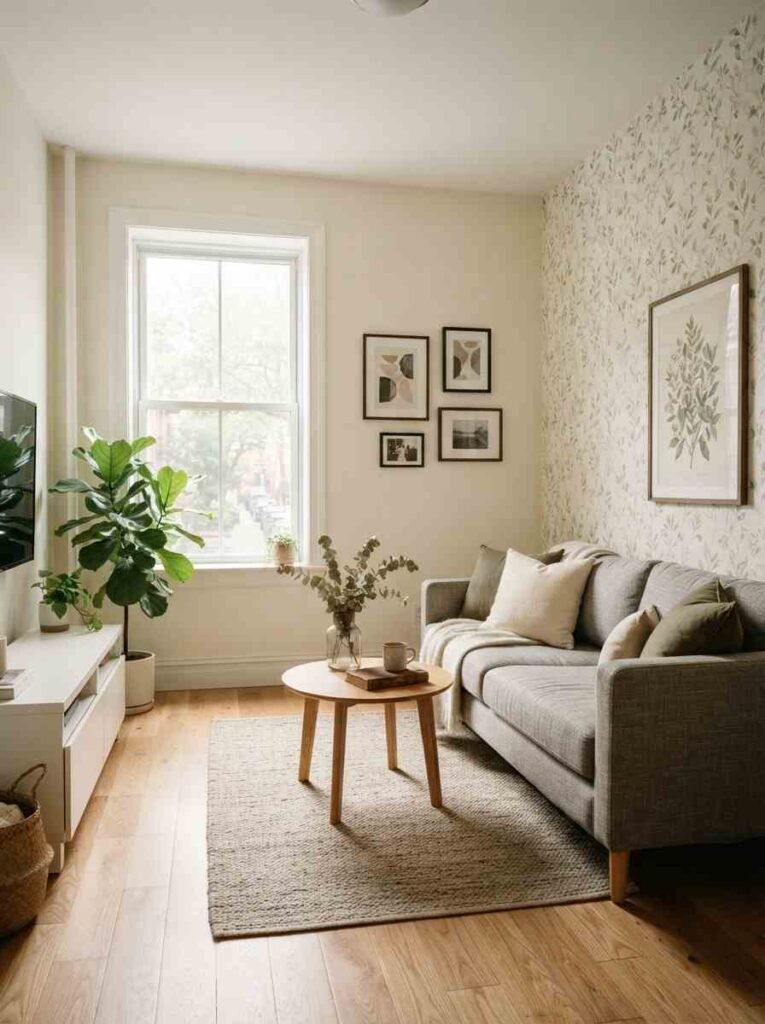
20. Removable wallpaper on one wall only. Landlords tend to be fine with this, and one patterned wall gives you 90% of the eclectic look with zero commitment.
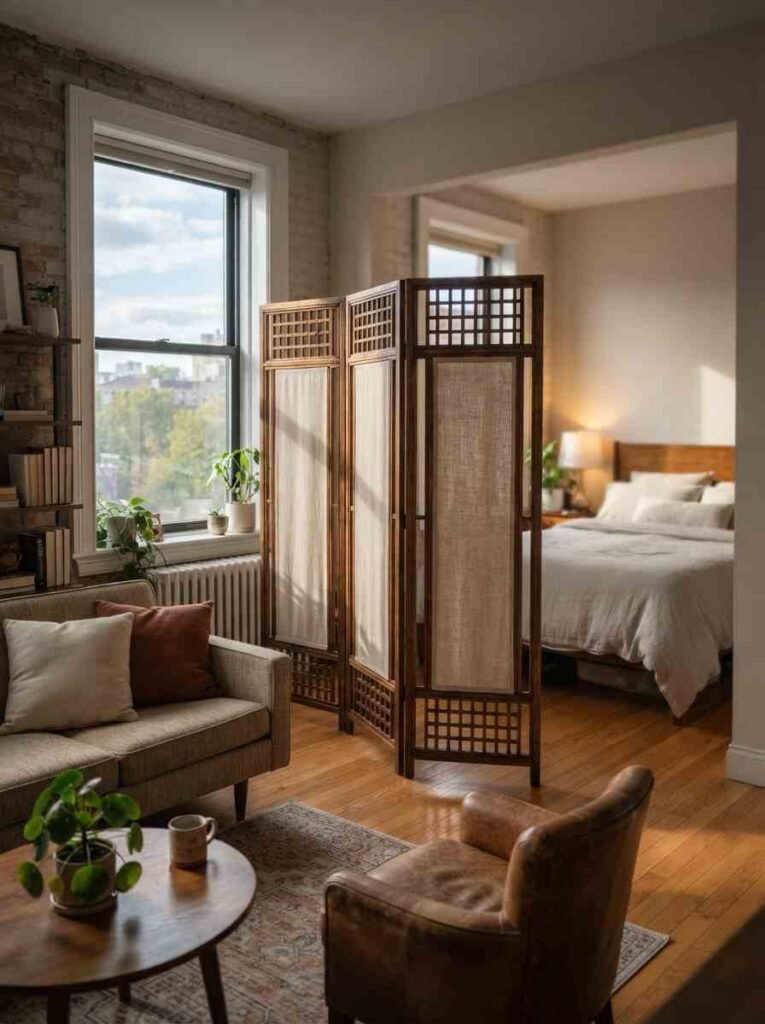
21. A folding screen as a room divider. Studio apartments need this more than anyone. A vintage screen splits a space visually without a single nail in the wall.
22. Thrifted frames grouped by color, not style. If your gallery wall pieces feel random, unify them by frame color instead. It’s a cheat code, and honestly, IMO it works better than most “designer” tricks.
23. A single oversized art piece instead of five small ones. Small apartments get busy fast. One large piece does the job of five smaller ones without the visual noise.
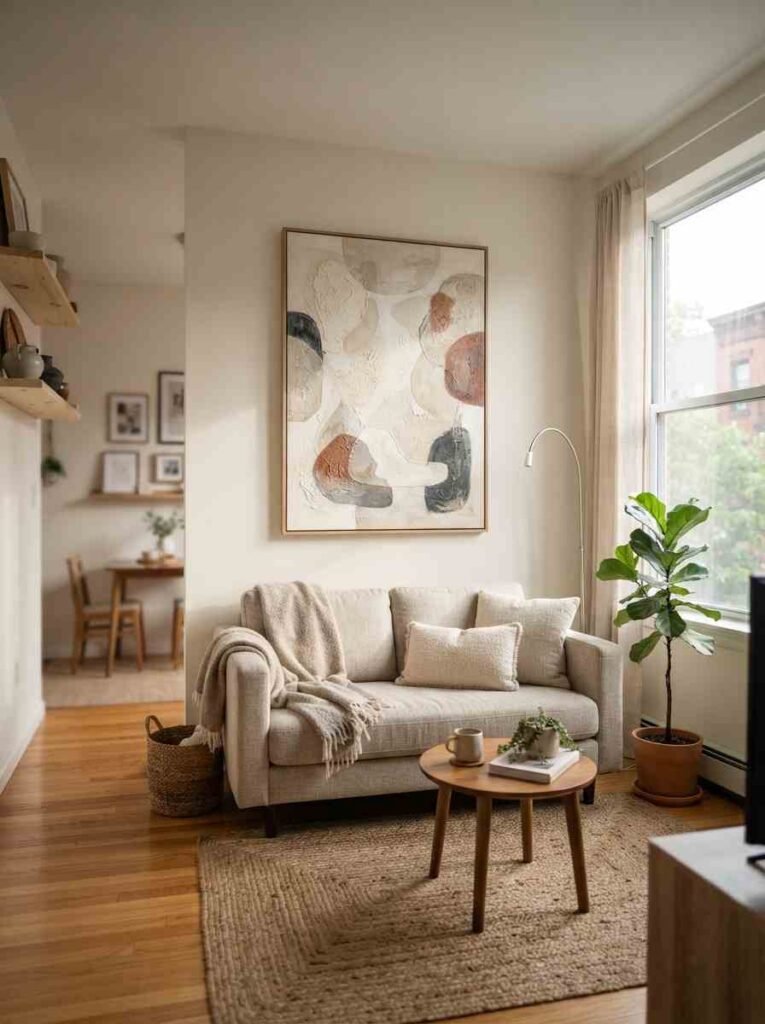
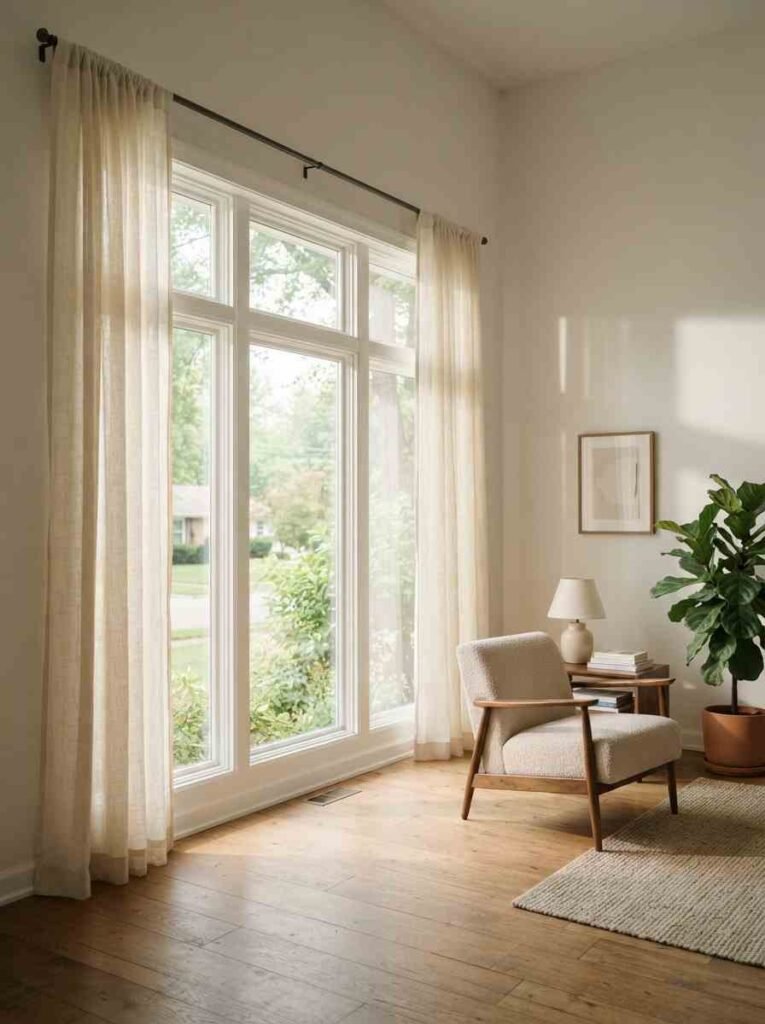
24. Curtains hung higher than the window. This is one of those tricks that sounds fussy but takes five minutes and makes ceilings look taller instantly.
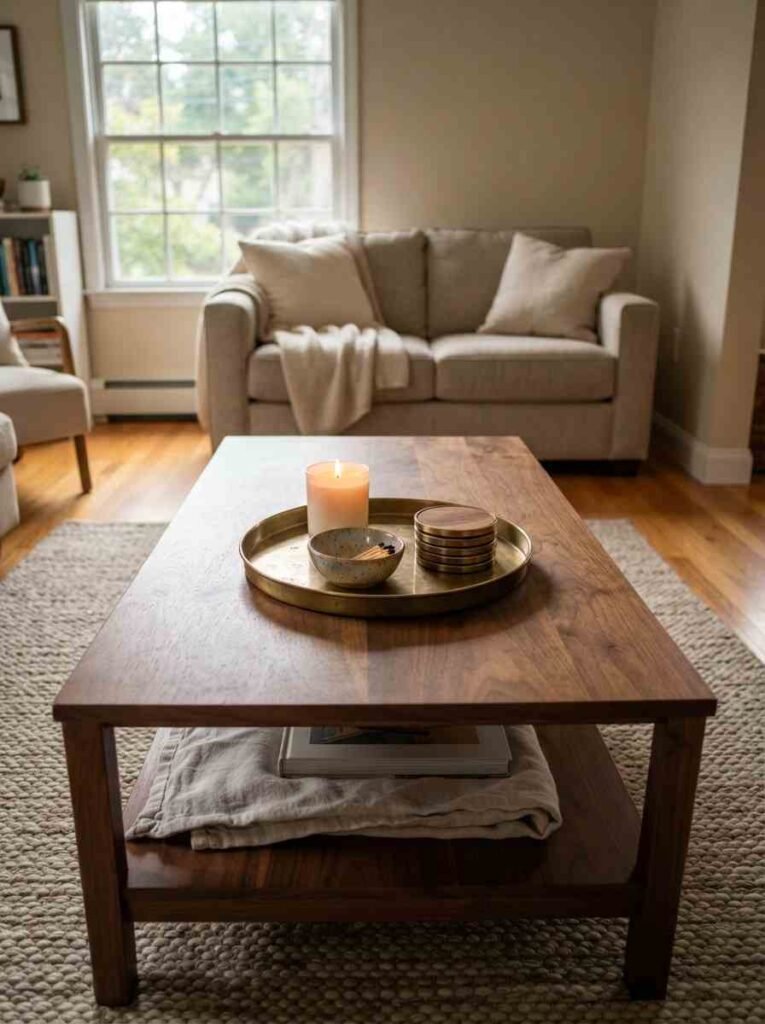
25. A tray to corral the chaos. Every eclectic space needs one spot where the mismatched candle, the weird ceramic bowl, and the stack of coasters all live together. It turns clutter into a vignette.
Here’s a quick way to see how these ideas break down by effort and cost:
| Idea type | Example | Effort level | Rough cost |
|---|---|---|---|
| Swap and style | Mismatched nightstands, gallery frames | Low | $0-$50 |
| Textile layering | Bedding, rugs, curtains | Low-Medium | $20-$150 |
| Statement pieces | Chair, pendant light, art | Medium | $75-$400 |
| Structural-ish | Removable wallpaper, folding screen | Medium-High | $100-$300 |
A quick tangent, because I can’t help it: I once bought a folding screen off Facebook Marketplace for $15 and the guy delivering it told me it used to belong to a puppet theater. No idea if that’s true. Doesn’t matter. That’s the story I tell everyone who asks about it now, and that’s kind of the whole point of eclectic decorating. The object gets a story, and the story is what makes a room feel warm.
If you want a deeper breakdown of pattern mixing specifically, this guide on combining interior design styles covers the scale and proportion side of things in more detail than I have room for here. And if color pairing still feels intimidating, Homes & Gardens has a solid walkthrough on picking complementary shades without overthinking it.
Mistakes that turn eclectic into just messy
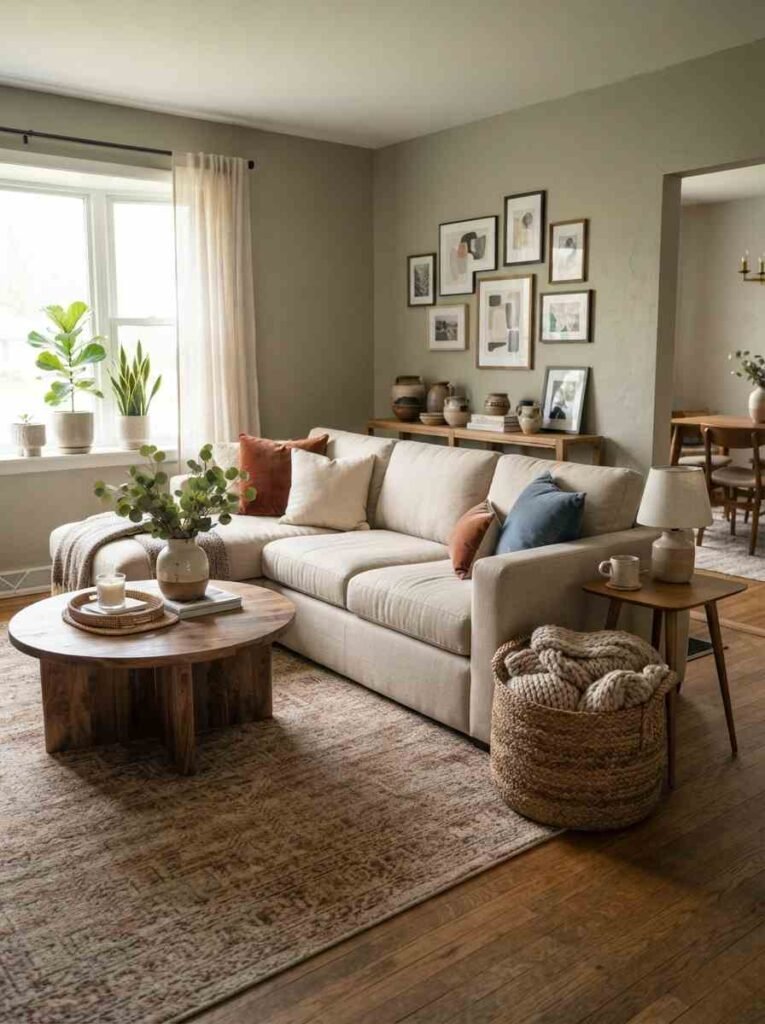
I’ve made most of these myself, so consider this the “learn from my errors” section.
Buying everything at once. Eclectic rooms build up over months or years.
When you buy a whole room in one shopping trip, it tends to look staged no matter how mismatched the pieces are. Give it time. Let the room grow.
Ignoring scale completely. You can mix eras and colors all day, but if every single piece is small and dainty, or every piece is oversized, the room stops feeling balanced. Wow, this one took me way too long to figure out. Mix big with small on purpose.
Skipping a unifying thread. Whether it’s a color, a wood tone, or a texture that repeats, you need something tying the room together. Without it, “eclectic” just becomes “random,” and random doesn’t photograph well or live well.
Forgetting texture. Pattern gets all the attention, but texture is what makes a space feel cozy instead of just busy.
Velvet, wool, rattan, and worn leather sitting next to each other do more for warmth than five more throw pillows.
FAQs
Does eclectic decor mean I can just buy random stuff? Not quite.
Eclectic works when there’s a thread tying pieces together, usually color, material, or scale. Totally random ends up looking messy instead of collected, and that’s the line most people accidentally cross when they get excited and start buying too fast.
Is eclectic style expensive? It can be the cheapest style out there, IMO cheaper than almost any other design approach.
Thrift stores, estate sales, and hand-me-downs are basically built for this look. You’re not chasing a matching set, so you’re not paying the markup that comes with one, and half the fun is the hunt for the next piece.
Will this work in a rental? Yes, and it might be the best style for renters specifically. Removable wallpaper, rugs, curtains, and furniture do almost all the work without touching a single wall permanently, which matters if you’re the type who moves every year or two like I used to.
So, which one of these are you trying first? Save this for later, pin your favorite idea, and tell me in the comments which corner of your home needs the eclectic treatment most.
This is the kind of project that snowballs fast, in the best way.
