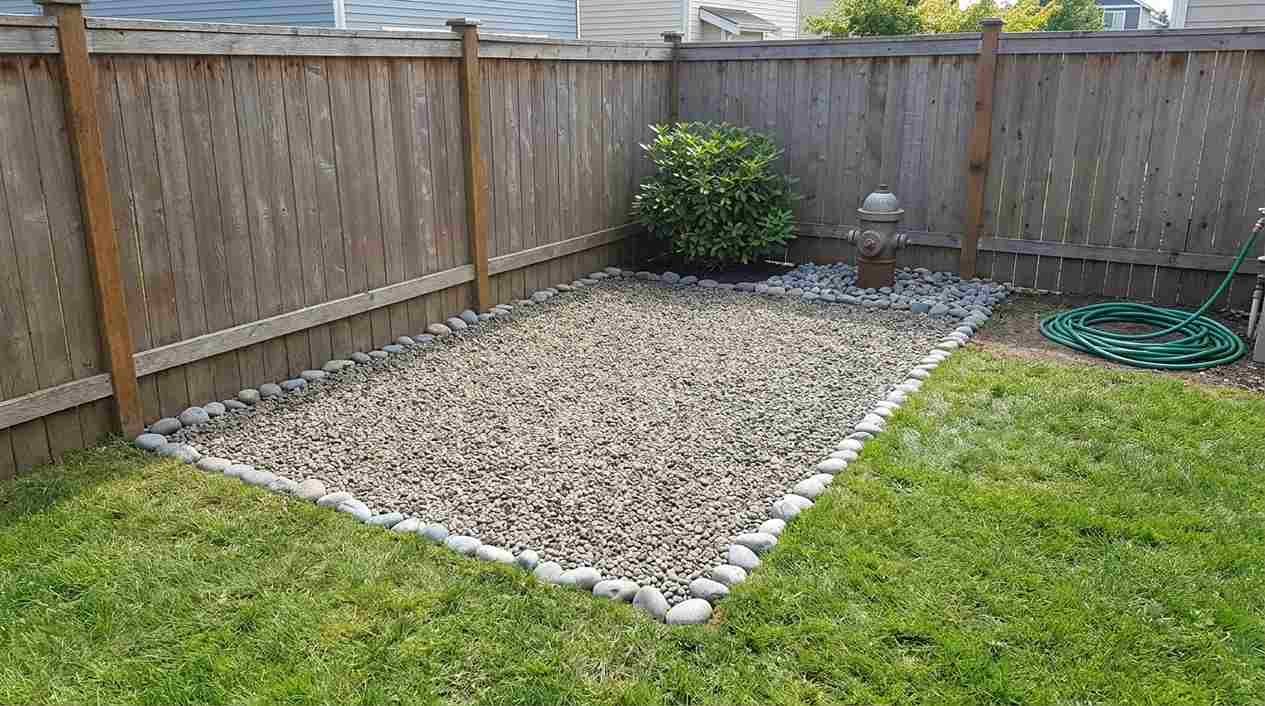
My old lab, Duke, used to treat our entire backyard like his personal bathroom. Every corner, every flower bed, right in the middle of the lawn where I’d step in it barefoot at 6 a.m.
Not fun. It took me two summers of trial and error to finally build him a spot he’d actually use every time.
So if you’re staring at a patchy, yellow-spotted yard right now, I get it. I’ve been there.
This list covers 21 backyard potty area ideas that real dog owners (including me) have actually tested.
Some are quick weekend projects. A couple take more effort. All of them beat mowing around brown patches for the rest of your life.
Quick Comparison Table
Here’s a fast look at four popular options before you scroll through everything:
| Potty Surface | Best For | Upkeep Level |
|---|---|---|
| Mulch zone | Small yards, budget builds | Low, needs refreshing yearly |
| Pea gravel | Muddy climates, big dogs | Medium, occasional rinsing |
| Artificial turf | No-mess, all-weather use | Medium, needs hosing down |
| Grass alternative (clover) | Eco-conscious owners | Low, mow occasionally |
Now let’s get into the actual ideas.
- Pick a corner and commit to it
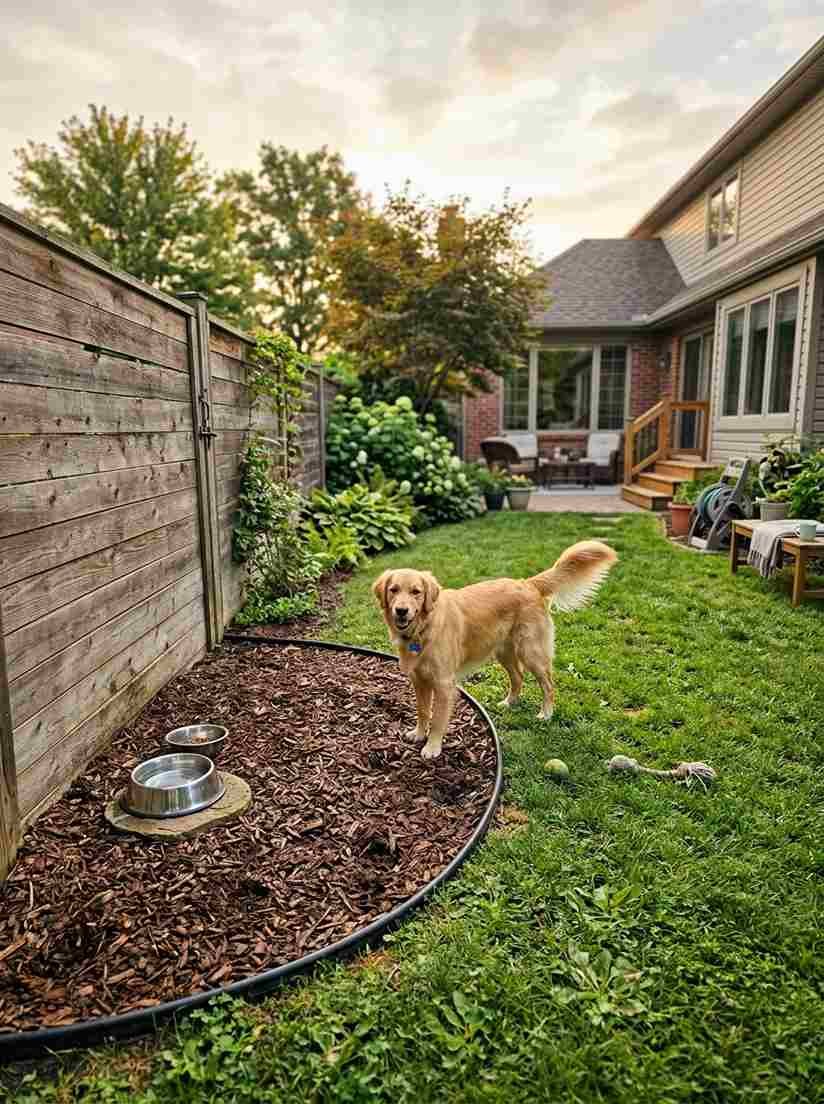
Dogs are creatures of habit. Choose a spot away from the patio, pick a corner that’s easy to reach in the rain, and stick with it.
The AKC’s guidance on teaching a reliable potty cue notes that dogs learn fastest when you consistently use the same location and verbal cue every single time (source: American Kennel Club).
Once your dog associates that patch of dirt with business, they’ll head there on autopilot.
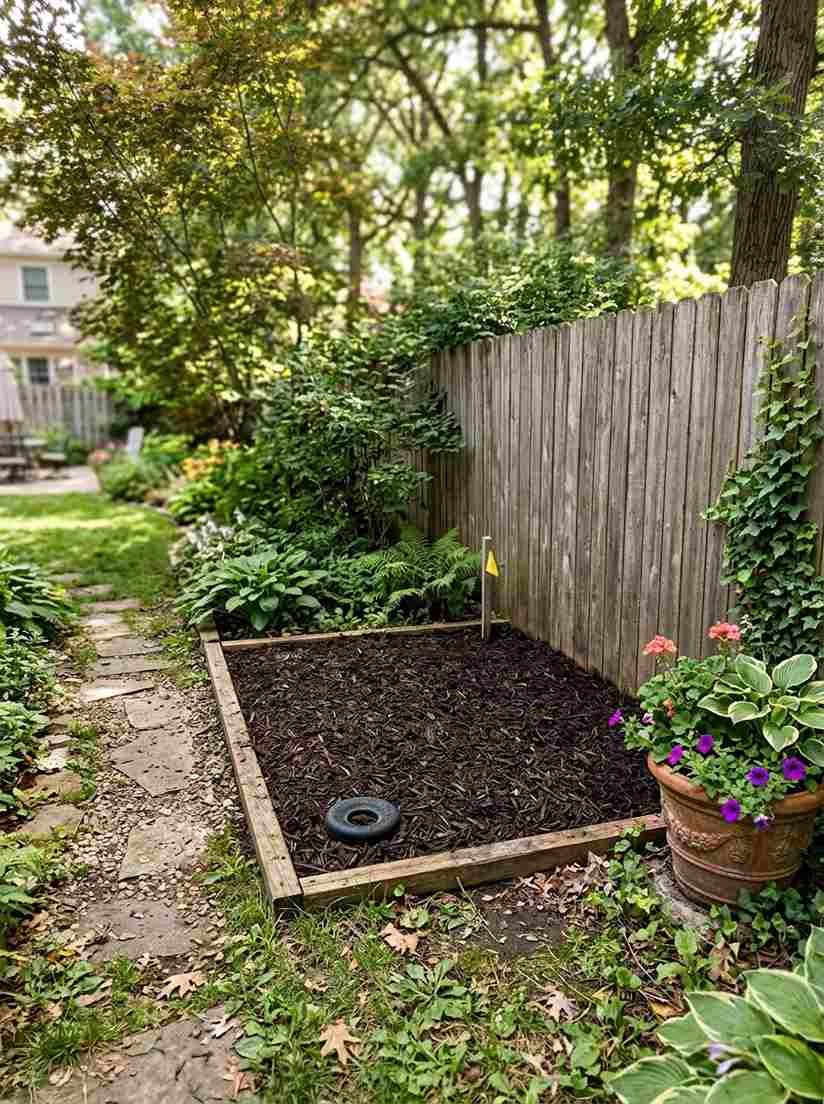
- Mulch beds are the budget MVP
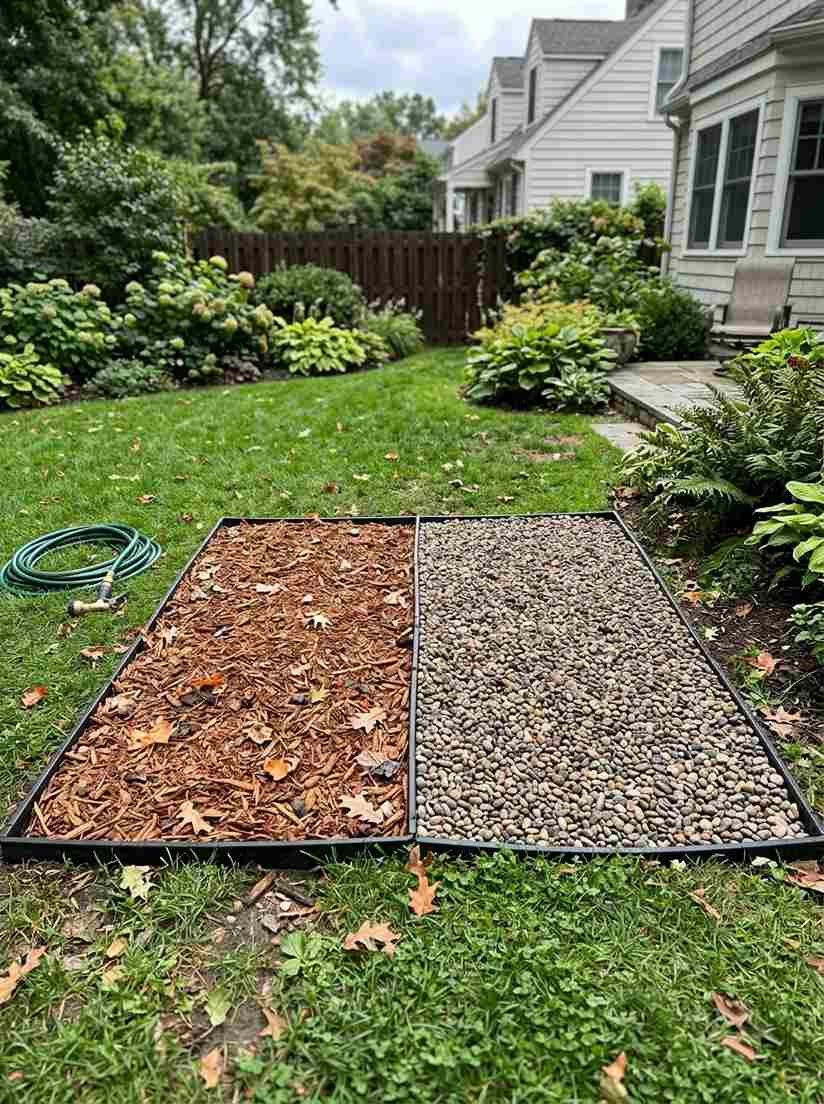
Cedar or pine mulch smells good, drains fast, and costs next to nothing.
Lay down 3 to 4 inches over a small rectangle, border it with landscape edging, and refresh it twice a year. IMO this is the easiest first project for anyone on a tight budget.
- Pea gravel for muddy yards
If your yard turns into a swamp every spring, pea gravel solves that instantly. It drains beautifully and doesn’t hold onto odor the way dirt does.
My neighbor swears by it for her two German Shepherds, and honestly, her yard smells better than mine.
- Artificial turf potty patches
Synthetic turf potty patches are basically a mini fake lawn with drainage holes underneath.
You hose them down, they dry fast, and there’s zero mud tracked into the house. Higher upfront cost, but if you’re renting and can’t dig up the yard, this is a solid workaround.
- Dog-friendly clover instead of grass
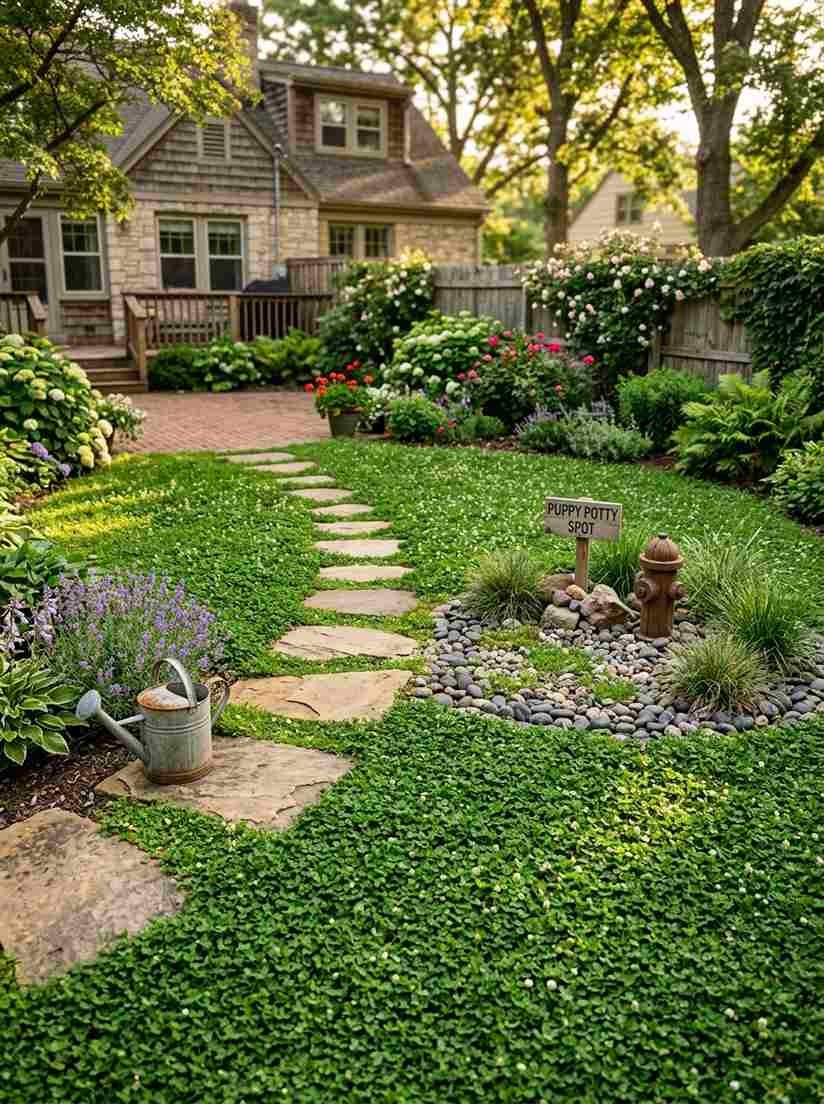
Regular grass yellows fast from nitrogen in dog urine. Clover, on the other hand, handles it far better and stays green longer.
Swapping even a section of lawn to clover is one of those small changes that makes a noticeable difference by midsummer.
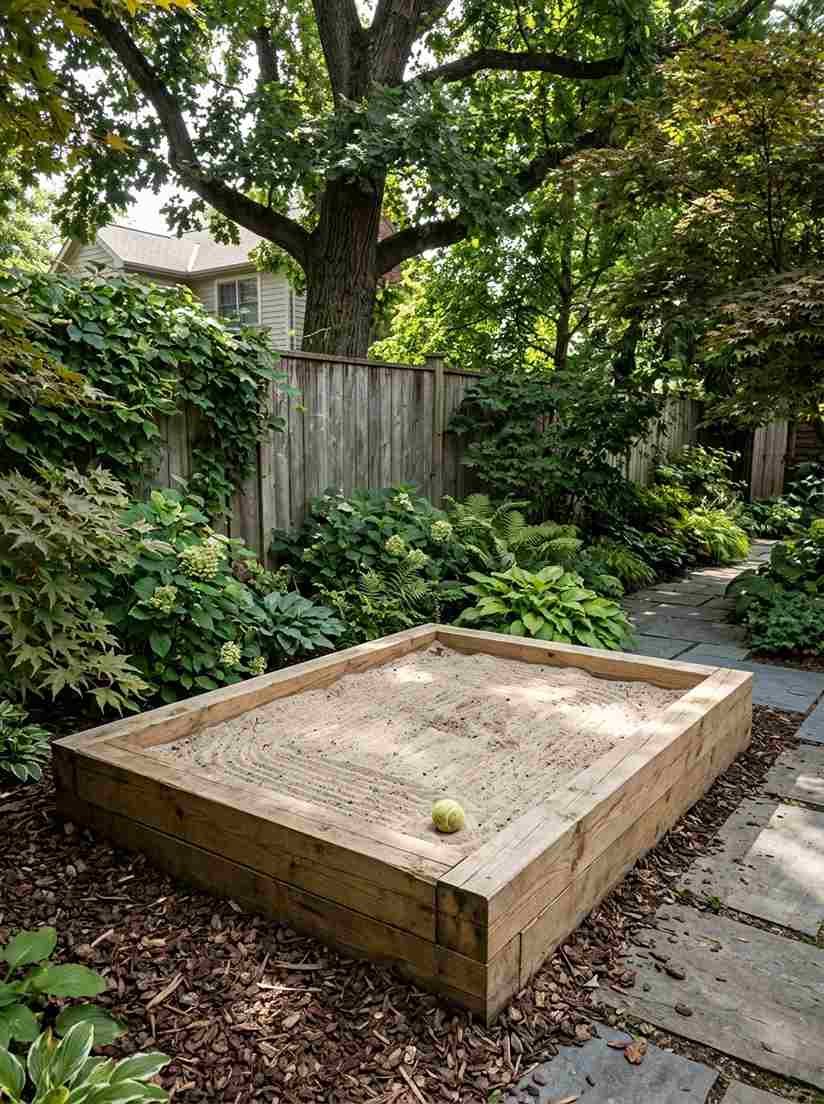
- Build a raised sandbox-style pit
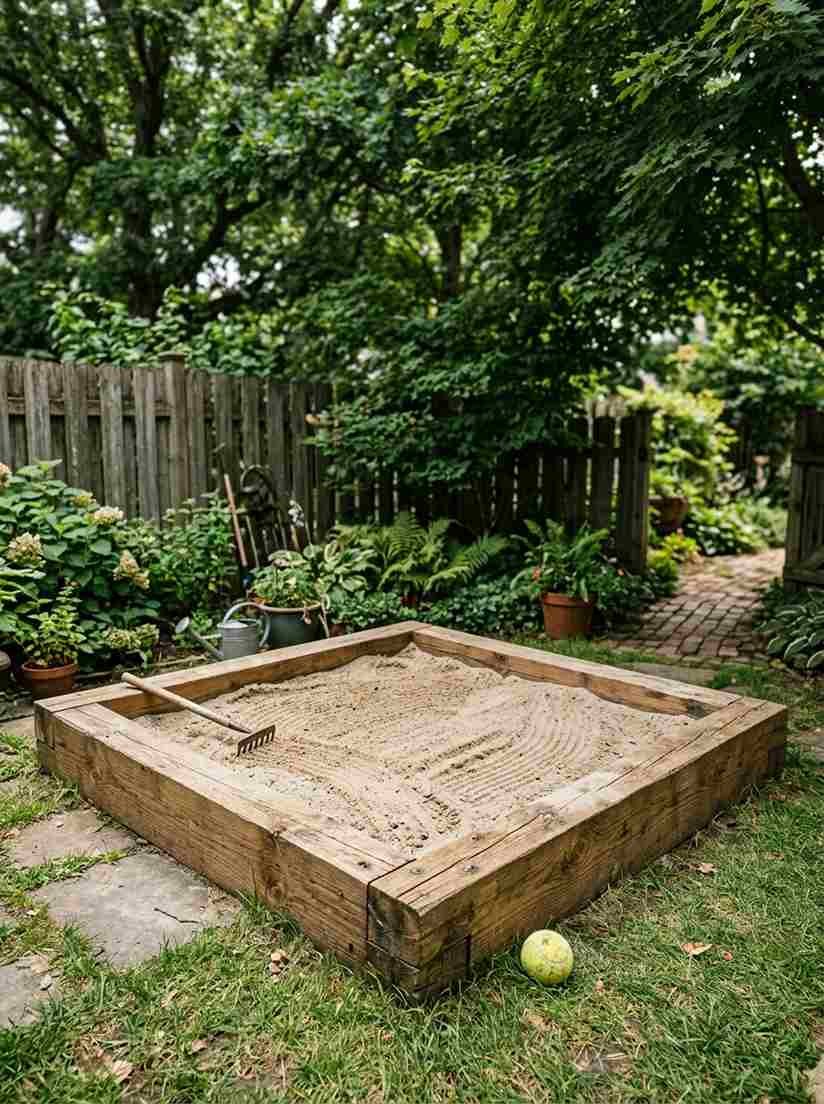
Some dogs, especially diggers, love a sand-filled potty box. Frame it with untreated wood, fill with washed play sand, and rake it weekly.
Terriers and hounds tend to take to this one fast since digging is already their favorite hobby anyway.
- Use a scent anchor to train the spot
Dogs are led by their nose more than anything else. A pet waste training service notes that leaving a small amount of your dog’s own waste in the target area helps reinforce the habit, since dogs tend to return to spots where they’ve already gone before (source: DoodyCalls). Just don’t overdo it. A little goes a long way.
- Container potty gardens for apartments with tiny yards
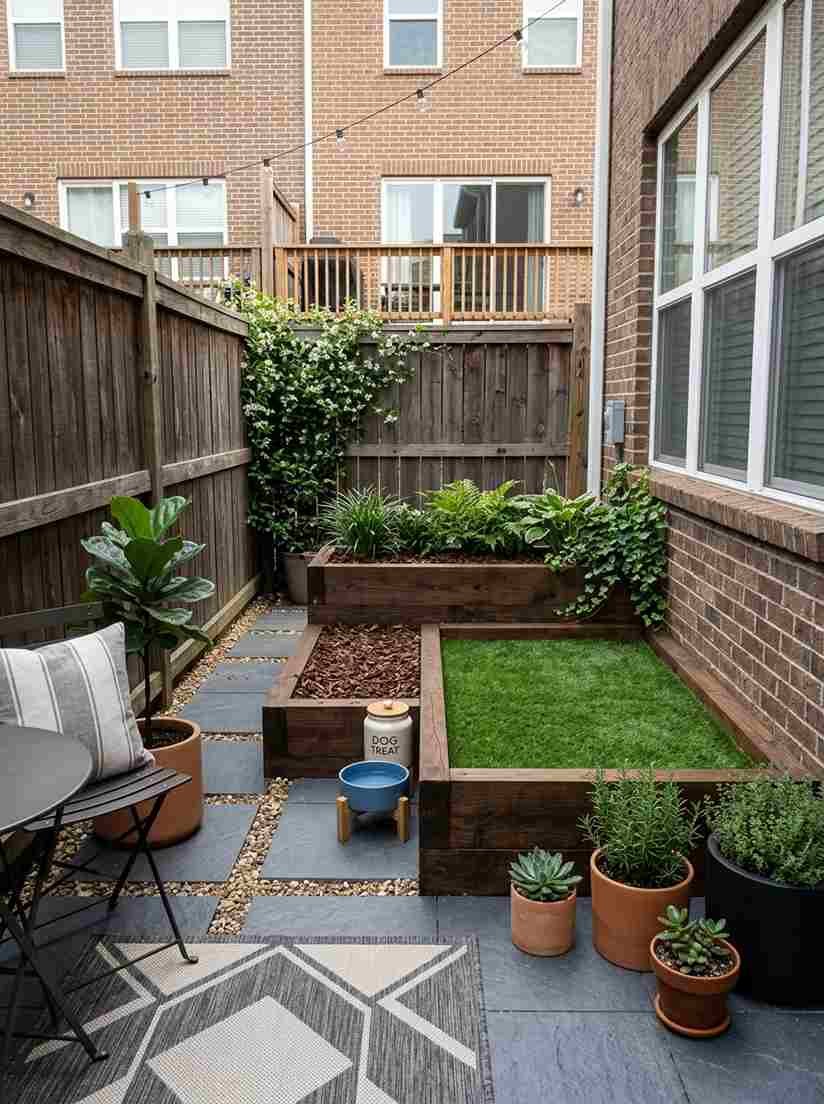
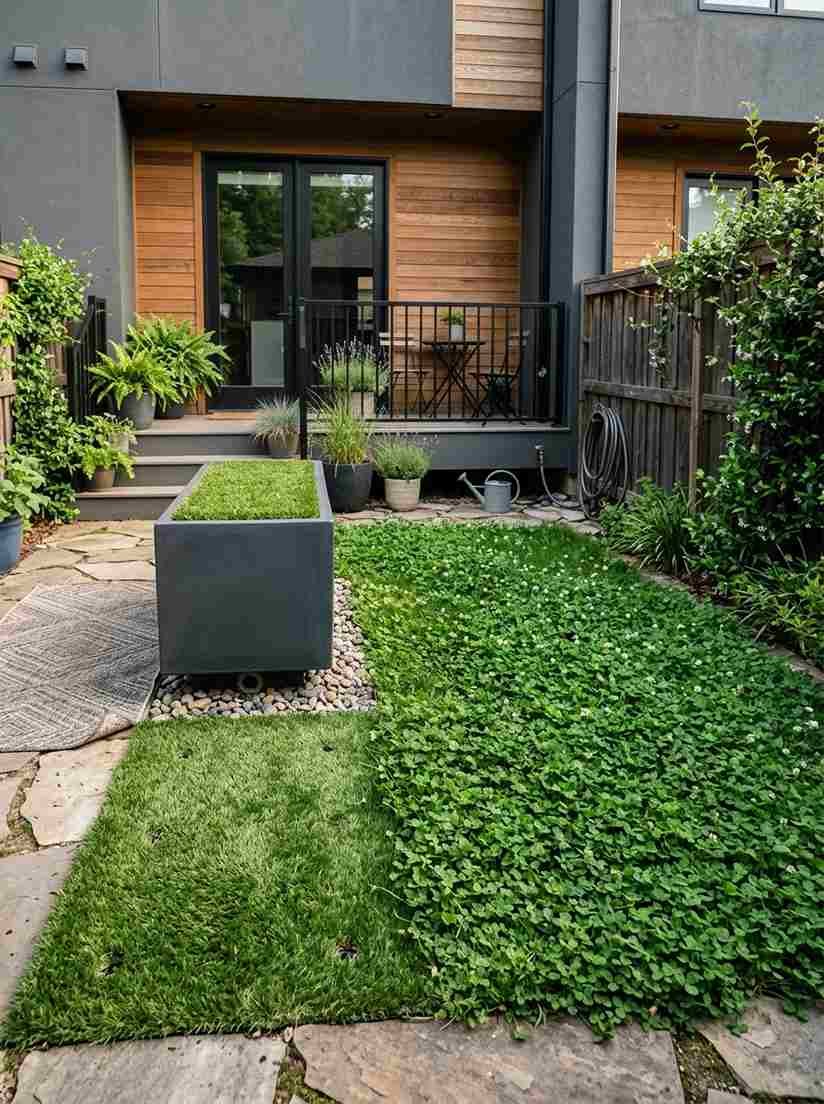
Living in a townhouse with a postage-stamp yard? A large raised planter box filled with mulch or artificial grass works as a mini potty station. It’s compact, contained, and easy to clean.
- Slope the area away from your house
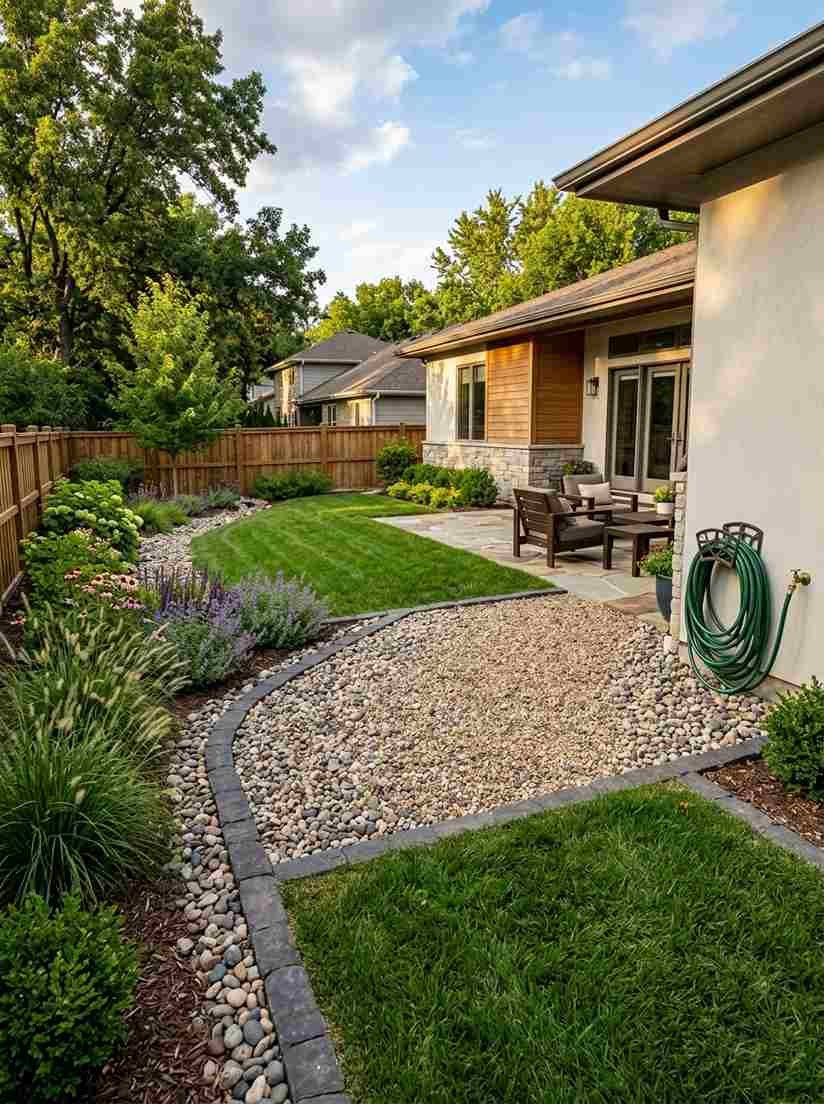
This one’s often overlooked. A gentle slope keeps waste and runoff moving away from your foundation and patio instead of pooling near your back door.
Ever wondered why some potty areas always smell worse after rain? Drainage is usually the culprit.
- Add a low fence or hedge for privacy
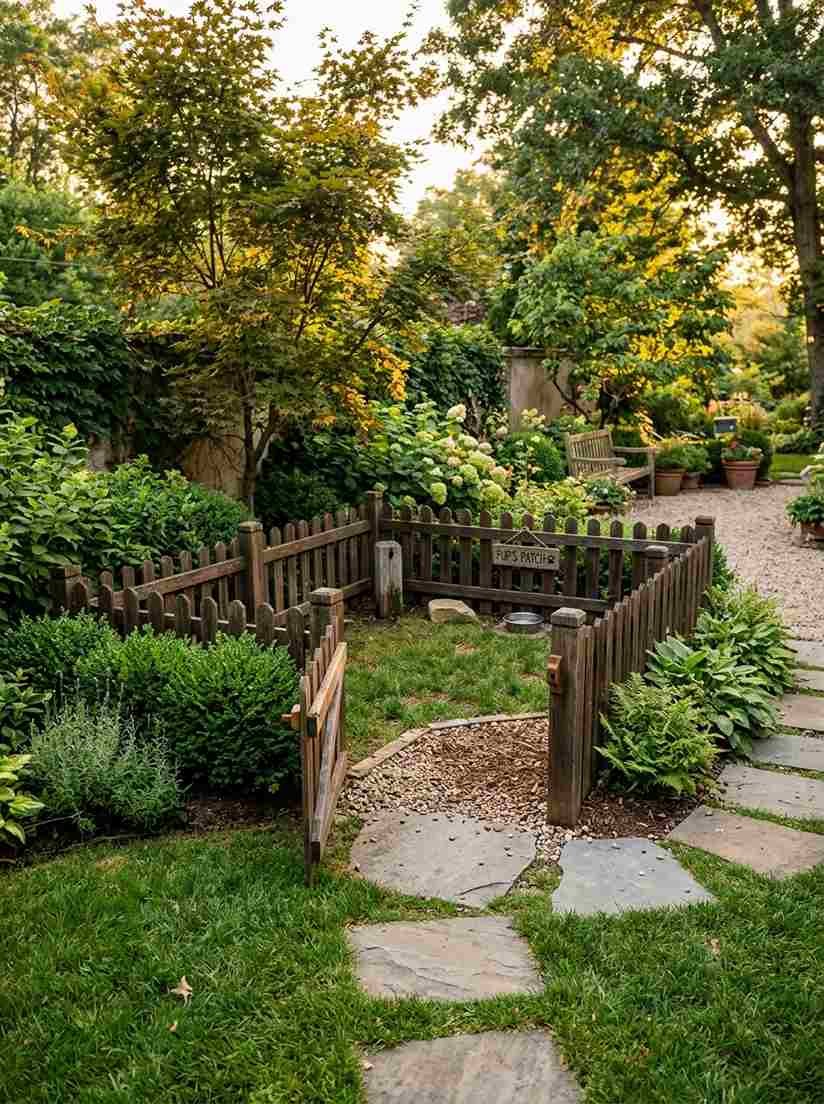
Some dogs genuinely get shy going potty out in the open, especially rescues. A simple 2-foot decorative fence or a row of dog-safe shrubs gives them a bit of privacy without blocking your view of the yard.
- Mix crushed granite with mulch for odor control
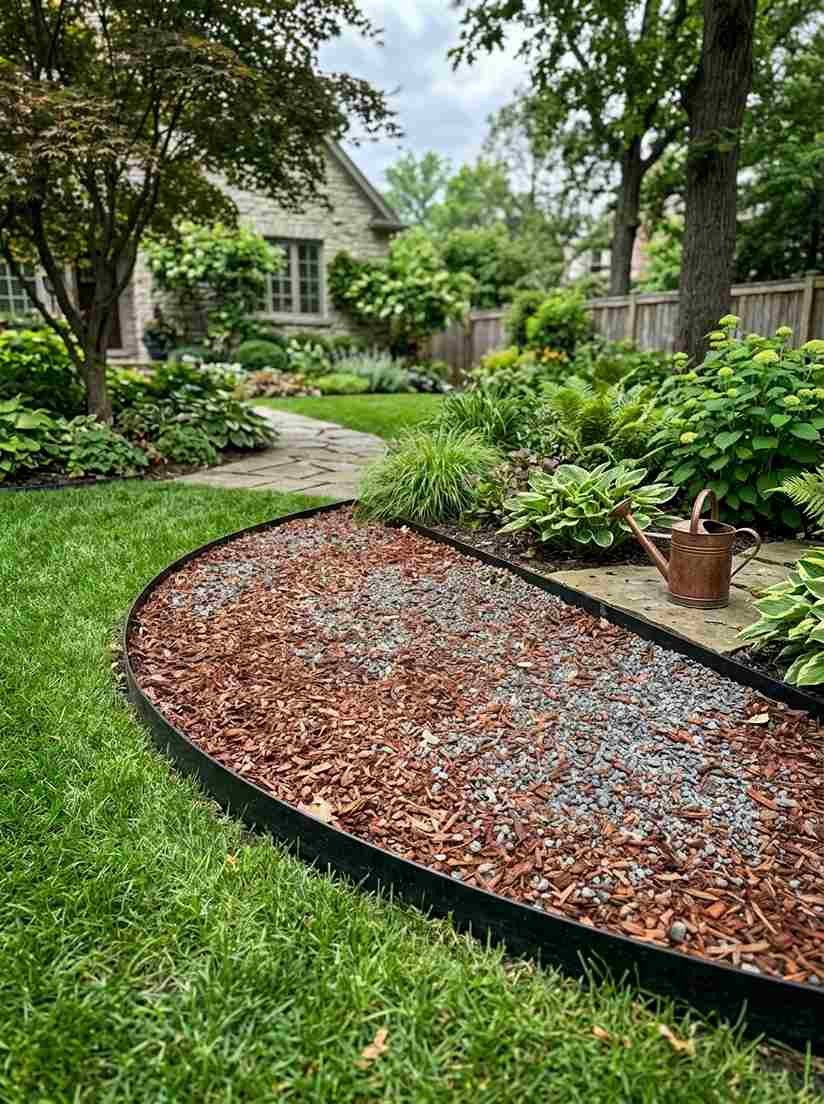
Crushed granite dust mixed into mulch cuts down on smell significantly better than mulch alone.
It’s a lesser-known trick, but pros who install dog runs for a living use this combo constantly.
- Rotate two separate zones
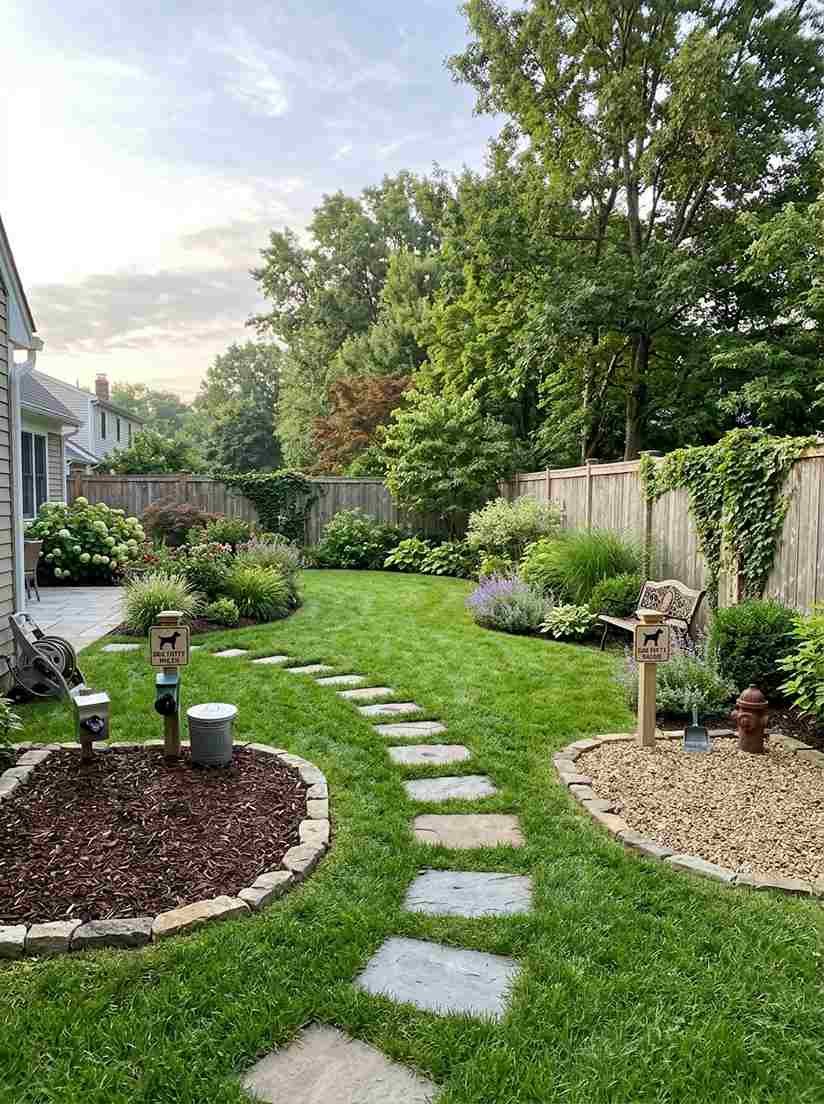
If you’ve got a bigger yard, alternate between two potty areas every few weeks. This gives grass and soil time to recover and cuts down on that concentrated ammonia smell in one single spot.
- DIY fire hydrant or post marker
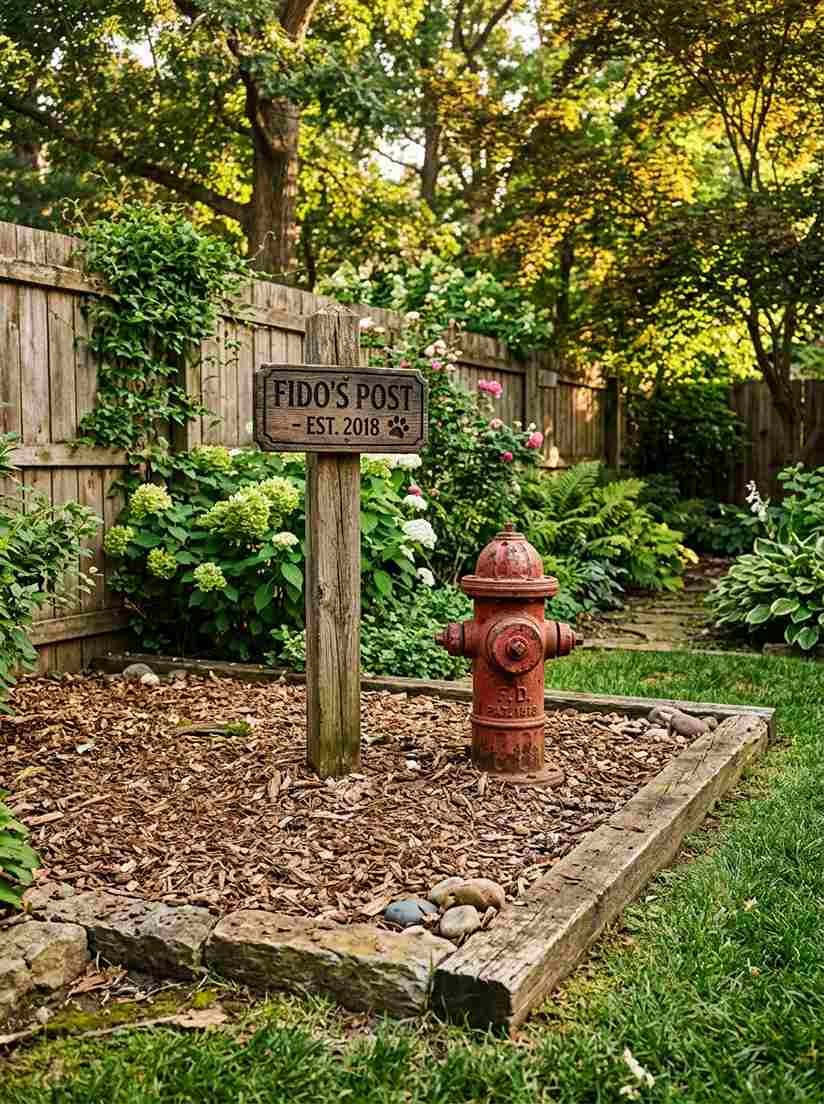
This sounds gimmicky, but it works surprisingly well for male dogs who like to mark vertically. \
A wooden post or a decorative fake hydrant gives them a target, which naturally draws their attention to that corner of the yard.
- Install a small drainage grate underneath gravel
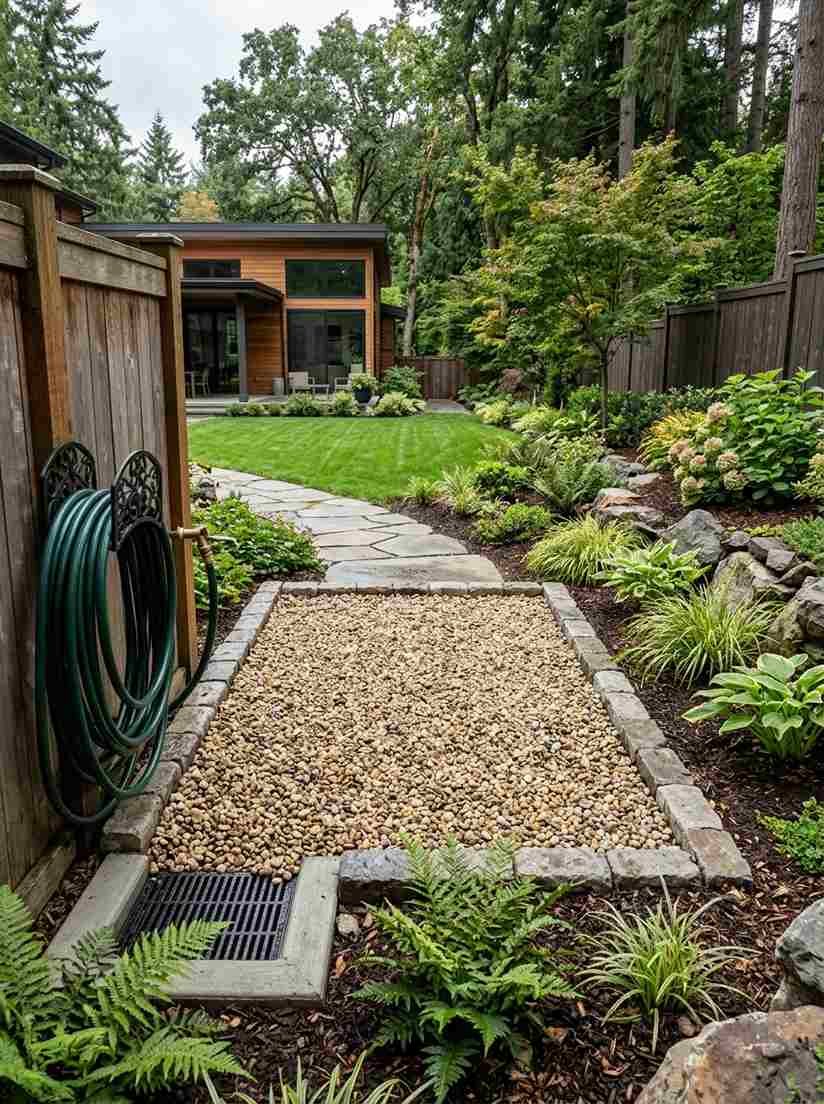
For heavy dog households (three-plus dogs), a proper drainage grate beneath your gravel or turf keeps the whole system from turning into a swamp during storms. It’s a bigger project, sure, but worth it if you’re dealing with serious volume.
- Keep it away from vegetable gardens
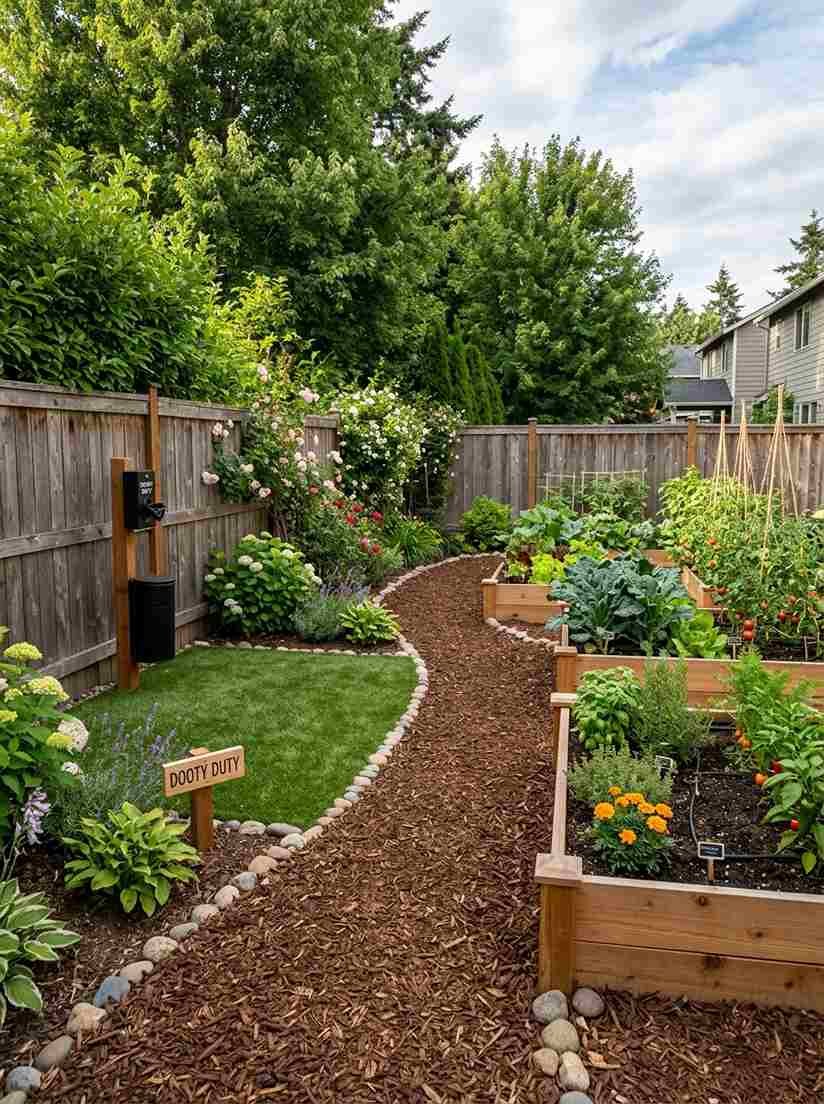
This should go without saying, but I’ve seen it happen. Keep the potty zone at least 10 feet from anything you eat, both for hygiene and because dog urine’s nitrogen content can actually burn tender vegetable roots.
- Use pet-safe ground cover plants around the border
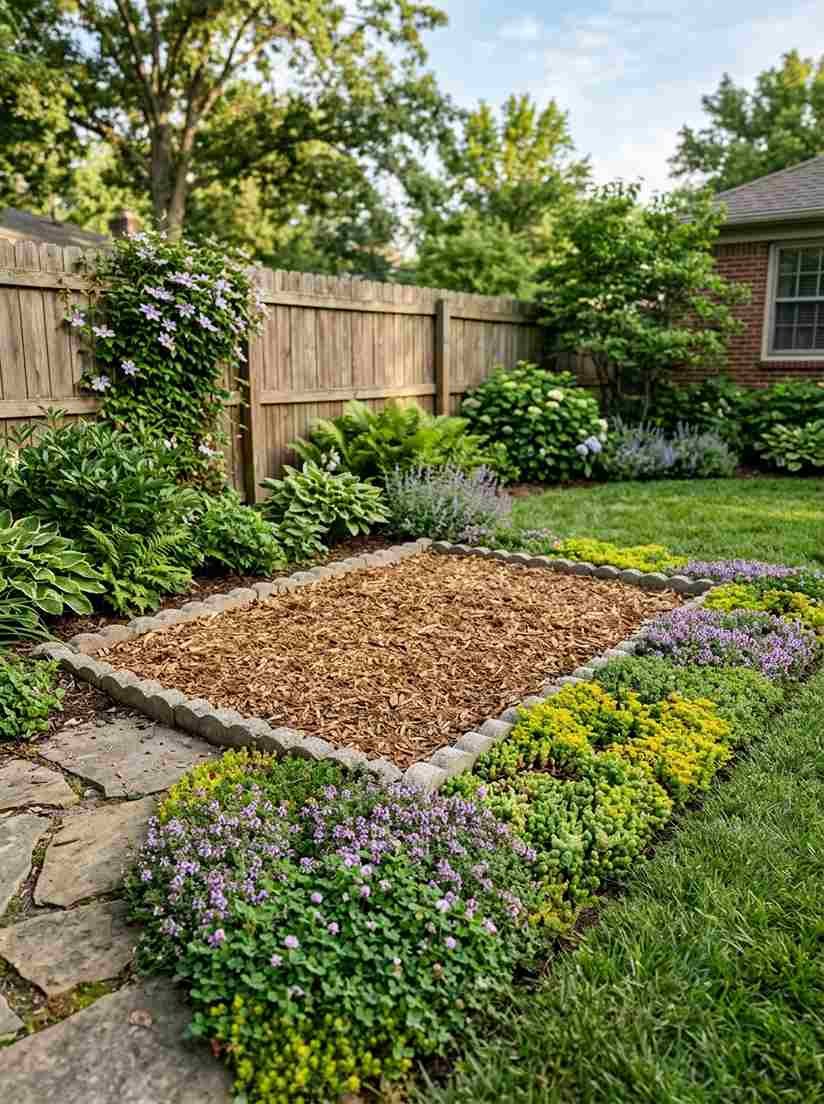
Border your potty patch with something that won’t poison your dog if they nibble it out of boredom.
The ASPCA’s non-toxic plant list is the gold standard resource for checking anything before you plant it near your dog (source: ASPCA). Wow, that database is genuinely huge. I check it before adding literally anything new to my yard now.
- Add a simple wash-down hose station nearby
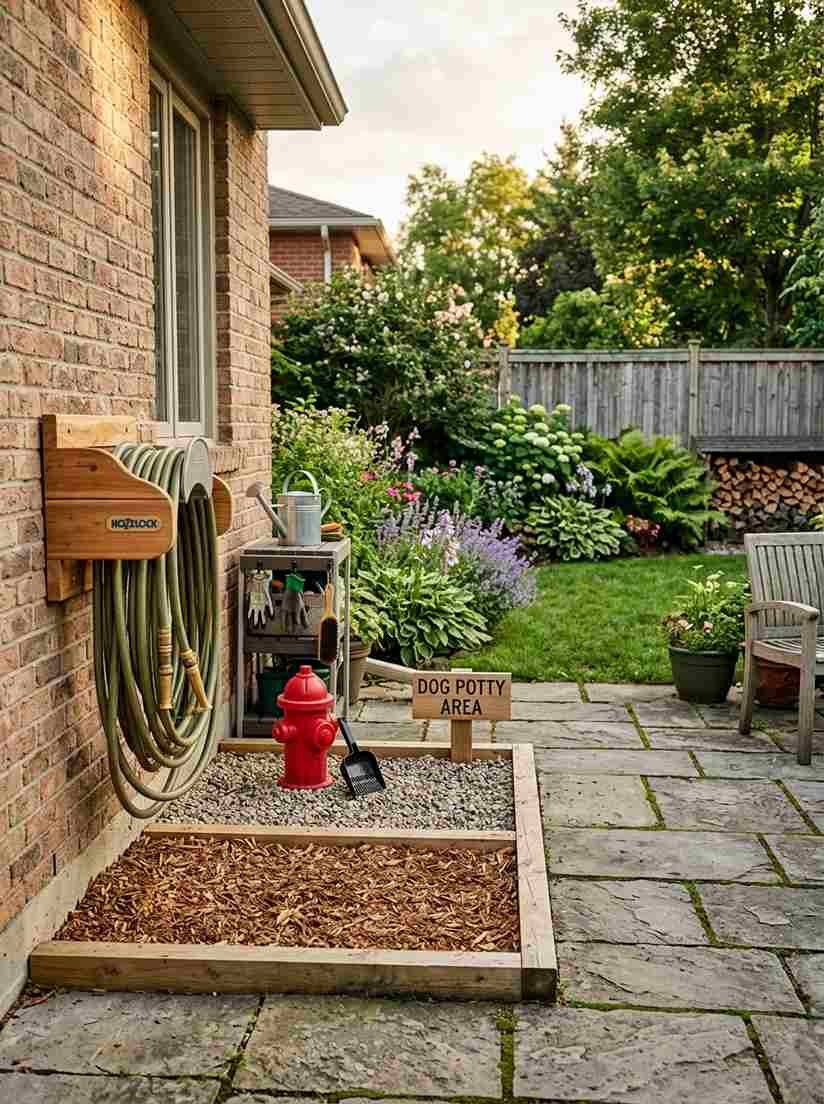
A cheap outdoor hose reel mounted near the potty zone saves you from dragging a hose across the whole yard every time you need to rinse things down.
Small convenience, big time saver.
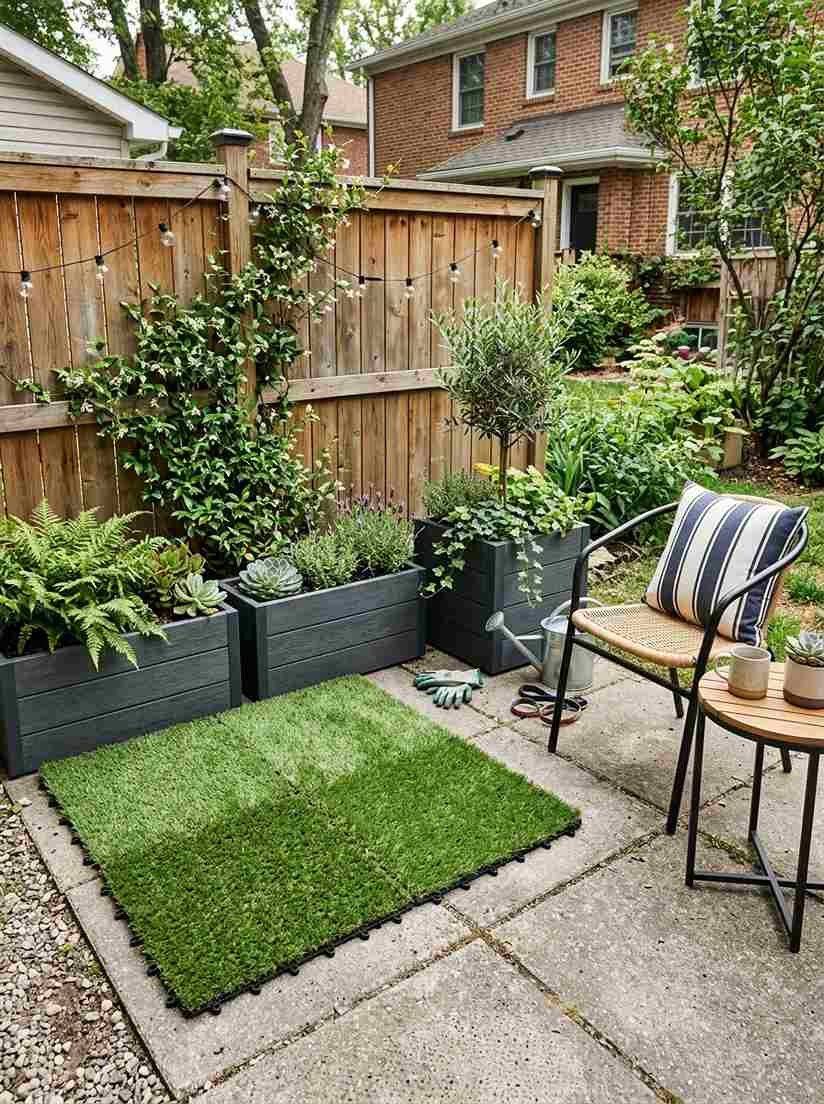
- Try artificial turf tiles for renters
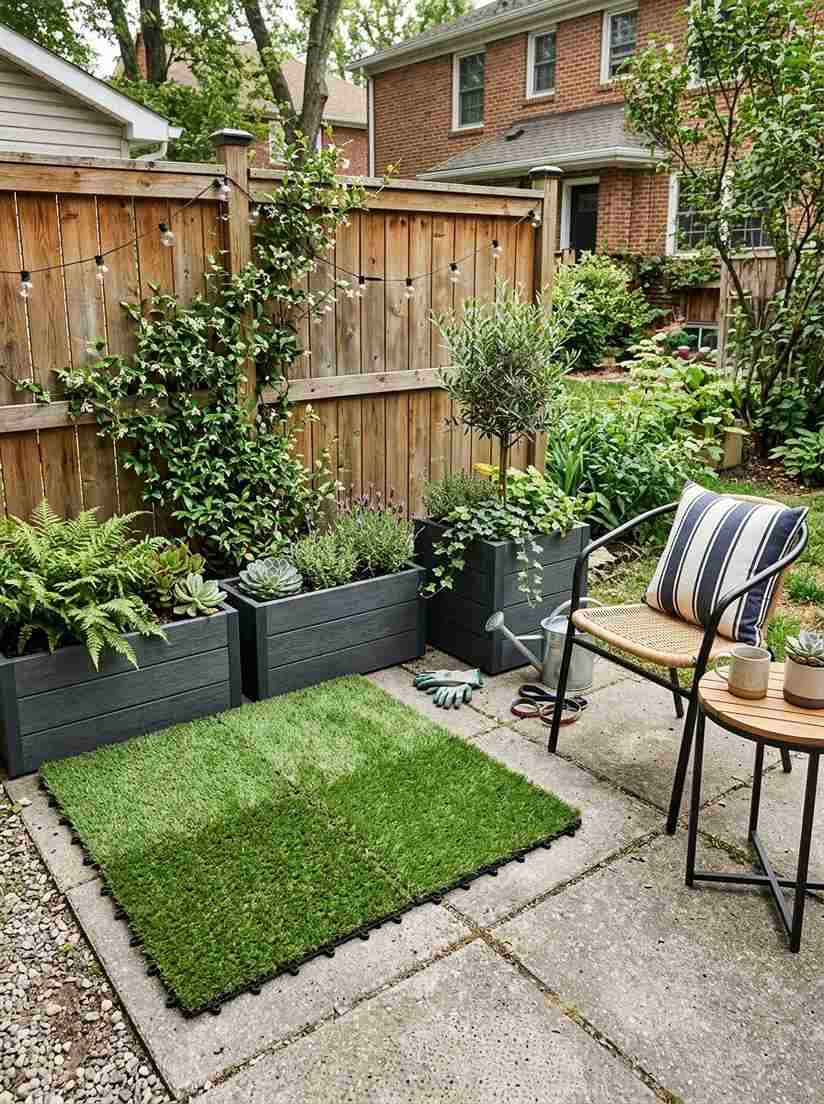
If you can’t commit to permanent landscaping, modular turf tiles snap together and lift right back up when you move. No holes, no mess, no landlord drama.
- Add stepping stones leading to the spot
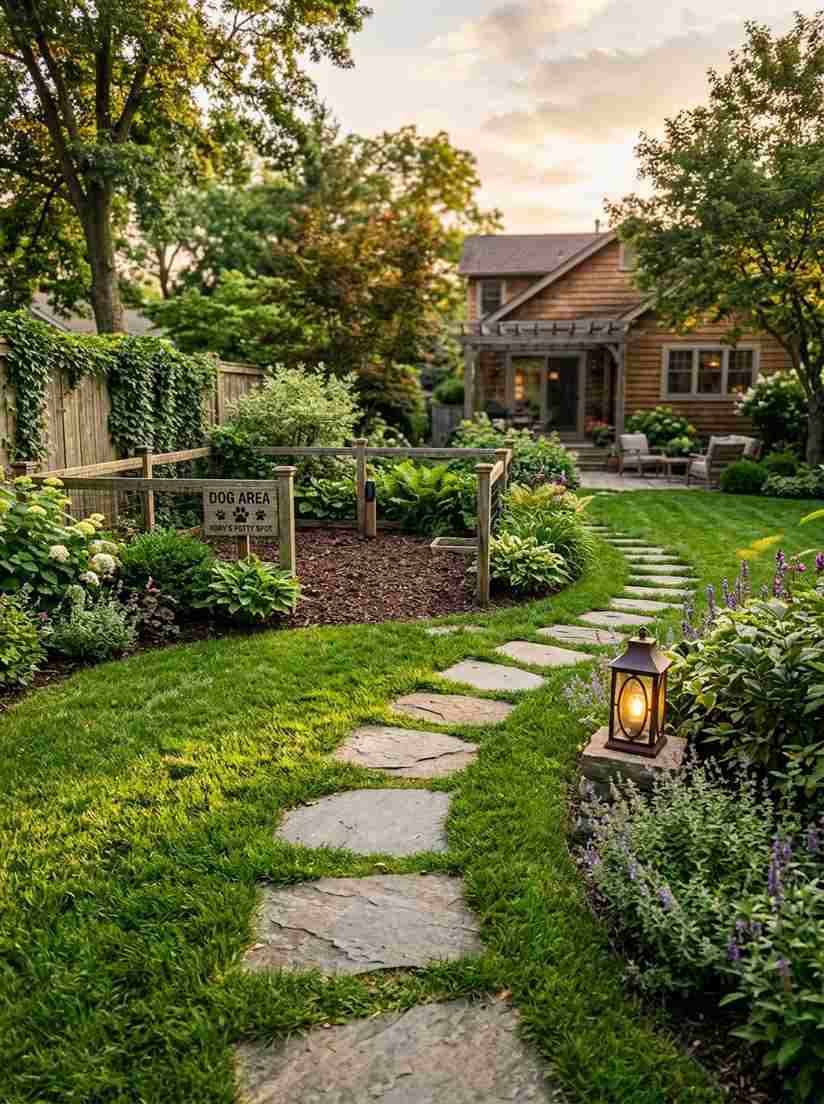
Dogs, especially puppies, follow visual paths more than you’d think.
A short line of flat stones leading toward the potty zone subtly guides them there, particularly during nighttime bathroom trips when nobody wants to stumble around in the dark.
- Combine a covered area for rainy days
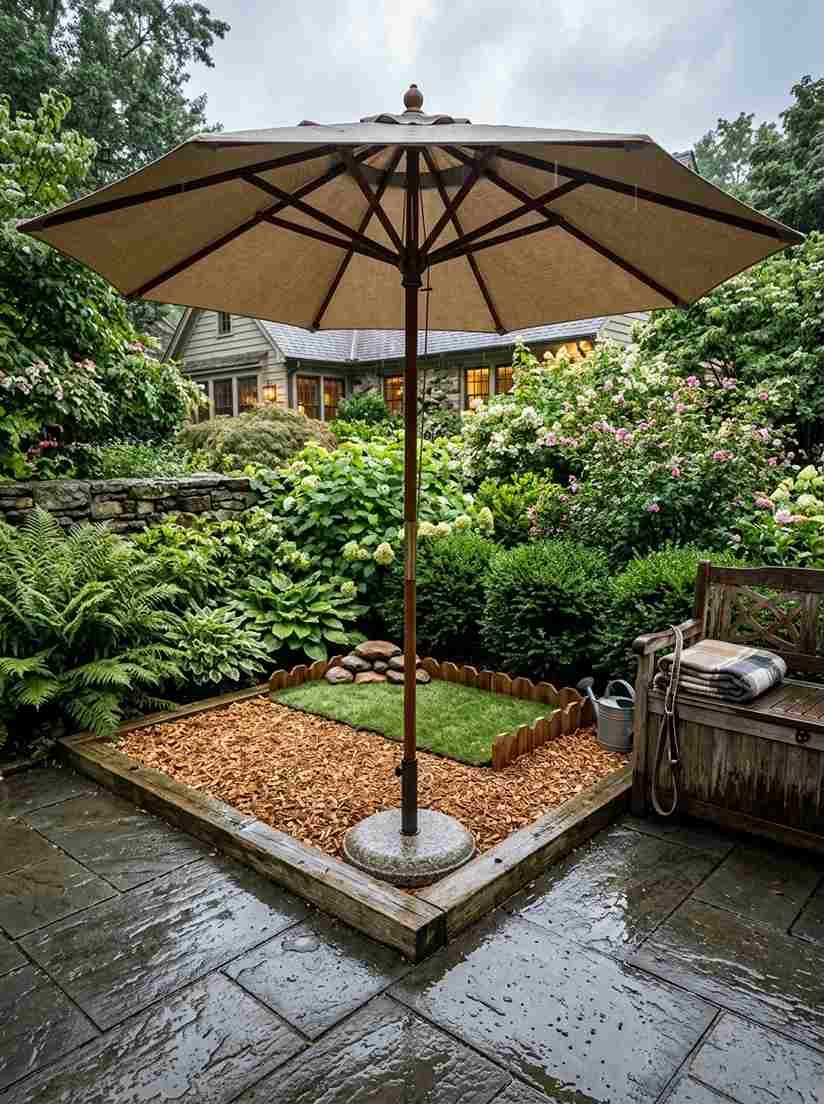
A small overhang, even just a patio umbrella anchored nearby, encourages dogs who hate getting wet to still use their spot instead of holding it and having an accident indoors.
This one saved me during a rainy October with Duke.
- Reward heavily and consistently
None of these setups matter if you skip the training piece. Treats, praise, and consistency turn any of these ideas from “a spot in the yard” into “the spot my dog automatically runs to.”
This is the part people skip, and it’s honestly the most important one on this whole list.
A Quick Side Thought
Random tangent here, but does anyone else’s dog have a weirdly specific pre-potty ritual? Duke used to spin exactly three times, sniff the same corner, then finally go.
Every single time. If your dog does something like this too, you’re not imagining it. It’s just a dog thing.
Step-by-Step: Setting Up Your First Potty Zone This Weekend
- Choose your corner. Pick somewhere accessible in bad weather and away from high-traffic patio areas.
- Clear and level the ground. Remove existing grass or debris with a flat shovel.
- Add your base layer. Mulch, gravel, sand, or turf, depending on your climate and budget.
- Border it. Landscape edging keeps material contained and defines the space visually for your dog.
- Introduce your dog on leash. Walk them to the spot using your usual potty command for at least two weeks straight.
- Reward every success. Immediate praise and a treat cement the habit fast.
- Clean daily. A clean spot gets used again. A neglected one gets abandoned for the middle of your lawn.
This isn’t complicated stuff, but skipping steps is exactly why so many DIY potty areas fail within a month.
Frequently Asked Questions
How long does it take to train a dog to use a backyard potty spot? Most dogs pick it up within two to four weeks of consistent, daily reinforcement. Puppies and stubborn breeds sometimes take a bit longer, so don’t panic if week one looks messy.
What’s the cheapest potty area option? A basic mulch zone bordered with cheap edging is the most affordable route, usually under $50 for a small to medium yard.
Will a potty area smell bad in summer heat? It can if it’s neglected.
Regular cleanup, occasional rinsing, and good drainage keep odor manageable even in hot months. Gravel and turf setups tend to handle heat and smell better than plain dirt.
Final Thought
Building a dedicated potty spot isn’t about being fussy. It’s about keeping your yard usable and your dog happy, and honestly, once you set one up properly, you’ll wonder why you waited so long.
Which idea from this list are you trying first, and does your yard lean more toward the muddy mess category or the “just needs a designated corner” category? Let me know down in the comments, I’d genuinely love to hear what’s worked for your pup.
