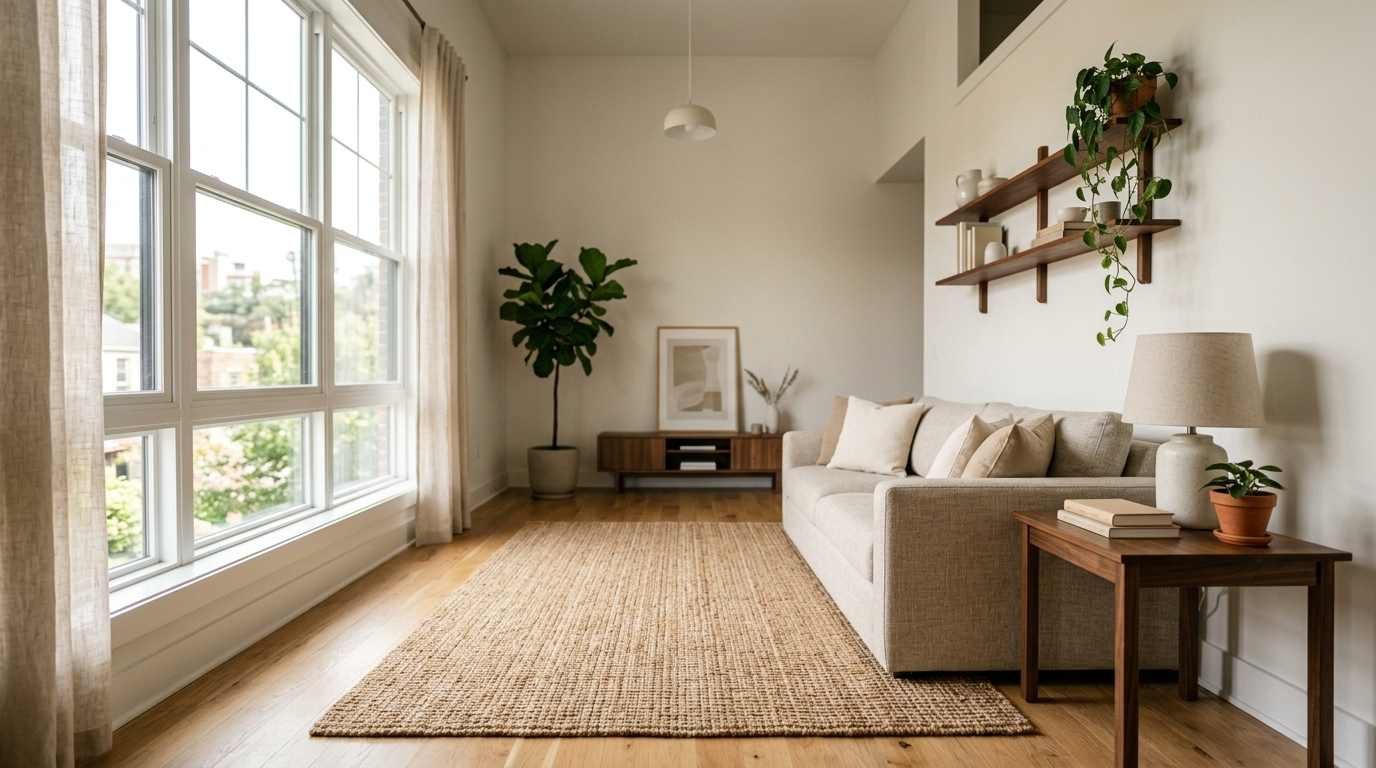
I used to think minimalism meant an empty room with one sad chair in it.
Then I moved into a 480-square-foot apartment and got a crash course in what it actually means: less stuff, chosen better, arranged smarter.
If you’re pinning inspiration boards at 1am wondering how some people make 500 square feet look like a magazine spread, this is for you. I’ve tried most of these ideas in my own place.
Some worked immediately. One (the gallery wall attempt) was a disaster I’ll get to later.
Here are 22 ways to make a small room feel calm, open, and genuinely yours.
Pick one hero color and commit to it A tight color palette does more for a small room than any amount of furniture rearranging.
Stick to two or three tones, max, and let them repeat across your walls, textiles, and accessories. My living room is warm white, oatmeal, and one walnut brown.
It sounds boring on paper. It reads as calm in person.
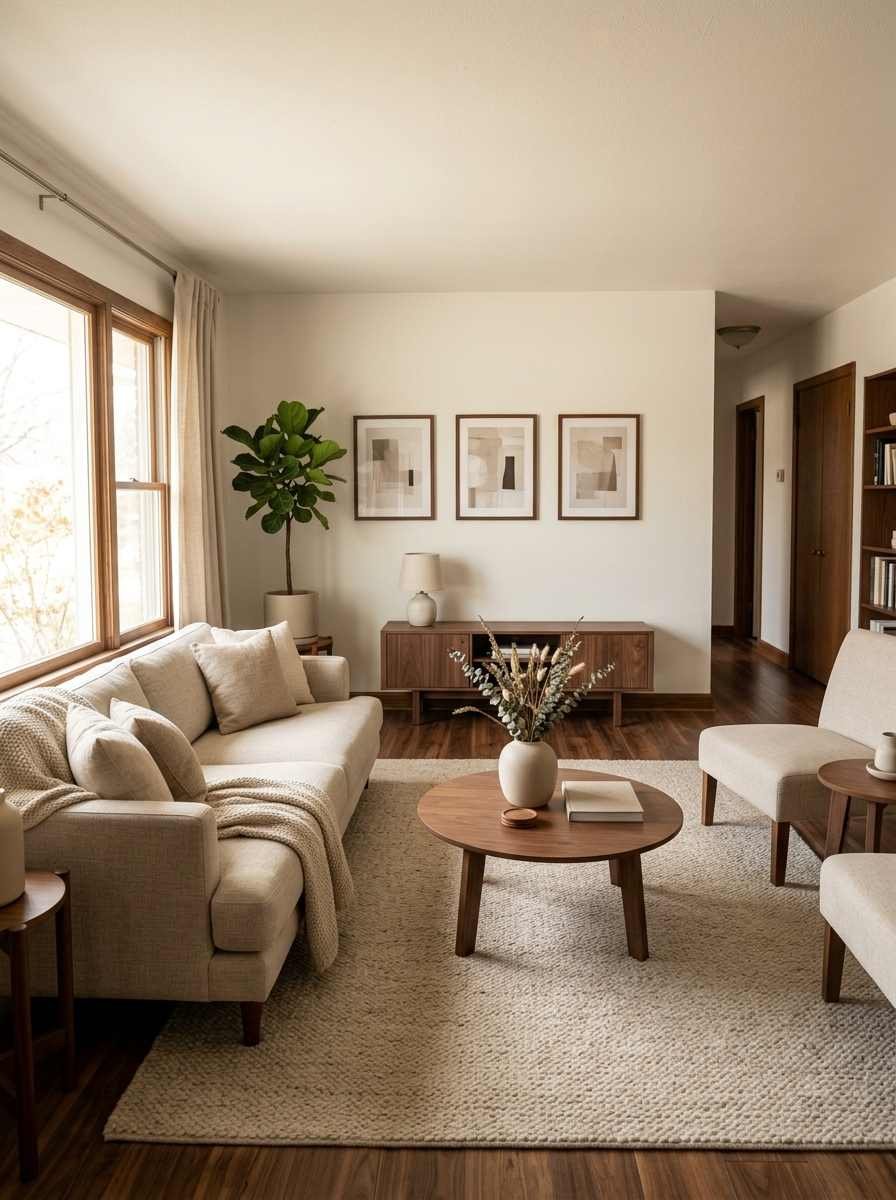
Float your furniture off the floor Legs matter more than people realize.
A sofa or bed frame with visible legs lets your eye travel under it, which tricks the brain into registering more floor space.
Swap anything boxy and floor-hugging for something with a little air underneath.
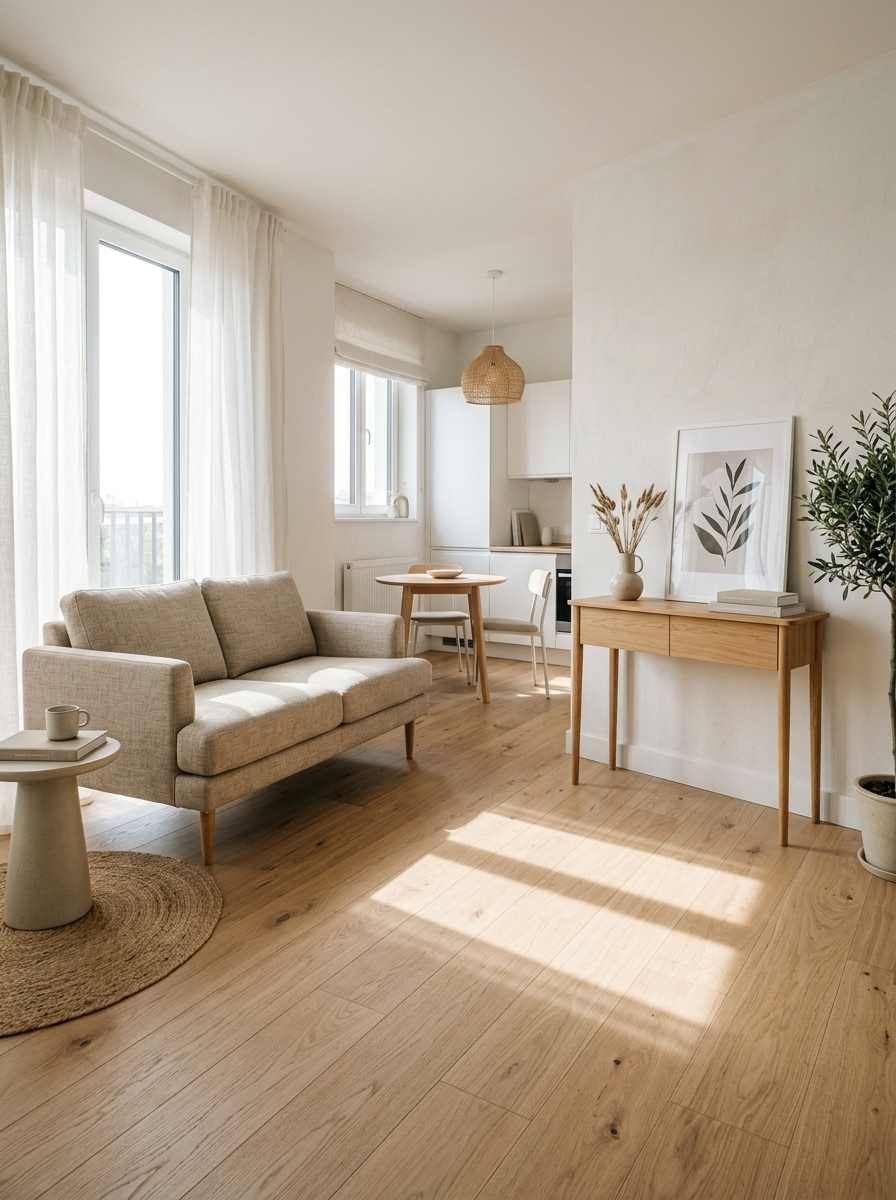
Let one statement piece do the talking Minimalist doesn’t mean personality-free. Pick a single bold item, a piece of art, a colorful chair, a sculptural lamp, and build quiet support around it.
One loud thing surrounded by calm things reads as intentional. Five loud things reads as chaos.
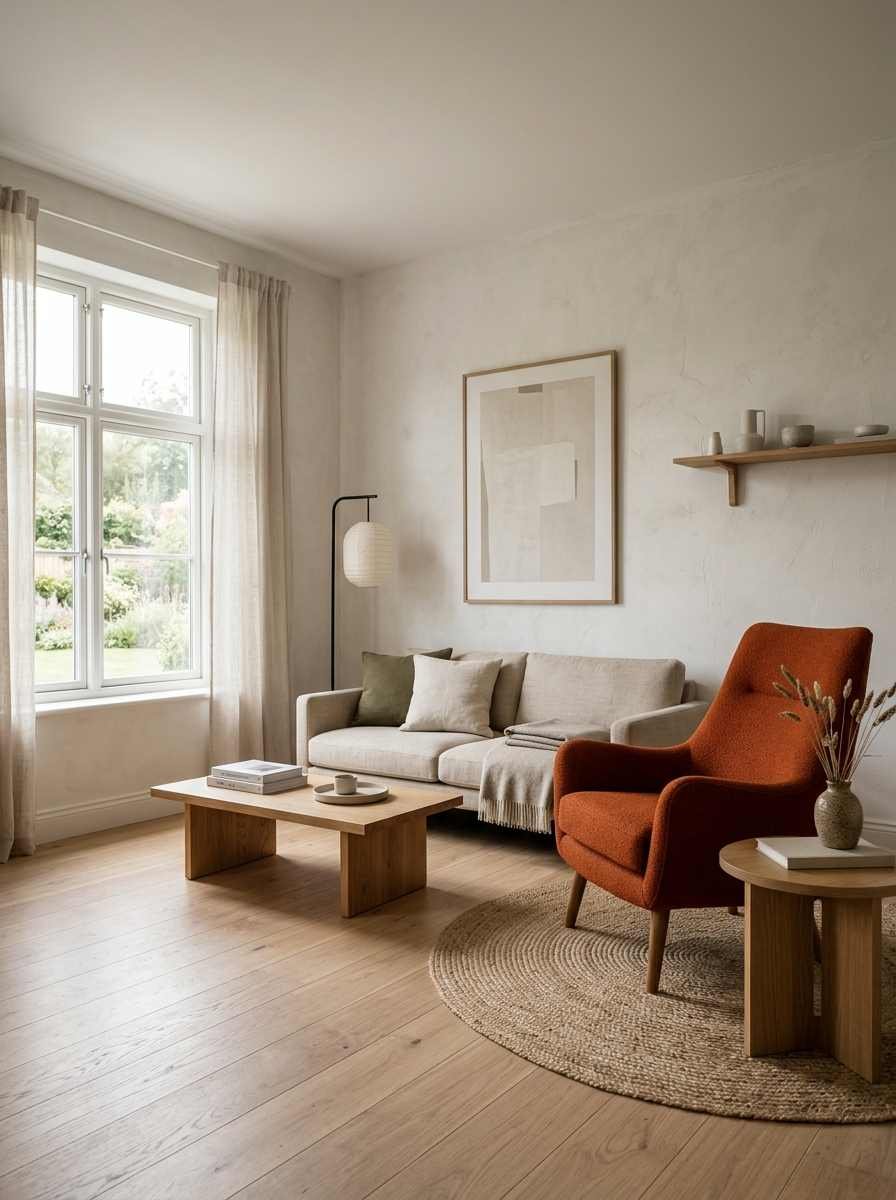
Swap the coffee table for nesting tables Nesting tables tuck away when you don’t need the surface area and pull out when guests come over.
It’s a small swap that saves a surprising amount of visual clutter on a daily basis.
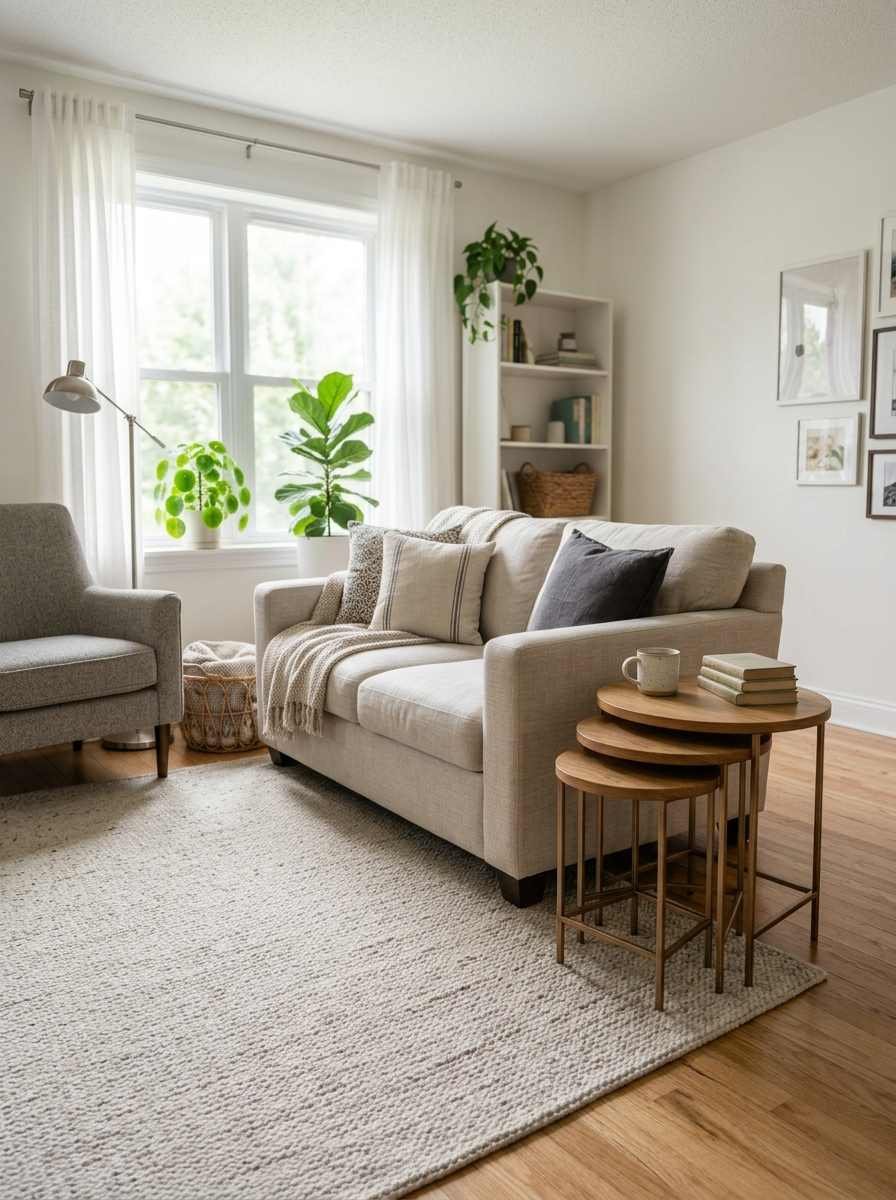
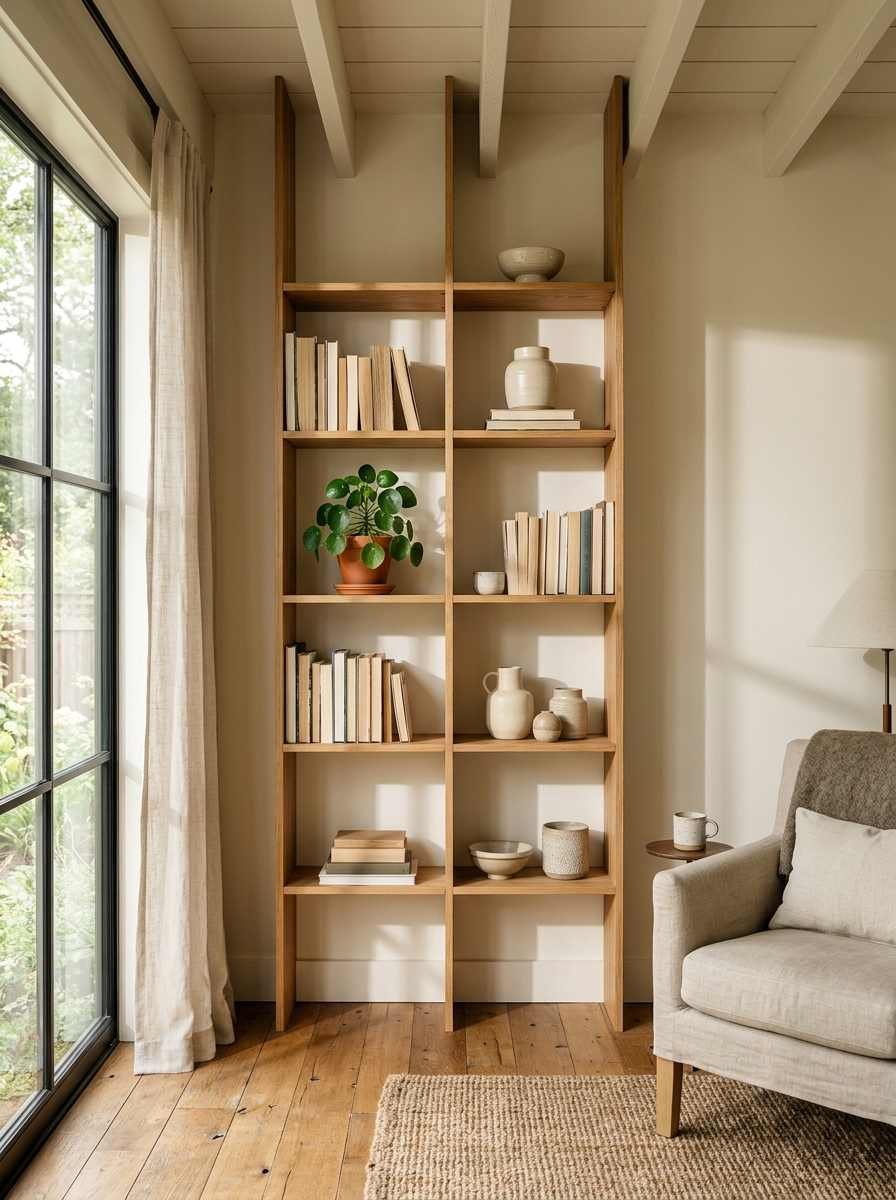
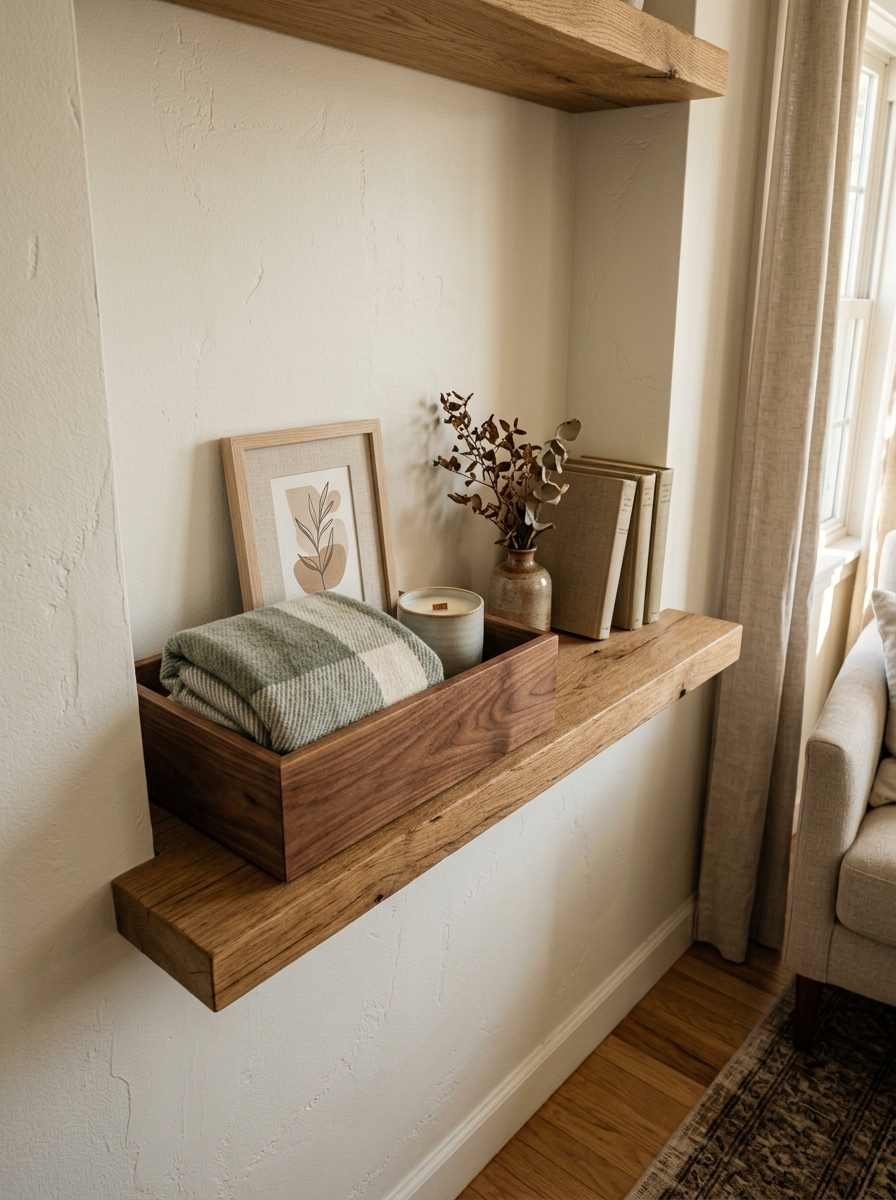
Go vertical with shelving Wall space above eye level is basically free real estate that most people ignore.
Tall, narrow shelving units draw the eye upward and make ceilings feel higher, which makes the whole room feel bigger.
Apartment Therapy has a great roundup of small-space storage ideas that leans hard into this exact trick.
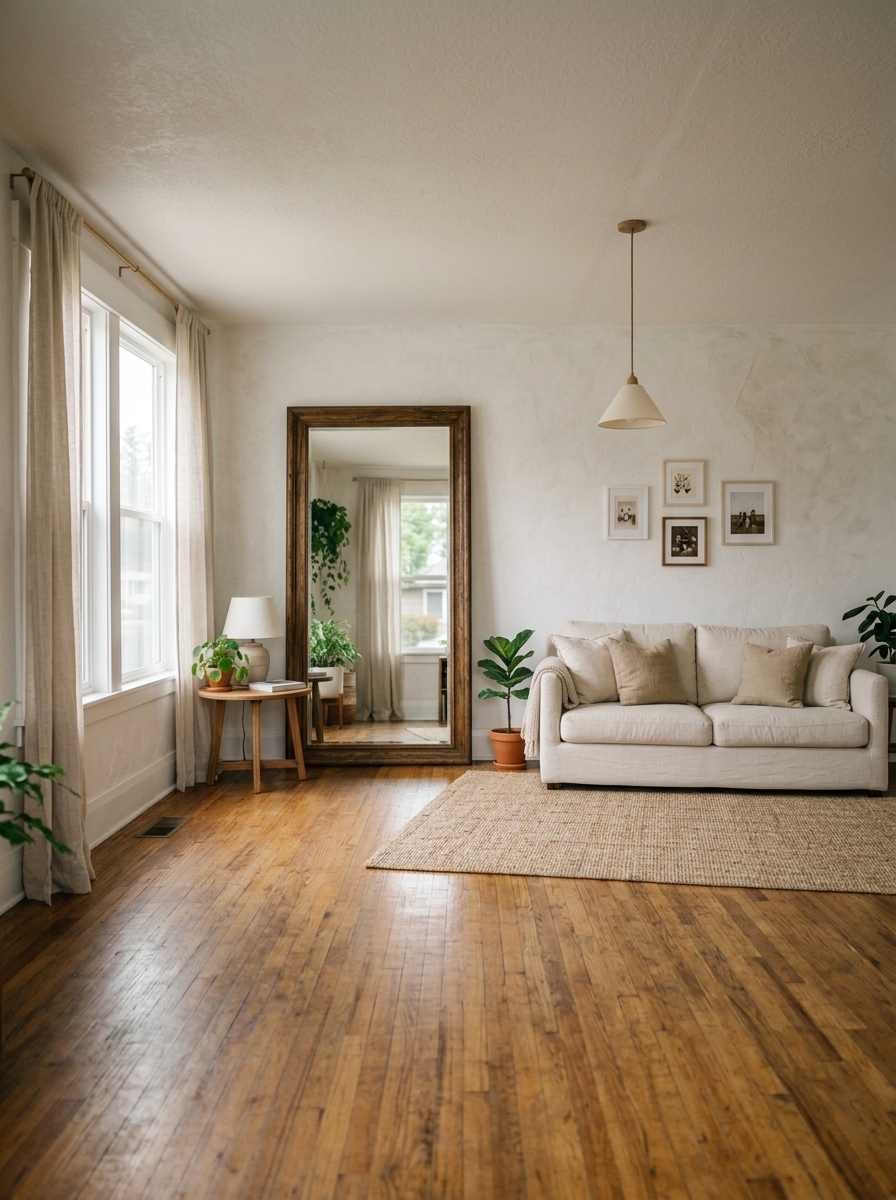
Use one large mirror instead of several small ones A single oversized mirror, leaned against a wall or hung opposite a window, bounces light around and doubles the perceived depth of a room.
A cluster of tiny mirrors just looks like a cluster of tiny mirrors.
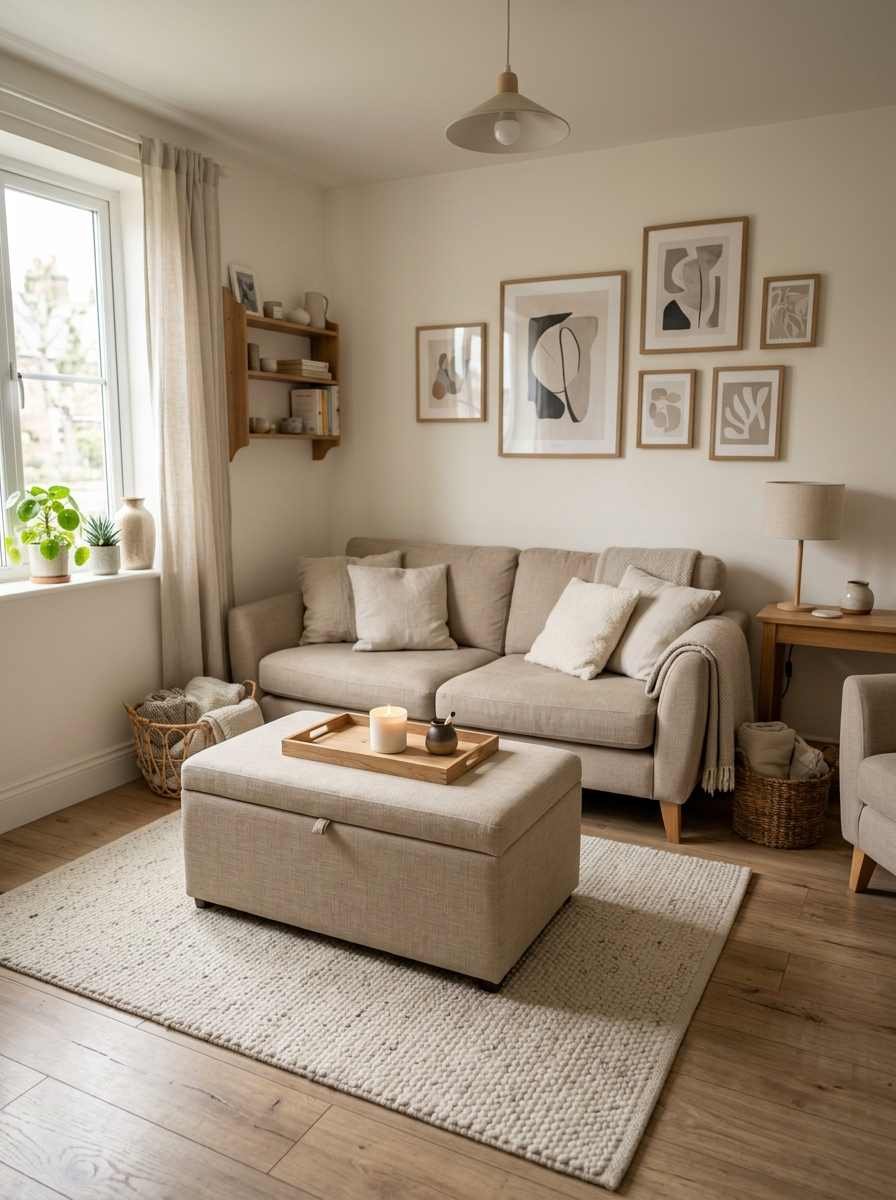
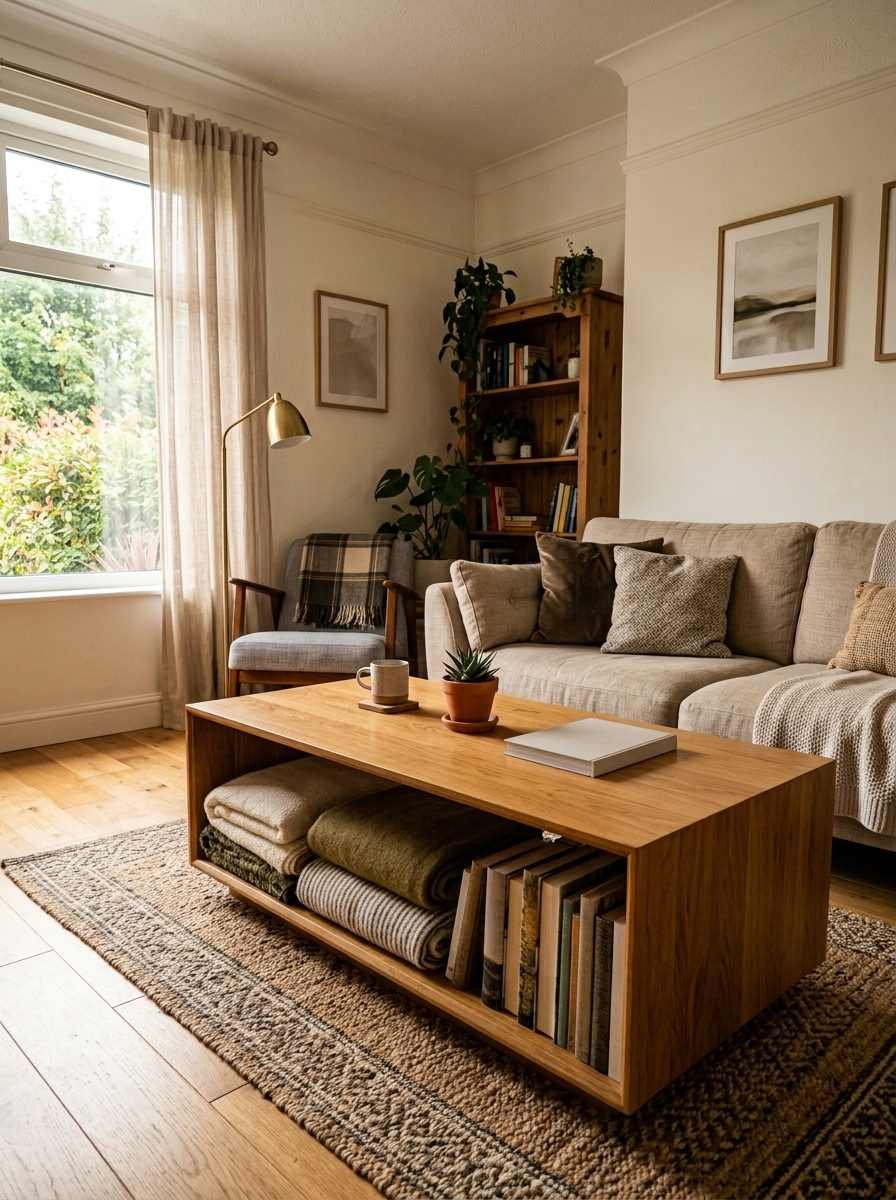
Hide storage in plain sight An ottoman with a lift-off lid, a storage bench by the door, a coffee table with a shelf underneath: these do double duty without looking like storage at all.
IMO this is the single most underrated small-space trick there is.
Use the space under your bed Bins or flat storage bags under the bed frame can hold out-of-season clothes, extra linens, or shoes.
It’s the single largest unused storage zone in most small bedrooms, and almost nobody uses it properly.
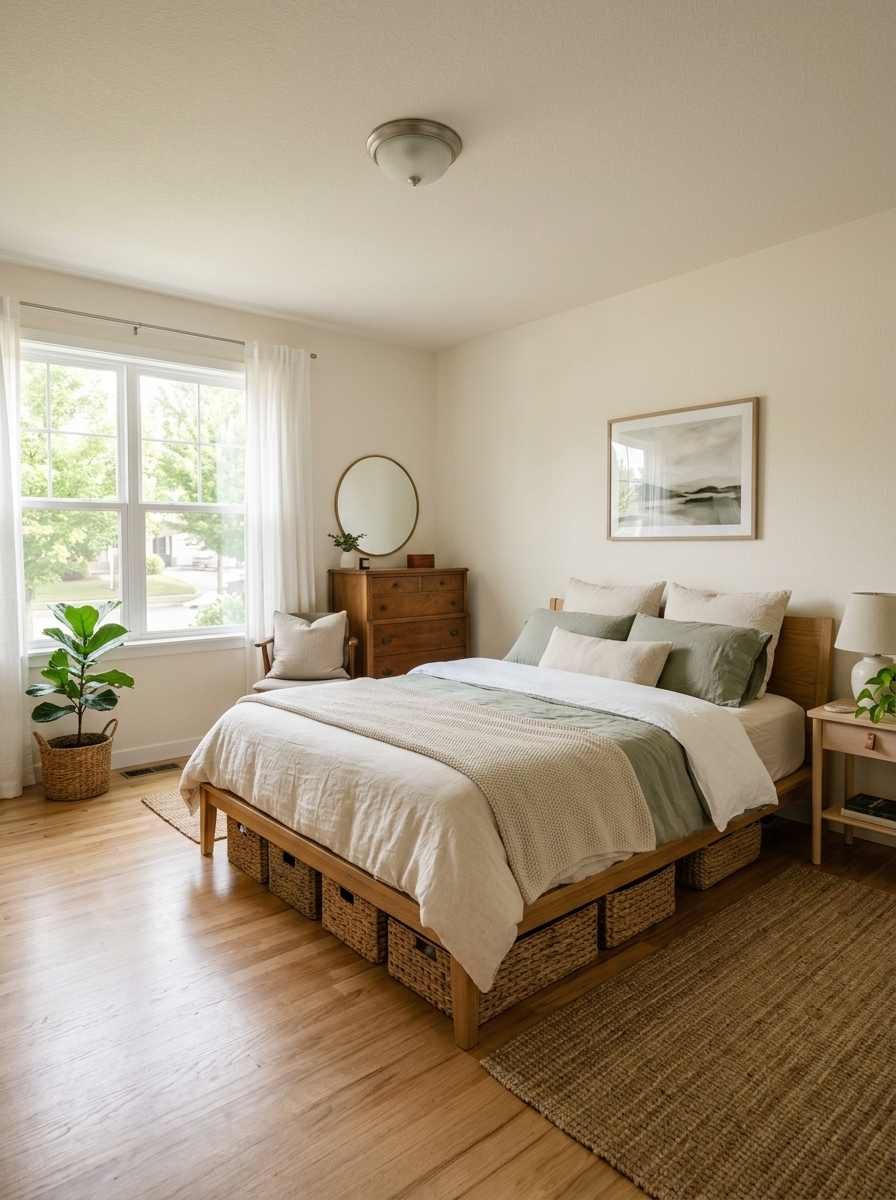
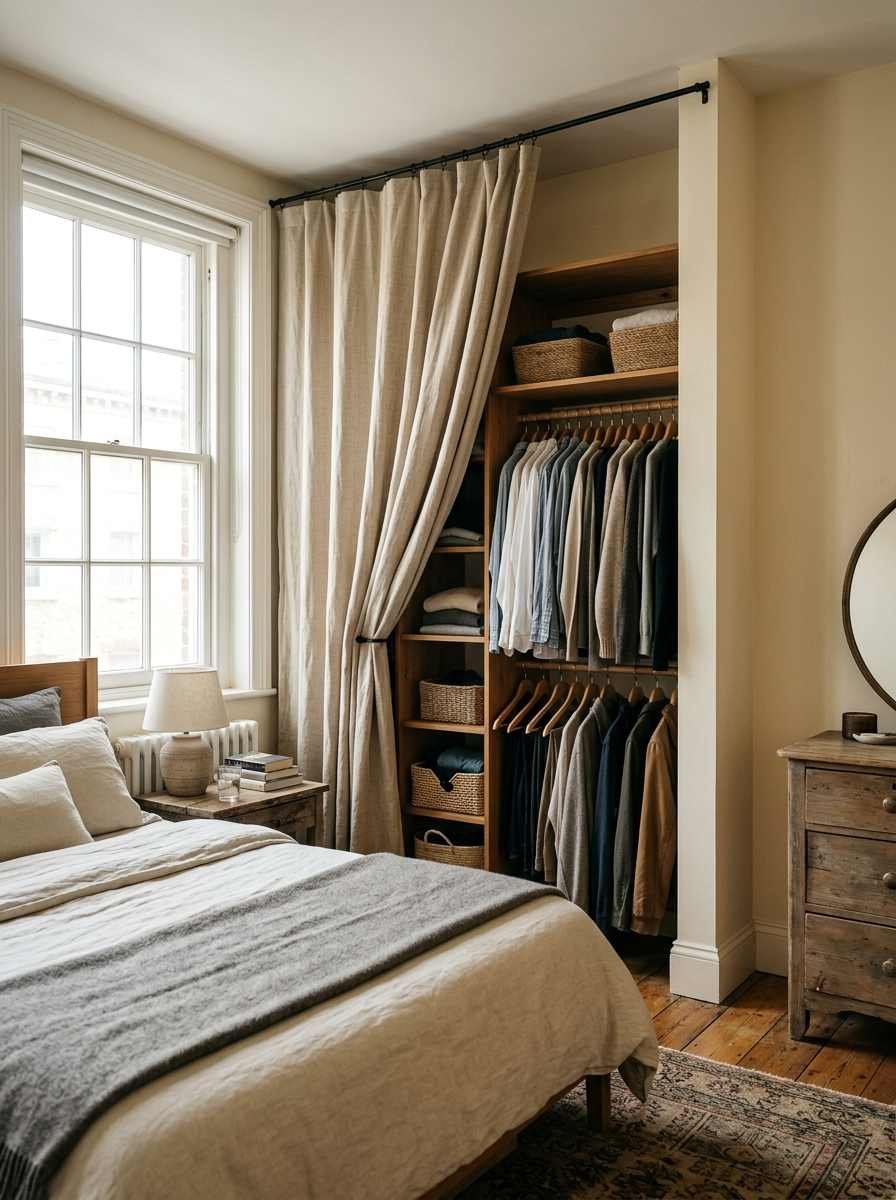
Hang a curtain instead of a closet door If you don’t have a real closet, a simple curtain rod and a length of linen fabric creates one.
It hides clutter, softens the room, and costs a fraction of what a proper closet door would.
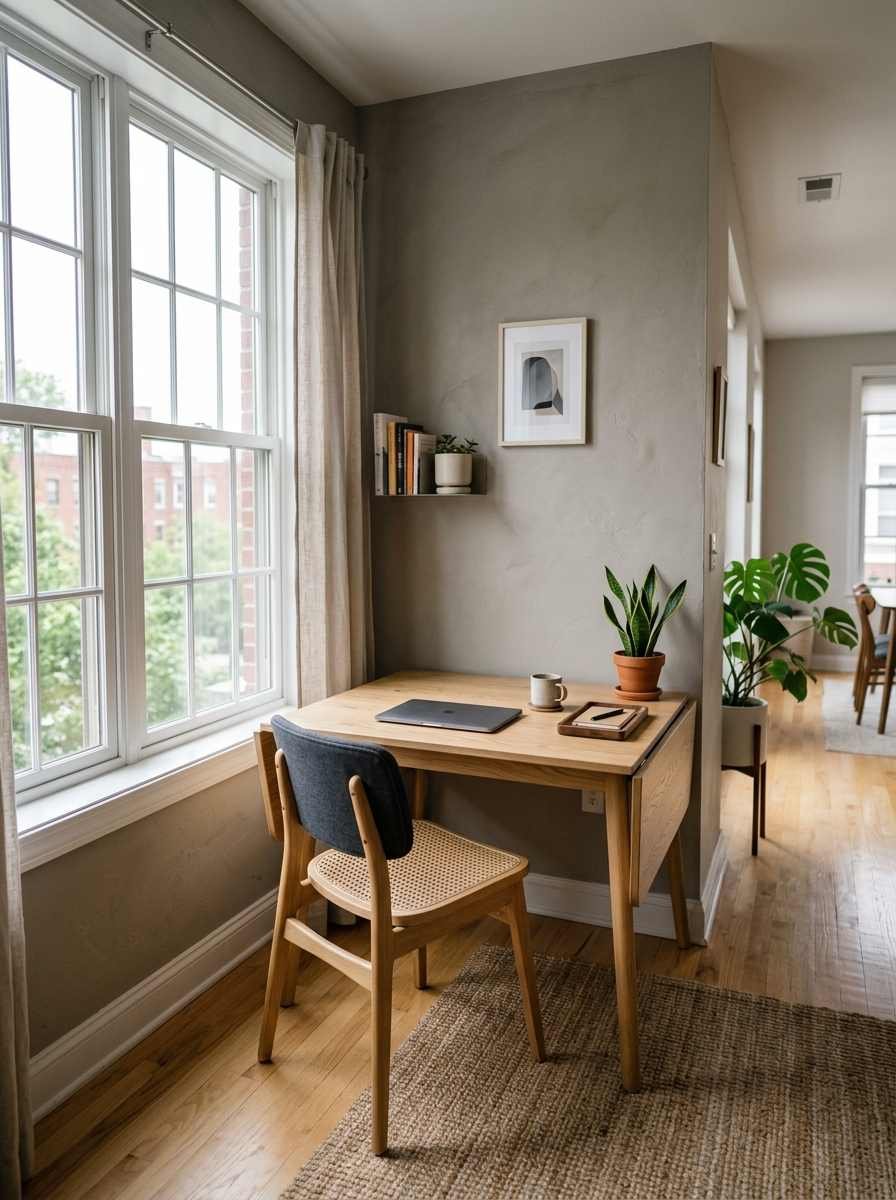
Go for a wall-mounted, foldable desk A drop-leaf desk that folds flat against the wall when you’re done working gives you a home office during the day and your floor space back at night.
Great for studio apartments where every square foot has to earn its keep.
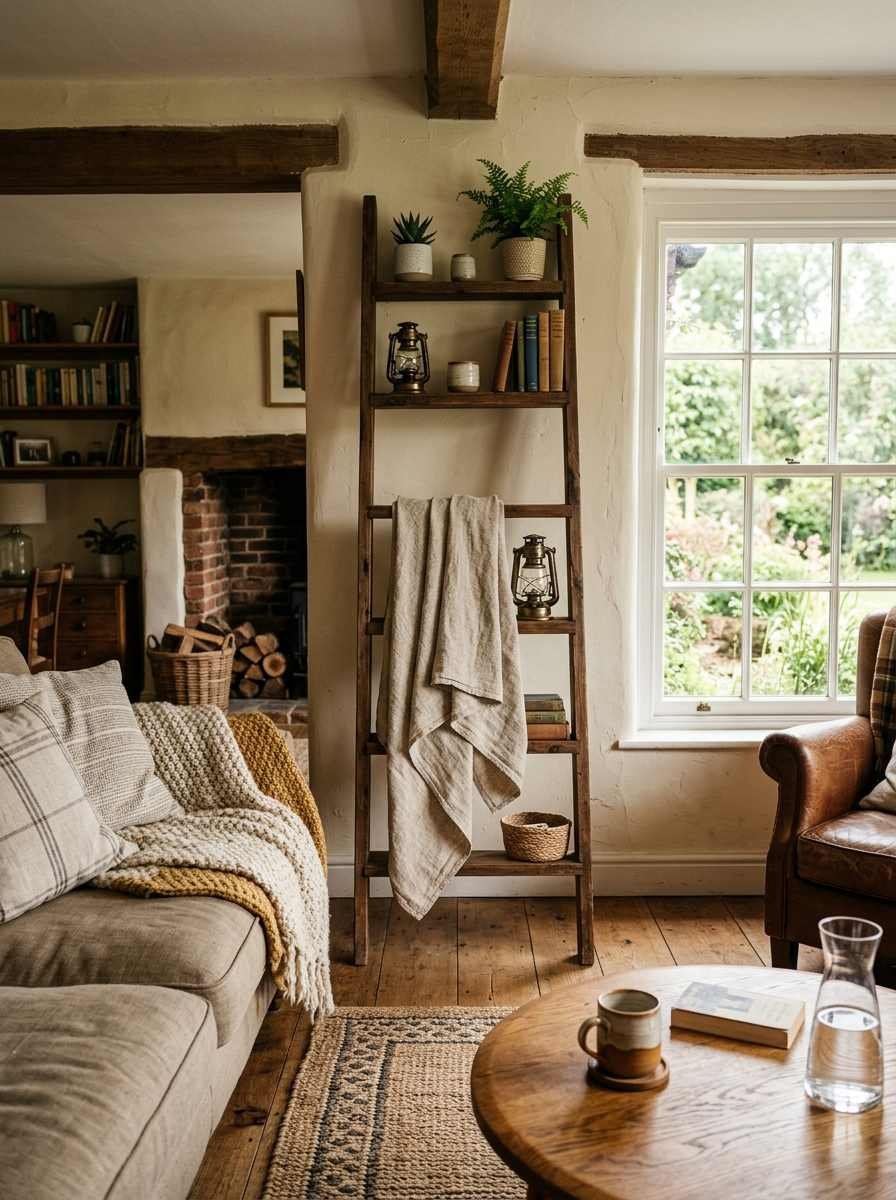
Add a ladder shelf for blankets or towels Leaning ladder shelves aren’t just decorative. Drape a blanket over one in the living room or hang towels on one in the bathroom, and you’ve added storage without adding a single cabinet.
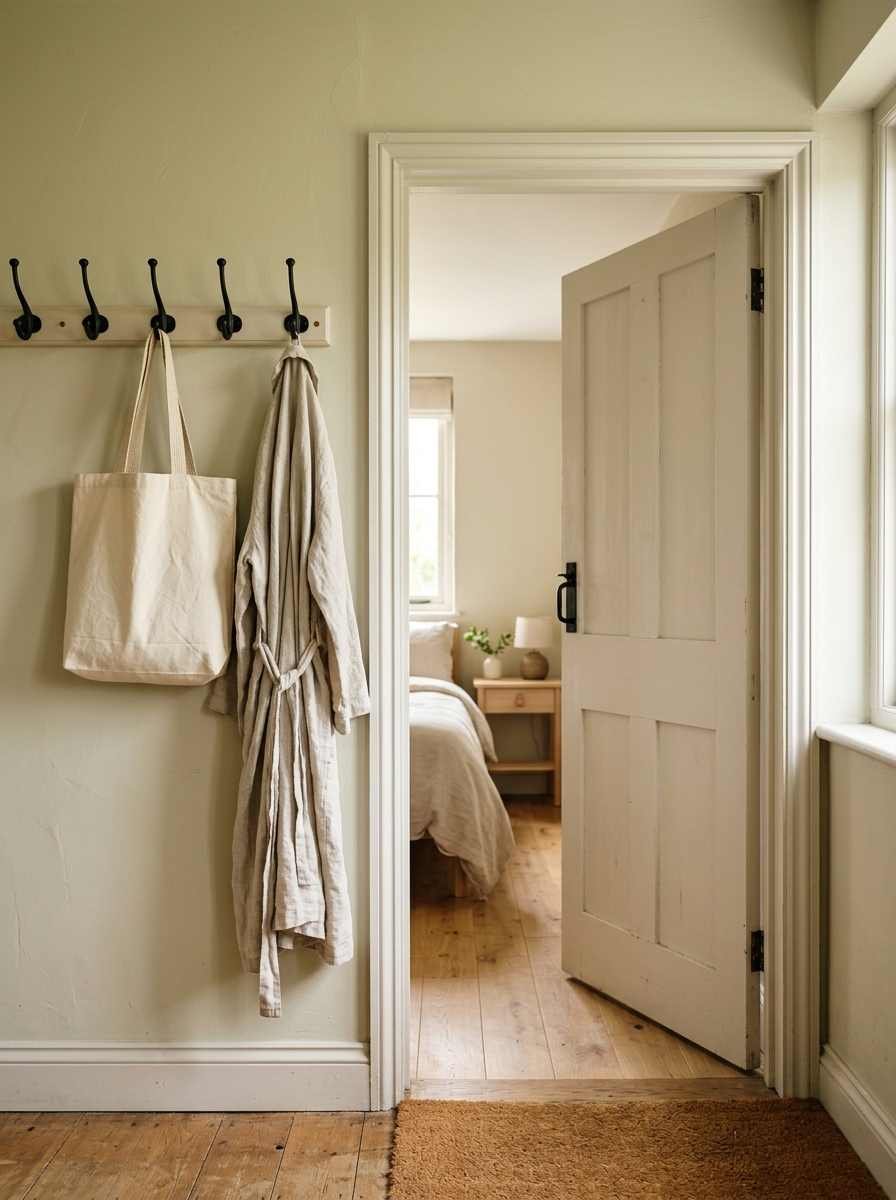
Use hooks behind doors The back of a closet door, a bedroom door, even a bathroom door, is wasted space in almost every small home.
A row of hooks turns it into a spot for bags, scarves, robes, or jewelry.
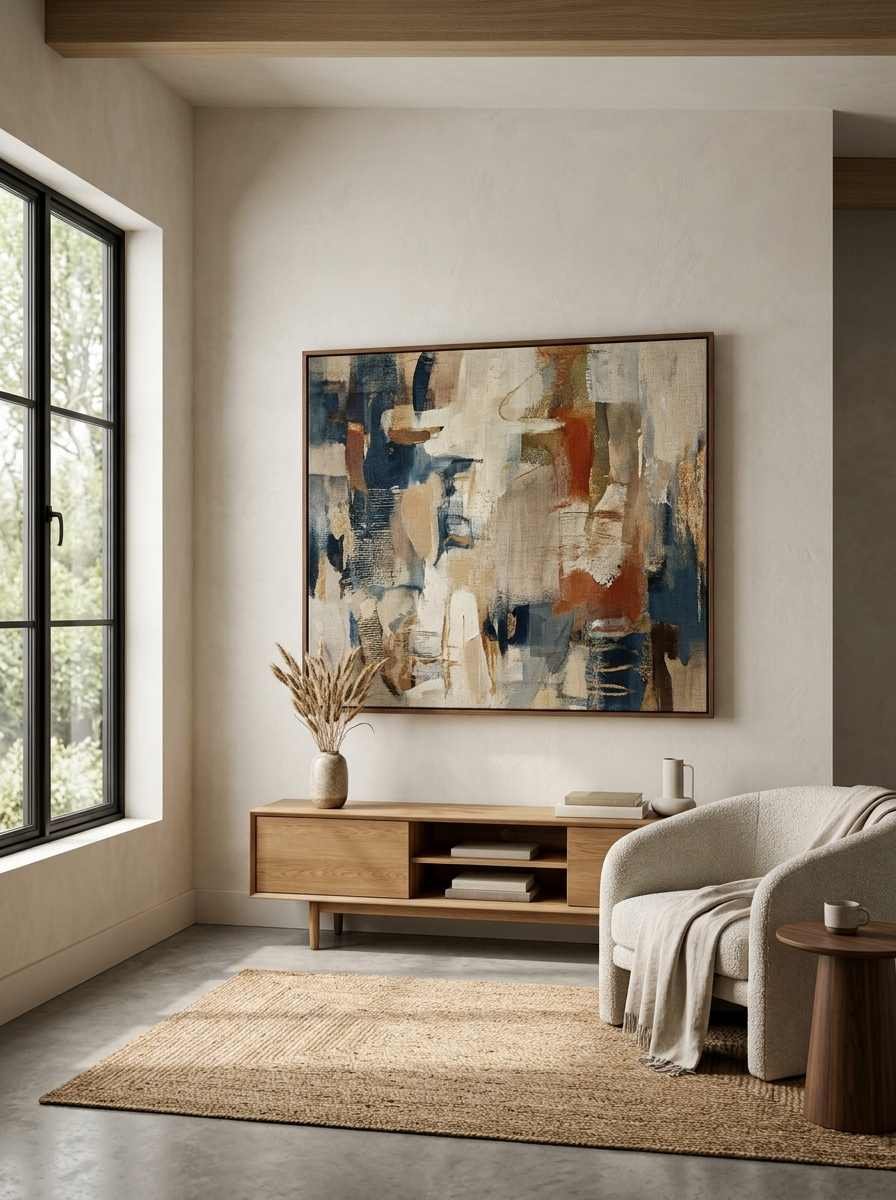
Choose one oversized piece of art over a gallery wall Ever tried to hang a gallery wall in a room that’s already tight on space?
Don’t. I did this once and spent three weekends re-arranging frames before giving up and putting a single large print up instead. It looked better in ten minutes than the gallery wall did in three weeks.
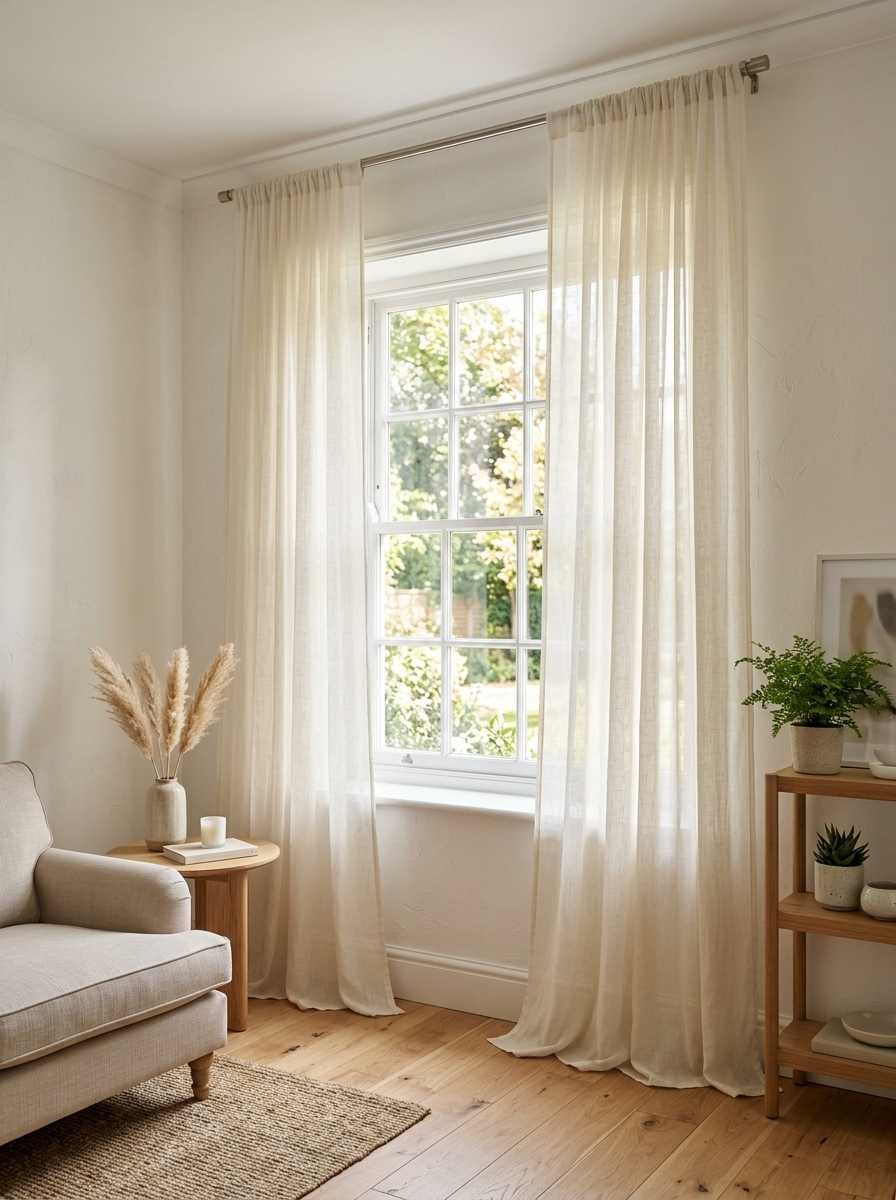
Hang curtains high and wide Mount curtain rods a few inches above the window frame and extend them past the edges.
It makes the window look bigger and the ceiling look taller, and it’s genuinely one of the cheapest upgrades in this whole list.
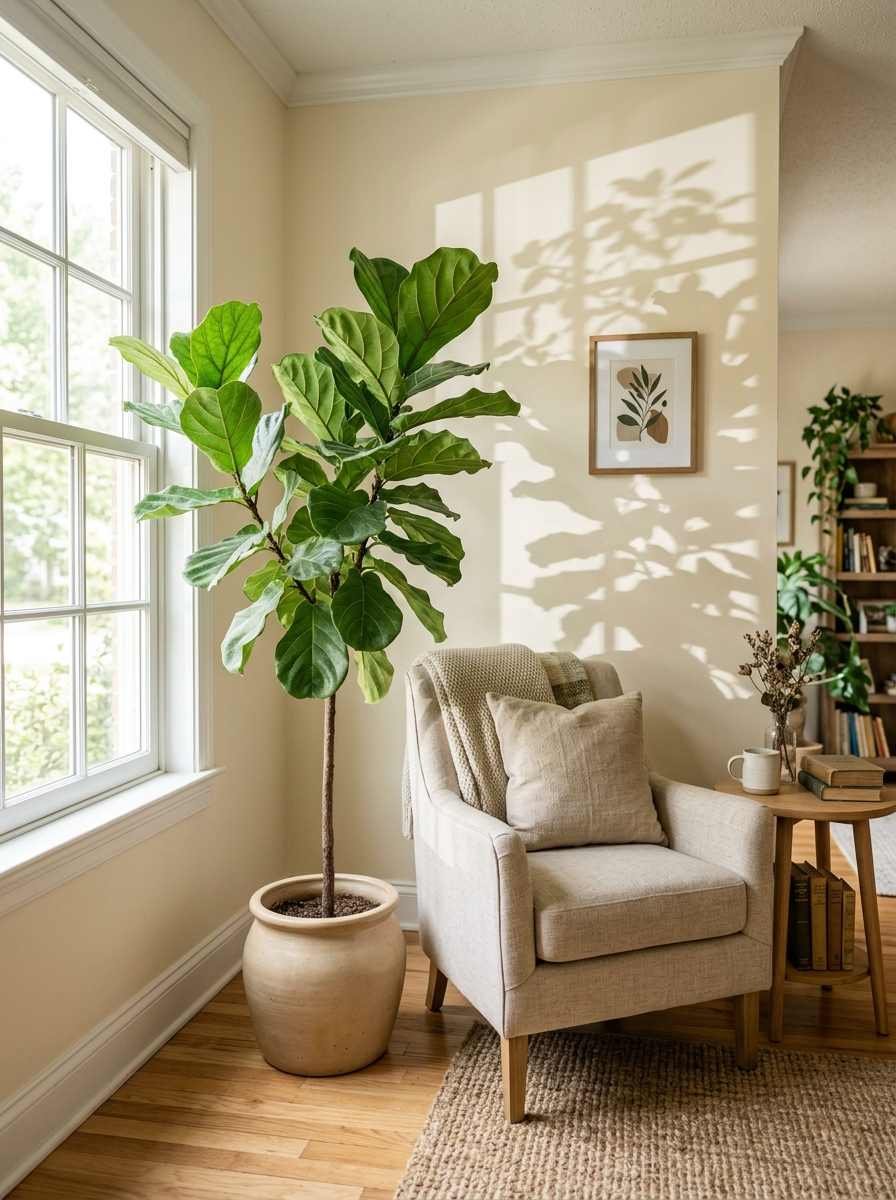
Choose one leafy plant, not a jungle A single well-placed fiddle leaf fig or snake plant adds life and softens hard lines.
A dozen small plants crowded on every surface just adds more stuff to dust. Pick one and let it be the green moment in the room.
Get a multi-functional coffee table Look for a coffee table with a shelf, drawer, or lift-top surface that becomes a desk or dining spot.
It’s one piece of furniture solving three problems, which is basically the entire minimalist small-space philosophy in miniature.
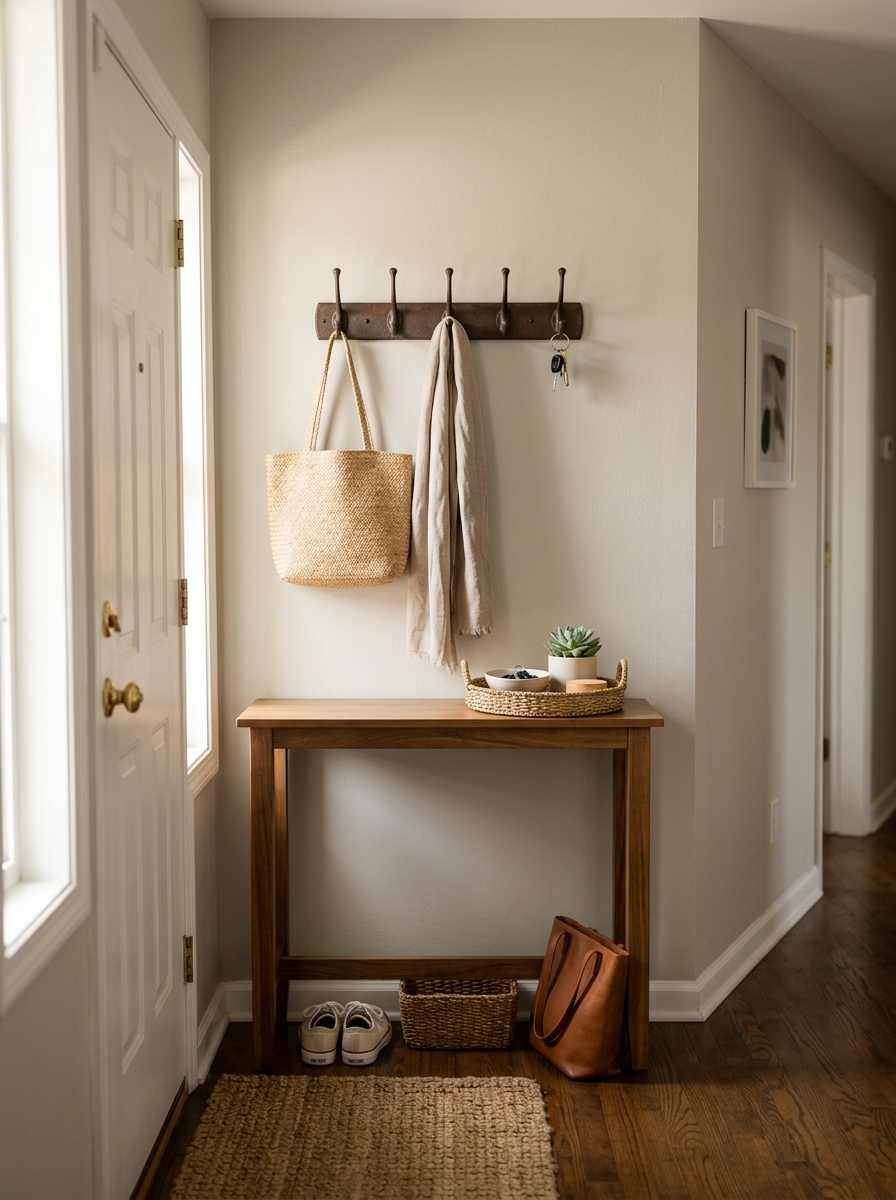
Slim down your entryway A narrow console table with a drawer, a single hook rack, and a small tray for keys is all most entryways need.
Skip the shoe pile and the coat mountain. Your future self, running late for something, will thank you.
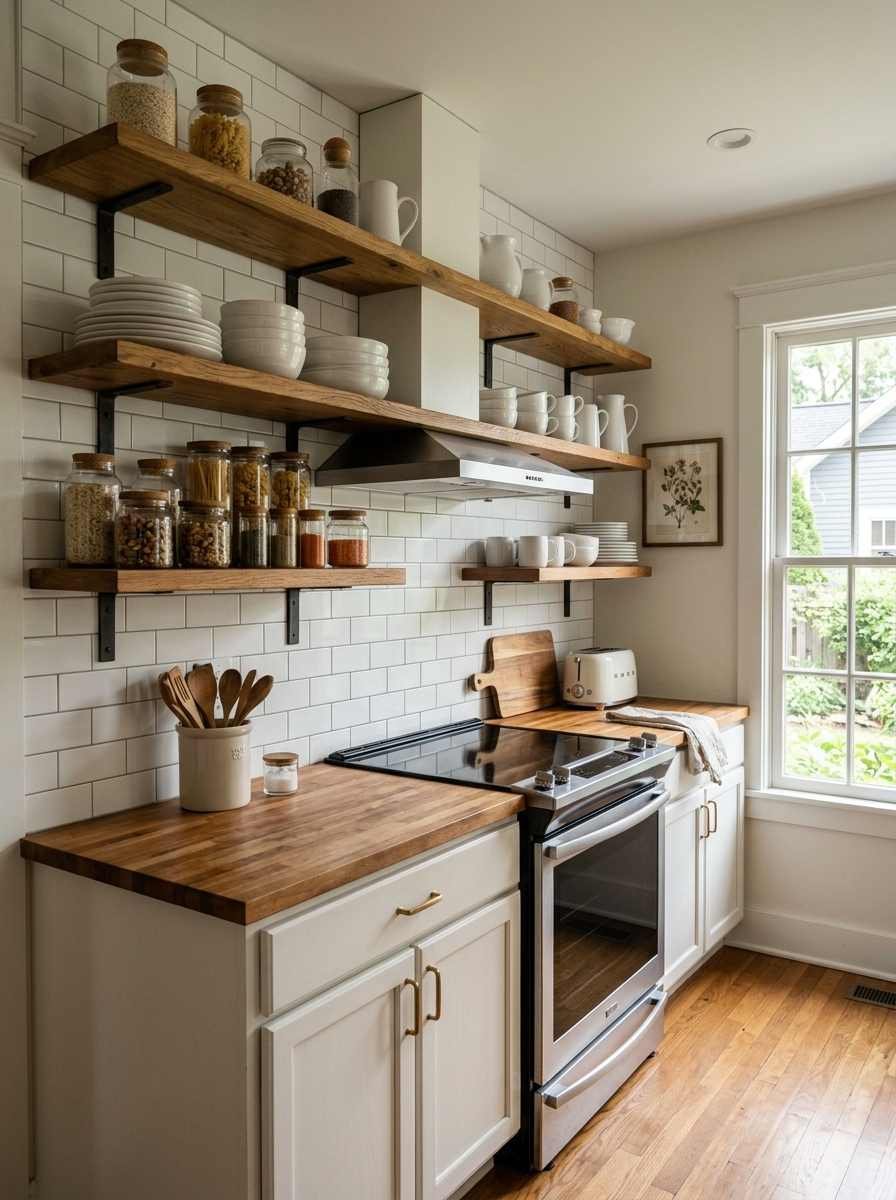
Try open shelving in the kitchen Swapping a run of upper cabinets for open shelves makes a small kitchen feel less boxed in, as long as you keep what’s on display curated.
This one takes discipline. Mismatched mugs will ruin the effect fast.
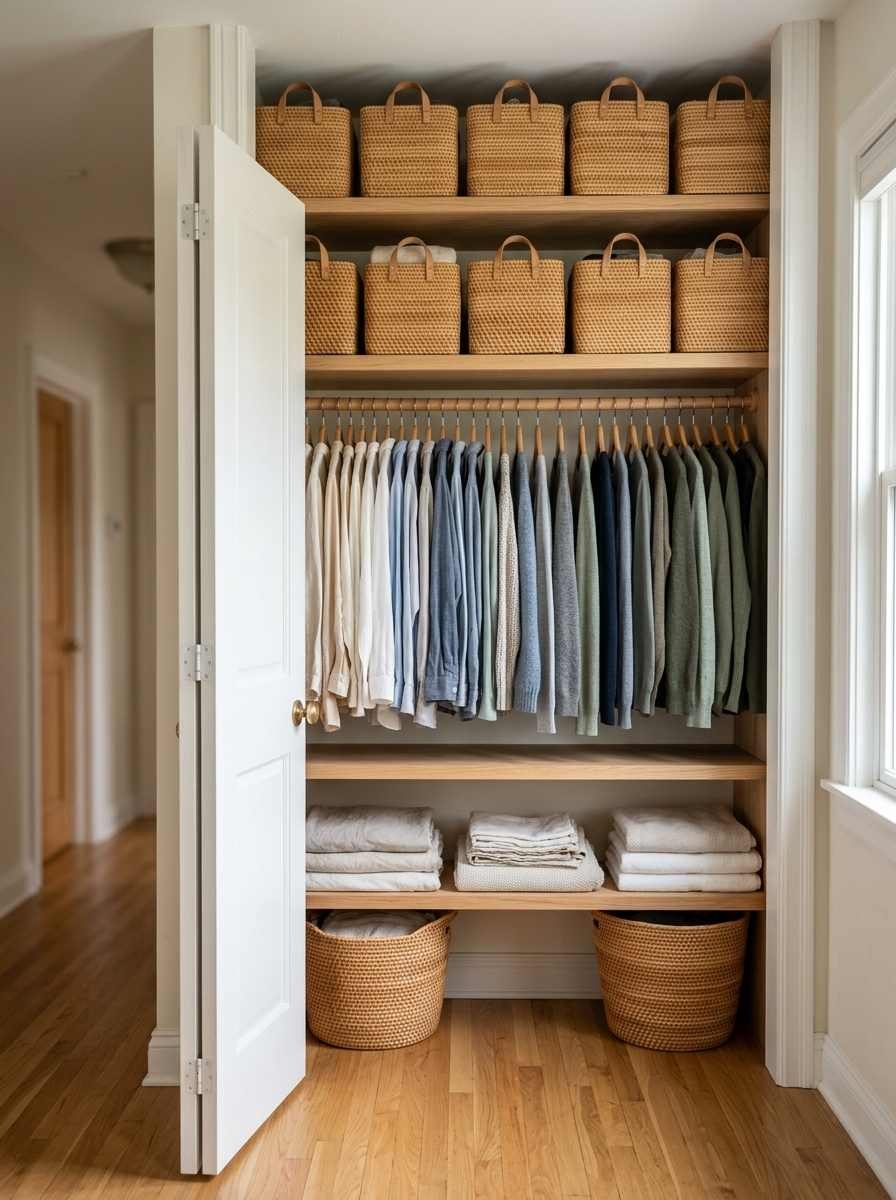
Use matching baskets for closet storage Uniform baskets on a closet shelf look intentional even when what’s inside them is a mess.
It’s a cheat code, and I’m not ashamed to use it.
Get a daybed instead of a sofa and a guest bed A daybed handles lounging during the day and sleeping guests at night, which means you’re not dedicating square footage to two separate pieces of furniture that each get used half the time.
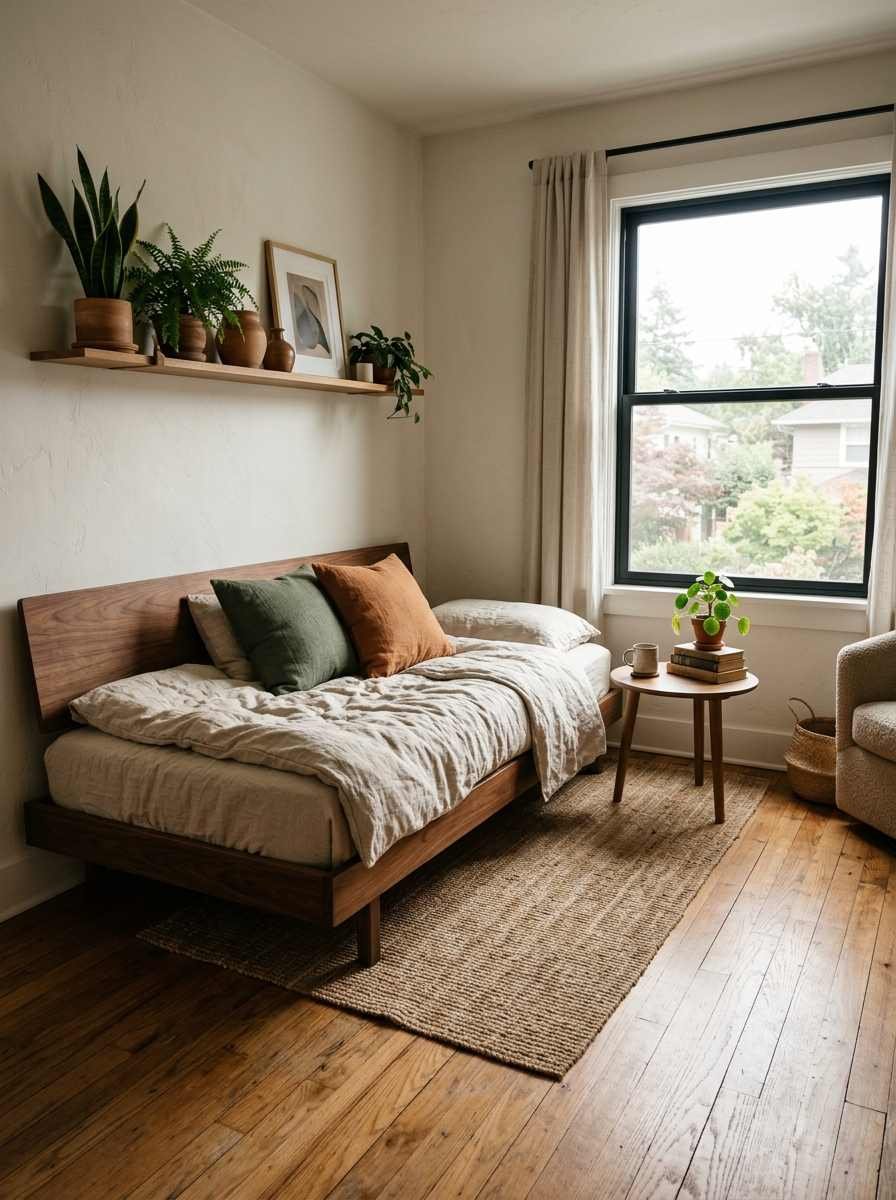
Leave some walls empty on purpose This is the one people find hardest.
Negative space, actual empty wall or floor, gives a small room room to breathe.
Homes and Gardens has a solid piece on what to remove from a small living room, and the short version is: less is genuinely more here.
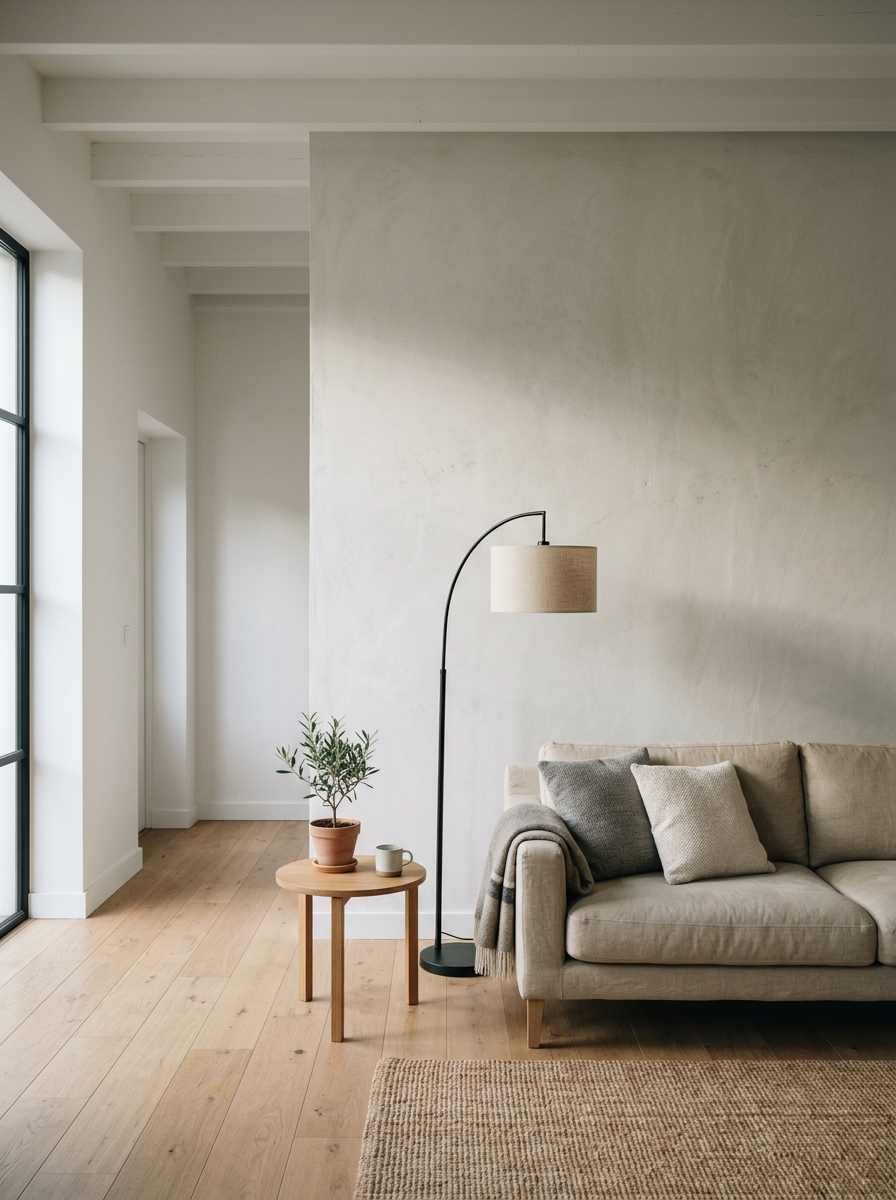
Rotate your decor instead of adding to it Keep a small box of seasonal items, a few candles, a throw pillow cover, a piece of art, and swap them in and out every few months instead of buying new pieces constantly.
Your space stays fresh without ever feeling cluttered.
Here’s a quick cheat sheet if you want the short version pinned to your board:
Furniture type | Main benefit | Best room Ottoman with storage | Hides clutter, doubles as seating | Living room Nesting tables | Saves floor space when not in use | Living room Wall-mounted desk | Frees up floor space entirely | Home office / studio Daybed | Replaces two furniture pieces with one | Guest room / studio
Quick side note, and I promise this connects: I once tried to fit a six-person dining table into a room that could barely handle four chairs, because I liked how it looked on Pinterest. It sat there for two years, mostly holding mail.
Lesson learned. Buy for the room you have, not the one in the photo.
A few questions people ask me constantly about small-space minimalism:
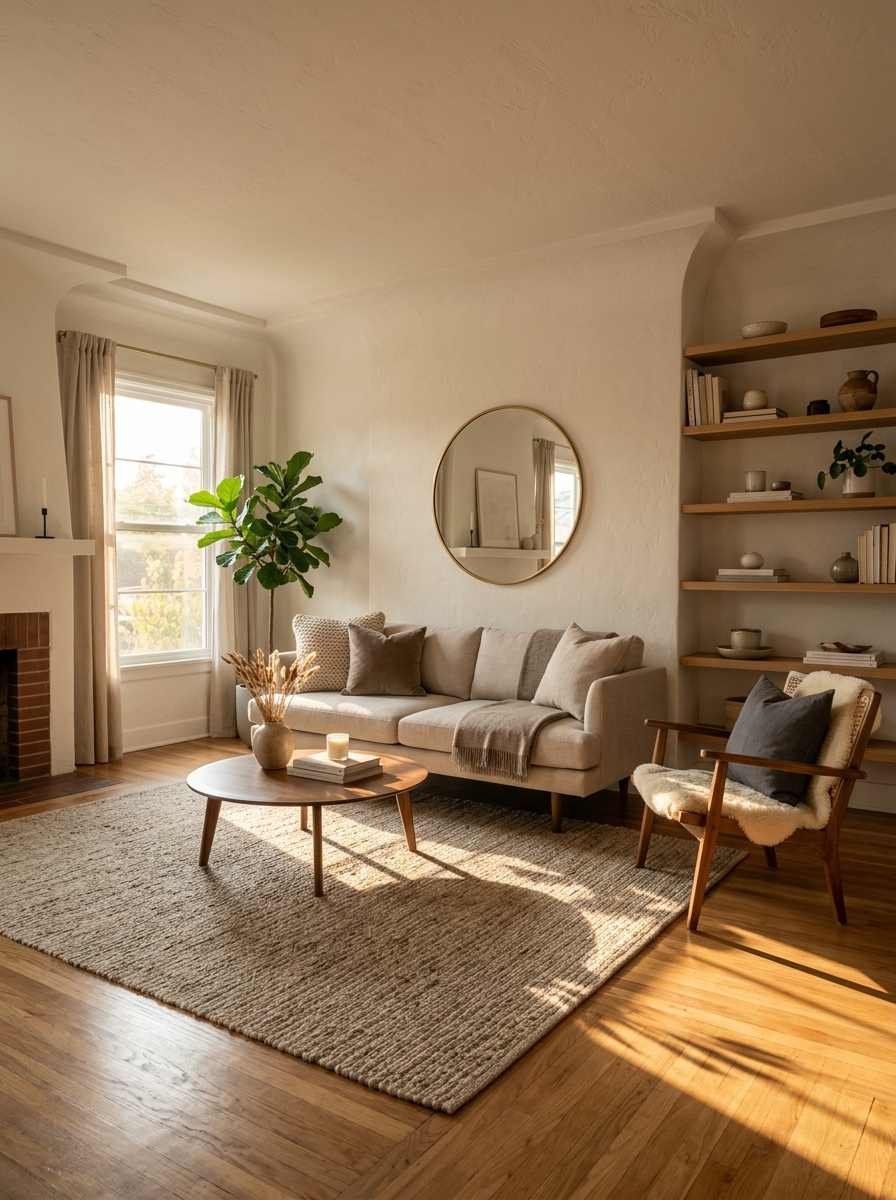
Does minimalist decor work in rented apartments? Yes, and arguably it’s easier there.
Renter-friendly tricks like curtains instead of closet doors, removable hooks, and furniture that doesn’t need permanent installation fit the minimalist approach naturally.
Is minimalism just about having less stuff? Not entirely. It’s about keeping what earns its place and arranging it so the room still feels like it has room to breathe.
You can own plenty and still keep a minimalist look if everything is intentional.
What’s the cheapest way to start? Declutter first, before you buy anything. Most small rooms feel cramped because of what’s already in them, not because they’re missing furniture.
So, where do you start? Pick two ideas off this list, the ones that solve your biggest headache right now, and try them this weekend. Which one are you tackling first?
