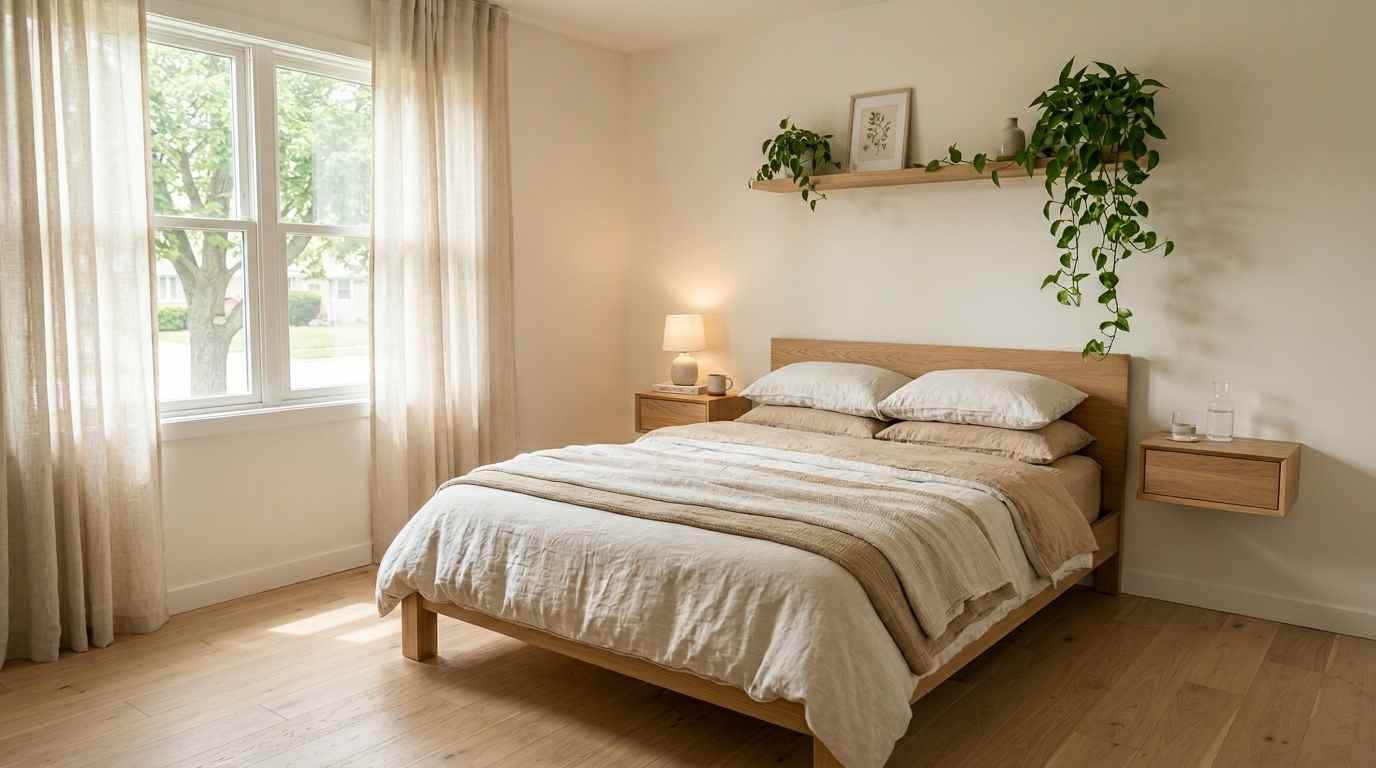
My first apartment was 280 square feet. I’m not exaggerating when I say I could make coffee and use the bathroom at the same time (not that I did, but the option was there).
That experience taught me more about small room decorating than any Pinterest board ever could.
Minimalist decor for small rooms isn’t about emptying everything out and calling it a day.
It’s a real strategy, and when you get it right, people walk into your tiny room and immediately ask “wait, how does this feel so big?” That’s the goal.
Here are 20 ideas that actually work.
1. Use a bed with built-in storage underneath
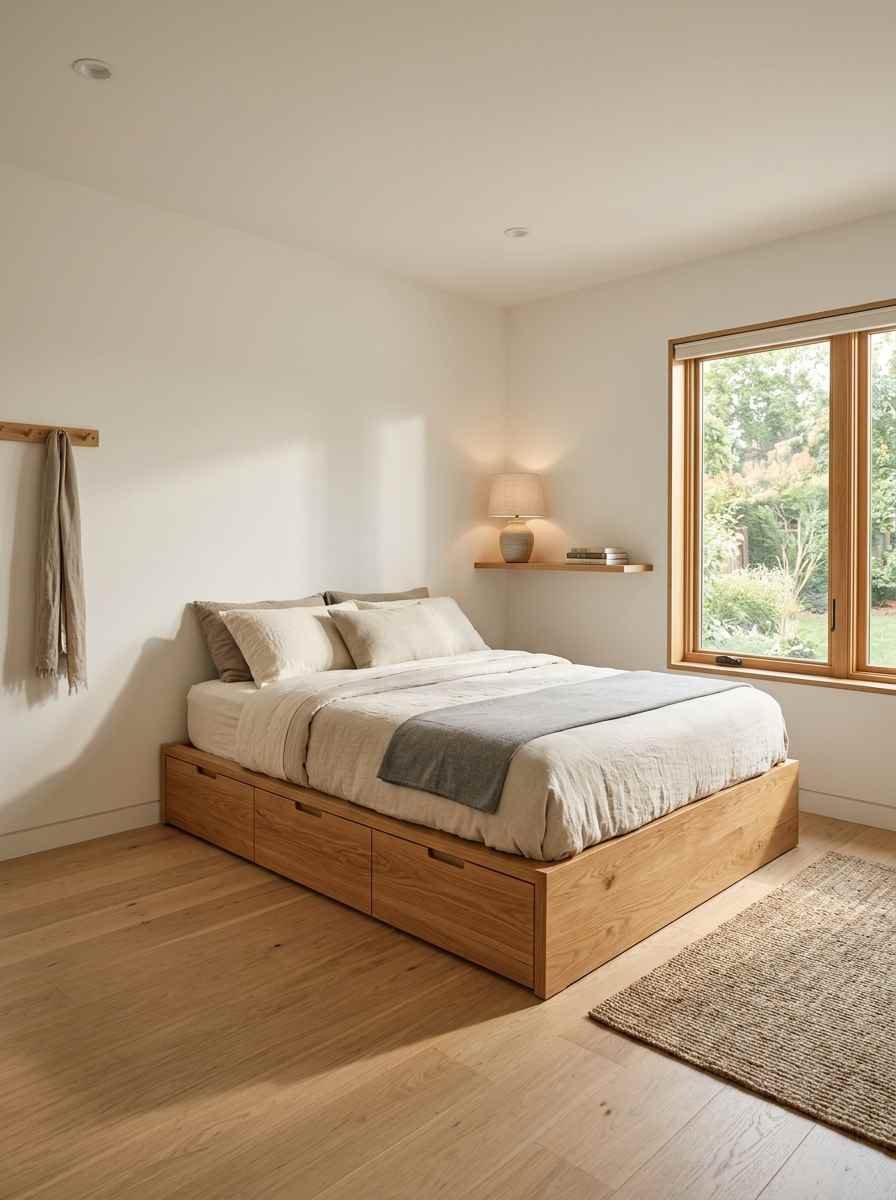
The space under your bed is premium real estate.
A basic platform bed with drawers built into the base gives you instant storage for seasonal clothes, extra linens, extra linens, shoes, whatever you’re currently pretending you don’t own.
Brands like IKEA’s MALM series or Zinus have solid options under $400 that won’t make your room look like a furniture showroom.
Skip the box spring entirely. Lower bed profiles make ceilings feel taller.
2. Mount your nightstand to the wall
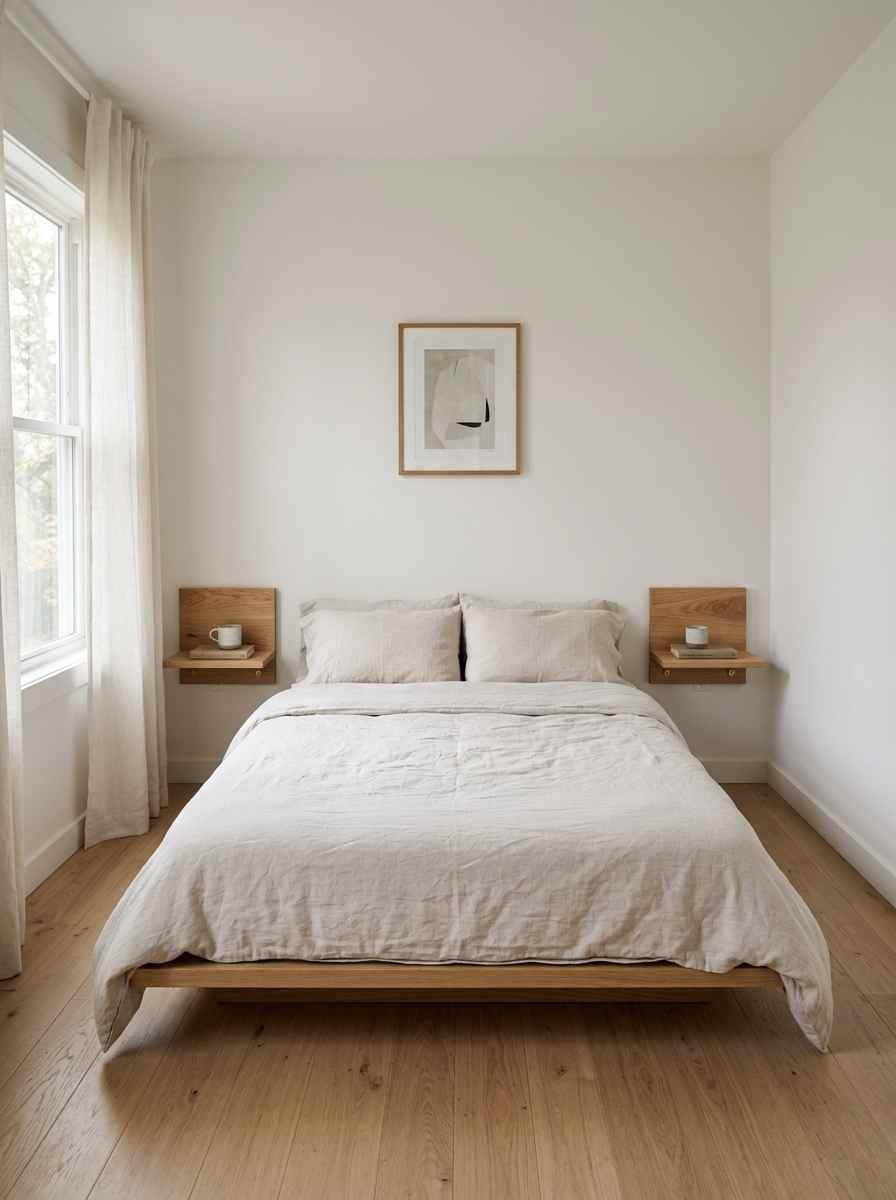
Floor space is the currency of small rooms.
A wall-mounted nightstand, basically just a floating shelf with a small drawer, frees up about 4 square feet of visual floor space.
That sounds minor until you do it and suddenly your room looks 30% bigger.
Seriously, this one tweak alone changes the whole feel of a bedroom.
You can find wall-mounted options on Wayfair or just use a $12 IKEA shelf with a small bowl for your phone and glass of water.
3. Go floor-to-ceiling with curtains
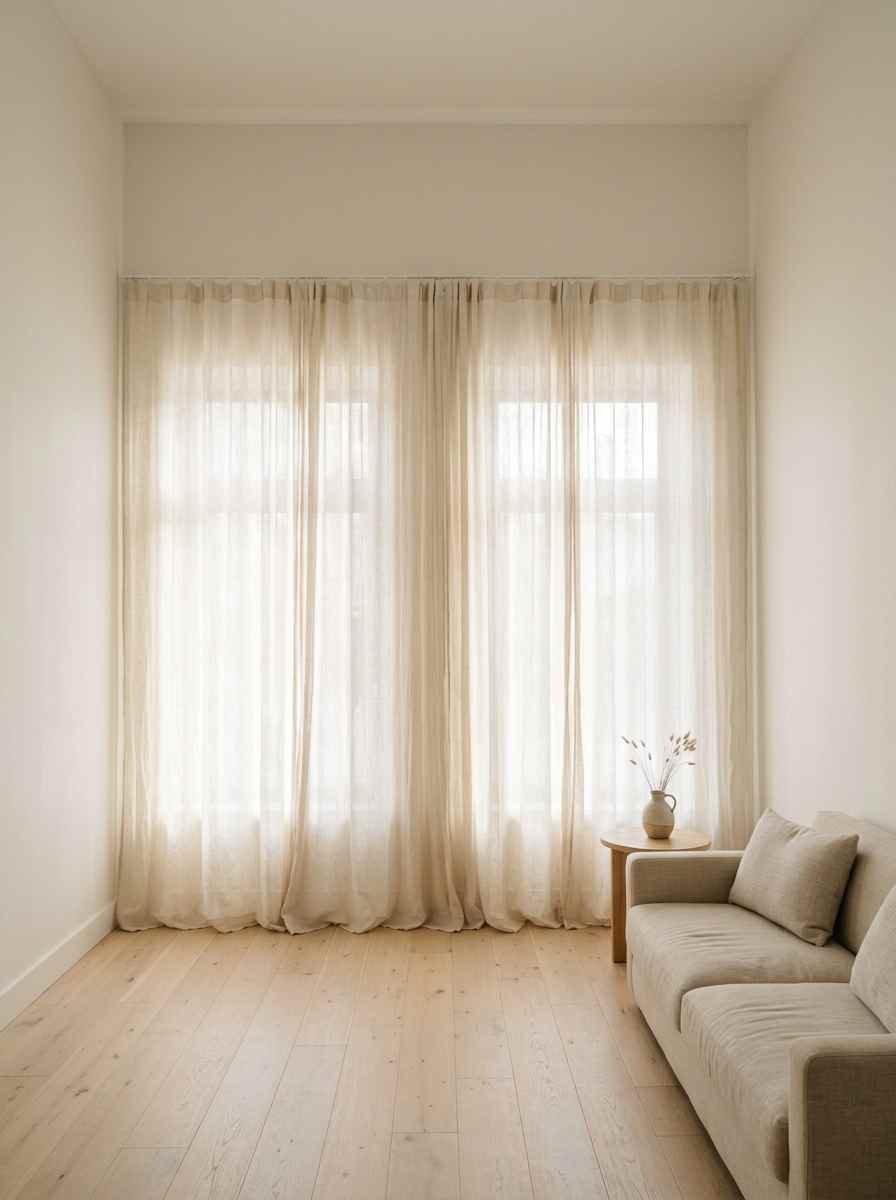
Hang your curtain rod as close to the ceiling as possible, even if your window only sits at the 5-foot mark.
When curtains drop from ceiling height to floor, your eye reads the whole wall as taller. It’s one of those visual tricks that decorators charge good money to tell you about.
Use sheer or light-filtering fabrics in off-white or linen tones. Dark, heavy drapes in a small room feel like you’re being absorbed.
4. Pick a sofa with legs
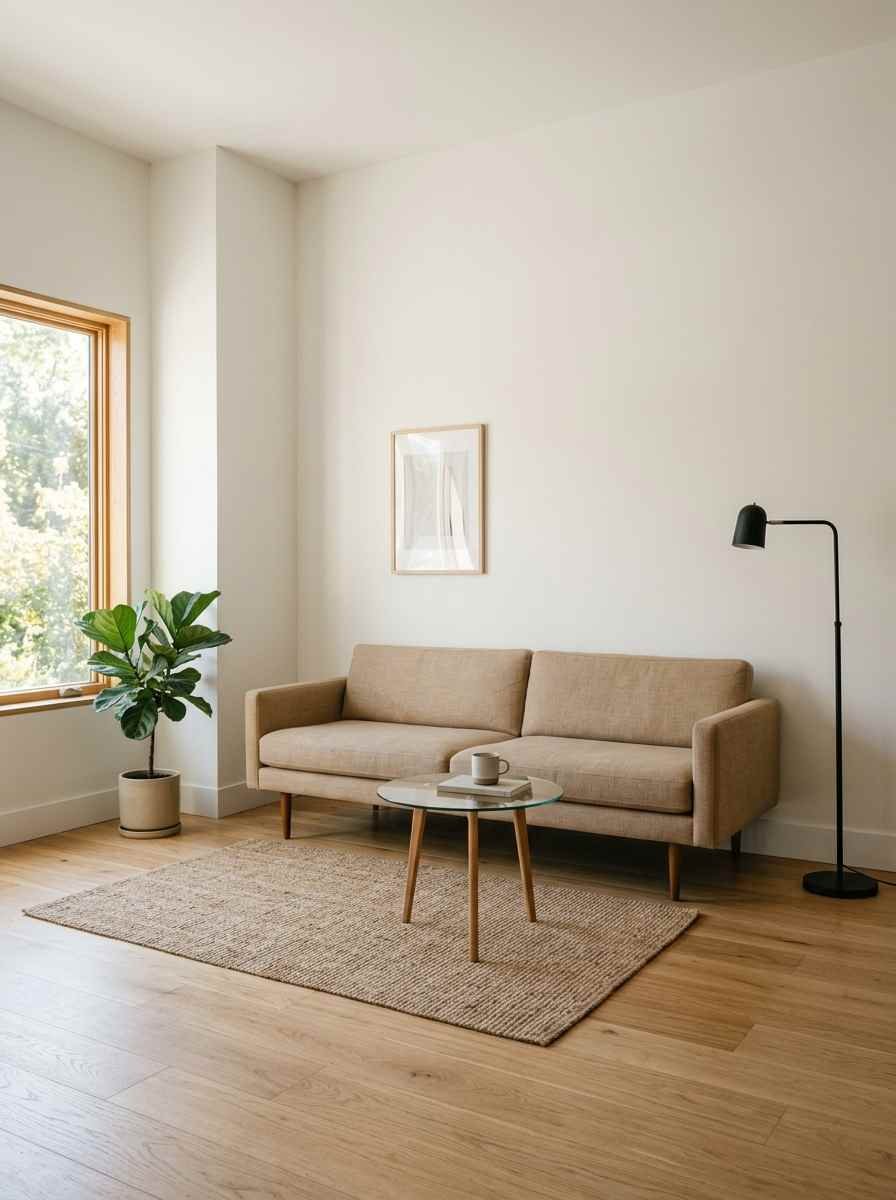
Sofas and chairs that sit directly on the floor block light and cut the room in half visually.
A sofa with 6-inch legs lets you see floor underneath, which makes the whole space read as more open. It’s a small detail, but rooms with leggy furniture just feel airier.
Mid-century modern pieces do this naturally, which is probably why that style works so well in small apartments.
5. Try a murphy bed (they’re not just for studios anymore)
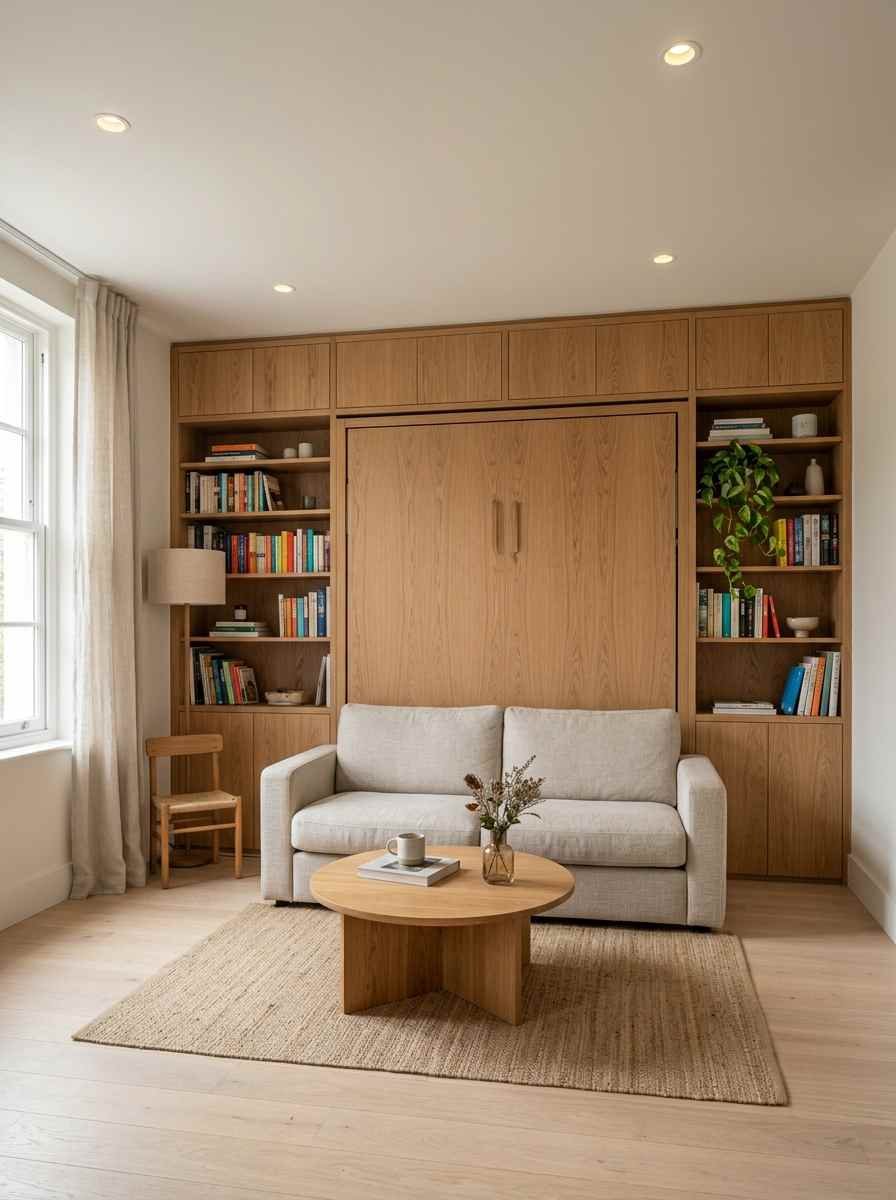
Murphy beds have shed the “sad studio apartment” reputation.
Current designs fold into what looks like a bookcase or cabinet, and some come with a built-in sofa that converts when the bed drops down.
The Resource Furniture line has options that would genuinely impress guests.
The price point is higher (starting around $2,000 for a decent unit) but you’re basically buying back half your room.
6. Mirrors: more than one, placed deliberately
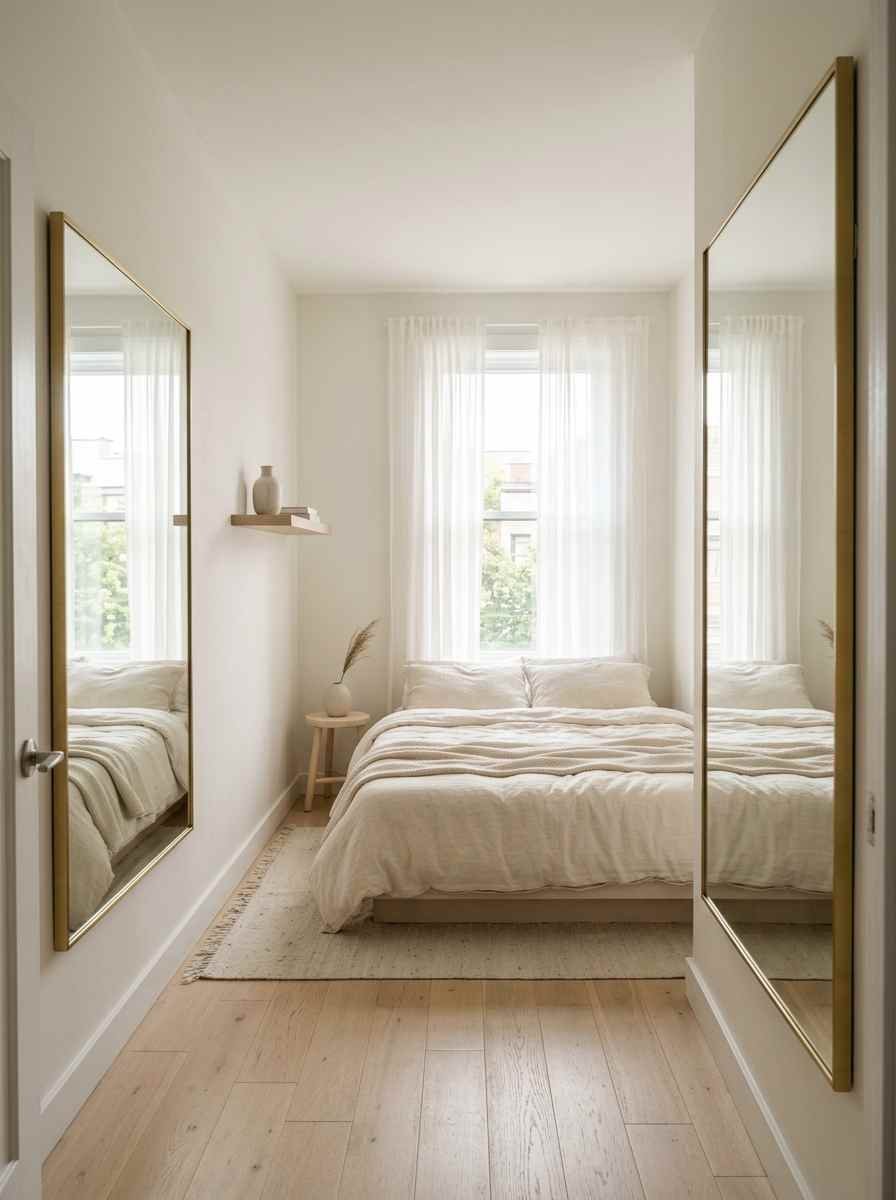
A single large mirror does a lot. 2 mirrors placed to reflect each other or reflect a window does even more.
The goal is to borrow natural light and bounce it around.
Don’t hang a mirror just to have one. Angle it toward your best light source or your best view, and let it do actual work.
7. Build a reading nook into a corner or alcove
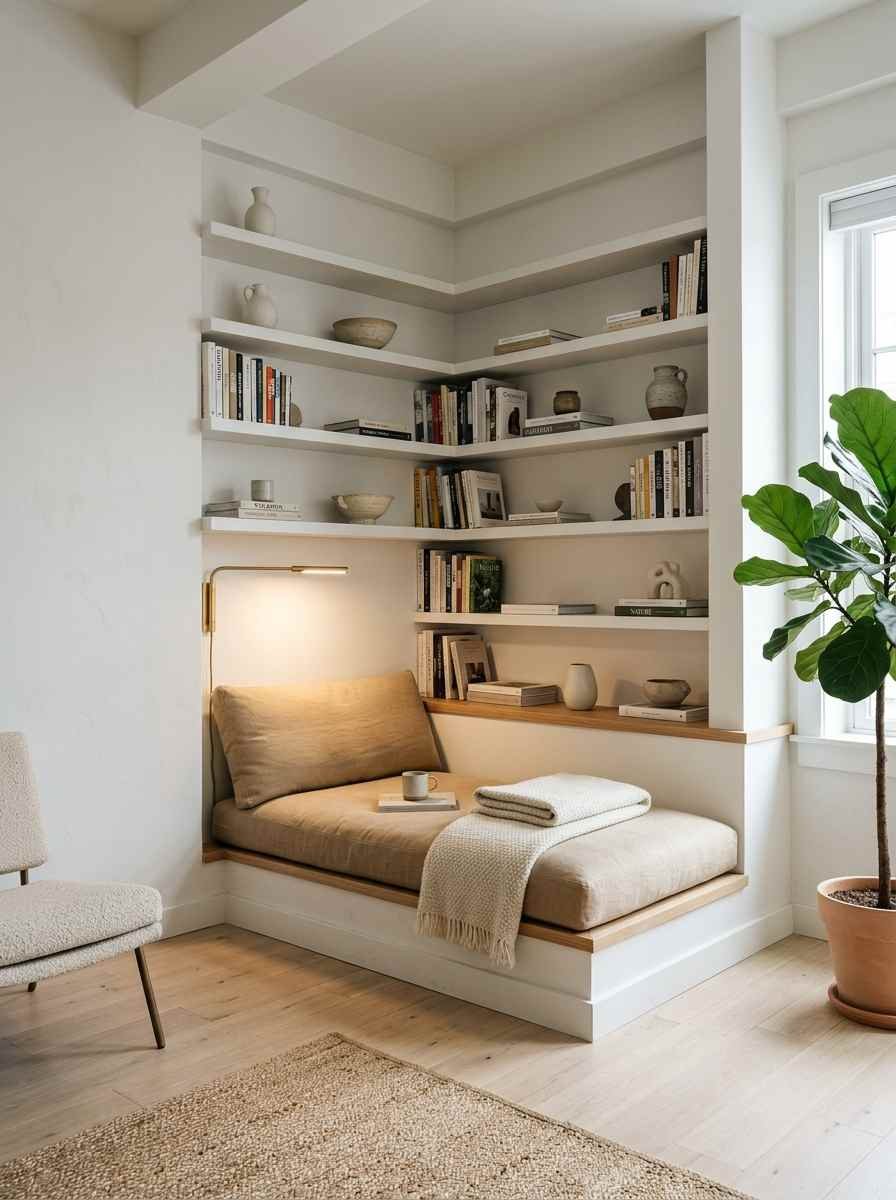
Small rooms often have dead corner space. A corner shelf system with a small cushion and a clip-on reading light turns that corner into a purpose-built spot.
Suddenly you have a “reading nook” (which sounds intentional and designed) instead of an awkward corner with a pile of bags.
This is genuinely one of my favorite things to recommend because it transforms unused space into the coziest spot in the house.
8. Use the same flooring throughout (no rugs that cut the room)
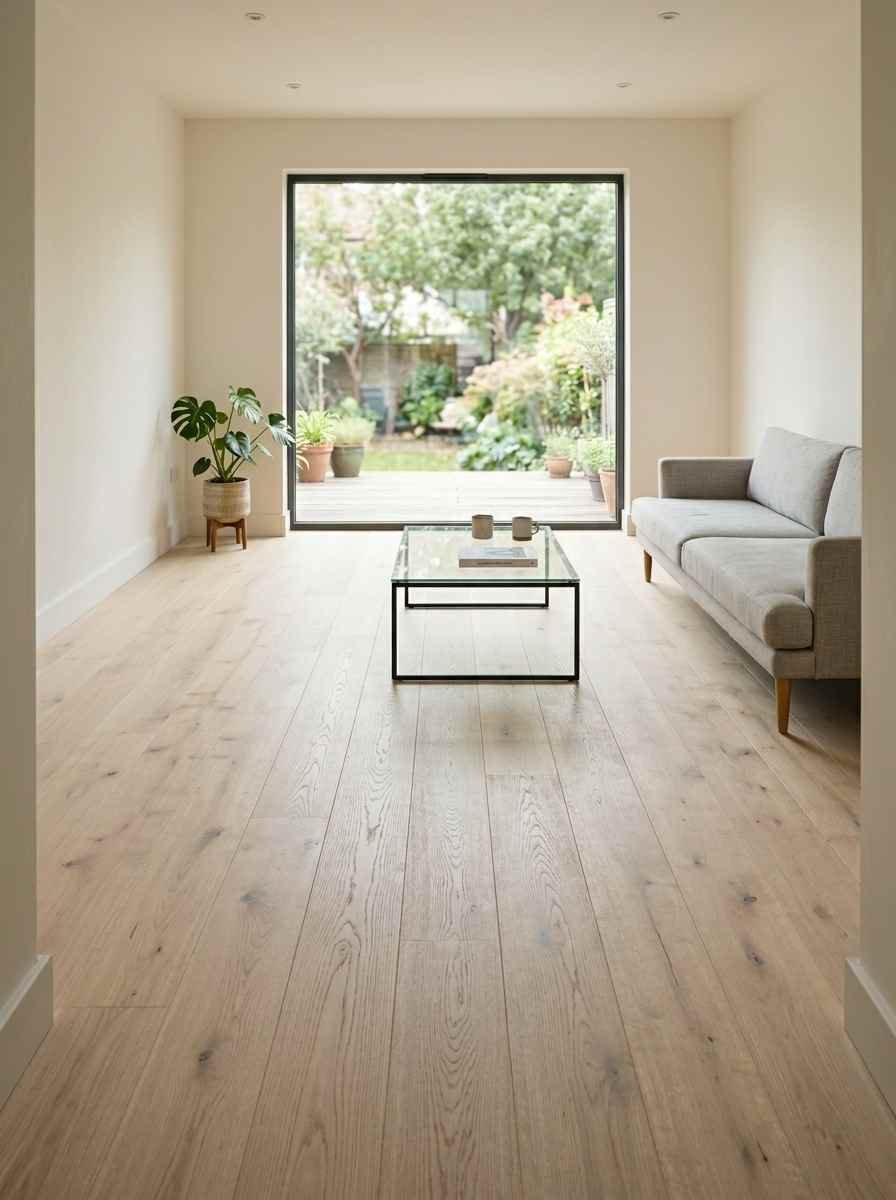
Area rugs can work in small rooms, but a rug that’s too small chops the floor into sections and makes everything feel cramped.
If you use a rug, size it so all furniture legs sit on it, or go without entirely.
A continuous floor surface, especially a light wood or pale tile, reads as one uninterrupted plane and makes the room feel larger.
9. Choose furniture with multiple jobs
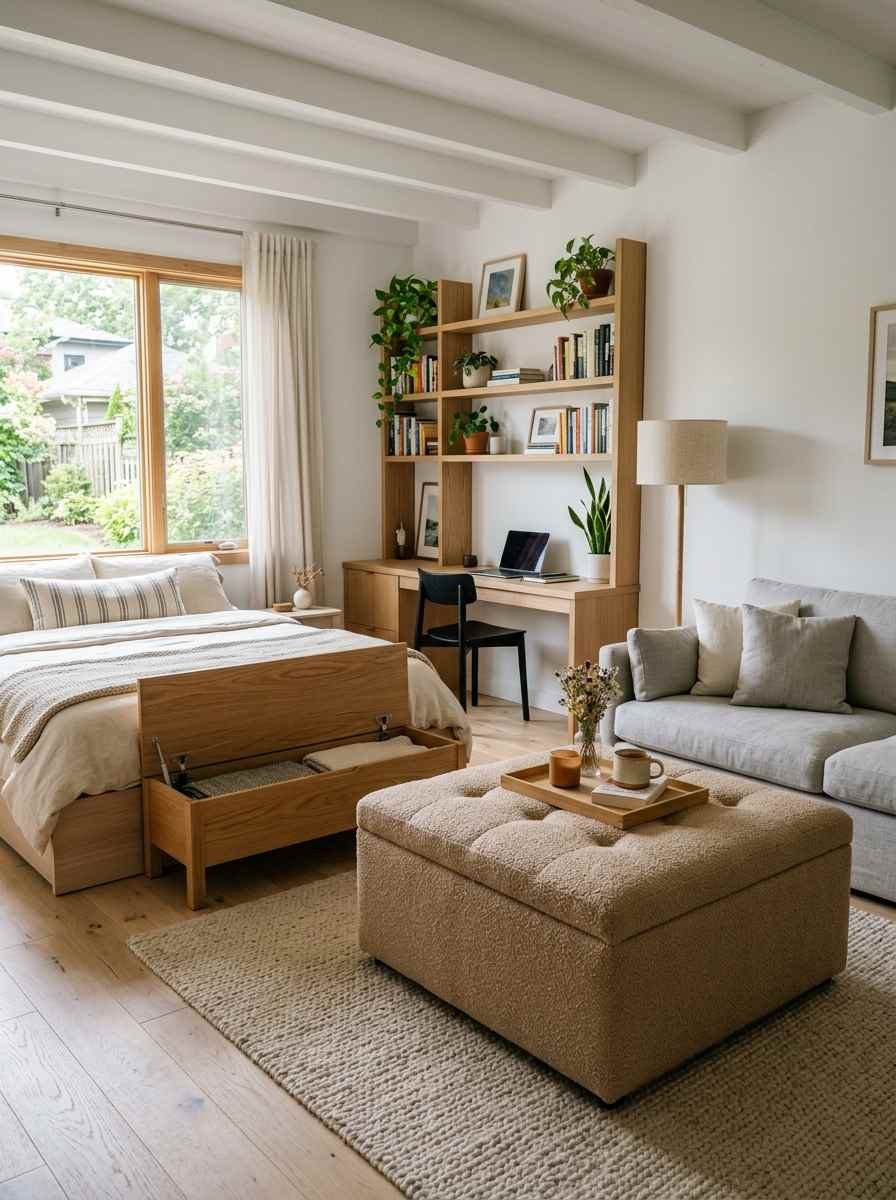
A storage ottoman is a coffee table, extra seating, and a place to stash blankets.
A desk with shelving above it replaces a separate bookcase.
A bench at the foot of the bed with a hinged lid holds extra pillows. Every piece of furniture in a small room should do at least 2 things.
Single-purpose furniture is a luxury that small rooms can’t afford.
10. Floating shelves instead of bookcases
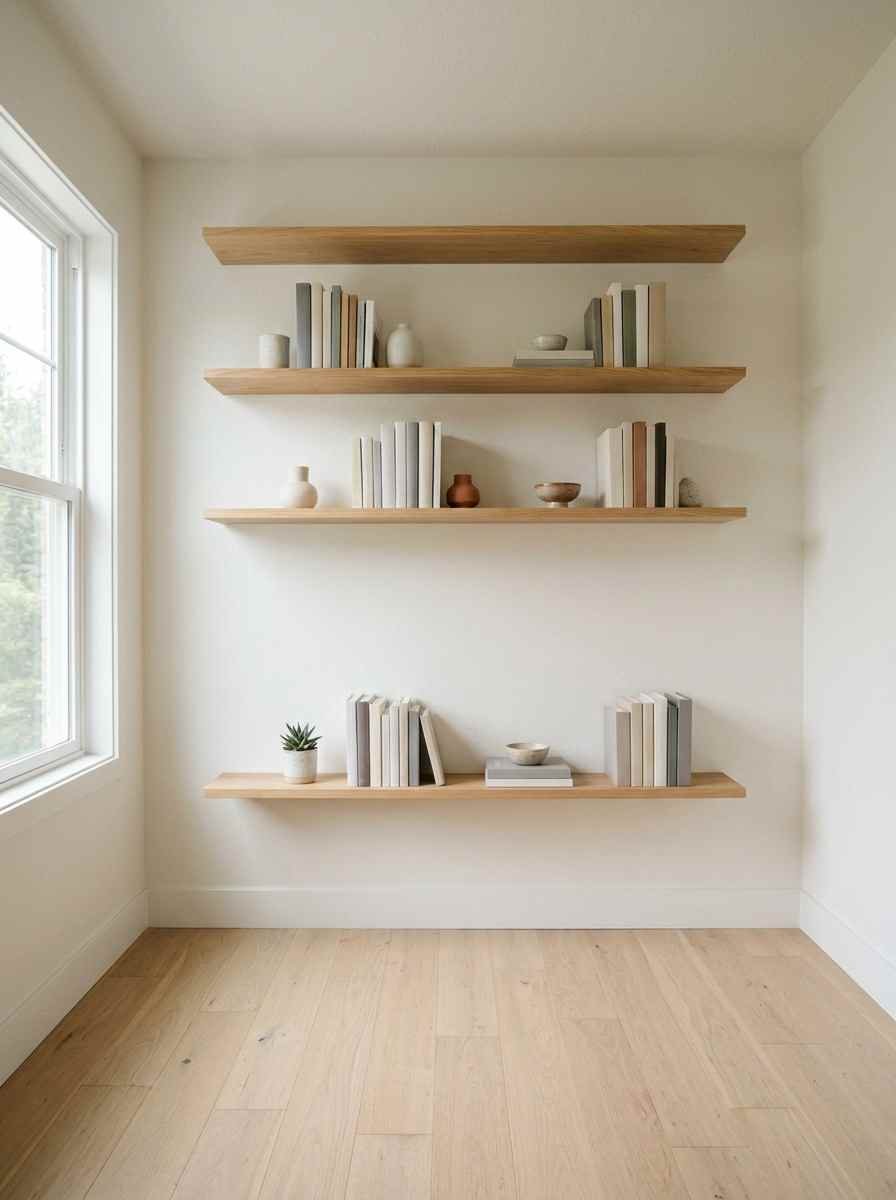
A tall bookcase in a small room takes floor space and can feel like a wall of stuff closing in on you. Floating shelves go vertical without sacrificing floor area.
You get the same storage and display capacity,
but the room reads as more open because you can see the floor all the way to the baseboard.
Keep shelves tidy: 70% books or objects, 30% breathing room. Packed shelves look chaotic even when they’re organized.
11. Light walls, dark accents (not the other way around)
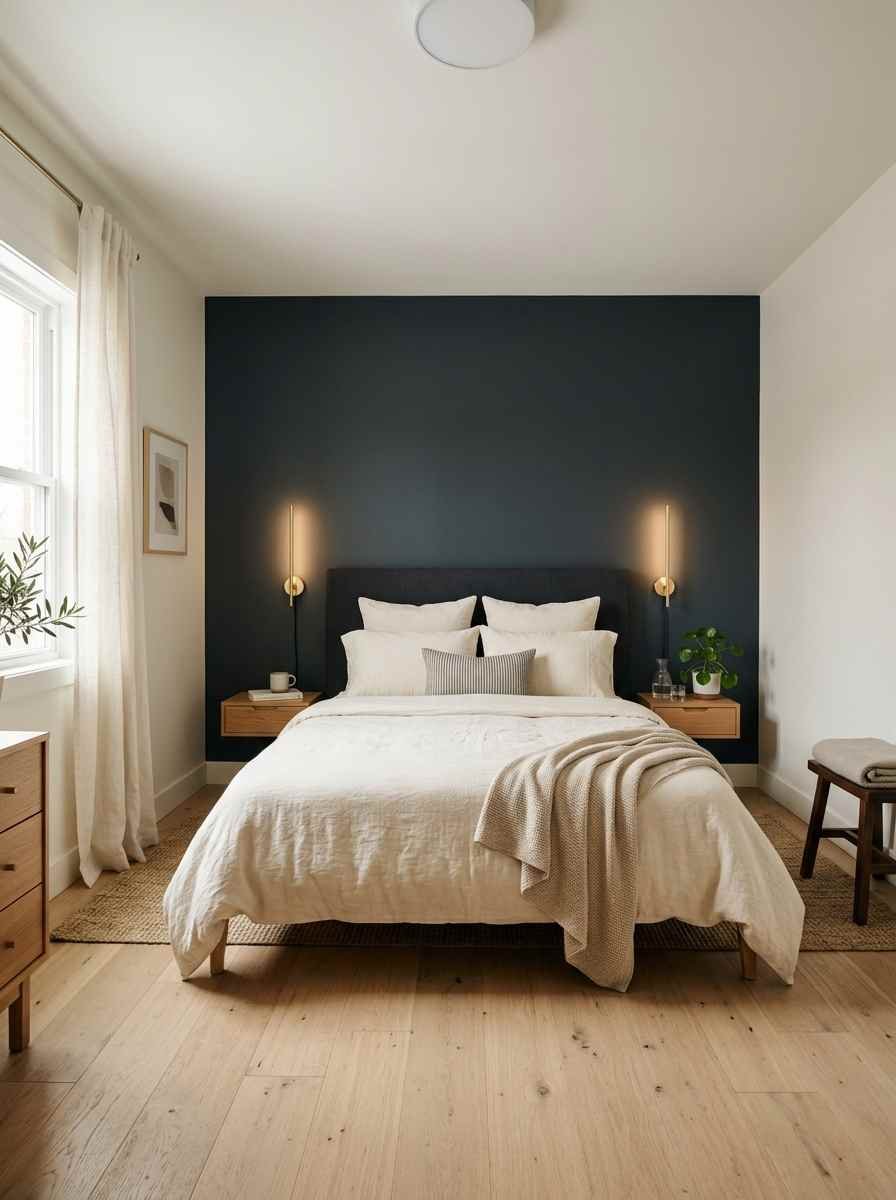
This is where I have an actual opinion: pale walls (think Benjamin Moore’s White Dove,
Sherwin-Williams Alabaster, or even a warm greige) make small rooms feel breathable. A dark accent wall on one side adds depth without closing everything in.
Going all-dark in a small room can look cool in photos but feels like a cave to live in. IMO, save the moody dark rooms for spaces with at least 12-foot ceilings.
12. Vertical storage towers over horizontal spread
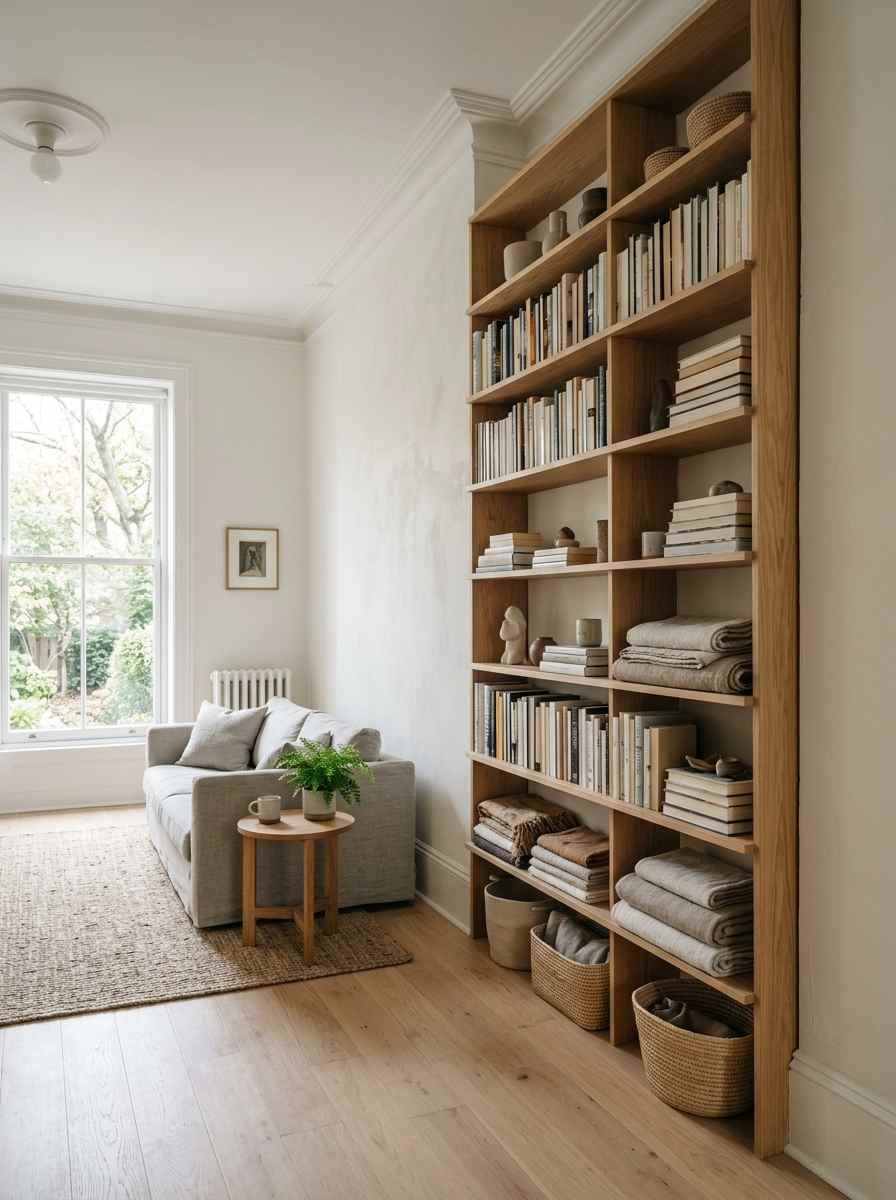
When floor space is limited, go up. A tall, narrow shelving unit uses a 12-inch footprint and gives you 6 feet of storage.
A wide, low credenza uses the same floor space but cuts the visual flow at hip height.
Vertical lines make ceilings seem higher, which is exactly the illusion you want.
13. Get a glass or lucite coffee table
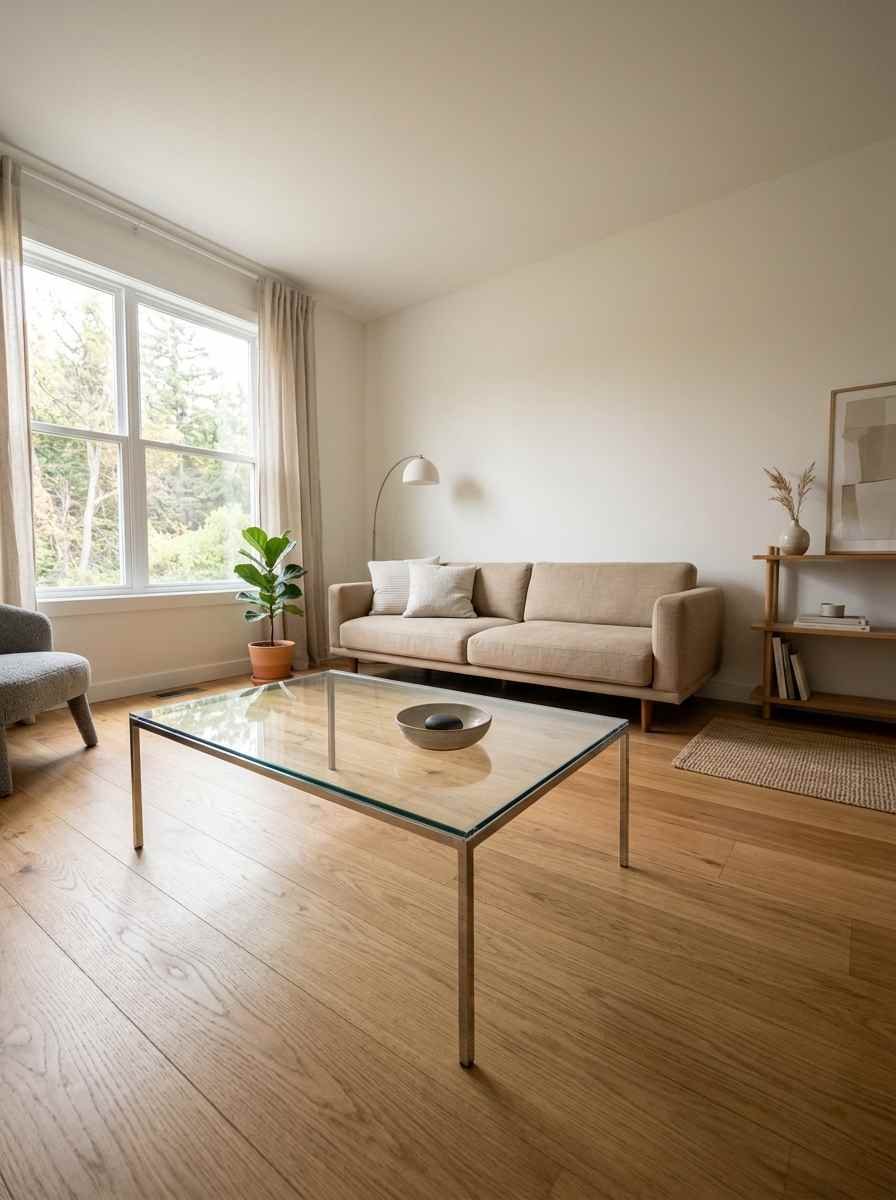
Transparent furniture is one of those things that looks like a design trick but actually works on a basic perceptual level: your eye passes through the object, so your brain doesn’t register it as taking up space.
A glass-topped coffee table in a small living room reads almost as negative space.
The downside: fingerprints. A lot of fingerprints. Worth it.
14. Use built-in shelving around windows or doors
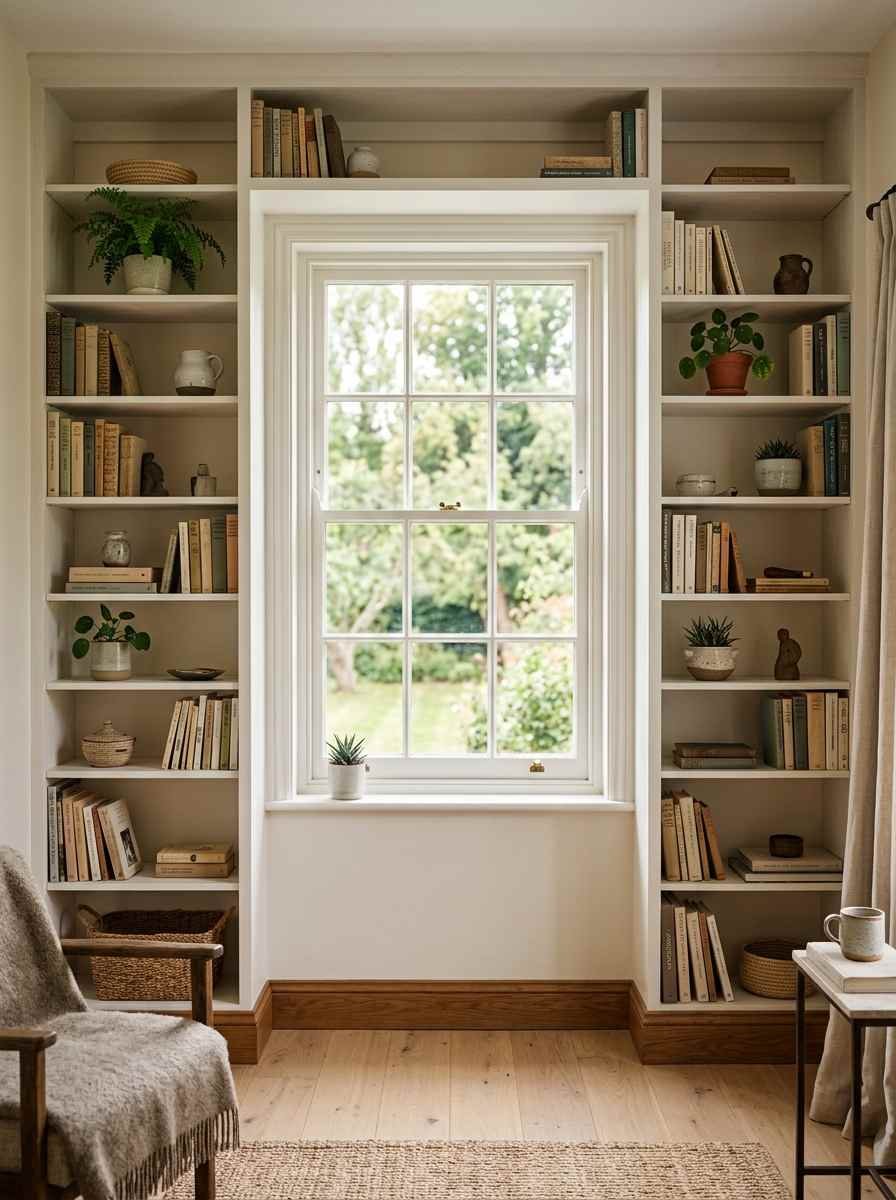
The wall space around a window or door is usually completely ignored.
Built-in shelves that frame a window (floor to ceiling on both sides) look intentional, add serious storage, and frame the window as a focal point.
You can get a carpenter to do this for around $500 to $1,200 depending on your city, or tackle it as a weekend DIY with MDF and trim.
This is one of those ideas that looks like it was always supposed to be there.
15. Declutter by category, not by room
Okay, this one is slightly off-topic from decor, but stick with me: the reason most minimalist small rooms look so good is because the person who lives there made hard choices about what to keep.
Marie Kondo’s method of sorting by category (all clothes together, all books together) rather than room by room is genuinely more effective because you see exactly how much you own.
And then you get ruthless.
A beautifully styled small room with too much stuff is still a cluttered small room. The decor can only carry so much weight.
16. Choose low-profile lighting
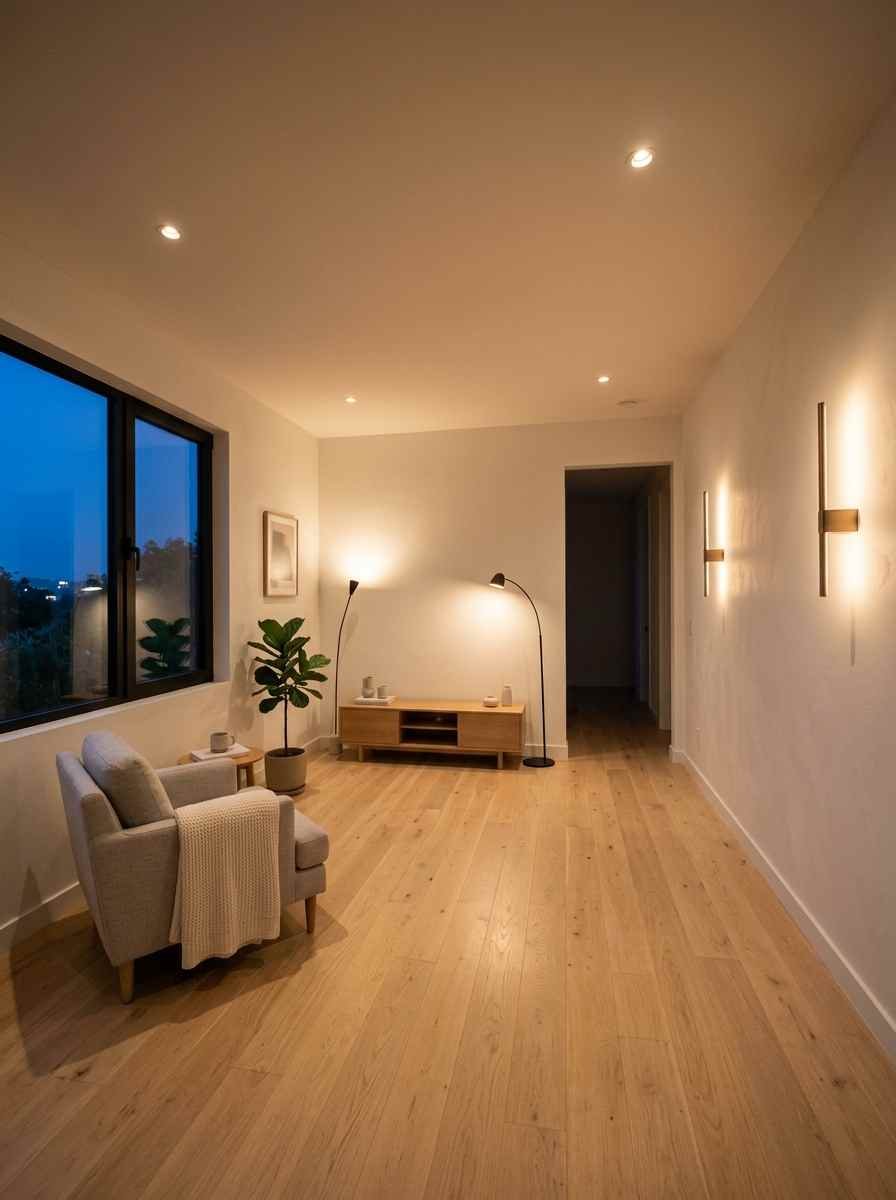
A chunky ceiling fan or a large pendant light in a small room physically lowers your ceiling line.
Recessed lighting, flush-mount fixtures, or slim pendant lights in a single spot keep the ceiling plane intact.
If you want ambiance, use floor lamps or wall sconces that direct light upward.
17. A desk that folds against the wall
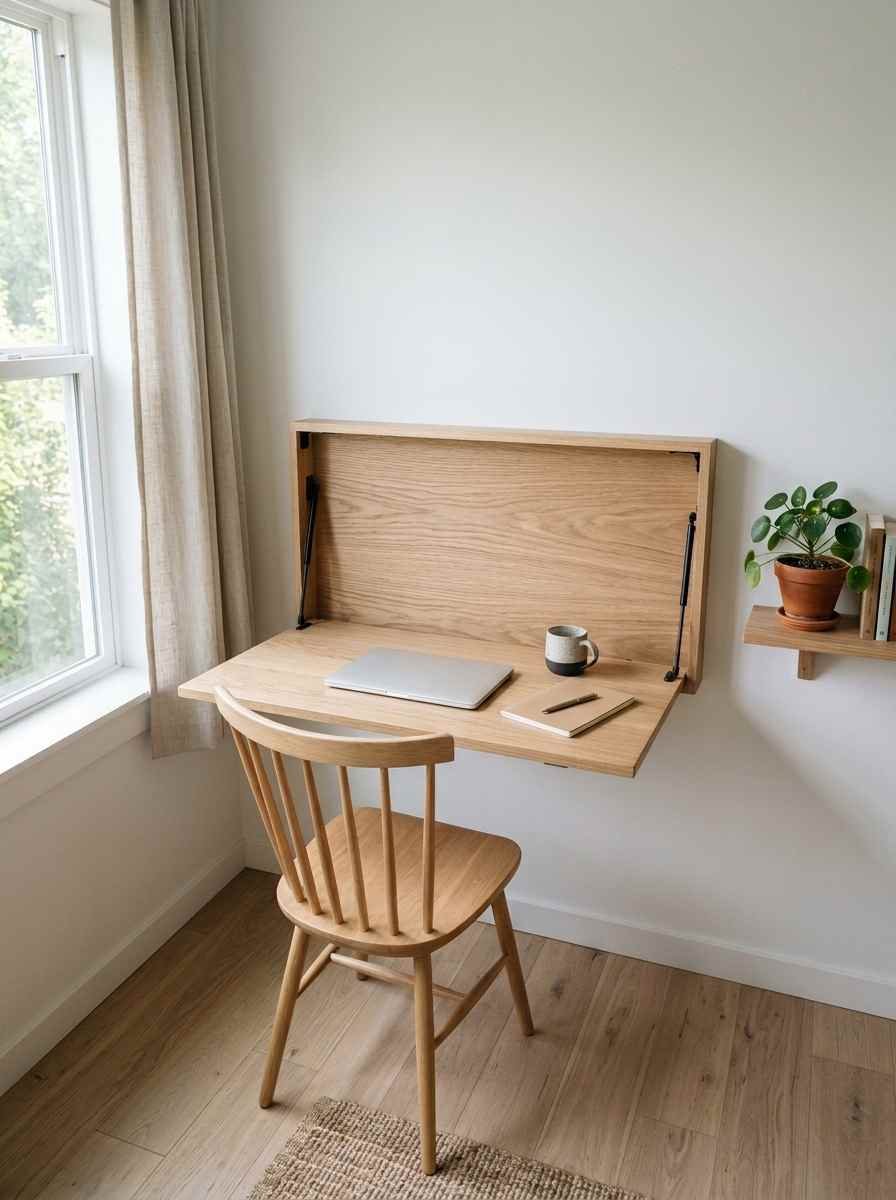
A fold-down desk (sometimes called a secretary desk or a wall-mounted drop-leaf desk) takes up about 10 inches of depth when closed and zero floor space.
Open, it gives you a solid work surface.
When you’re done, it disappears into the wall. For anyone working from home in a small space, this is a genuinely practical fix.
Pottery Barn and IKEA both have versions. The IKEA NORBERG is around $50 and works perfectly fine.
18. Keep your color palette tight (3 colors max)
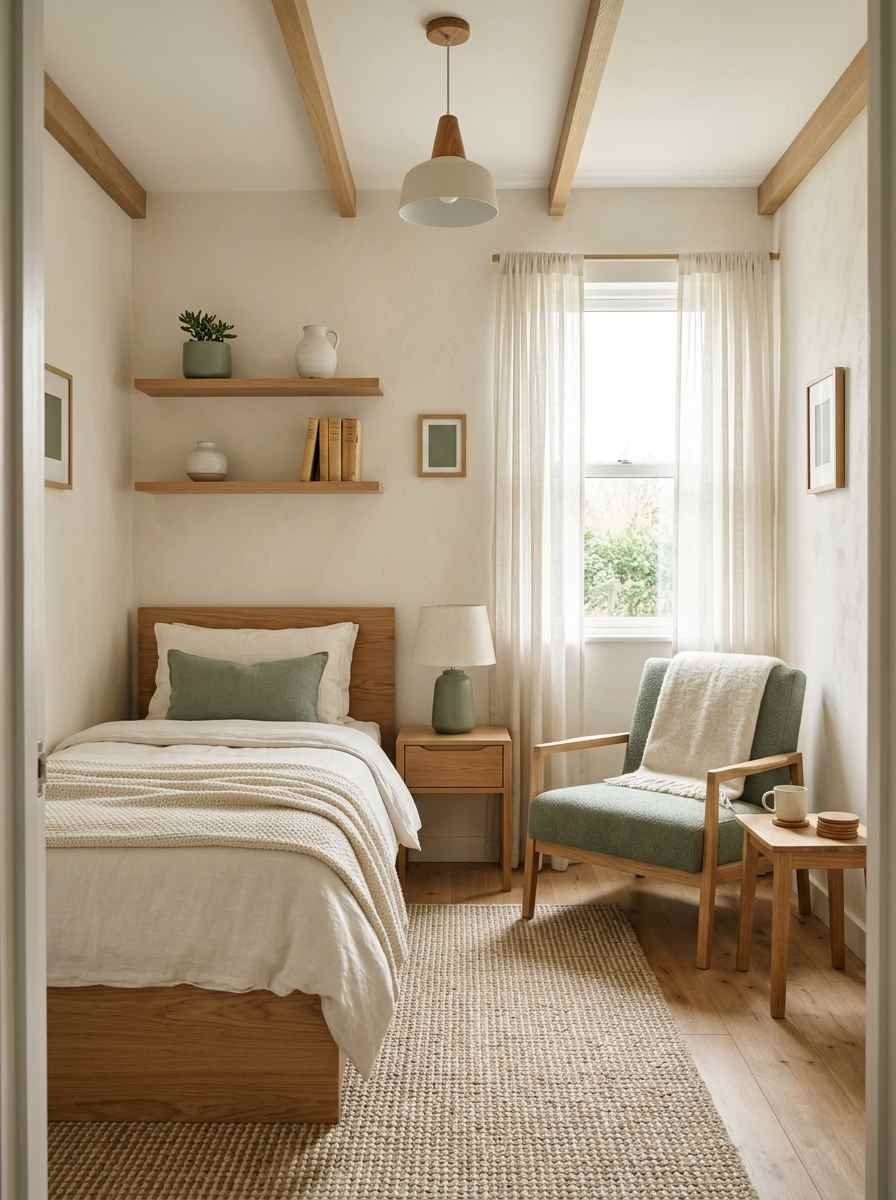
In a small room, visual consistency makes the space feel intentional and calm.
Too many colors and patterns compete for attention, and the room starts to feel smaller because there’s so much for your eye to land on.
Stick to a base color, one accent color, and one neutral. That’s enough.
Wow, the difference between a room with 6 competing colors and one with 3 is almost unfair. It’s the same furniture, same layout, and it just looks like a completely different room.
19. Nesting tables instead of a fixed side table
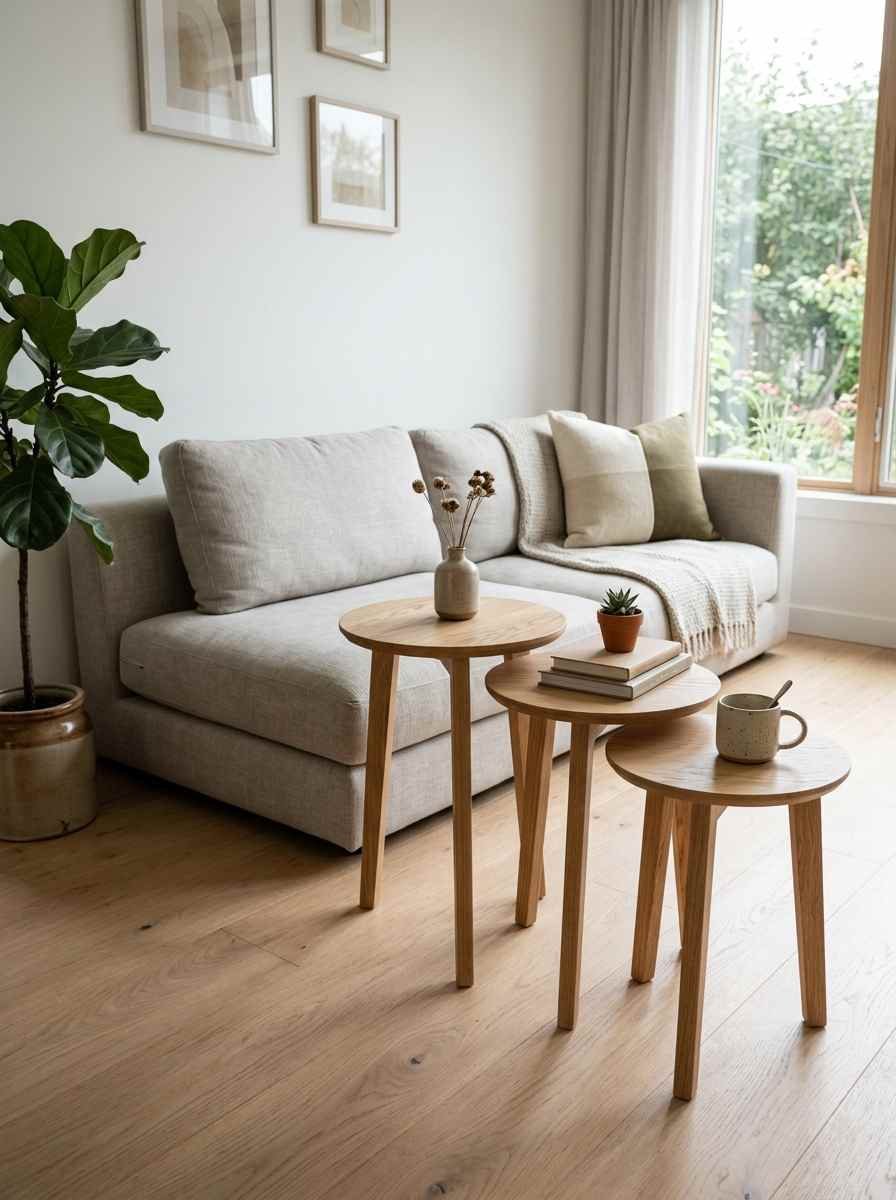
Nesting tables are 2 or 3 tables that stack together when not in use. In a small room, they give you flexibility: spread them out when you have guests, nest them when you want the floor back. Much smarter than a fixed side table that you maneuver around every single day.
20. Plants, but chosen for scale
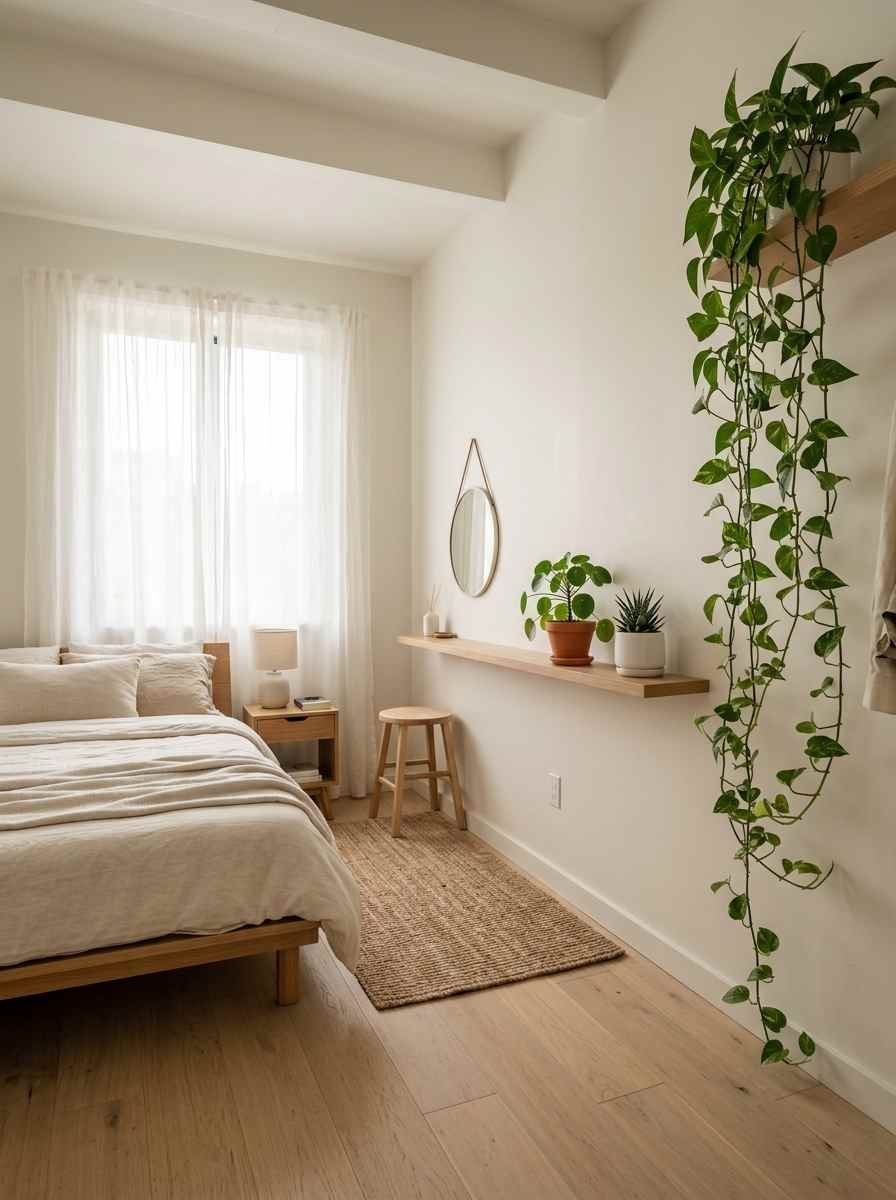
A massive fiddle leaf fig in a small room looks like a tree grew through your floor.
A few small plants on a floating shelf or a trailing pothos on a high shelf adds life without overwhelming the space. Scale matters more than quantity.
And for what it’s worth, plants are one of the cheapest ways to make a small room feel like someone actually lives there rather than just stores their stuff.
Quick comparison: minimalist furniture choices for small rooms
| Furniture type | Best for | Floor space used | Visual weight |
|---|---|---|---|
| Platform bed | Bedrooms | Low | Low |
| Glass coffee table | Living rooms | Moderate | Very low |
| Fold-down desk | Home offices | Minimal | Low |
| Wall-mount shelf | Any room | Zero | Very low |
How these ideas connect to real design principles
The consistent thread across all 20 ideas is the same: reduce visual weight, go vertical, and let light move freely around the room. Interior designers talk about this constantly, and publications like Architectural Digest and Apartment Therapy have covered the psychology of small-space perception extensively. The short version: your brain reads open floor space and visible walls as “big room,” and it reads blocked sightlines and heavy furniture as “small room.” Every idea above works with that psychology.
If you want to go deeper on the theory side, the National Kitchen and Bath Association’s guidelines on clearance distances are actually useful for small rooms too, even if you’re not renovating.
FAQs
Can minimalist decor work in a small room with lots of natural light?
Yes, and natural light is actually your biggest asset. Minimalist design keeps surfaces clear so light can bounce off them. More light, fewer objects, and pale reflective surfaces all work in the same direction. A small room with good windows and minimalist decor can genuinely feel bigger than a medium-sized room that’s packed full.
What’s the single biggest mistake people make when decorating a small room?
Buying furniture that’s scaled for a bigger space. A king-sized bed in a 10-by-10 room, a massive sectional sofa in a small apartment living room, a dining table for 6 when you eat alone 90% of the time. Right-sizing furniture is the fastest fix and the most common miss.
Do I have to go all-white for minimalist decor?
Definitely not. White is popular because it reflects light and feels clean, but warm neutrals (think sand, warm grey, dusty sage) work just as well and feel less clinical. The key is keeping the palette consistent, not necessarily keeping it white.
Final thought
Small rooms have a ceiling on how much space they contain, but no ceiling on how thoughtfully they can be designed. The 20 ideas above aren’t about spending a lot of money or gutting your place. Most of them cost under $100 to try, and a few cost nothing but a trip to a thrift store and a commitment to getting rid of stuff you don’t need.
Which of these are you planning to try first? Drop it in the comments. I’m genuinely curious whether the wall-mounted nightstand converts as many people as I think it will.
