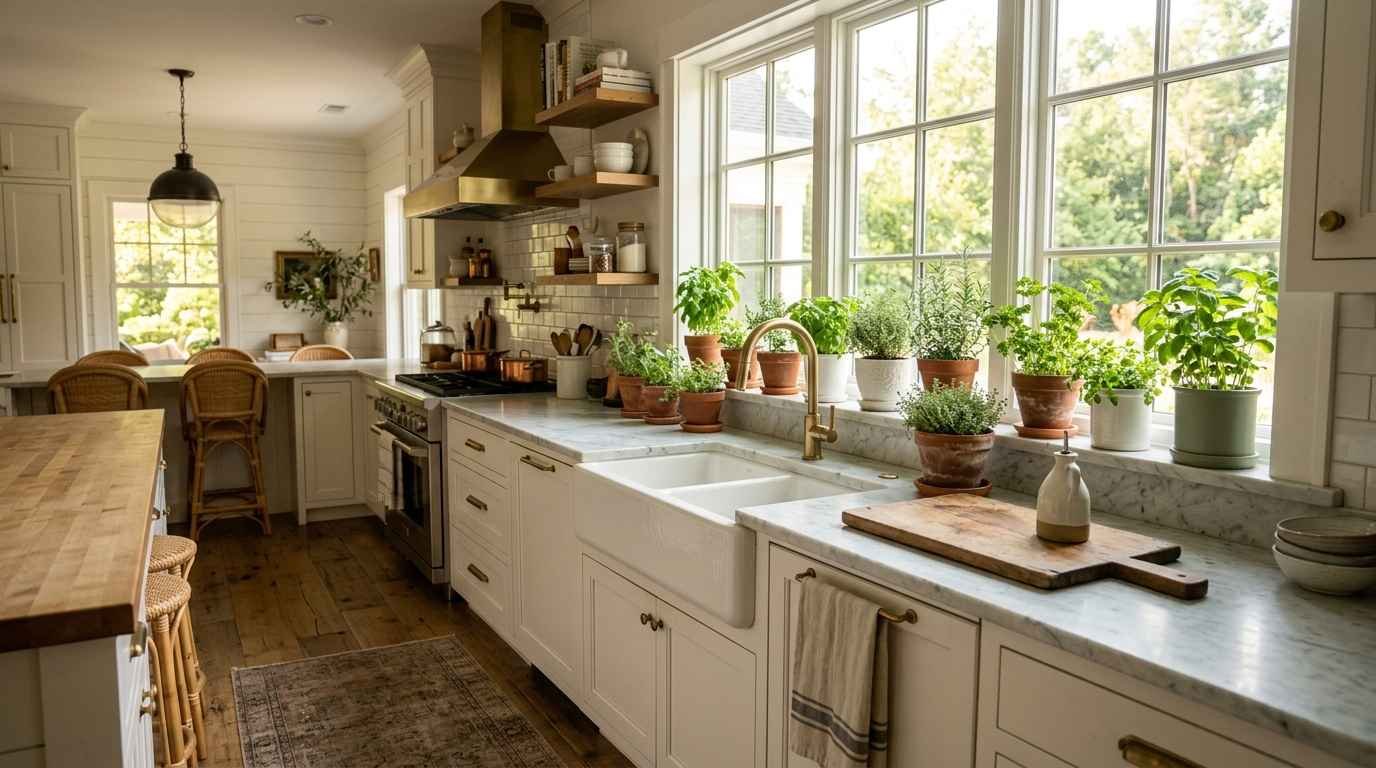
So you’ve decided to grow herbs indoors. Good call. Fresh basil on your pasta, snipping mint into your morning tea, rosemary just there on the windowsill — it genuinely changes how you cook.
And the best part? You don’t need a yard, a green thumb, or any fancy equipment to pull it off.
I’ve killed my fair share of plants (RIP, basil no. 4). But once I figured out a few basic things — light, drainage, the right containers — everything clicked.
These 23 ideas cover the setup, the style, and the no-fuss growing tips that actually work.
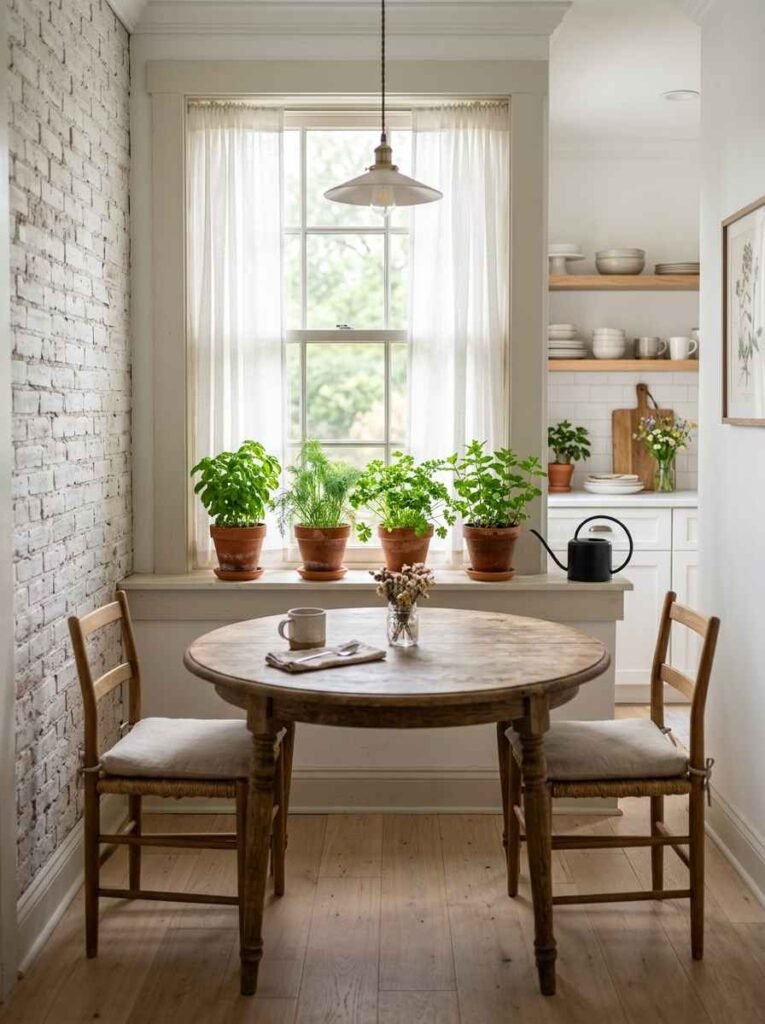
1. The Sunny Windowsill Setup
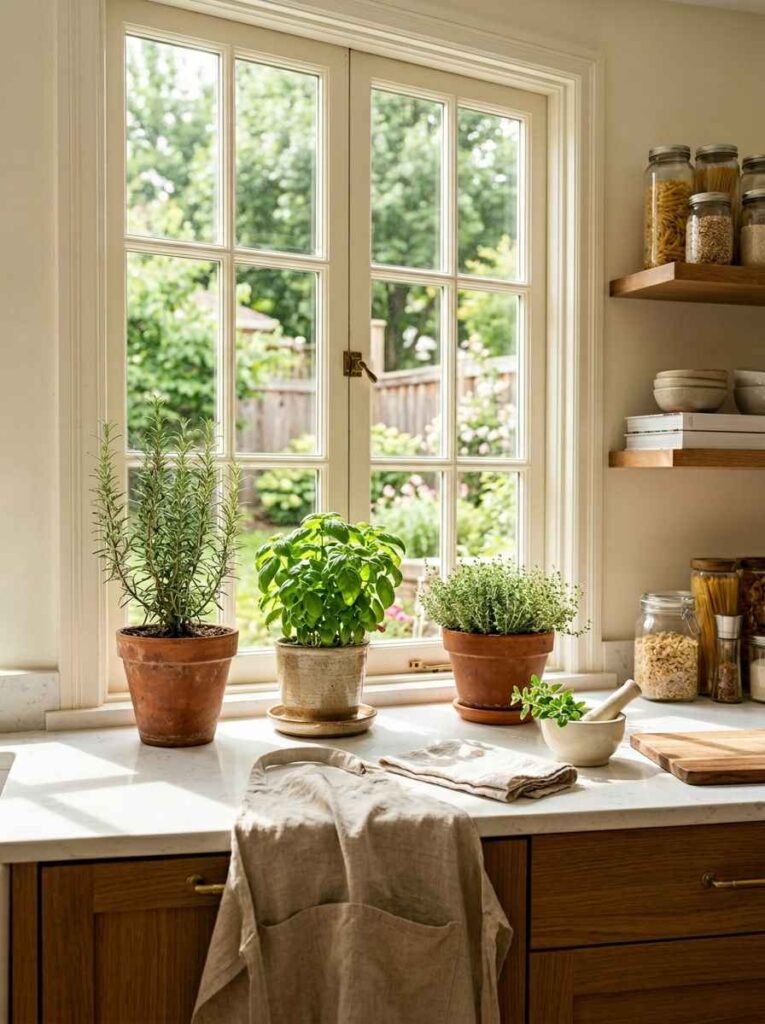
This is where most people start, and honestly, it’s still one of the best spots. South- or west-facing windows give you the most light hours.
Put your basil, rosemary, and thyme here — they’re sun lovers.
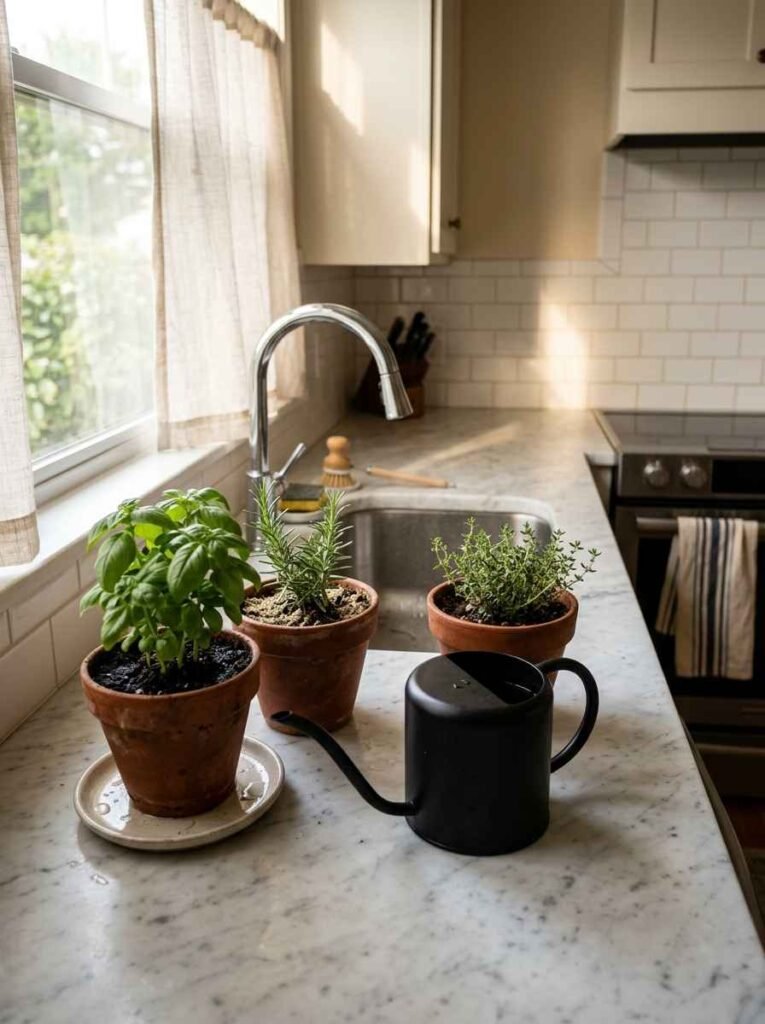
Group them by water needs, not just aesthetics. Basil wants moisture. Rosemary hates it. Keeping them together and watering the same way will kill one of them every time.
2. A Tiered Plant Stand
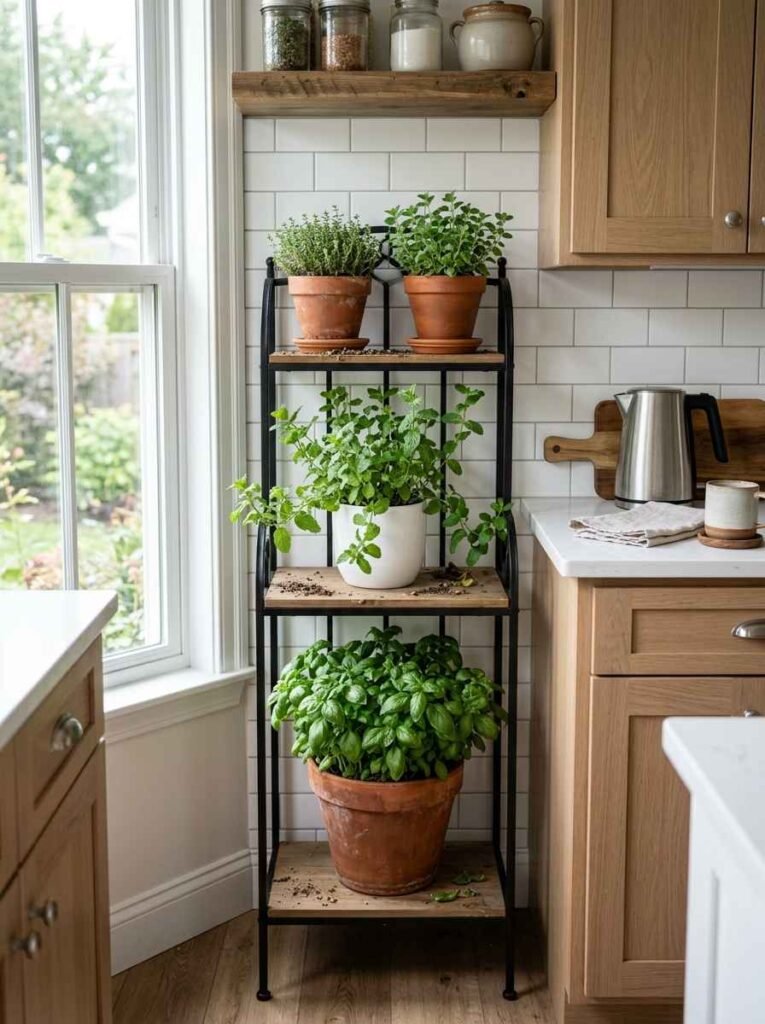
A tiered stand turns a corner of your kitchen into a proper herb station. Stack 3–4 pots at different heights, mix terracotta with ceramic, and suddenly it looks intentional.
Best herbs for a tiered stand:
- Basil (bottom tier, needs most water)
- Mint (middle — keep it contained, it spreads)
- Thyme and oregano (top, needs least water)
3. Magnetic Herb Pots on the Fridge
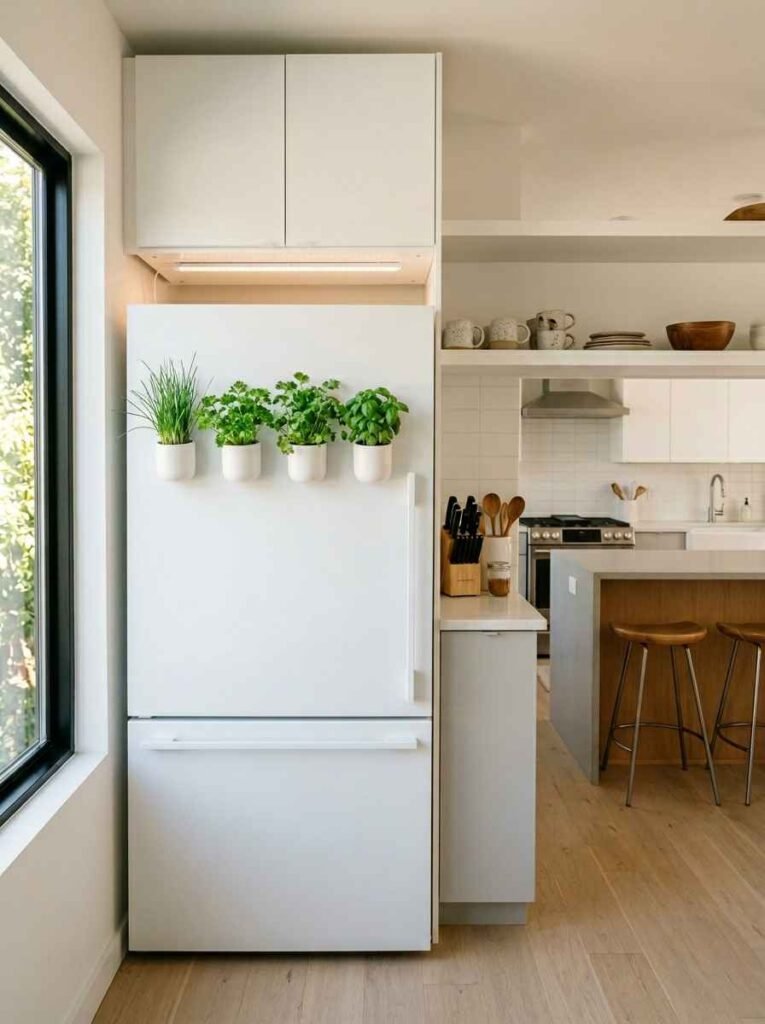
These are everywhere on Pinterest right now, and they actually work. Small magnetic containers stick to the fridge door and hold compact herbs like chives, parsley, and cilantro.
One thing nobody tells you: the fridge doesn’t get enough light on its own. Put it near a window or add a small grow light strip above.
Otherwise you’re just decorating with doomed plants.
4. A DIY Mason Jar Herb Garden
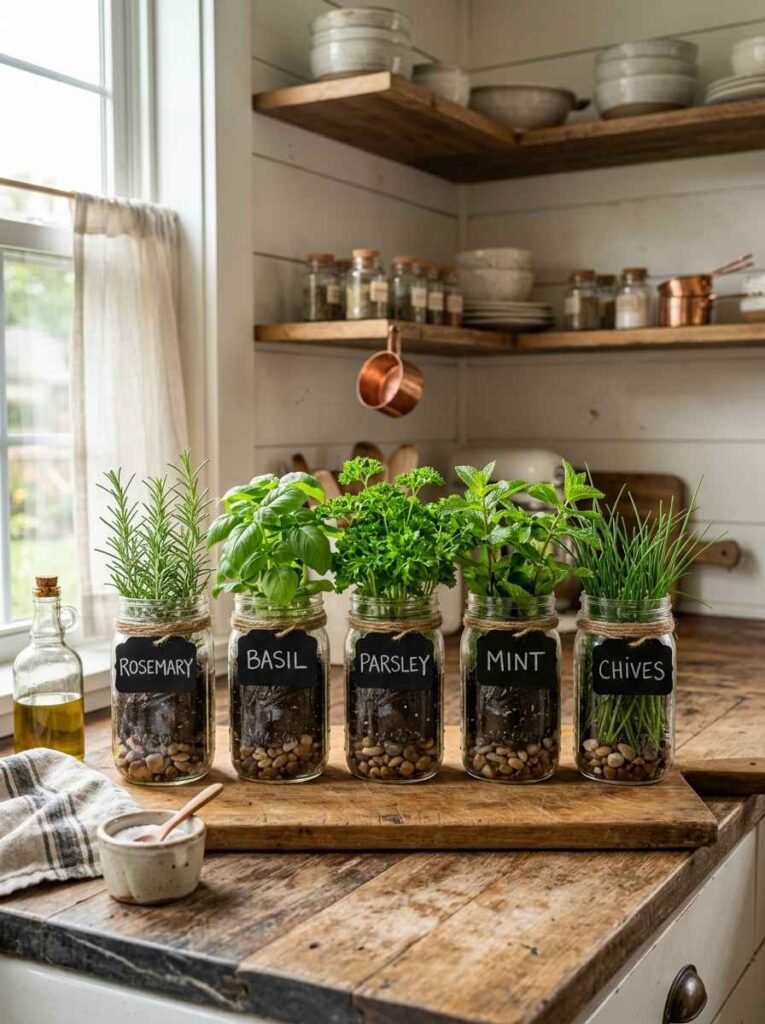
Mason jars are cheap, cute, and work great — with one catch. They have no drainage holes. Add a 1-inch layer of gravel or pebbles at the bottom before the soil.
It won’t replace drainage but it keeps roots from sitting in water.
Label each jar with a chalkboard sticker. FYI, this also makes a genuinely great housewarming gift if you pot them up and tie twine around the lid.
5. Hanging Macramé Planters
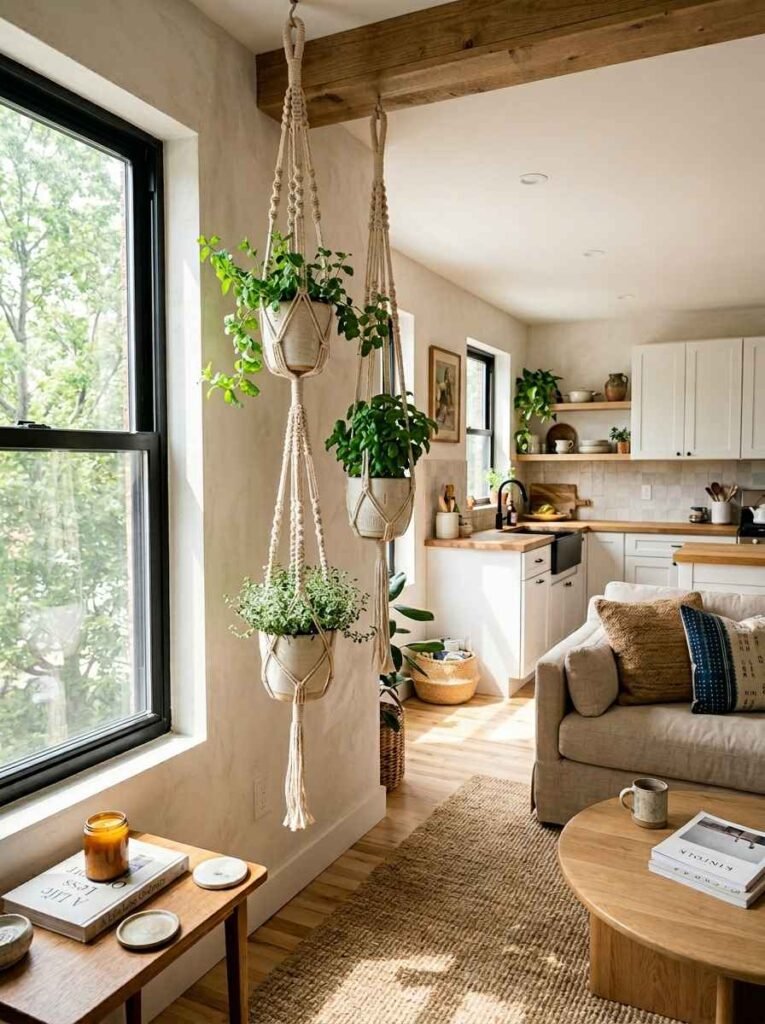
If counter space is tight, go vertical. Macramé plant hangers near a window look beautiful and keep herbs like mint, trailing thyme, and basil within easy reach.
Keep them light. Terracotta gets heavy when wet. Small ceramic or plastic pots work better in hangers.
6. A Wall-Mounted Herb Planter
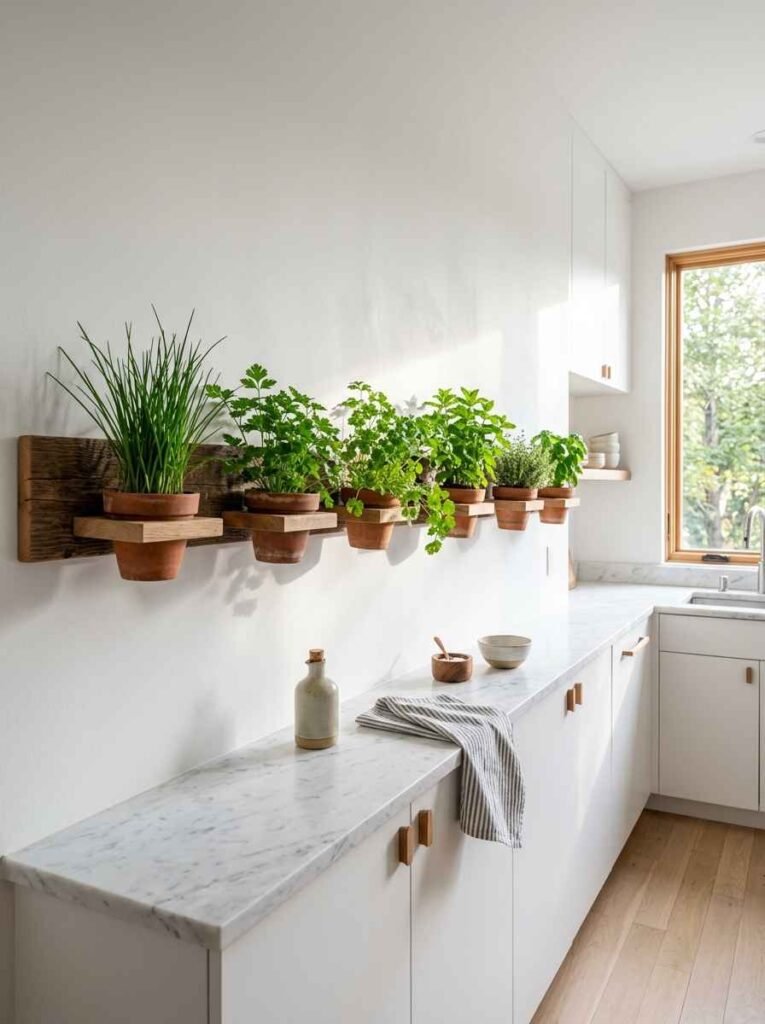
Wooden wall-mounted planters with small individual slots are popular for good reason — they look sharp and take up zero floor or counter space. Works especially well in a narrow kitchen.
Best wall-planter herbs:
- Chives
- Parsley
- Cilantro
- Mint
7. A Grow Light Shelf Setup
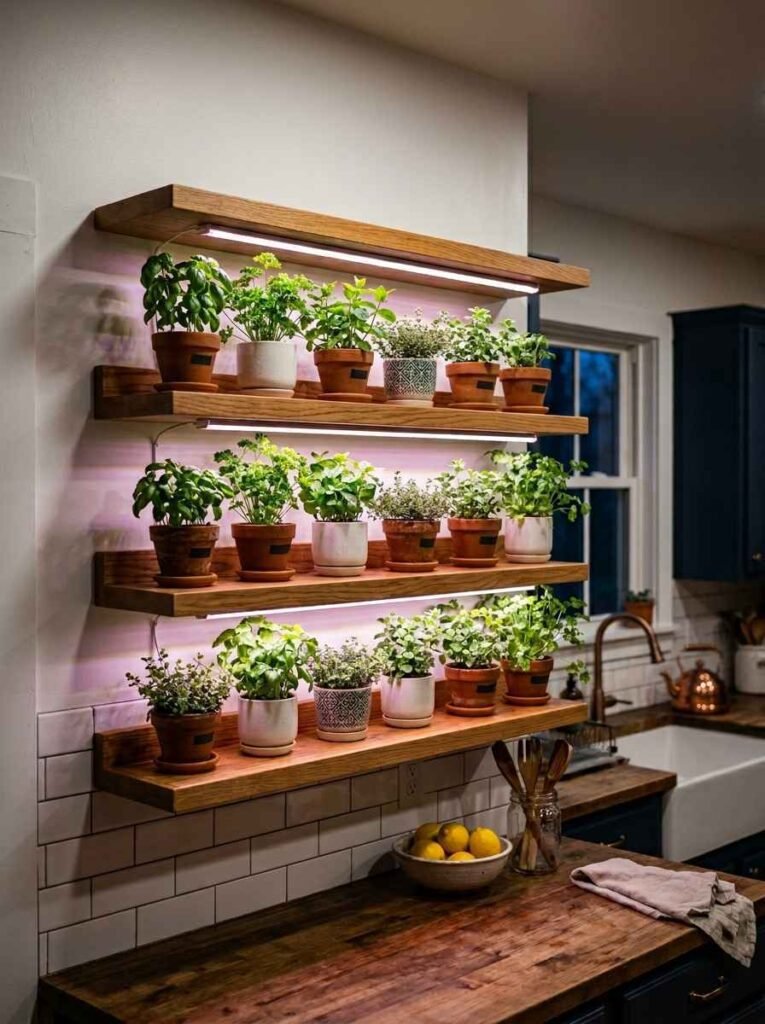
If your kitchen faces north or just doesn’t get great light, a dedicated grow light shelf changes everything.
Full-spectrum LED grow lights are inexpensive now and run on a timer so you don’t have to think about it.
Quick grow light comparison:
| Light Type | Cost | Coverage | Best For |
|---|---|---|---|
| LED strip | Low | Small shelf | 2–4 pots |
| LED panel | Medium | Full shelf | 6–10 pots |
| Clip-on spotlight | Low | Single pot | 1–2 pots |
| Fluorescent tube | Medium | Long shelf | 8–12 pots |
Set your timer for 14–16 hours on. Herbs need a dark period too — don’t run lights 24/7.
8. Repurposed Colander Planter
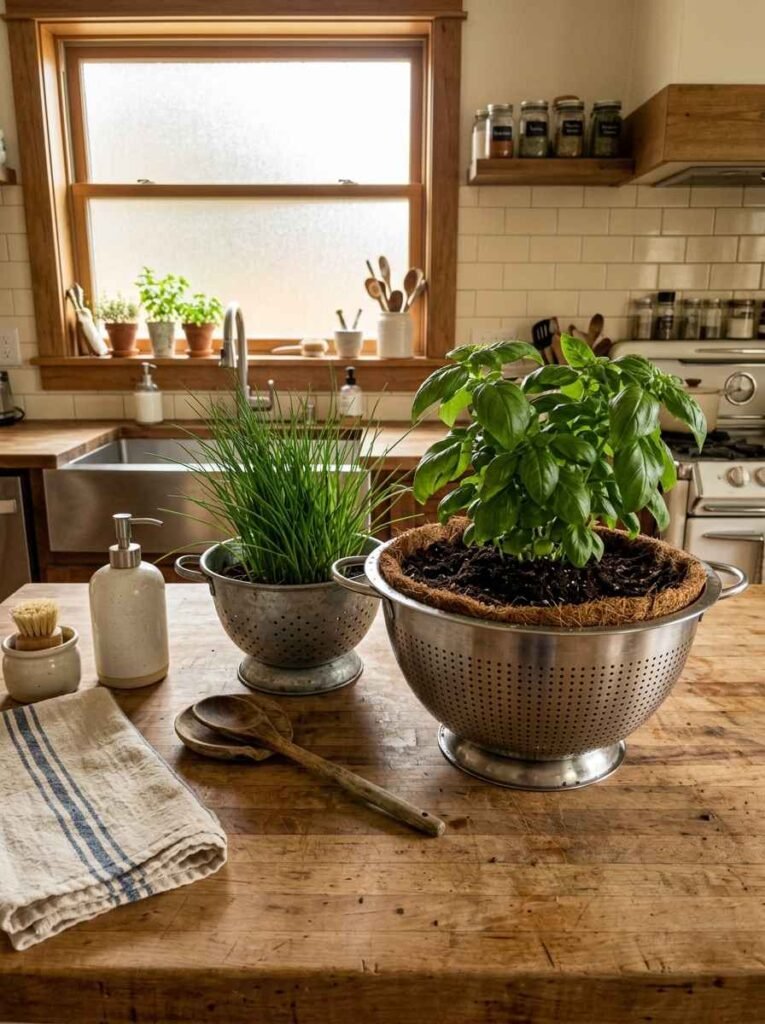
A metal colander from the thrift store makes a surprisingly practical herb planter. The holes in the bottom?
Built-in drainage. Line it with coconut coir before adding soil so the dirt doesn’t fall straight through.
Hang it from a kitchen hook or set it on the counter. Basil loves this setup
9. A Window Box Inside
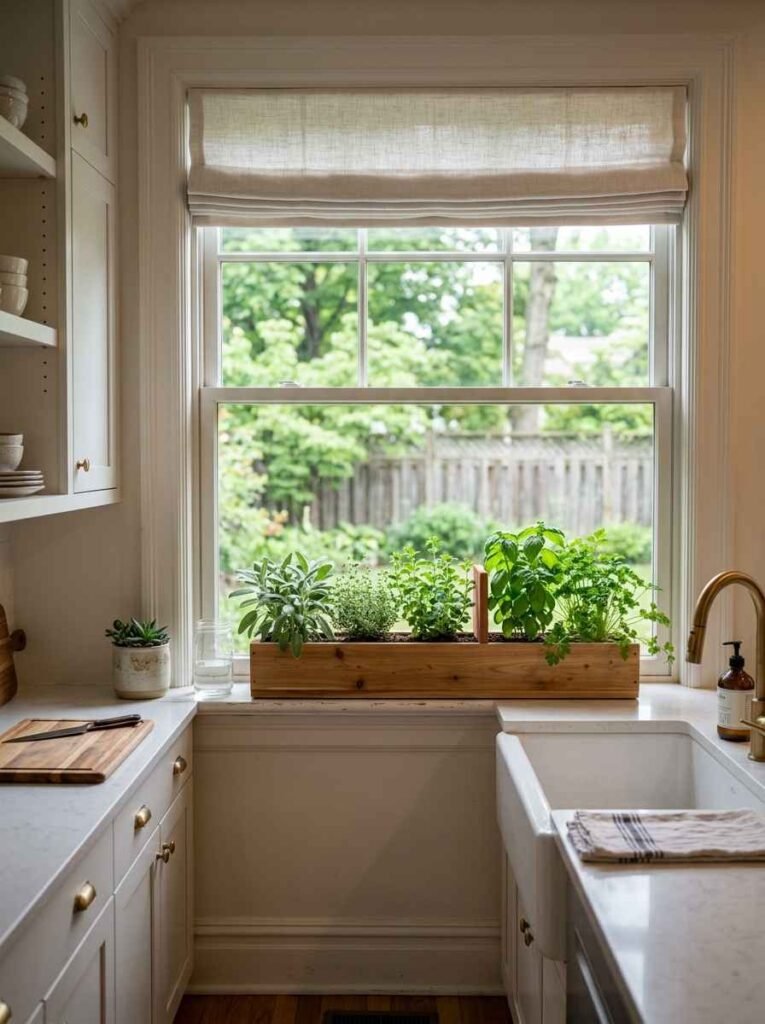
Outside window boxes stay outside, right? Actually no. A long, narrow window box sitting on an interior windowsill fits more herbs than individual pots and keeps everything organized in a row.
Plant herbs with similar water needs together. Thyme, oregano, and sage in one box. Basil and parsley in another.
10. The Hydroponic Herb Kit
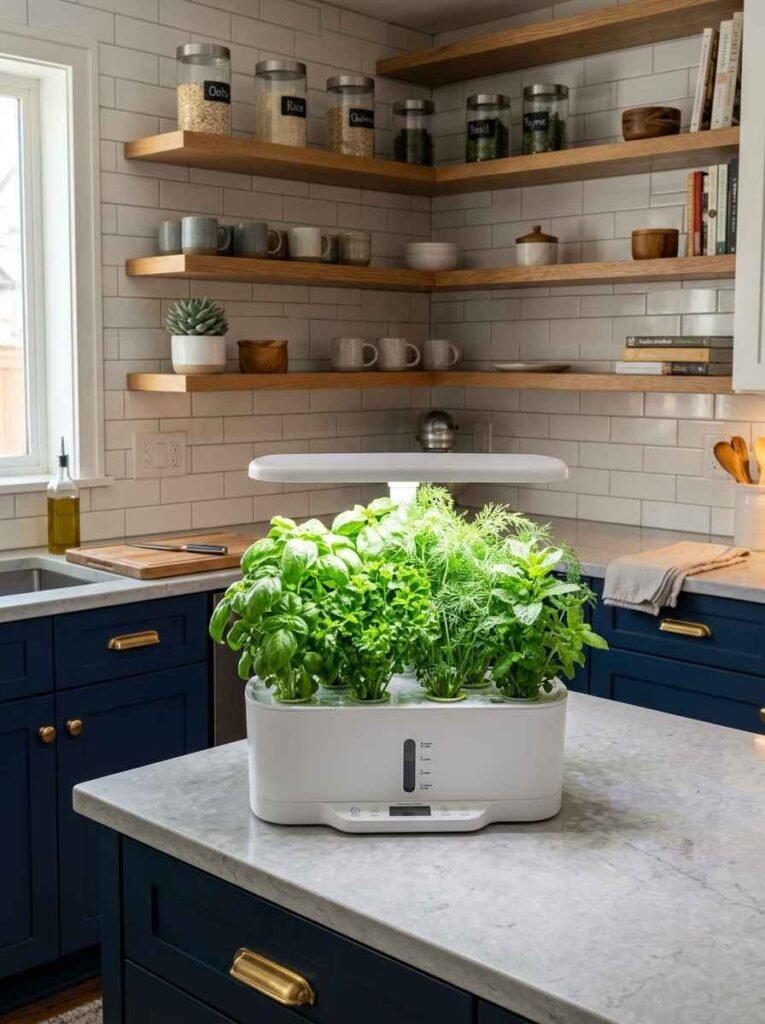
This is the closest thing to foolproof indoor herb growing. Systems like AeroGarden use water, a pump, and built-in lights. You add pods, fill the reservoir, and mostly leave it alone.
Yields are fast — basil especially. The units aren’t cheap, but if you’ve killed 3+ plants on a windowsill, IMO it’s worth the investment.
11. Repurposed Tea Tins and Mugs
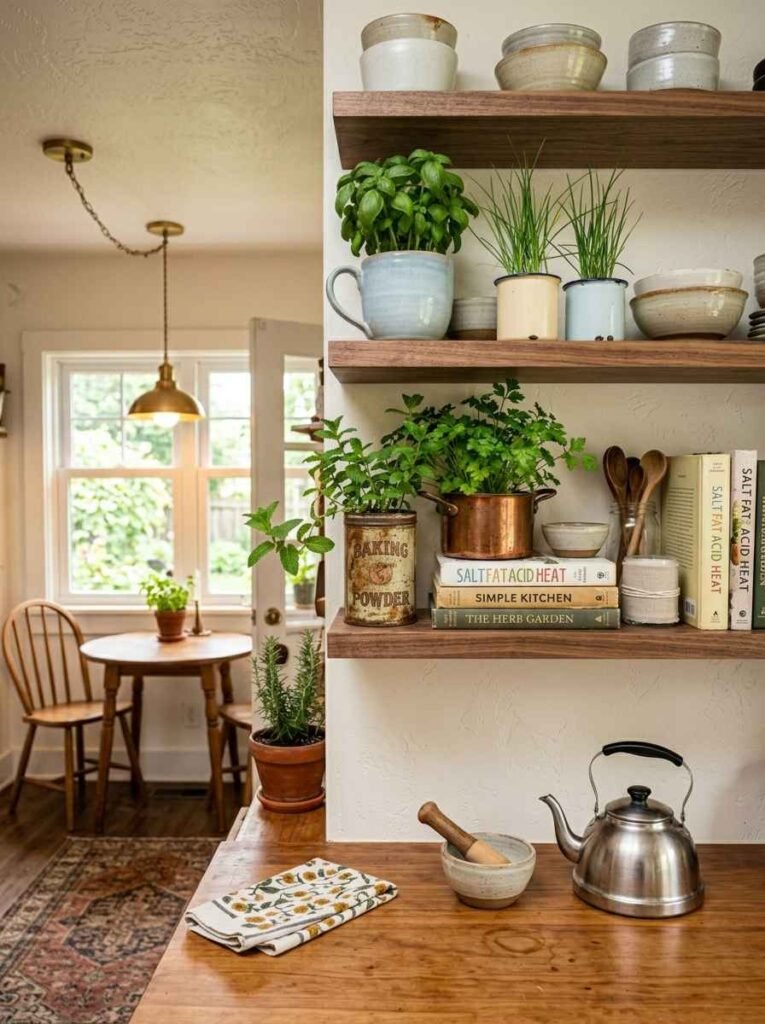
Old tea tins, ceramic mugs, vintage tins — any container with a bit of depth works for herbs. Drill a drainage hole in the bottom if you can. If not, use the gravel-layer trick.
This is the budget-friendliest approach on this list. Check your kitchen cupboards before buying anything.
12. A Small Corner Greenhouse Cabinet
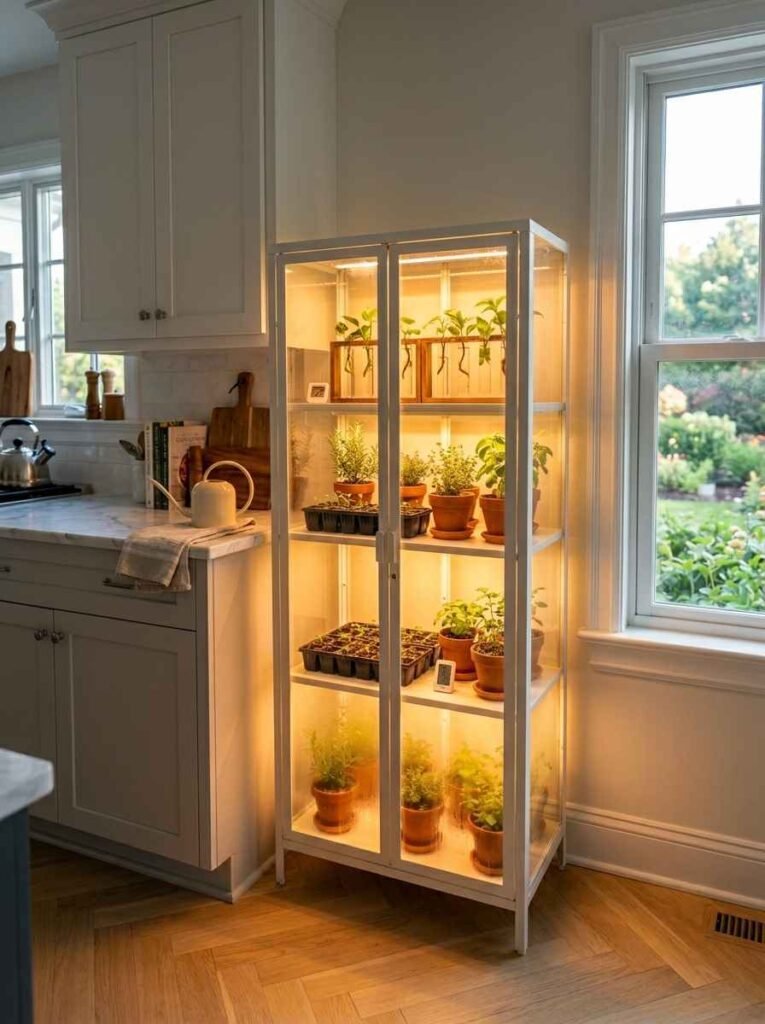
Glass-front cabinets or mini greenhouse structures (the kind with 3–4 wire shelves and a plastic cover) create a humid, controlled environment herbs love in winter.
Add a small grow light inside and you’ve got a proper little growing station.
Great for starting seeds, too.
13. Terracotta Pots Clustered on a Tray
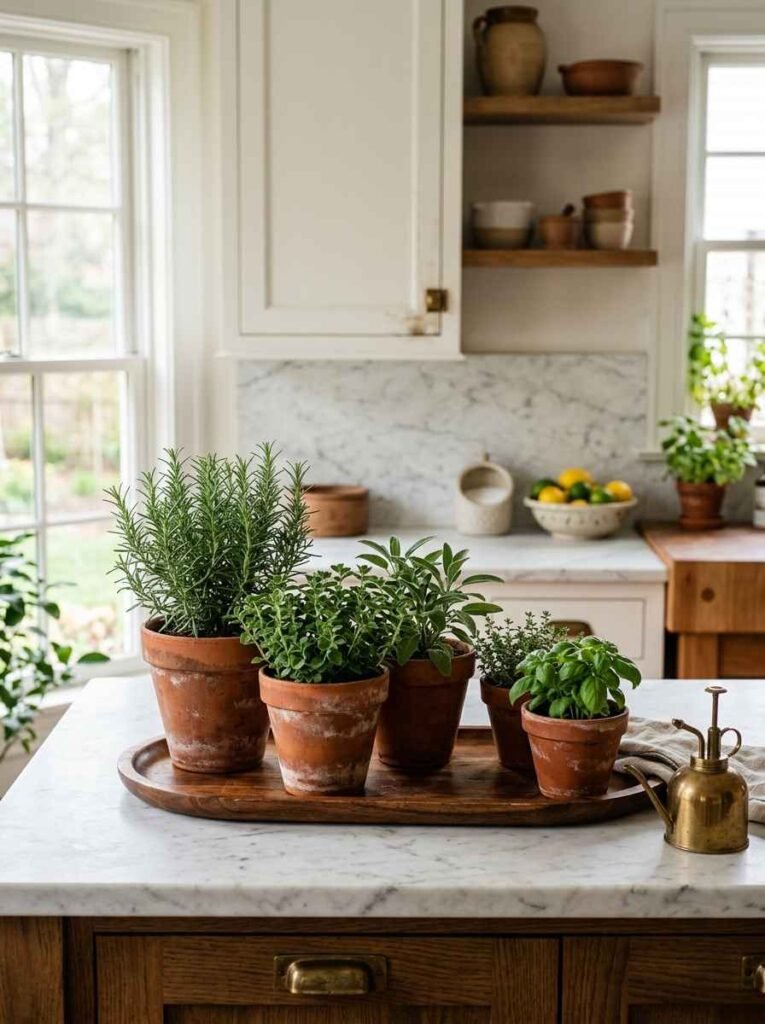
Terracotta breathes, which herbs appreciate. Line a few different-sized pots on a wooden or ceramic tray, and you get a cohesive look without anything matching perfectly.
The tray matters. It catches drainage water and keeps your counter from getting soaked. Get one with a rim at least half an inch high.
14. A Herb Chandelier
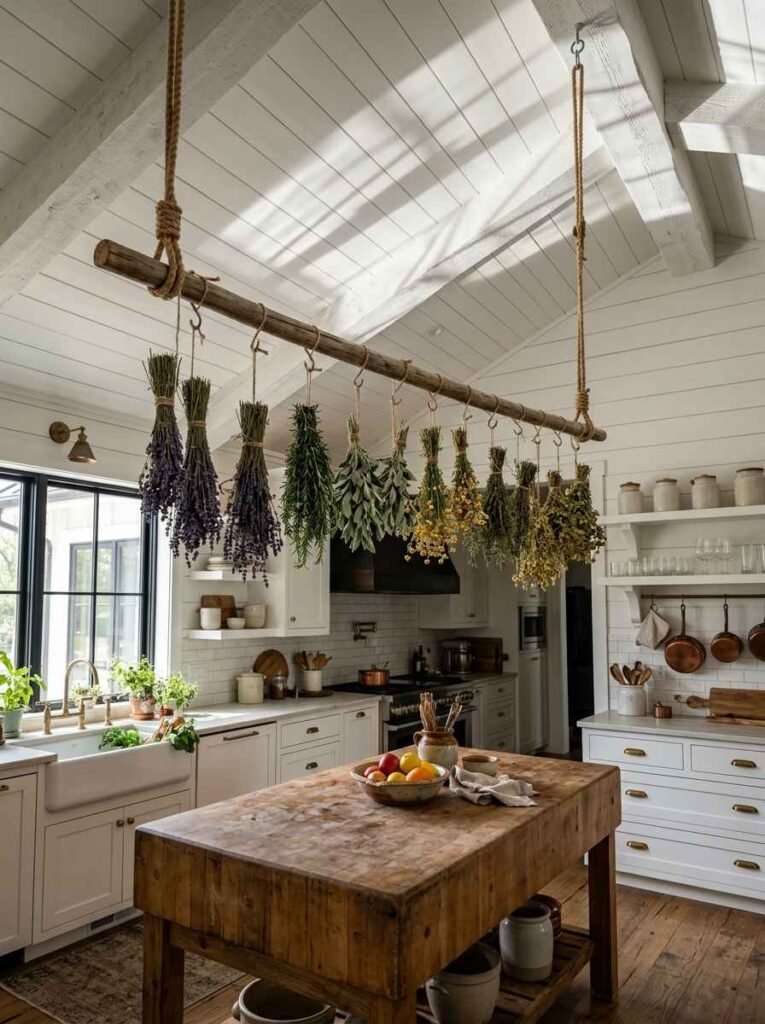
This is the dramatic Pinterest move — a wooden dowel or ladder hung from the ceiling with bundles of herbs tied and hanging down.
It works best for harvesting and drying herbs like lavender, sage, and rosemary rather than active growing.
If you want living plants hanging, stick to trailing varieties in proper hanging pots instead.
15. A Bamboo Ladder Shelf
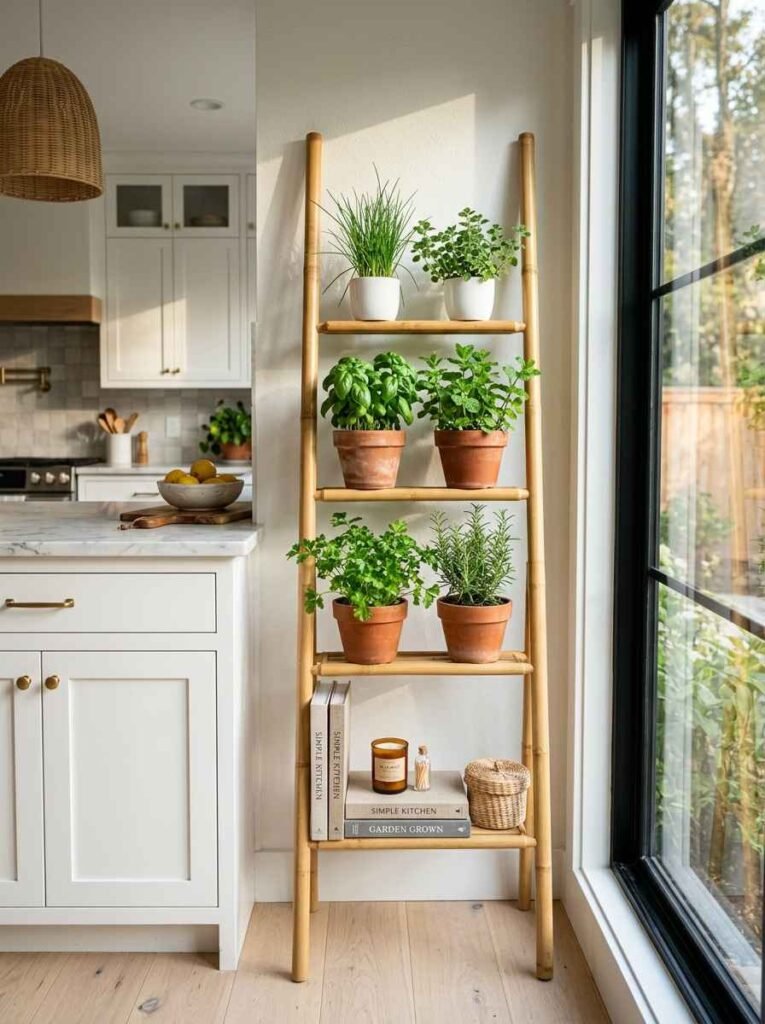
A leaning bamboo ladder shelf against a kitchen wall gives you multiple levels for herb pots without drilling anything. Lightweight, affordable, and easy to move if you need to.
Style it with pots at different heights, a few stacked cookbooks between them, and it doubles as kitchen dcor 🙂
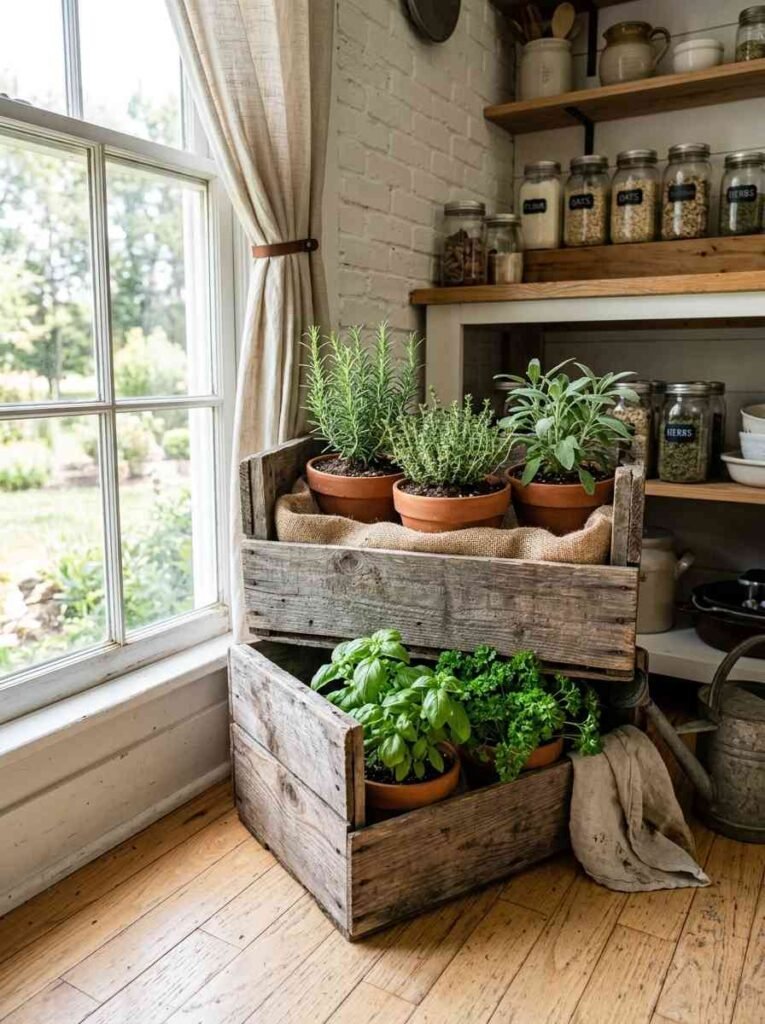
16. Upcycled Wooden Crates
Stack two wooden wine crates or produce boxes, drill drainage holes in the bottom of each, line with burlap, and fill with soil. Rough, rustic, and genuinely functional.
Seal the inside of the wood with linseed oil first if you want them to last more than one season.
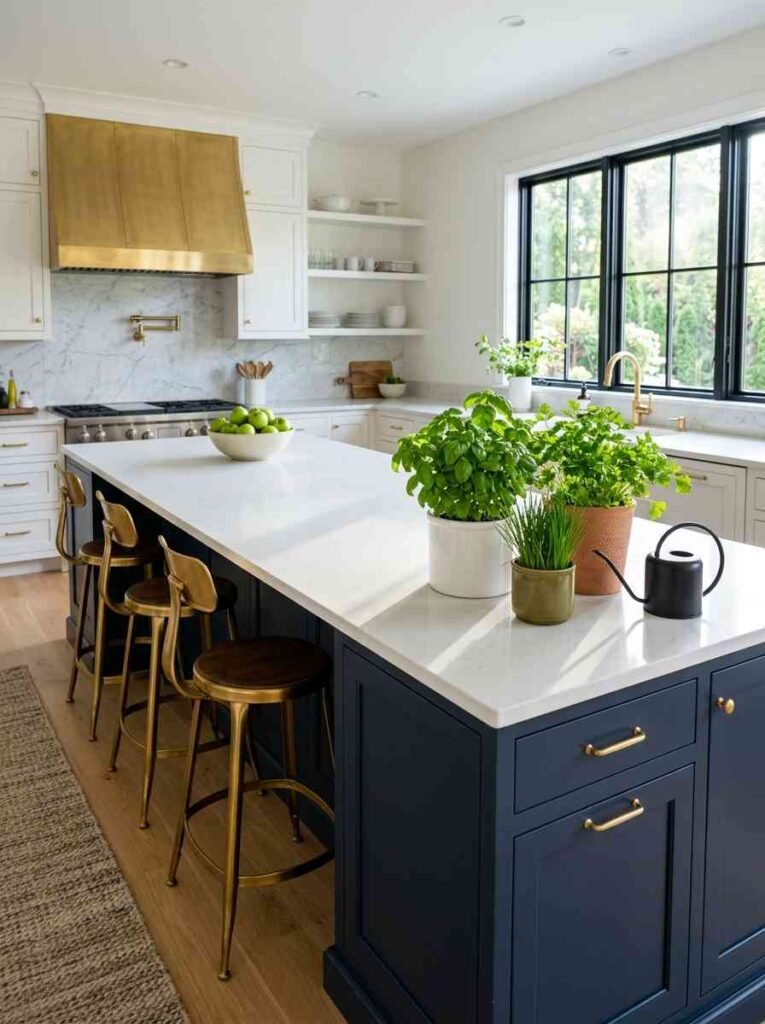
17. A Kitchen Island Herb Bar
If you have a kitchen island with counter space, dedicate one end to a small herb collection. Keep it tight — 3 or 4 pots max — so it doesn’t become clutter.
The herbs you cook with most should live here. For most people that’s basil, parsley, and chives.
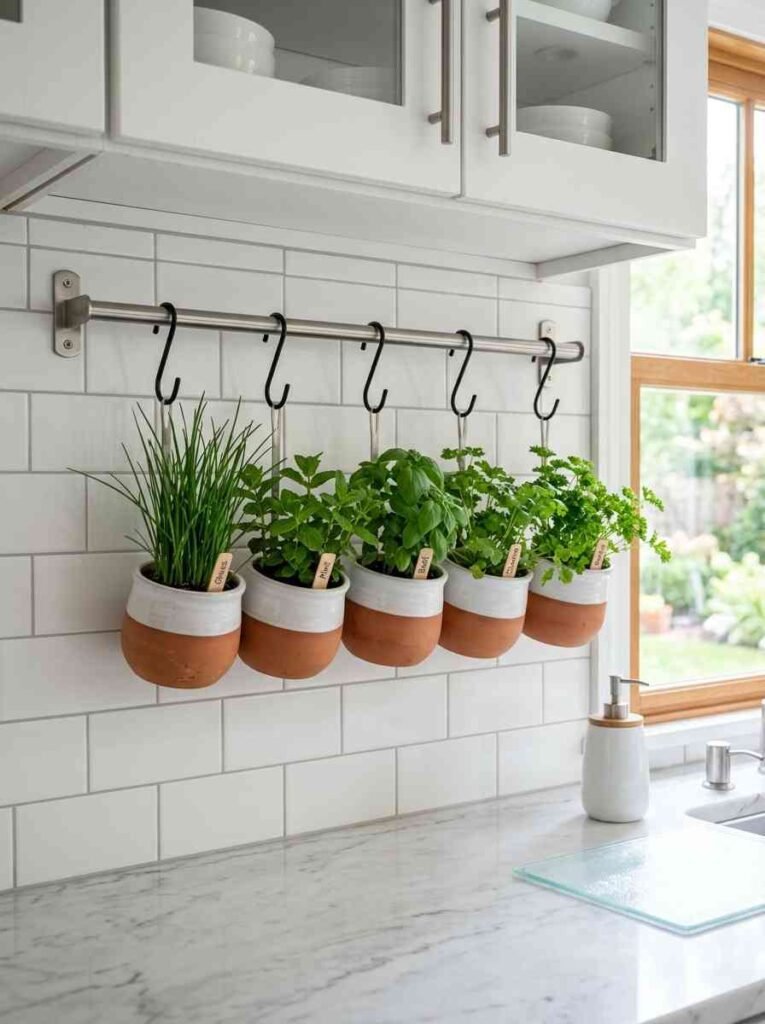
18. Repurposed IKEA Rail System
The IKEA GRUNDTAL rail (the stainless kitchen rail with hooks) wasn’t designed for plants, but it works perfectly for small hanging herb pots. Mount it under a cabinet, hang S-hooks, and clip small pots to the hooks.
Zero counter space used. Clever. Cheap.
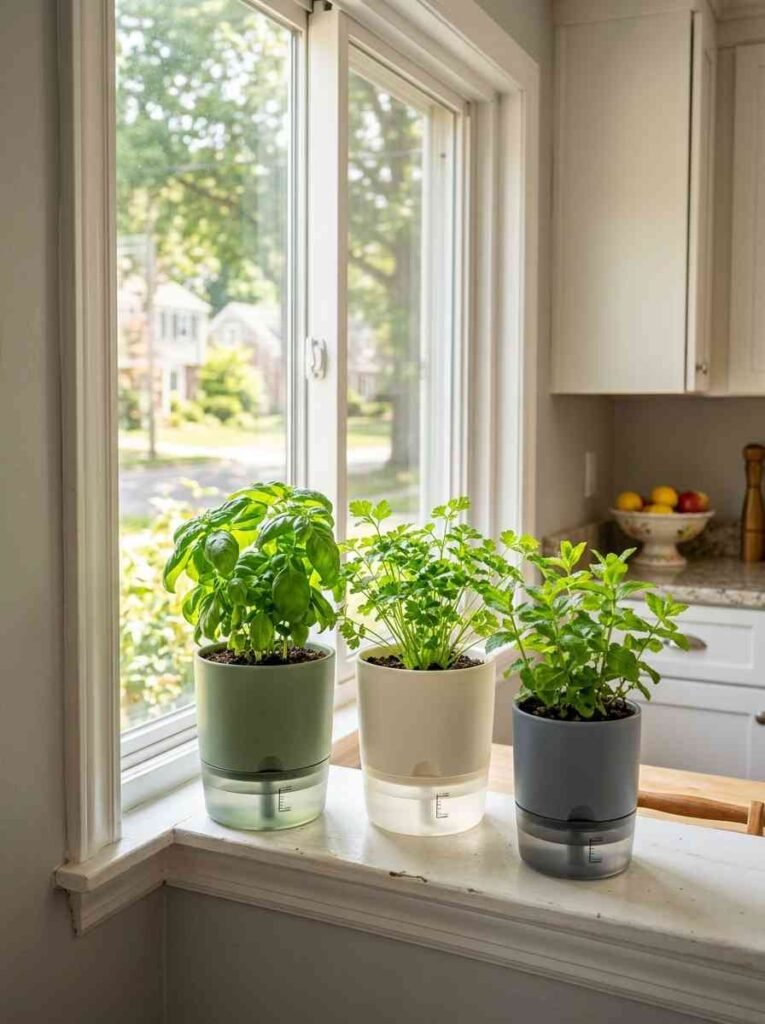
19. A Self-Watering Planter
Self-watering pots have a reservoir at the bottom that wicks moisture up to the roots. They’re genuinely helpful for people who forget to water (no shame — it happens).
Best herbs for self-watering pots:
- Basil
- Parsley
- Cilantro
- Mint
Rosemary, thyme, and sage prefer drier conditions — skip the self-watering setup for those.
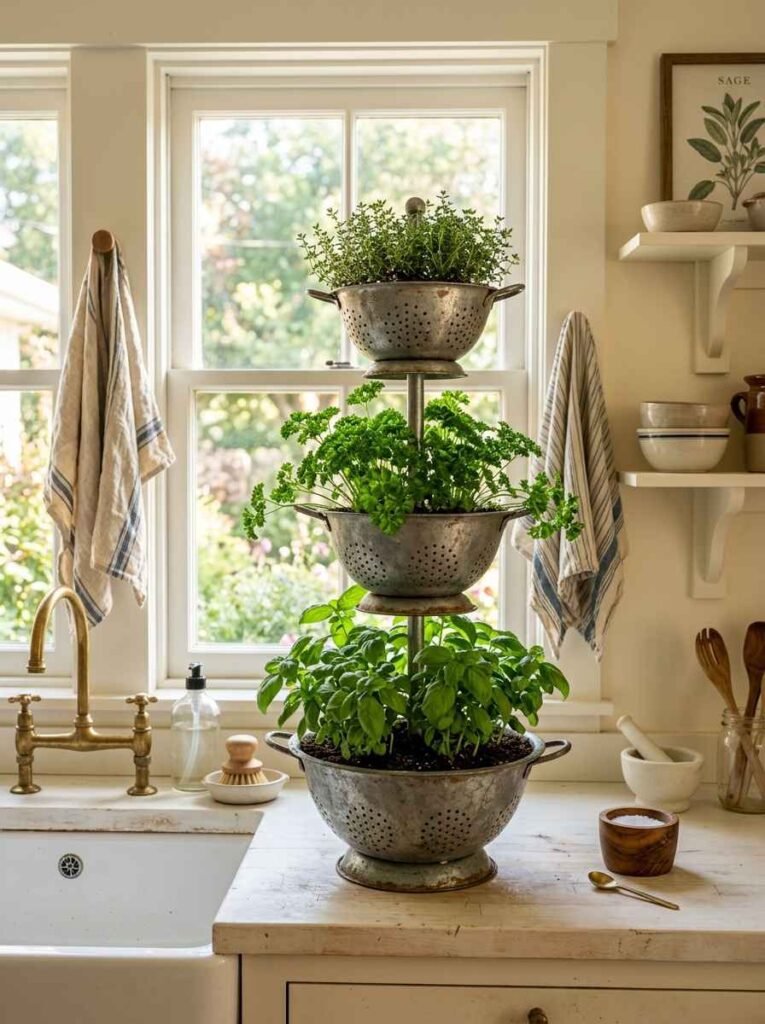
20. Herb Garden in a Colander Tower
Stack two or three colanders on a dowel or pipe, fill each with soil and herbs, and you get a vertical tower that takes up a single footprint of counter space. The drainage is built-in and it looks genuinely interesting.
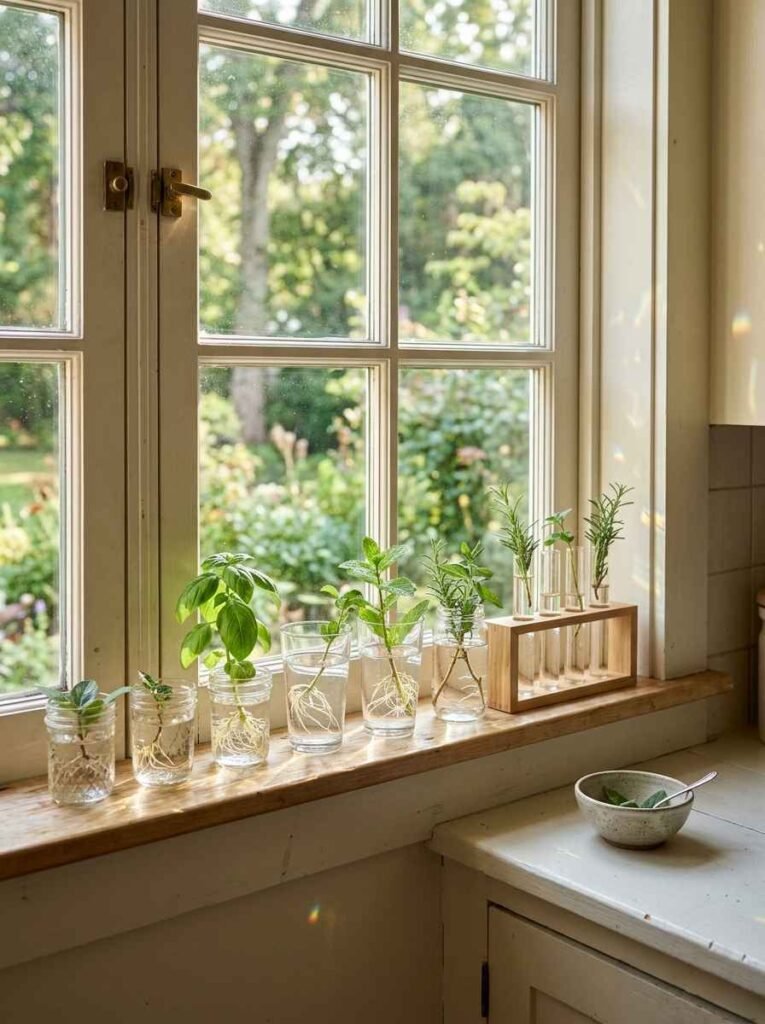
21. A Windowsill Propagation Station
Before you buy more herbs, try propagating the ones you have. Basil, mint, and rosemary all root in a glass of water in 1–2 weeks. Line up small glasses or test tubes on the windowsill and grow new plants for free.
Once roots reach about an inch long, pot them up in soil.
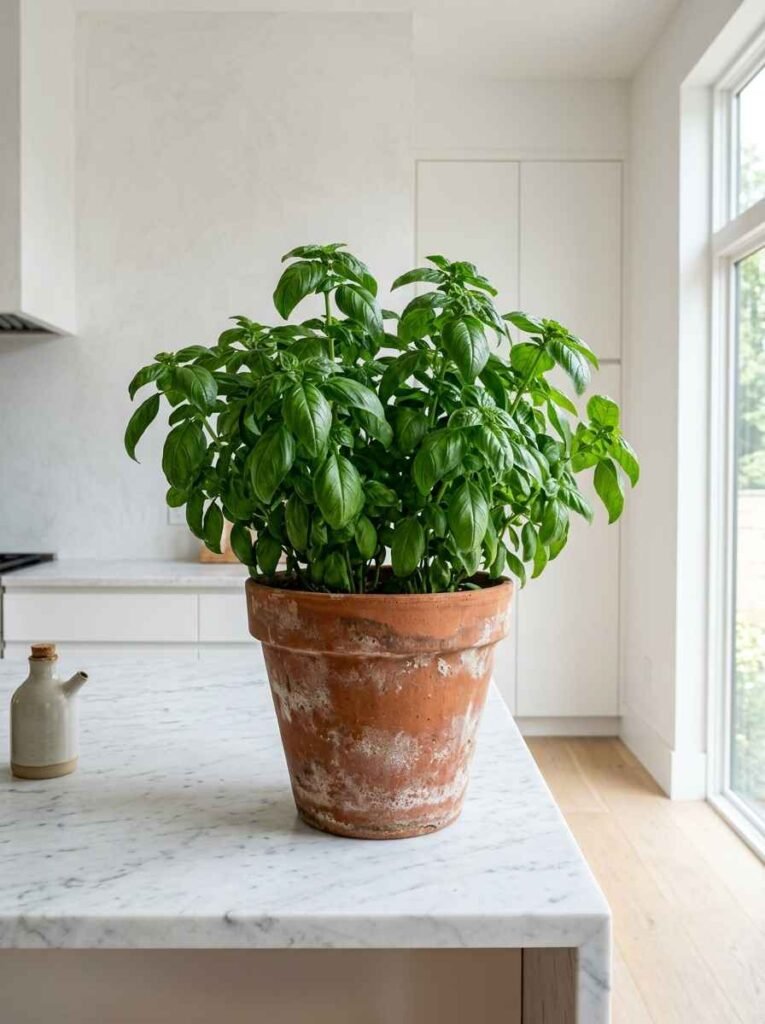
22. The Minimalist Single-Herb Approach
Sometimes one well-kept herb plant beats six struggling ones. A large basil plant in a proper 8-inch pot, well-watered and in good light, will produce more than six sad little grocery store basils crammed together.
If you’re overwhelmed, start with one. Get it thriving. Then add the next.
23. A Labeled Herb Caddy
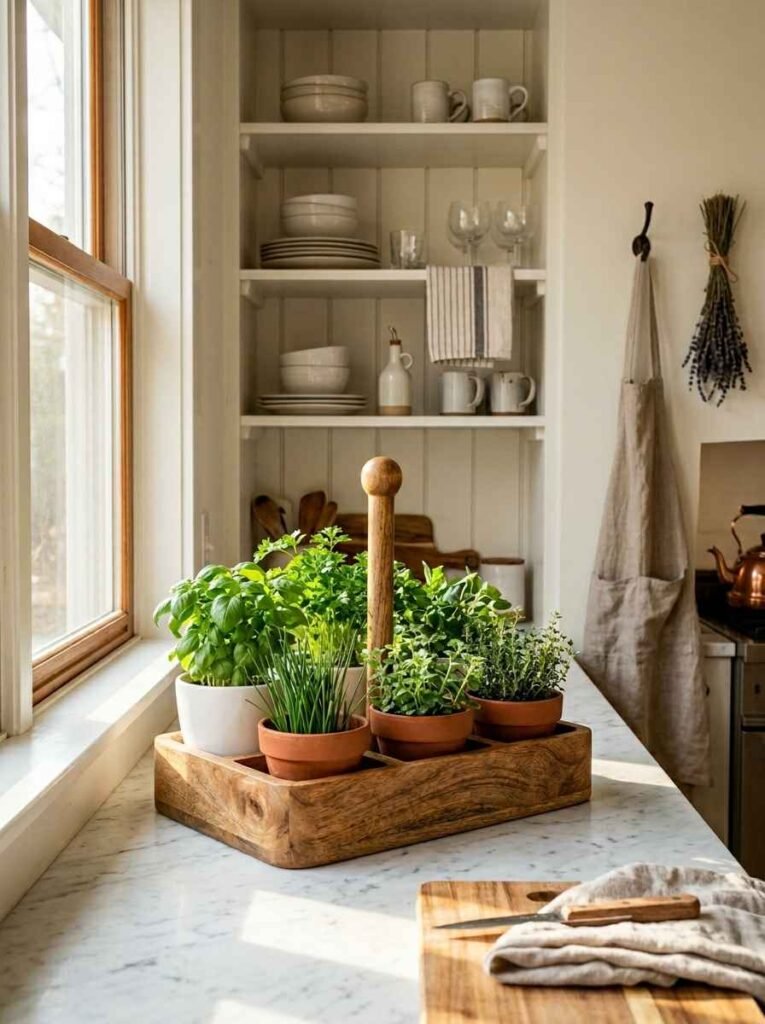
Take a wooden or wire caddy (the kind meant for condiments or utensils) and fill it with 4–6 small herb pots, each labeled. It’s portable — you can move the whole thing closer to the window in winter and back to the counter in summer.
This is my personal favorite setup. It’s practical, it looks tidy, and the labels mean guests actually know what they’re looking at :/
Low-Maintenance Growing Tips That Actually Work
Water Less Than You Think
Most herbs die from overwatering, not underwatering. Stick your finger an inch into the soil. If it’s still damp, wait. Water only when the top inch is dry.
Get the Soil Right
Regular potting mix works. Add 20–30% perlite to improve drainage. Herbs in waterlogged soil rot from the roots up — you often don’t notice until it’s too late.
Harvest Often
The more you harvest, the more the plant produces. Snip stems regularly — don’t let herbs go to flower (bolt). Once they flower, leaf production slows down and flavor drops.
Quick tip: Always cut just above a leaf node, not randomly along the stem. The plant branches from that point.
Rotate Your Pots
If herbs only get light from one side, they’ll stretch toward the window and get leggy. Give pots a quarter turn every few days so all sides get light exposure.
Don’t Mix Soil Needs
Mediterranean herbs (rosemary, thyme, oregano, sage) love dry, gritty soil. Tropical herbs (basil, cilantro, parsley) prefer moisture-retaining soil. Pot them separately.
Wrapping Up
Indoor herb gardens don’t require much — a decent light source, the right container, and enough willpower to not overwater. Start with the herbs you actually cook with, get their conditions right, and expand from there.
Whether you go full hydroponic setup or just three mason jars on a sunny ledge, growing your own herbs indoors is one of those small upgrades that makes cooking feel better every single day. Pick one idea from this list and start this week. Your future pasta will thank you.
