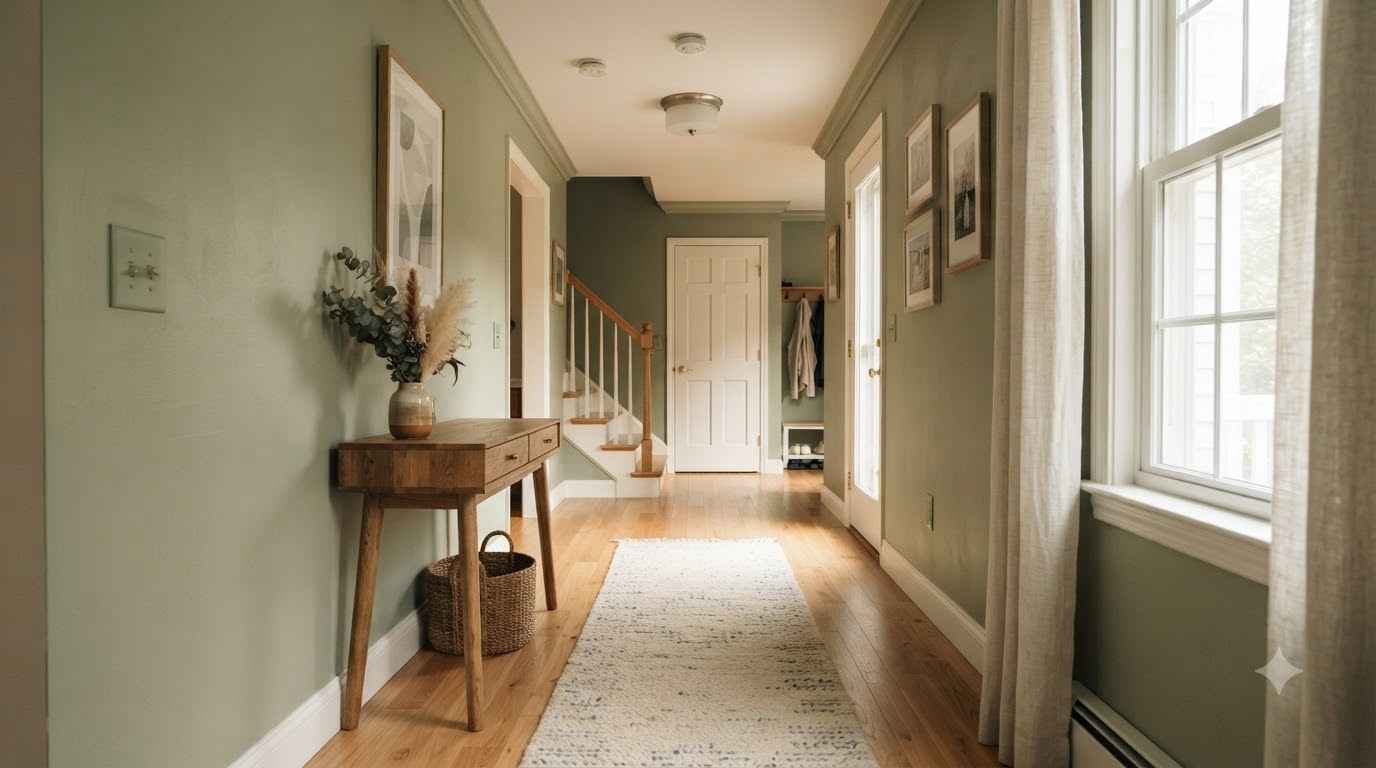
Your walls look amazing. Fresh coat, perfect color, exactly what you pinned six months ago.
And then you glance at the light switch and there it sits: a scuffed, off-white plastic rectangle screaming “builder-grade 2003.”
I ran into this exact problem two years ago in my own hallway.
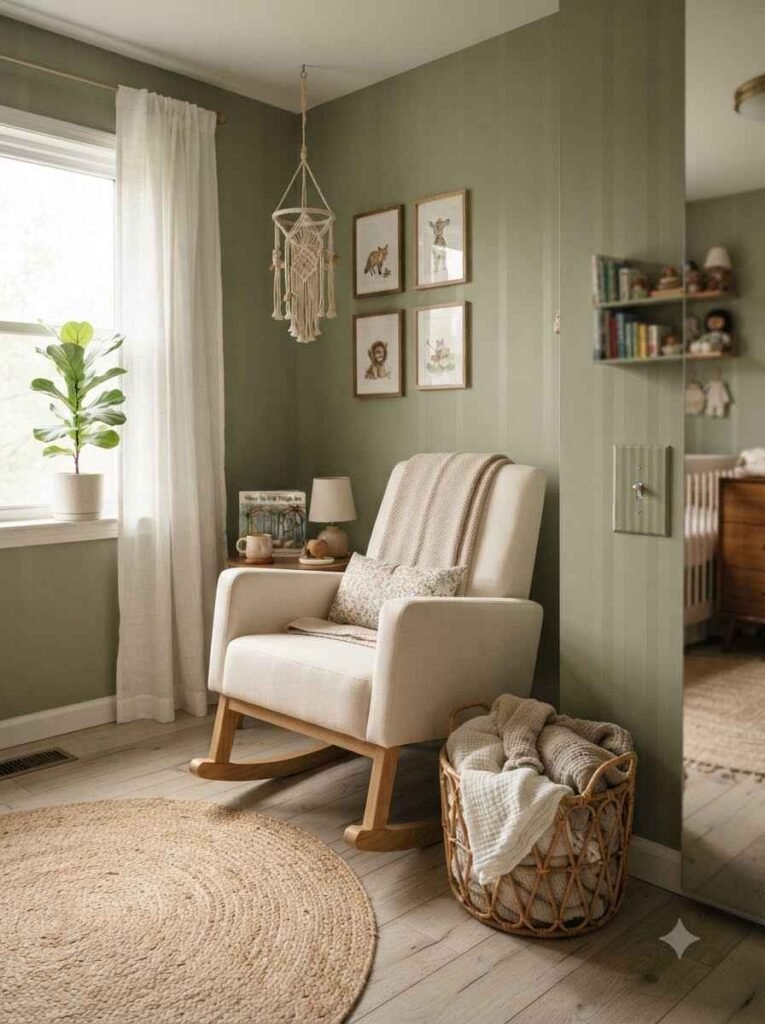
I’d spent a whole weekend on a moody sage green, and the switch plates just sat there, glowing like little ghosts against the wall. So I painted them. Badly, at first. Then better.
Now I paint every switch plate and outlet cover in my house, and honestly, it’s become one of my favorite five-minute home projects.
This list covers 21 ideas that actually work, not just ones that look good in a single styled photo. Some are simple color matches.
Others get a little wild. Pick what fits your space, and don’t be afraid to mix a few approaches in the same room.
Why wall plate painting deserves more attention
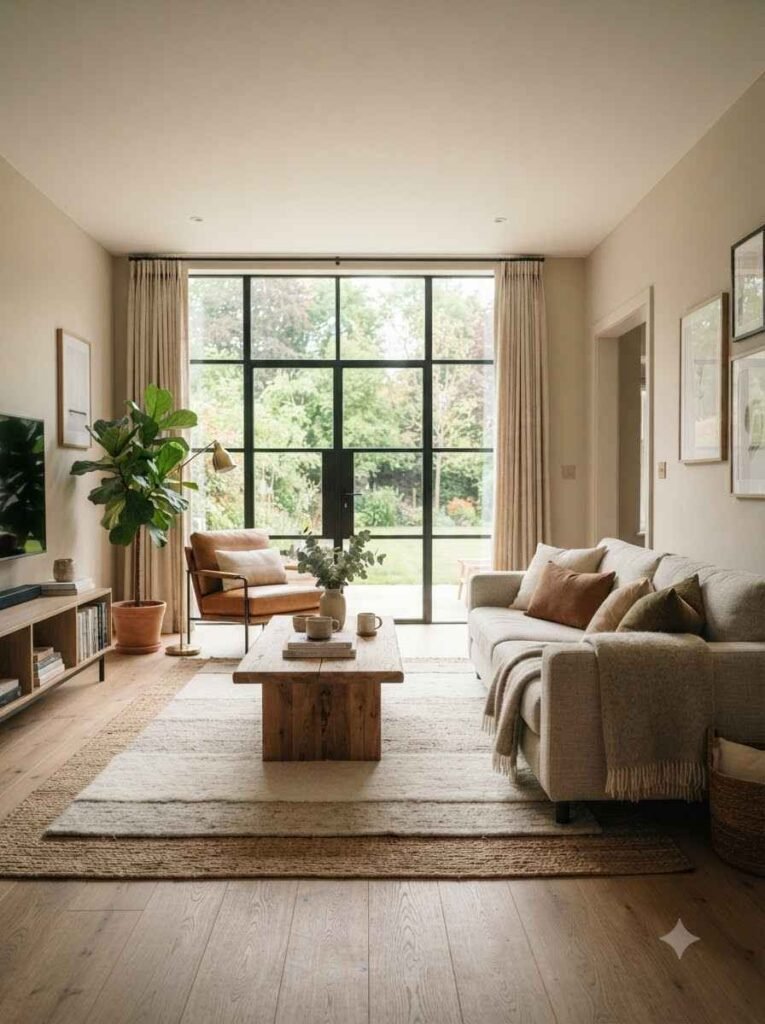
Switch plates and outlet covers are small, but they sit at eye level in almost every room. A mismatched plate pulls focus the same way a crooked picture frame does.
Painting them costs almost nothing. A small can of spray paint runs a few dollars and covers a dozen plates easily.
Compare that to buying new decorative plates, which can run $8 to $15 each once you add up a whole house.
Here’s my honest take: buying new plates makes sense for one or two statement rooms. Painting makes sense for everywhere else.
Prep work that actually matters
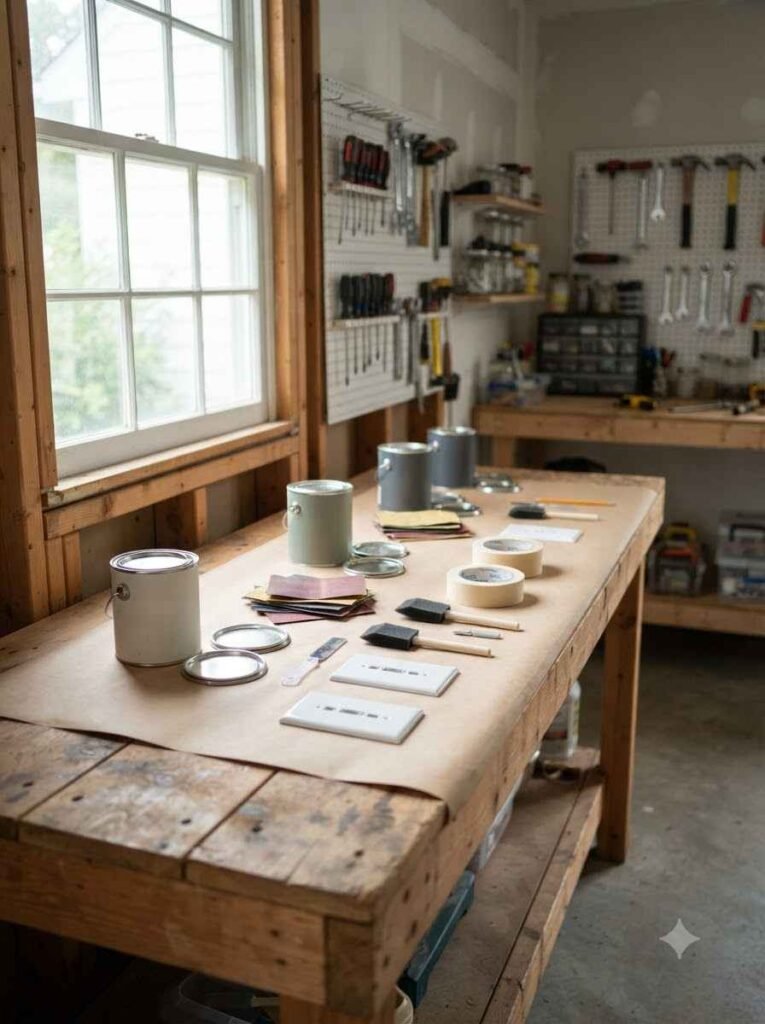
Skip this section at your own risk.
I learned the hard way that painting plates while they’re still screwed to the wall gives you streaky edges and paint on your outlets.
Take the plates off first. Always. It takes 30 seconds per plate with a screwdriver, and it lets you paint the trim underneath too.
Sand lightly before you prime. Plastic plates need a light scuff with fine sandpaper so the primer has something to grip. Metal plates need the same treatment. Hunker’s guide on painting plastic outlet and switch covers walks through the cleaning and priming steps in more detail if you want the full rundown.
Use a bonding primer made for plastic. Regular wall paint alone will peel off a plastic switch plate within a few months. I found this out the annoying way in my first apartment.
Never paint the actual switch or outlet mechanism. Cover the openings with tape or a folded scrap of paper before you spray. Paint inside an outlet is a fire hazard, not a design choice.
Color-matched and blending ideas
These first five ideas are for anyone who wants their plates to basically vanish into the wall.
- Exact wall color match. The most requested look, and for good reason. Bring your paint chip or leftover can to a hardware store and have them tint a small sample specifically for plates.
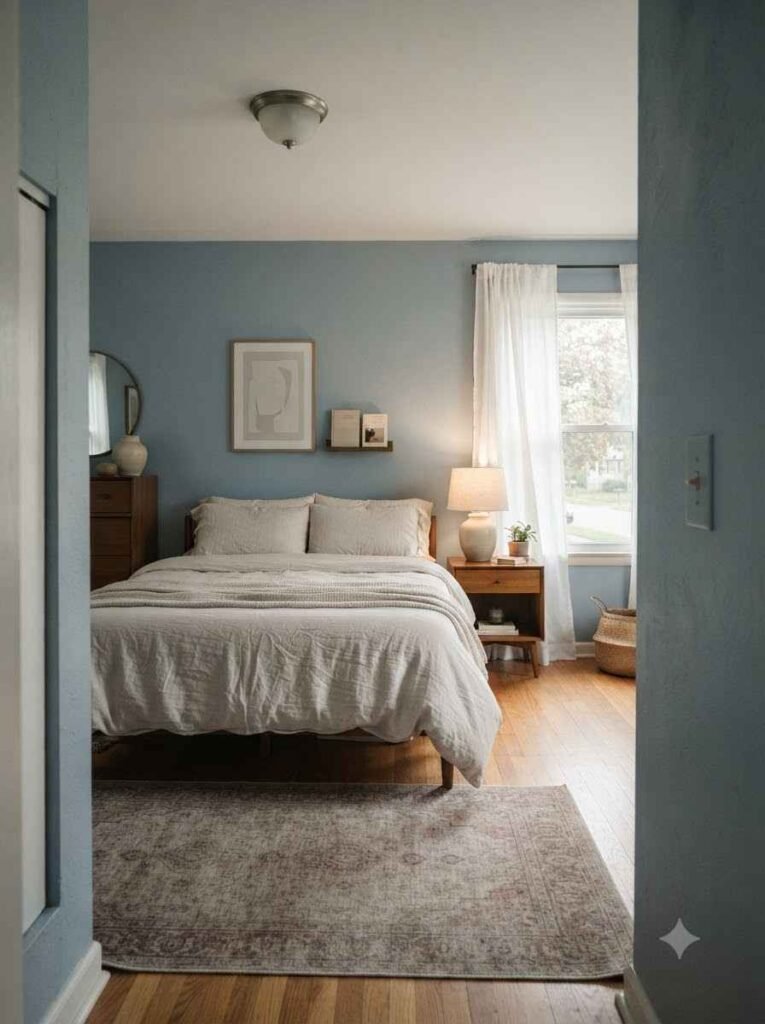
- One shade darker. A slightly deeper tone than your wall color creates subtle depth instead of a flat match, especially under warm lighting.
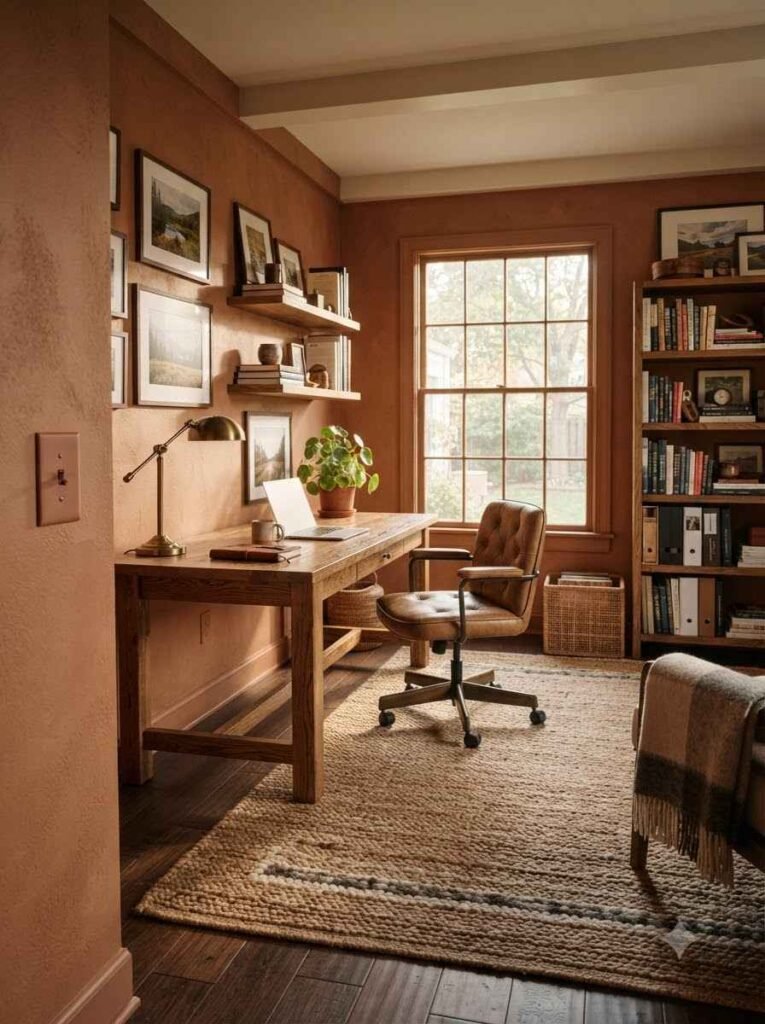
- Matte finish over glossy plastic. Most plates come glossy from the factory. A matte topcoat instantly makes them read as “painted wall” rather than “plastic cover.”
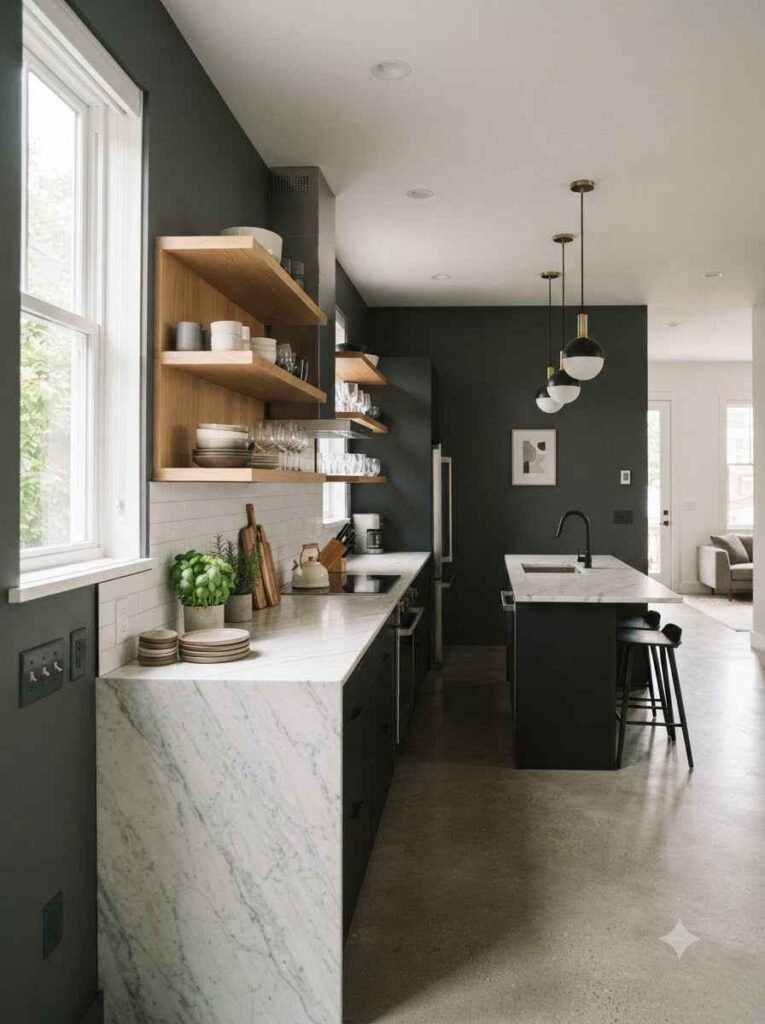
- Trim-color match. In rooms with bold or dark walls, matching the plate to your white trim instead of the wall keeps things clean without disappearing entirely.
- Tone-on-tone stripes. Two very close shades of the same color, painted in thin stripes, add texture without shouting for attention.
If you want a quick refresher on why certain shades read as warm or cool before you start mixing, Sherwin-Williams has a solid breakdown of color theory basics that’s worth five minutes of your time.
Bold accent and statement ideas
Sometimes blending in isn’t the goal. These next ones are for people who want the plate to do a little work.
- Black plates on white walls. This is the one that’s everywhere on Pinterest right now, and it earns the hype. Bold, graphic, and it makes even a plain switch look intentional.
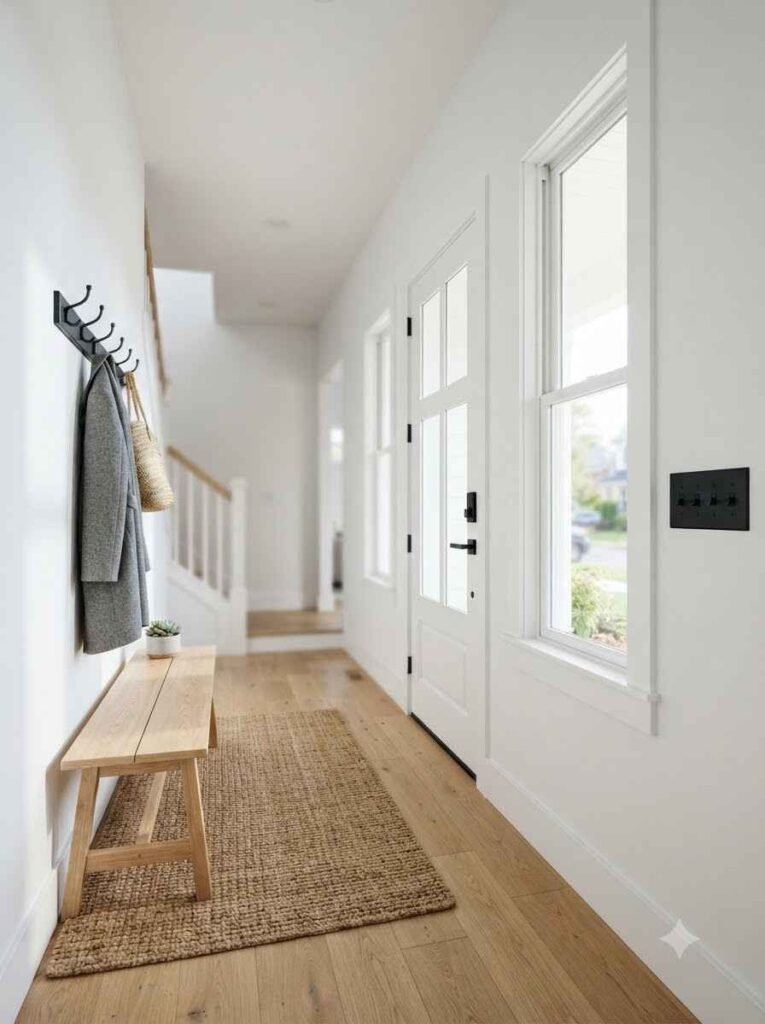
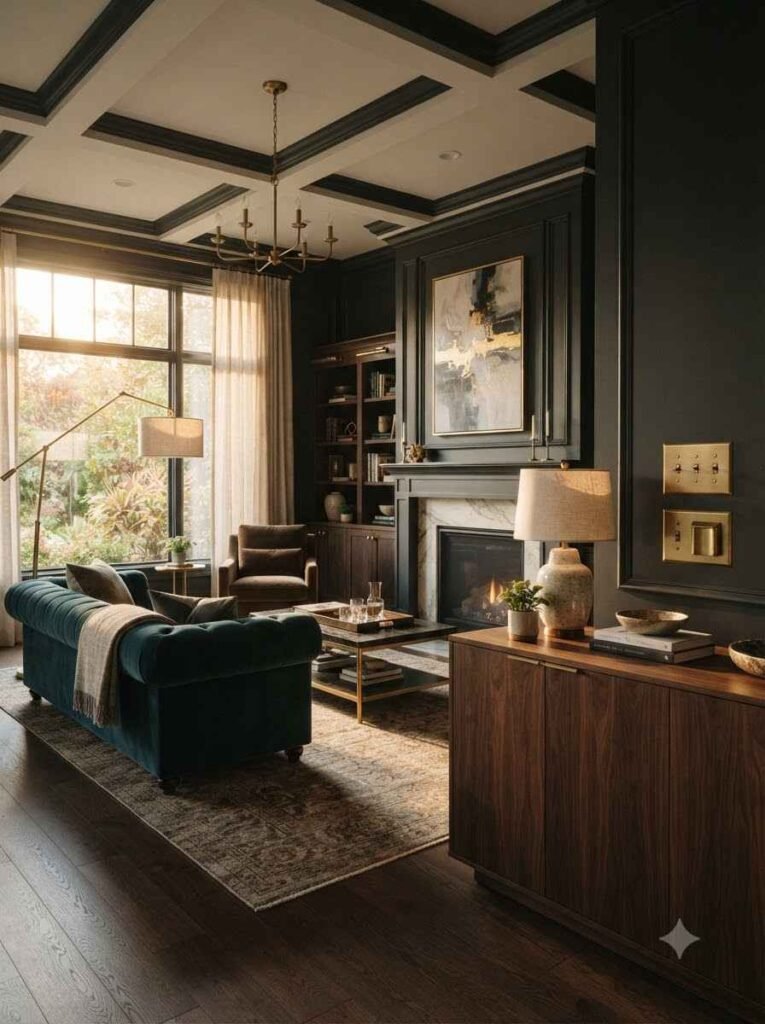
- Brass or gold metallic spray. Pairs beautifully with black hardware or dark wood accents. It’s a small detail that photographs incredibly well.
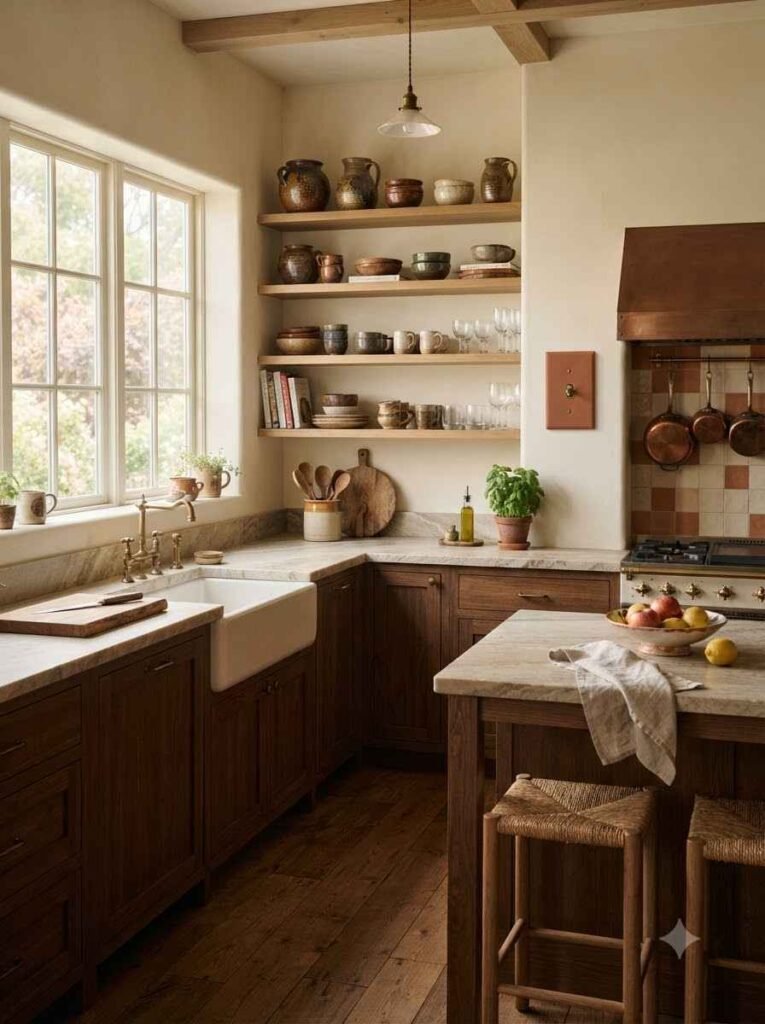
- Terracotta or rust tones. Warm, earthy, and unexpected against a neutral wall. This is the plate color I get the most comments about in my own kitchen.
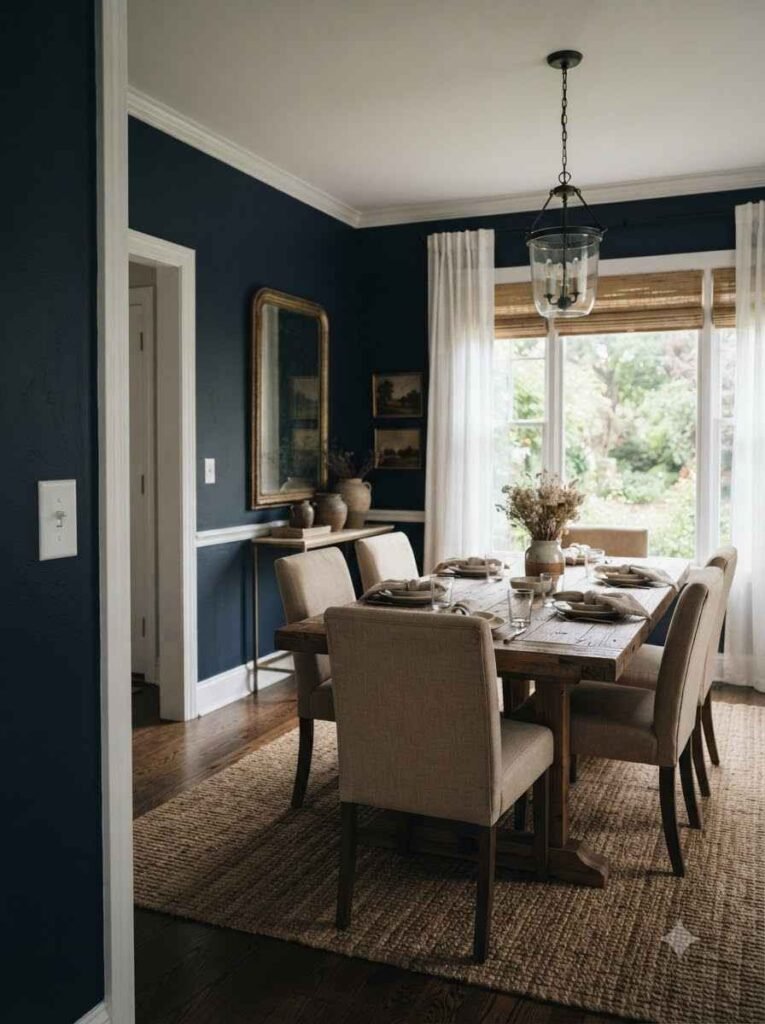
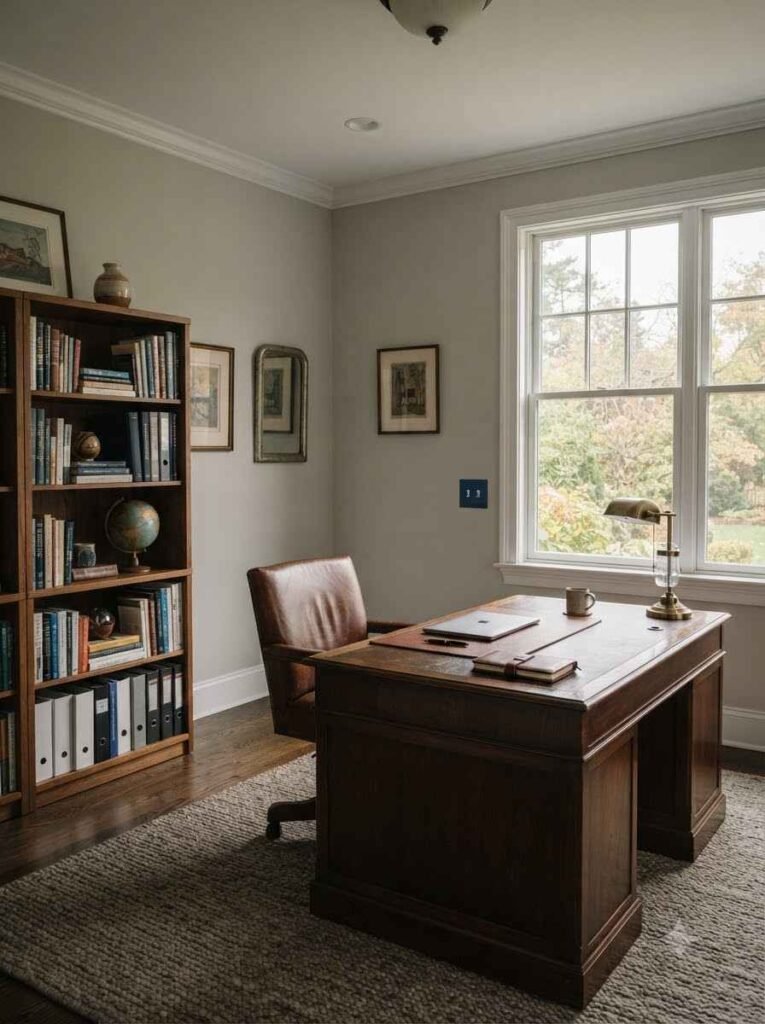
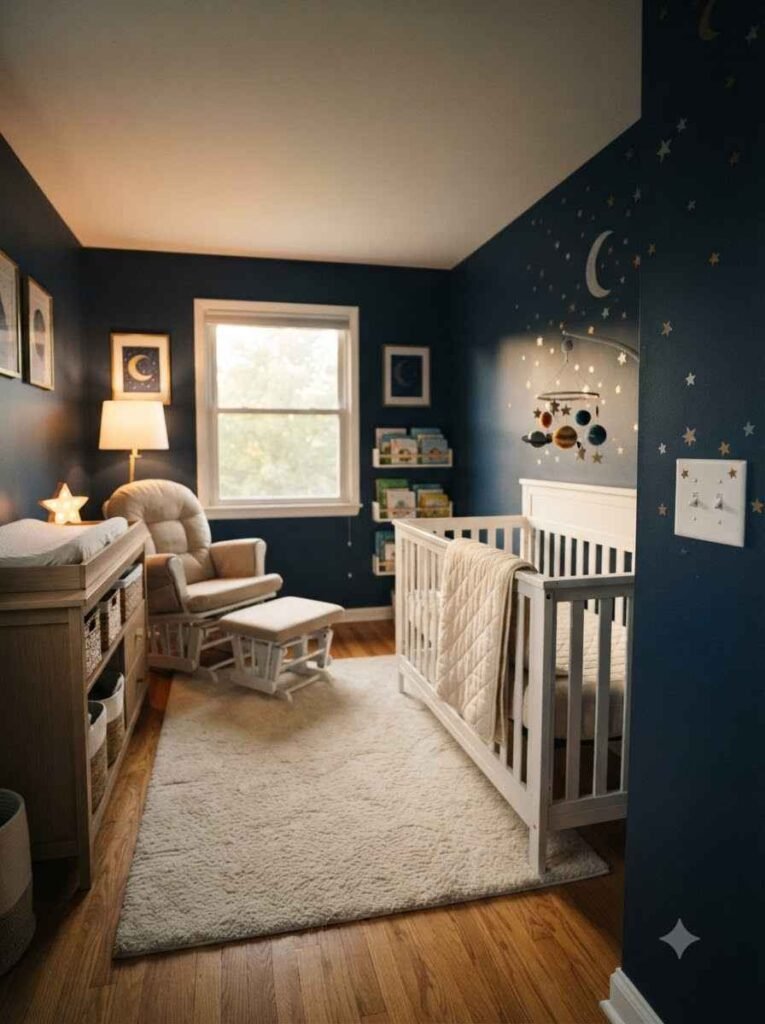
- Deep navy against a light gray wall. Classic, a little preppy, works in almost any room from a nursery to a home office.
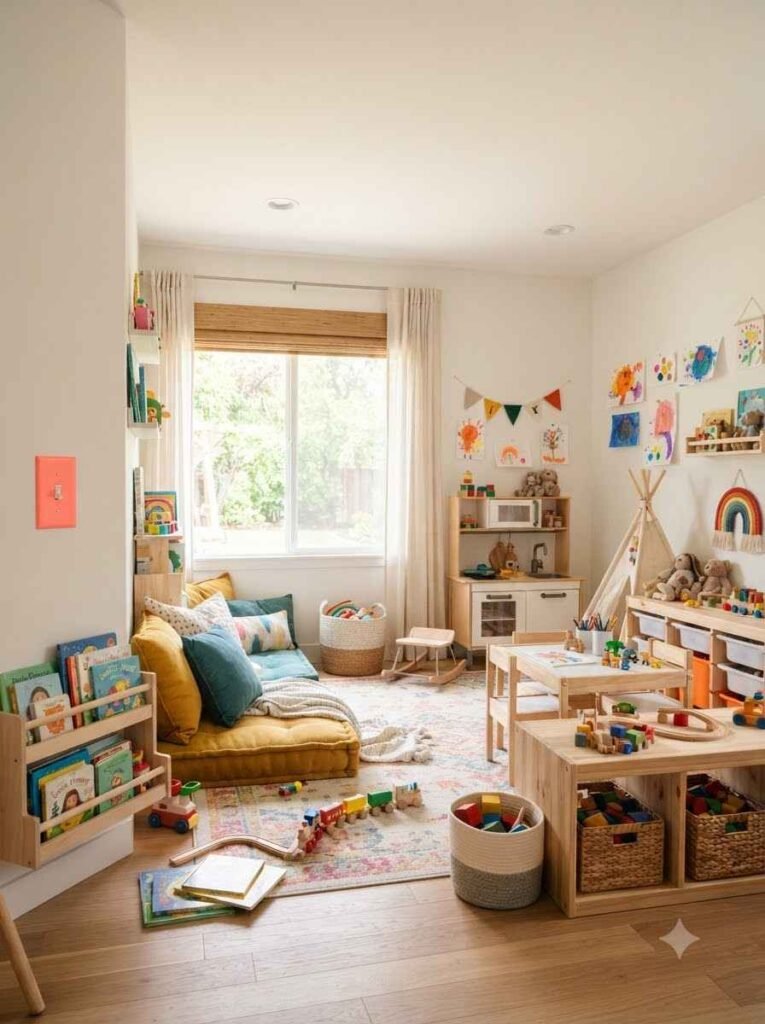
- Neon or bright coral accent plates. Save this for a single feature wall or a playroom. A little goes a long way here.
Pattern, texture and faux finish ideas
This is where it gets fun, and where I’ve made most of my mistakes learning what actually holds up.
- Marble-effect faux finish. A sponge, two paint colors, and a steady hand can fake a decent marble look. It won’t fool a marble installer, but it fools most house guests.
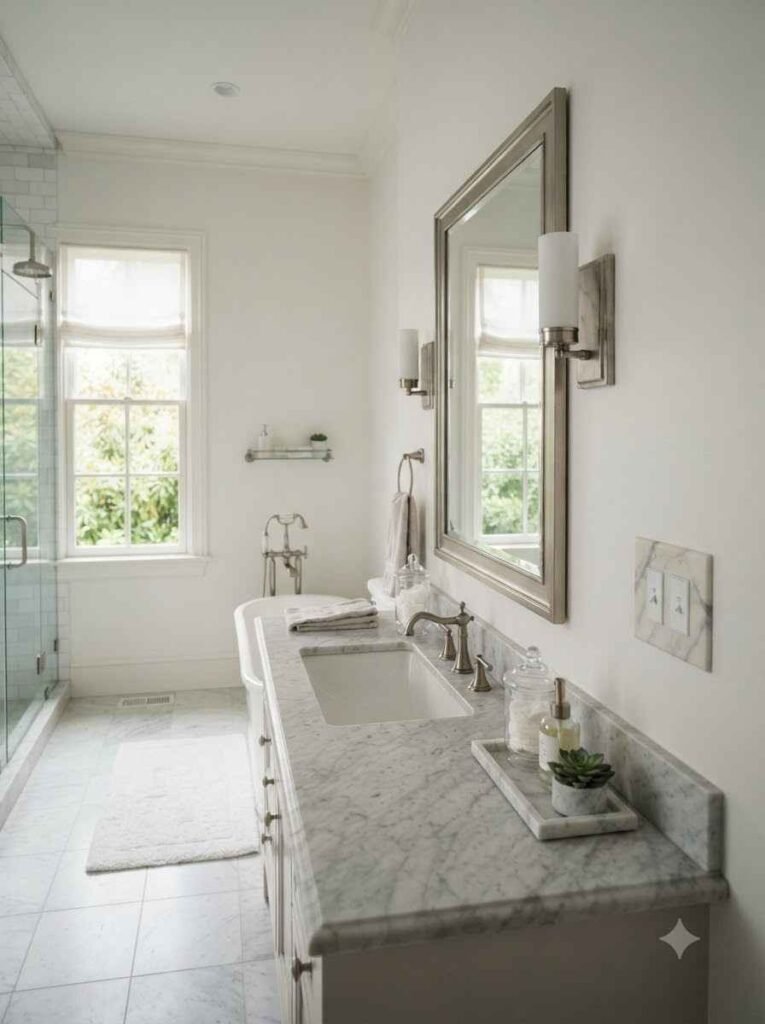
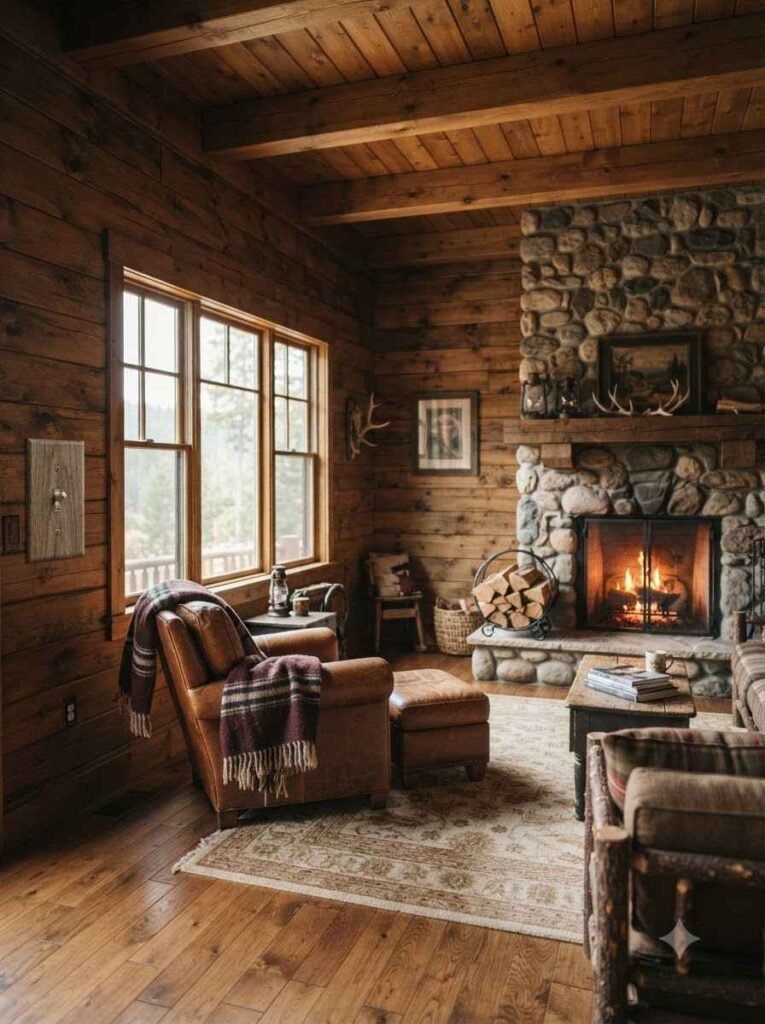
- Wood-grain effect. Popular in farmhouse and cabin-style homes. Works best on wood or wood-look plates rather than smooth plastic.
- Speckled or splatter paint. Flick a loaded brush at the plate for a fun, slightly retro texture. Messy process, satisfying result.
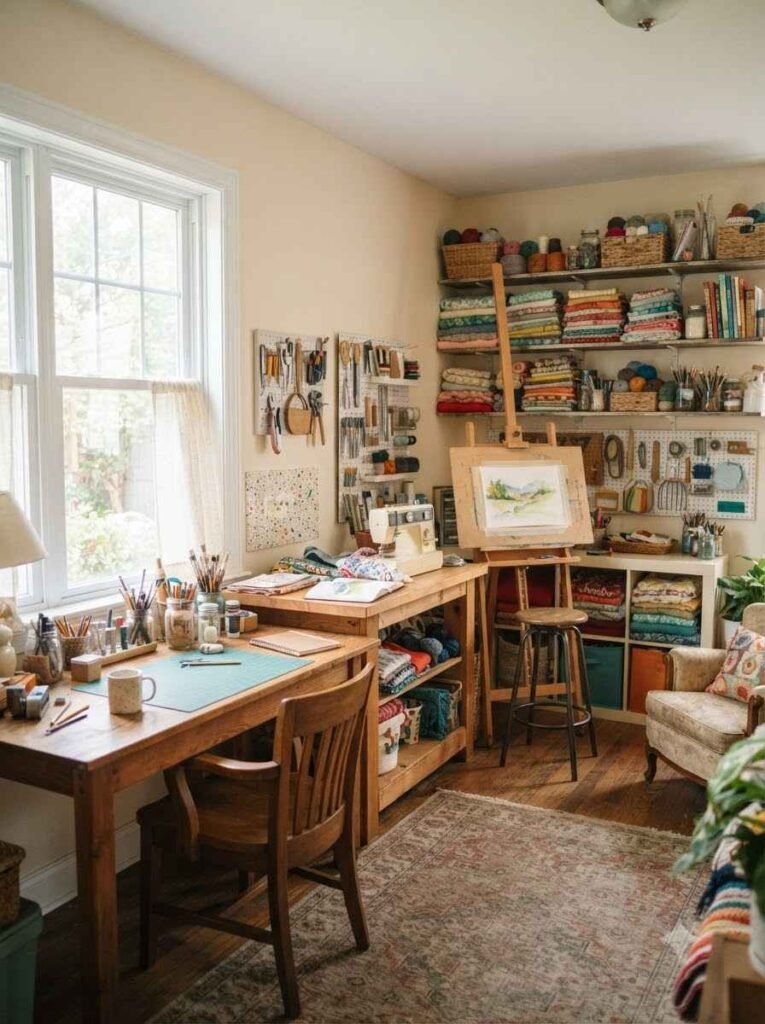
- Chalkboard paint plates. Genuinely useful in a kitchen or entryway. Write reminders right on the switch plate, then wipe it clean.
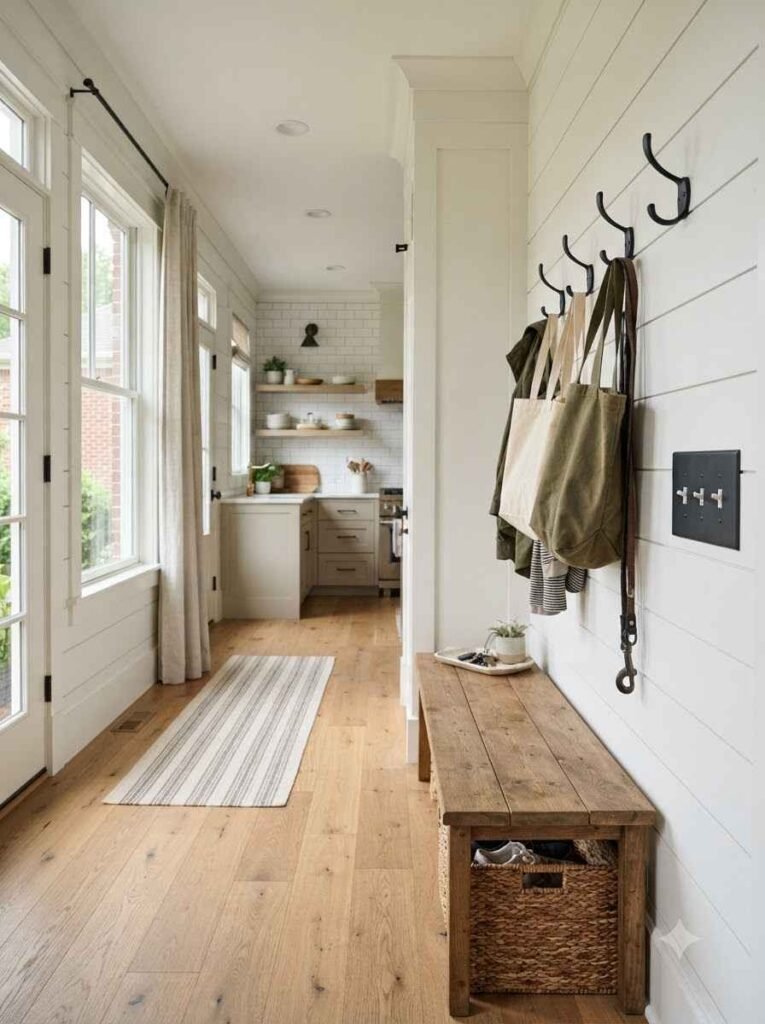
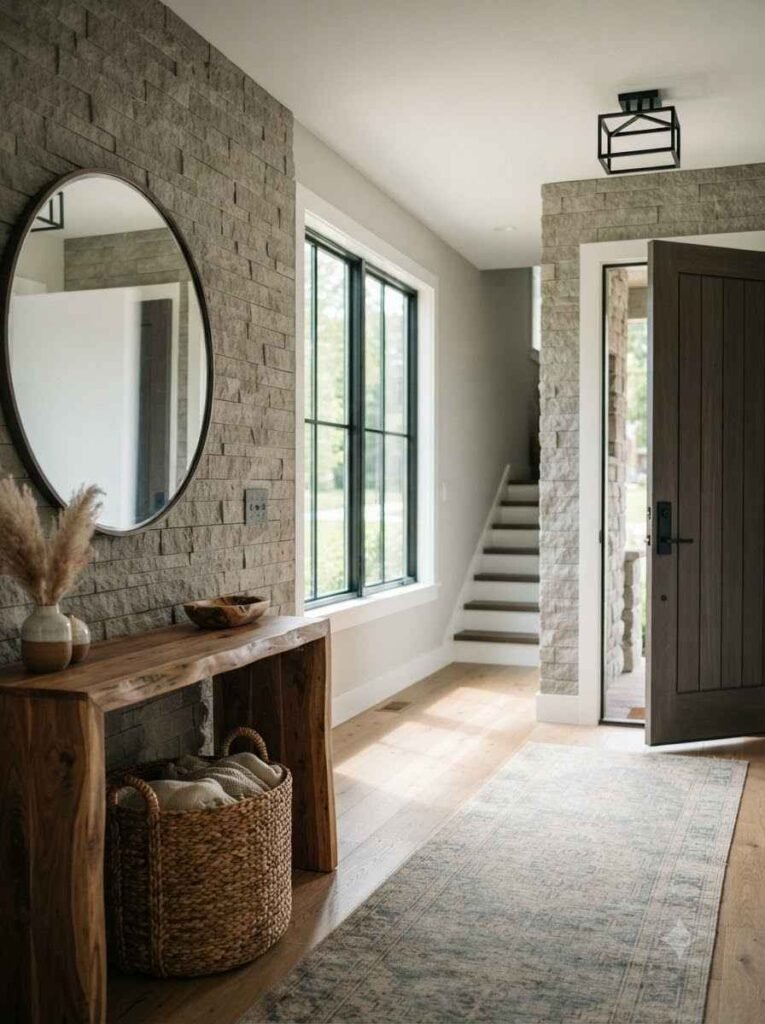
- Textured stone spray paint. These specialty spray cans create a rough, granite-like finish straight out of the can. IMO this is the most underrated product in the whole spray paint aisle.
Themed and seasonal wall plate ideas
The last group leans more playful, great for kids’ rooms, holidays, or anyone who just wants a little personality.
- Ombre gradient plates. Blend two or three shades of the same color family from top to bottom for a soft, sunset-like effect.
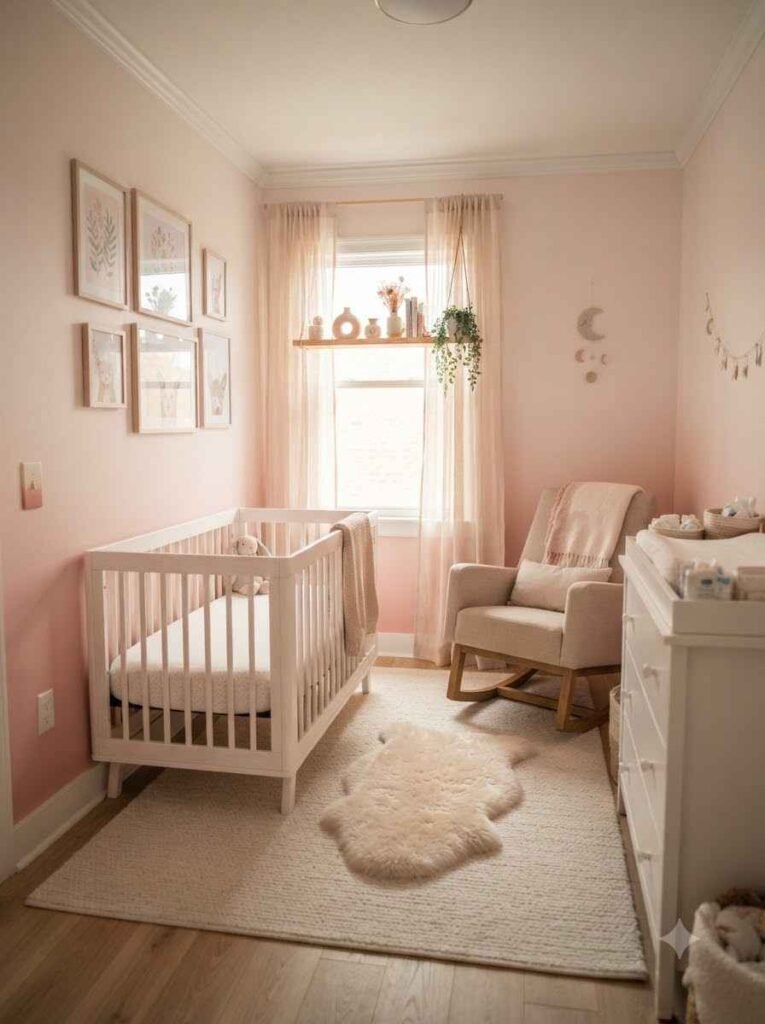
- Botanical hand-painted details. A tiny painted leaf or flower in the corner of a plate adds a handmade touch without overwhelming the room.
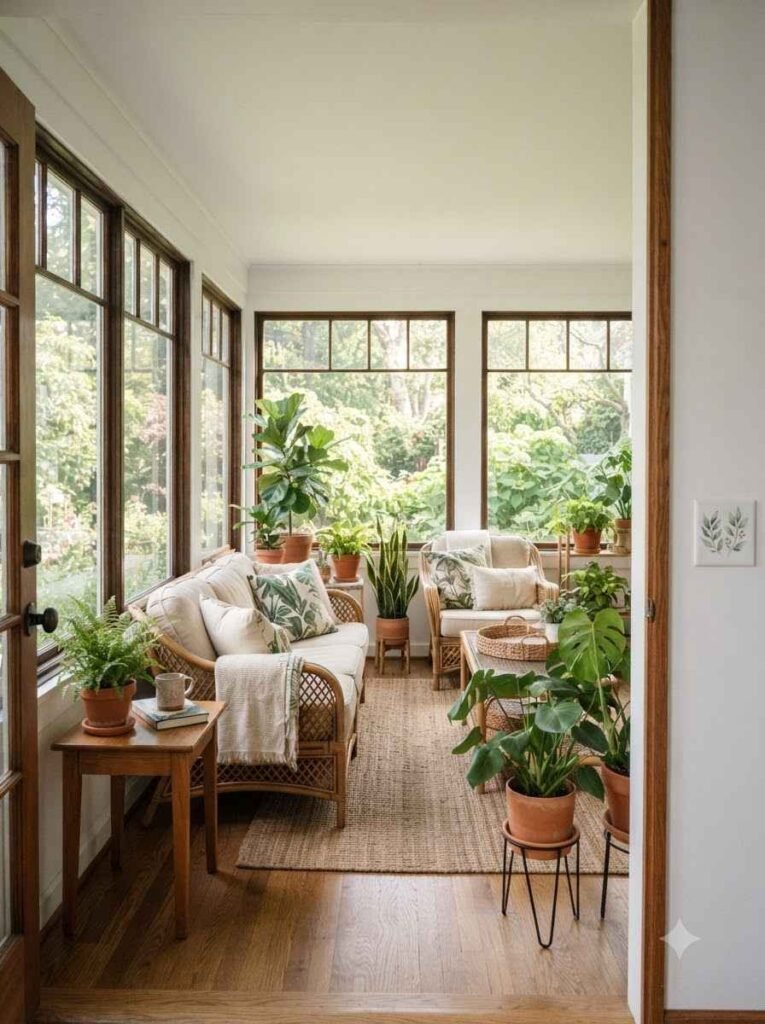
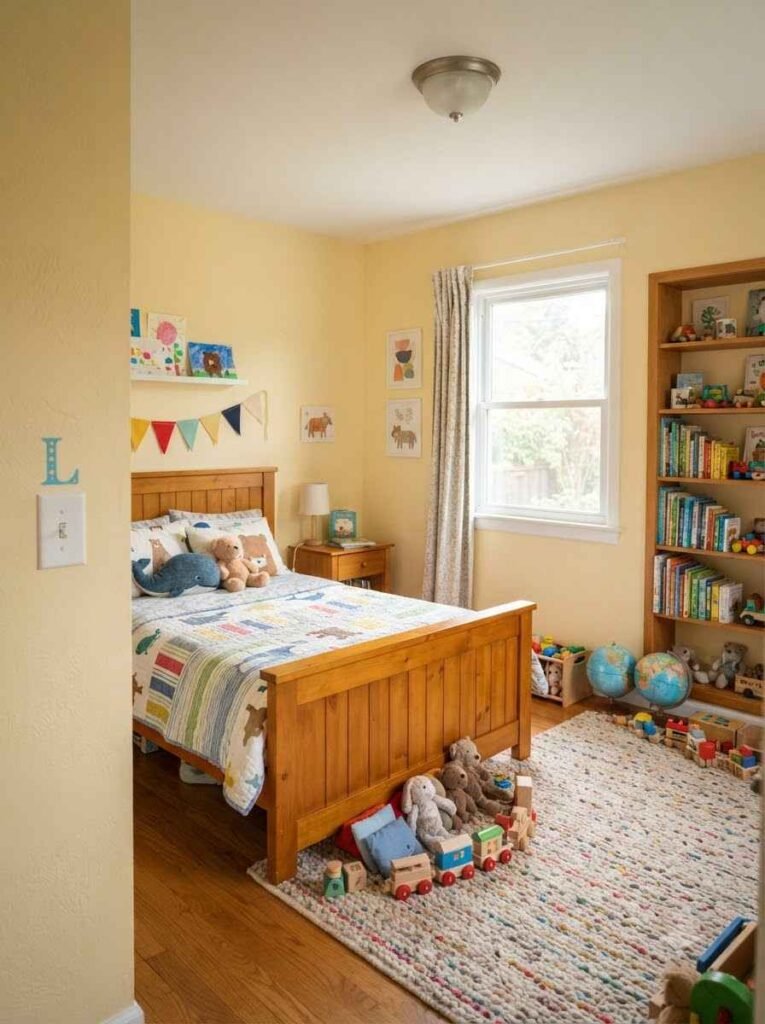
- Kids’ room number and letter plates. Stencil a child’s initial onto their switch plate. Simple, sweet, and genuinely useful for teaching letters.
- Star and moon accents for nurseries. Small metallic stars stenciled onto a navy or dusty blue plate fit almost any celestial nursery theme.
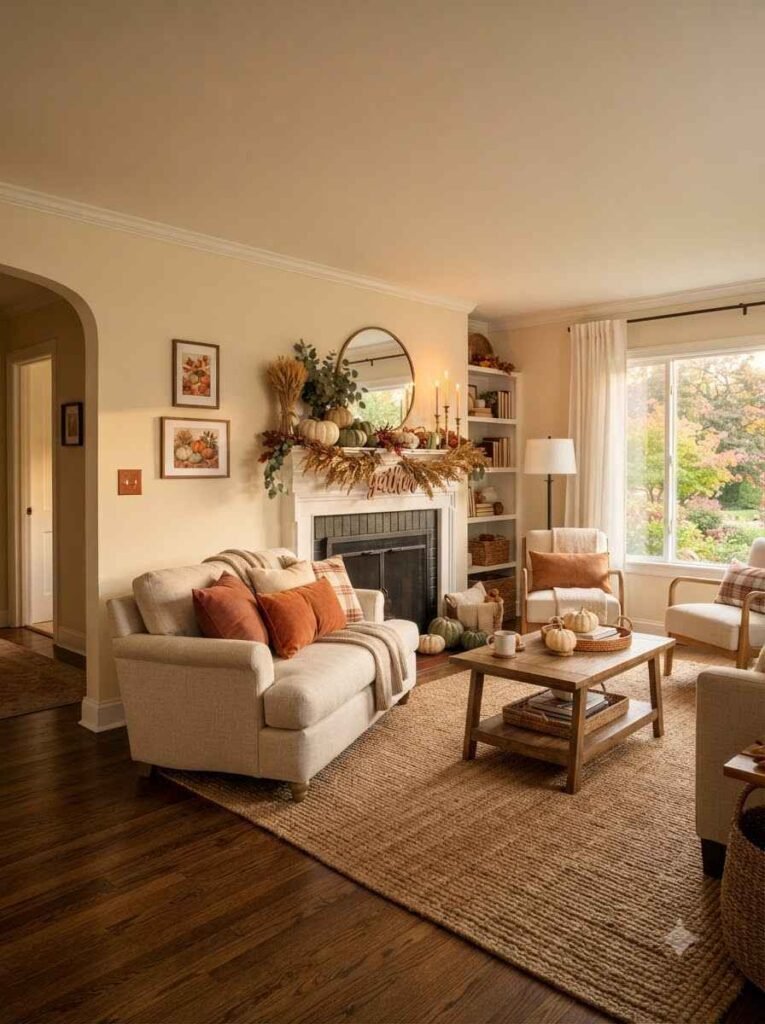
- Seasonal swap sets. Paint two or three sets of plates, one per season, and swap them out. Sounds excessive until you try it once and realize how much it changes a room’s mood.
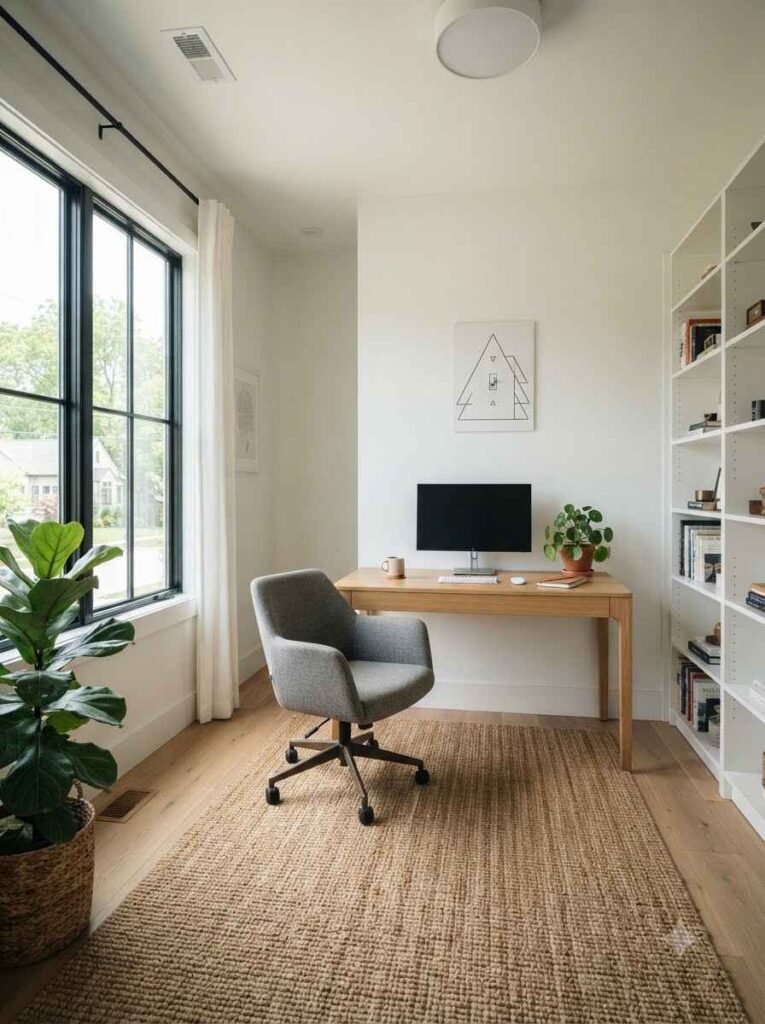
- Geometric line art plates. Thin painter’s tape lines create sharp triangles or chevrons. Simple to execute, and it looks far more custom than the five minutes it actually takes.
Quick side note, completely unrelated to paint: I once spent an entire Saturday afternoon convinced I needed matching plates in literally every room, including the laundry room nobody ever sees. Save yourself the trouble.
Start with the rooms people actually walk into.
Quick reference table
| Plate material | Best paint type | Primer needed | My honest take |
|---|---|---|---|
| Plastic | Spray paint made for plastic | Yes, always | Cheapest and easiest to redo if you mess up |
| Metal | Oil-based or enamel spray | Yes | Holds detail work better than plastic |
| Wood | Latex or acrylic craft paint | Optional | Best for stencils and hand-painted designs |
| Previously painted | Match the original paint type | Depends on condition | Sand thoroughly or the new coat peels fast |
Not sure whether to repaint old plates or just buy new ones?
Kyle Switch Plates has a helpful comparison on buying versus painting switch plate covers that lines up with what I’ve found through trial and error.
Frequently asked questions
Do I need to remove the switch or outlet before painting the plate? No, but you do need to remove the plate itself from the wall and keep paint away from the actual switch or outlet mechanism. Painting over the live components can interfere with how they work.
How long do painted switch plates actually last? With proper sanding and a bonding primer, mine have held up for over two years with zero chipping, even in a high-traffic hallway. Skip the primer and you’re looking at a few months before it starts flaking.
Can I paint plates that already have paint on them from a previous project? Yes, as long as the old paint is fully cured and you sand it down first. Flaking or peeling old paint needs to come off completely before you add a new coat.
Final thought
Twenty-one ideas is a lot to choose from, but you don’t need all of them.
Pick two or three that fit your actual rooms, grab a cheap can of spray primer, and give it a shot this weekend.
It’s genuinely one of the lowest-risk, highest-payoff projects in the whole home decor world, wow, it really does change how a room feels.
Which one are you trying first? Drop it in the comments or save this for your next free afternoon.
