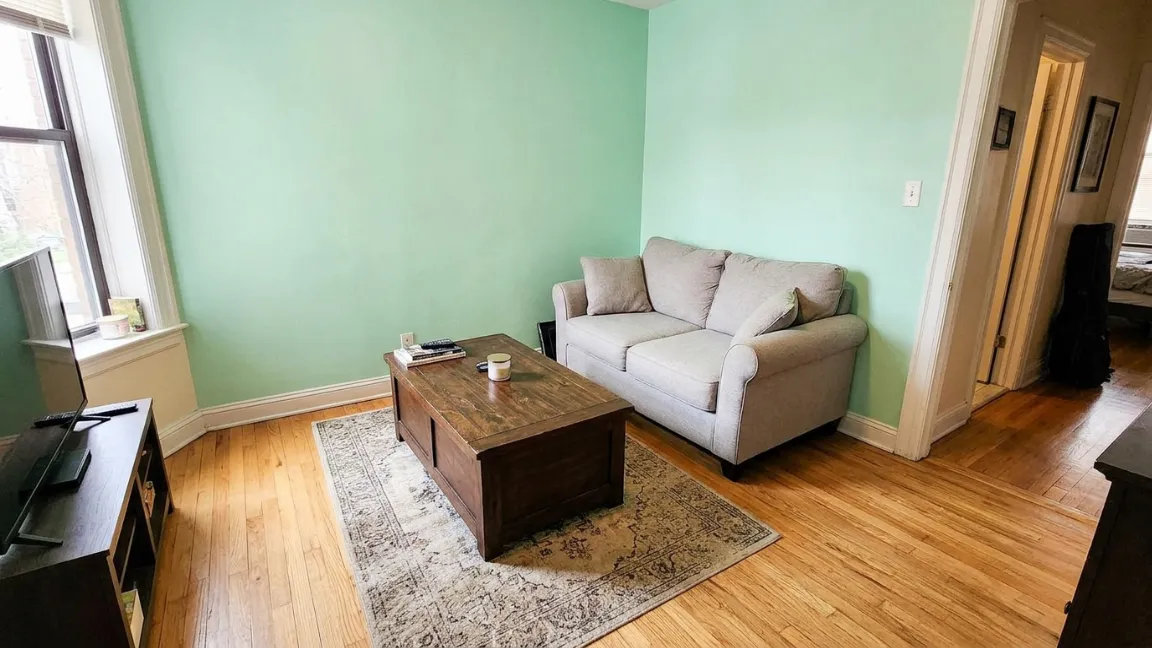
Look, I’m not gonna sugarcoat it — small living rooms are a pain. I’ve personally lived in a flat where my sofa and TV stand were basically holding hands they were so close together. Every time I had guests over, we were basically sitting in each other’s laps.
Not ideal. But here’s the thing — after years of experimenting, researching, and honestly making some terrible furniture decisions, I finally cracked the code on making small spaces feel genuinely livable and even beautiful.
These 26 ideas aren’t pulled from some fancy interior design textbook. They’re real, tested, and most of them won’t cost you a fortune. Let’s get into it.
The Foundation: Furniture That Actually Fits
Ditch the Giant Sofa — Seriously
This is the number one mistake people make. A massive three-seater sofa in a small living room isn’t cosy — it’s claustrophobic.
I made this mistake in my first flat and spent two years apologising to my shins every single morning.
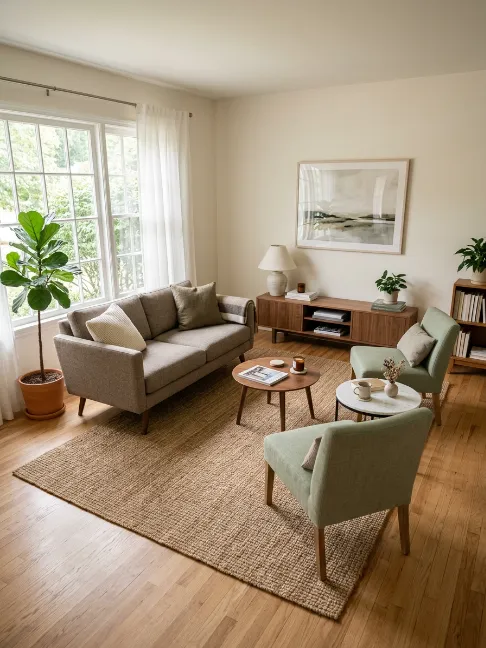
Swap it for a compact loveseat or a slim two-seater sofa. You’ll be shocked at how much floor space opens up.
Pair it with a couple of accent chairs if you need extra seating — it actually looks more intentional and pulled-together than one giant sofa dominating everything.
Go for Furniture with Exposed Legs
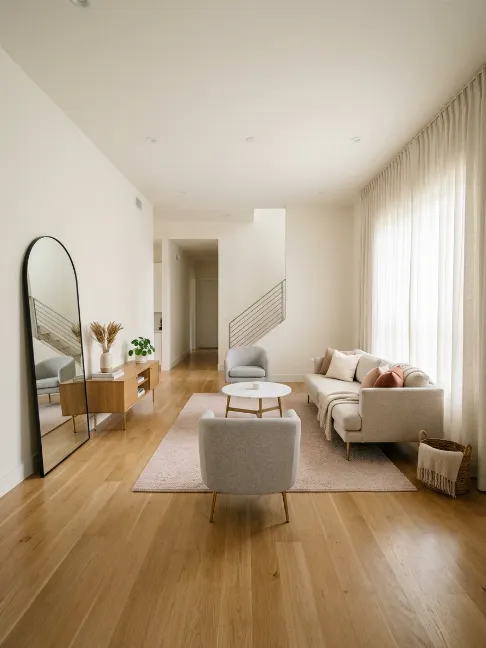
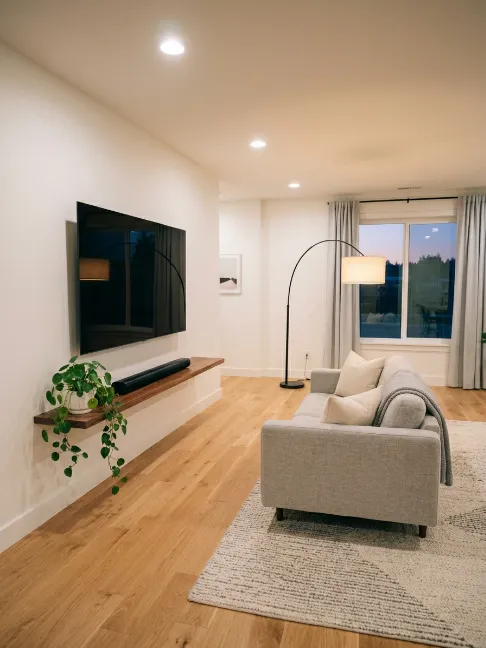
Furniture that sits flat on the floor — no gap, no legs — makes a room feel heavy and stuffed. When you can see the floor underneath your sofa or chair, the room immediately breathes better. It’s a visual trick, honestly,
but it works every single time. Tapered wooden legs or thin metal legs are what you’re after. This one small detail changed how my entire living room felt
Multi-Functional Furniture Is Non-Negotiable
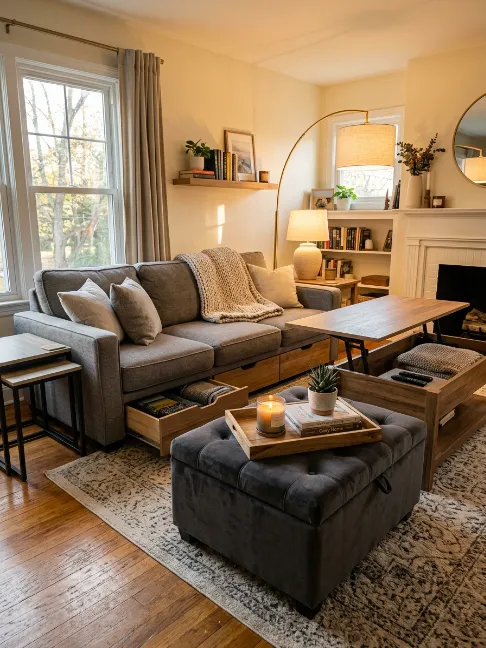
Every single piece of furniture in a small living room should do at least two jobs. That’s just the rule. If it only does one thing, it needs to justify its existence really hard.
Here’s what I’d prioritise:
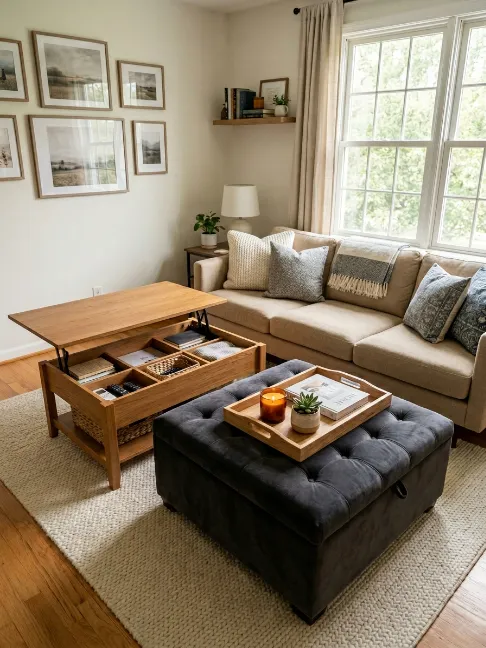
- Storage ottomans — acts as a coffee table, extra seat, AND hidden storage. Honestly my favourite purchase ever.
- Sofa with under-seat storage — I tried this and it swallowed my entire blanket collection. 10/10.
- Nesting tables — they tuck away when you don’t need them. This one flopped for me at first because I kept forgetting they were there, but once I got used to it? Game changer.
- Fold-out console tables — perfect for small rooms that double as dining spaces.
Smart Storage: Going Up, Not Out
Vertical Shelving Is Your Best Friend
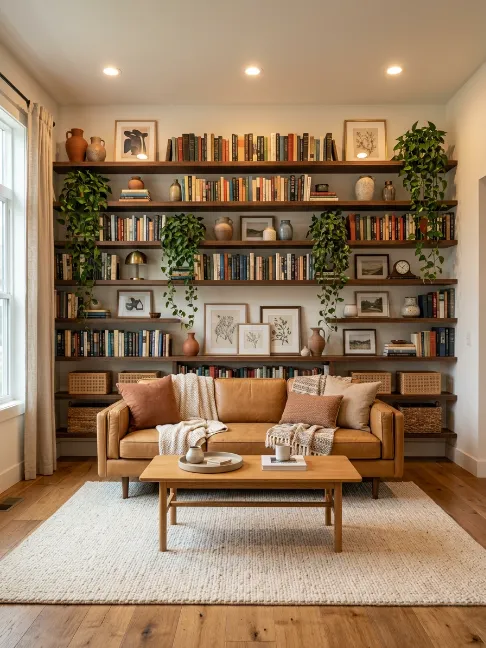
When you can’t go wide, go tall. Wall-mounted shelves that run almost to the ceiling do two brilliant things — they give you loads of storage and they make your ceilings feel higher.
I put up a set of floating shelves above my sofa last spring and suddenly my room felt like it belonged in a magazine. Okay, maybe a budget magazine. But still.
The Wall Above Your Sofa Is Wasted Space
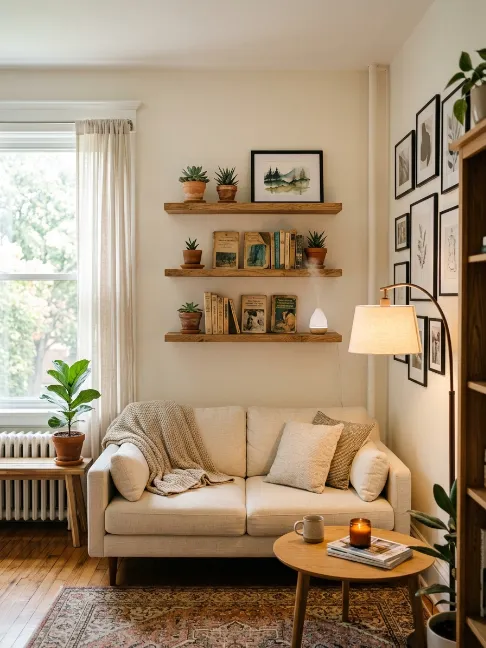
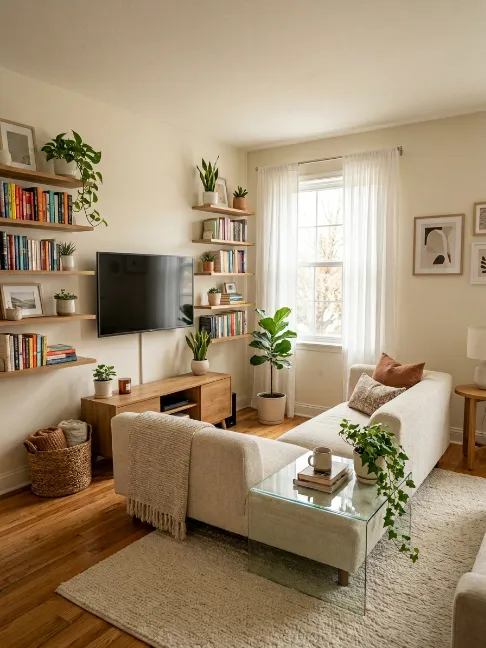
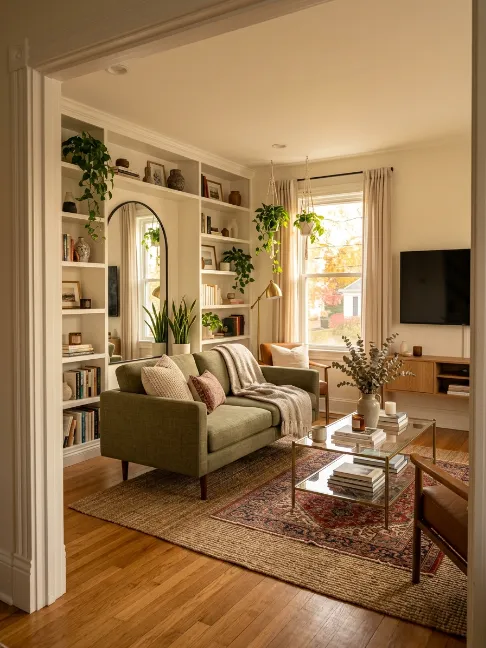
Most people hang one piece of art and call it a day. But that whole wall above your sofa? It’s prime real estate. Three floating shelves in a staggered arrangement — books on one, a plant on another, some small decor on the third — looks incredibly pulled-together and uses space that was doing absolutely nothing before.
Quick Space-Saving Storage Comparison
| Storage Type | Space Saved | Cost Range | Best For |
|---|---|---|---|
| Floating wall shelves | High | £15–£60 | Books, decor, plants |
| Storage ottoman | Medium | £40–£120 | Blankets, remotes |
| Under-sofa storage | High | £0 (built-in) | Seasonal items |
| Pegboard wall panel | Medium | £20–£50 | Flexible, adjustable |
Use Baskets and Bins Without Shame
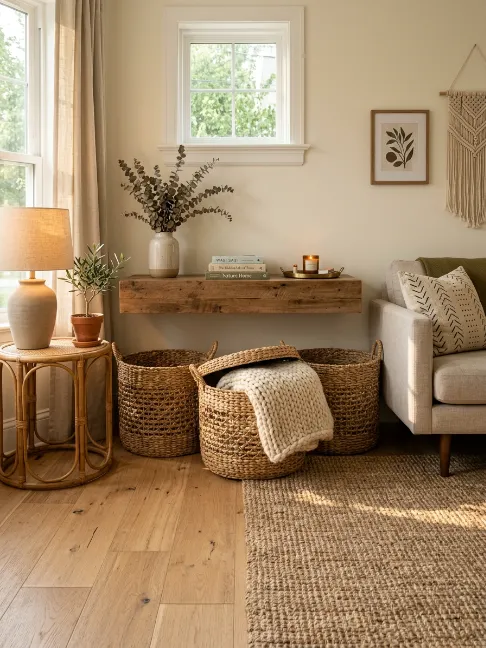
Woven baskets and fabric bins are low-key one of the best storage tools nobody talks about enough. Tuck them under a console table, stack them on a shelf, or line them up under a floating bench.
They hide clutter and add texture to the room. I have four baskets in my living room right now and guests always compliment them.
They have no idea they’re full of charging cables and random stuff I don’t know what to do with 😄
The Visual Tricks That Actually Work
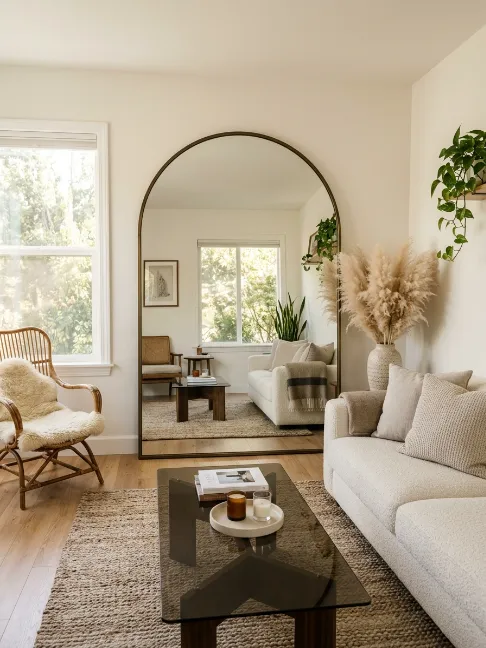
Mirrors: The Oldest Trick in the Book (Still Works Though)
A large mirror on one wall is basically a cheat code. It bounces light around the room and fools your brain into thinking the space is twice as big. Place it directly across from a window and watch the magic happen.
I was sceptical the first time someone told me this. Then I tried it. Wow! The difference was genuinely insane — I couldn’t believe I’d waited so long.
Light Colours Open Everything Up
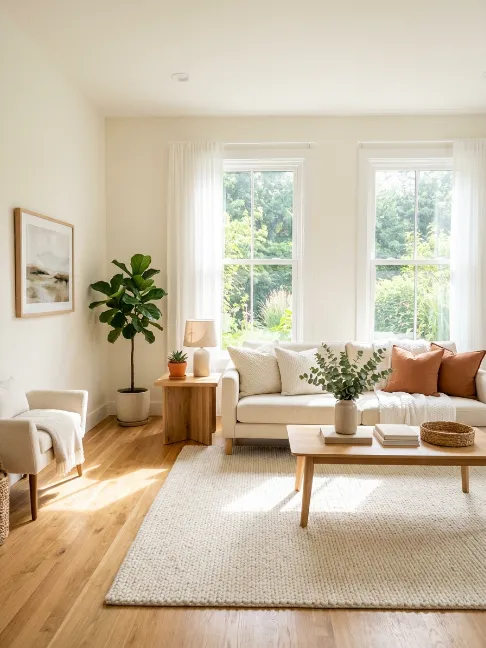
Dark walls close a room in. Soft whites, warm creams, pale sage greens — these reflect light and make your space feel open and airy. I painted my living room a warm off-white last year and it was the cheapest, most effective transformation I’ve ever done. The whole vibe shifted in a weekend.
Honestly, the “dark moody living room” trend feels a bit overdone now. Great for big spaces, suffocating in small ones.
Mount That TV — Stop Waiting
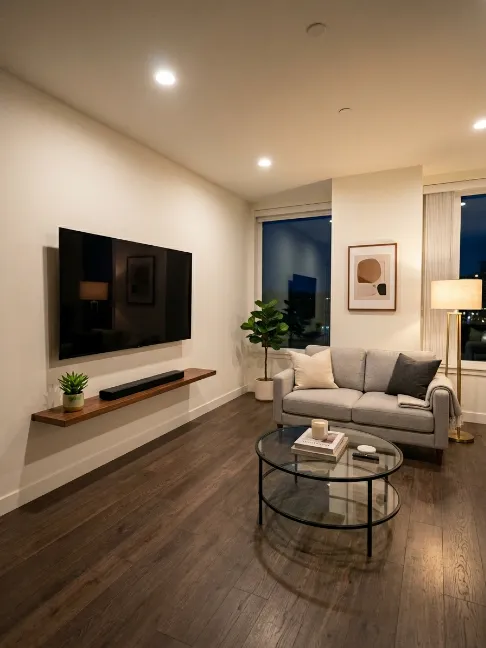
If your TV is sitting on a bulky entertainment unit, you’re giving up a huge amount of floor space for basically no reason.
Wall-mounting your TV is one of those changes that feels dramatic but is actually pretty straightforward. The floor space it frees up is remarkable, and the room instantly looks cleaner and more modern.
Curtains: Hang Them High and Let Them Drop
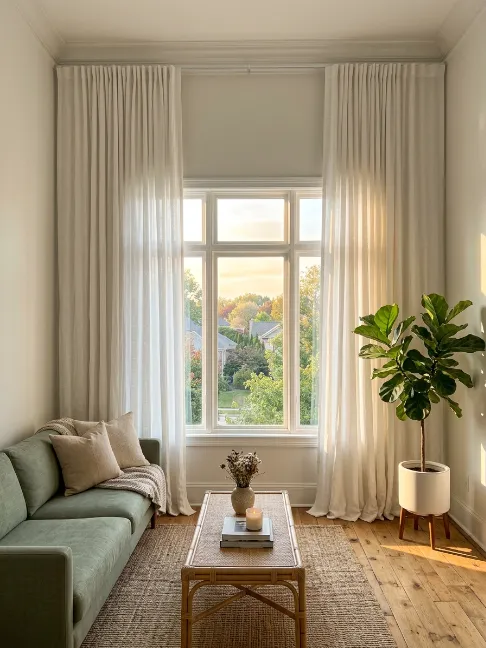
This is interior design 101 and I will die on this hill. Hang your curtains as close to the ceiling as possible and let them fall all the way to the floor.
It makes your walls look taller, your windows look bigger, and your whole room looks more expensive.
FYI, this costs next to nothing — just longer curtain panels and higher brackets. The difference is genuinely embarrassing given how easy it is.
Lighting: Small Changes, Big Impact
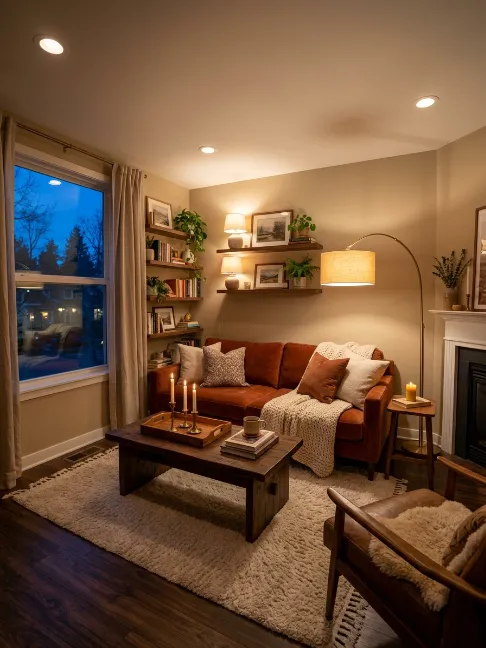
Layer Your Lighting — Don’t Rely on One Ceiling Light
One overhead light in a small room creates flat, harsh lighting that makes everything look smaller and a bit depressing.
Layered lighting — a floor lamp in one corner, a table lamp on a side table, maybe a wall sconce or two — adds depth and warmth that completely changes how a room feels.
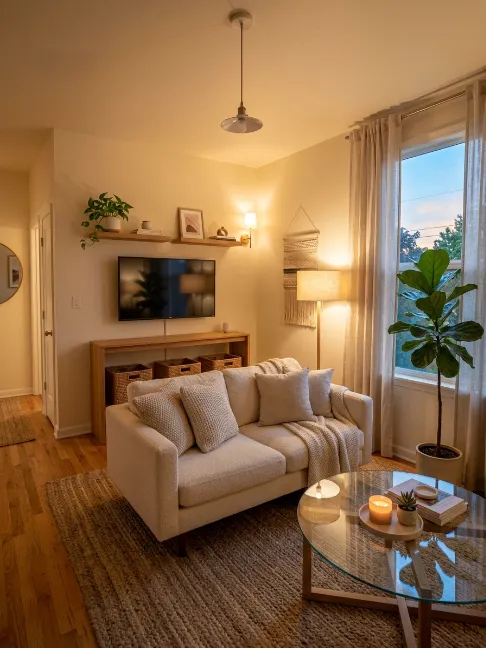
I used to rely on just a ceiling fixture and my living room felt like a waiting room. Once I added a floor lamp and a couple of small lamps on shelves, the whole space felt warmer, cosier, and honestly bigger. It’s wild how much lighting affects perception of space.
Wall-Mounted Lights Free Up Floor Space
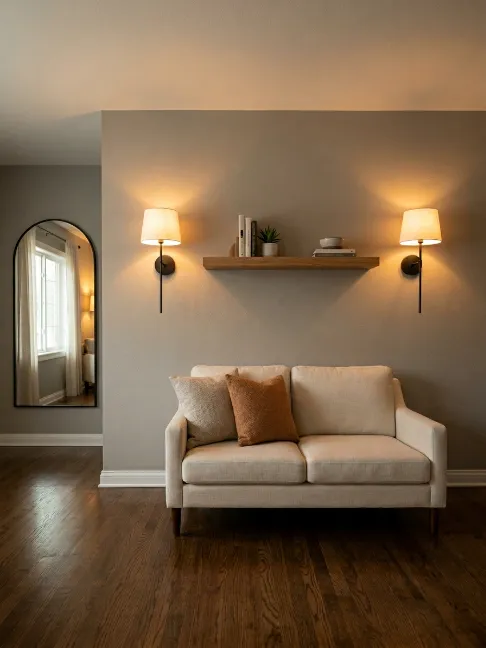
If a floor lamp feels too bulky, plug-in wall sconces are a brilliant alternative. They mount on the wall, plug into a standard socket, and give you warm directional light without eating into your floor space. These are massively underused in small rooms, bro — trust me on this one.
Layout and Design Tricks
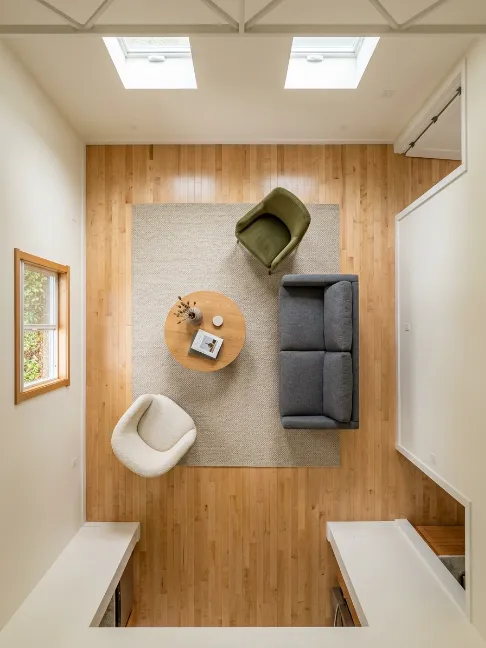
Float Your Furniture Away from the Walls
Every instinct tells you to push everything against the walls to “save space.” But counterintuitively, floating your furniture slightly inward — even just a few inches — creates breathing room around each piece and makes the layout look intentional.
It also makes the room feel bigger because you can see floor space on multiple sides.
A Rug That’s the Right Size Changes Everything
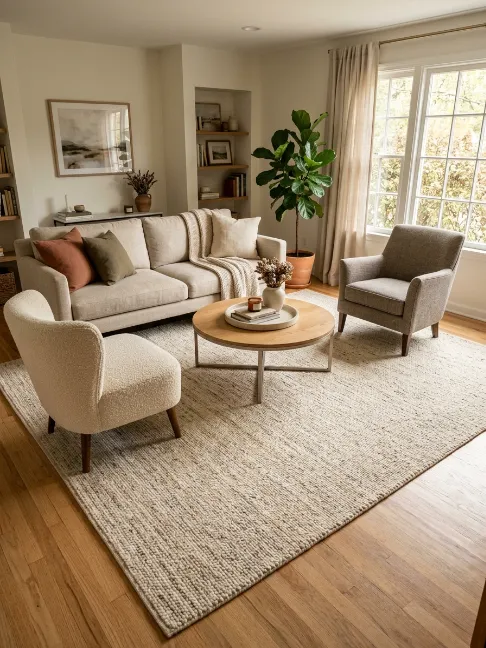
A rug that’s too small looks like a mistake. A rug that’s too large overwhelms the space. The sweet spot? All front legs of your furniture resting on the rug.
This anchors your seating area, defines the zone, and makes the room feel like a cohesive, designed space rather than a random collection of furniture.
Quick sizing guide:
- Too small — feels disconnected, like you bought the wrong rug (been there)
- Just right — front legs on the rug, creates a grounded, pulled-together look
- Too big — swallows the floor and makes furniture look like it’s floating on carpet
The Glass Coffee Table Trick
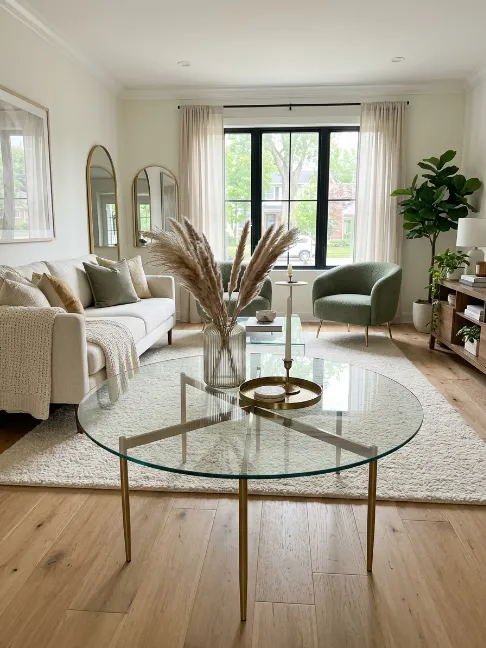
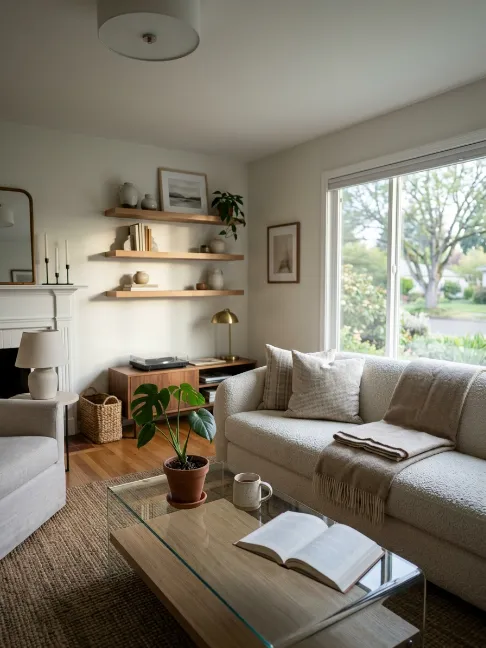
Swap a solid wood coffee table for a clear glass or acrylic version and watch your floor space visually double.
Solid tables block sightlines and make a room feel heavier. A transparent table does the same functional job while basically disappearing visually.
I resisted this for ages thinking it would look cold and clinical, but with the right rug and soft furnishings around it? It looks killer.
Clever Details Most People Overlook
Use the Space Above Doorways
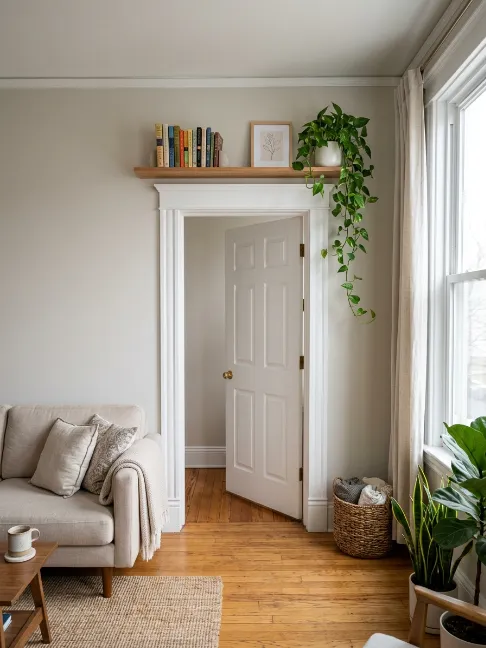
Got a door frame? The wall space directly above it is almost always ignored. A slim shelf running above a doorway can hold books, decor, or small baskets. It adds storage without taking up a single inch of floor space.
Plants Without Losing Floor Space
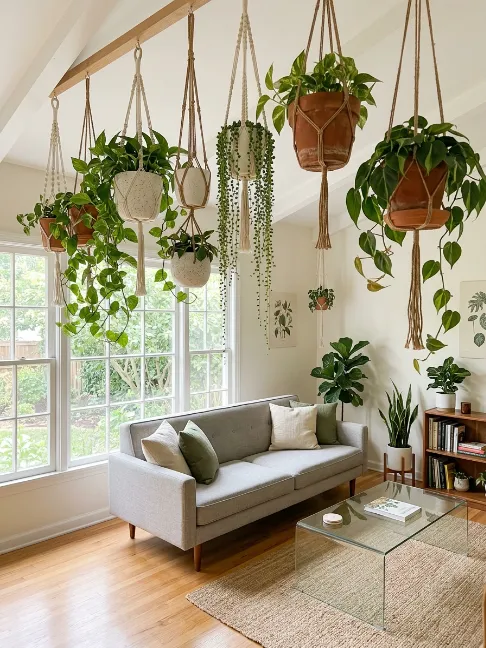
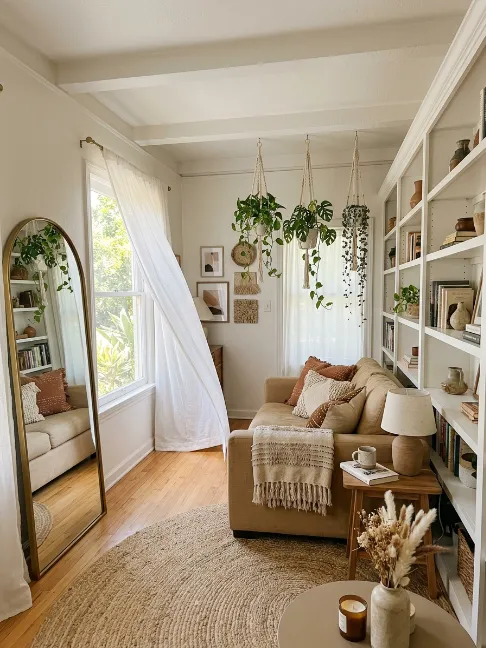
Plants make a room feel alive — but big floor plants in a small room are a problem. Go vertical instead. Hanging planters, wall-mounted plant holders, and tall skinny plant stands keep all your greenery without sacrificing floor real estate.
I have three hanging plants in my living room right now and they add so much warmth without touching the floor at all.
Sliding Doors Over Swinging Doors
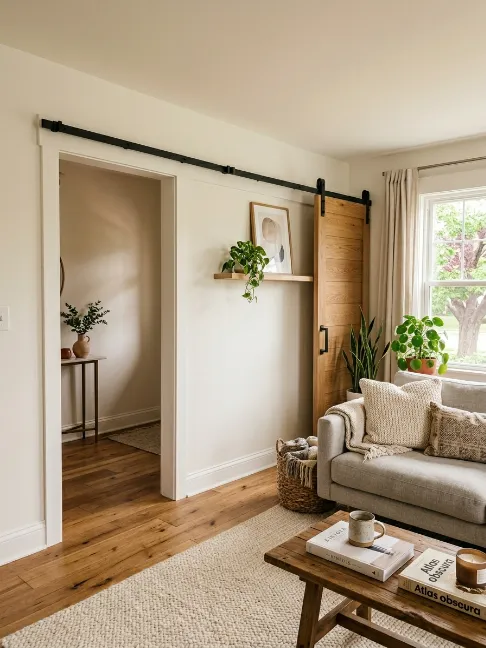
If your living room connects to another room, a standard swinging door needs clearance — and in a small space, that arc of clearance is precious floor space you’re essentially wasting.
Switching to a sliding barn door or pocket door eliminates that entirely. It’s a bigger project, sure, but if you’re doing any kind of renovation, it’s 100% worth considering.
Declutter — And Keep Decluttering
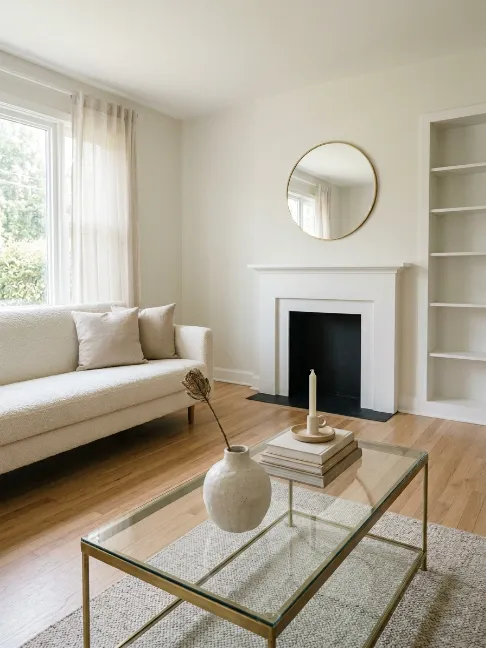
No furniture trick, no mirror, no paint colour can compensate for a room drowning in stuff. Decluttering is genuinely the most powerful space-saving tool available and it costs absolutely nothing.
I do a proper declutter every three months — it’s honestly one of my favourite things now. A bit therapeutic, actually.
- Keep only what you reach for regularly
- Use decorative baskets to hide the everyday clutter
- Limit tabletop decor to three items max per surface
- If something doesn’t have a home, it probably shouldn’t be there
When Your Living Room Has to Do Multiple Jobs
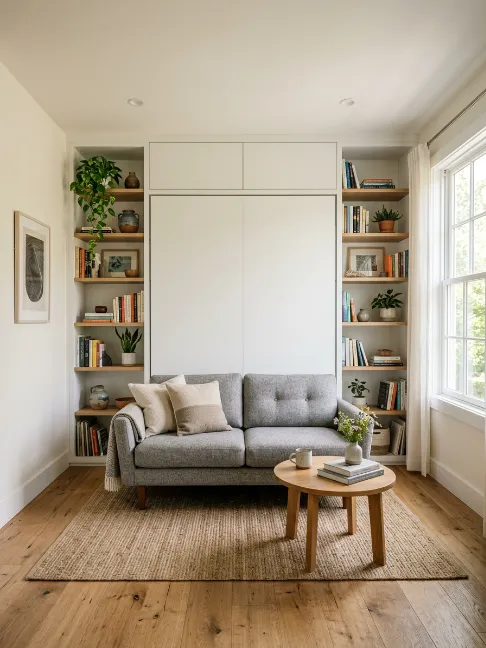
The Murphy Bed Solution
If your living room doubles as a guest room, a wall-mounted Murphy bed is honestly one of the cleverest space-saving investments you can make. Modern versions fold behind a panel that looks like a shelving unit or wardrobe — guests won’t even know it’s there until you pull it down. It’s a bigger upfront cost but it completely solves the problem of a room that needs to function as two things at once.
Window Seats with Hidden Storage
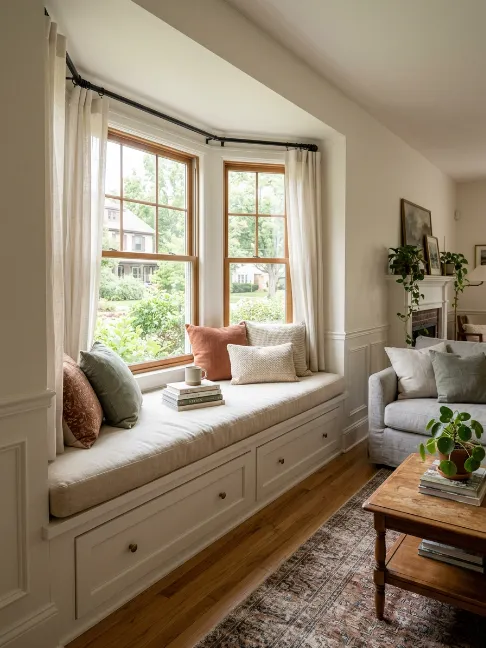
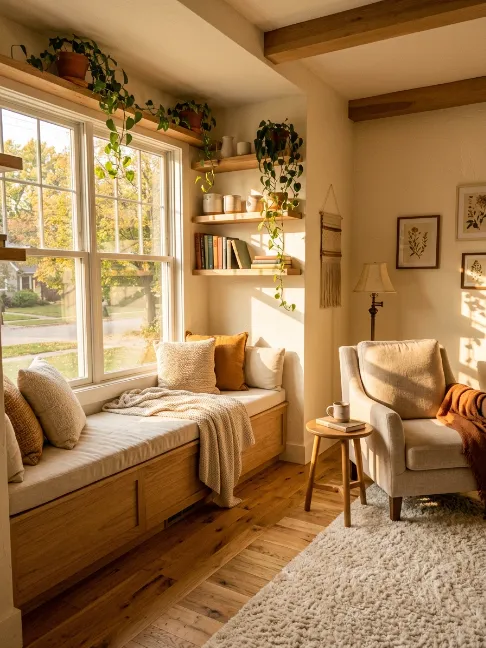
If you have a window alcove or bay window, don’t waste it. A built-in window seat with storage drawers underneath gives you a cosy seating spot, hidden storage, and a genuine focal point — all in a space that usually just collects dust and random items.
I’ve seen this completely transform awkward alcoves into the best corner in the house.
Zone Your Room with Colour and Furniture
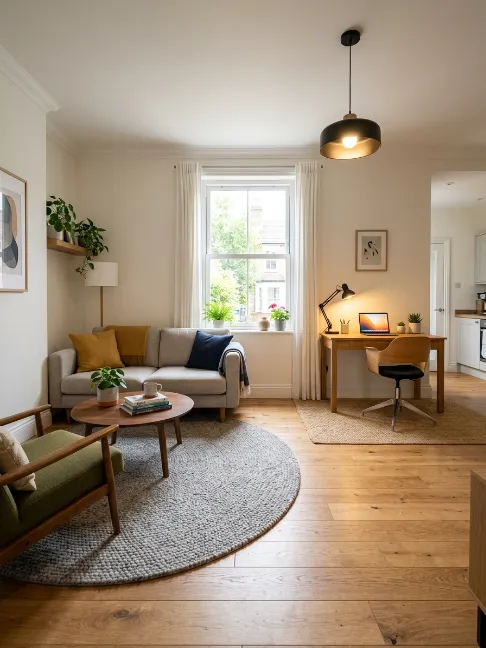
If your small living room needs to serve multiple purposes — work space, lounge, guest area — use furniture placement and rugs to create visual zones.
A rug under the sofa area defines the lounge zone. A small desk in a corner with a different lamp creates a work zone. You don’t need walls to separate spaces — just intention.
Product Mentions at a Glance
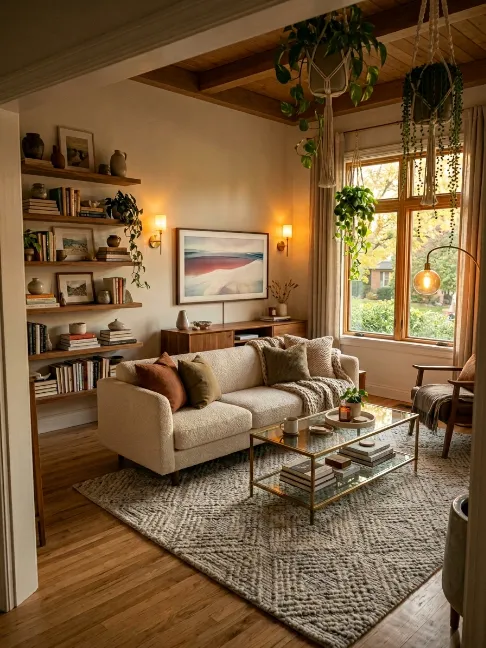
Here’s a quick summary of the three Amazon picks I’ve recommended throughout this article:
- YAHEETECH Compact Loveseat Sofa — ideal for small spaces, clean lines, affordable
- SONGMICS Storage Ottoman Bench and Homfa Lift Top Coffee Table with Storage — double-duty furniture that earns its place
- Perlesmith Universal TV Wall Mount Bracket — sturdy, adjustable, genuinely easy to install
(Amazon affiliate disclosure: As an Amazon Associate, I earn from qualifying purchases.)
Frequently Asked Questions
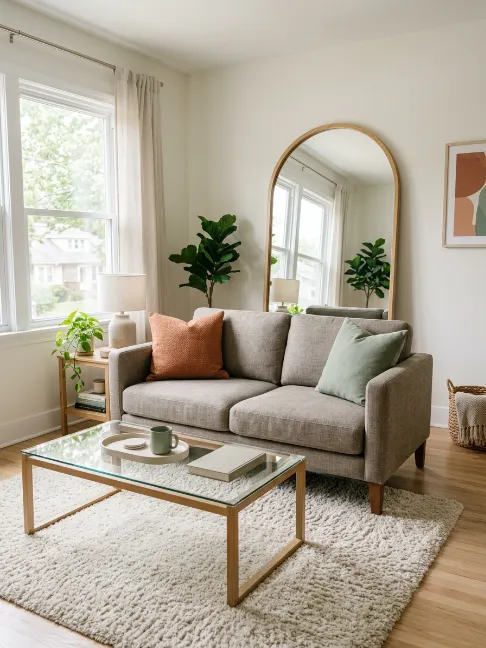
Q: What’s the single best change I can make in a small living room right now? Mount your TV on the wall and clear the surface beneath it.
It costs very little, takes a couple of hours, and the visual impact is immediate and significant. If you can only do one thing today, do that.
Q: How do I make a small living room look bigger without repainting? Use mirrors, swap any solid coffee table for a glass one, hang curtains at ceiling height, and choose furniture with exposed legs.
None of these require paint and all of them work quickly. You can realistically do most of these over a weekend.
Q: Can dark colours work in a small living room? They can — but use them as accents rather than wall colours.
A dark rug, dark cushions, or a single feature wall can add depth without closing the room in. Just balance dark tones with plenty of light-coloured furniture and good layered lighting
Q: How much furniture is too much for a small living room? As a general rule — sofa or loveseat, one or two accent chairs, a coffee table, and a media unit.
That’s it. Every additional piece needs to justify its presence by being multi-functional. If it only does one job, it probably shouldn’t be there.
Q: Do rugs actually make a difference in small rooms? Absolutely — but only if you choose the right size.
A too-small rug actually makes a room feel more cramped by breaking up the floor space awkwardly. Go bigger than you think you need, with the front legs of all your main furniture resting on it.
Wrapping It Up
Small living rooms aren’t a design problem — they’re a design challenge, and honestly, they push you to think more creatively than you ever would in a big open space. Some of my favourite rooms I’ve ever seen have been tiny. It all comes down to being intentional about every single decision.
You don’t need to tackle all 26 ideas at once. Pick three or four that feel most relevant to your space, try them out, and see what shifts. Mount that TV. Grab a storage ottoman. Put up some floating shelves. Small moves genuinely add up fast.
Have you tried any of these in your own home? I’d love to know what’s worked (or what totally flopped) — drop it in the comments! 👇
