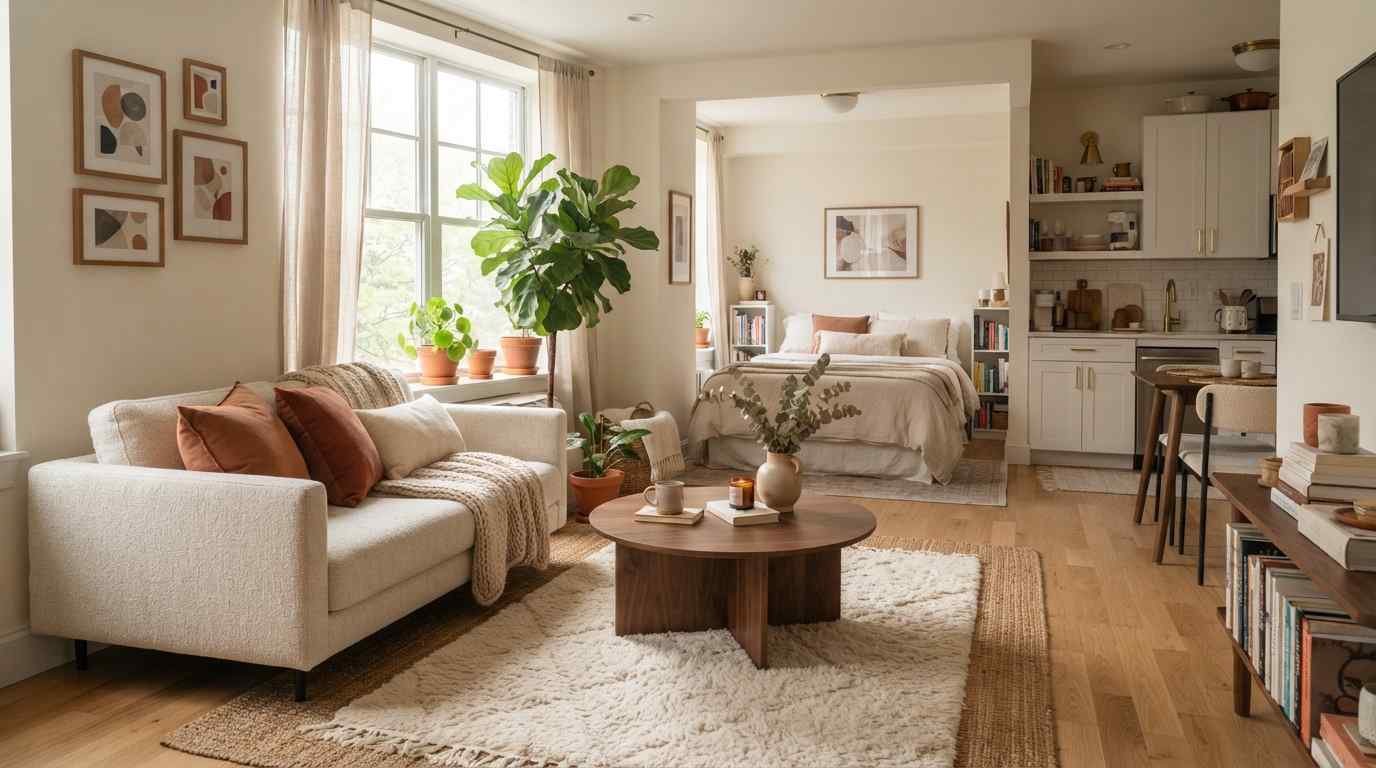
My first apartment was 420 square feet. I measured it three times because I didn’t believe the listing.
That box became the place I learned everything I now know about decorating on no money.
Every trick below got tested in a room where the couch touched the bed frame. If it worked there, it’ll work in your place too.
I pinned half these ideas before I ever tried them, then figured out which ones actually hold up once you live with them for a year.
That’s the filter here. Not “looks good in a photo.” Actually good.
Start with what you already own
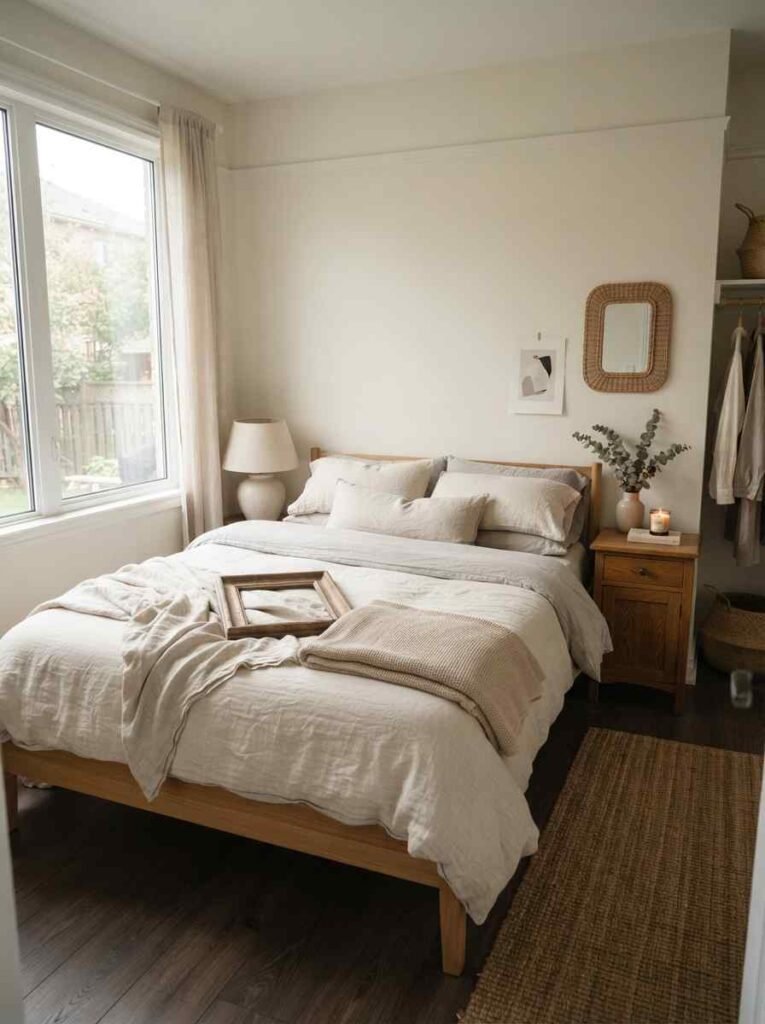
Before buying anything, walk your apartment and pull everything off the walls and shelves. Lay it all on the bed.
You’ll usually find a lamp you forgot about, a frame with nothing in it, a blanket that’s been in a closet since a move two apartments ago.
Rearranging what you own costs zero dollars and it’s the fastest facelift there is.
I did this last winter and found a mirror I’d bought and never hung. Moved it to the hallway. Instant win, no Target run required.
A few starting moves:
- Swap items between rooms. A vase from the kitchen might be the missing piece on your bookshelf.
- Group small objects in clusters of 3 instead of scattering them.
- Clear one surface completely. An empty console table reads as intentional, not lazy.
1. Paint one wall, not four
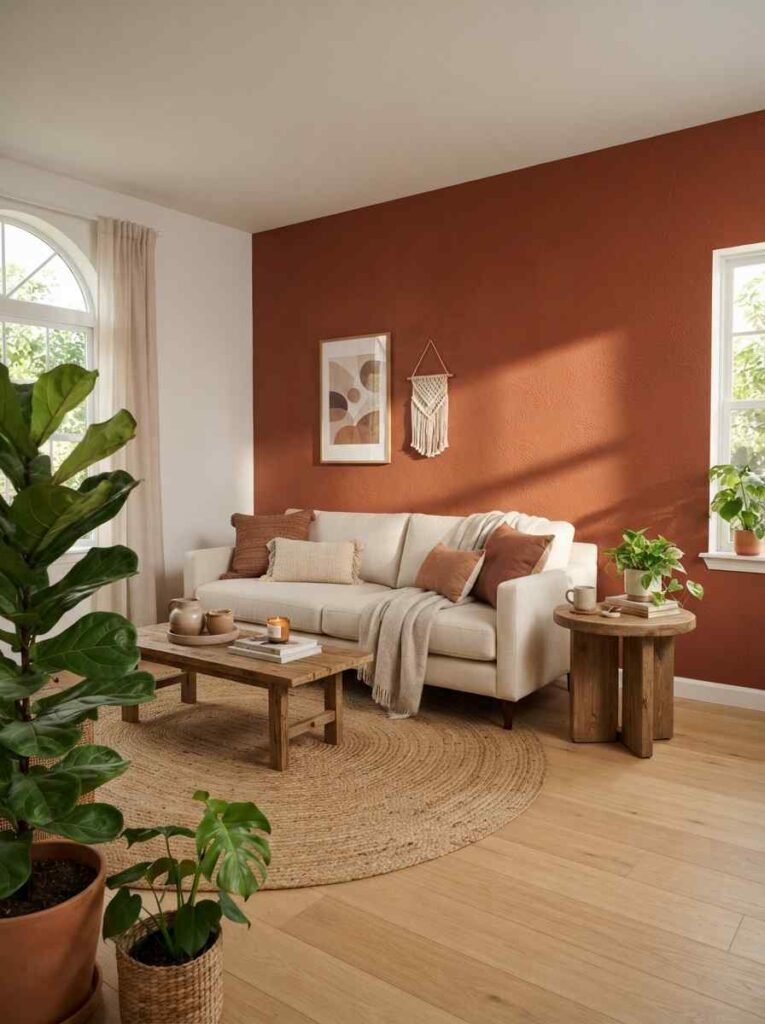
A full repaint eats a weekend and a chunk of cash. One accent wall does 80% of the visual work for a fraction of the paint.
Go for a color with actual depth: a deep green, a warm terracotta, even a near-black.
Renters worried about the deposit can use peel-and-stick wallpaper instead, and honestly some of it looks better than paint anyway.
2. Hang curtains higher than the window
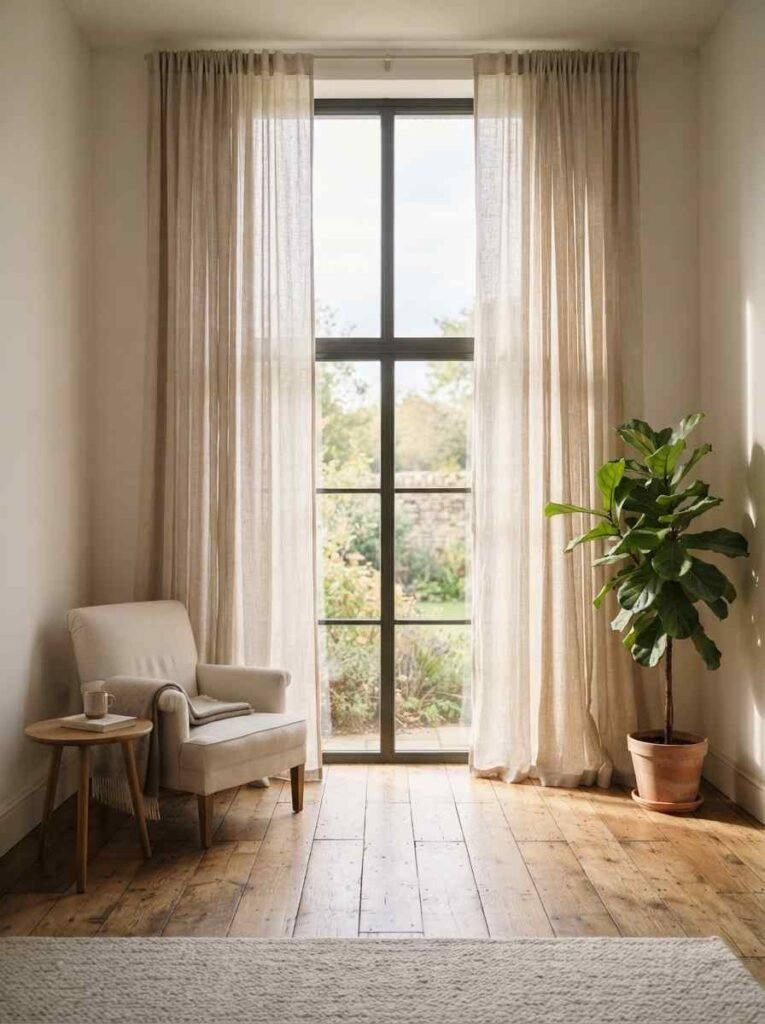
This one’s nearly free and it’s the single biggest trick for making ceilings feel taller.
Mount the rod 4 to 6 inches above the window frame, not right on top of it.
Let the curtains almost touch the floor. Your eye reads the extra fabric as extra height, even though the window hasn’t moved an inch.
3. Use a large rug, not three small ones
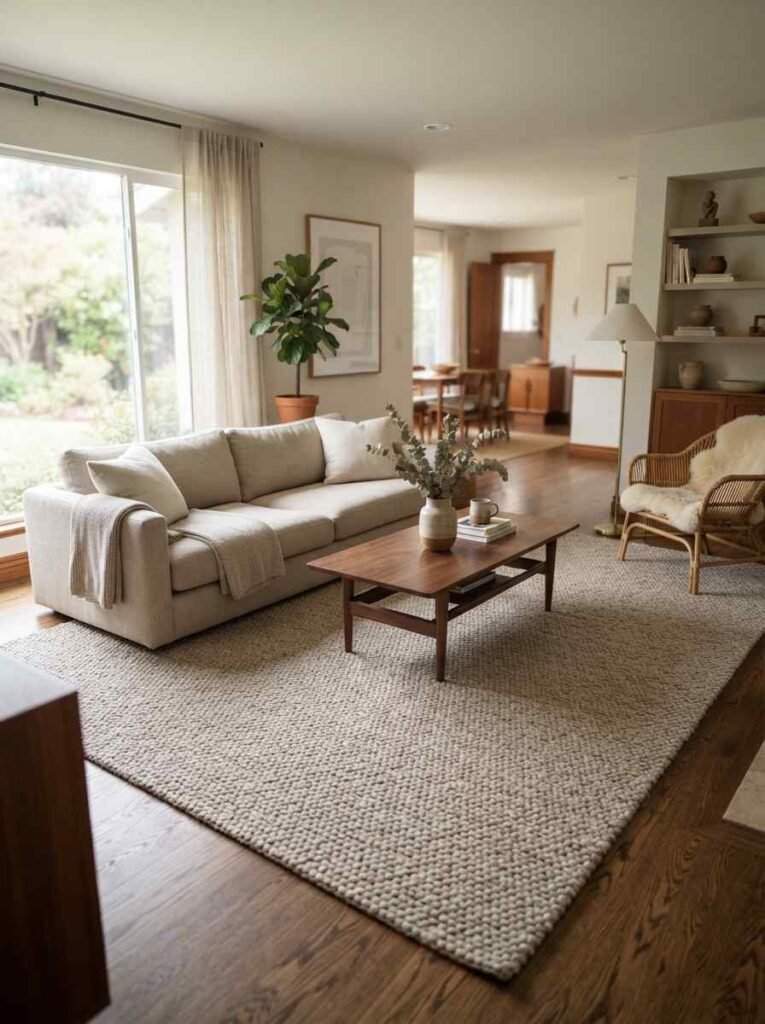
A tiny rug floating in the middle of a room makes the space look smaller, not cozier. One rug, sized so the front legs of your furniture sit on it, does the opposite.
Budget rugs from IKEA or Ruggable hold up fine for a rental. I’ve had the same one for four years and it still looks new after two apartment moves.
4. Mirrors are doing more than you think
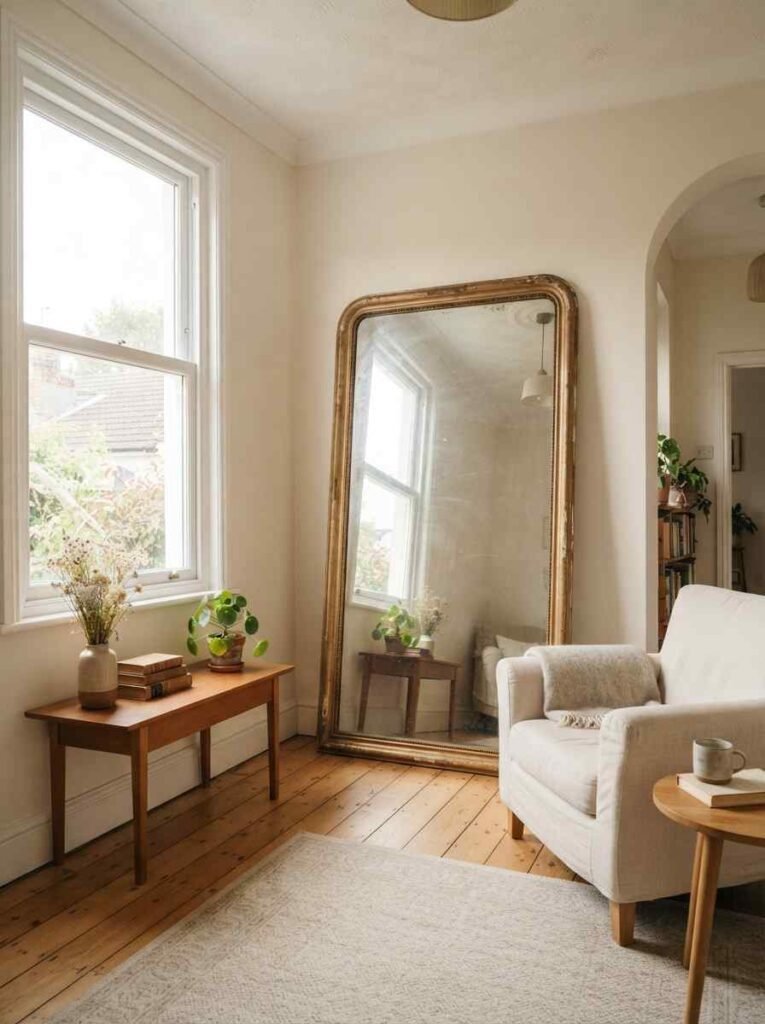
A mirror across from a window bounces light around the whole room. It also fakes square footage your lease doesn’t actually give you.
Thrift stores are goldmines for oversized frames. Spray paint the frame gold or black and nobody will guess it cost 12 dollars.
5. Float your furniture off the walls
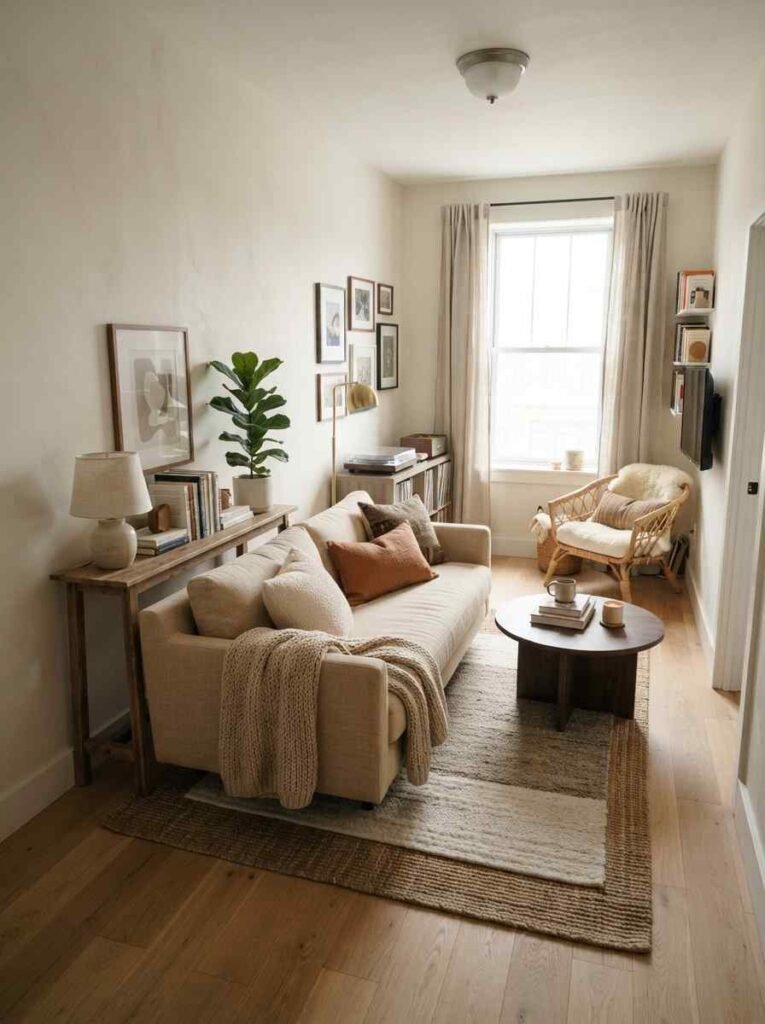
Everyone pushes their couch against the wall because it feels like the “safe” choice. Pull it 6 inches out and add a small table behind it instead.
Rooms with all the furniture hugging the perimeter actually feel more cramped, not less. Floating pieces creates a sense of layout, even in a studio.
6. Command hooks are a small apartment’s best friend
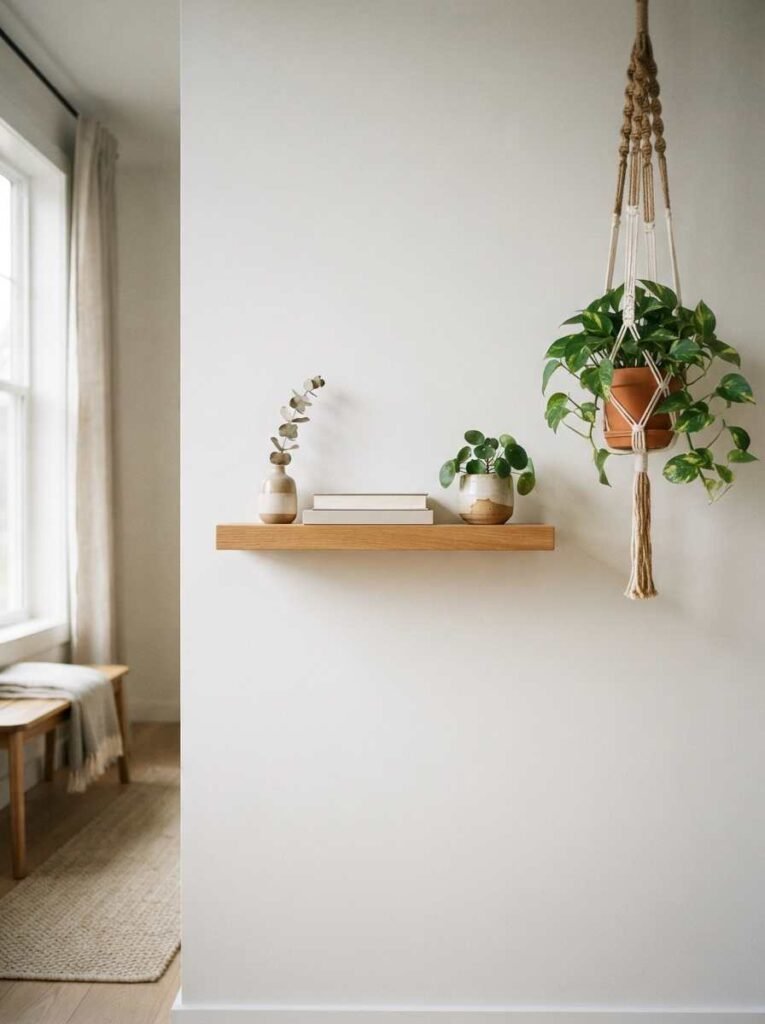
If you rent, this is non-negotiable. Command strips hold shelves, art, plants, and even lightweight curtain rods without a single hole in the wall.
I’ve hung a 15-pound floating shelf on these and it survived two years and a move.
Just follow the weight limit on the box, since ignoring it is how you end up with a shelf on the floor at 2am.
7. Layer your lighting
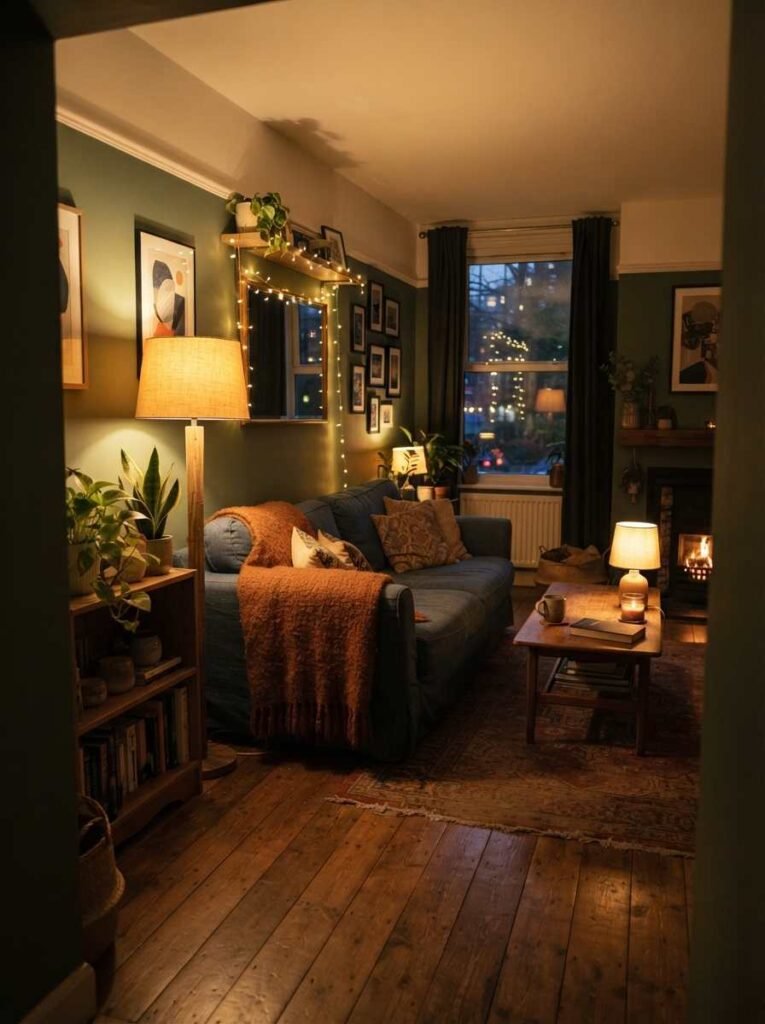
One overhead bulb makes any apartment feel like a waiting room.
Add a floor lamp, a table lamp, and maybe a string of warm-white fairy lights.
Quick lighting swap ideas:
- Trade the stock ceiling bulb for a warm 2700K one instead of daylight white.
- Add a plug-in sconce near the bed for reading without getting up.
- Use a dimmer plug on your favorite lamp so one fixture does two jobs.
8. Vertical storage saves floor space
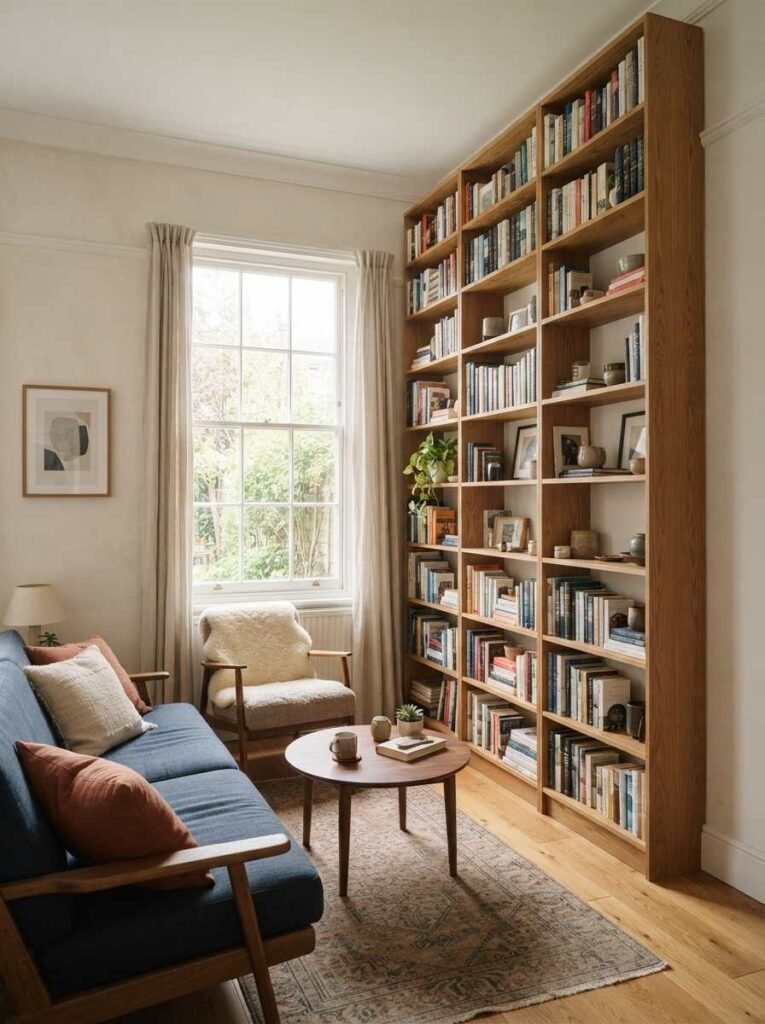
Wall shelves, over-the-door racks, and tension rods in closets add storage without eating a single square foot of walkable floor.
This matters more than people expect until they’re stepping over boxes to reach the bathroom.
A tall, narrow bookshelf beats a short, wide one every time in a small space. Same storage, half the footprint.
9. Thrift, don’t shop new, for anchor pieces
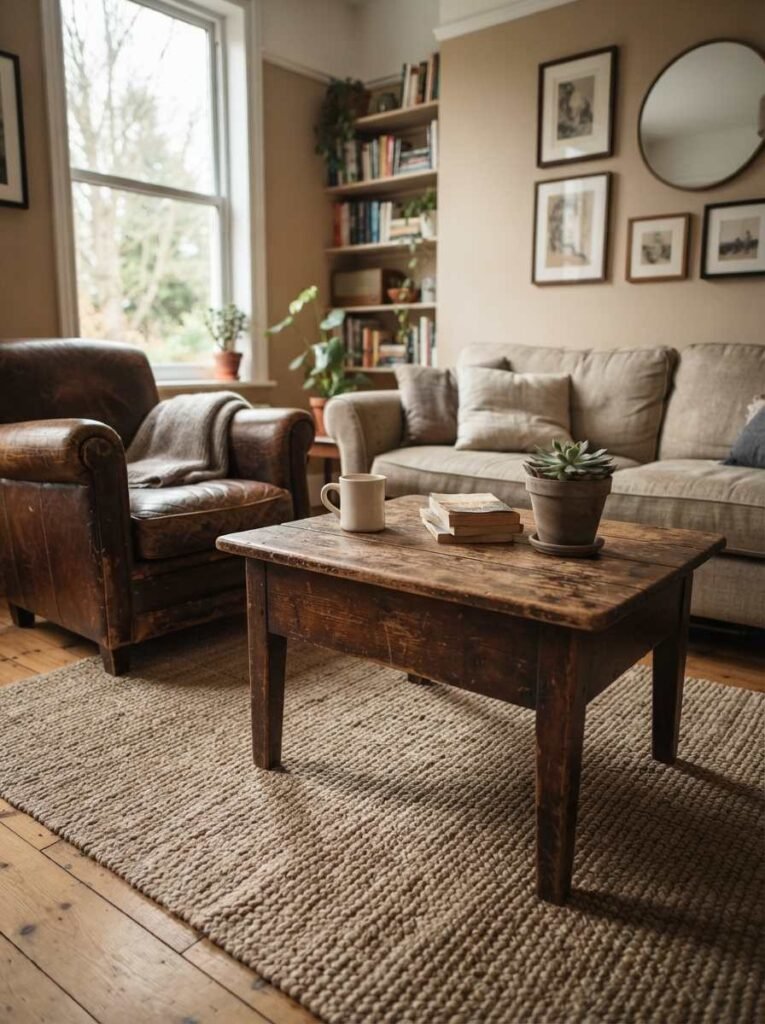
Facebook Marketplace and local thrift shops are where the actual character of a room comes from.
New furniture from big-box stores tends to look identical in every apartment on the block.
I found my coffee table for 20 dollars from someone moving out of state. It’s the one piece in my living room people actually ask about.
10. Add plants, even fake ones
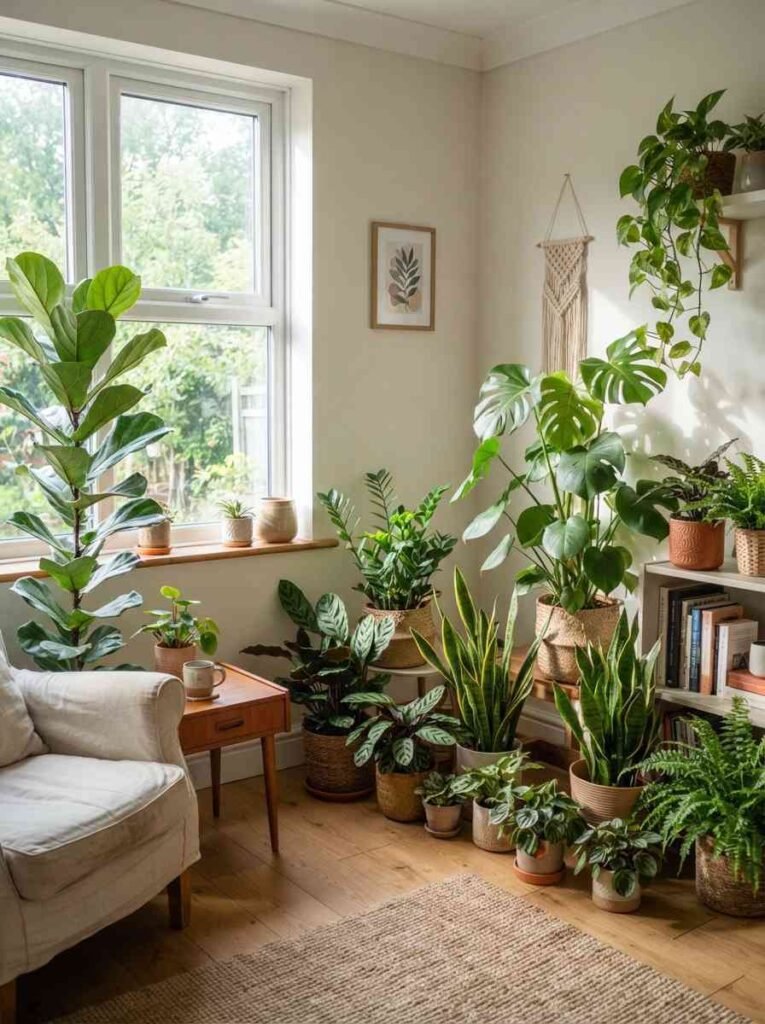
Plants soften hard edges and add color without needing a matching decor scheme.
If you kill plants on contact (no judgment, I’ve been there), a good faux fiddle-leaf fig from a craft store fools almost everyone.
Real ones like pothos and snake plants survive low light and forgetful watering schedules, so start there if you want to try the real thing.
11. Swap hardware on existing furniture
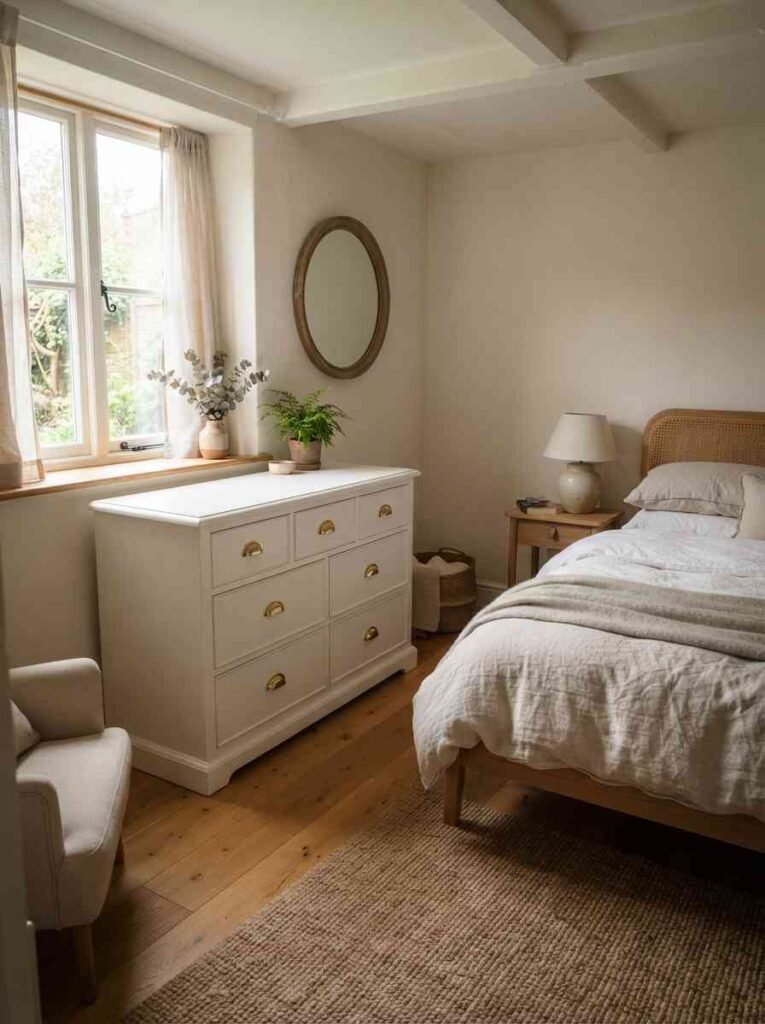
New drawer pulls and cabinet knobs cost a few dollars each and change the entire feel of a dresser or kitchen cabinet.
It’s one of those upgrades that looks expensive but isn’t.
Brass pulls on an old white dresser genuinely look like a different piece of furniture.
12. Use washi tape or contact paper on surfaces
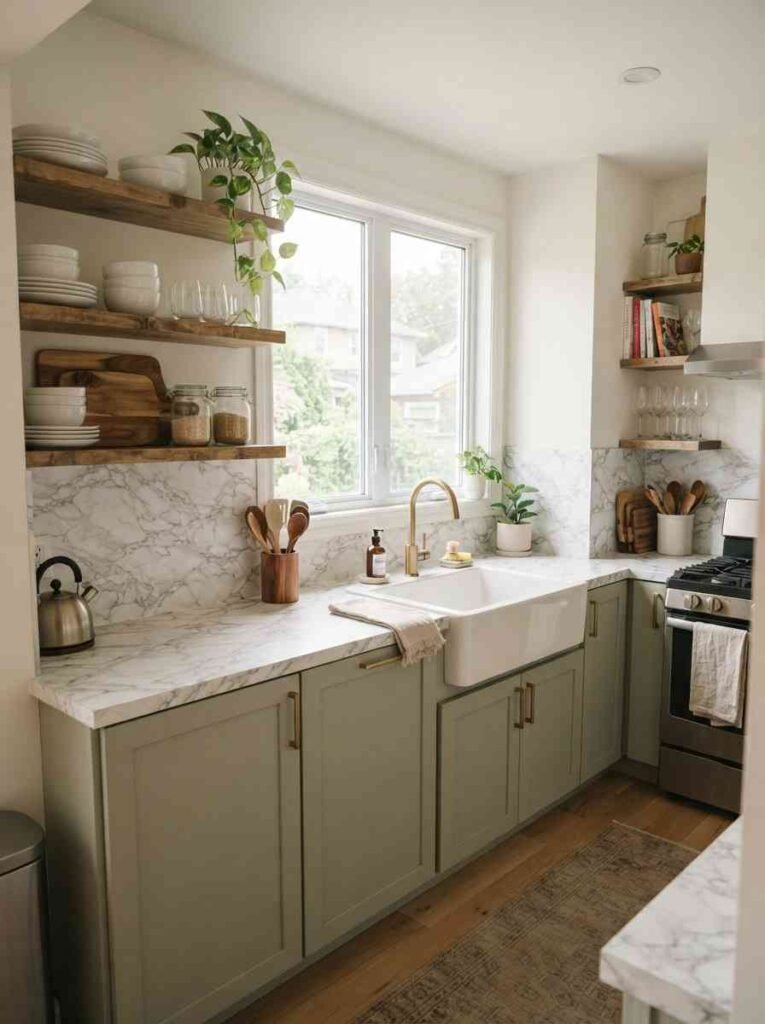
Peel-and-stick contact paper on a dated countertop or an ugly backsplash is fully reversible, which matters if your lease says no permanent changes.
It’s held up in my kitchen for two years now through daily use.
13. Frame things that aren’t traditional art
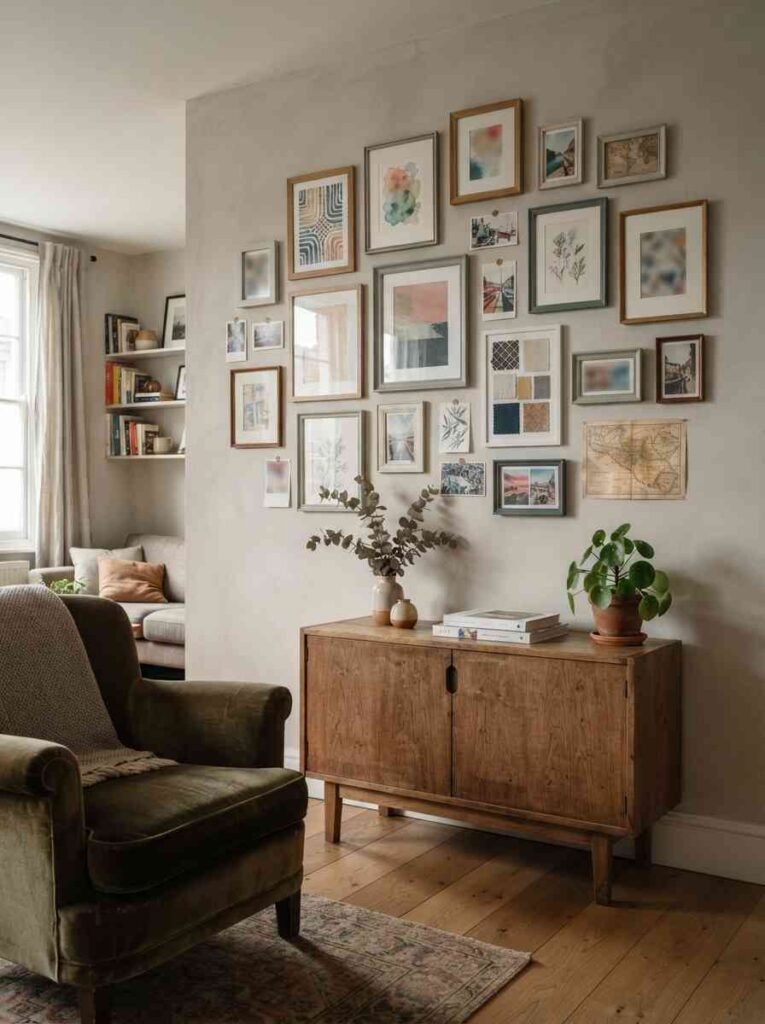
Postcards, fabric swatches, sheet music, even a nice map, all look intentional once matted and framed.
This is a way to get gallery-wall energy without gallery-wall prices.
| Small apartment budget-buy | Rough cost | Where it helps most |
|---|---|---|
| Peel-and-stick wallpaper | $15 to $40 | Accent wall, no deposit risk |
| Command hooks and strips | $8 to $20 | Shelves, art, hanging plants |
| Large area rug | $60 to $150 | Living room, defines space |
| Secondhand coffee table | $10 to $40 | Anchor piece, adds character |
14. Multi-use furniture earns its keep
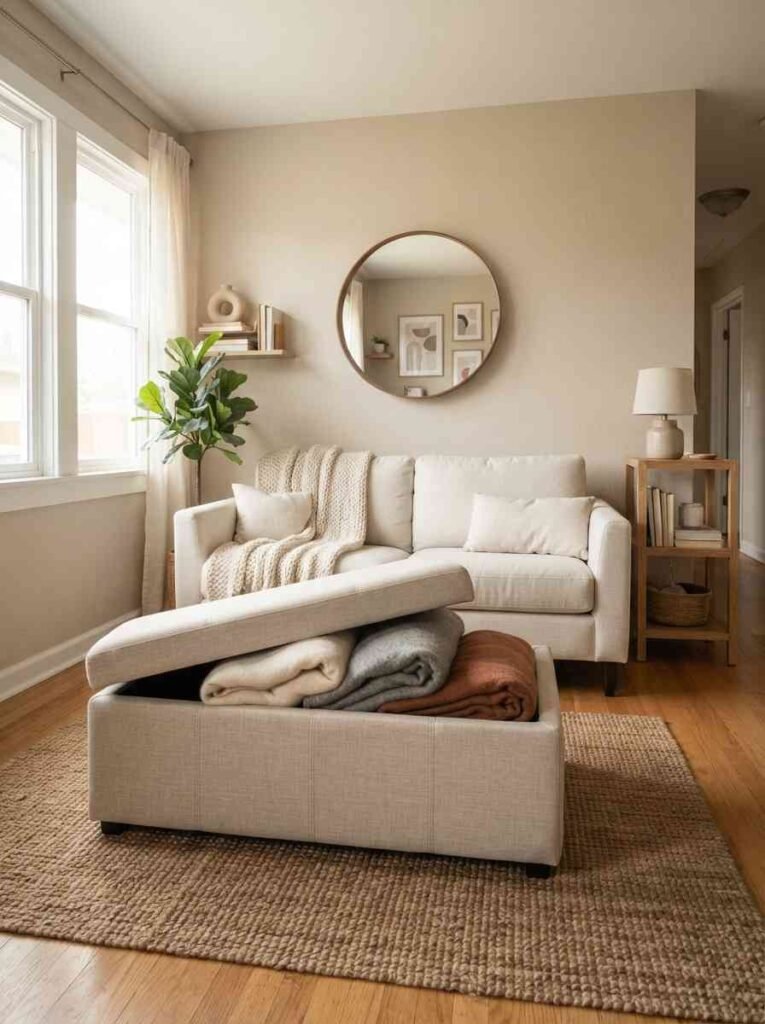
An ottoman that opens for storage. A daybed that works as a couch and a guest bed.
A nesting table set that folds down to nothing when you need floor space back for yoga or a Zoom call with your camera off.
Every piece in a small apartment should do at least one job beyond just sitting there. If a chair only exists to hold laundry, it’s not pulling its weight.
15. Use scent and texture, not just visuals
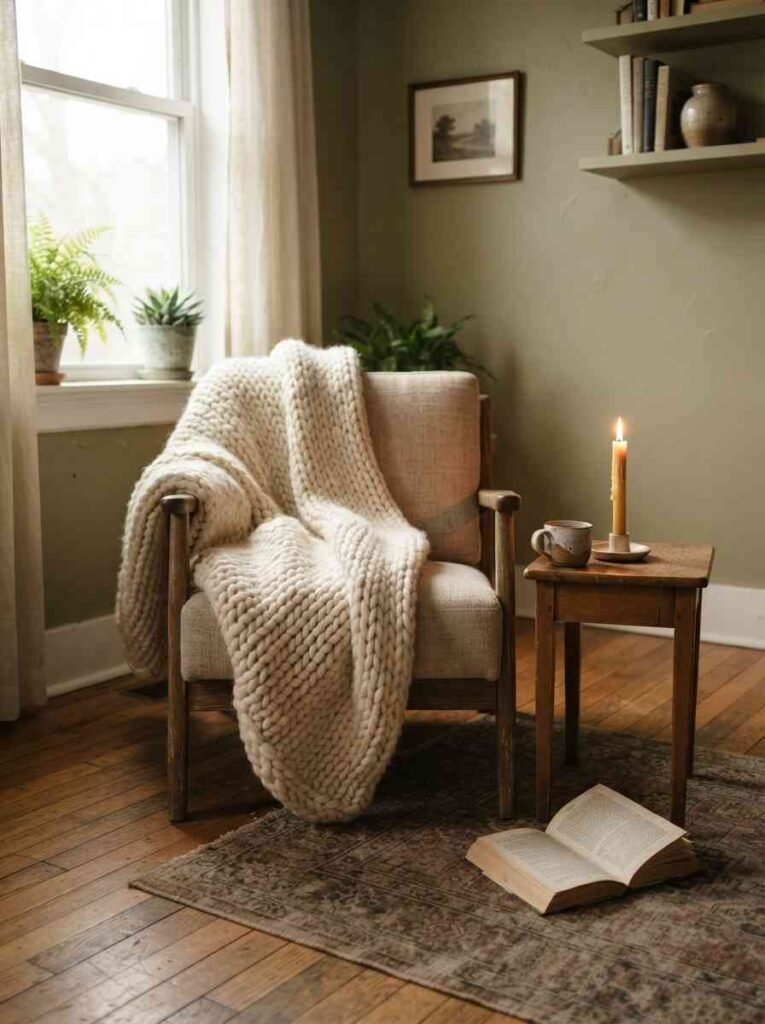
A throw blanket, a textured pillow cover, a candle with a smell you actually like: these add depth that photos can’t fully capture, but you feel it the second you walk in.
Pinterest is a visual platform, sure, but the apartments that actually feel good to live in engage more than one sense.
This is the slightly random part of this list, but it matters: your nose remembers a home faster than your eyes do.
Walk into a place that smells like fresh laundry and cedar, and you feel settled before you’ve even looked around.
16. Group your gallery wall on the floor first
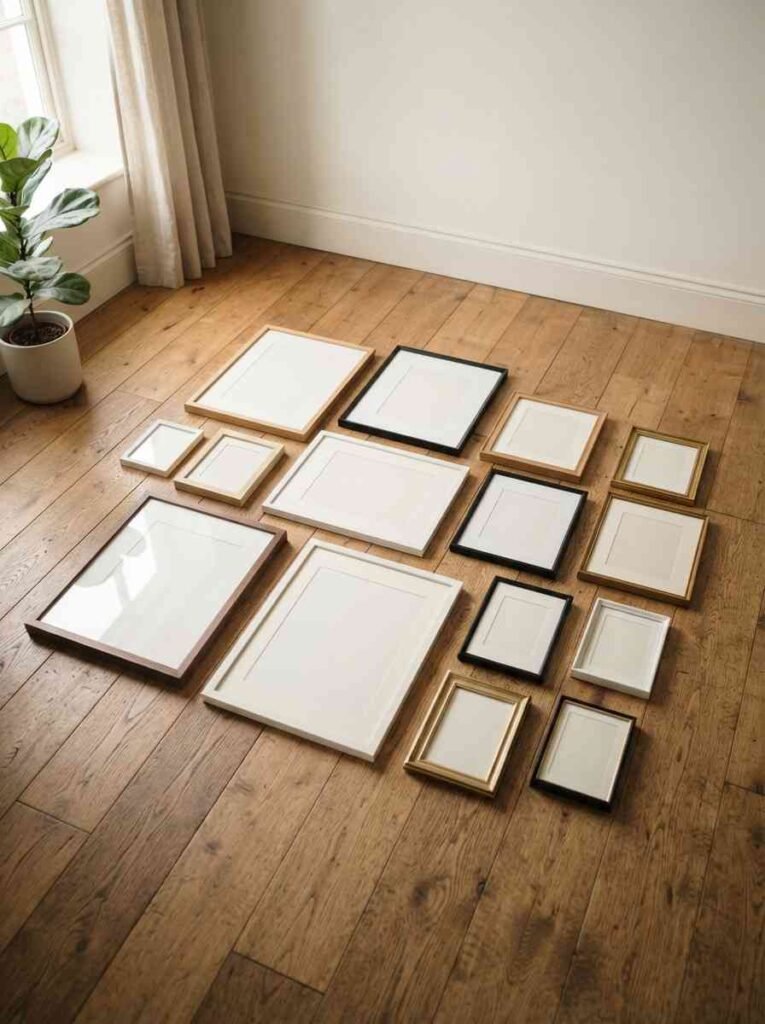
Lay out your frames on the floor in the arrangement you’re considering before you touch a hammer.
This saves you from 6 extra nail holes and the slow realization that your “simple” layout wasn’t level.
17. Use a room divider or bookshelf to fake extra rooms
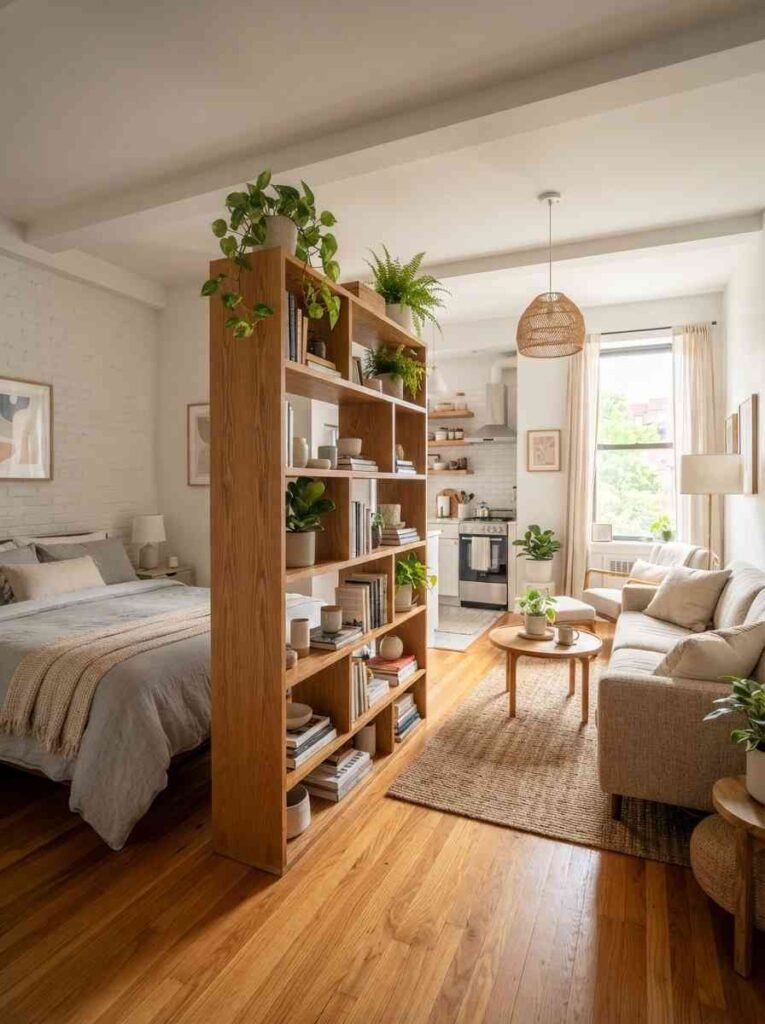
Studios benefit hugely from visual separation, even if the square footage never changes.
A tall bookshelf between your bed and your living area creates a “bedroom” and a “living room” out of one open box.
18. Don’t skip the entryway, even if it’s just a wall
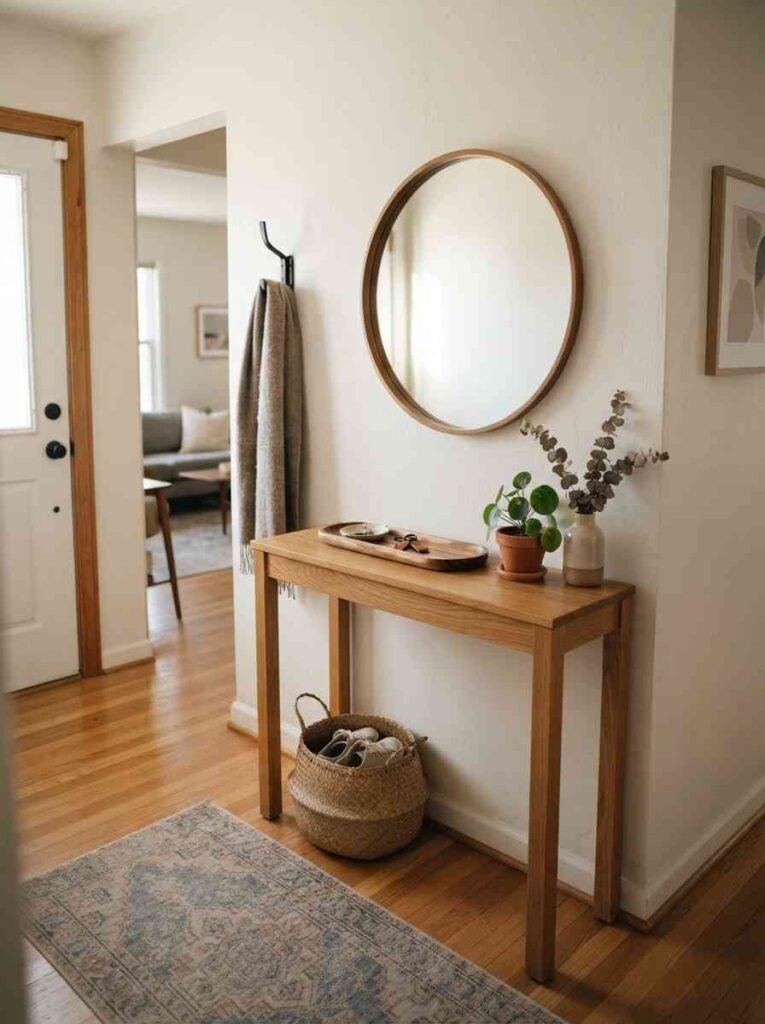
Small apartments rarely have a real foyer, but a hook, a small tray for keys, and a mirror by the door make the whole entrance feel considered instead of chaotic.
It’s the first thing you see walking in, so it sets the tone for everything after.
19. Repurpose what other rooms throw away
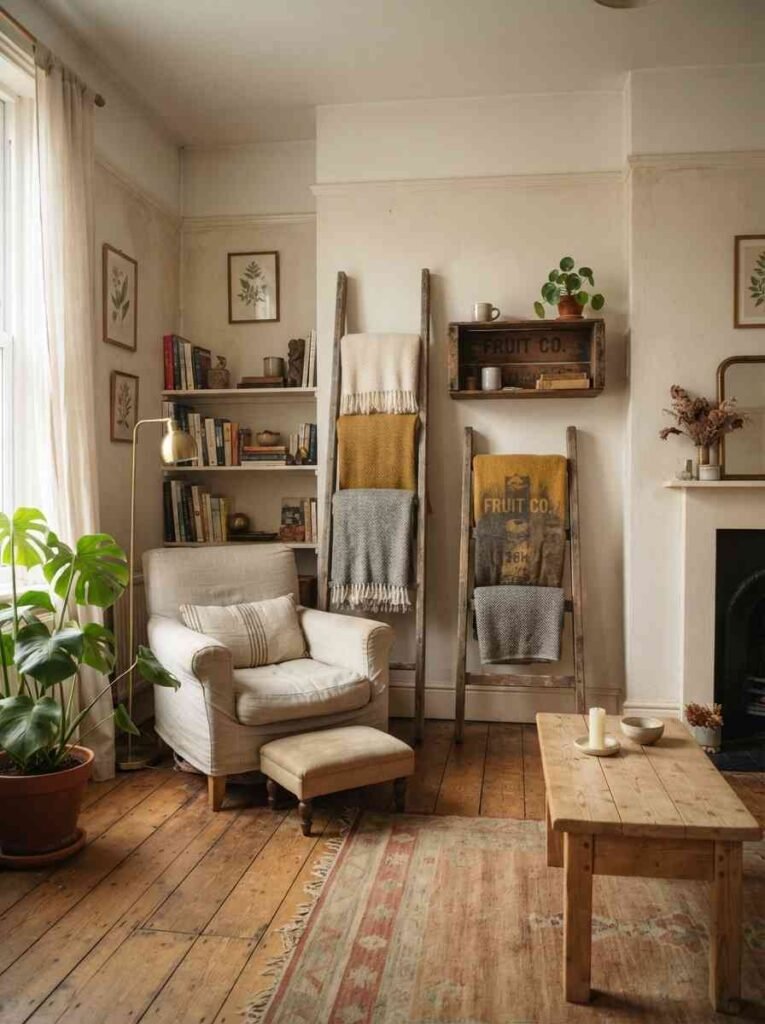
A wine crate becomes a shelf. An old ladder becomes a towel rack or a blanket display.
This is where Pinterest boards genuinely earn their reputation, since half of the best small-space storage ideas started as somebody’s upcycling project rather than a retail product.
For more upcycling and thrifting angles, Apartment Therapy’s budget decorating archive has years of reader-submitted tricks worth scrolling through.
20. Keep your color palette tight
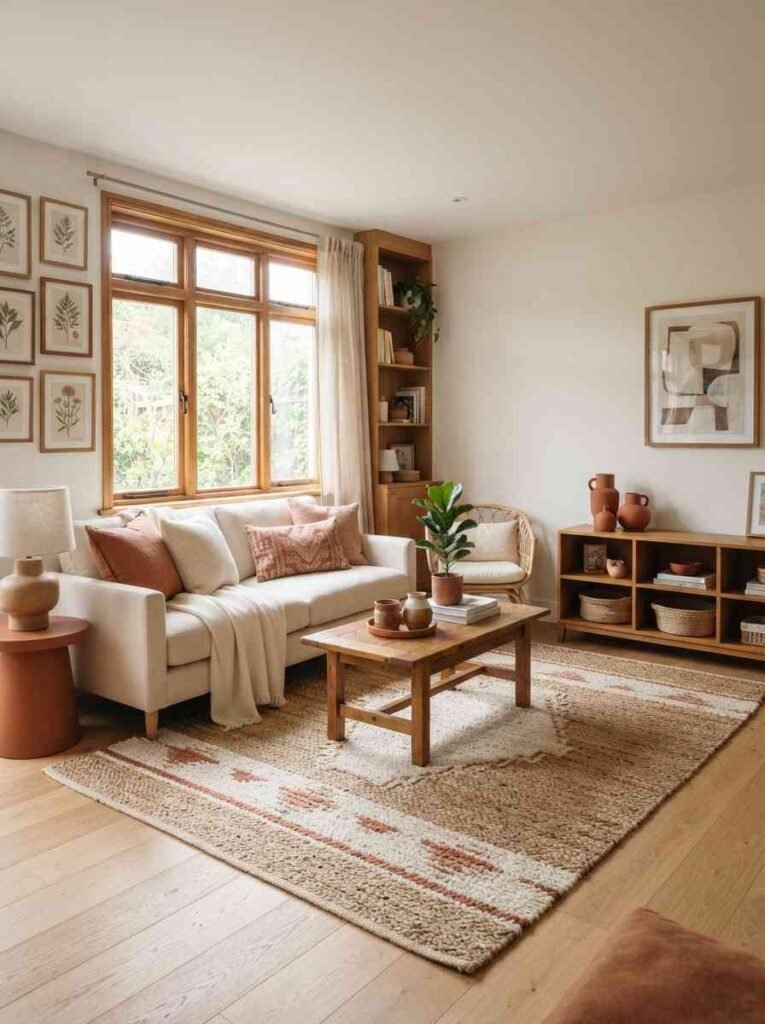
Three or four colors, max, repeated across pillows, art, and accessories. A small space with 10 competing colors reads as clutter even when it’s technically clean.
A tight palette reads as styled, even on a tiny budget.
21. Use tension rods in unexpected places
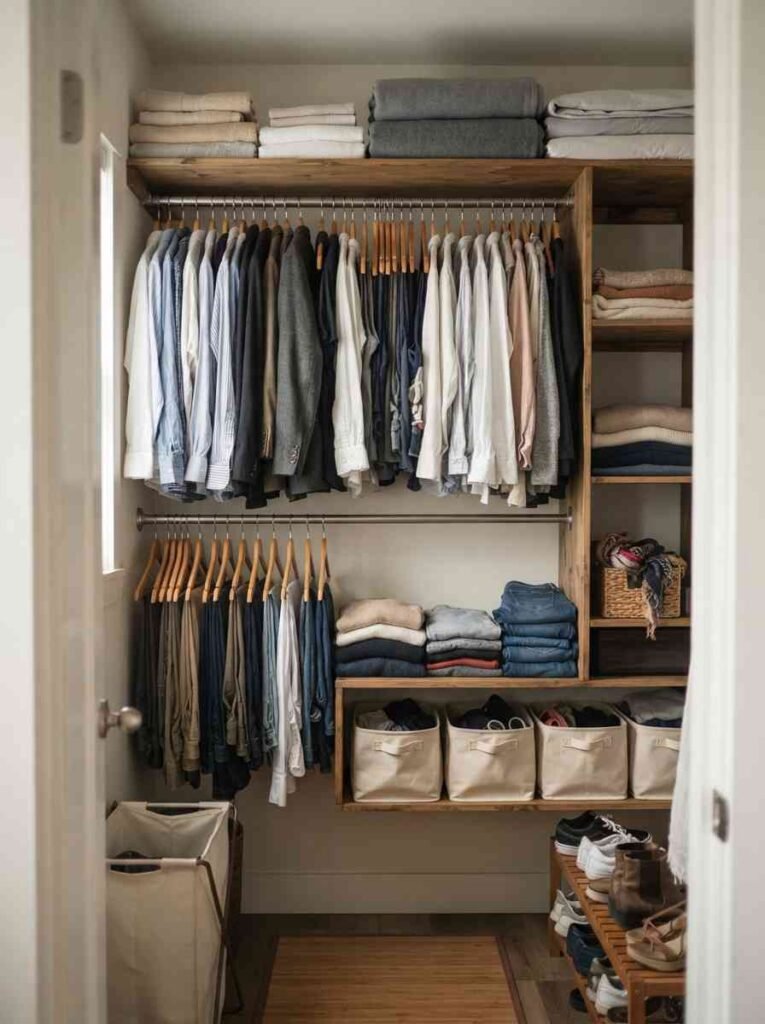
Under the sink for spray bottles, inside a closet for a second hanging tier, even across a window for a no-drill curtain setup.
Tension rods cost a few dollars and solve storage problems that would otherwise need a drill you don’t own.
22. Let go of matching sets
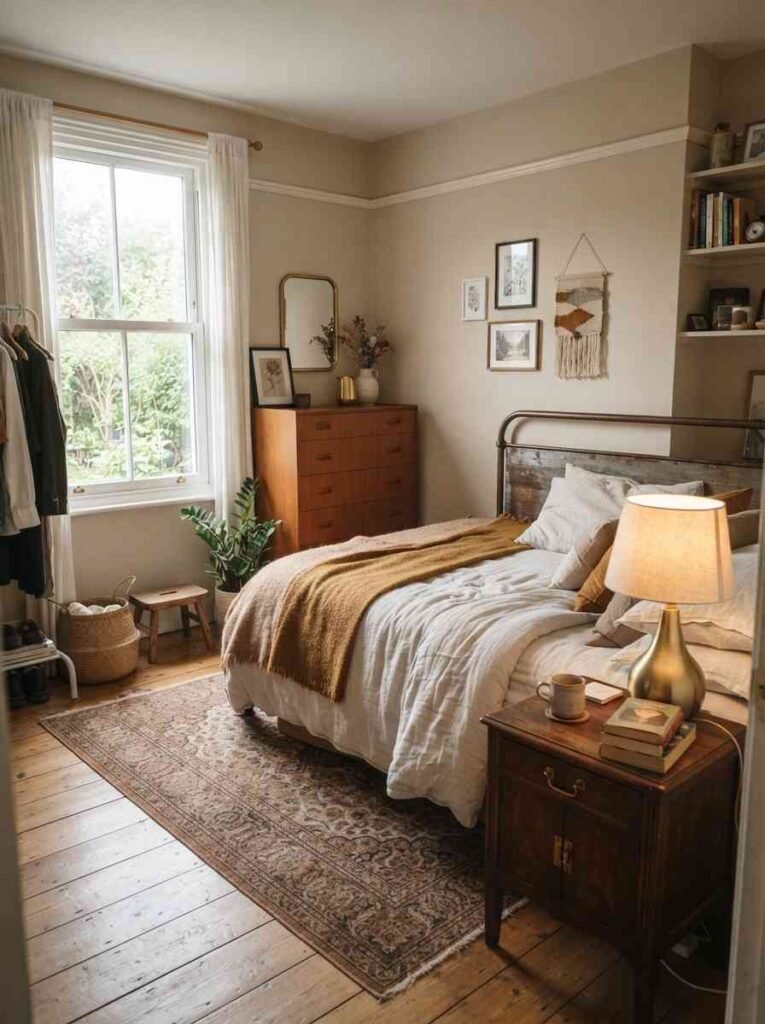
A dresser from one place, a nightstand from another, a lamp from a garage sale: mismatched pieces that share a color story look more collected than a matching bedroom set from a catalog.
Matching everything is actually a shortcut that ages badly. Curated mismatch ages well.
23. Photograph your space before you start
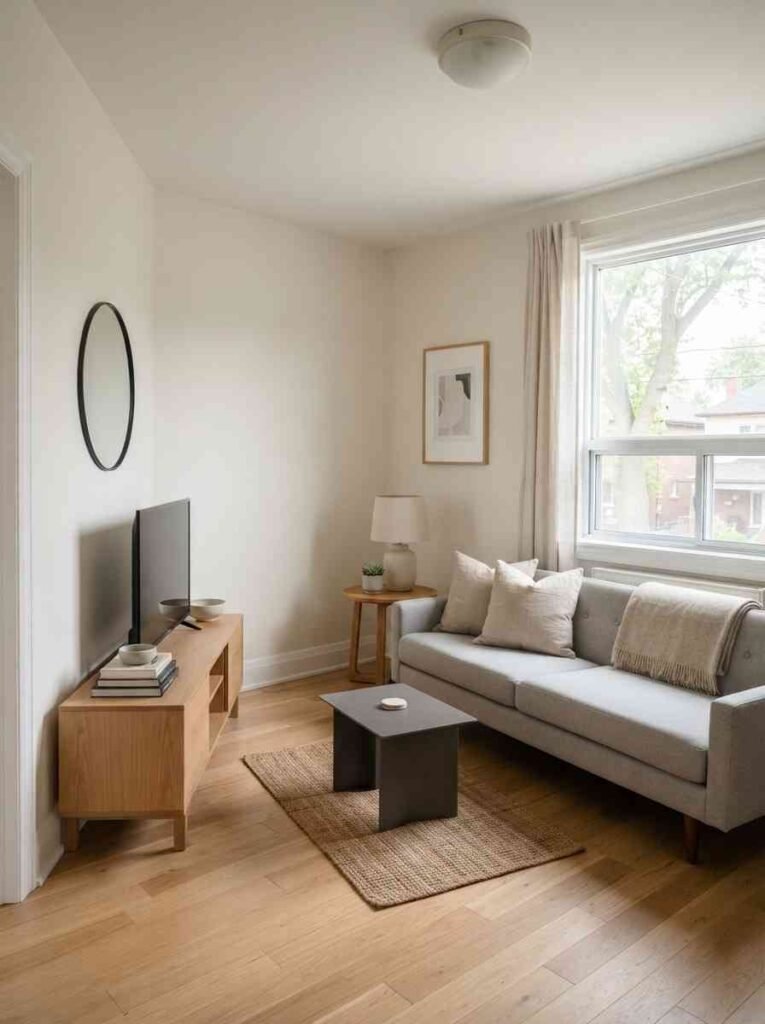
Take a picture of each room before you touch anything.
It’s the easiest way to spot problem areas your eyes have gotten used to, like a cord tangle or a corner that’s collected mail for six months.
A photo removes the emotional attachment and shows you the room the way a guest would see it.
For general small-space layout inspiration, The Spruce’s small living room ideas is worth a scroll if you want more layout options beyond what’s here.
A quick gut check before you buy anything
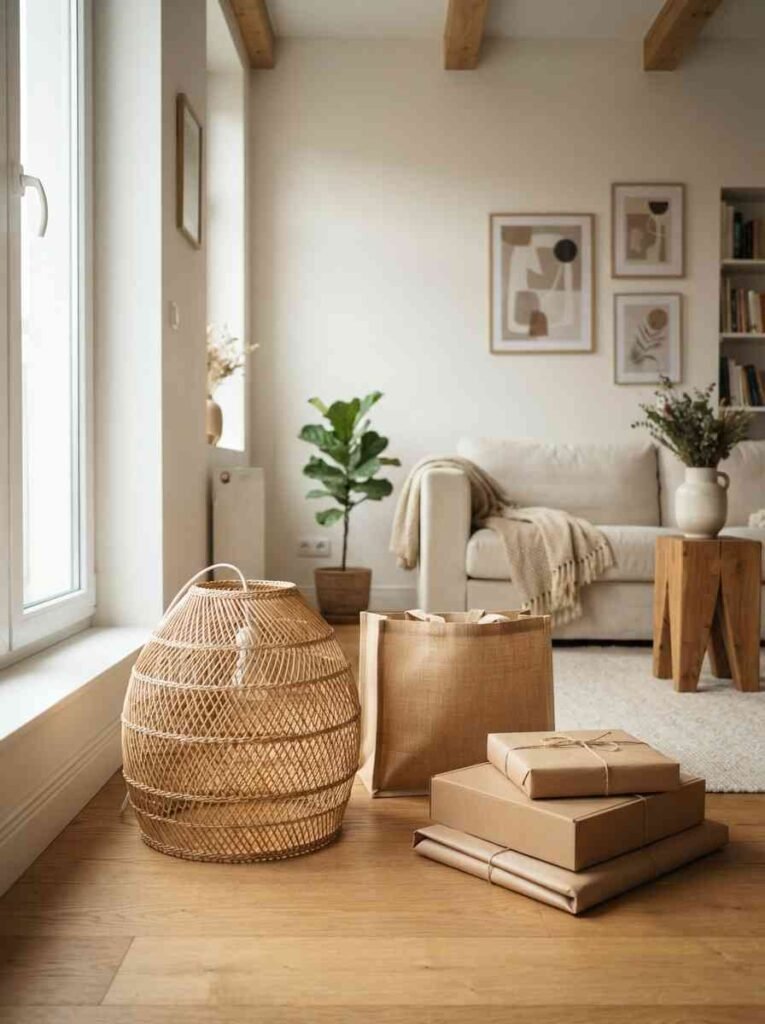
Ask yourself if the item solves a real problem in your apartment or if it just looked good on someone else’s feed.
That’s the difference between a room that works for you and a room that’s just a copy of a stranger’s.
I’ve bought things purely because they were trending, used them twice, then sold them for a loss. Learn from my bank account, not your own.
FAQs
How much should I budget for decorating a small apartment? There’s no fixed number, but a good starting range for a full refresh is $150 to $400 if you’re thrifting furniture and buying a few key items new, like a rug or lighting. Spread it out over a few paychecks instead of doing it all at once.
What’s the single best budget upgrade for a small apartment? Lighting, hands down. Swapping harsh overhead bulbs for warm lamps changes the entire mood of a room for under $30, and it’s the fastest way to make a space feel finished.
Can I decorate a rental without losing my deposit? Yes. Command strips, peel-and-stick wallpaper, tension rods, and removable contact paper all handle the heavy lifting without a single hole in the wall or a landlord finding out.
Final thought
Small doesn’t mean unfinished, and budget doesn’t mean boring.
The best apartments I’ve ever walked into weren’t the expensive ones, they were the ones where someone actually thought about how they wanted to feel coming home.
Pick 3 ideas from this list, not all 23, and start there this weekend. Which one are you trying first?
