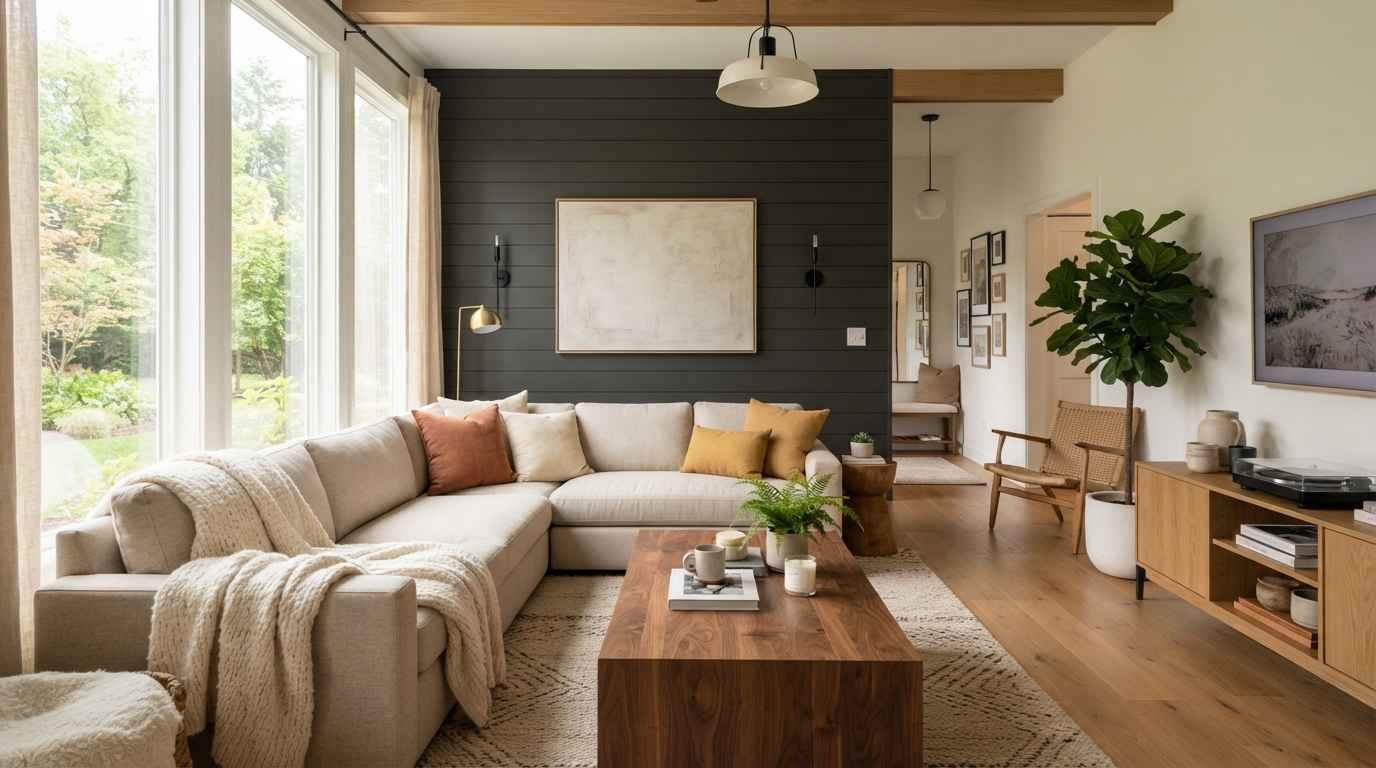
I redid my living room wall three times last year. Not because I’m indecisive (okay, a little), but because the first two attempts looked like a hotel lobby that gave up halfway through.
The third one finally felt like my space. That’s the thing about walls: they’re the biggest canvas in your home, and most people leave them boring out of fear.
This list fixes that. I pulled these 30 ideas from real rooms, real Pinterest rabbit holes, and a few of my own trial-and-error moments.
Some cost nothing. Others need a weekend and a trip to the hardware store. All of them beat a bare beige wall.
A quick note before you scroll: not every idea here fits every room.
A tiny apartment living room needs different tricks than a big farmhouse space with 12-foot ceilings.
I’ve flagged which ideas suit small spaces, which suit renters, and which need real commitment, so skim for the ones that match your actual situation instead of trying to force all 30 into one wall.
Gallery walls that don’t look like a dentist’s waiting room
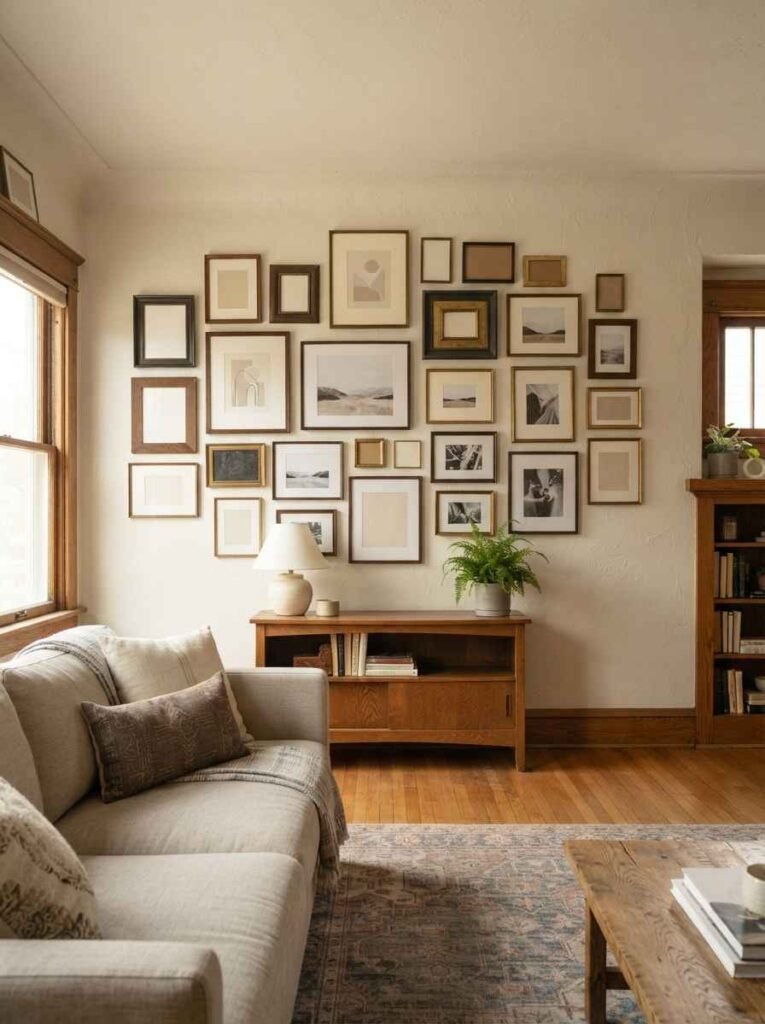
Gallery walls get a bad reputation because most people space the frames too evenly. A real gallery wall has rhythm. It breathes.
- Mismatched frame gallery – grab frames from thrift stores in different woods and metals. The imperfection is the point.
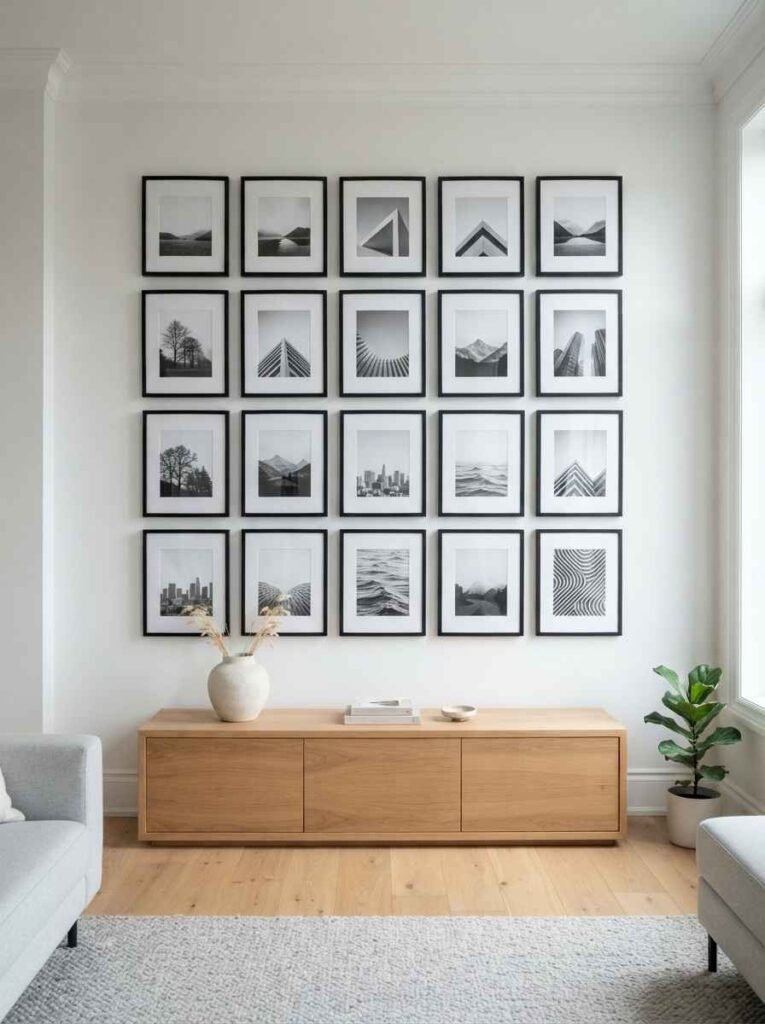
- Single-color photo wall – print your favorite shots in black and white only. It ties a chaotic mix of images together instantly.
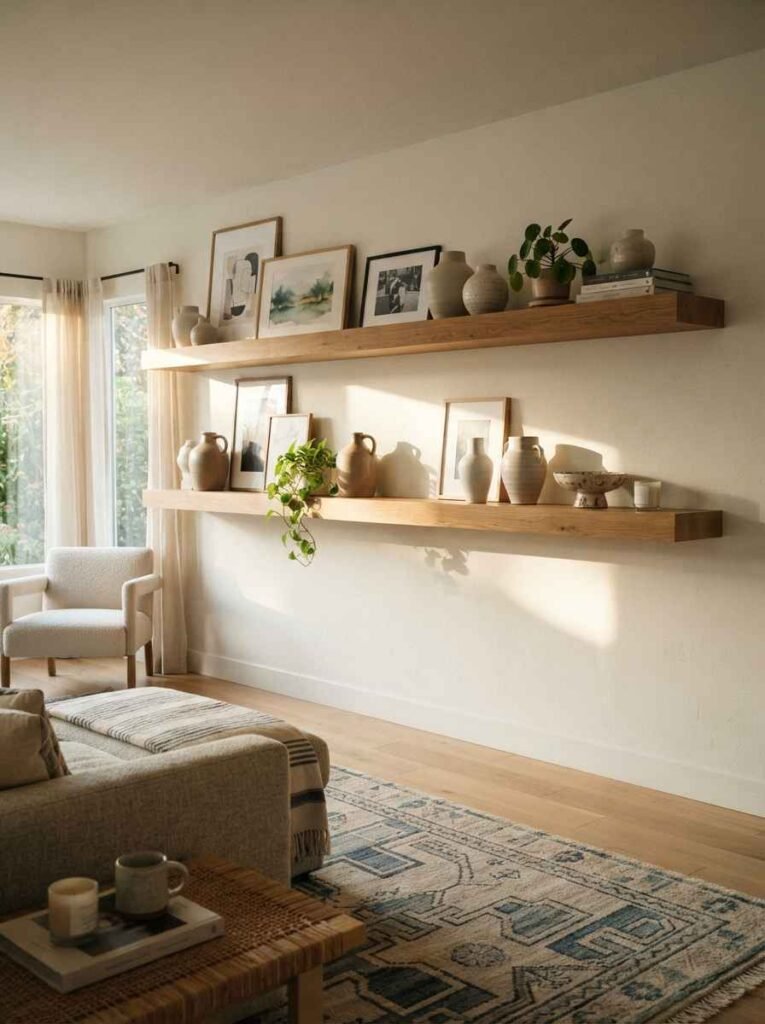
- Floating shelf gallery – lean art on shelves instead of hanging it. You can swap pieces in under a minute, which is great if you’re the type who redecorates every season (guilty).
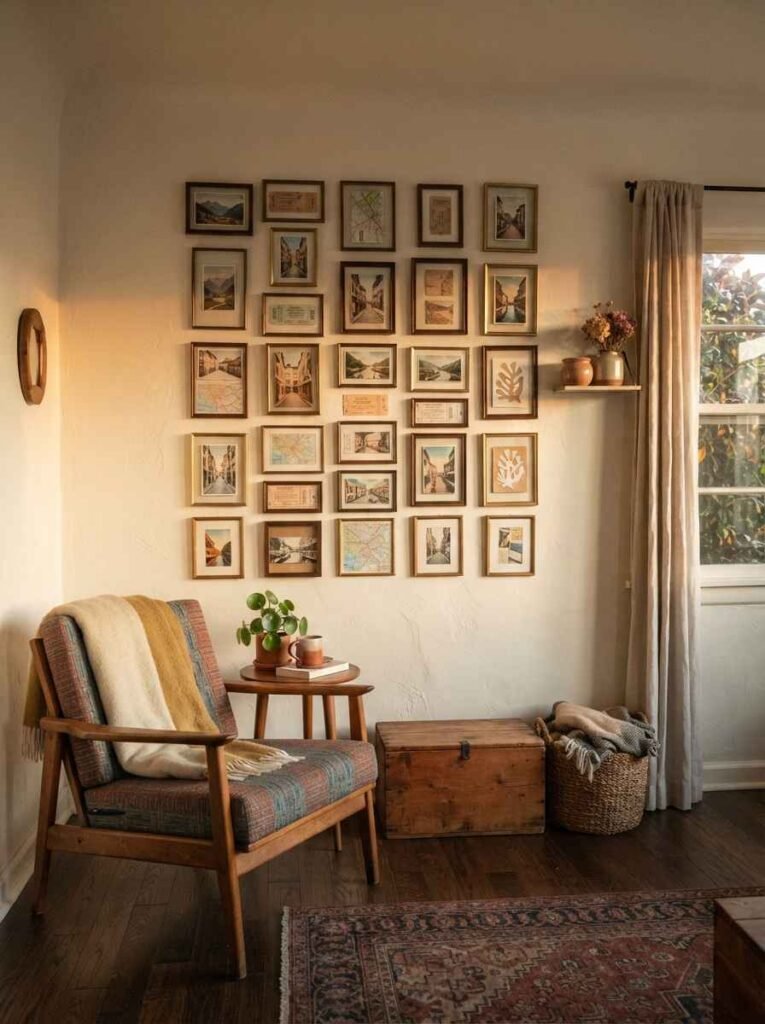
- Postcard and ticket stub wall – frame travel memorabilia in a grid. It’s cheap, personal, and nobody else on Pinterest has your exact collection.
I did the floating shelf version first. IMO it’s the easiest entry point if you’ve never styled a wall before, since there’s zero commitment to nail placement.
Bold paint that actually commits
White walls are safe. Safe is fine until it isn’t. If you want a living room that photographs well and feels like a real design choice, color-drenching is where it’s at.
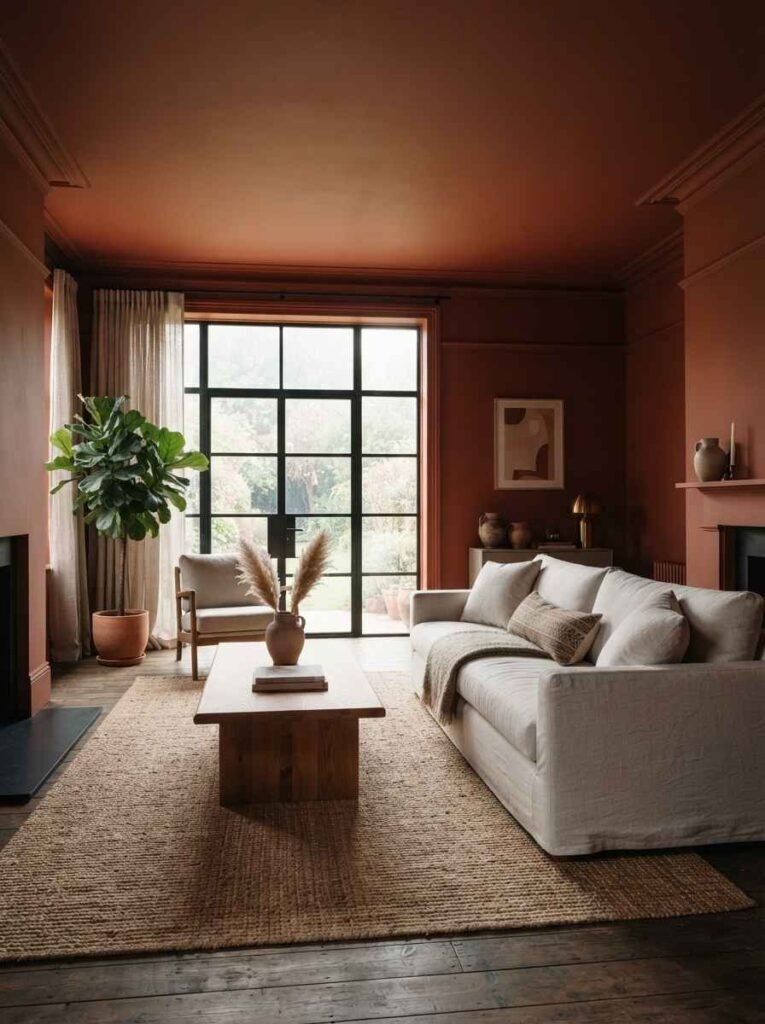
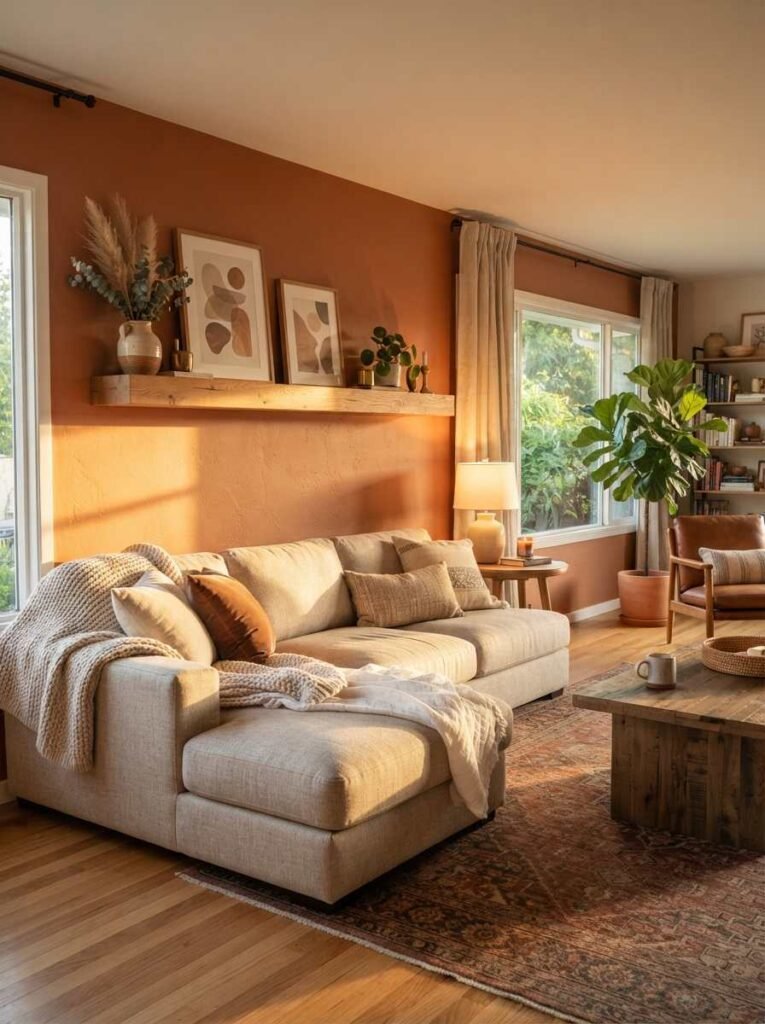
- Color-drenched room – paint the walls, trim, and ceiling the same deep shade.
- Interior designers have pushed this trend hard, and outlets like Architectural Digest have covered it extensively because it genuinely changes how a room feels.
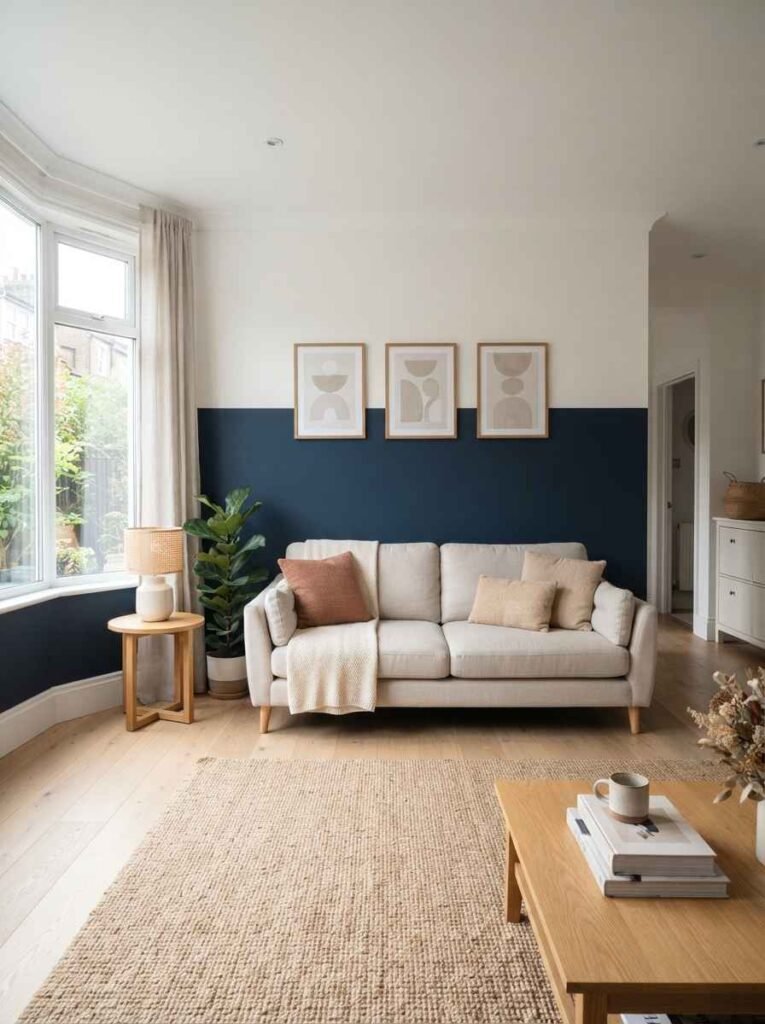
- Half-wall color block – paint the bottom half a deep tone and leave the top white. This works especially well in rentals since it reads intentional, not accidental.
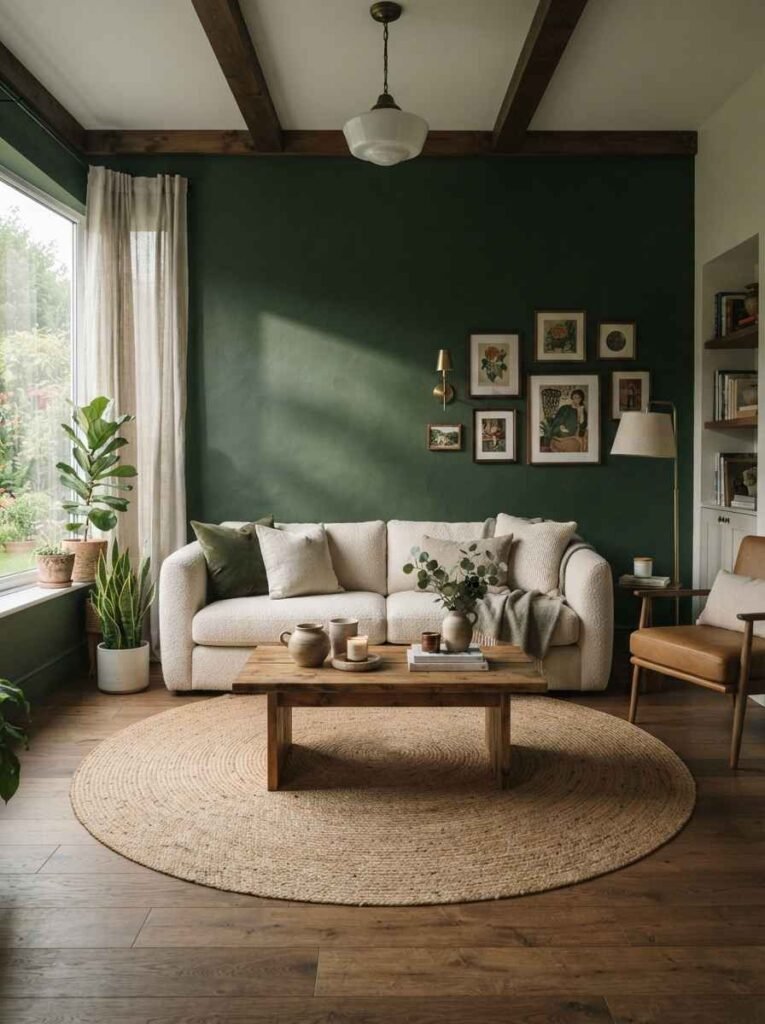
- Accent wall behind the sofa – the classic move, but pick a shade with some depth (forest green, terracotta, ink navy) instead of the usual gray everyone’s tired of.
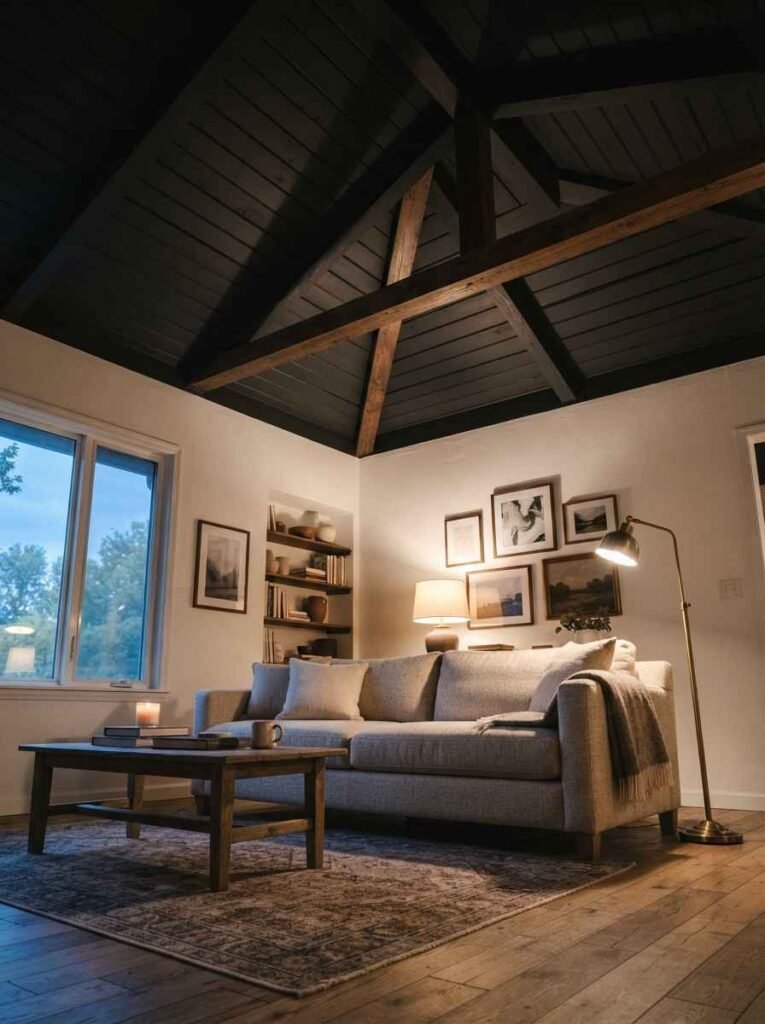
- Ceiling color as the statement – paint the ceiling instead of a wall. It’s unexpected and makes low ceilings feel cozier rather than cramped.
Here’s an honest opinion: I tried the half-wall color block in a rental two years ago, and my landlord actually complimented it during the move-out inspection. Didn’t see that coming.
A quick note on choosing paint
Testing swatches on your actual wall matters more than picking from a fan deck under store lighting. Brands like Sherwin-Williams offer digital visualizer tools that let you preview a shade before buying a single can, which saves you from the classic “this looked different online” regret.
Texture and wallpaper for depth
Flat walls can feel one-dimensional, literally. Texture solves that without needing a full renovation.
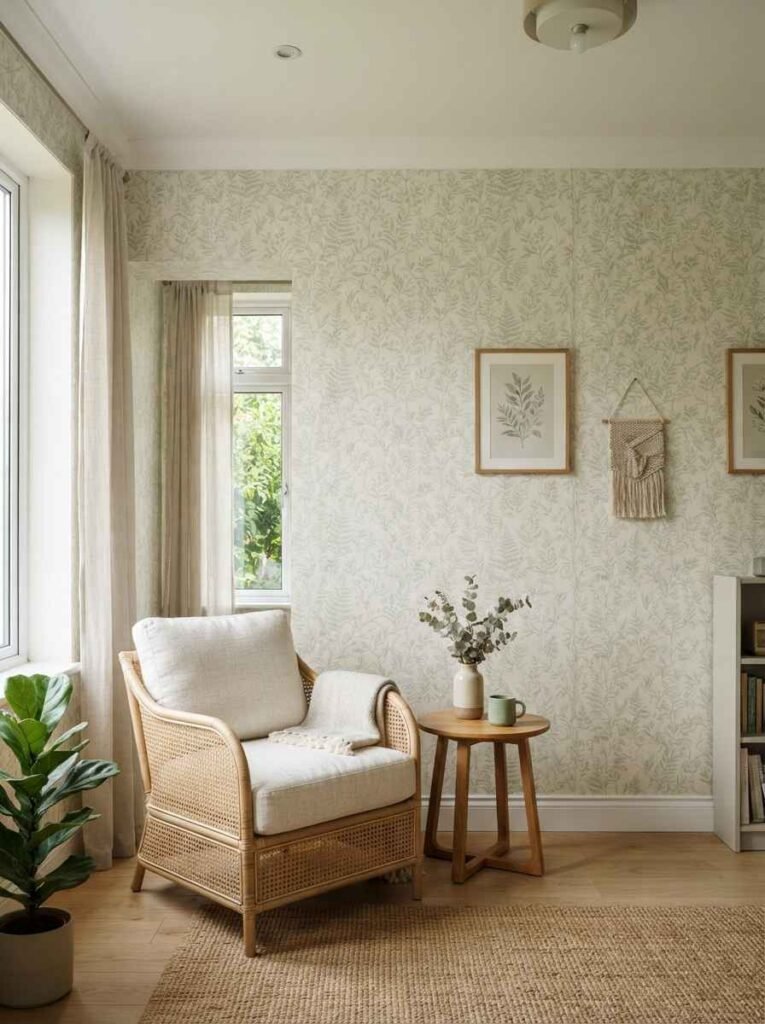
- Peel-and-stick wallpaper – removable, renter-friendly, and available in patterns from subtle grasscloth to loud botanical prints.
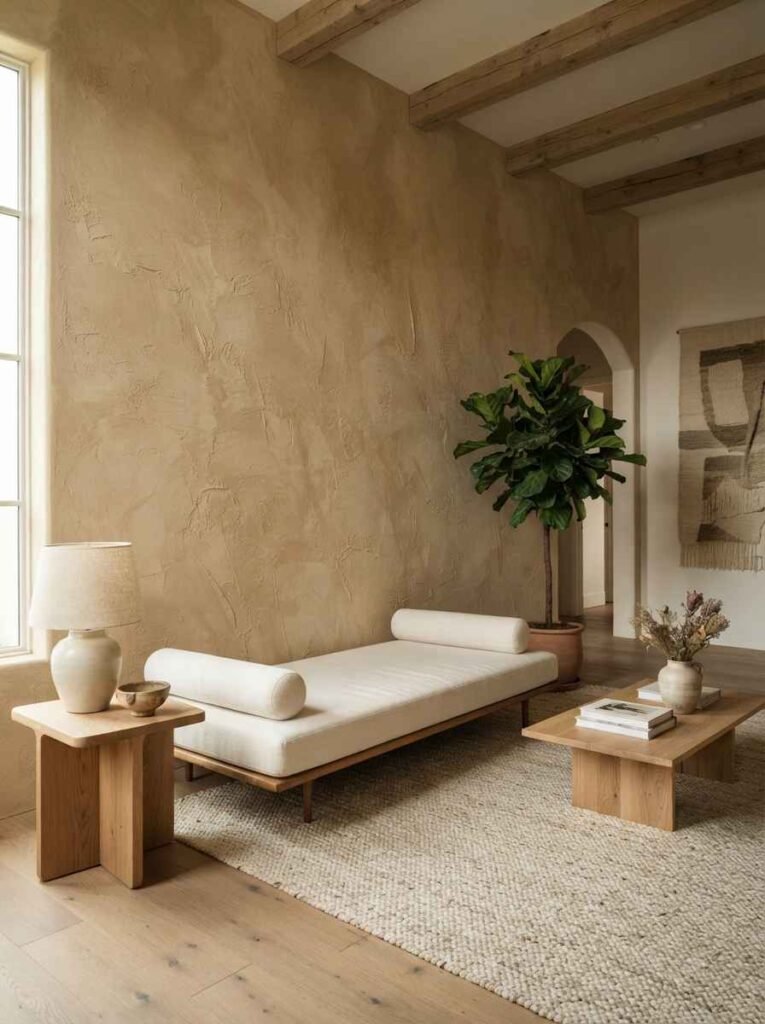
- Textured plaster finish – a rougher, hand-applied plaster look adds warmth that paint alone can’t fake.
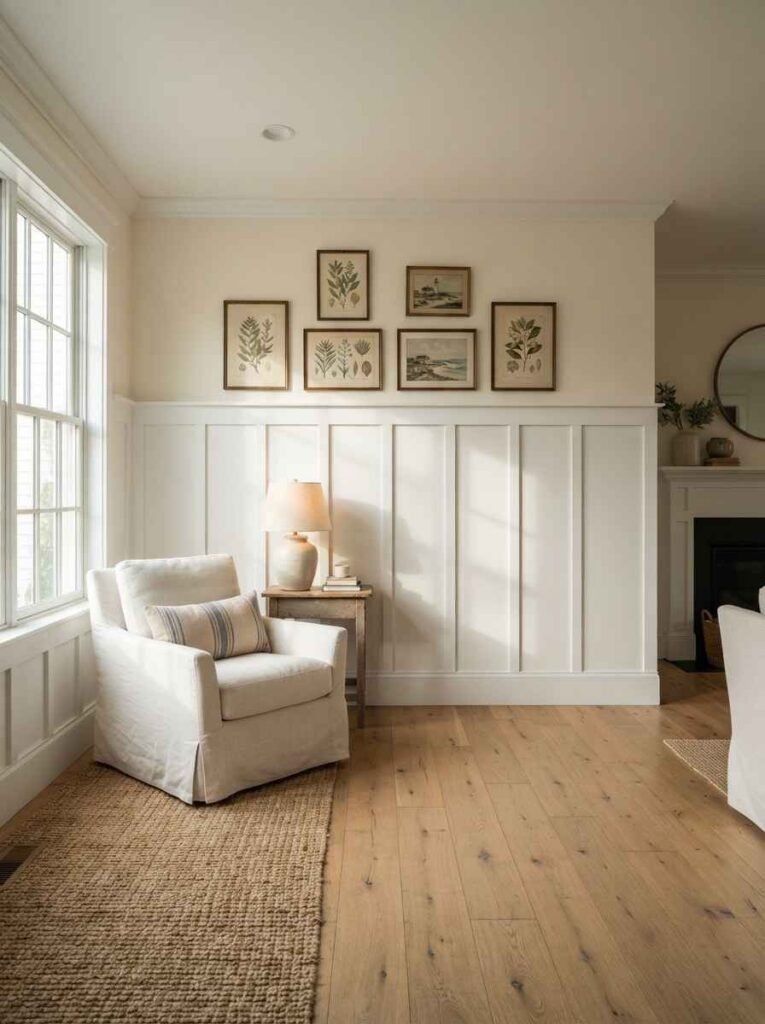
- Board and batten paneling – vertical strips of wood or MDF create a classic, almost coastal-cottage vibe.
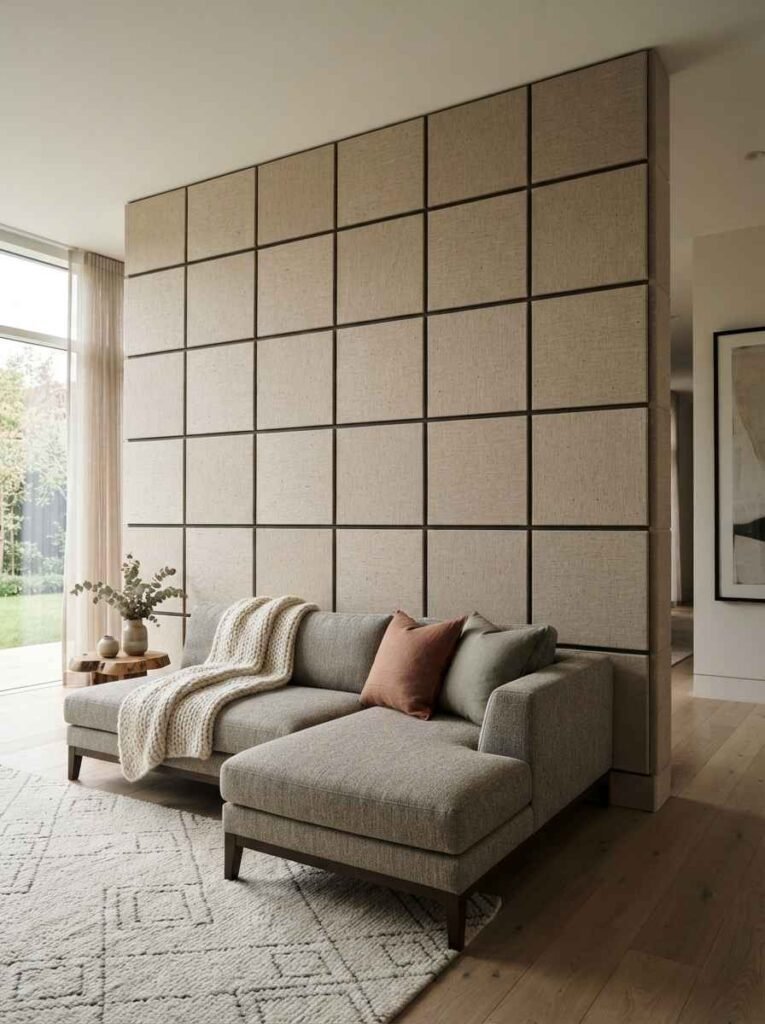
- Fabric-wrapped panels – upholstered wall panels double as sound dampening if you’ve got a home theater setup or just noisy neighbors.
Wood accents that warm things up
Wood brings a room to life in a way that paint just can’t replicate on its own.
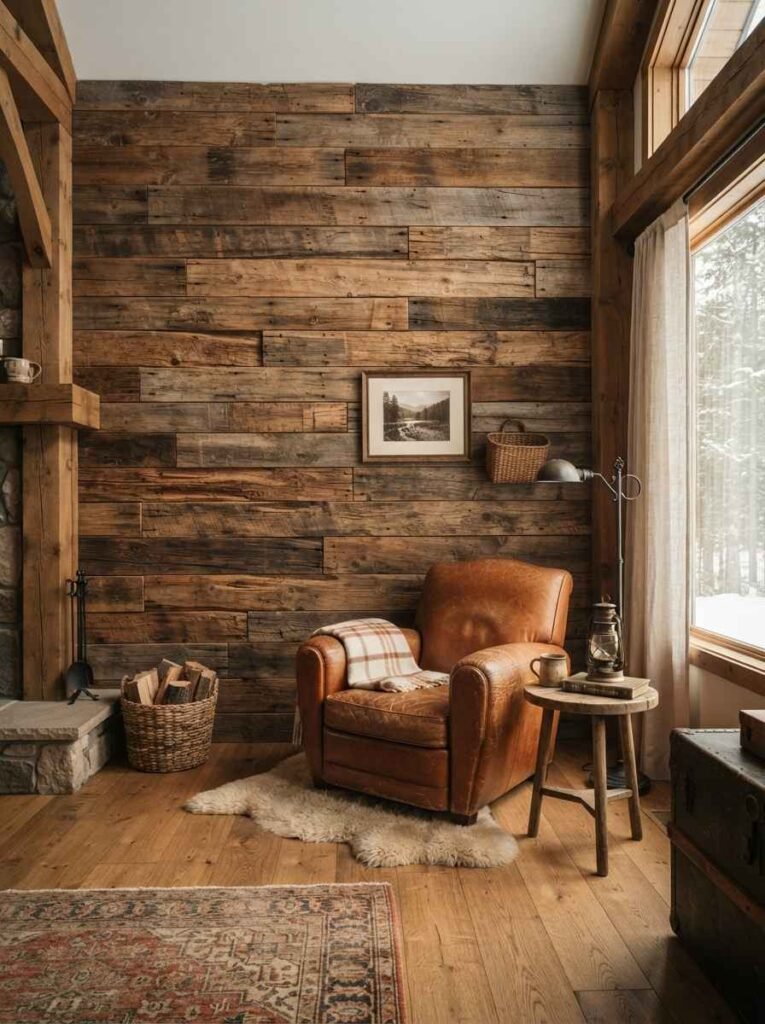
- Reclaimed wood feature wall – salvaged barn wood adds instant character and a story to tell guests.
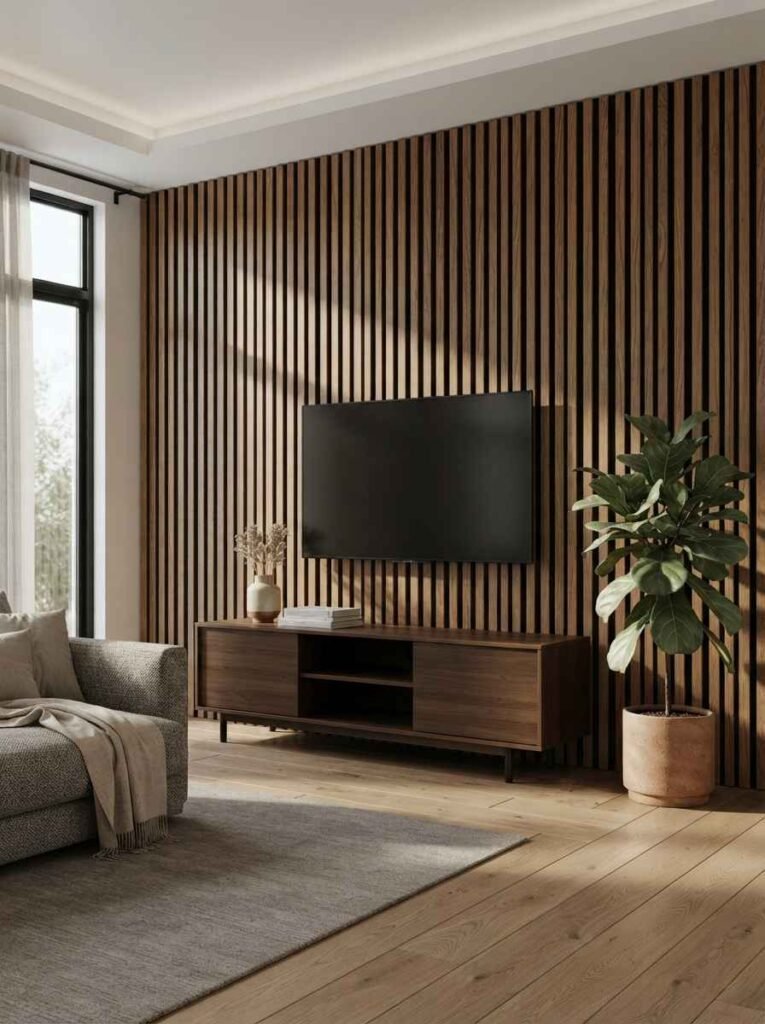
- Slat wall paneling – thin vertical slats, often with a contrasting backing color, have become one of the most requested looks in modern living rooms.
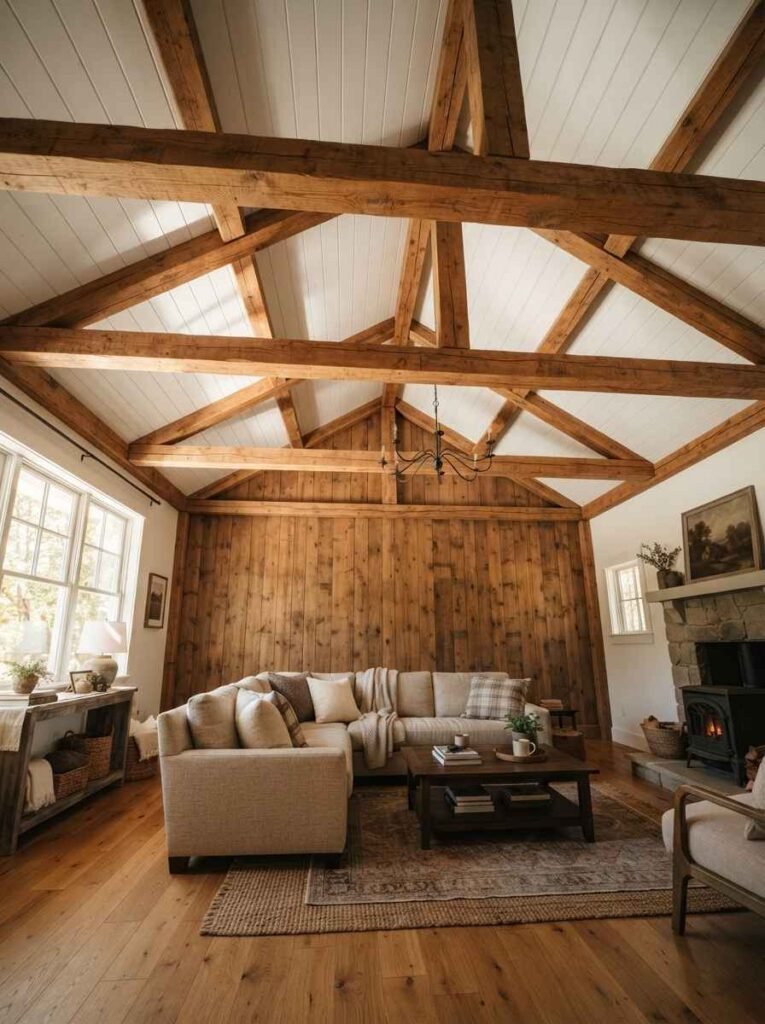
- Wood beam ceiling accents – not technically a wall, but it pairs beautifully with wood wall treatments and ties the whole room together.
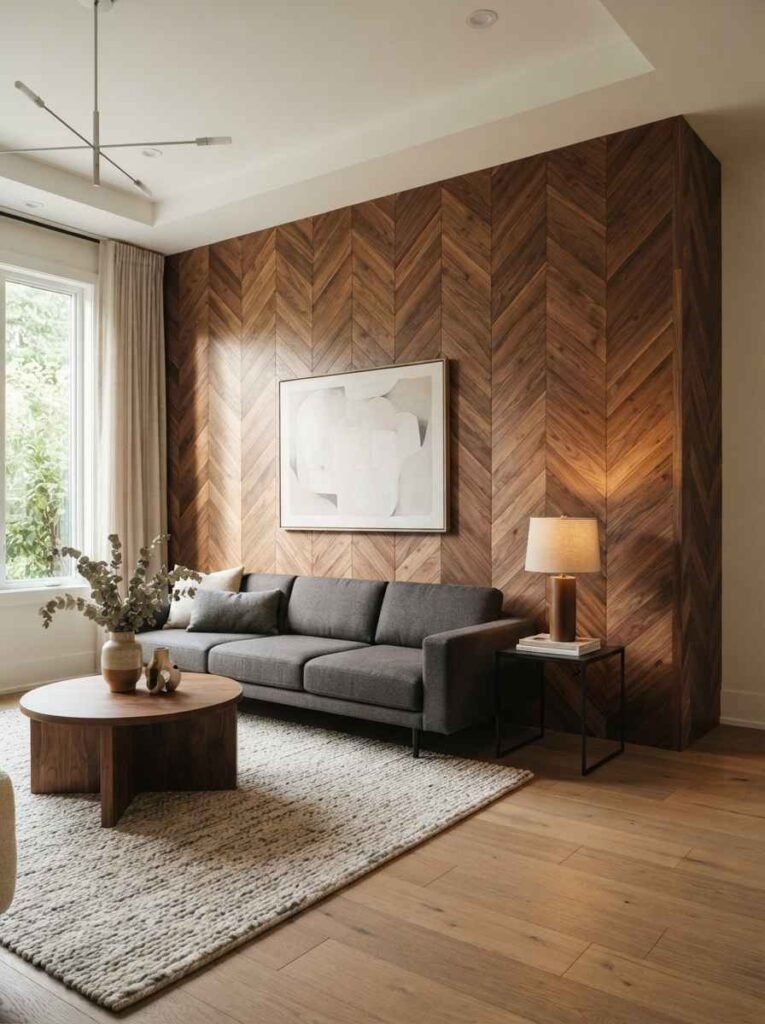
- Herringbone wood pattern – more labor-intensive, but the geometric payoff is worth it if you enjoy a challenge.
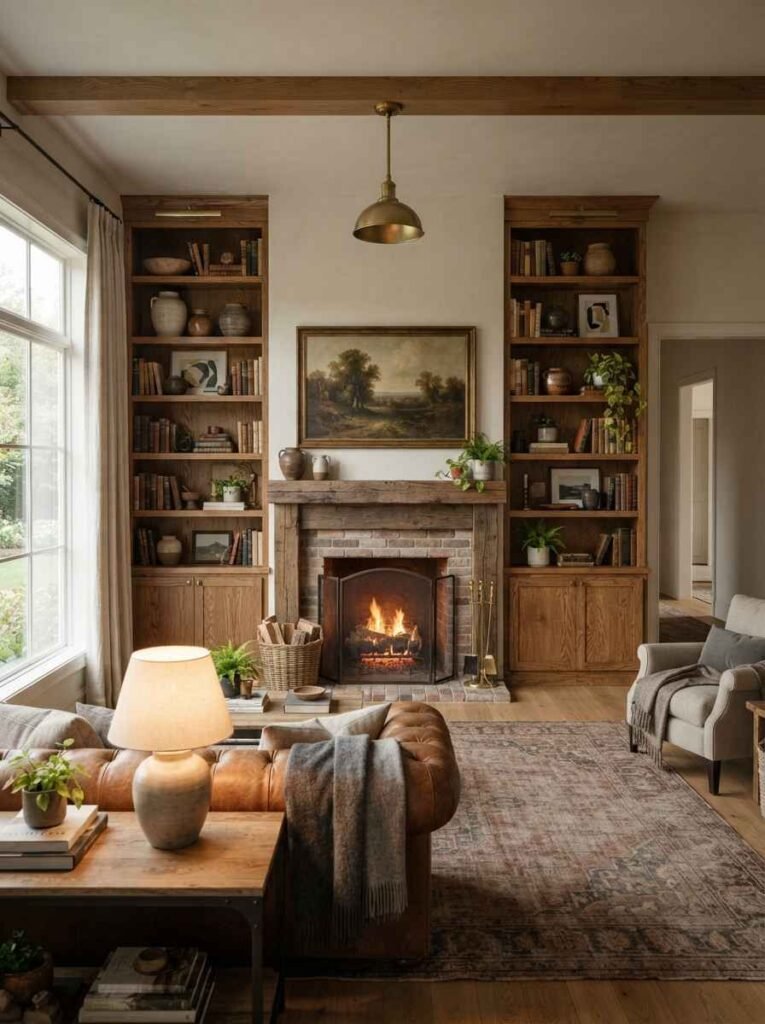
A word of caution on reclaimed wood: check for old nails and treat the boards before mounting anything indoors. I skipped this step once and ended up sanding down a splinter hazard at 11pm on a Tuesday. Not my finest moment, but the wall looked great once it was actually safe to touch.
Shelving that works as hard as it looks good
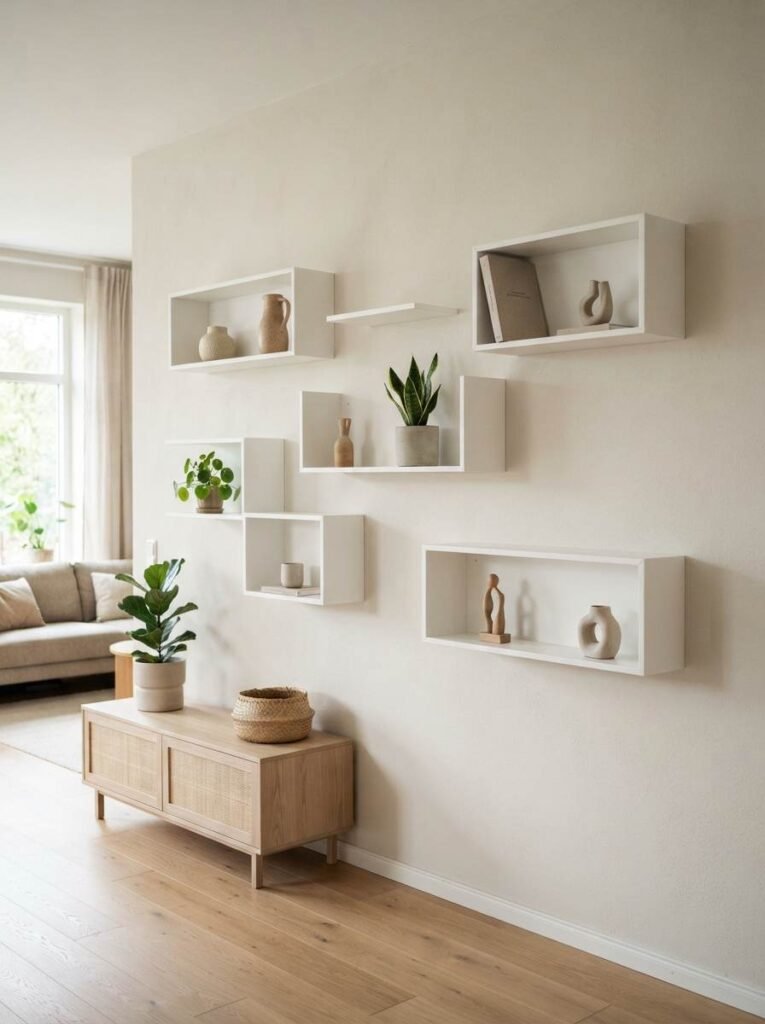
A wall doesn’t have to be purely decorative. Some of the best ones pull double duty.
- Built-in bookshelves flanking a fireplace or TV
- Floating box shelves arranged asymmetrically
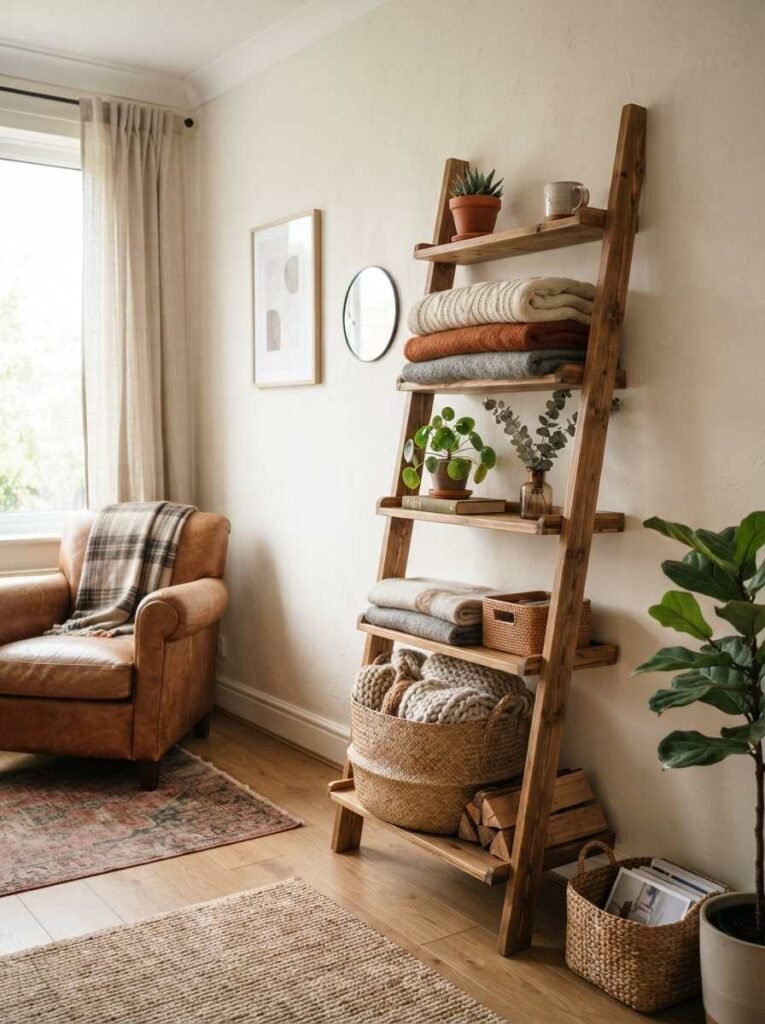
- Ladder shelving units leaned against the wall for a low-commitment option
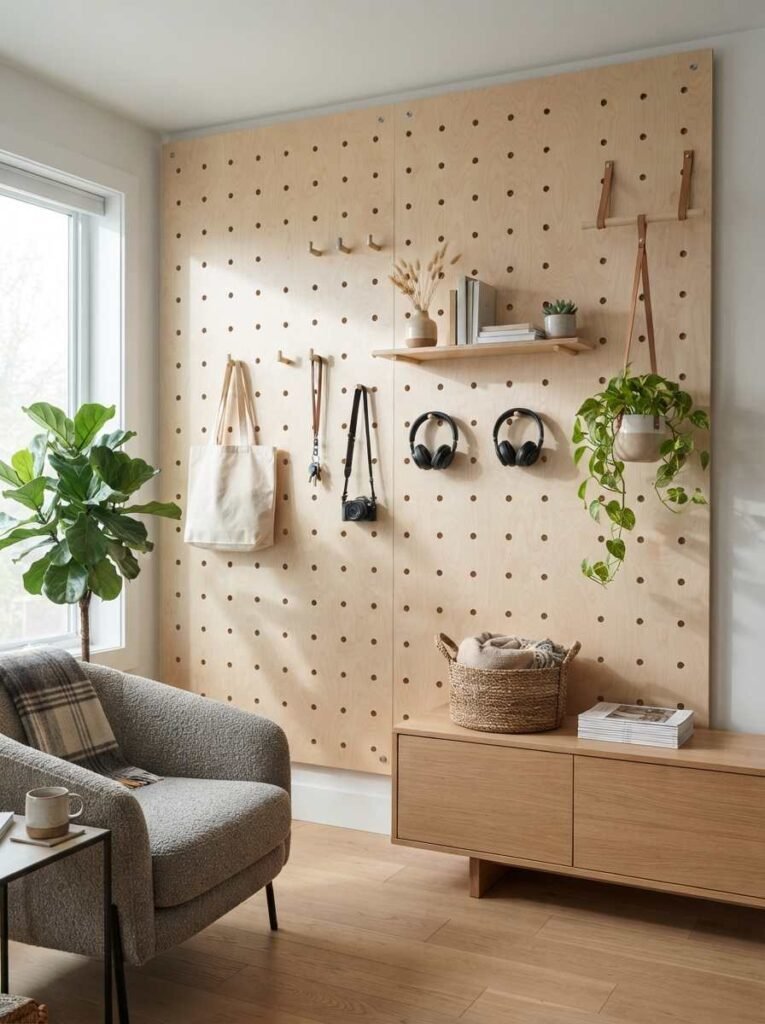
- Pegboard display walls for a more industrial, customizable setup
Here’s a small table comparing a few popular wall shelving options by cost and effort, since numbers help more than adjectives:
| Wall Idea | Rough Cost | Effort Level | Renter-Friendly? |
|---|---|---|---|
| Peel-and-stick wallpaper | $50-150 | Low | Yes |
| Floating shelves | $80-300 | Medium | Yes |
| Board and batten paneling | $200-600 | High | Sometimes |
| Built-in bookshelves | $800+ | High | No |
Mirrors and light tricks
Small living room? Dark living room? Mirrors fix both problems, and honestly, they’re underused.
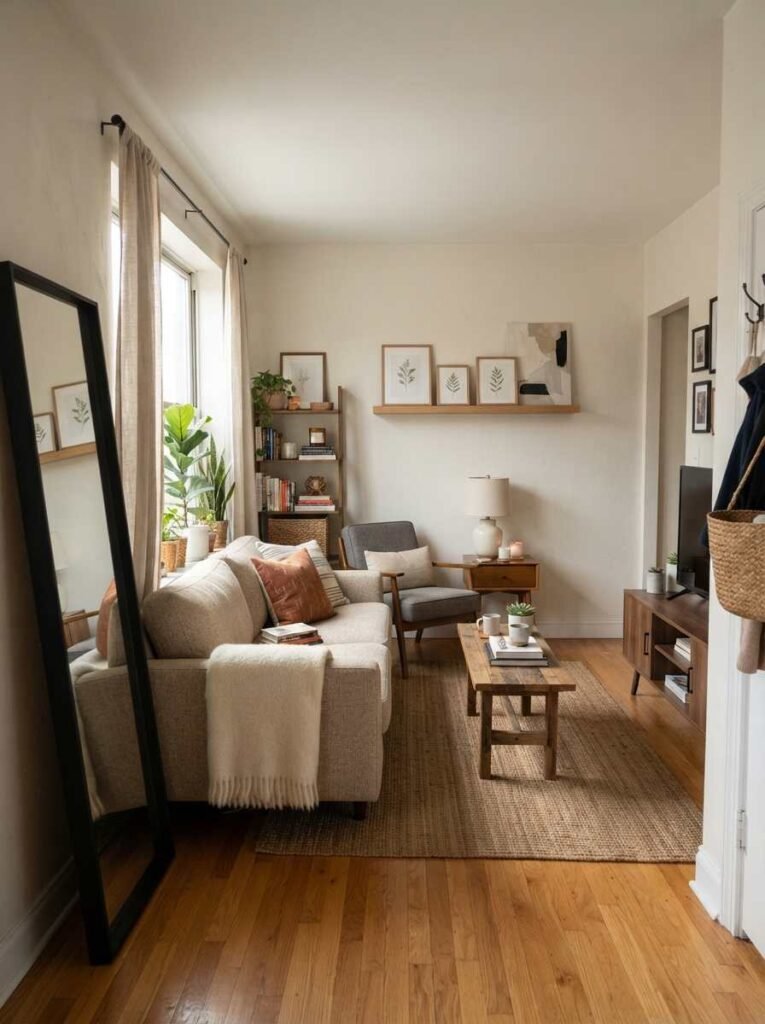
- Oversized leaning mirror – props against the wall for an effortless, editorial look.
- Mirror gallery cluster – several small mirrors in different shapes, grouped like a gallery wall.
- Mirrored accent panel – a full mirrored section behind a console table doubles the perceived square footage.
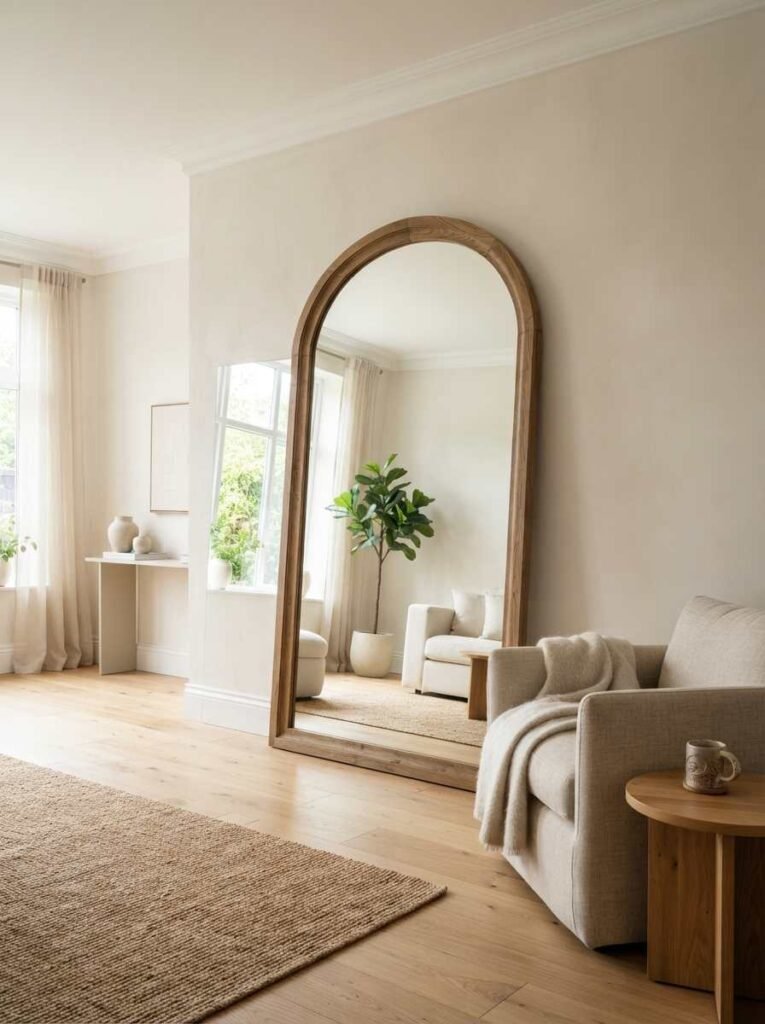
I’m a bit biased toward the leaning mirror trick because it’s the one idea on this list that requires zero tools.
You buy it, you lean it, you’re done. My only warning: measure your ceiling height twice before ordering an oversized one online, because a mirror that’s too tall for the room just looks like a mistake instead of a design choice. Ask me how I know.
Slight tangent here, but has anyone else noticed how every home tour video suddenly features a giant arched mirror?
It’s like the industry collectively decided arches were the only shape allowed in 2024. Anyway, back to walls.
Art and murals that make a statement
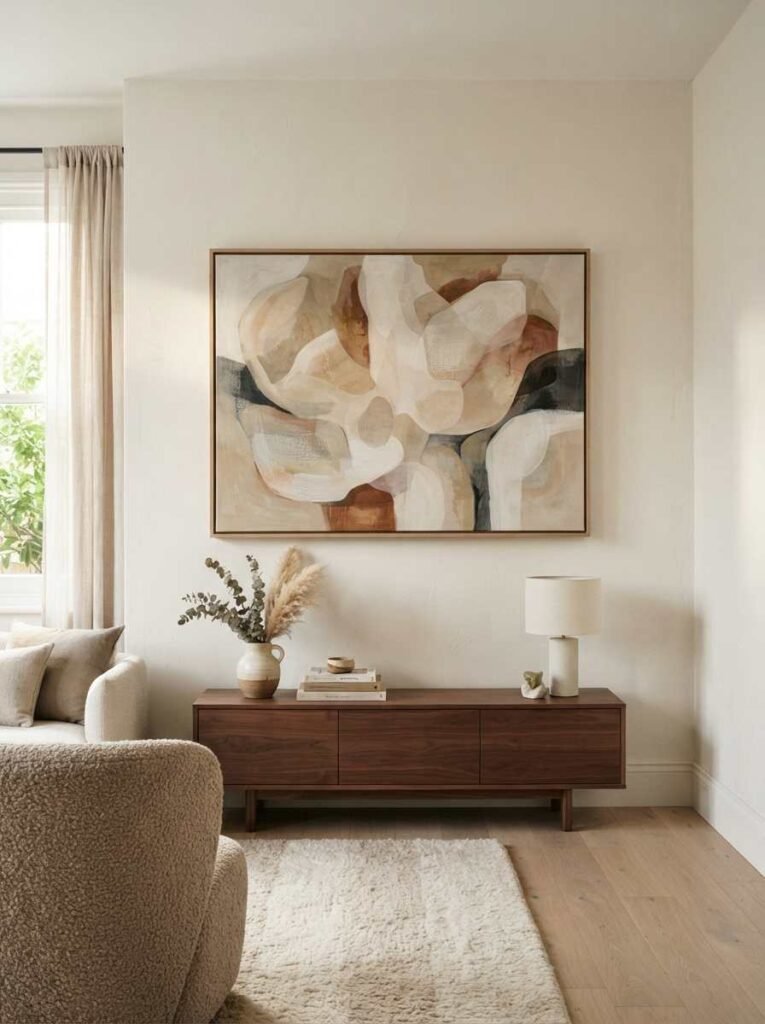
- Oversized single art piece – one large canvas instead of several small ones simplifies the whole wall.
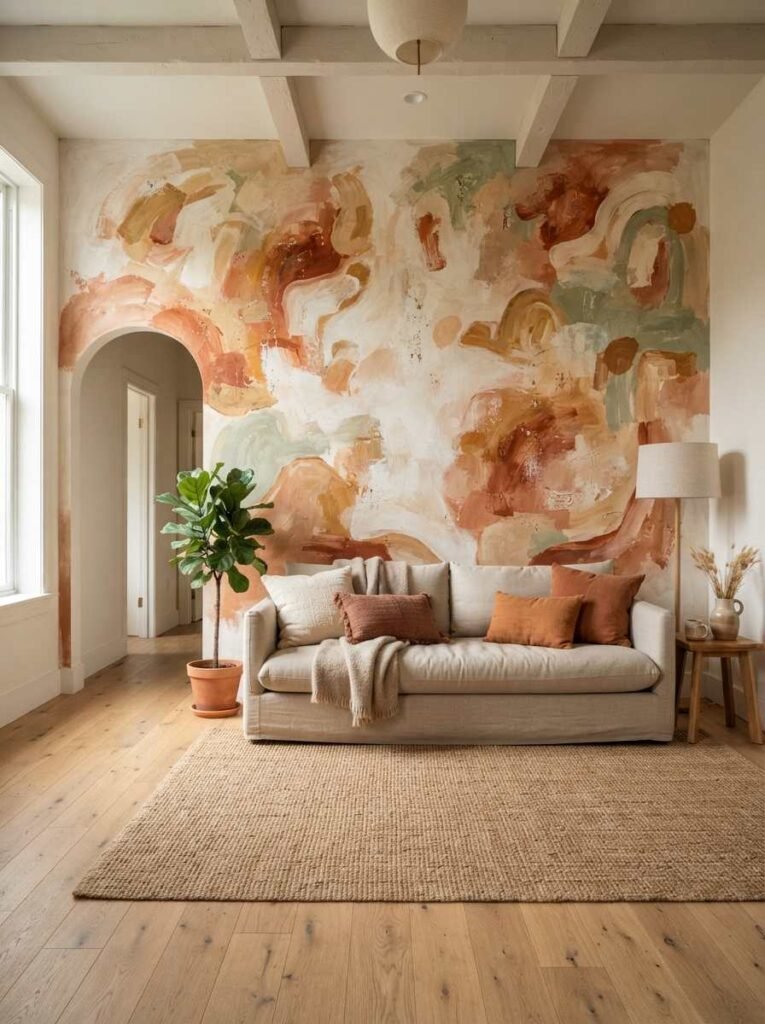
- Hand-painted mural – a mural artist or even a confident DIY attempt can turn a plain wall into the room’s focal point.
- Tapestry as wall art – textiles add softness and pattern without needing frames or hanging hardware.
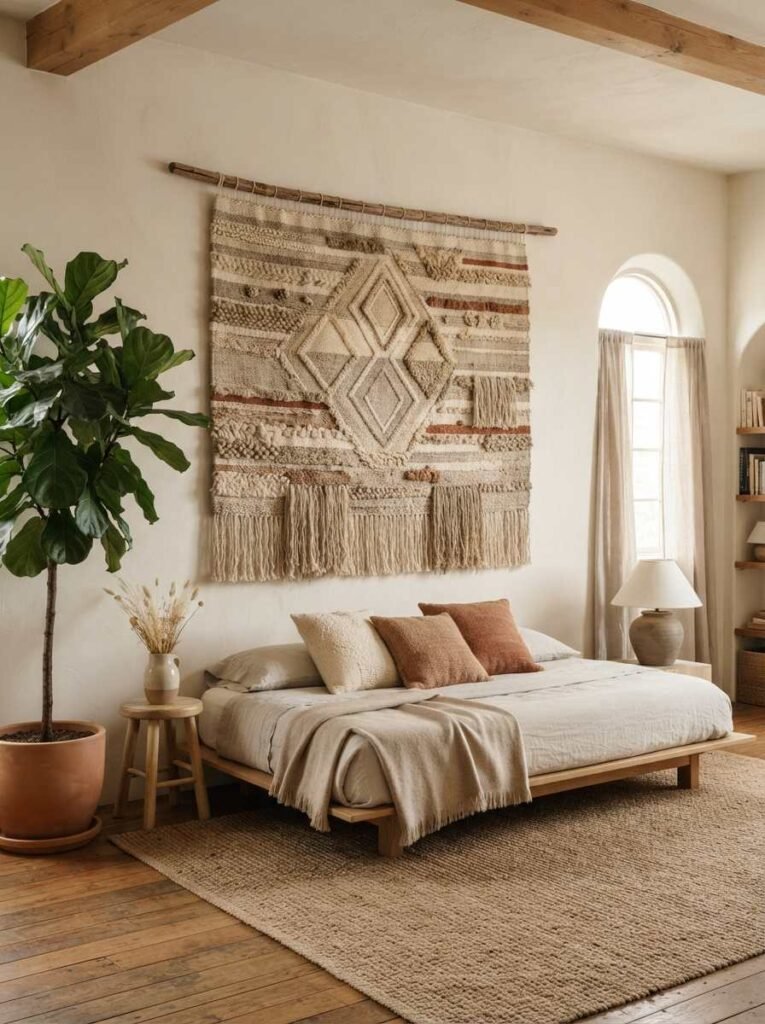
If a full mural feels intimidating, stencil kits are a solid middle ground. Companies like Cutting Edge Stencils sell reusable patterns that mimic wallpaper for a fraction of the price, and you don’t need any real artistic skill to pull it off. I’m not exaggerating when I say a stencil pattern took my plain hallway from forgettable to the thing every guest asks about first.
Budget-friendly and renter-safe options
Not everyone owns their walls, and that’s fine. These ideas won’t get your deposit withheld.
- Command strip art walls – hang everything without a single nail hole.
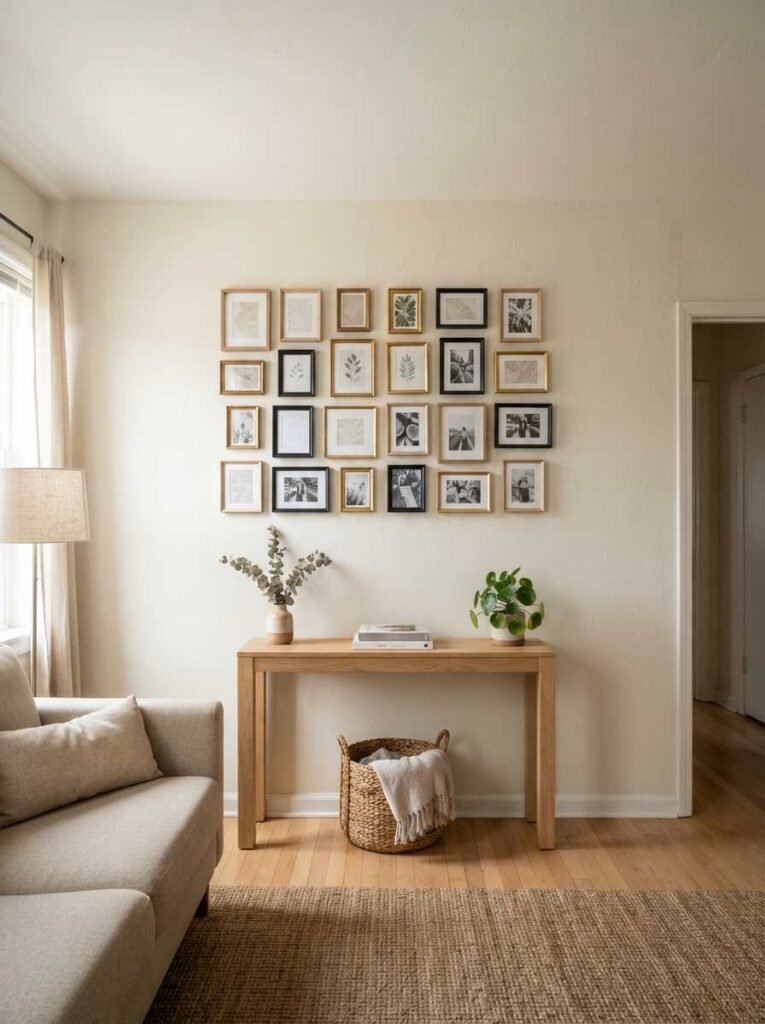
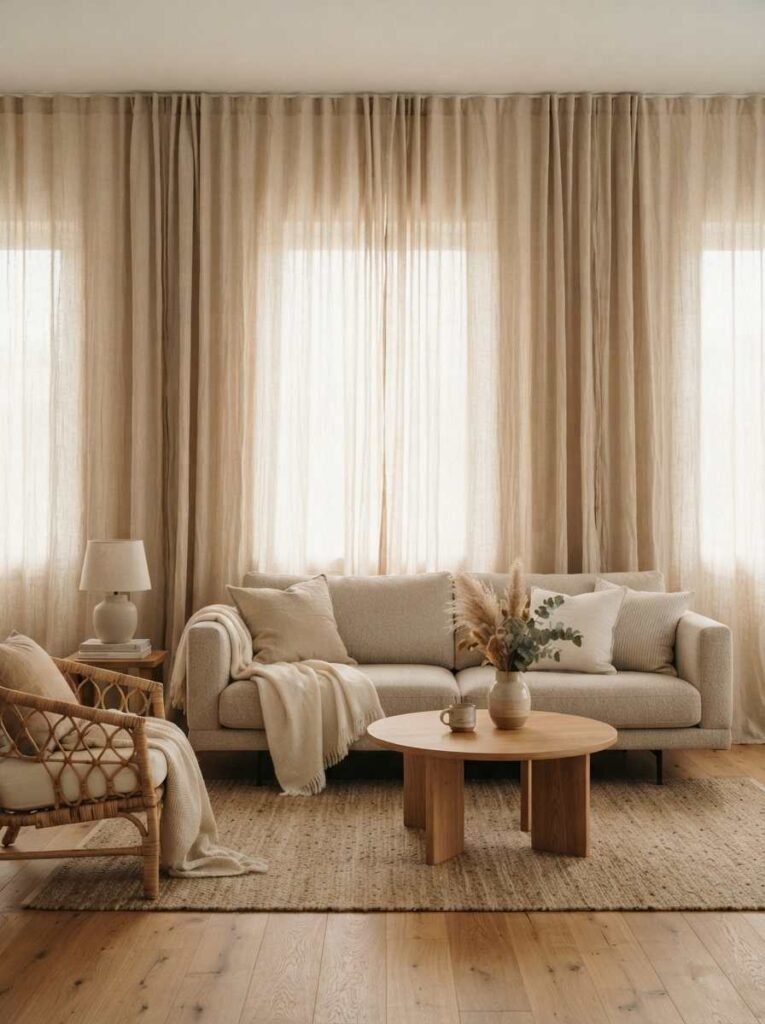
- Fabric or curtain backdrops – drape fabric behind the sofa for a soft, editorial backdrop.
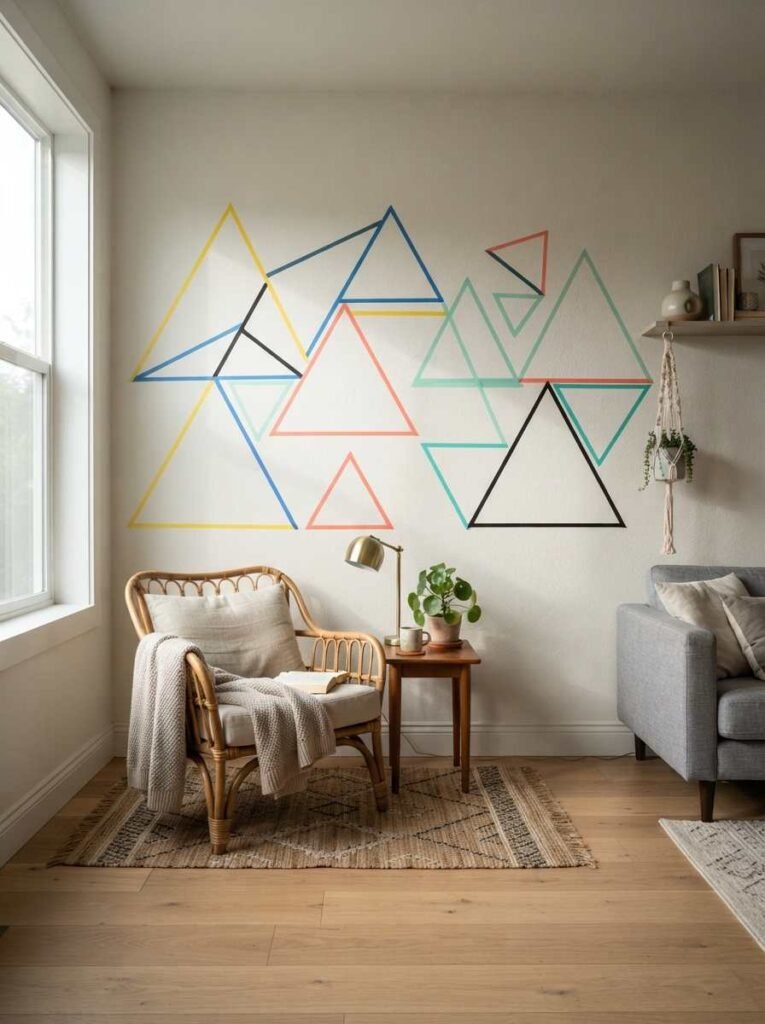
- Washi tape geometric patterns – genuinely one of the easiest, cheapest wall updates that still looks designed.
- String lights with photo clips – low-key, cozy, and perfect for renters who want personality without permanence.
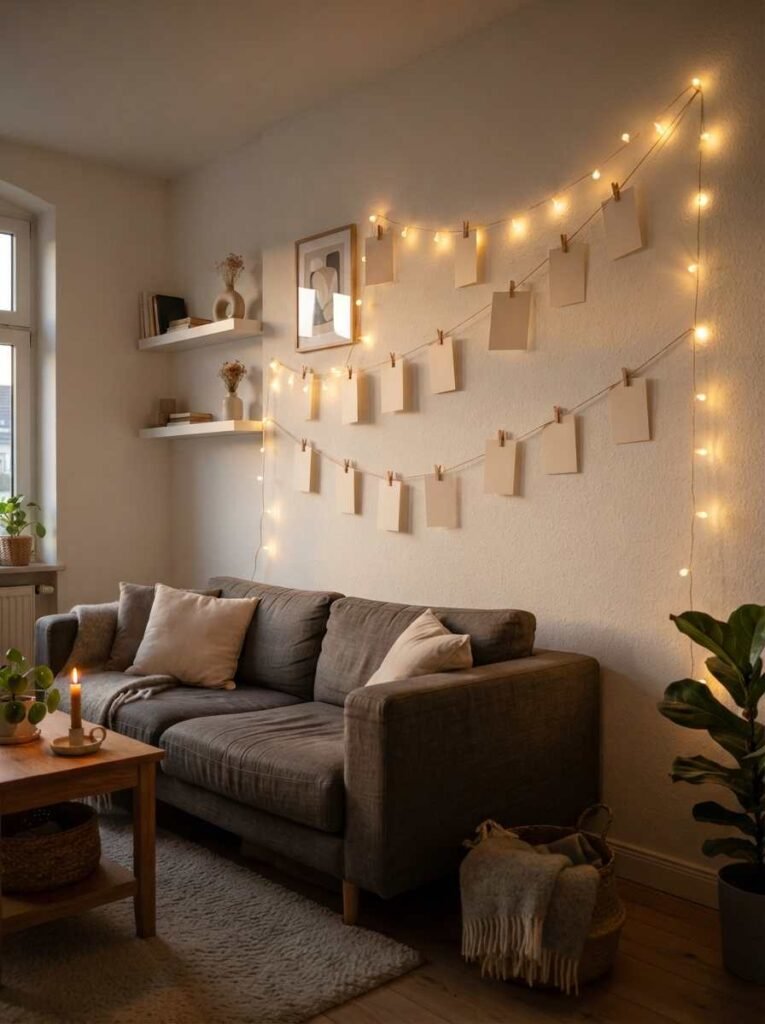
This is insane, but idea 29 took me an afternoon and cost less than a takeout dinner. Wow. Sometimes the cheapest option really is the best one.
Which one should you actually pick?
Honestly? It depends on how long you plan to stay in the space and how much commitment you’re comfortable with. Renters should lean toward peel-and-stick wallpaper, command strip galleries, or fabric backdrops. Homeowners planning to stay put for years can go bigger with board and batten, built-ins, or a full color-drenched room.
A few things I’d personally prioritize if I were starting from scratch:
- Pick one bold move per wall, not five. A statement wall loses its power if every wall is fighting for attention.
- Test paint colors in both daylight and lamp light before committing. What looks great at noon can look muddy by 8pm.
- Save receipts and paint swatches. Future you, three years from now trying to touch up a scuff mark, will thank present you.
What to skip if you’re short on time
Some of these ideas need a full weekend, and honestly, not everyone has that kind of time to spare. If you’re working with an hour or two, stick to command strip galleries, washi tape patterns, or rearranging art you already own.
Save the herringbone wood accent or the built-in bookshelves for a season when your calendar actually has space in it.
I learned this the hard way after starting a board and batten project on a Sunday night and finishing it, exhausted, the following weekend.
FAQs
Do accent walls still work in 2024, or are they outdated? They still work, but the execution matters more than the concept. A deep, well-chosen color or a textured material reads as intentional. A random bright wall with no connection to the rest of the room feels dated fast.
What’s the cheapest way to update a living room wall? Washi tape patterns, command strip gallery walls, and rearranging existing art are the cheapest options, often under $30 total. Paint is the next step up in cost but still budget-friendly compared to paneling or built-ins.
How do I choose art that actually fits my wall size? A rough rule: your art (or gallery cluster) should take up 60-75% of the available wall space above furniture. Too small and it floats awkwardly. Too large and it overwhelms the room.
Final thought
Thirty ideas is a lot, but you don’t need to attempt all of them.
Pick one that matches your budget, your patience level, and honestly, your personality. A wall says a lot about a room before anyone even sits down on the sofa.
So which one are you trying first: the bold paint move, the gallery wall, or something further down the list?
Save this post, pin your favorite idea, and let your living room finally look like it belongs to you.
