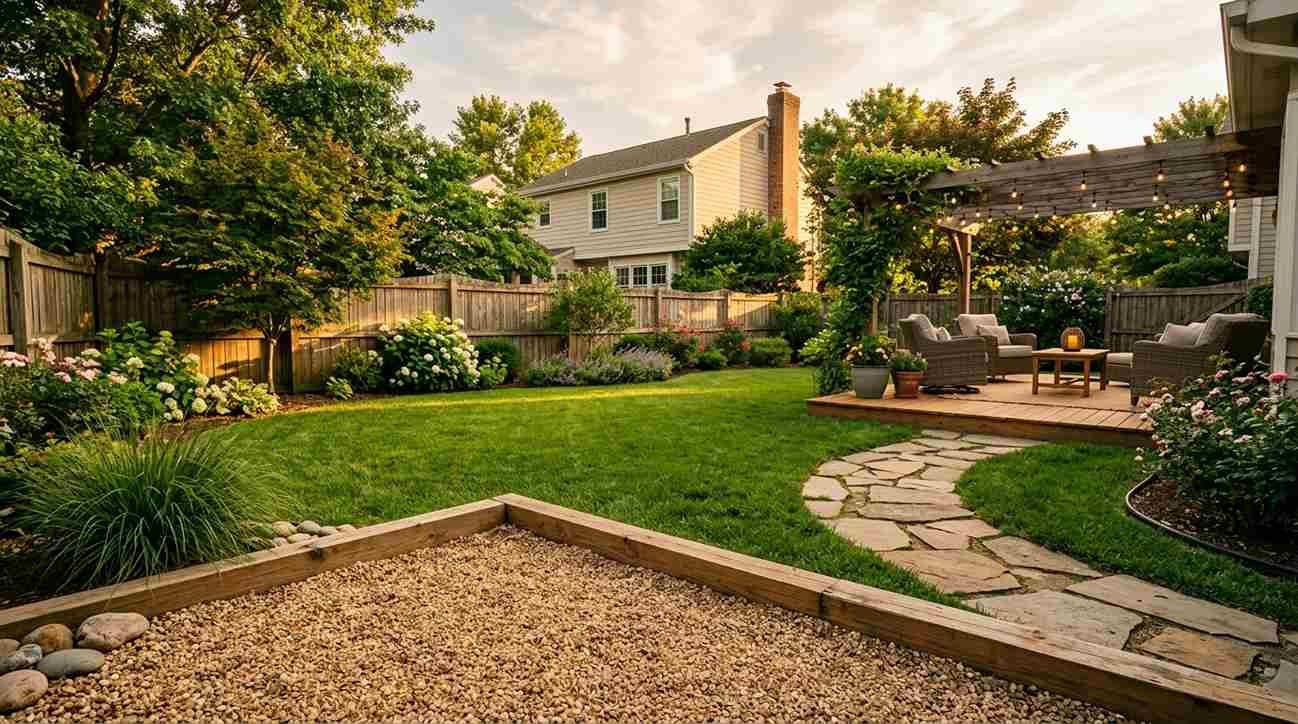
My dog Winston used to treat my entire backyard like his personal bathroom.
Every patch of grass, every flower bed, every spot right next to the patio where guests stand with drinks in hand.
It took me two summers and a lot of trial and error to finally set up a real potty area he’d actually use on his own.
So this guide isn’t theory. It’s what worked, what flopped, and what I’d tell a friend over coffee if they asked how to stop their yard from looking like a minefield.
If you’re pinning ideas for a backyard refresh, a dedicated dog potty spot deserves a place on that board right next to your patio and garden inspiration.
It’s not glamorous, but it changes everything about how your yard looks and smells.
Why a designated potty spot actually matters
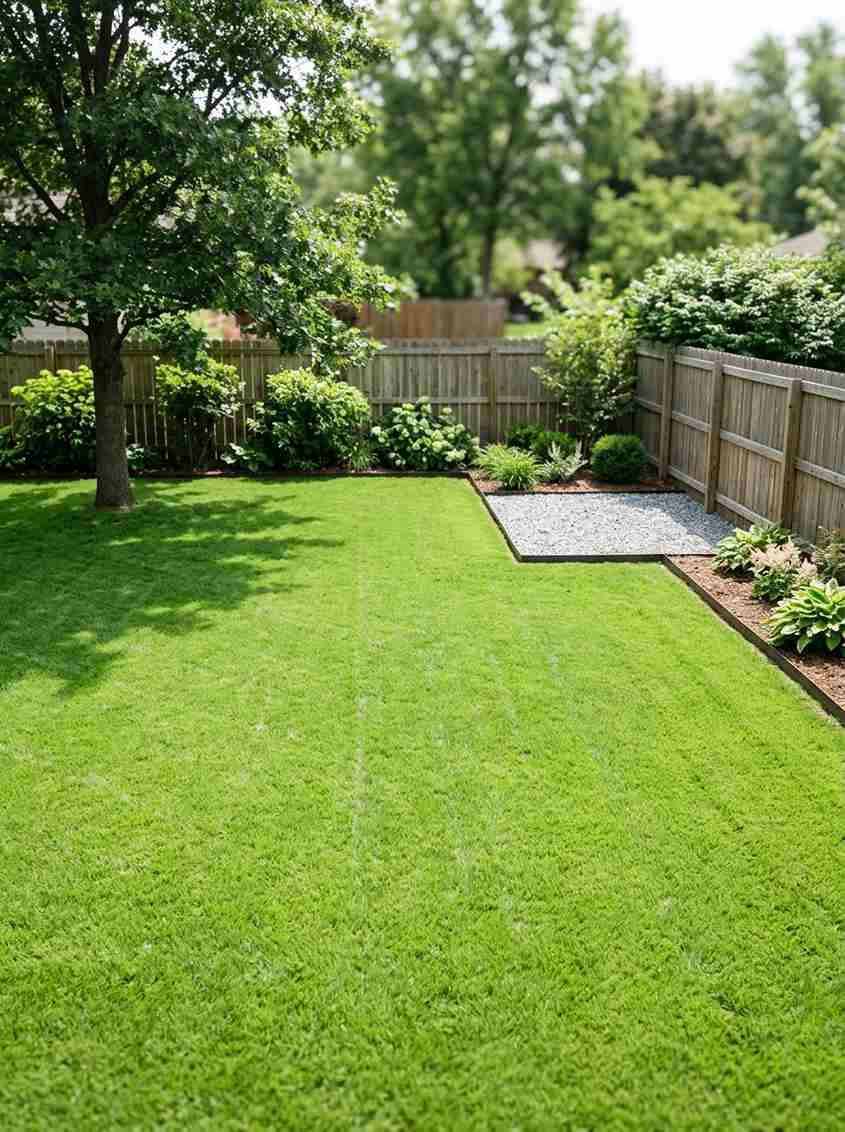
Dogs are creatures of habit. Once they learn a spot is “the bathroom,” most will head straight there instead of picking a new patch of your lawn every day.
That means less brown-spotted grass, fewer surprises when you’re mowing barefoot (yes, I’ve done that, no, I don’t recommend it), and a yard that actually looks like something you’d photograph for Pinterest instead of hide from visitors.
According to the American Kennel Club, consistency in potty training comes down to routine and location.
Dogs sniff out prior scent markers and return to the same spot naturally, which is exactly why a defined area works so well once it’s established.
Picking the right location first
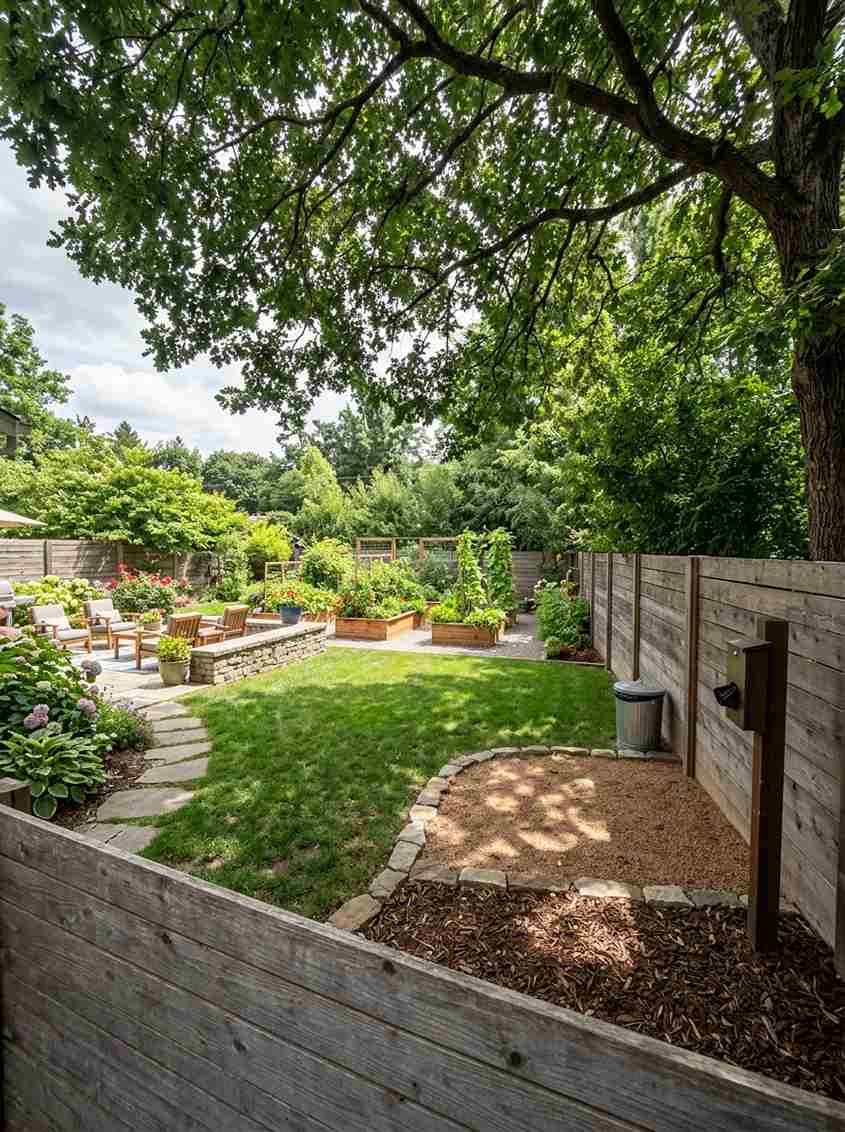
Before you touch a single bag of mulch, walk your yard and think like your dog would.
- Away from the patio and play areas. Nobody wants to smell dog waste while grilling burgers.
- Somewhere with partial shade. Full sun bakes waste and surfaces, making cleanup harder and smellier.
- Close enough to a door for quick trips, especially in bad weather or during puppy training.
- On a slight slope or well-draining soil, so rain doesn’t pool and turn the area into mud soup.
I put Winston’s spot too close to my vegetable garden the first time. Rookie mistake. The smell drifted every time it rained, and I ended up redoing the whole layout that fall.
Ground surface ideas that actually hold up
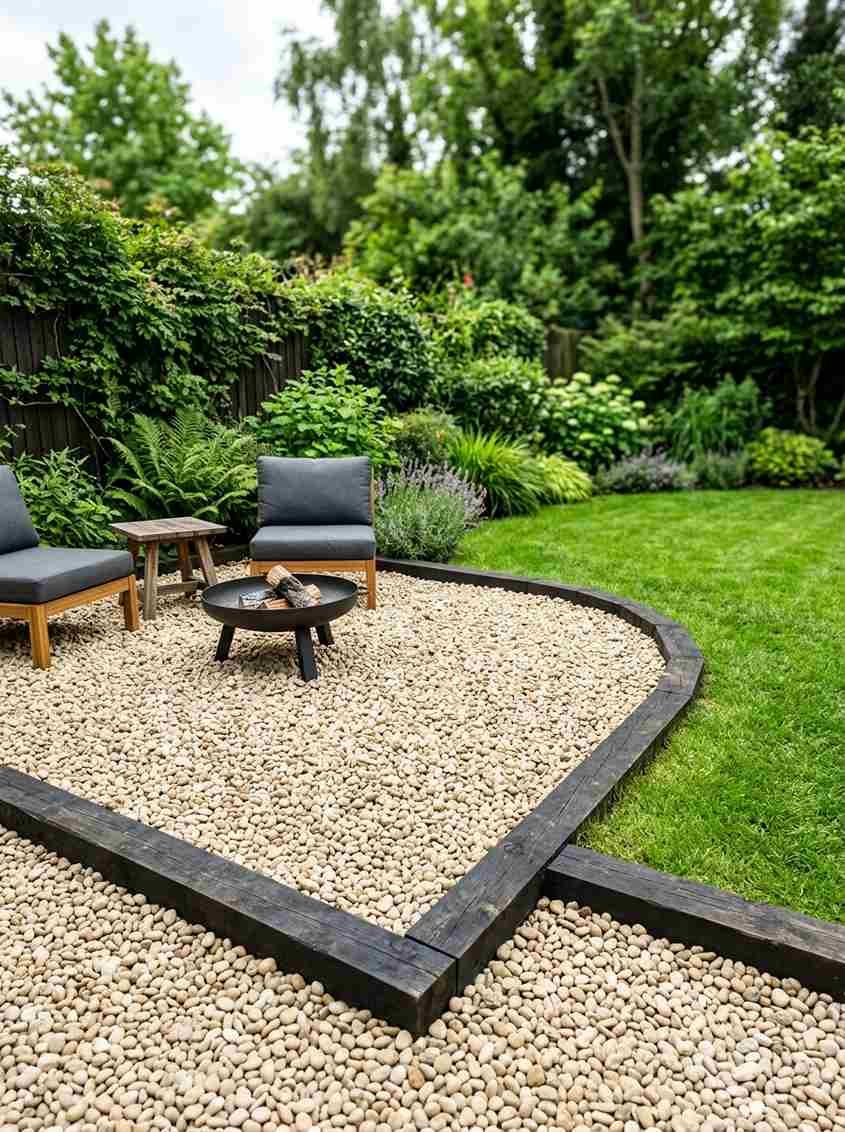
This is where most of the work happens, and honestly, where most people overthink it.
Here are ideas that range from cheap weekend projects to slightly bigger investments.
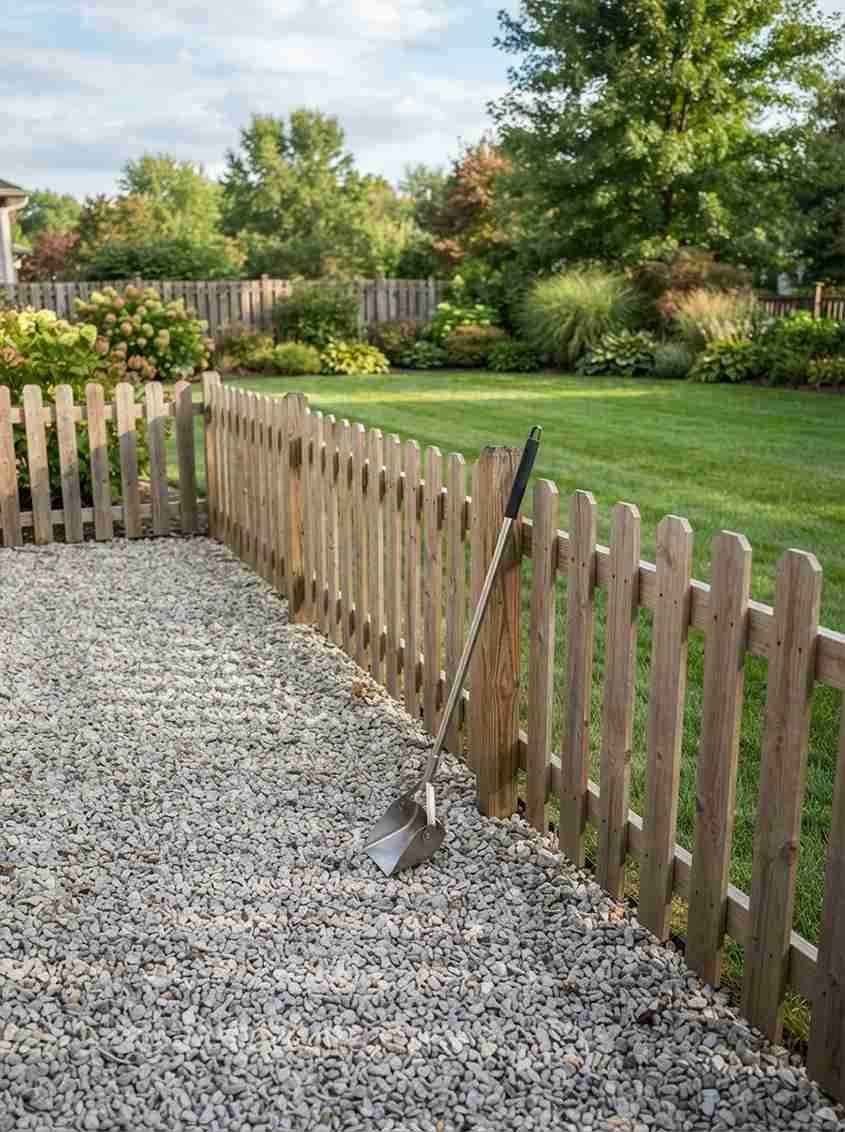
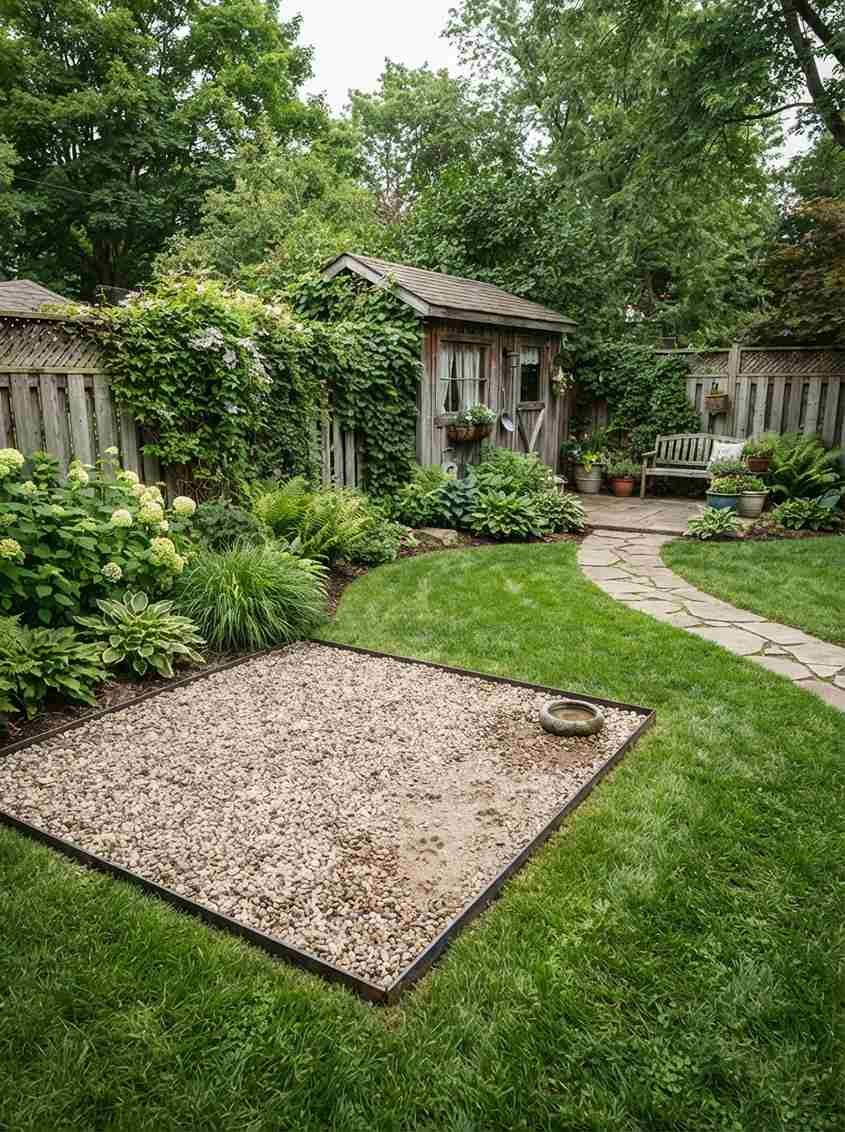
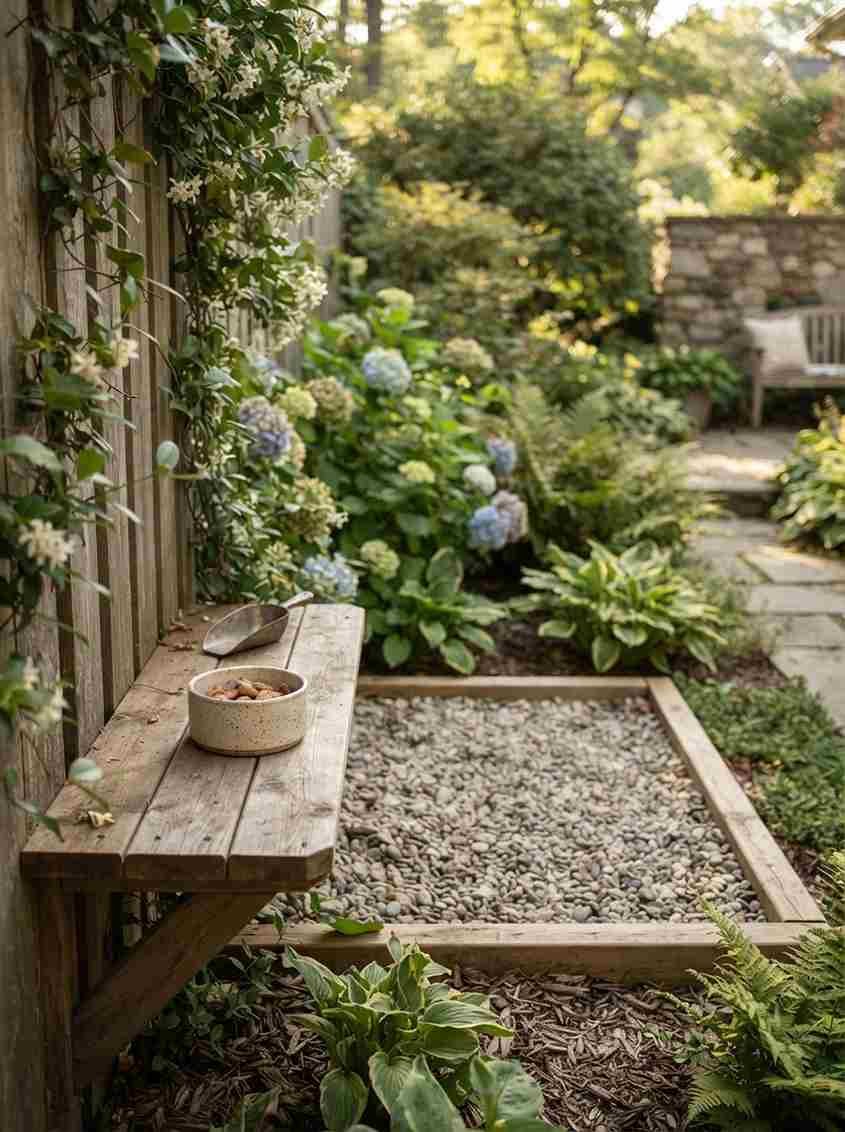
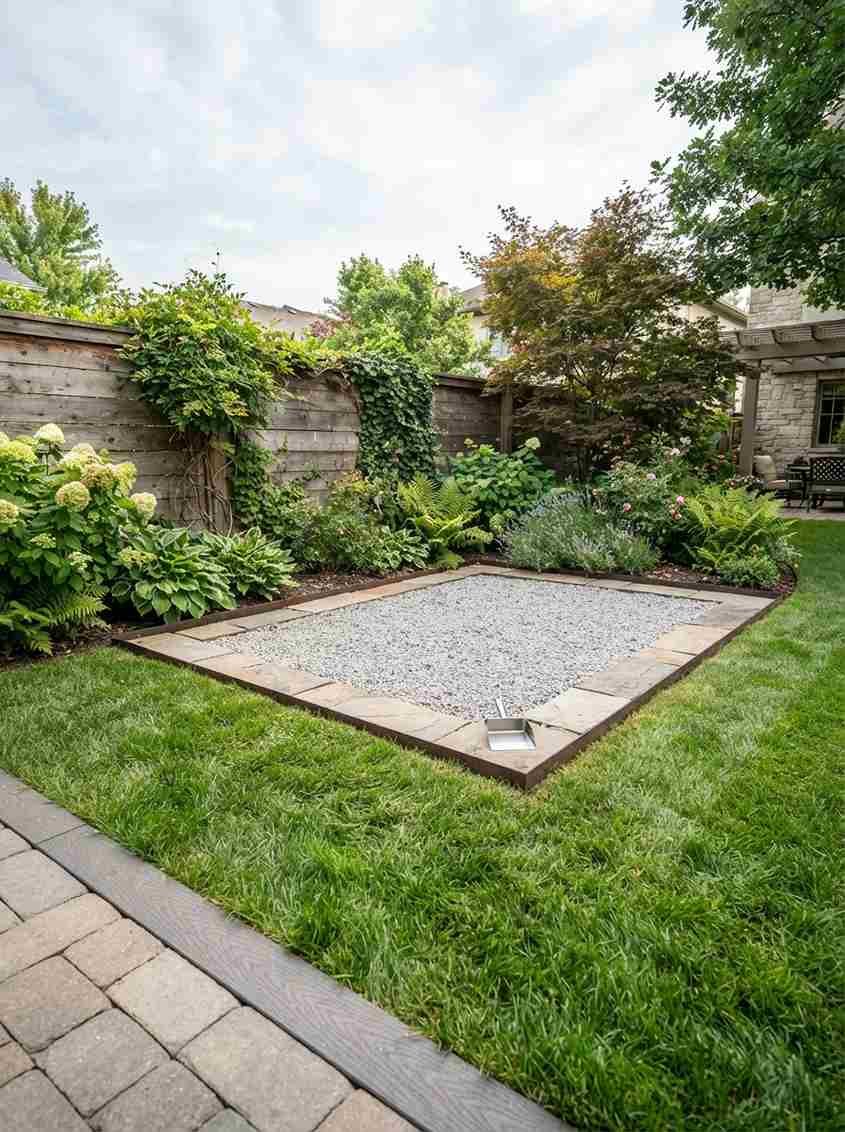
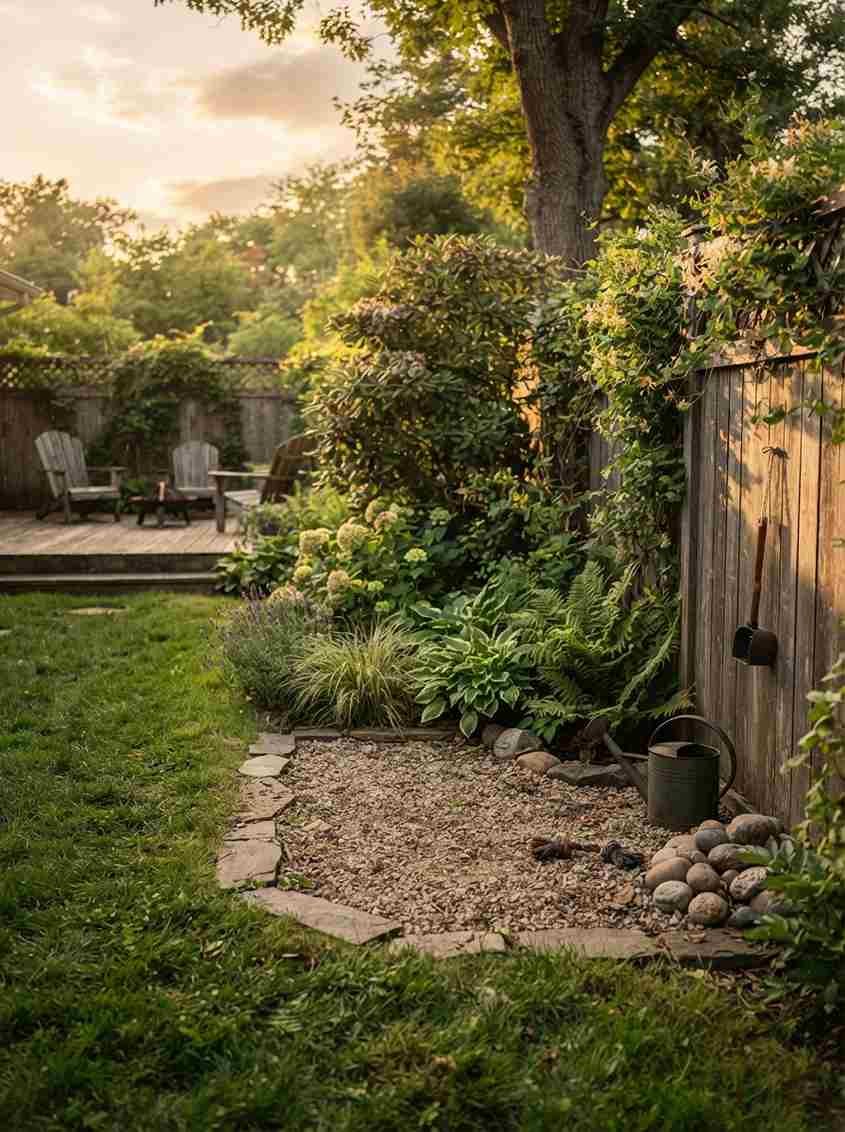
- Pea gravel base. Drains fast, doesn’t hold odor as badly as mulch, and it’s easy to rake.
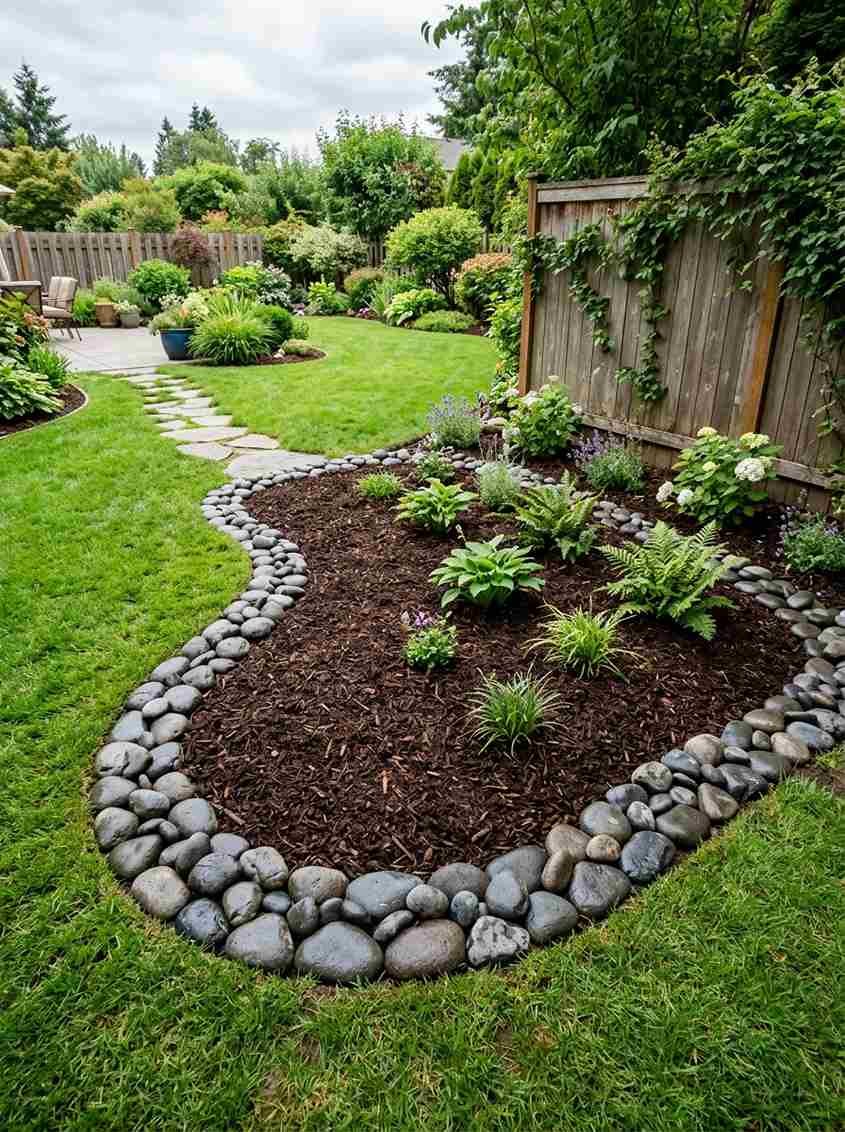
- River rock border with a mulch center. Looks tidier from the patio while still being functional underneath.
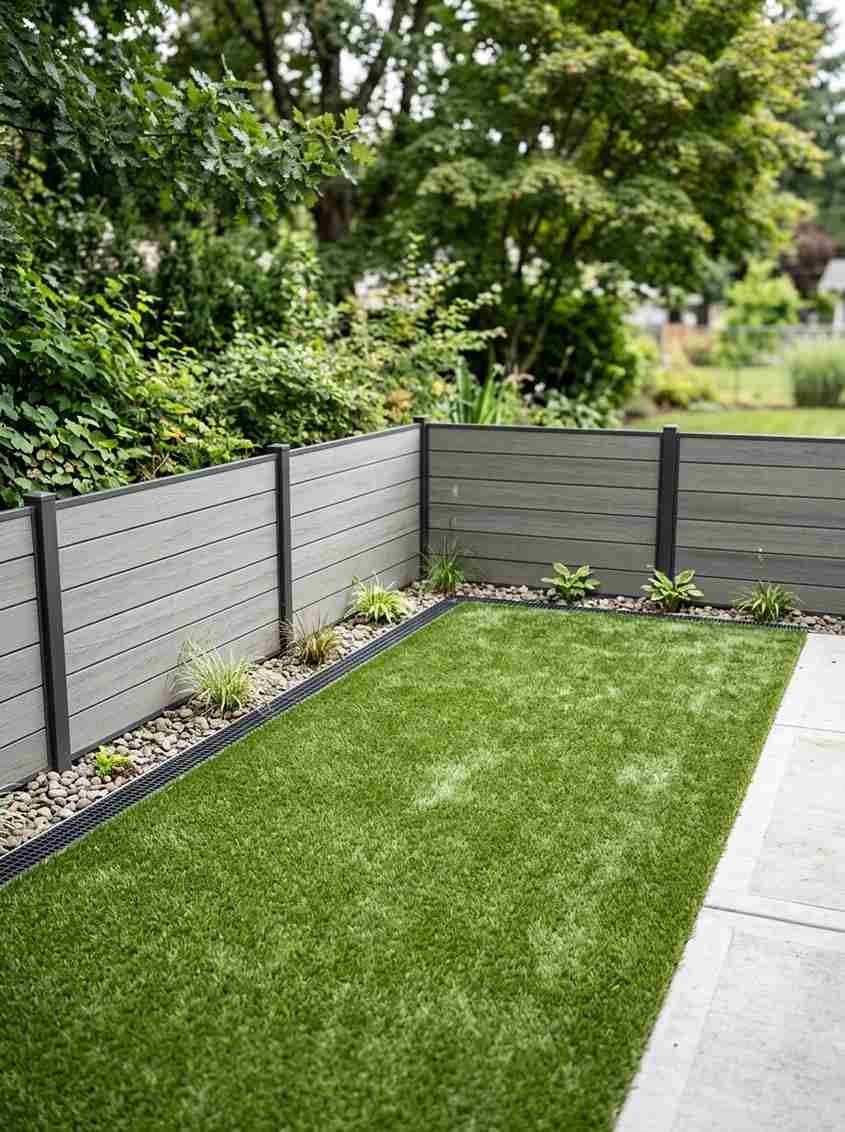
- Artificial turf made for pet waste. Pricier upfront but drains through a built-in system and rinses clean with a hose.
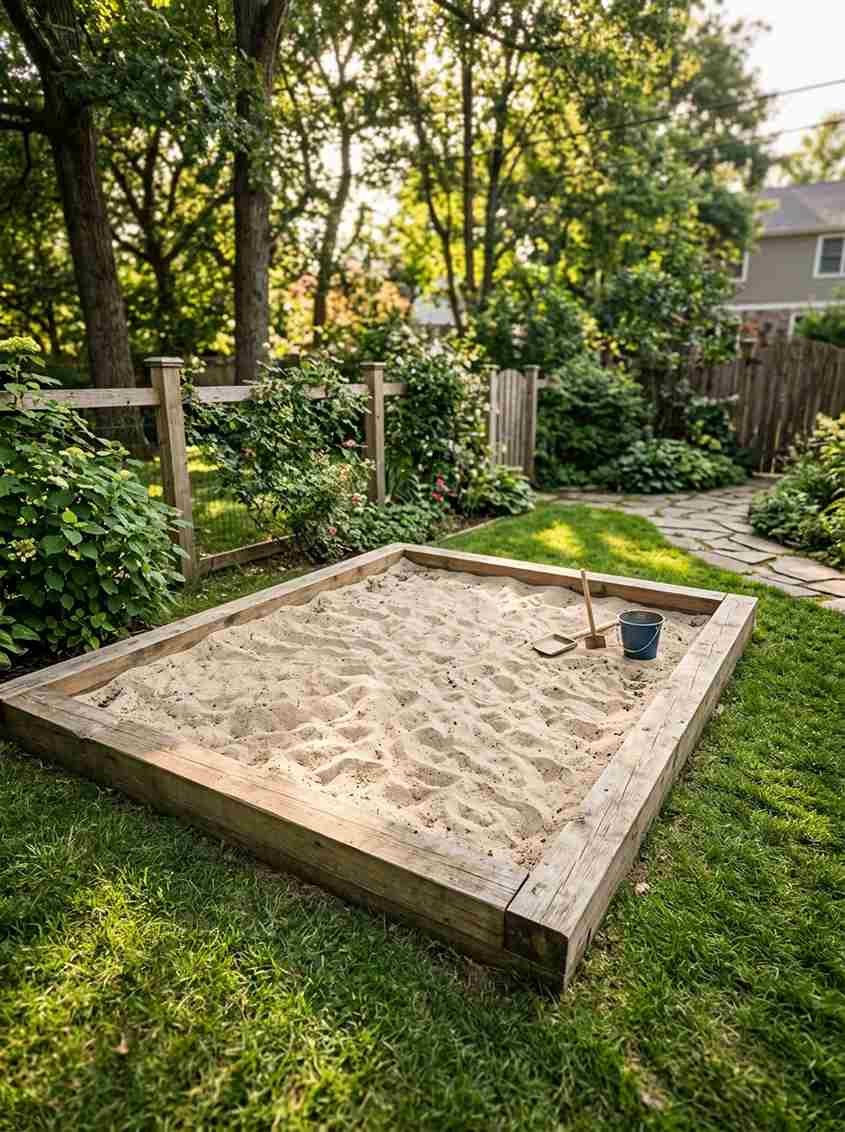
- Sand pit style area. Cats might love sand, but plenty of dogs take to it too, and it’s cheap to refresh.
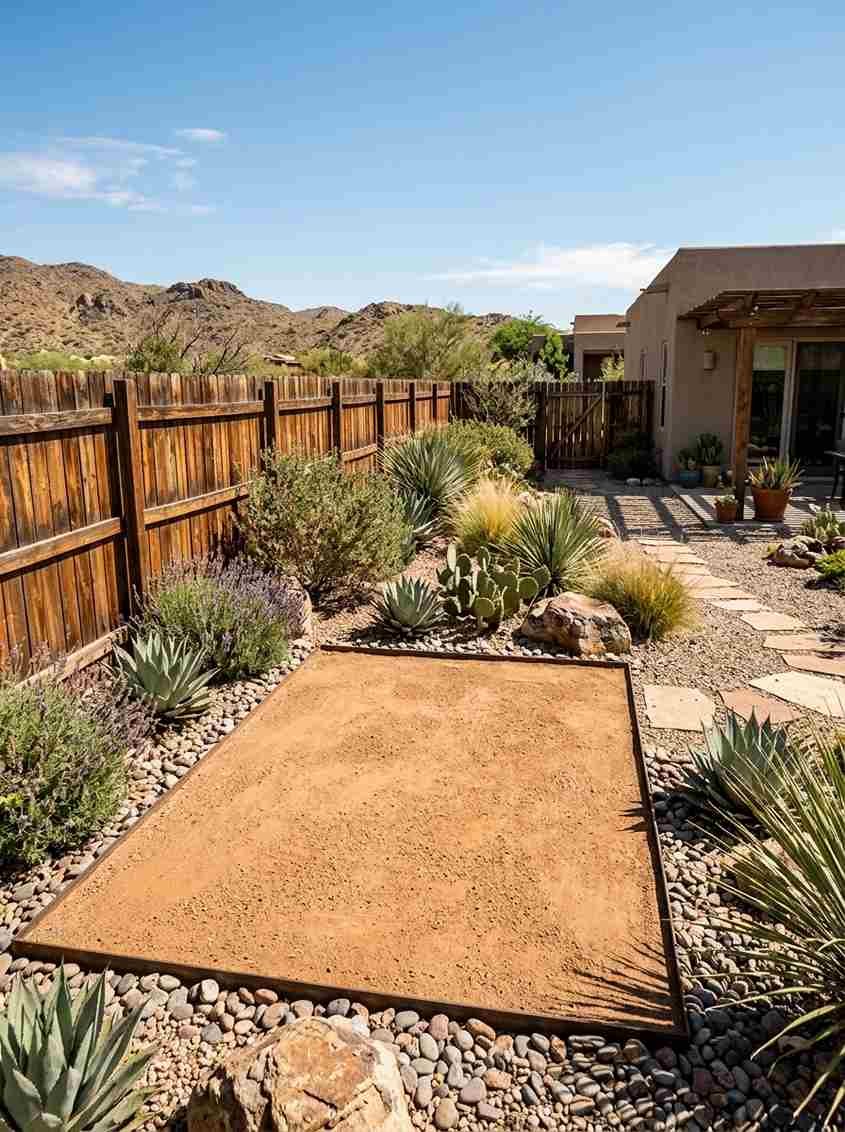
- Decomposed granite. A favorite in drier climates because it compacts well and doesn’t wash out easily.
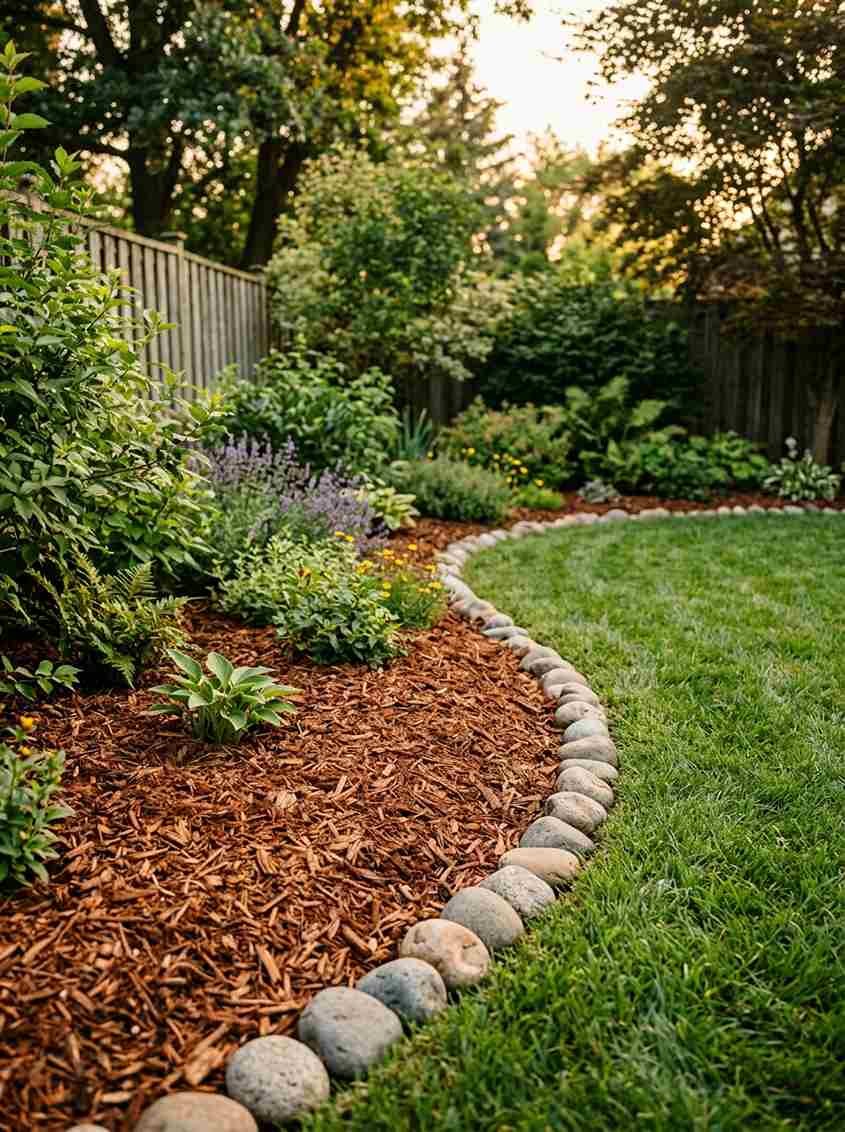
- Simple mulch bed with cedar chips. Cedar naturally helps with odor and even discourages some bugs.
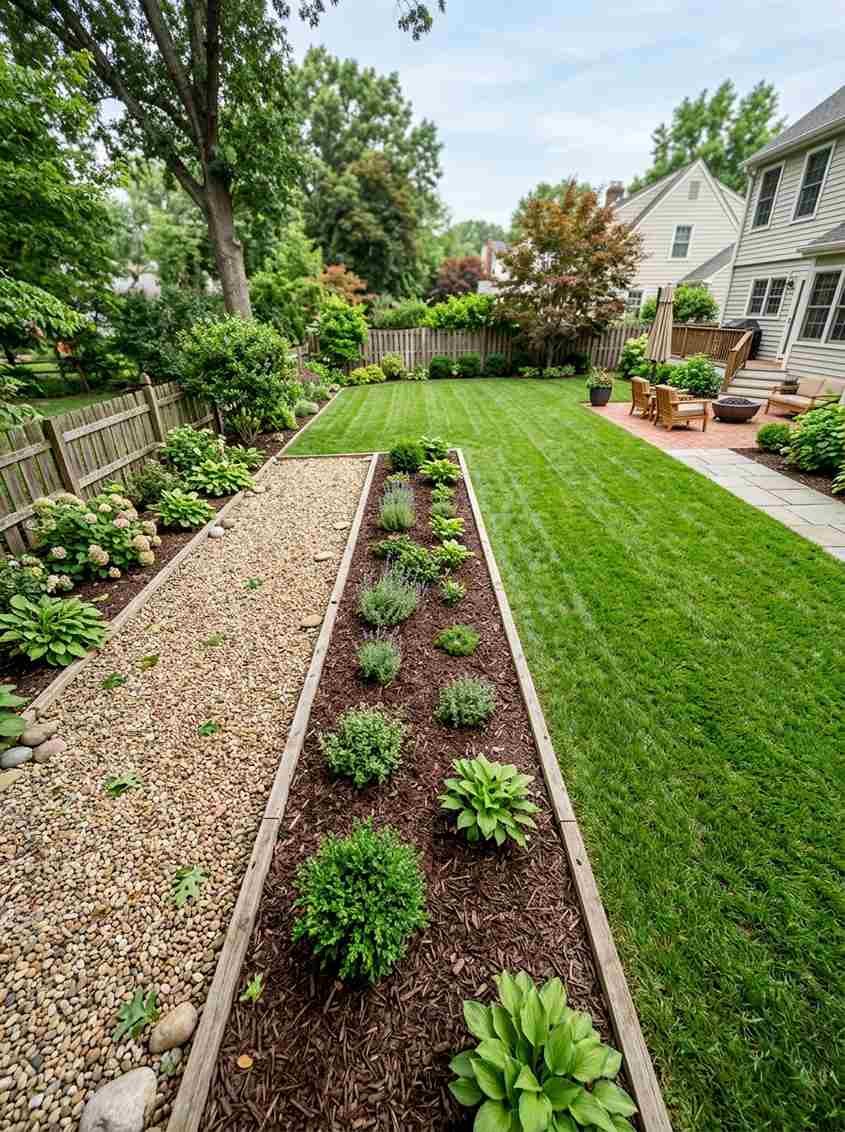
I switched Winston’s area to pea gravel over mulch two years ago, and it’s genuinely the best decision I made for that corner of the yard. Mulch broke down fast and smelled awful by midsummer. Gravel just sits there and does its job.
Quick comparison table
| Surface type | Drainage | Odor control | Rough cost |
|---|---|---|---|
| Pea gravel | Excellent | Good | Low to moderate |
| Artificial turf | Excellent | Very good | Moderate to high |
| Mulch | Fair | Fair | Low |
| Sand | Good | Fair | Low |
Boundaries and layout ideas
A potty area without borders tends to sprawl until it’s basically your whole yard again. A few ways to keep it contained:
- Low decorative fencing, the kind you’d see edging a garden bed, works surprisingly well as a visual cue for dogs.
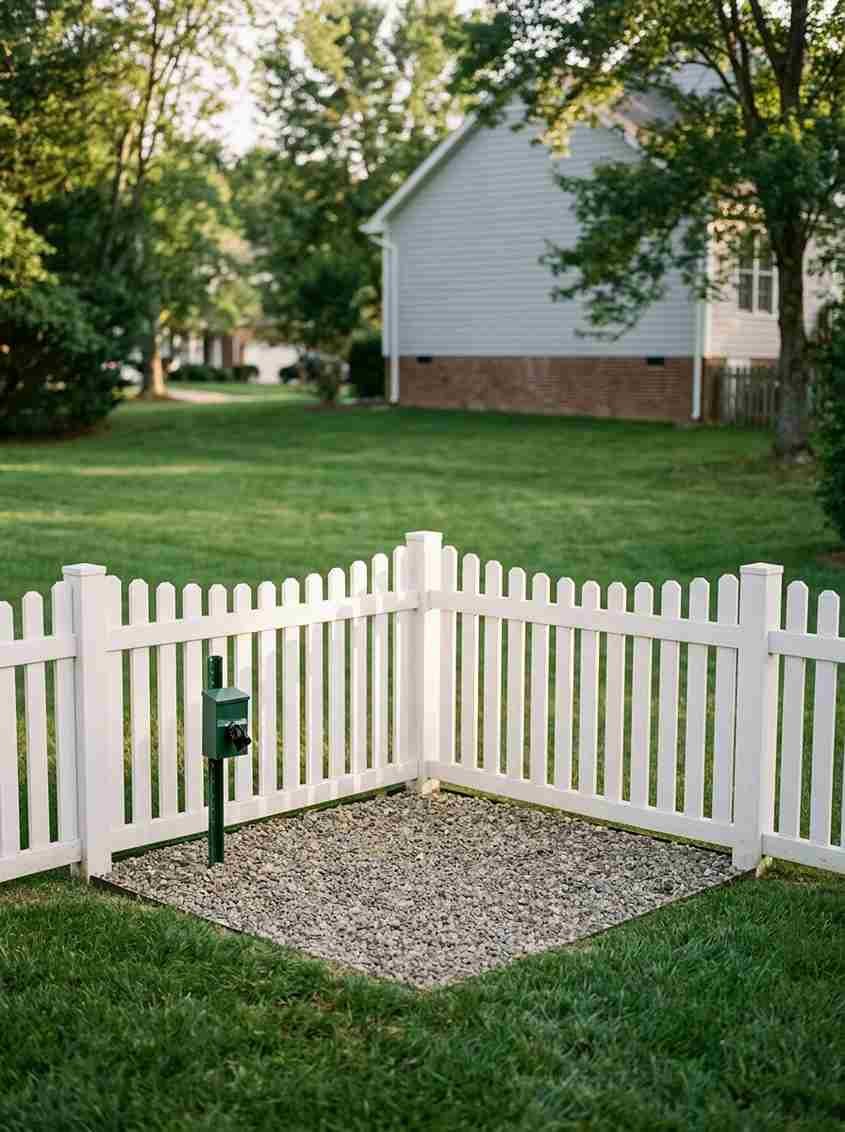
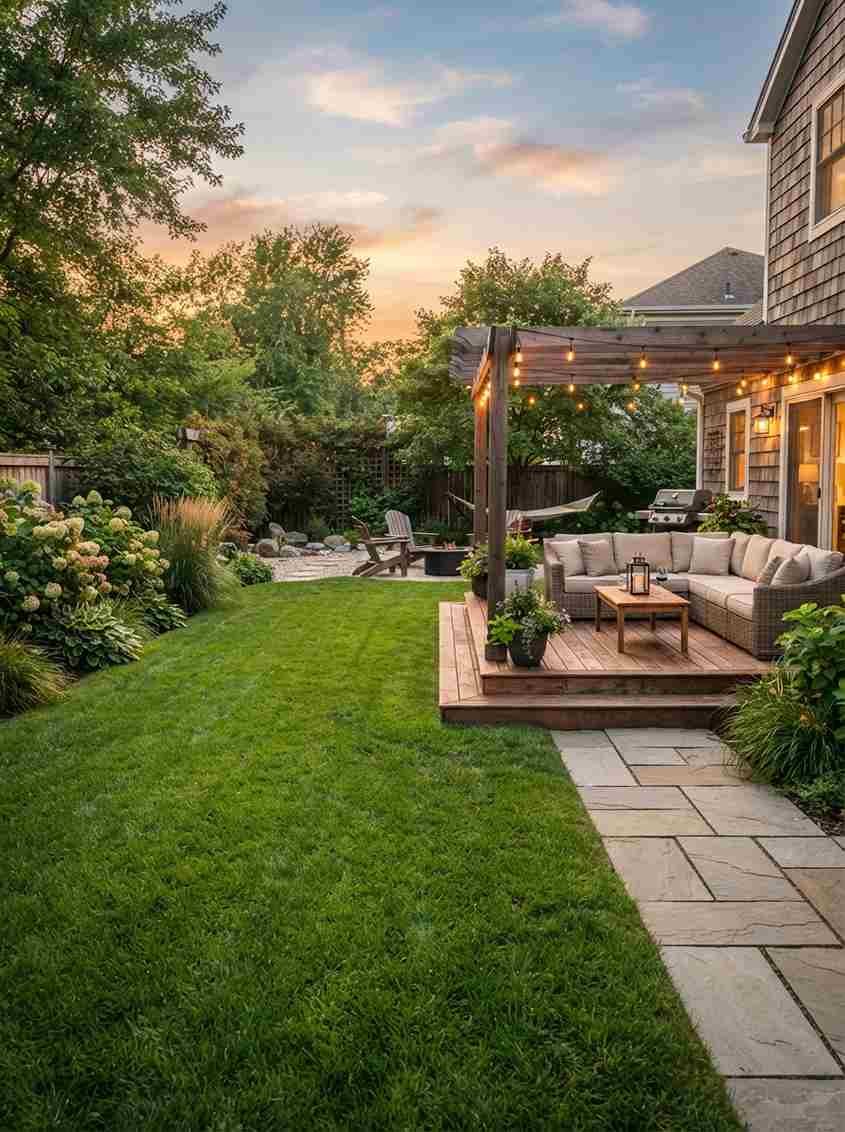
- Stepping stone path leading straight to the spot, which also trains your dog where to walk.
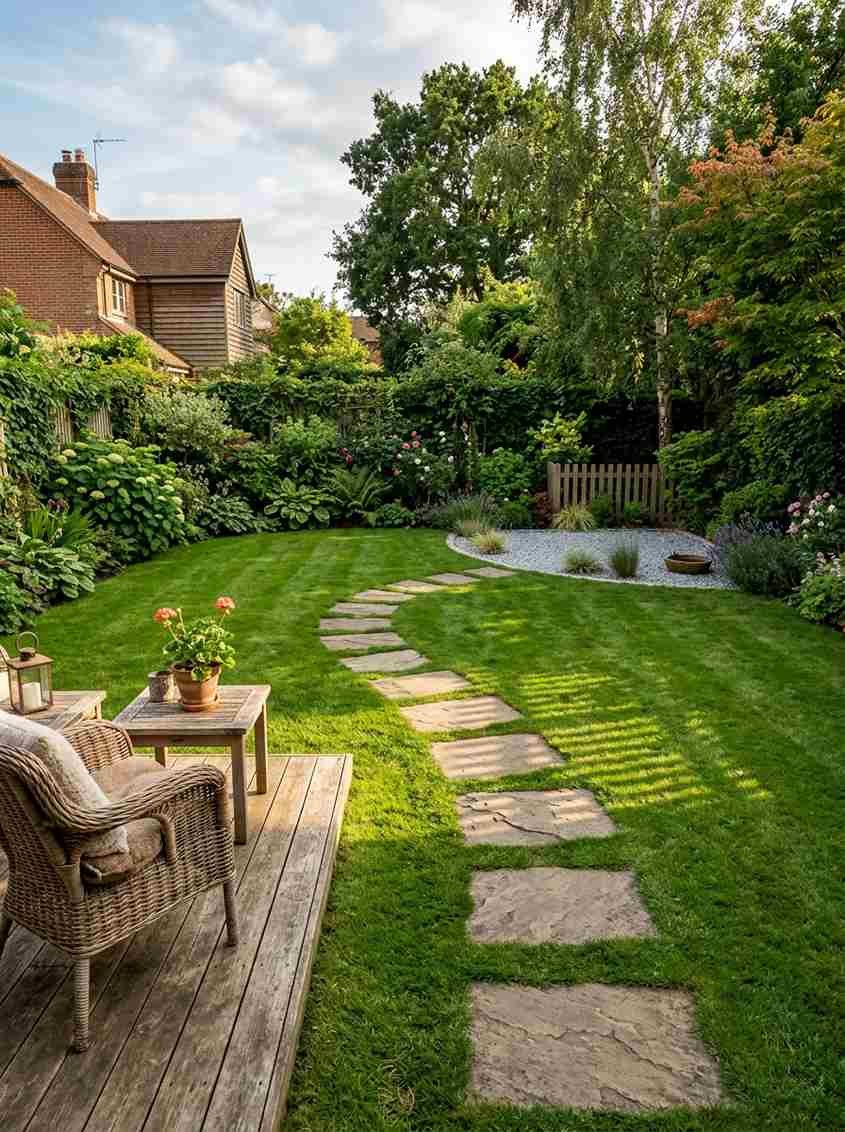
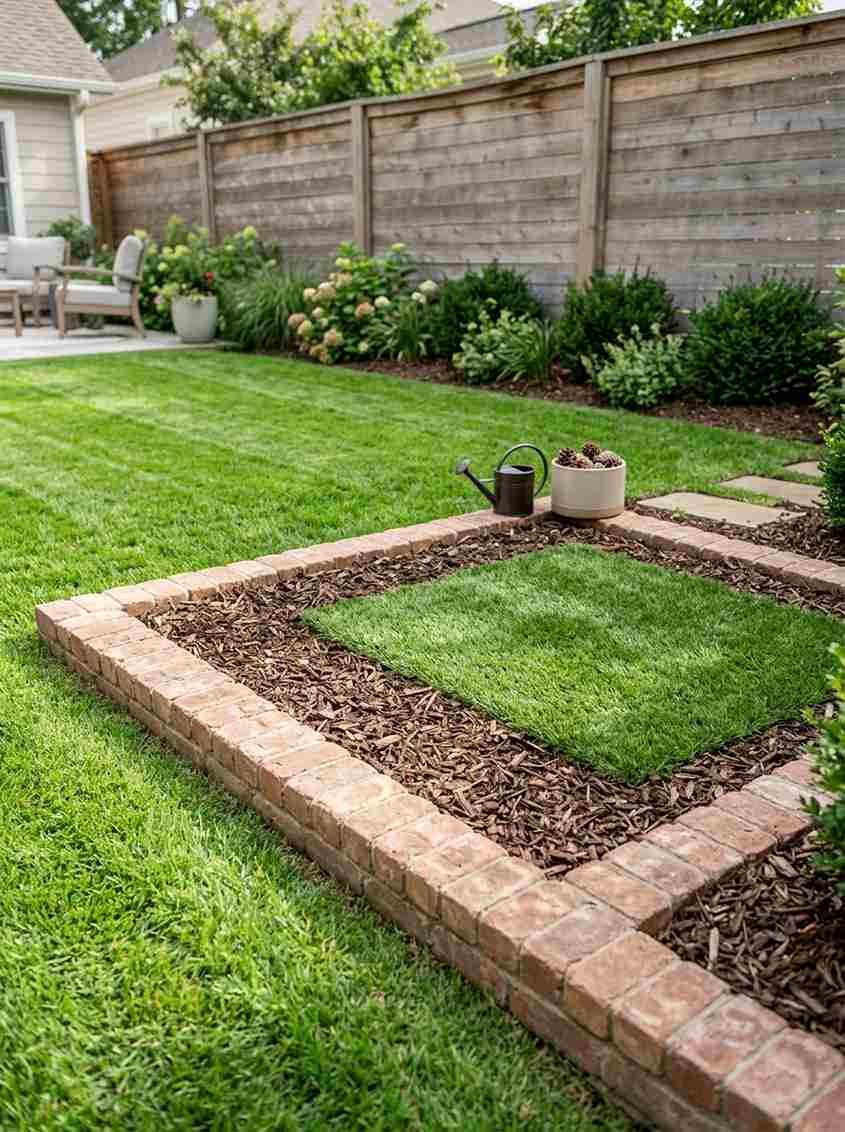
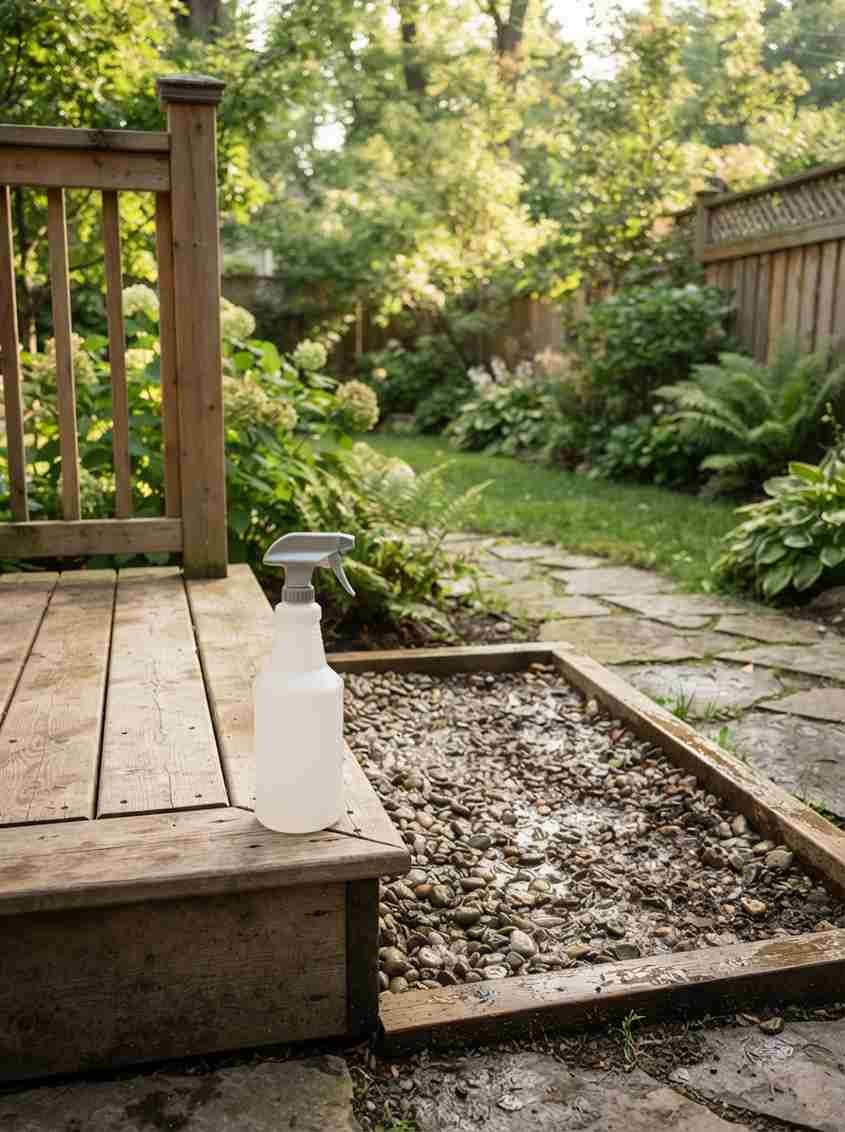
- Raised garden edging using brick or landscape timber to physically separate the zone.
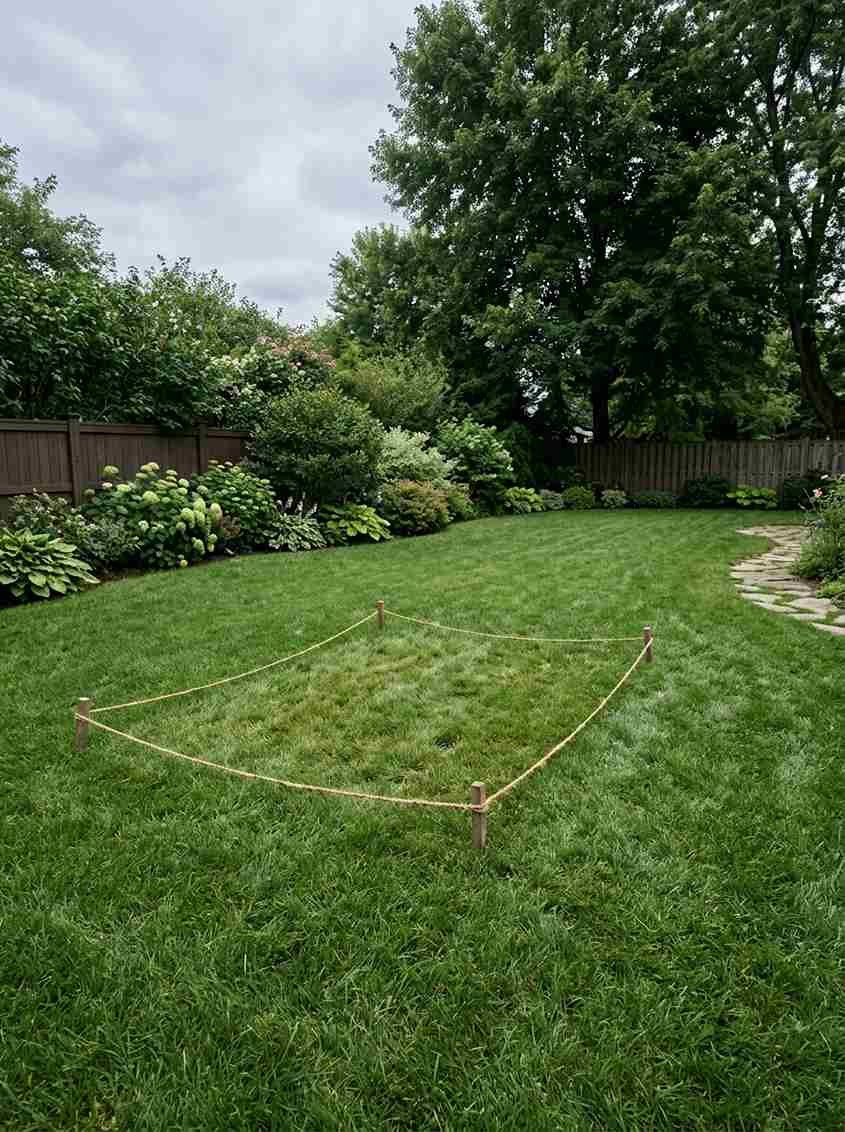
- A simple rope or twine line staked at ankle height if you want something temporary while testing the location.
Comfort and decor additions
Yes, you can make this area look nice. IMO this is where people underestimate what’s possible.
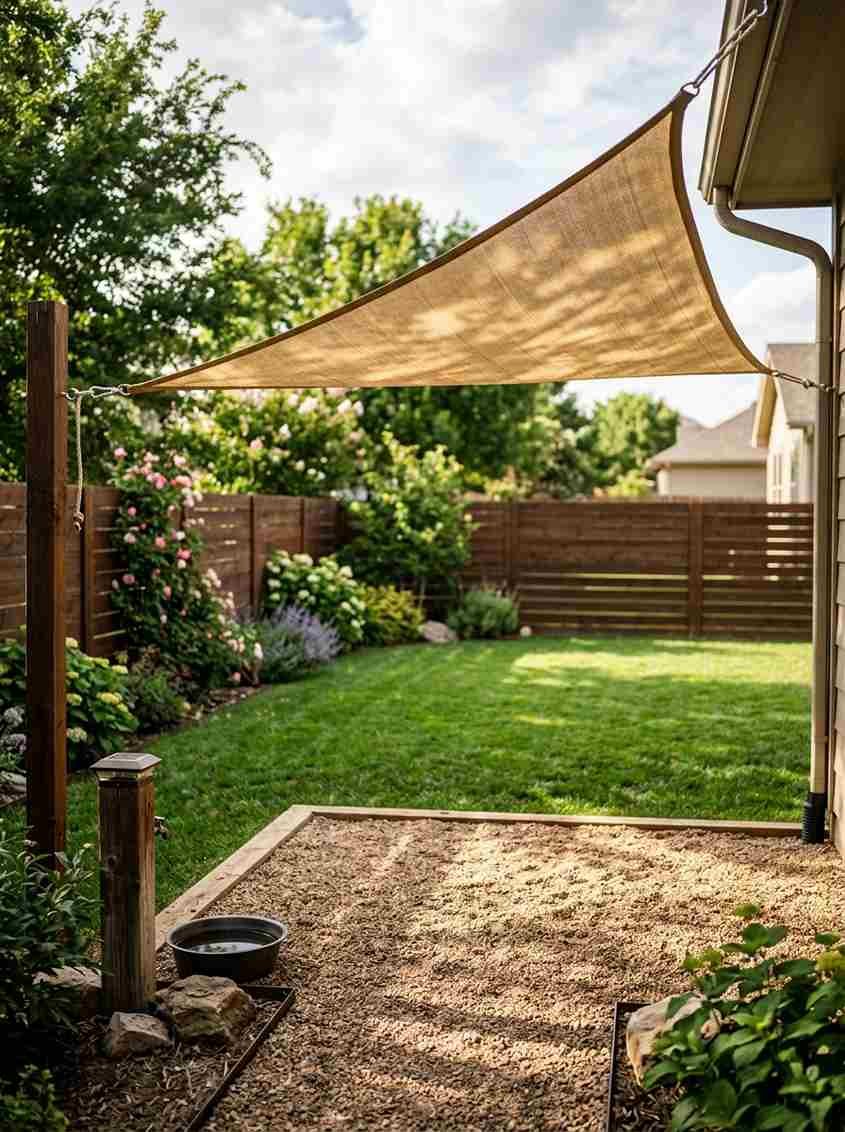
- A small shade sail or umbrella if the spot gets direct afternoon sun.
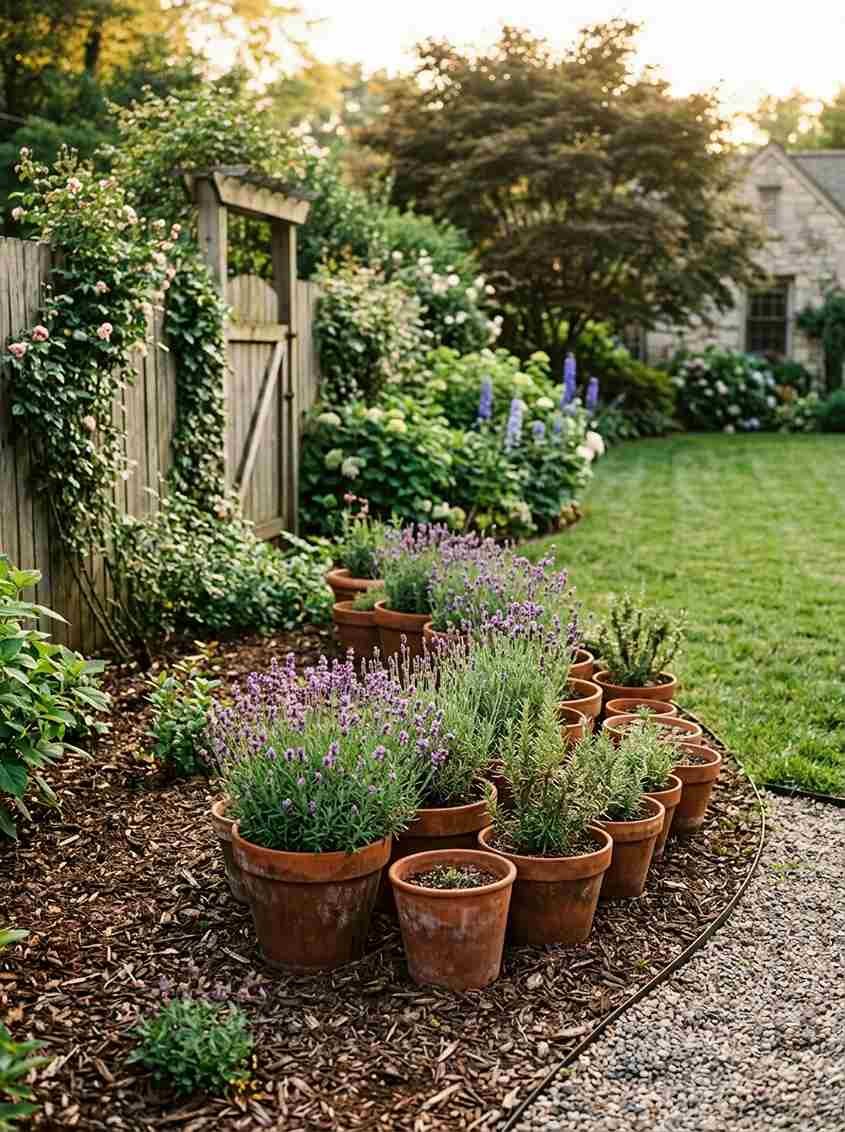
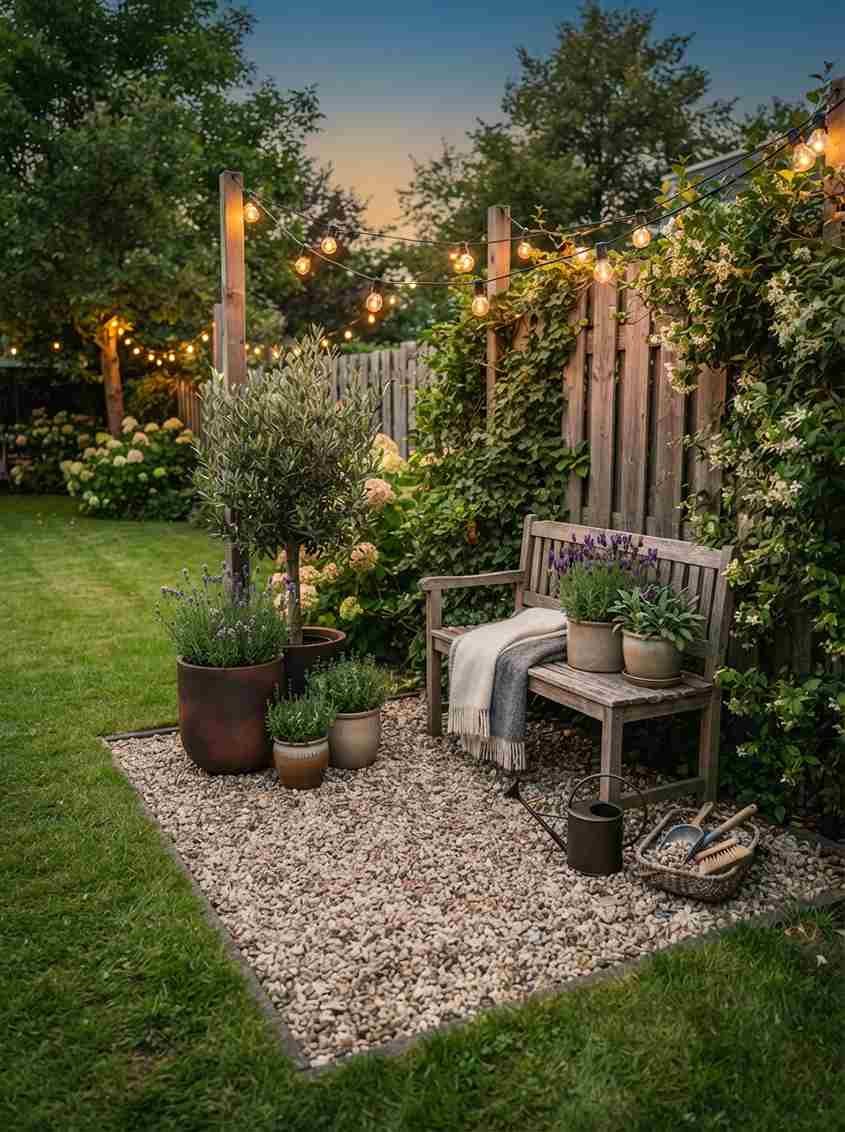
- Potted lavender or rosemary planted nearby (outside the potty zone itself) to help mask smell naturally.
- A small stone marker or sign, mostly for fun, but it makes the space feel intentional rather than neglected.
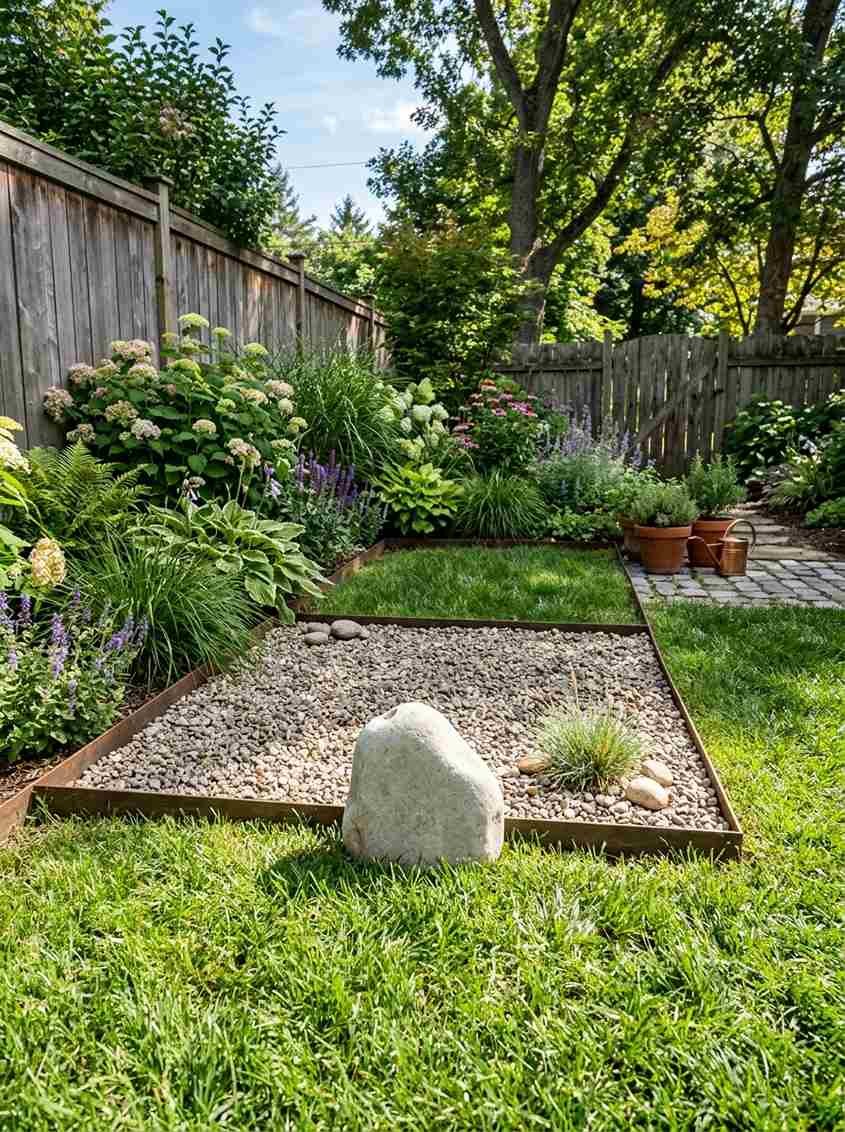
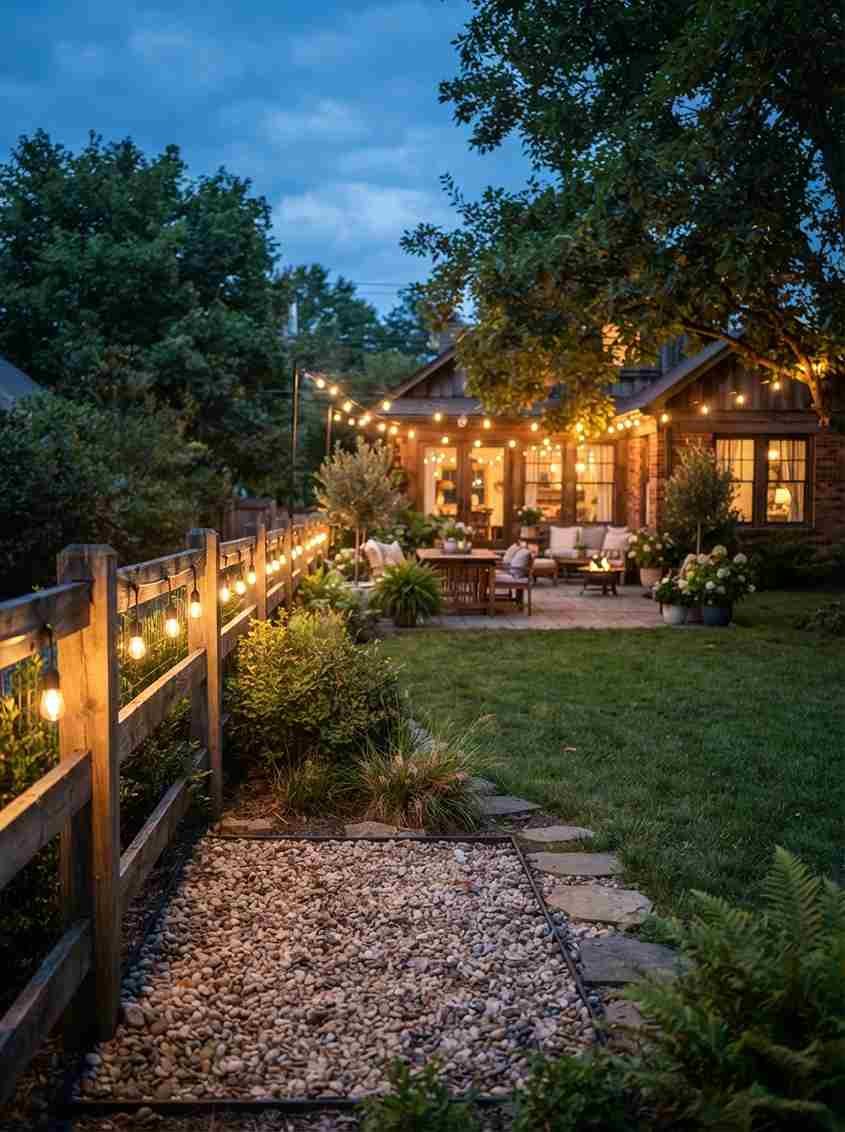
- String lights along the border if your dog’s last trip out is usually after dark.
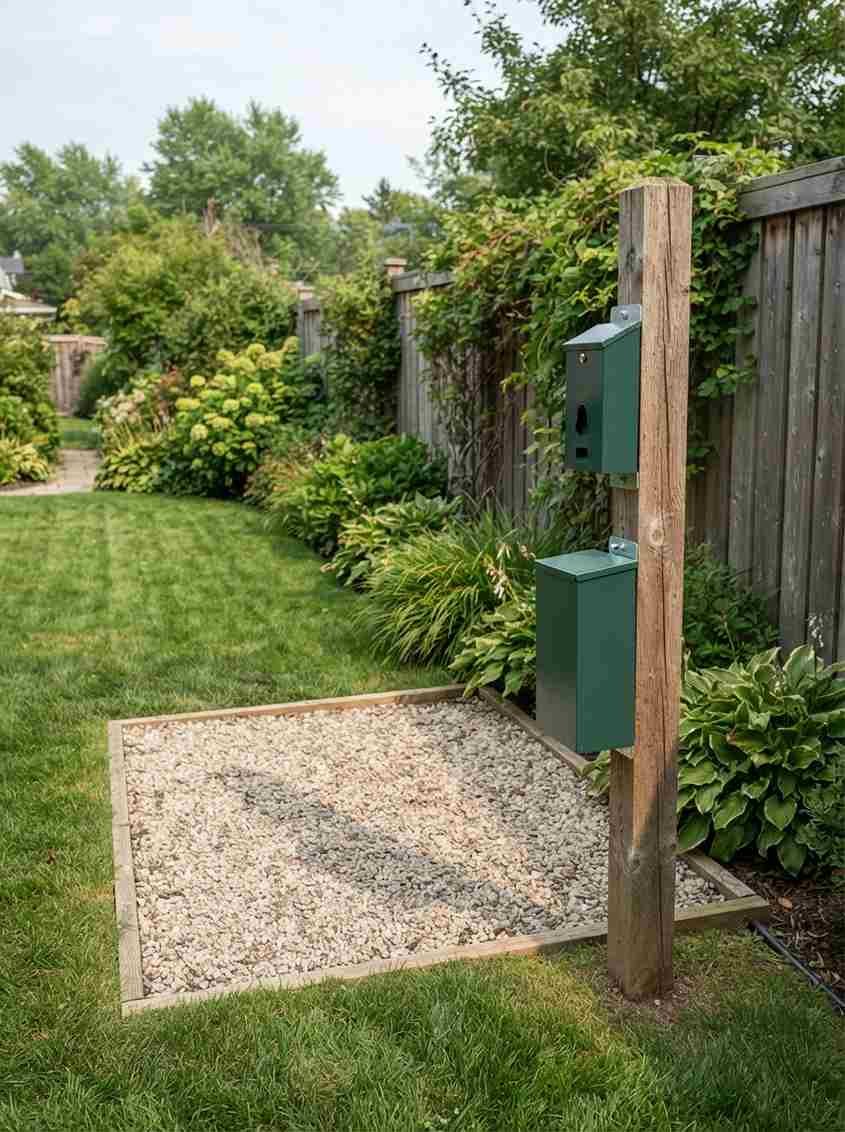
- A waste bag dispenser mounted on a post, so you’re never digging through pockets in the rain.
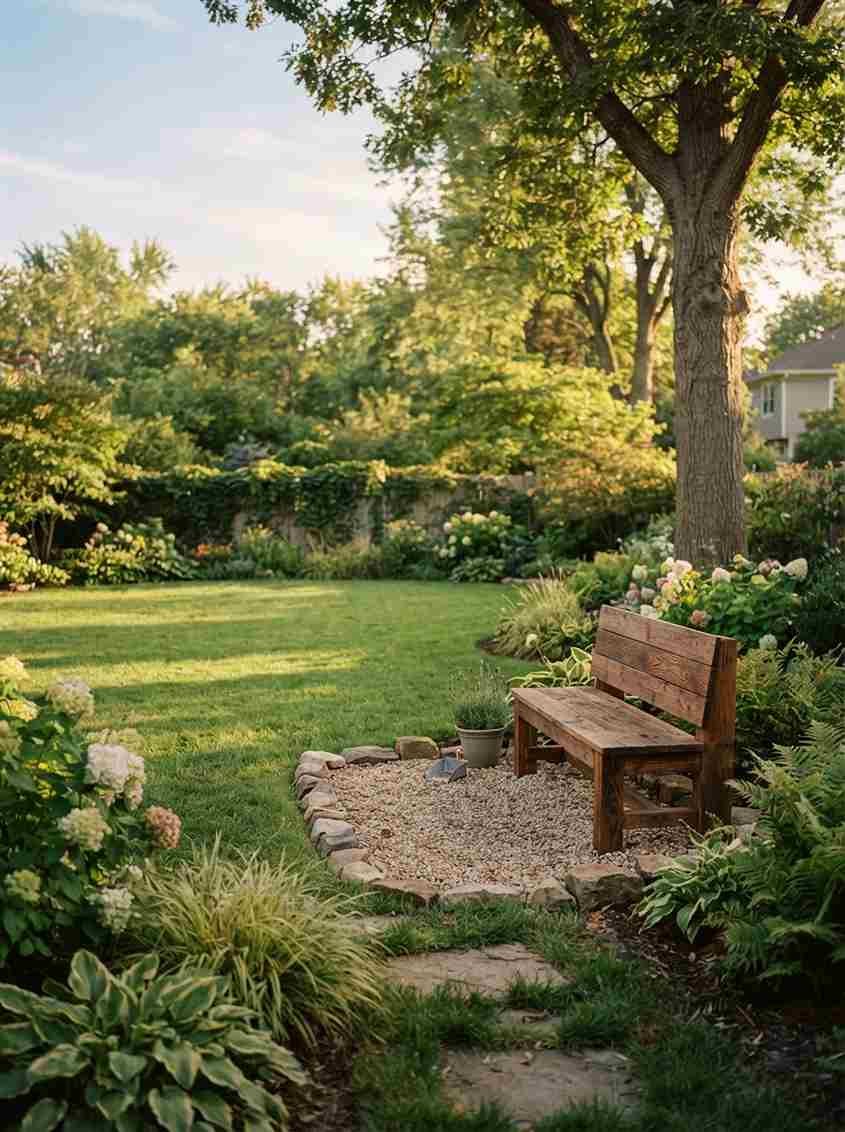
- A small bench or stepping pad nearby if you like to sit with your dog during their evening routine.
Cleanup and maintenance tools
This is the unglamorous part nobody puts on a mood board, but it’s what keeps the whole system working.
- A pooper scooper with a long handle, so you’re not bending over every single time.
- An enzyme-based cleaner for the surface itself, not just the waste. Regular soap won’t cut the smell.
- A dedicated hose attachment for rinsing gravel or turf weekly.
- A small compost bin if you’re composting waste separately from your regular yard debris (check local rules first, since not every municipality allows it).
- Baking soda sprinkled over the area between deep cleans, which genuinely helps with odor between washes.
The Environmental Protection Agency notes that pet waste left on the ground can wash into storm drains and affect local water quality, which is one more reason a contained, regularly cleaned spot matters beyond just how your yard smells.
Training your dog to actually use it
None of this works if your dog ignores the area you built. A few things that helped with Winston:
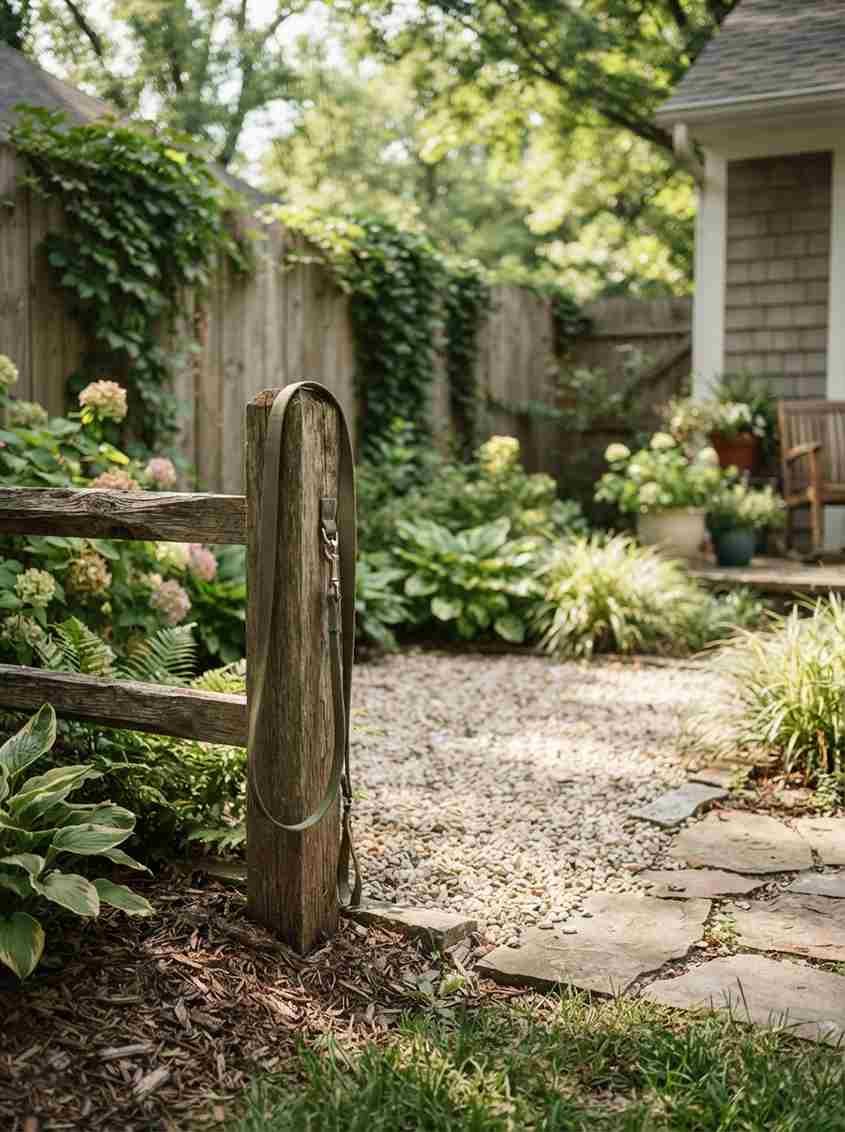
- Leash him to the spot for the first few weeks on every outdoor trip, rather than letting him roam free.
- Use a specific verbal cue, like “go potty,” said the same way every single time.
- Reward immediately, not after walking back inside. Timing matters more than people think.
- Leave a small amount of scent in the new area from an old cleanup, since dogs often return to familiar smells.
- Be patient for at least two to three weeks. Habits don’t form overnight, and dogs are no exception.
Ever wondered why some dogs pick up on this in days while others take a month?
A lot comes down to age, breed tendencies, and how consistent the household is with the routine.
There’s no universal timeline, and comparing your dog to your neighbor’s border collie will only make you frustrated.
Random thought while writing this: I once spent an entire Saturday reorganizing my whole backyard around Winston’s potty spot, only for him to pick a completely different corner for two weeks straight out of pure stubbornness. Dogs keep you humble.
Anyway, back to the guide.
Odor control that actually works long term
A lot of odor advice online is recycled nonsense. Here’s what actually made a difference for me:
- Rinsing gravel or turf at least twice a week in summer, not just when it smells bad.
- Avoiding wood mulch in humid climates, since it holds moisture and smell far longer than gravel or turf.
- Applying an enzyme cleaner after rinsing, not before, so it isn’t diluted immediately.
This is insane, but the difference between a rinsed-weekly gravel bed and a neglected one is night and day. I learned that the hard way after a particularly hot July.
FAQs
How big should a backyard dog potty area be? For most dogs, a space around 4 by 6 feet works fine.
Larger breeds or multi-dog households usually do better with something closer to 6 by 10 feet.
Is artificial turf safe for dogs to use as a potty surface? Yes, as long as it’s a pet-specific turf product with proper drainage underneath. Regular landscaping turf without drainage holes can trap odor and bacteria.
How often should I clean the potty area to prevent smell? Solid waste should be removed daily, and a deeper rinse or enzyme treatment should happen weekly, more often during hot months.
Final thought
A dedicated potty spot isn’t just about keeping your lawn green. It’s about giving your dog a routine they understand and giving yourself a yard you’re not embarrassed to invite people into.
Which of these ideas would actually work in your backyard layout? I’d genuinely love to know what setup you land on.
