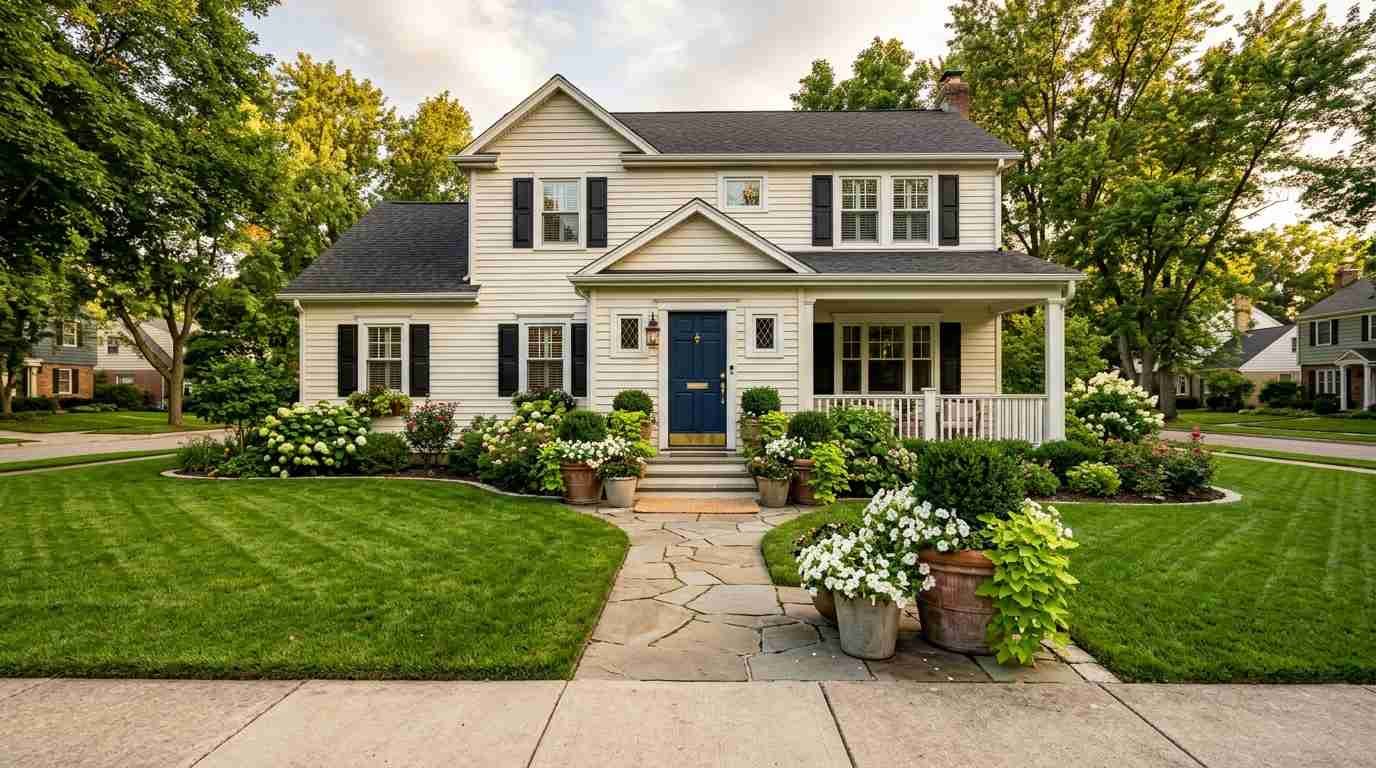
Your front yard is the first thing people see. And right now, it might just be… concrete and a sad patch of grass.
Don’t worry — a few well-placed planters can flip the whole vibe in a weekend, no landscaping degree required.
I’ve tried half of these myself (the other half I’m saving my budget for). Here’s what actually works.
Why Pots & Planters Are Your Secret Weapon
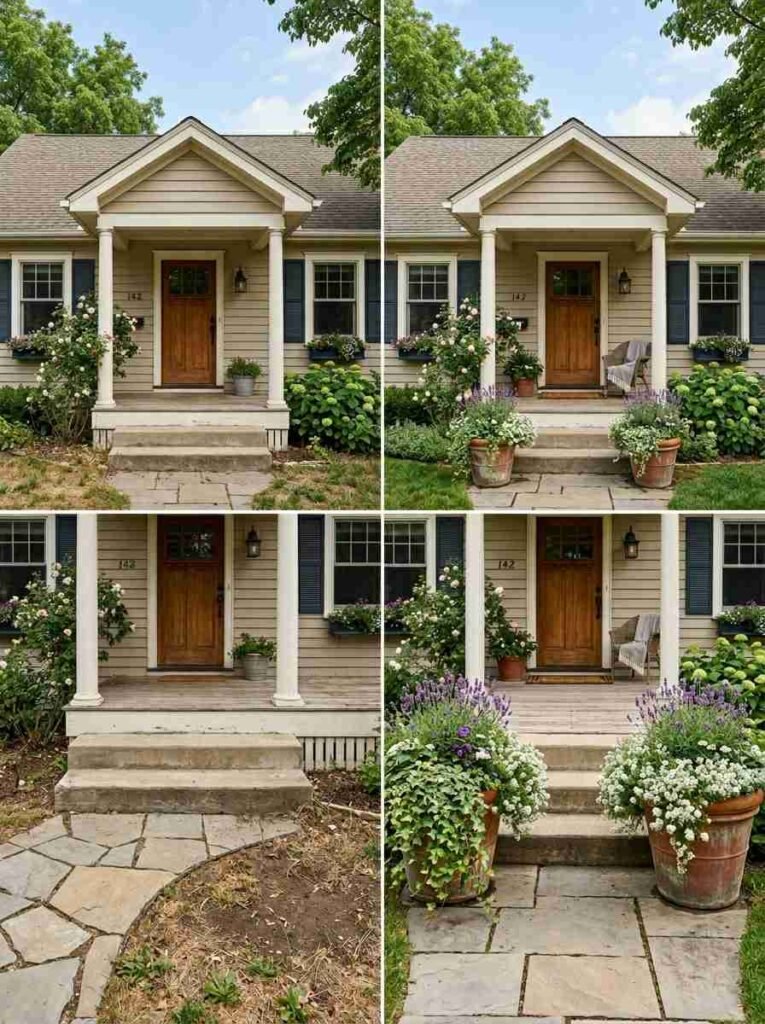
Landscaping a small front yard feels overwhelming until you realize you don’t have to dig anything up.
Planters let you add color, height, and structure without committing to permanent changes. Renting? Even better. You take them with you.
They’re also weirdly forgiving. A dead plant in a pot gets swapped out in 10 minutes. A dead plant in the ground is a whole archaeological project.
Picking the Right Planter: What Actually Matters
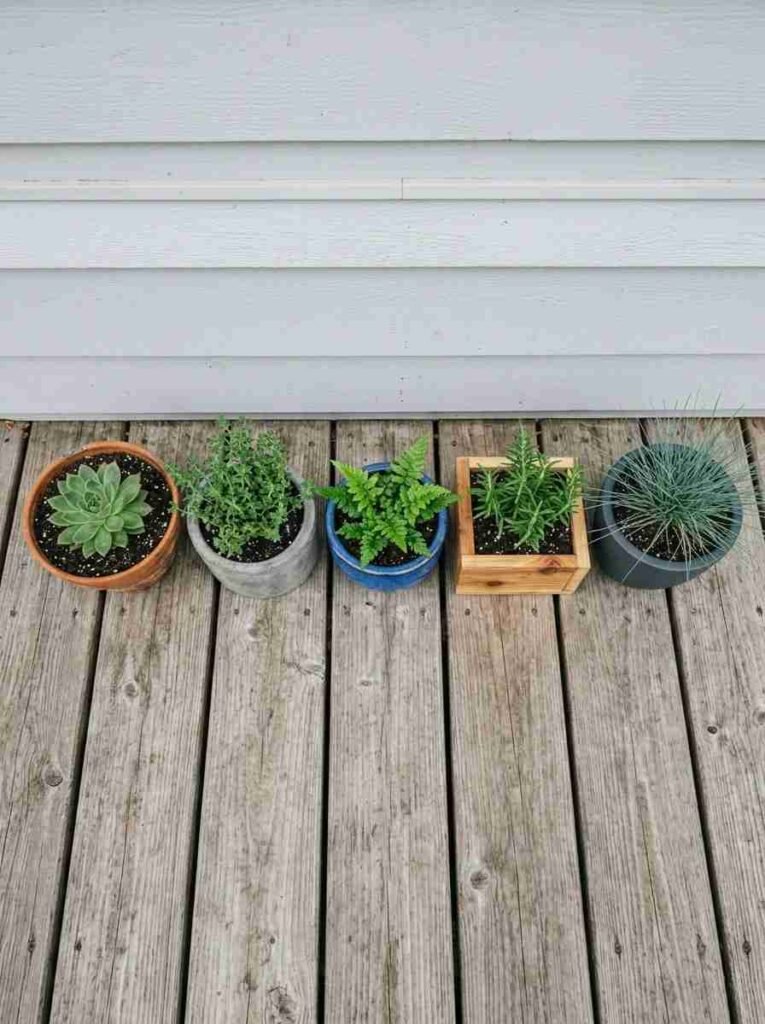
Before you buy anything, think about 3 things: size, material, and drainage. That’s it. Everything else is personal taste.
Size
| Pot Size | Best For | Placement | Plant Type |
|---|---|---|---|
| Small (under 12″) | Herbs, succulents | Window ledges, steps | Low-growing |
| Medium (12–18″) | Seasonal flowers | Flanking a path | Mixed fillers |
| Large (18–24″) | Shrubs, ornamental grasses | Entryway anchors | Statement plants |
| Extra-large (24″+) | Small trees, tall grasses | Driveway corners | Vertical drama |
Go bigger than you think. Small pots look lonely and dry out fast.
Material
- Terracotta — classic look, breathes well, breaks in a hard frost. IMO the best aesthetic for cottage or Mediterranean styles 🙂
- Fiberglass — lightweight, frost-resistant, can mimic stone or metal. Great for large pots you’ll move seasonally.
- Concrete — heavy, permanent feel, stunning for modern or industrial yards.
- Glazed ceramic — bold color options, holds moisture longer, cracks in extreme cold.
- Wood — warm and natural, but needs lining or it rots in 2–3 seasons.
Drainage
Every planter needs a drainage hole. No exceptions. Root rot is ugly and irreversible. If you fall in love with a pot that has no hole, drill one yourself or use it as a cachepot with a plastic liner inside.
24 Small Front Yard Planter Ideas (Step-by-Step)
1. The Classic Flanking Pair
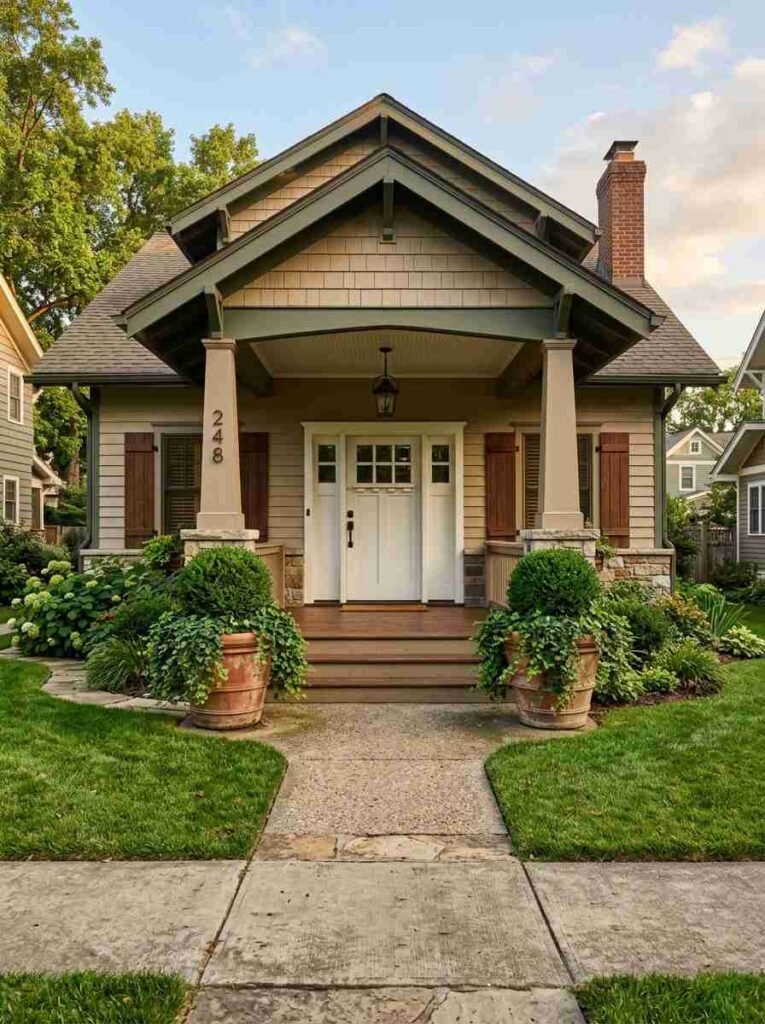
Two identical large planters on either side of your front door. Simple, symmetrical, timeless. Use evergreen boxwoods for year-round structure or swap in seasonal color.
How to do it: Choose pots at least 18″ wide. Fill with a quality potting mix, not garden soil. Plant one central shrub and ring it with trailing plants like ivy or sweet potato vine.
2. Staggered Height Trio
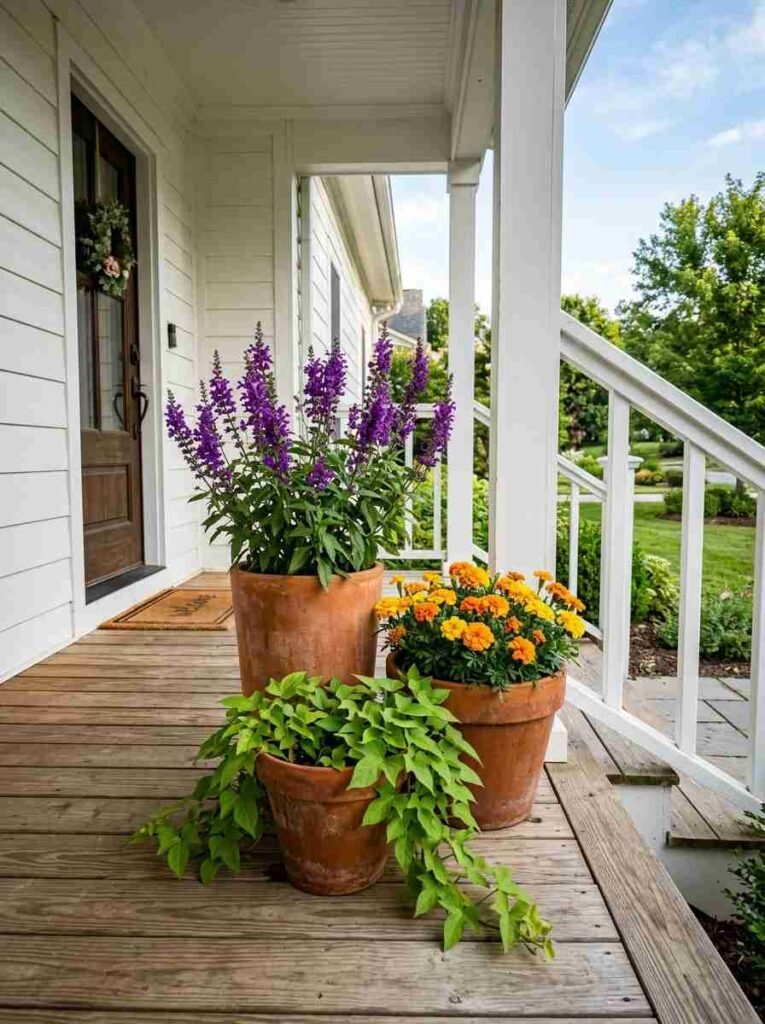
Group 3 pots of different heights — tall, medium, short — clustered near your entry. The height variation creates the kind of visual interest that makes people slow down on the sidewalk.
Use one thriller (tall, dramatic), one filler (bushy, colorful), and one spiller (trailing over the edge).
This combination works in literally every planting style.
3. Monochromatic Color Story
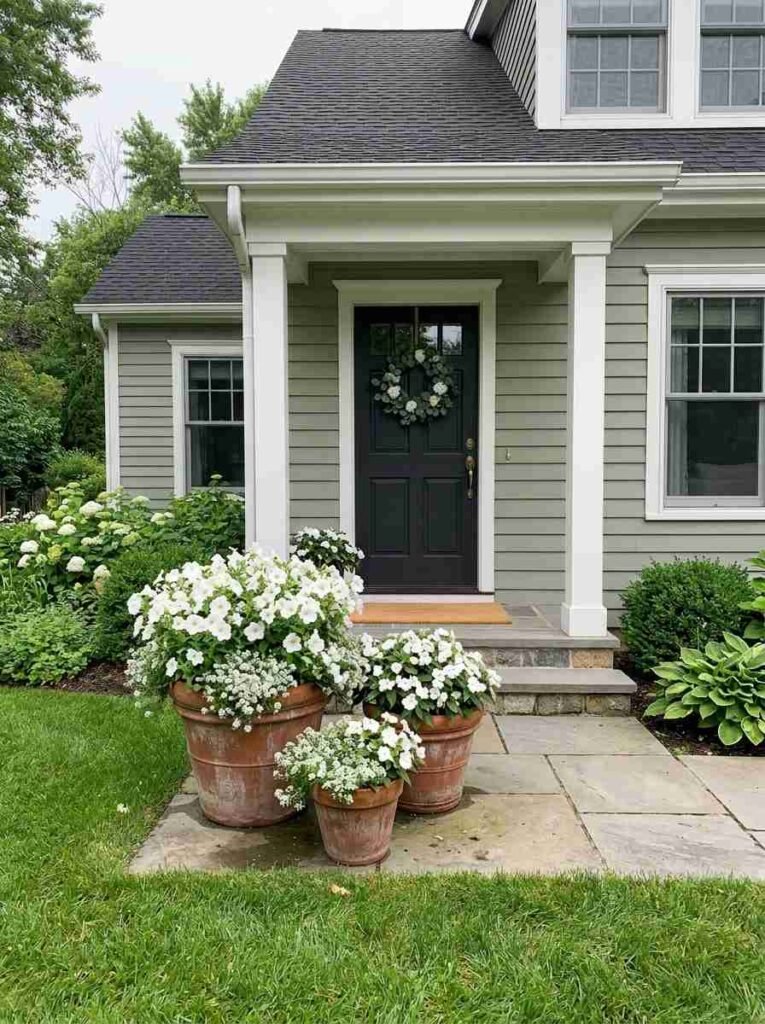
Pick one color and commit. All-white blooms in terracotta pots look incredibly clean. All-deep-purple in concrete planters looks moody and intentional. Color discipline = instant sophistication.
4. Window Box Ledge Planters
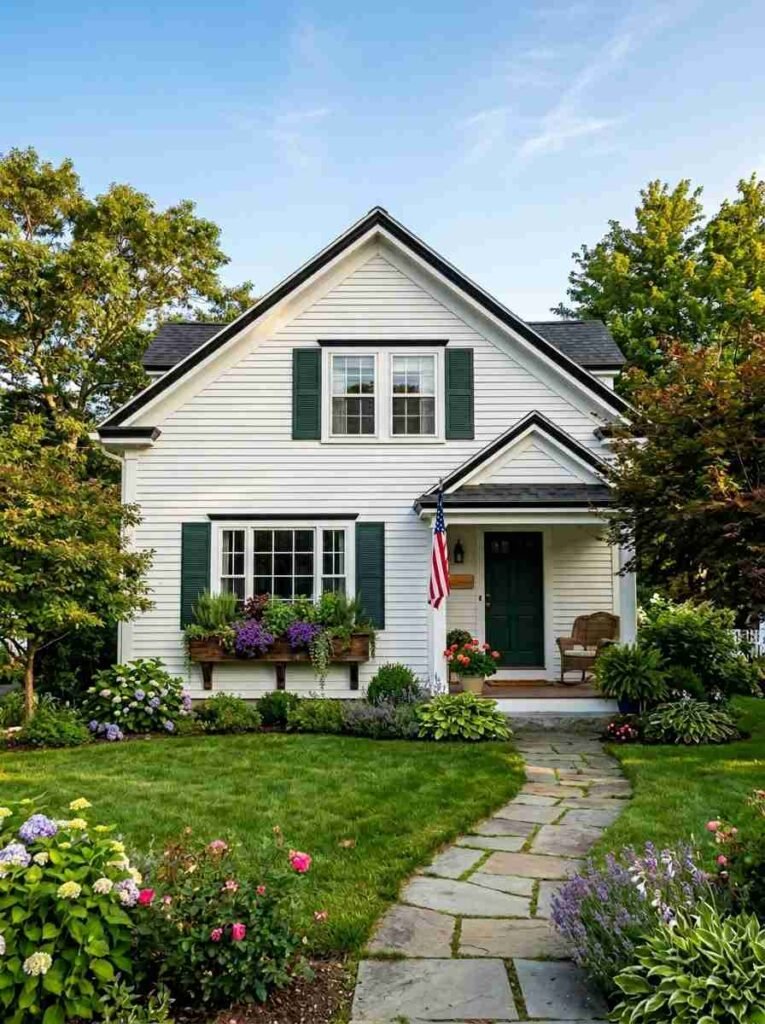
If you have a low window facing the street, a window box changes everything. Plant trailing rosemary, calibrachoa, or even strawberries.
People walking by will stop and stare. (In a good way, not in a “what happened here” way.)
5. Step Cascade
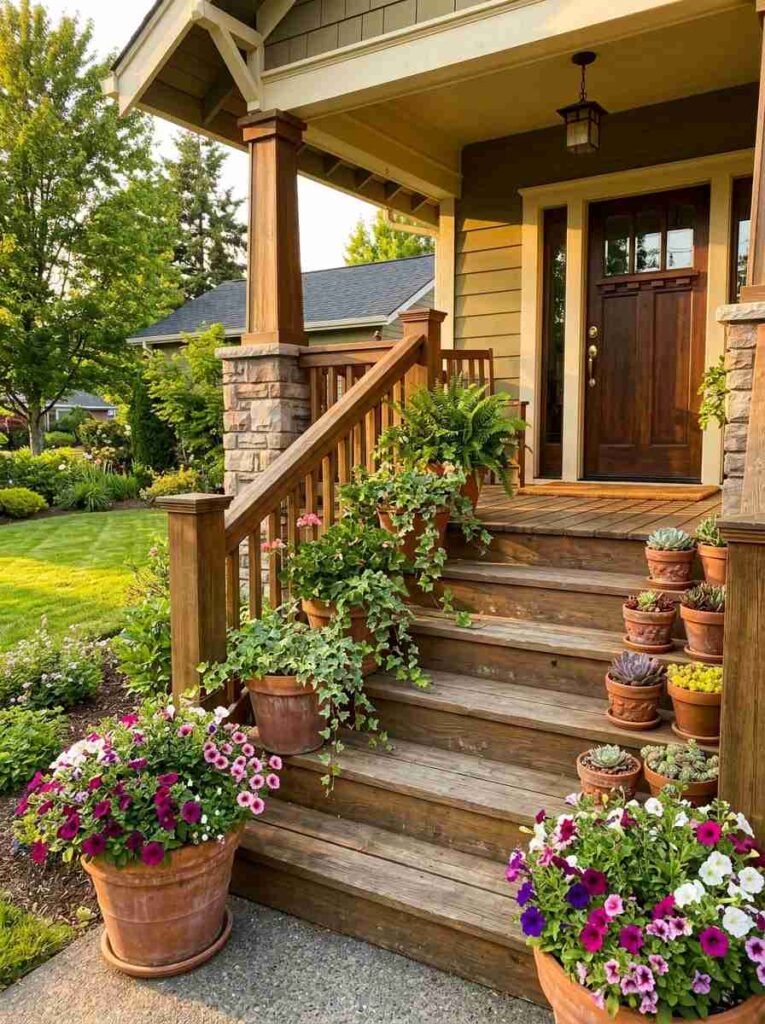
Got front steps? Line the edges with graduated pots going up each step. Start small at the top, go large at the bottom. It frames the entry and makes even a plain concrete staircase look designed.
6. Ornamental Grass Statement
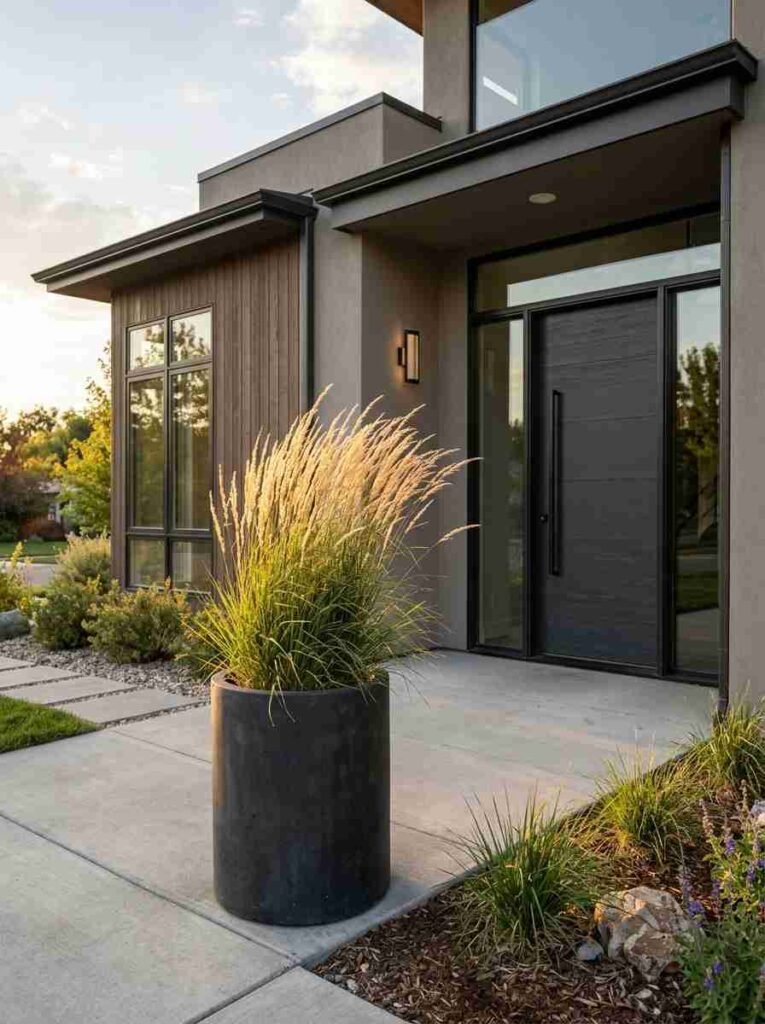
A single large container with tall ornamental grass — like fountain grass or Karl Foerster — works like a piece of outdoor sculpture.
Zero fuss, maximum impact. Grasses move in the breeze and look alive in a way most flowering plants don’t.
7. Herb Garden by the Door
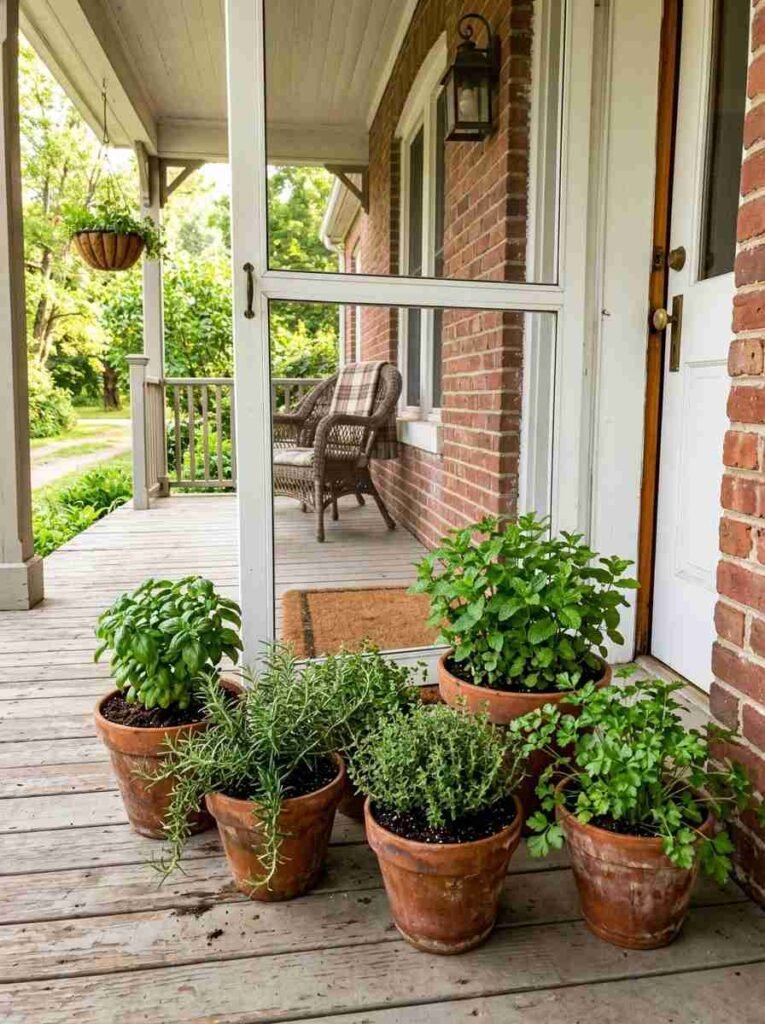
Basil, rosemary, thyme, mint in a cluster of small terracotta pots near your door. Looks charming, smells incredible, and you’ll actually use it. Win-win-win.
8. Succulent Bowl Garden
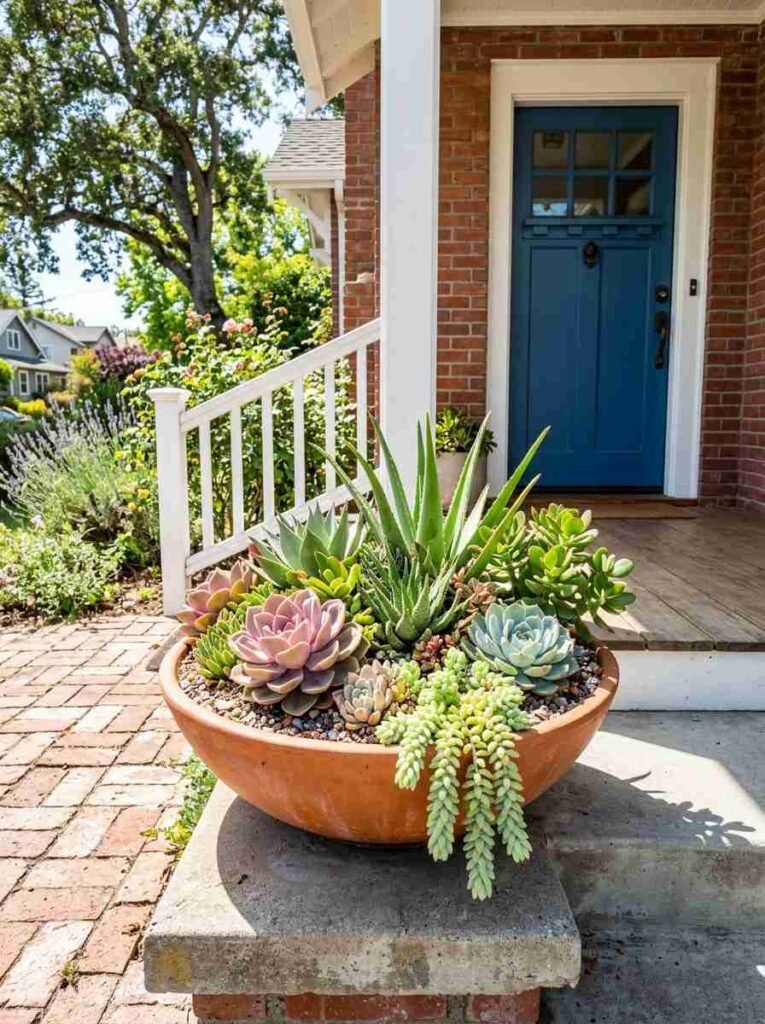
A wide, shallow bowl planted with a mix of succulents is almost no-maintenance. Succulents like neglect.
They thrive when you forget about them. If you’ve killed every plant you’ve ever owned, start here.
9. Matching Lantern & Planter Sets
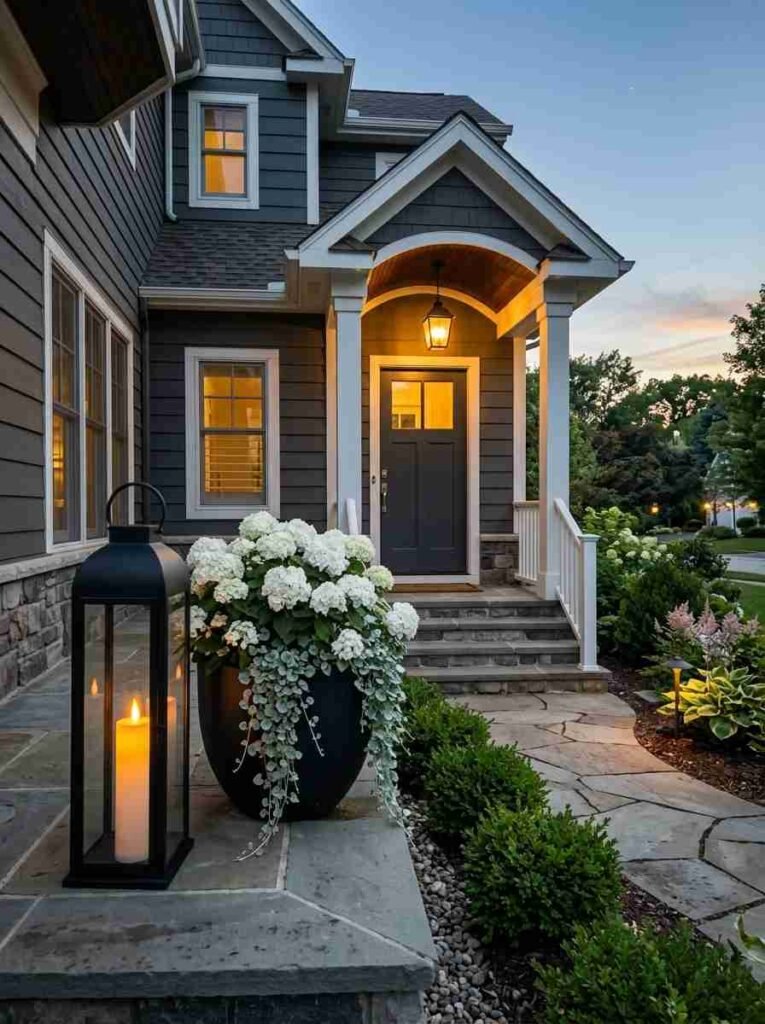
Place a tall lantern (electric or solar) next to a large planter at your entry. The vertical line of the lantern plus the rounded fullness of the planted pot creates a balanced composition. Very Pinterest, very easy.
10. Seasonal Rotation Strategy
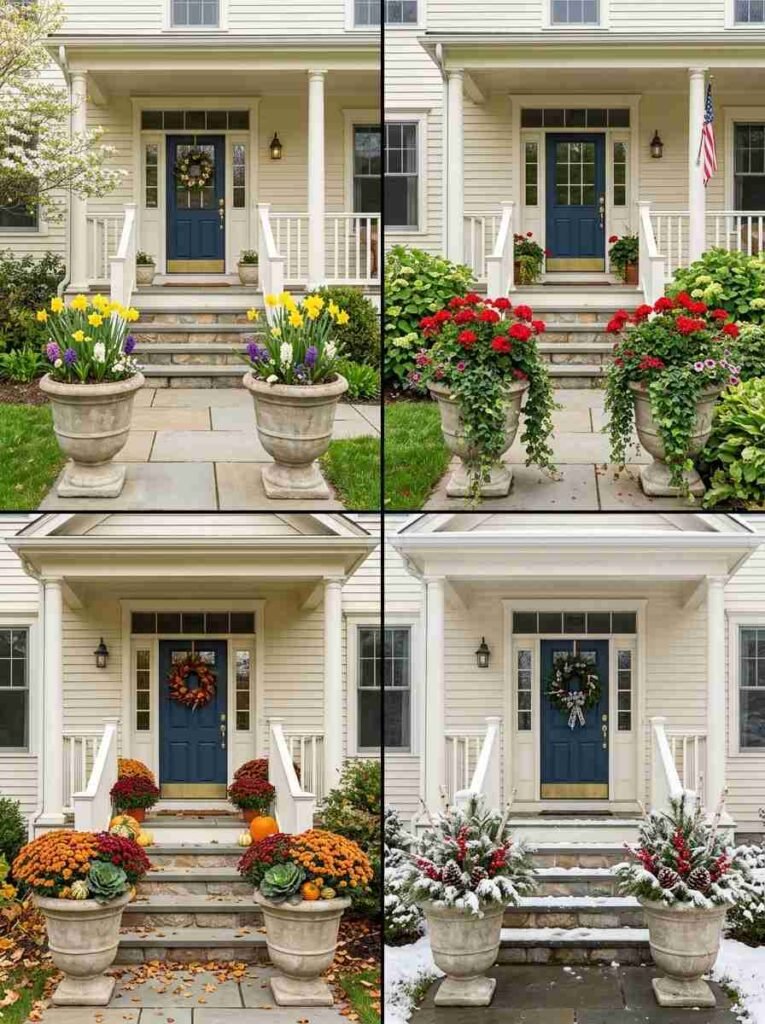
Pick 2 large anchor planters and change out the plants 4 times a year: spring bulbs → summer annuals → fall mums → winter evergreen branches + berries. Same pots, totally different look every season. Your neighbors will think you have a landscaper. You don’t.
11. All-White Cottage Look
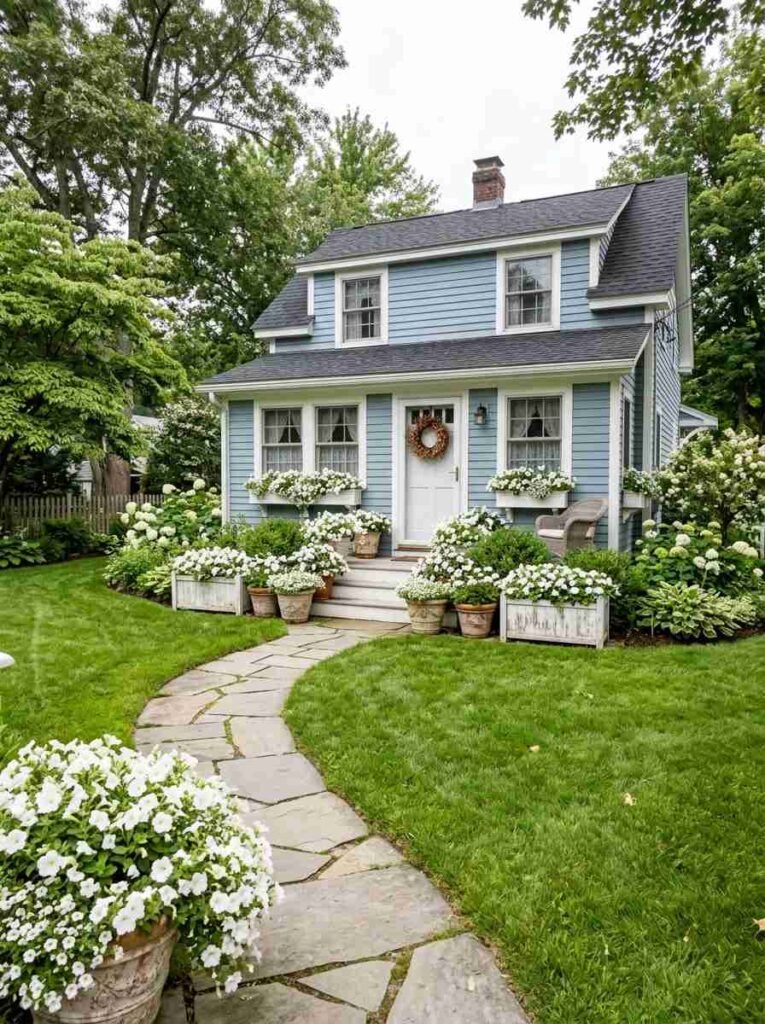
White petunias, white alyssum, white impatiens. All in aged terracotta or whitewashed wood boxes. This is the look that gets saved on Pinterest 10,000 times for good reason — it’s clean, romantic, and works on any house color.
12. Dramatic Black Planters
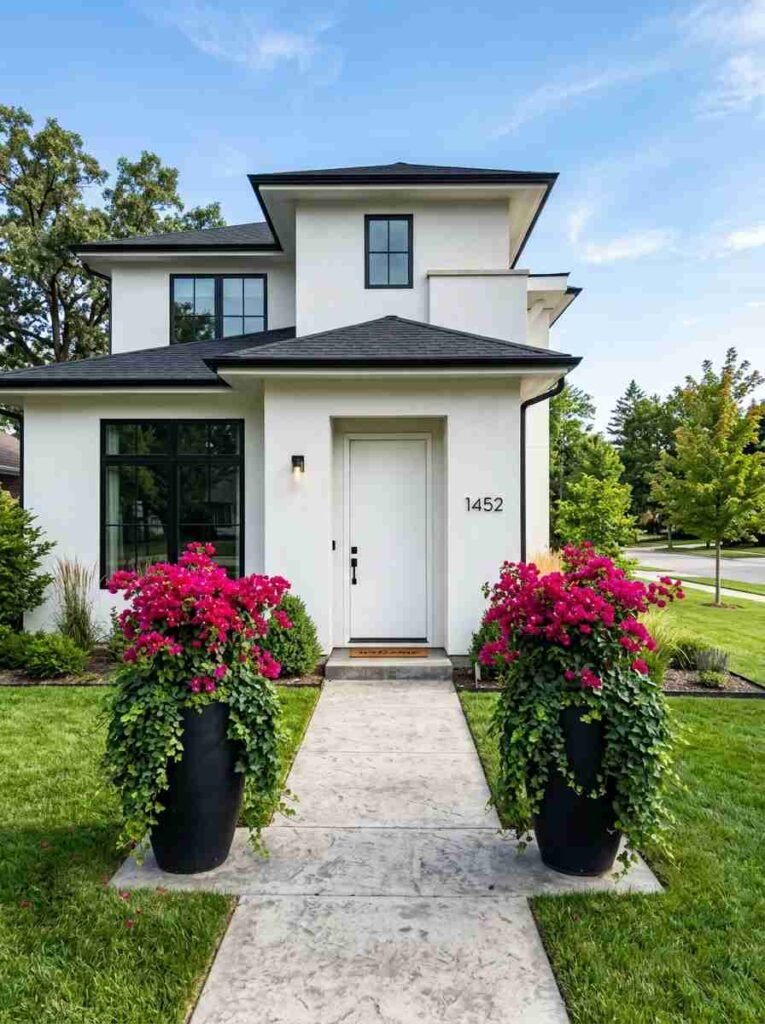
Matte black fiberglass planters with bright blooms inside. The contrast is striking. Works especially well on white, gray, or cream-colored houses. FYI — this look reads as very intentional and modern even when you spend almost nothing on plants.
13. Wall-Mounted Pocket Planters
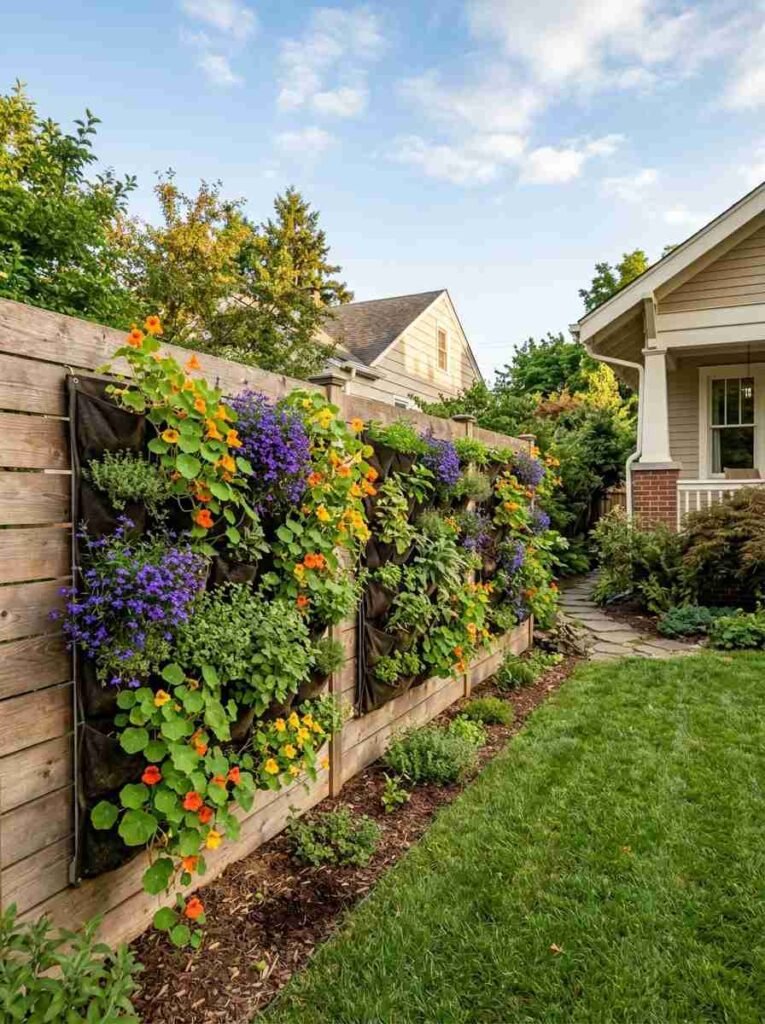
Got a fence or a plain wall? Hang fabric or metal pocket planters and fill them with trailing flowers or herbs.
Turns dead vertical space into a living wall without any construction.
14. Vintage Crate Planters
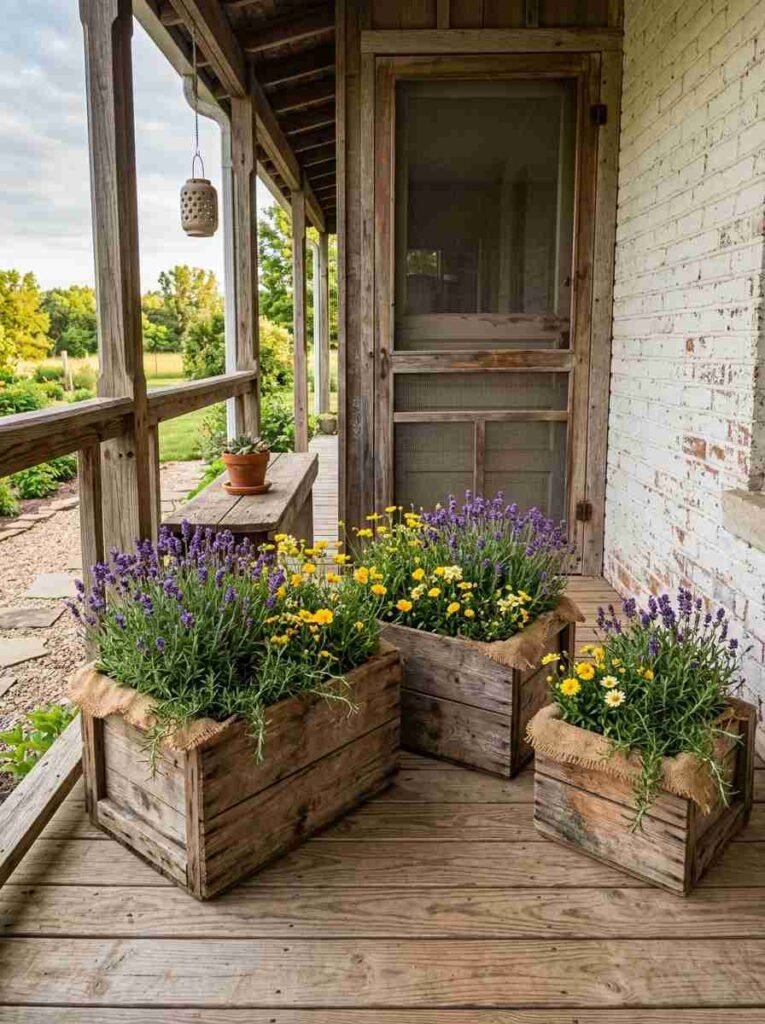
Old wine crates or wooden boxes lined with burlap make beautiful rustic planters. Sand them, seal them, plant lavender or wildflowers. Looks expensive. Is not.
15. Zen Minimalist Concrete Look
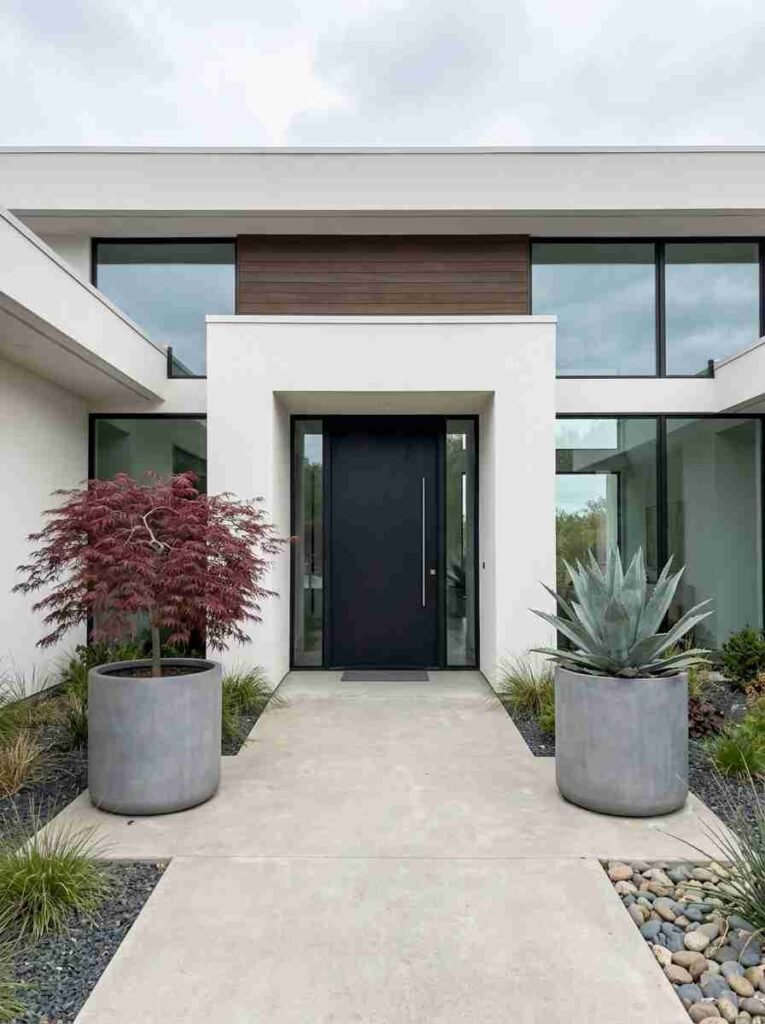
2 large cylindrical concrete pots. Nothing in them except a single architectural plant each — like a small Japanese maple or a spiky agave. Generous negative space. Clean lines. This one takes confidence to pull off but always pays off.
16. Colorful Painted Terra Cotta
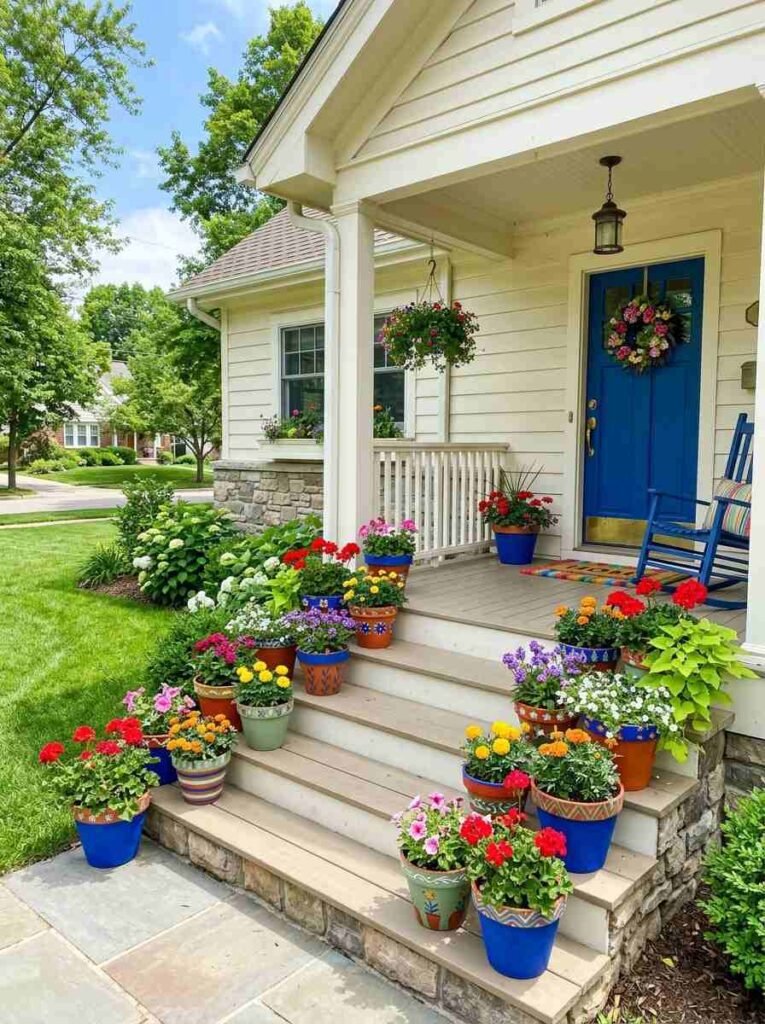
Buy plain terracotta.
Paint it. Seriously — a few coats of outdoor paint in cobalt blue, burnt orange, or sage green turns a $4 pot into something that looks curated. Seal it after painting.
17. Climbing Trellis + Planter Combo
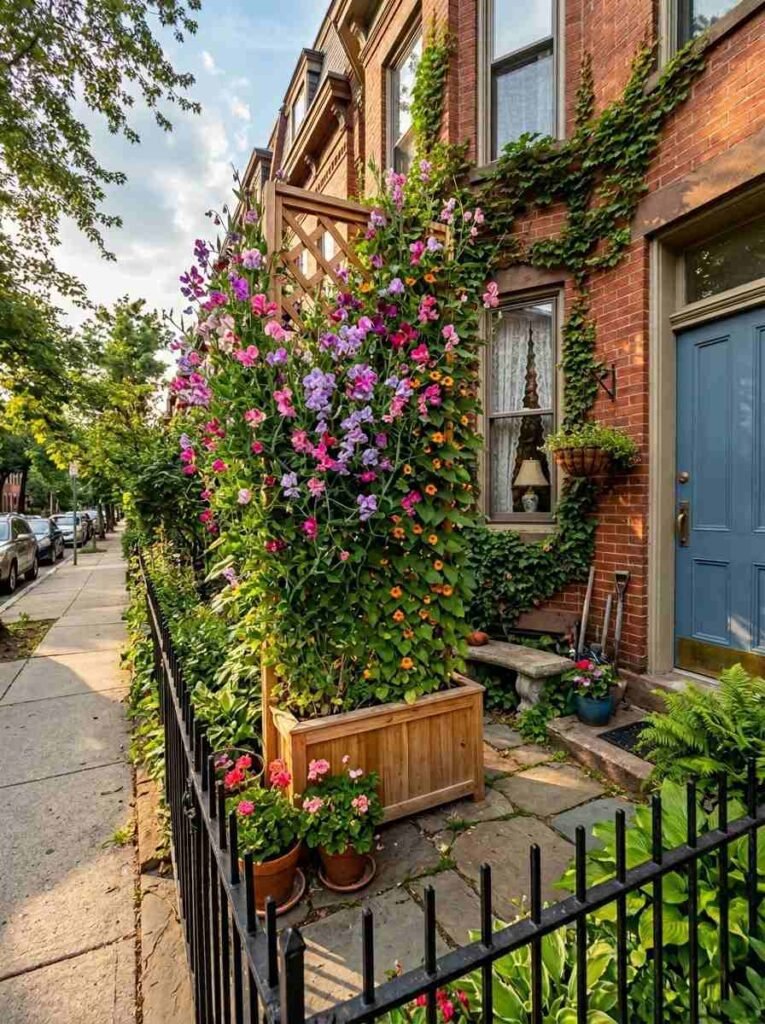
A planter with a built-in trellis, planted with a climbing vine like sweet pea or black-eyed Susan vine. Adds vertical height without taking up more ground space. Perfect for narrow yards.
18. Raised Planter Bed at the Walkway Edge
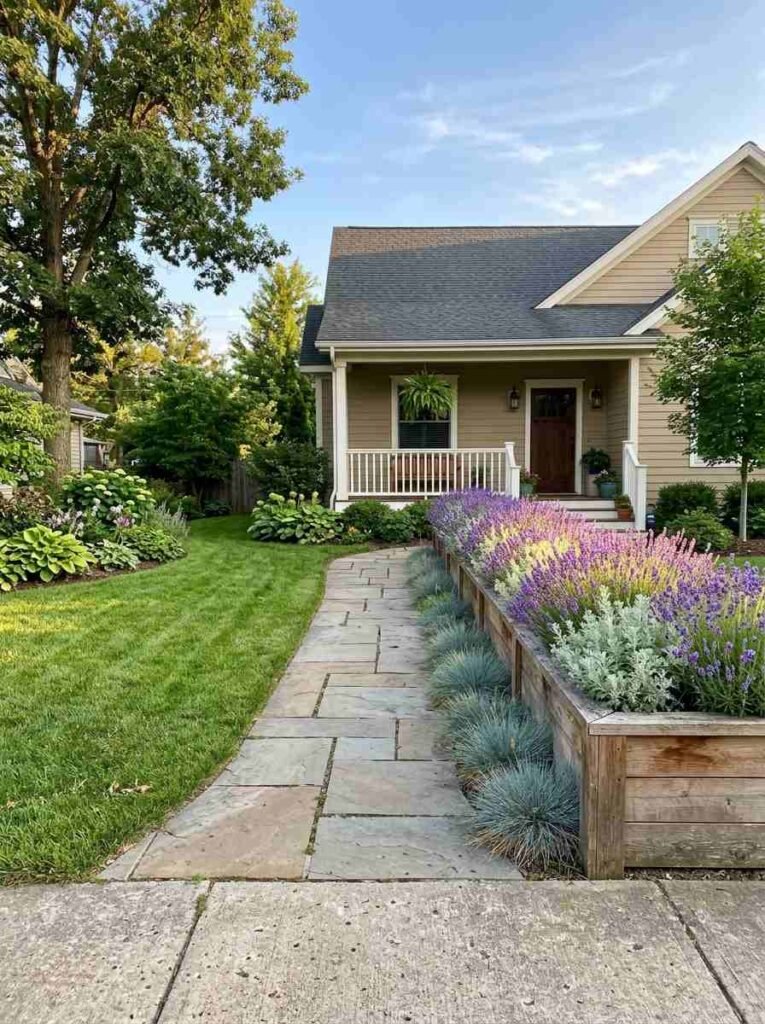
A long rectangular planter box (like a mini raised bed) running alongside your front walkway, planted with lavender or low ornamental grasses. Guides visitors in and smells amazing in summer.
19. Cottage Wildflower Mix
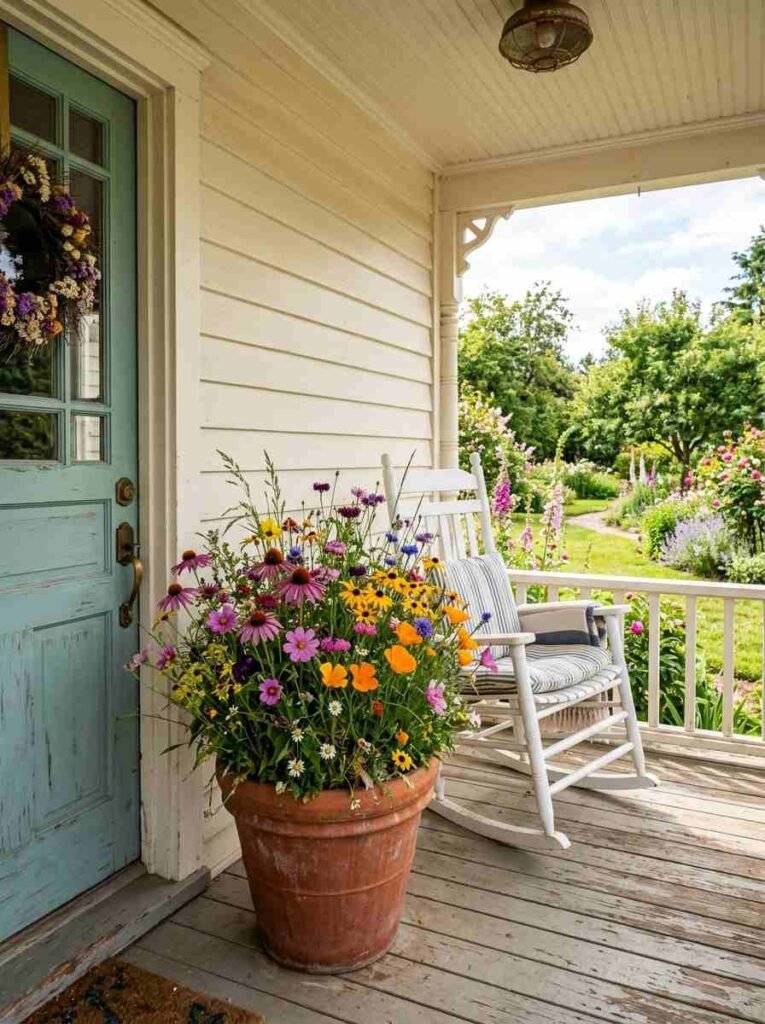
Grab a wide, deep pot and throw in a wildflower seed mix. Water it. Wait. What comes up is different every time and always looks intentionally chaotic in the best way.
20. Matching Doorstep Urns
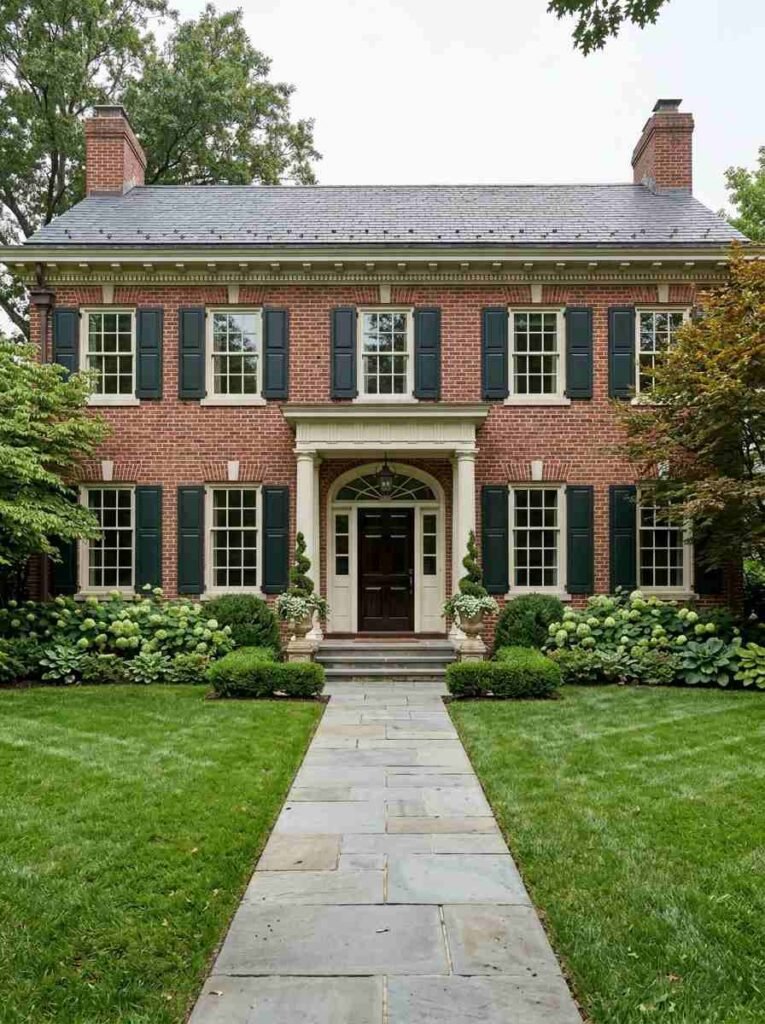
Tall, urn-shaped planters flanking the door feel formal and grand even on a small scale. Plant with spiral topiary or a standard rose for that classic English garden look.
21. Layered Rock & Succulent Arrangement
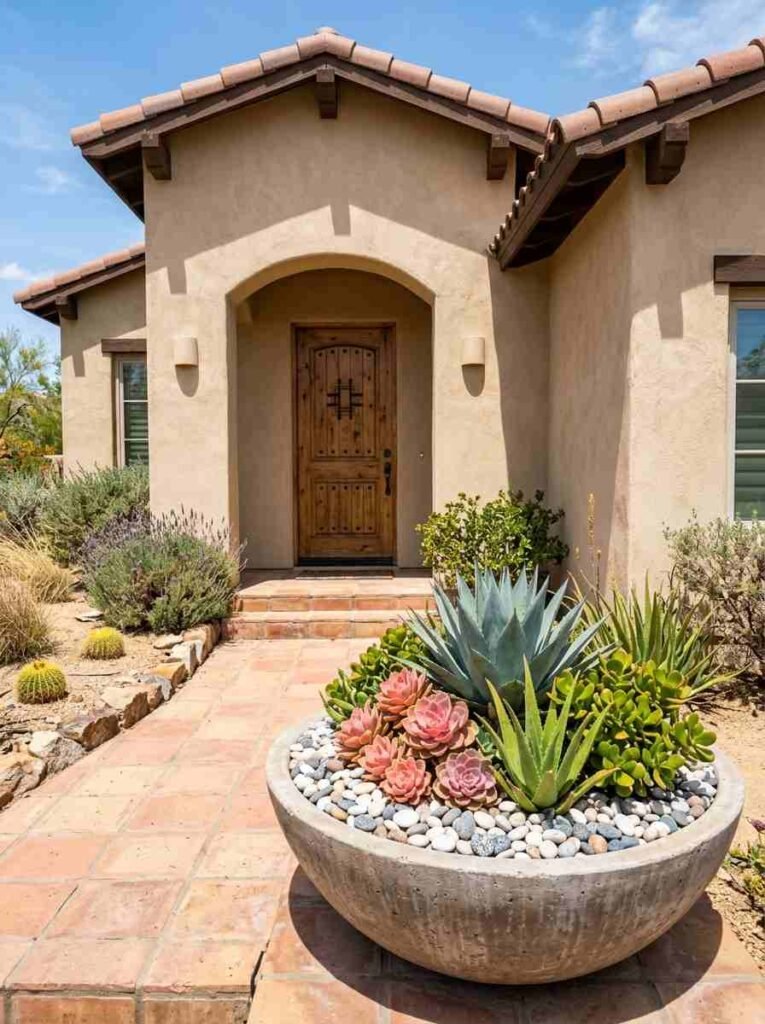
A large planter with decorative gravel on top, mixed succulents planted throughout. The rock layer reduces watering, prevents weeds, and looks polished. Low-effort, high-reward.
22. Porch Rail Planter Clips
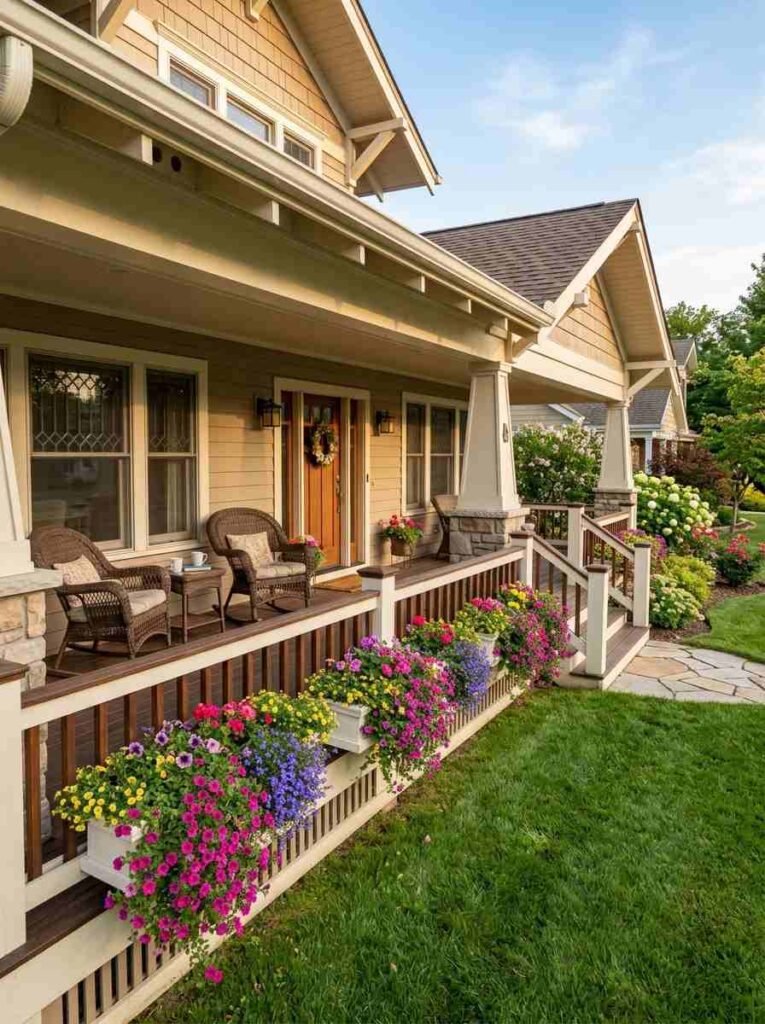
If you have a porch railing, clip-on rail planters let you add color along the entire railing length without any drilling. Calibrachoa or trailing lobelia spill over beautifully.
23. Night-Lit Planter
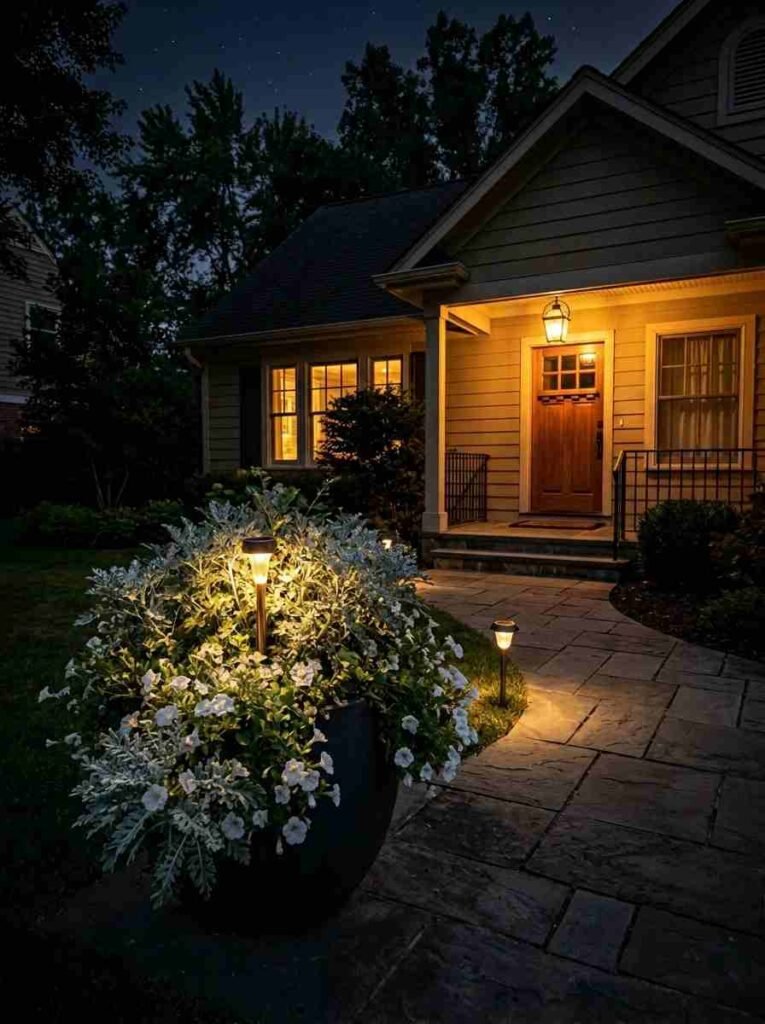
Place a solar-powered stake light inside or beside a large planter. At night, it makes the planter glow and your entryway look welcoming even after dark. A small detail with a big payoff.
24. The Statement Tree in a Pot
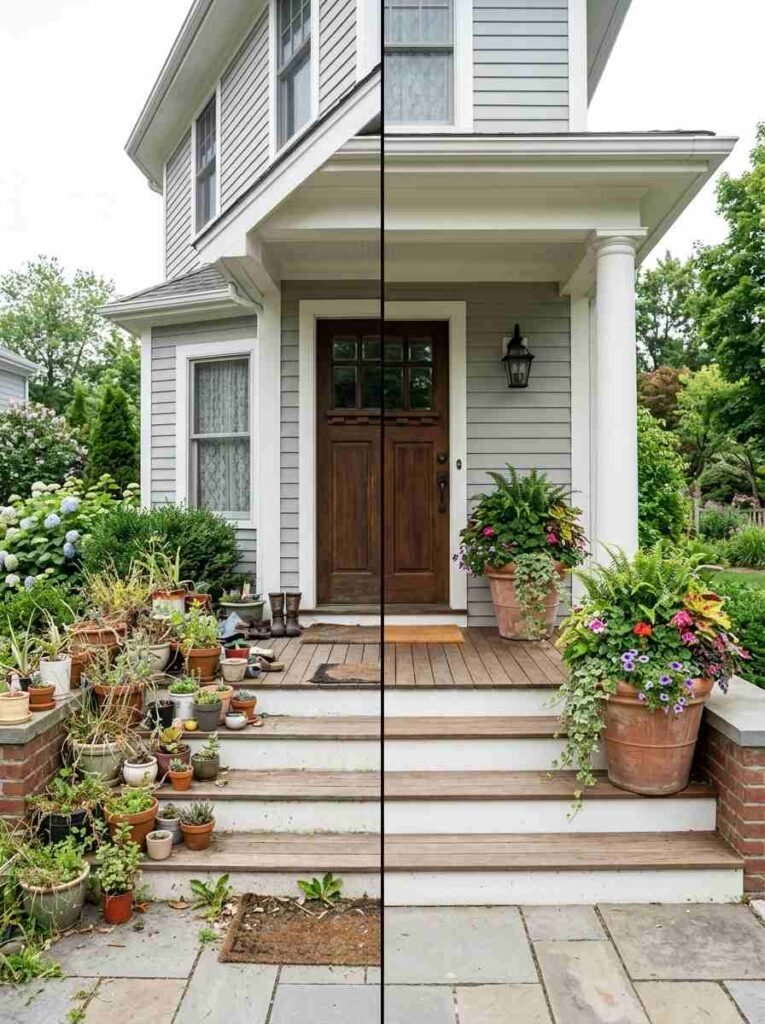
A dwarf citrus tree, olive tree, or small Japanese maple in an oversized pot. This is the anchor. Everything else organizes around it. It reads as permanent even though you can move it anytime.
Step-by-Step: Setting Up Your Planter Display
Step 1 — Measure your space. Know how much room you’re working with before buying anything. A crowded entry is worse than a bare one.
Step 2 — Decide on your style. Cottage, modern, Mediterranean, zen? Pick one and stick to it. Mixed styles look accidental.
Step 3 — Choose your anchor pots first. These are your largest pieces. Everything else scales from them.
Step 4 — Plan your plants before you plant. Thriller, filler, spiller. One per pot, minimum.
Step 5 — Use quality potting mix. Not garden soil. Not cheap filler. Good potting mix drains well and holds nutrients.
Step 6 — Water consistently. Pots dry out faster than beds. In summer, daily watering is often necessary.
Step 7 — Fertilize monthly. Slow-release granules at planting, then liquid fertilizer monthly. Your plants will double in fullness.
Common Mistakes Worth Skipping
- Too many small pots. They look cluttered and dry out constantly. Go fewer, go bigger.
- Matching everything perfectly. Identical everything looks staged, not styled. Vary materials slightly.
- Planting sun-lovers in shade spots. Check the light before you buy the plant, not after.
- Forgetting the spillers. Plants that trail over the pot edge are what make arrangements look lush instead of sparse.
Final Thought
You don’t need a big yard or a big budget to have serious curb appeal. A few well-chosen pots, the right plants, and a little attention to scale and style go further than most people realize.
Start with 2 good anchor planters at your entry. Get those right, then build from there. You’ll be surprised how much one good decision changes the whole front of your house :/
(And if your neighbors ask who did your landscaping — you can decide whether to tell them it took a weekend.)
