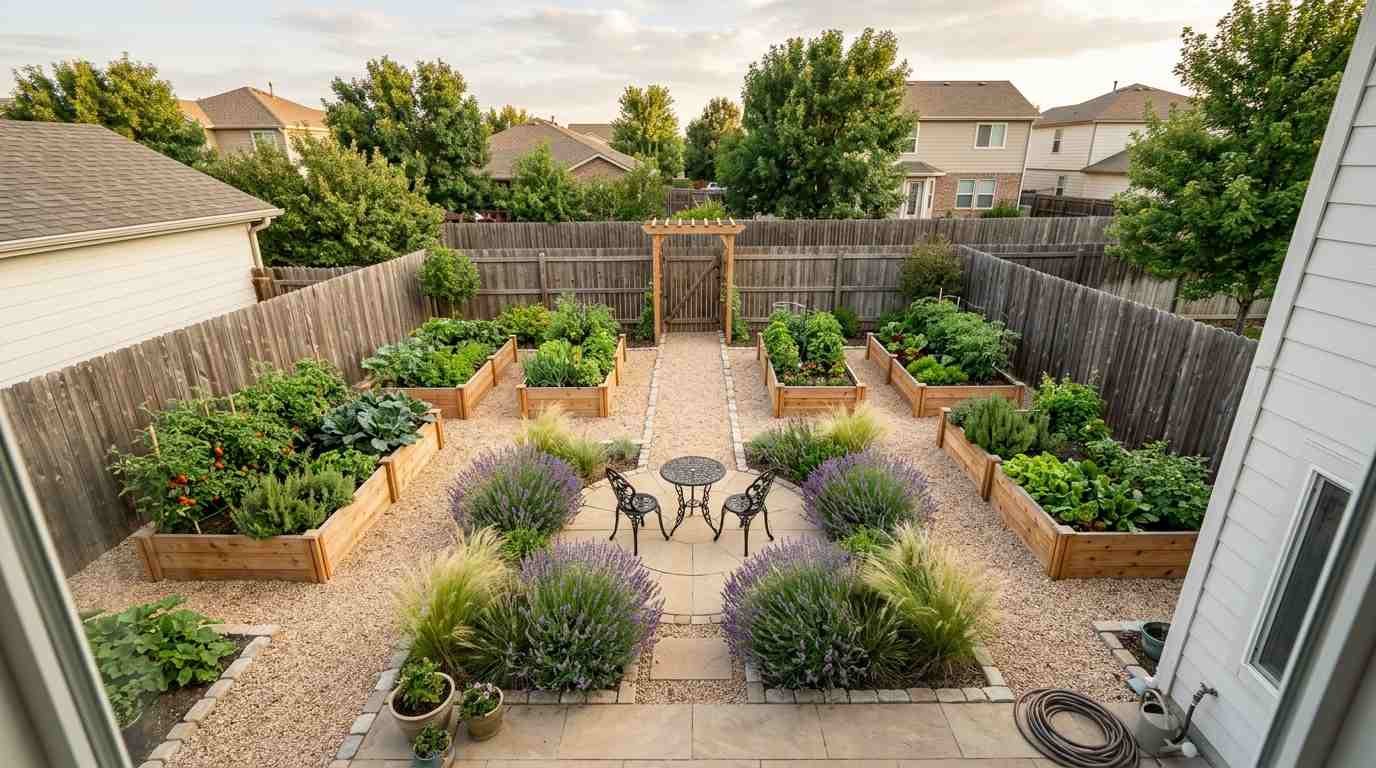
Your backyard is small. Mine was too. And I almost made peace with “it’s just a patch of dirt.” Then I spent a weekend on Pinterest and realized I’d been dramatically underselling what 200 square feet can do.
Here’s the honest truth: small backyards don’t need more space. They need better decisions. Whether you’re working with a rental patio, a postage-stamp city yard, or a side strip you’ve been ignoring for 3 years, these ideas will help. IMO, small is actually easier to work with once you stop trying to shrink a big yard and start designing for what you actually have.
1. Work with vertical space
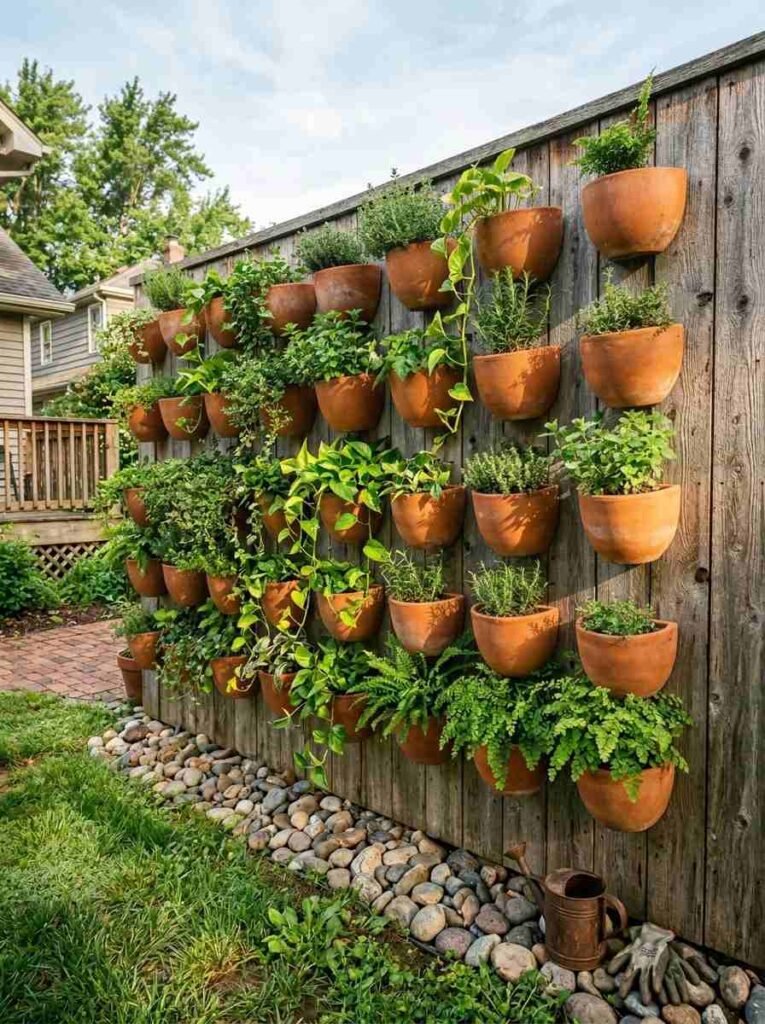
Small ground footprint? Fine. The walls, fences, and air above you are free real estate.
A vertical garden wall with pocket planters can hold 20+ plants in the space a single shrub would take. Attach a cedar trellis to a fence and grow climbing roses, jasmine, or even cucumbers. Vertical gardening immediately adds depth and privacy without sacrificing a single square foot of floor space.
2. Define zones, even in a tiny yard
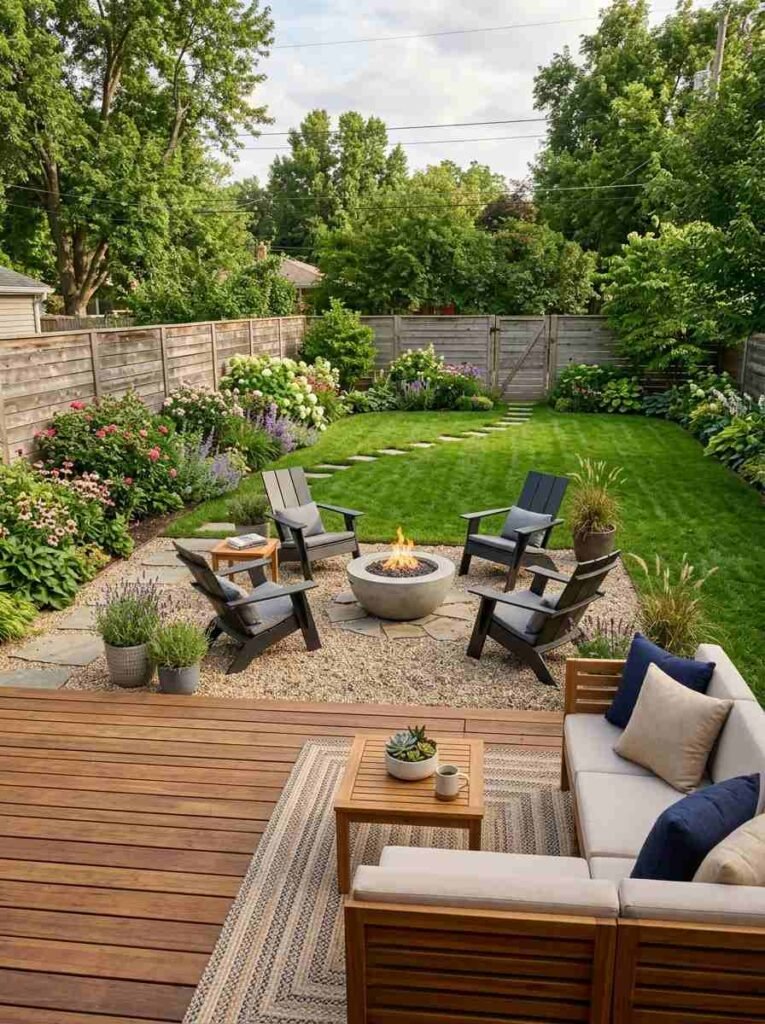
One continuous patch of grass or concrete reads as just that: a patch. Divide your small backyard into 2 or 3 distinct “rooms” and suddenly it feels like there’s a lot more going on.
Use different materials underfoot. Gravel in one section, pavers in another, soft grass or ground cover in a third. Even a simple change in level (a raised wooden deck vs. the surrounding patio) creates that sense of moving between spaces.
3. Build a gravel garden with stepping stones
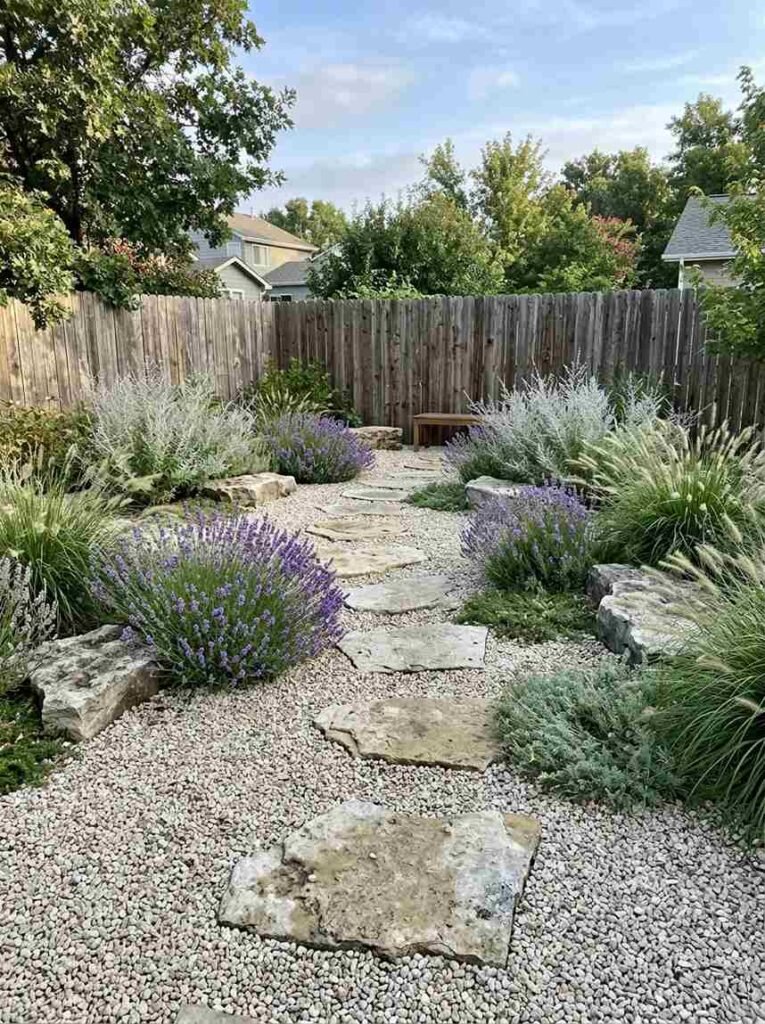
Gravel gardens are low maintenance, drainage-friendly, and really photogenic on Pinterest (just saying). Lay a base of pea gravel or crushed stone, then arrange irregular stepping stones through it.
Add ornamental grasses, lavender, or sedums between the stones. This look works especially well in dry climates or shady spots where grass refuses to grow anyway.
4. Add a corner pergola
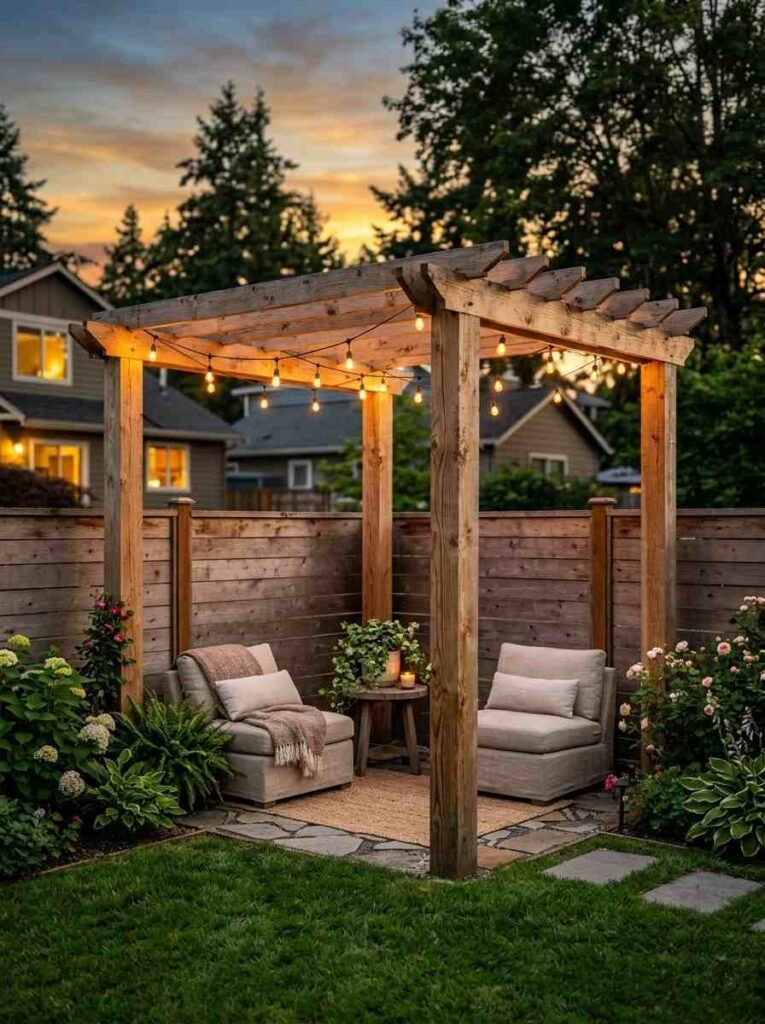
You don’t need a full pergola spanning the whole yard. A corner pergola takes up about 8×8 feet, gives you a defined outdoor seating spot, and looks surprisingly impressive for the footprint.
String lights overhead, hang a simple cotton curtain on one side, throw in 2 chairs and a side table. You’ve got an outdoor room.
5. Use raised beds as borders
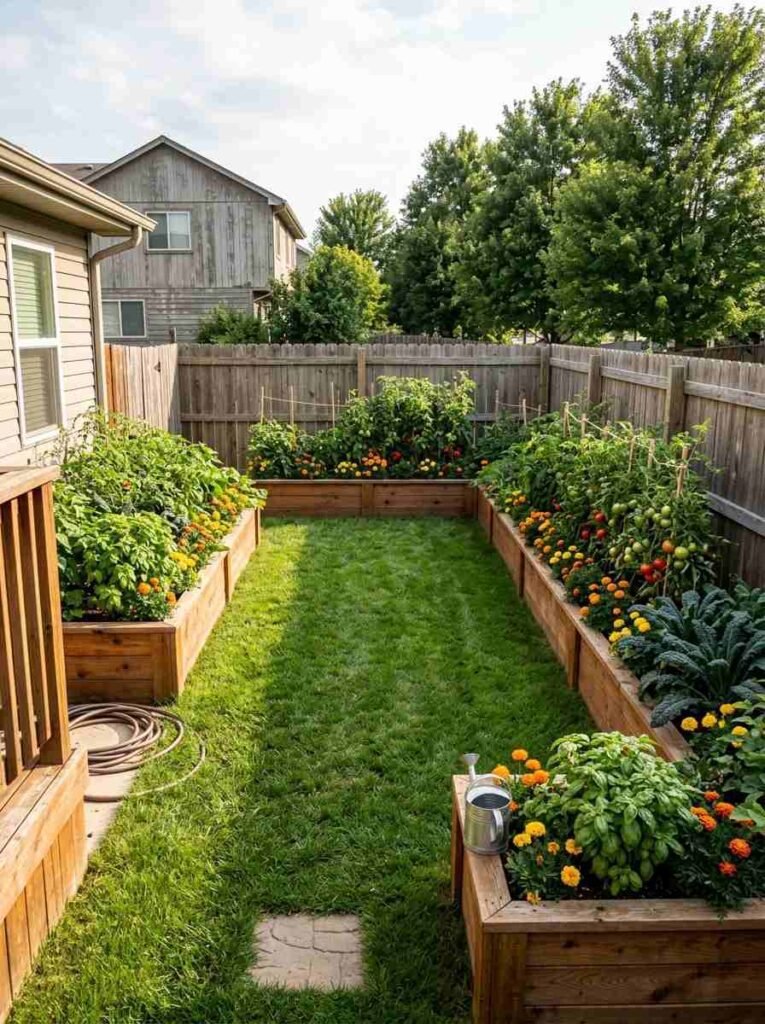
Raised garden beds don’t have to live in the middle of the yard. Line them along the fence perimeter to leave the center open while still getting serious growing space.
Cedar frames, metal corrugated panels, or even stacked cinder blocks all work well. 2 or 3 raised beds around the perimeter of a small yard can hold a full kitchen garden without making the space feel cramped.
6. Lay a simple paver patio
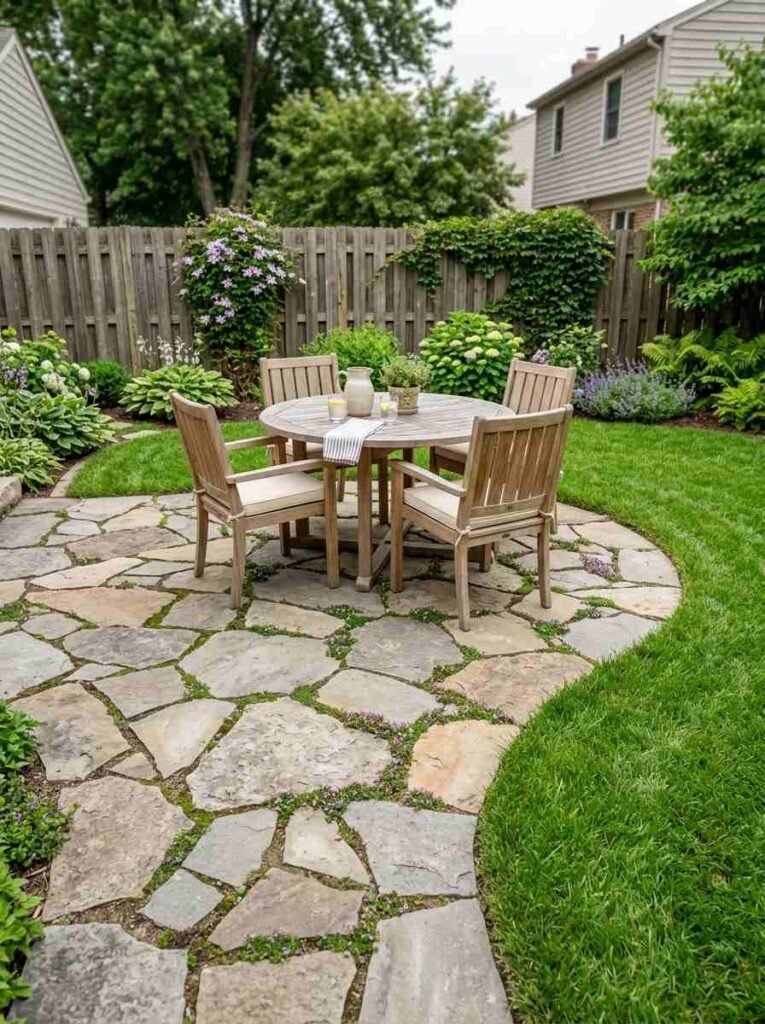
Loose-lay pavers (no concrete base, just compacted gravel and sand) are a weekend project most homeowners can handle. A 10×12 foot paver patio is enough for a table and 4 chairs.
Consider irregular flagstone for a more casual, organic vibe. Or neat square pavers if you like cleaner lines. Both look great in small spaces because there’s less area for the pattern to get overwhelming.
7. Plant a dwarf fruit tree
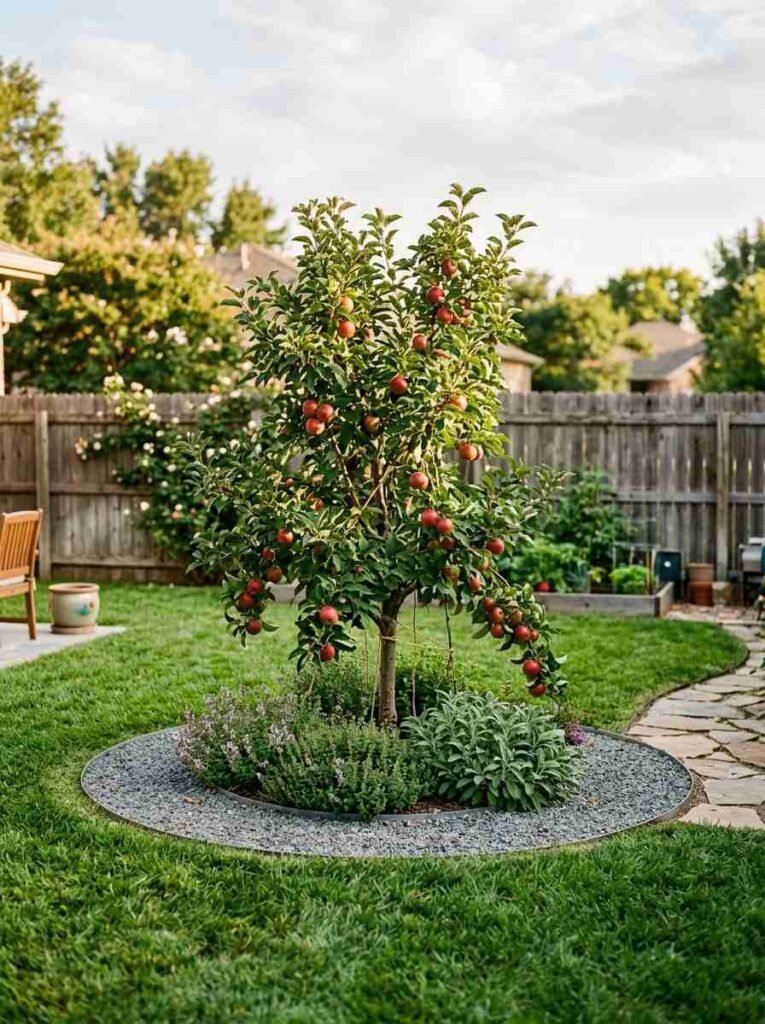
A single dwarf apple, citrus, or fig tree can be a genuine focal point in a small yard. They top out at 6-10 feet depending on the variety and give you fruit without taking over.
Plant it center-yard in a gravel circle underplanted with low herbs, and you’ve got the kind of landscaping that looks intentional rather than accidental.
8. Create a dry creek bed
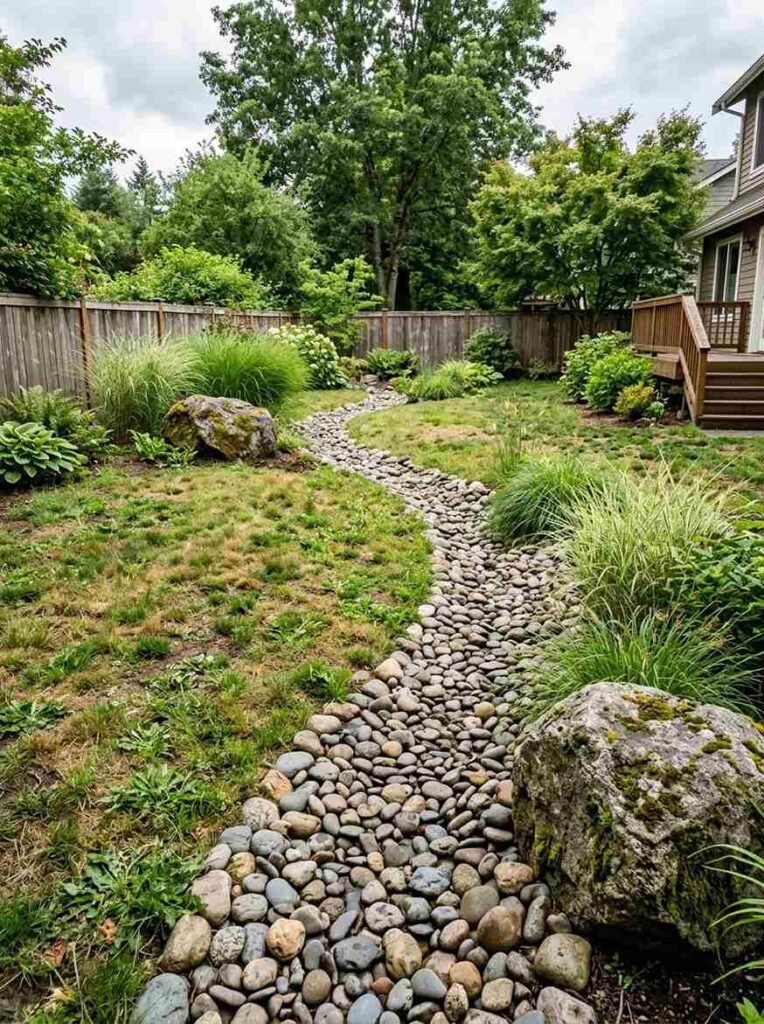
This one looks more complex than it is. A dry creek bed is essentially a curved channel of river rock running through your yard, mimicking a natural waterway.
It’s a great solution for yards with drainage issues. And it adds a natural, organic element that loosens up overly rectangular spaces. Pair it with ornamental grasses and boulders for a naturalistic, low-water garden style.
9. Build a simple fire pit area
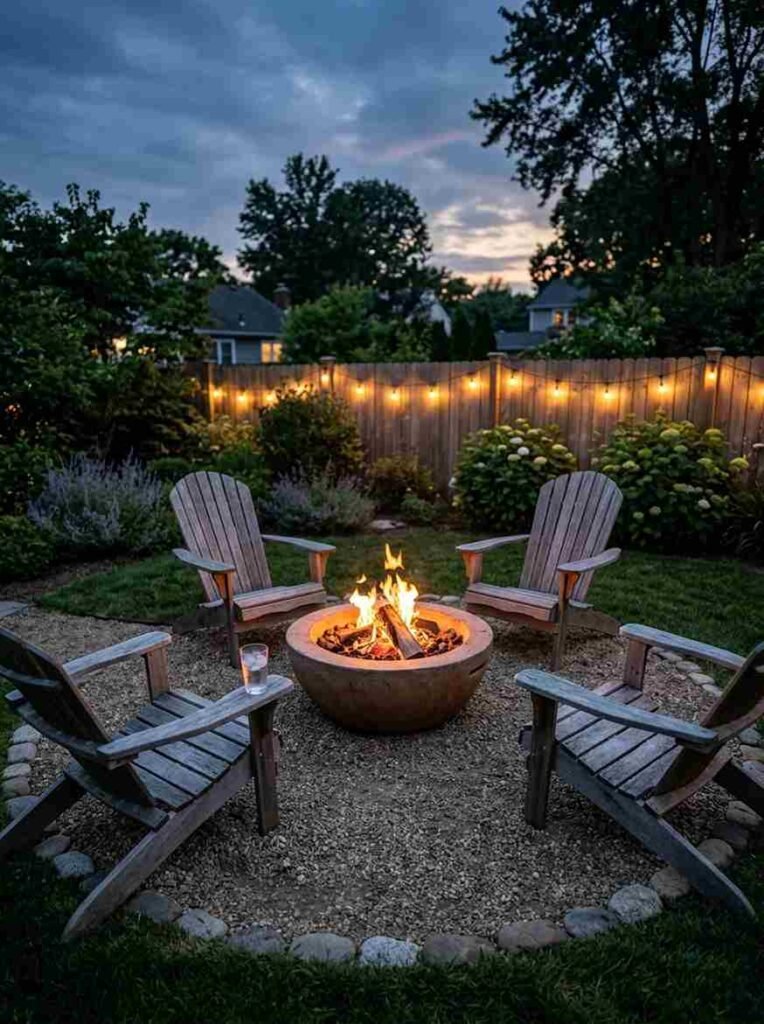
A 3-foot diameter concrete fire bowl, 4 Adirondack chairs, and a circle of gravel or flat stones. That’s all this takes.
A fire pit area can be built for under $500 and becomes the most-used spot in any small backyard. Position it away from the fence (check local codes on clearance distances) and keep the surrounding area clear of anything flammable.
10. Add a water feature
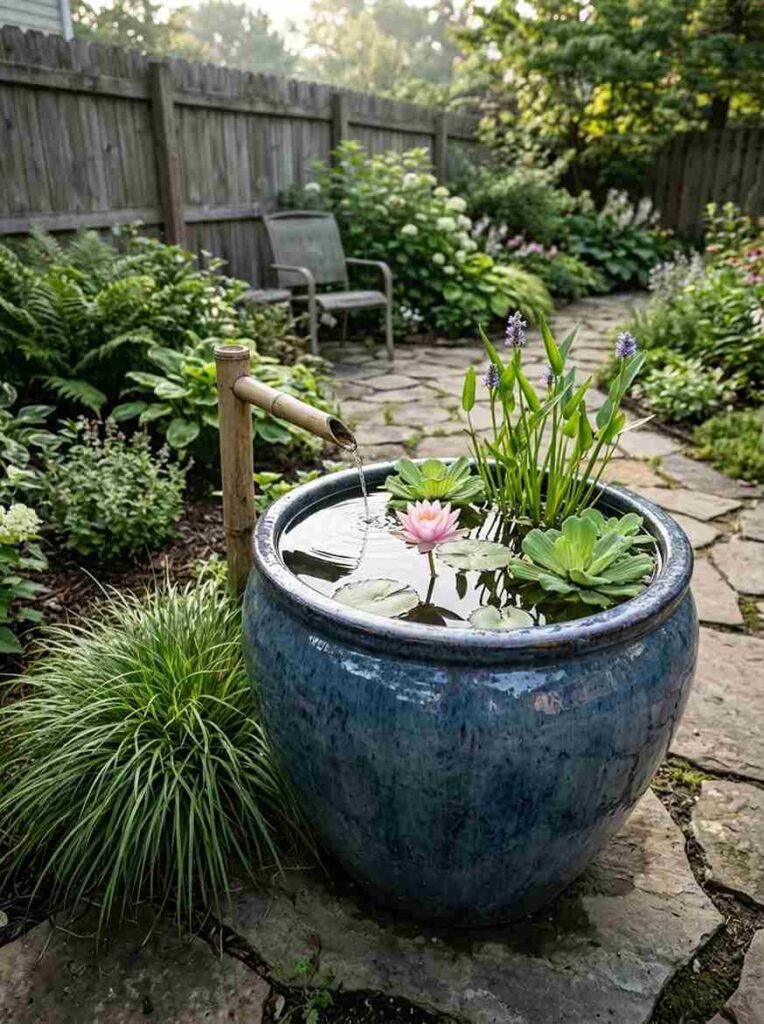
Small yard, small water feature. You don’t need a koi pond. A 24-inch container water garden (a large pot, sealed, filled with water and 2-3 aquatic plants) adds movement, sound, and a serious visual interest point.
Add a small submersible pump for flowing water if you want the sound. Mosquito dunks keep the water clean. Simple, cheap, effective.
11. Try a Japanese-inspired gravel garden
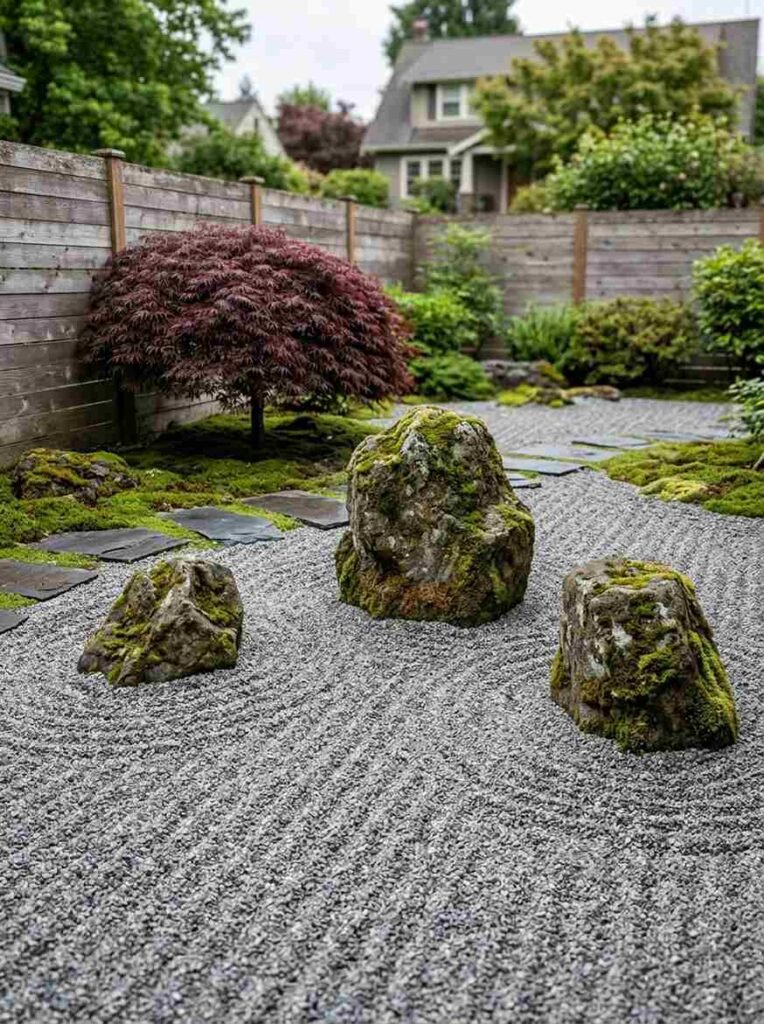
The minimalist aesthetic of Japanese garden design is basically made for small spaces. Raked gravel or fine crushed granite, a few carefully placed rocks, a single specimen plant like a Japanese maple or ornamental pine.
The whole point is restraint. Everything in a Japanese-inspired garden is deliberately chosen and precisely placed. It rewards the viewer who looks closely.
12. Install outdoor string lights
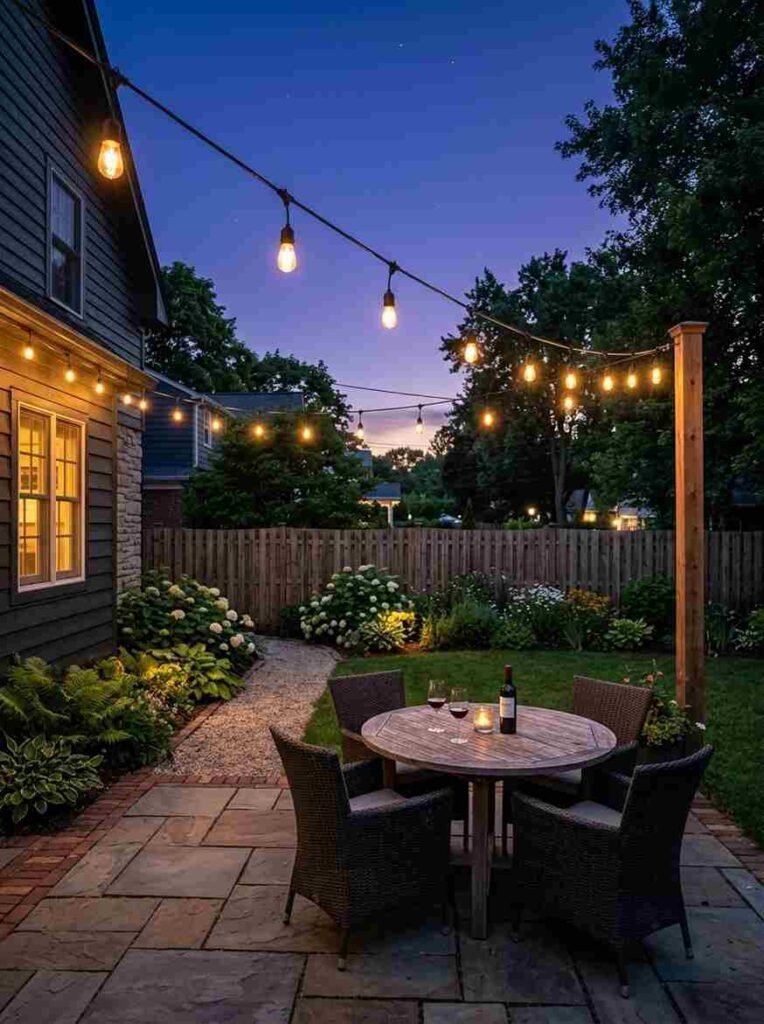
This doesn’t change the landscaping. It changes how your yard feels at 7pm, which is when most people actually use it.
Warm white string lights hung between a house wall and a pergola post (or a tall plant stand if there’s nothing to attach to) transform a plain patio. Do this before you spend money on anything else.
13. Plant a low hedge for privacy
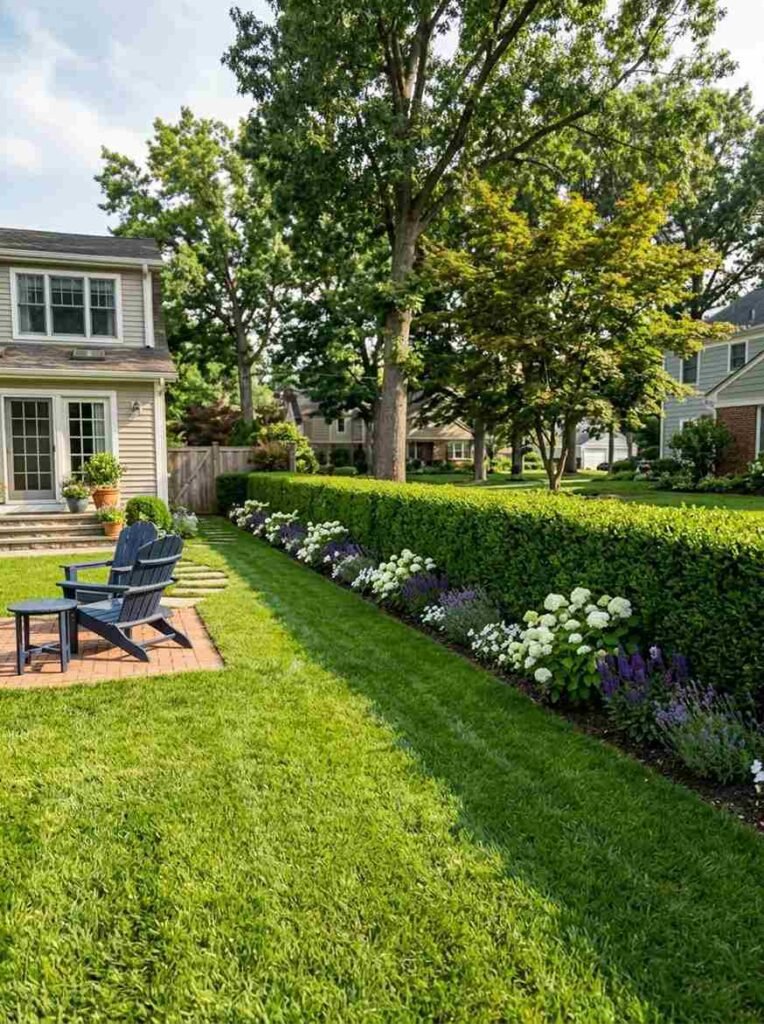
A row of boxwood, dwarf yew, or pittosporum along a fence line gives you a living privacy screen. They’re slower than lattice and trellised vines, but denser and more permanent.
Clip them into a neat form for a formal look, or let them grow naturally for a softer effect. Either way, they do work a fence can’t: they block wind, muffle noise, and look alive.
14. Use container gardening strategically
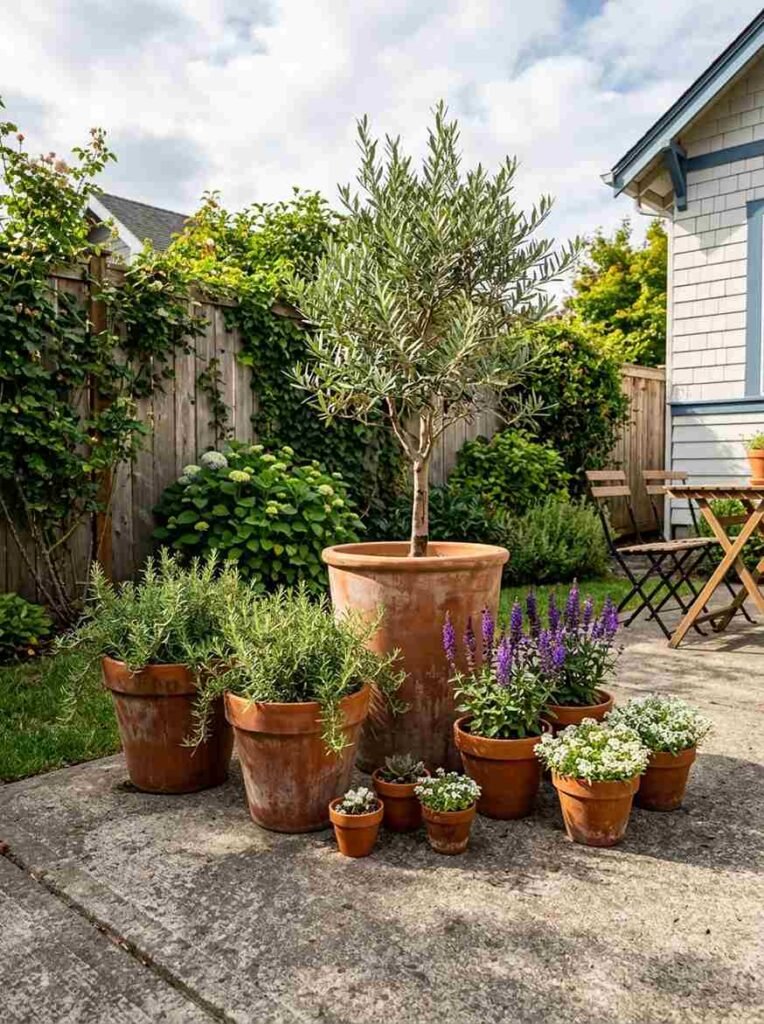
Containers are the most flexible tool in small-yard landscaping. They can be moved, regrouped, seasonally swapped, and they work on hard surfaces like concrete patios where in-ground planting isn’t possible.
Group containers in odd numbers (3 or 5), vary the heights, and stick to a cohesive color palette across your pots. That last part makes a huge difference. 6 terra cotta pots look intentional. 6 different colored plastic pots look like a garage sale. 🙂
15. Build a small pergola with built-in planters
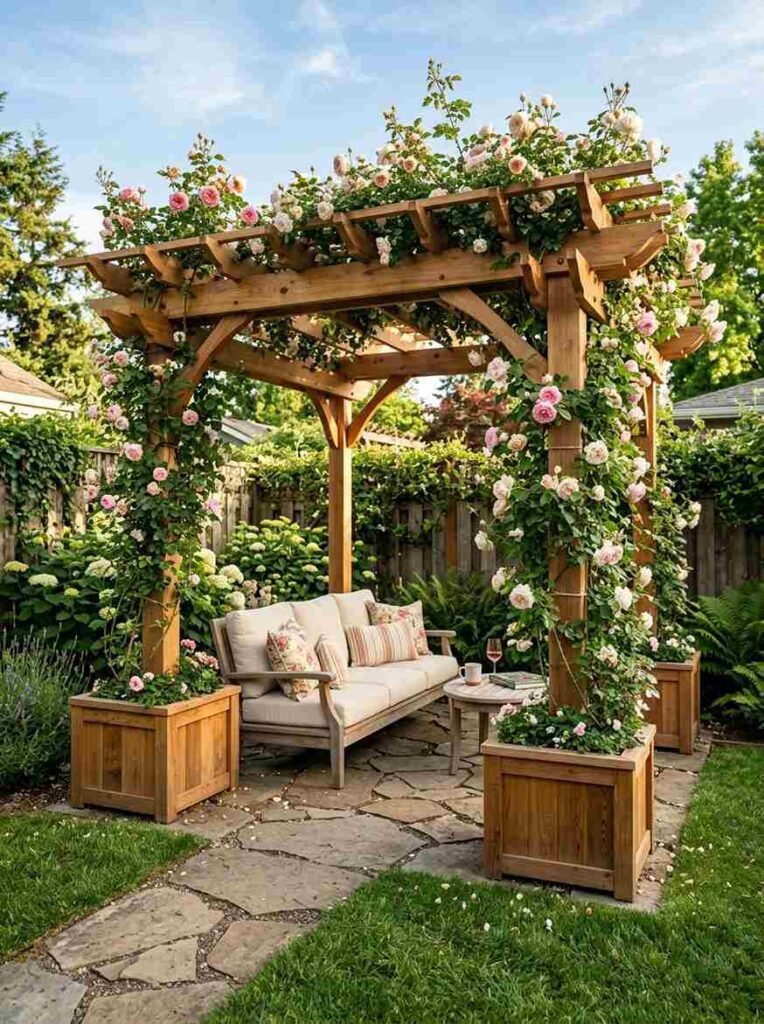
A small pergola (even a simple 4-post freestanding frame) with planter boxes built into the bases is one of those ideas that justifies a whole weekend build. You get structure, shade, and garden space in a single footprint.
Train climbing plants up the posts and you’ve got privacy, fragrance, and beauty doing triple duty.
16. Try drought-tolerant landscaping (xeriscaping)
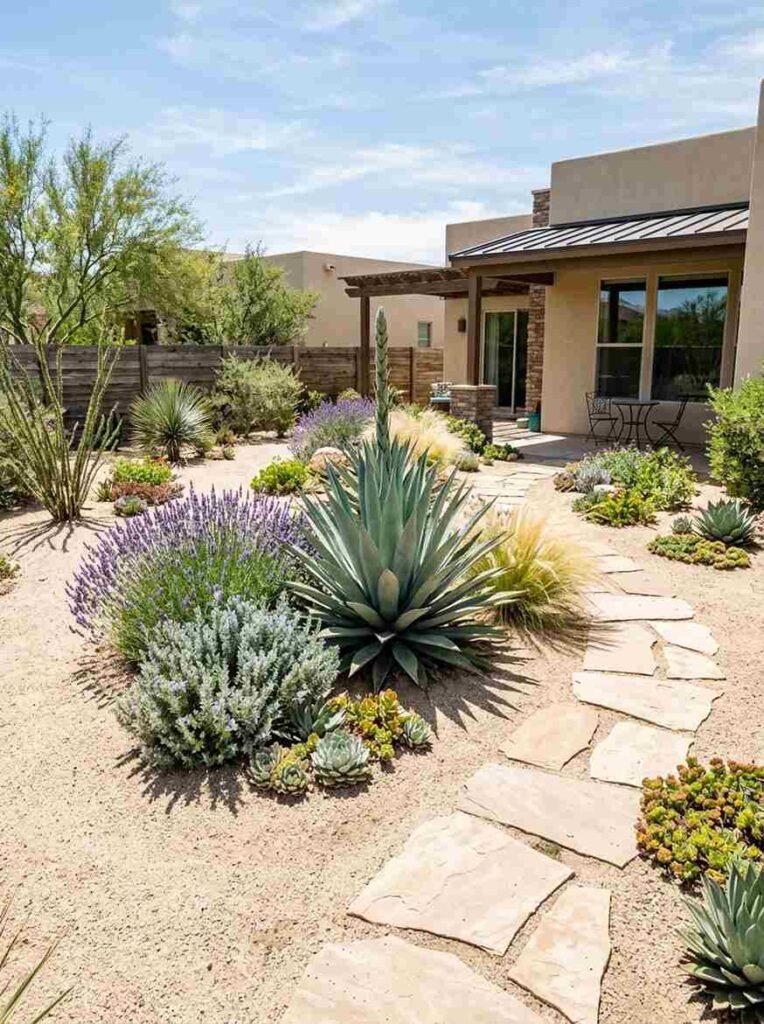
If you’re somewhere hot and dry, or if you just want a low-maintenance yard, xeriscaping is worth considering. Lavender, rosemary, agave, ornamental grasses, and succulents need almost no supplemental water once established.
The look is actually striking. Mediterranean gardens built on xeriscape principles are some of the most photographed small yard styles on Pinterest right now.
17. Add a bench with under-bench storage
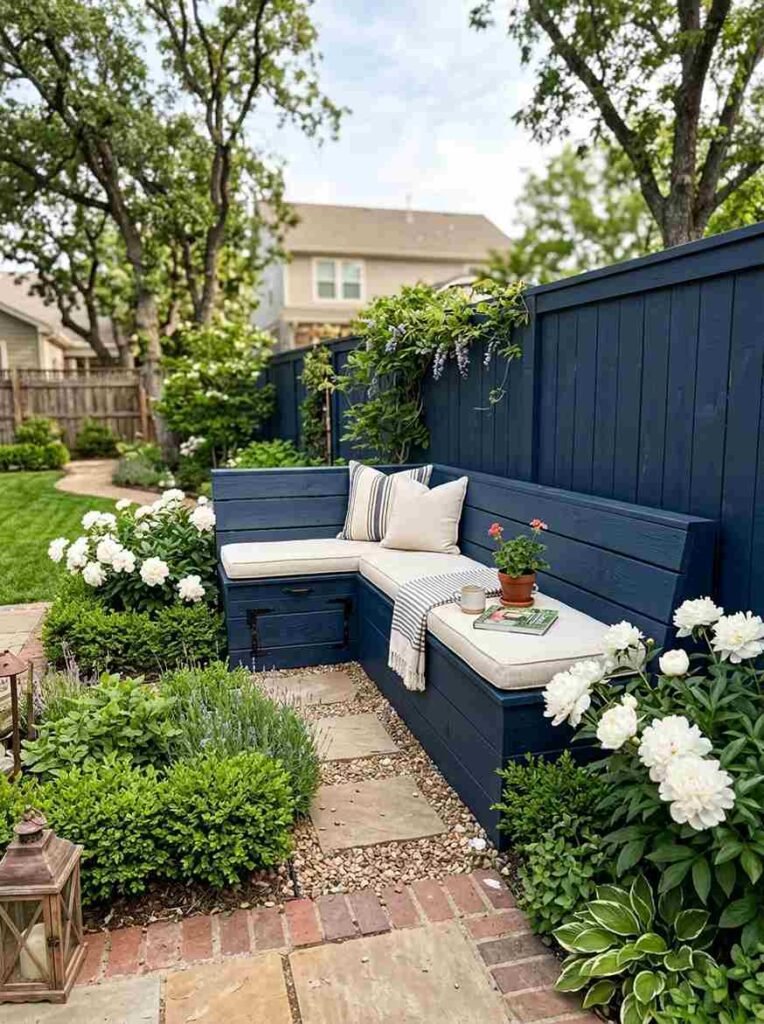
A built-in garden bench against a fence wall with storage underneath solves 2 problems: seating and stuff. Garden tools, outdoor cushions, kids’ toys, hoses.
Paint it in a deep color (navy, charcoal, forest green) to make it look like an intentional design element rather than just storage with a lid.
18. Create a moss garden in a shady spot
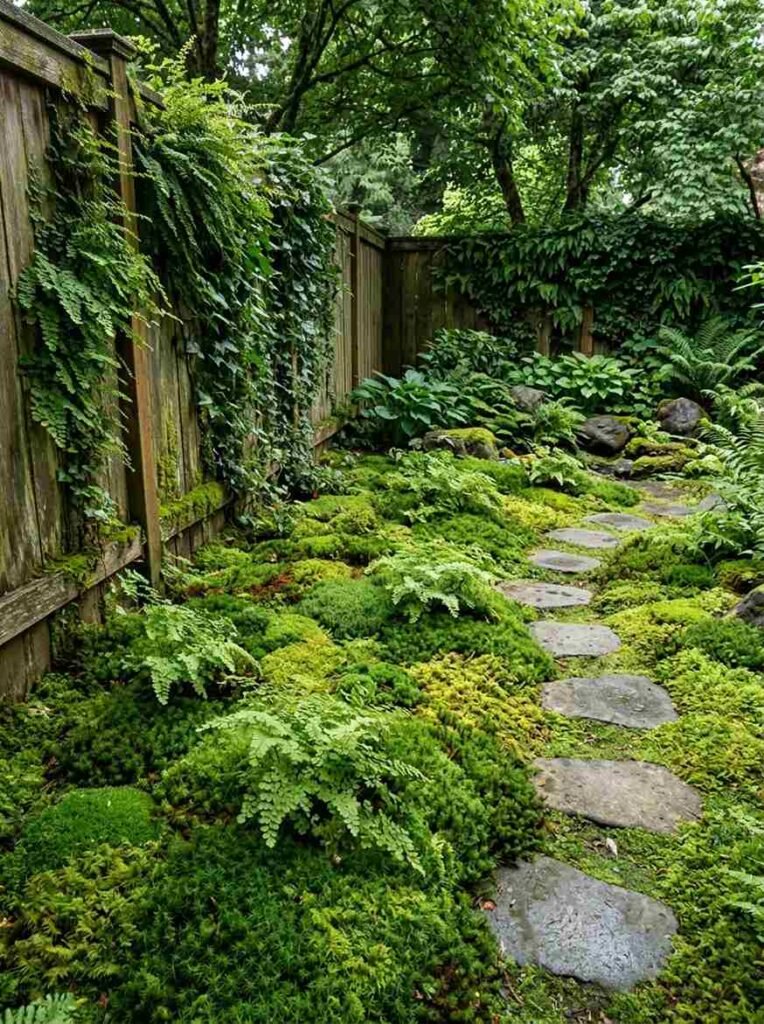
Got a shady corner that won’t grow grass? Moss might be your answer. A moss garden planted with different varieties of moss, ferns, and shade-loving groundcovers can be genuinely beautiful.
It needs moisture and shade. In a north-facing yard or under a dense tree canopy, it does better than almost anything else.
19. Lay decomposed granite pathways
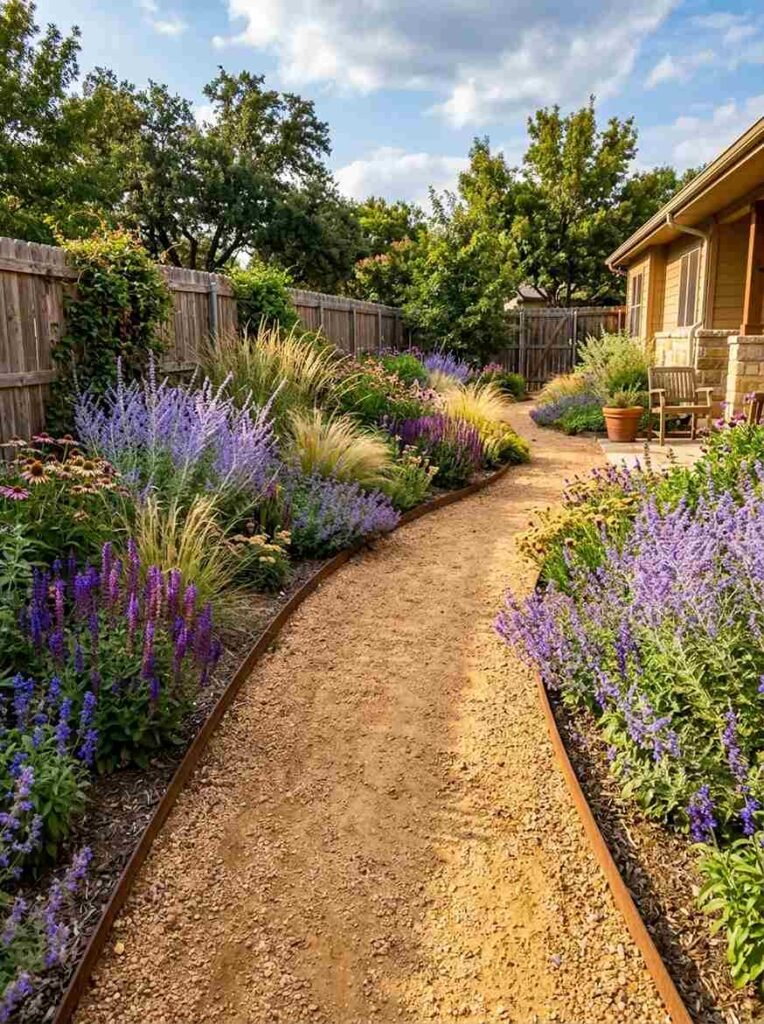
Decomposed granite is compacted finely crushed stone that looks natural but provides a firm walking surface. It’s cheap, easy to install, and complements almost every landscaping style from modern to cottage.
Use it for pathways through planting beds. Edge it with steel banding or simple timber boards to keep it contained. Redo the whole thing for about $3-5 per square foot.
20. Install a folding outdoor dining table
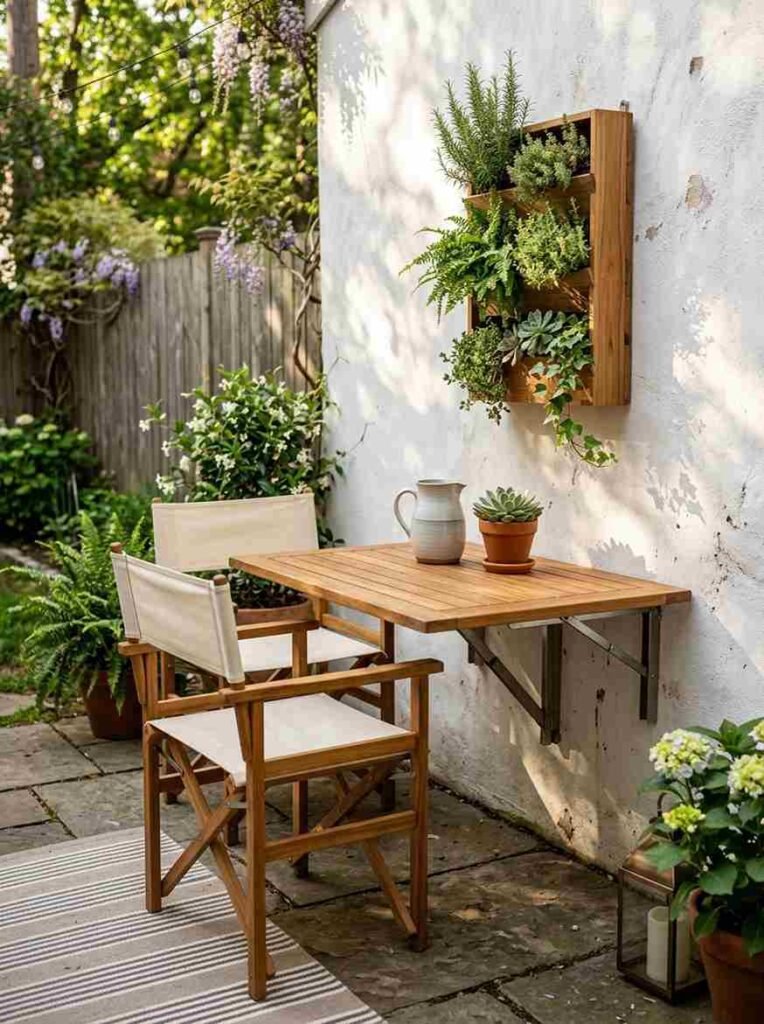
In a really small backyard, full outdoor furniture can dominate the whole space. A wall-mounted folding table solves that: up when you need it, flat against the wall when you don’t.
Add 2 folding chairs hung on hooks nearby and you’ve got a dining spot that disappears on command.
Small Backyard Landscaping at a Glance
| Feature | Best for | Approx. cost | Maintenance level |
|---|---|---|---|
| Gravel + stepping stones | Dry climates, low maintenance | $200-600 | Low |
| Raised planters | Growing food, defining borders | $150-400 | Medium |
| Corner pergola | Shade + seating | $400-1,200 | Low |
| Vertical garden wall | Maximum planting, small footprint | $100-500 | Medium |
21. Grow a wildflower patch
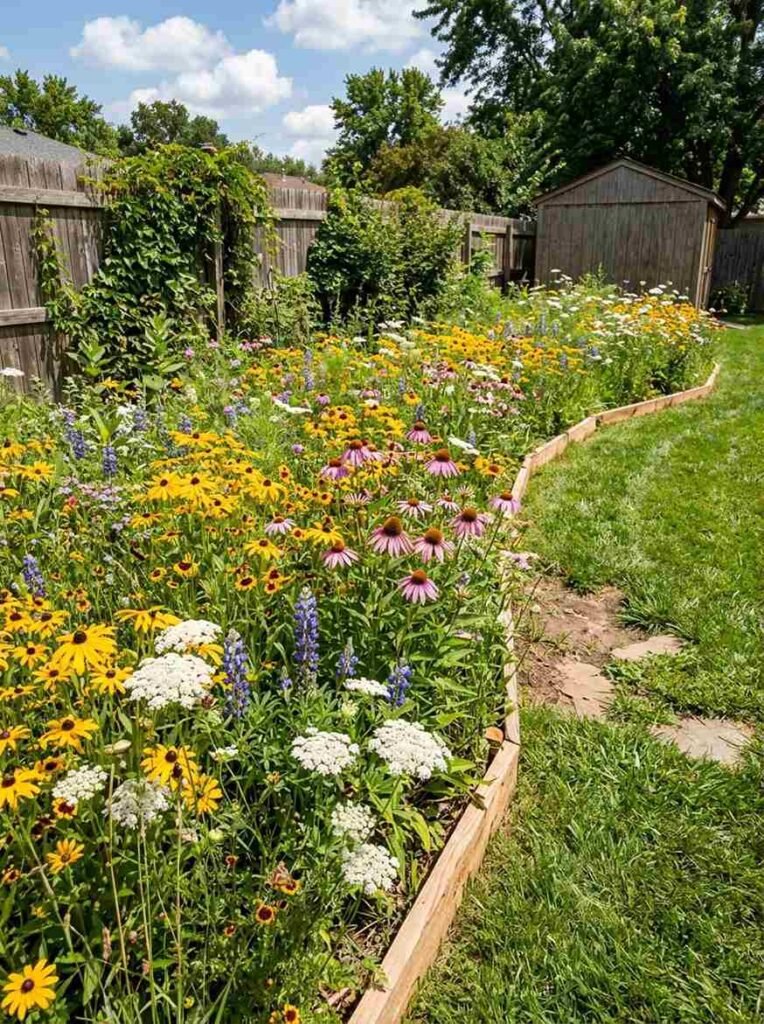
One corner of your yard given over to native wildflowers is low effort, high visual impact, and genuinely good for local pollinators. Scatter seeds in fall or early spring, let them grow, and watch.
FYI: native wildflower mixes do better than generic “meadow mix” because they’re adapted to your specific climate and soil. Look for regional seed blends.
22. Use mirror panels to expand visual space
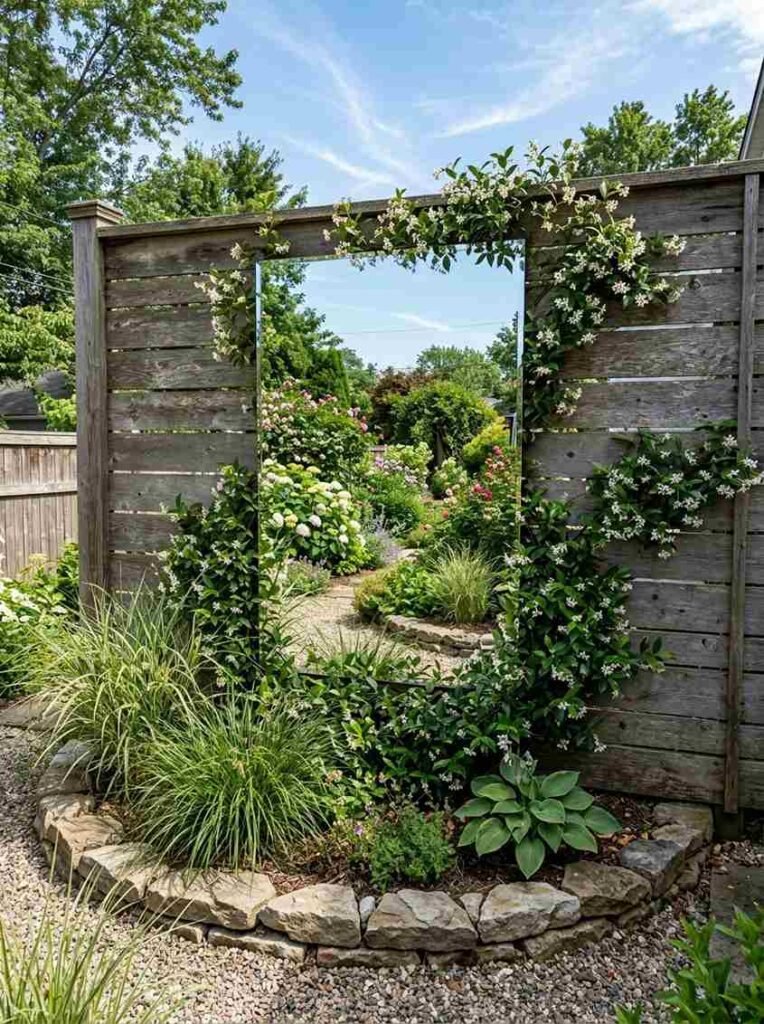
A weatherproof outdoor mirror panel attached to a fence can double the perceived depth of a small yard. It’s an old garden designer trick and it still works.
Keep it in a shaded spot to avoid glare and heating up the fence. Position it to reflect your most attractive planting area, not the back of the house. :/
23. Try a gabion wall feature
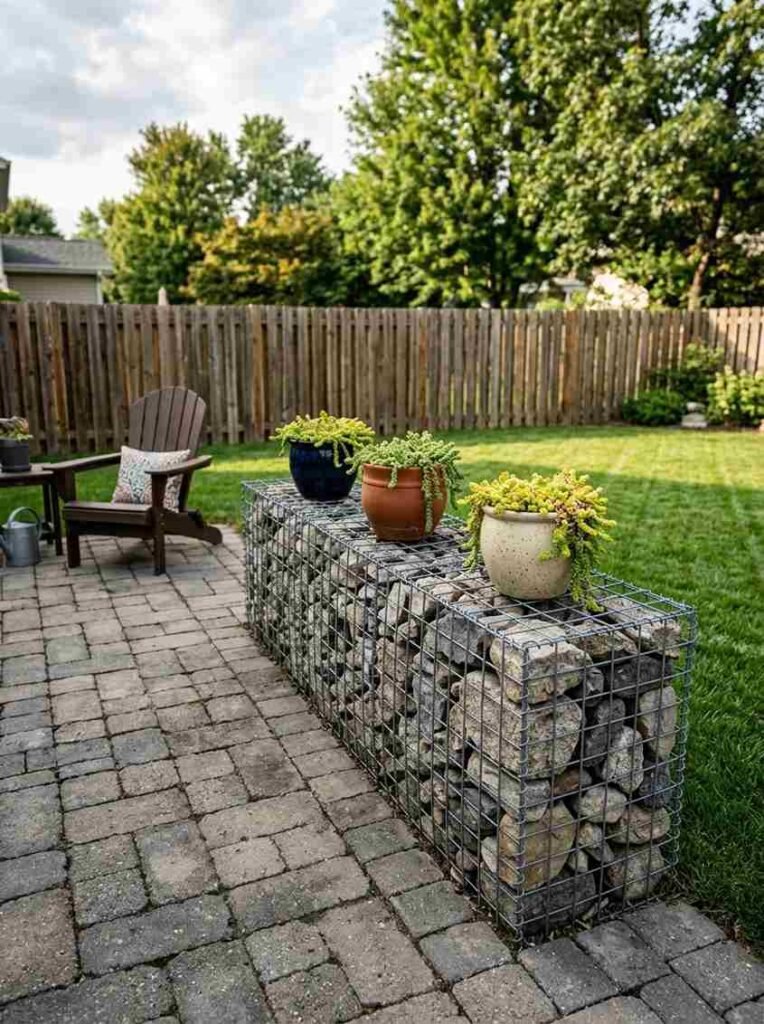
Gabion walls are wire mesh cages filled with rocks. They’re industrial-looking, structural, and weirdly beautiful. Use one as a retaining wall, a feature wall, or a bench base in a small backyard.
They don’t need mortar, they’re permanent, and they age gracefully. This is one of those features that looks expensive and is genuinely affordable.
24. Hang a hammock chair
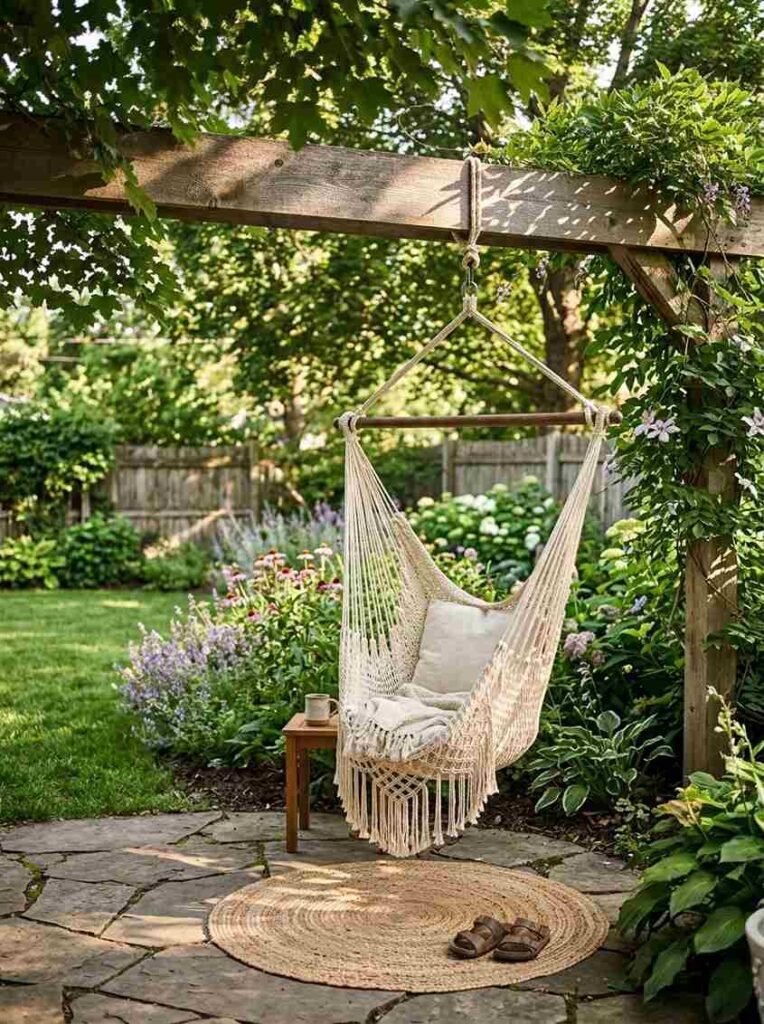
If there’s no room for a full-size hammock, a single hanging hammock chair takes about 3 square feet of floor space and is among the most satisfying places to sit. One solid anchor point (a pergola beam, a sturdy tree limb) and you’re done.
25. Plant a “green wall” with pallets
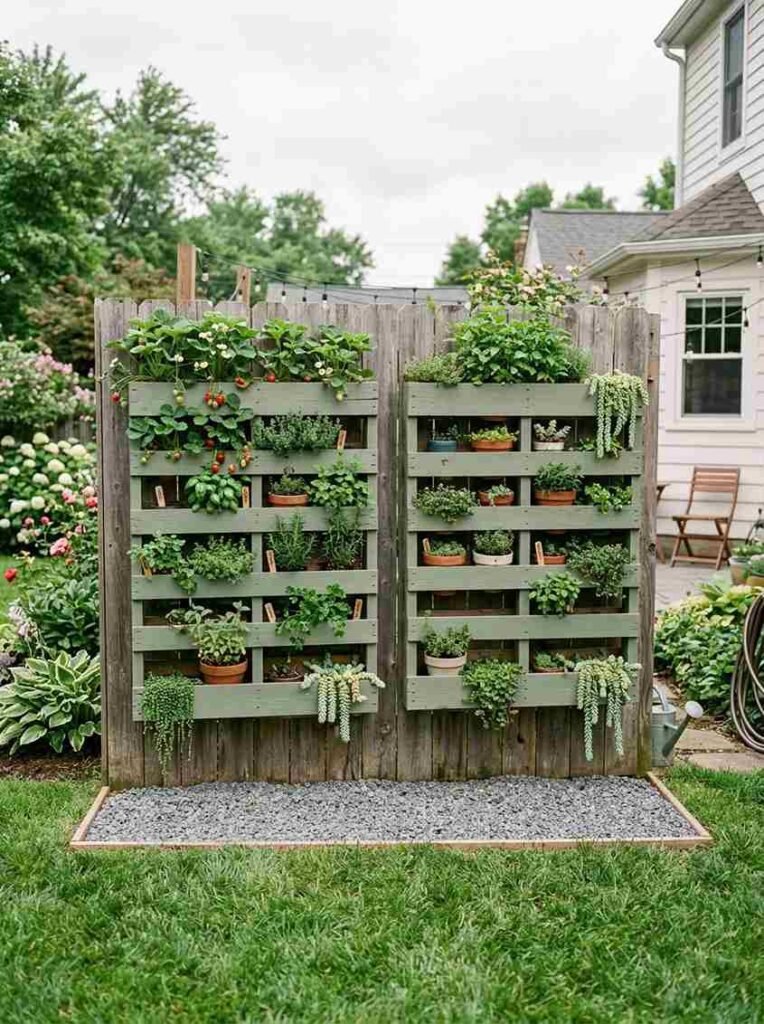
Reclaimed wooden pallets mounted vertically, fitted with landscape fabric backing and filled with soil, make surprisingly good vertical planters. Use them for herbs, small strawberries, succulents, or annuals.
They’re cheap, genuinely sustainable, and look great painted in a single neutral color.
26. Add a solar-powered path lighting system
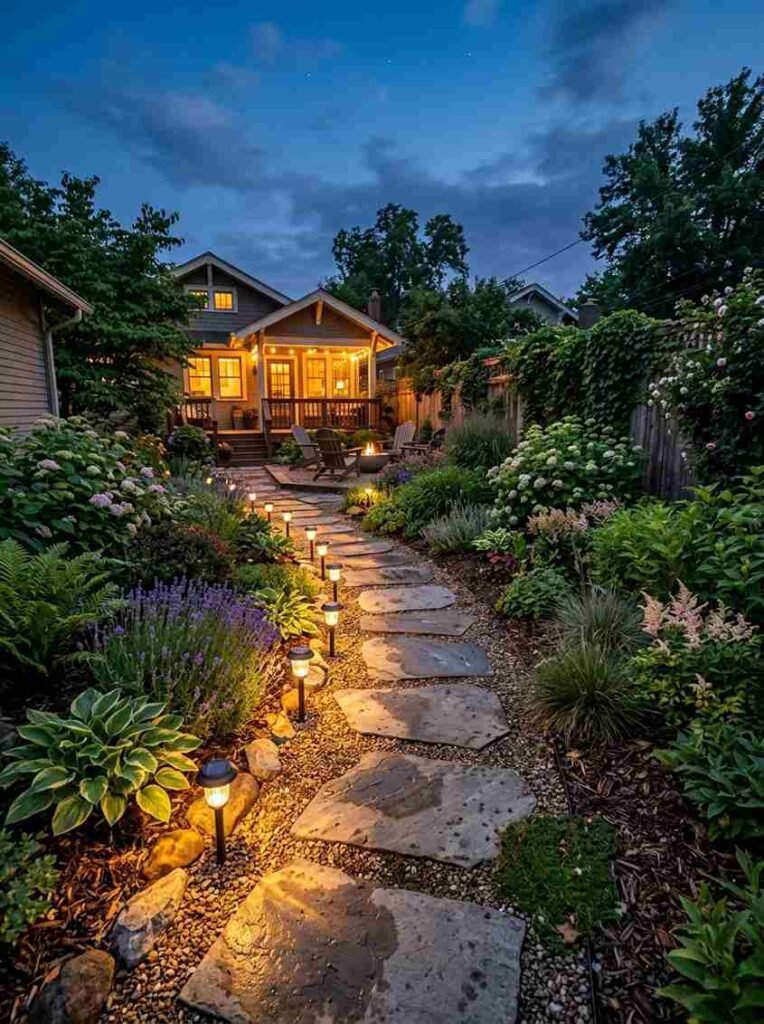
Solar path lights planted along a garden bed edge or a stepping stone path cost nothing to run and make evening use of the yard dramatically better.
Stick with warm white. Avoid anything that blinks, rotates, or changes color. Subtle and consistent beats anything else.
27. Design a sensory garden corner
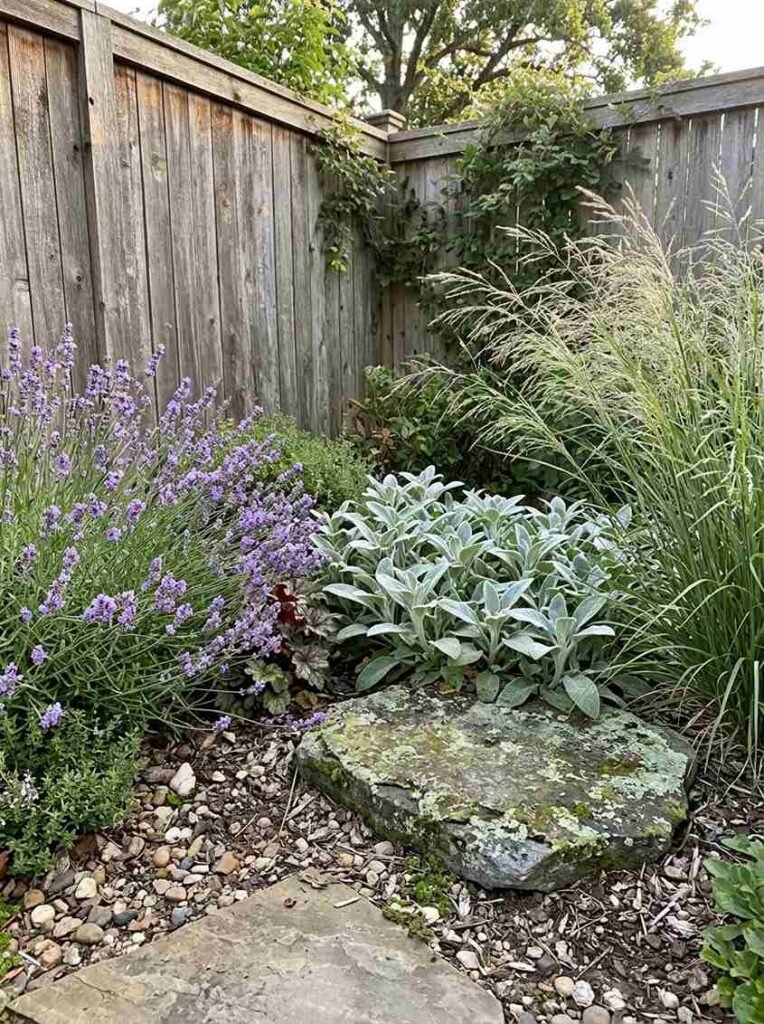
One corner with plants chosen for texture, scent, and sound. Lamb’s ear for texture, lavender and rosemary for scent, ornamental grasses for sound (they rustle in the breeze). A single seating stone or small bench nearby.
This is a small feature that punches well above its weight in how it makes the yard feel.
28. Install a simple outdoor shower
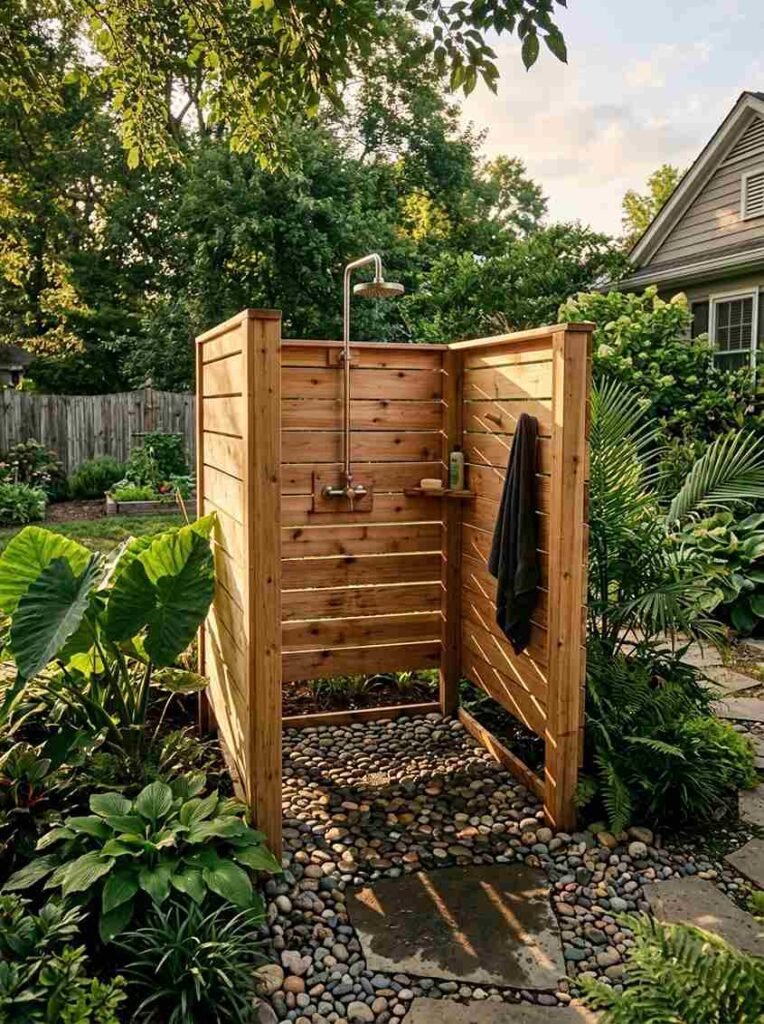
A small cedar outdoor shower structure is one of the most luxurious-feeling additions to a small backyard. You can buy simple kits online. Run it with a garden hose connection if you don’t want to deal with plumbing.
Works best right off a pool or hot tub. Or just for rinsing off after gardening. Either way, it changes how you use the space.
29. Sculpt with boulders
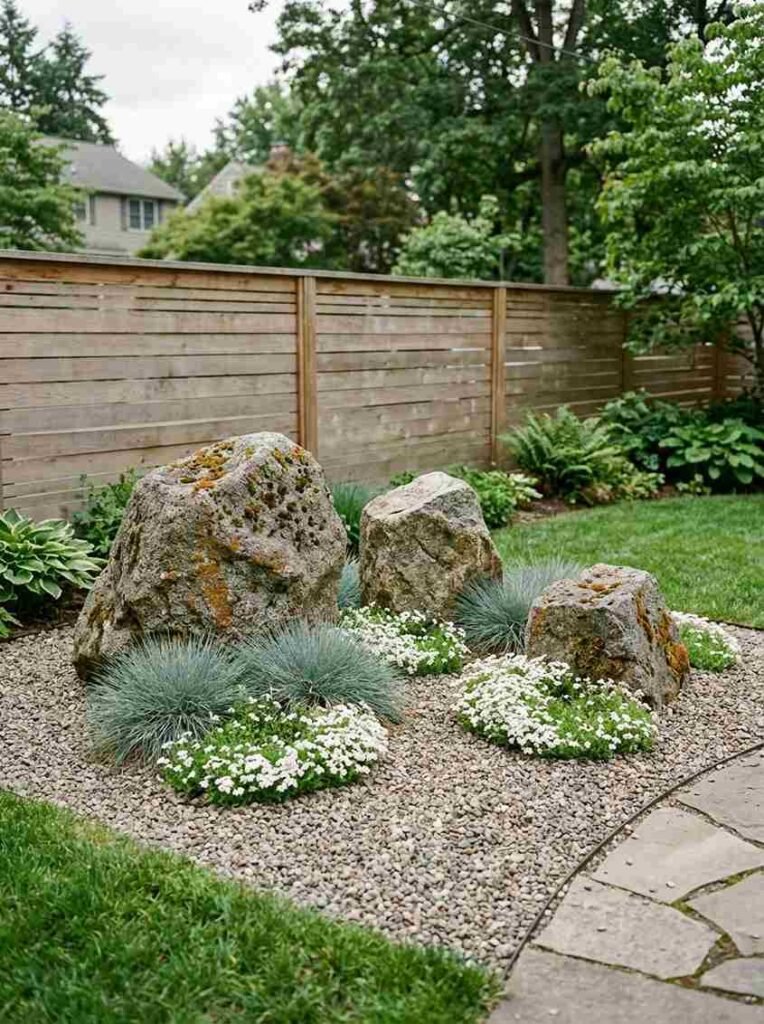
2 or 3 large boulders (real ones, not plastic facsimiles) placed carefully in a gravel or planting bed look genuinely architectural. Landscape designers charge real money to select and place these.
Visit a local stone yard, look for boulders with interesting shapes, and have them delivered. The investment is in the stones themselves and about 2 hours of heavy lifting.
30. Plant a fragrant evening garden
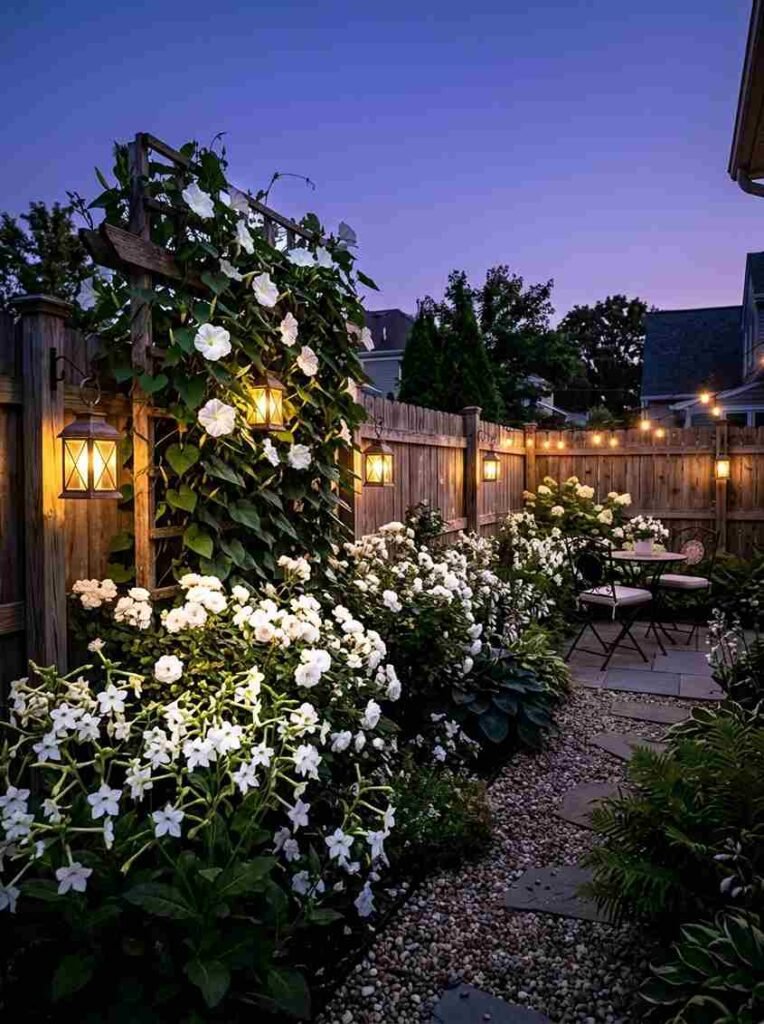
A garden planted specifically for evening enjoyment: night-blooming jasmine, moonflower, evening primrose, nicotiana, and white roses. These plants either open or intensify their fragrance at dusk.
Pair this with good outdoor lighting and you’ve designed your backyard around when you actually use it.
31. Build a simple potting bench
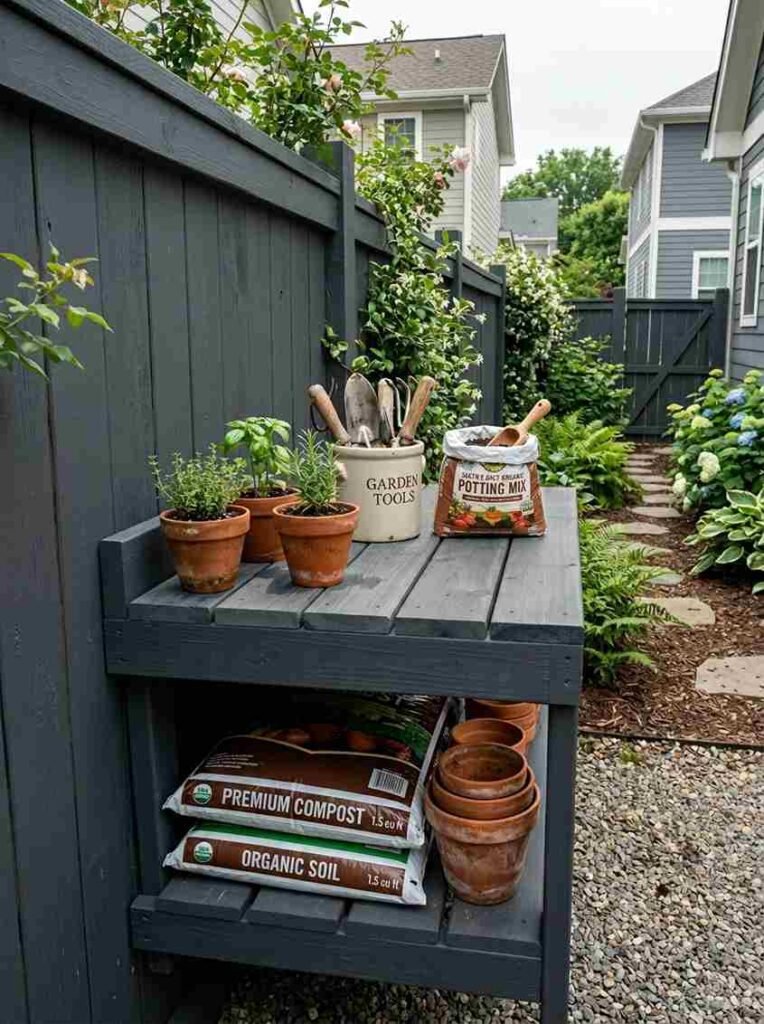
A narrow potting bench (24 inches deep, whatever width fits) against a fence wall keeps your gardening organized and gives a tidy, purposeful look to the working area of a small yard. Include a shelf underneath for bags of soil and pots.
Painted in the same color as your fence, it reads as part of the design. Left natural, it adds warmth.
32. Go monochromatic with your planting palette
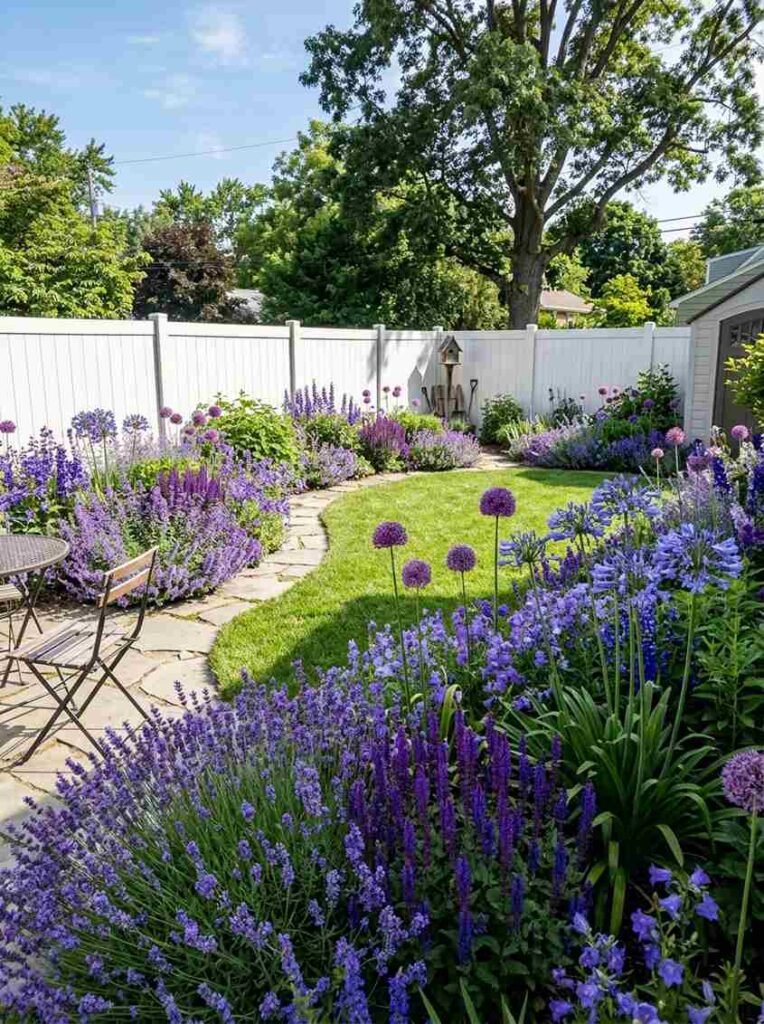
Pick one color family for your flowers. All white. All purple and blue. All coral and yellow. A monochromatic planting scheme looks incredibly sophisticated in a small yard because it reads as intentional rather than random.
It’s also cheaper: you can repeat the same few plants across the whole yard rather than buying 1 of everything.
The takeaway
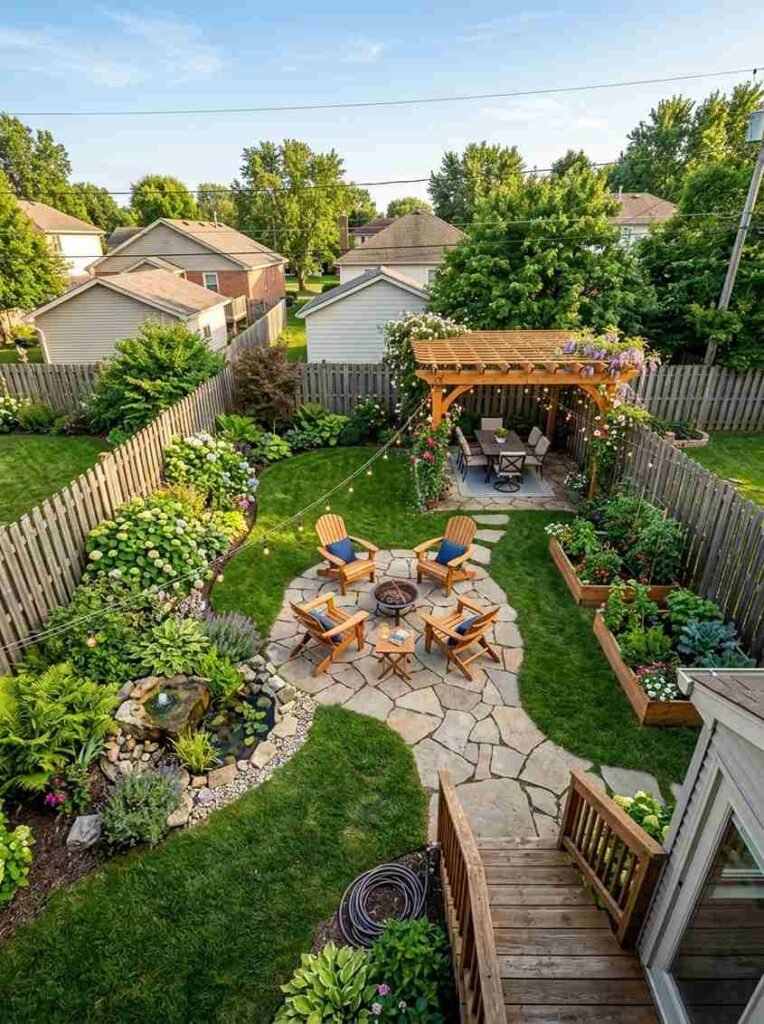
Small backyards are genuinely more fun to design than big ones. There are actual constraints to work with. Every square foot has to earn its place. That limitation is what makes a well-done small yard so satisfying to look at.
Pick 3-5 ideas from this list that match your yard’s conditions (shade or sun, budget, how much maintenance you actually want to do), and start there. A perfect small backyard is just a series of good decisions made one weekend at a time.
