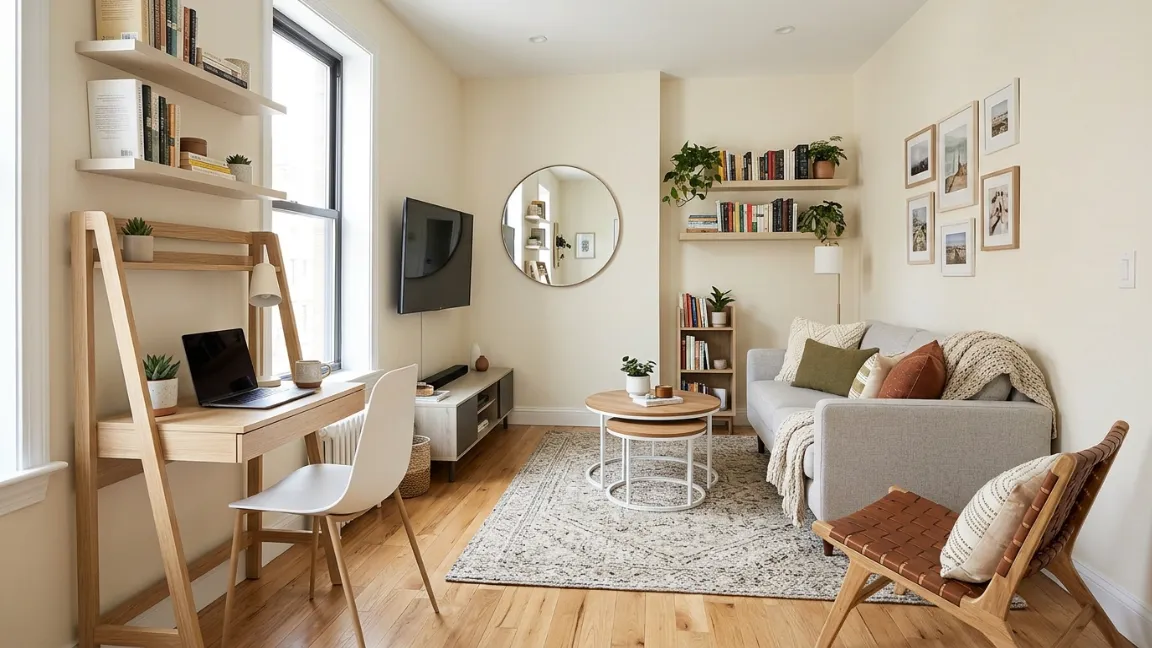
Look, I’ll be honest with you — when I first moved into my tiny London flat, I genuinely thought having a proper workspace in my living room was a fantasy. Like, who has that kind of space, right.
But after months of trial, error, and one very regrettable impulse purchase from a furniture store that shall remain nameless, I cracked the code. And today I’m handing it all over to you.
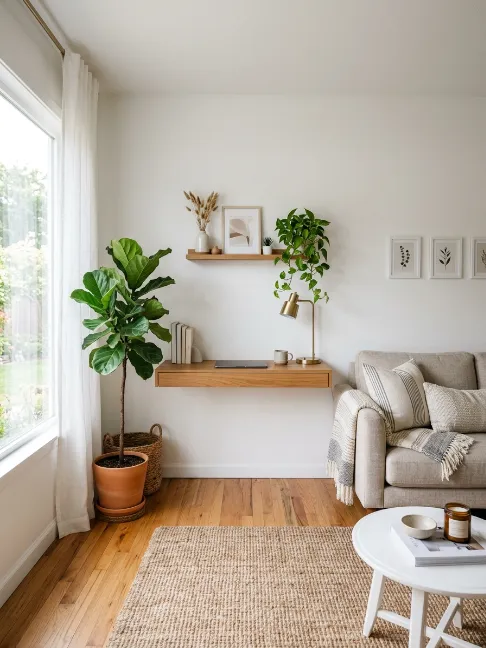
Whether you’re in a cosy UK terrace or a compact US apartment, this guide covers 32 real, tested ideas that actually work in small living rooms — without making your space look like a home office exploded into it.
Why Your Small Living Room Deserves a Proper Desk Setup
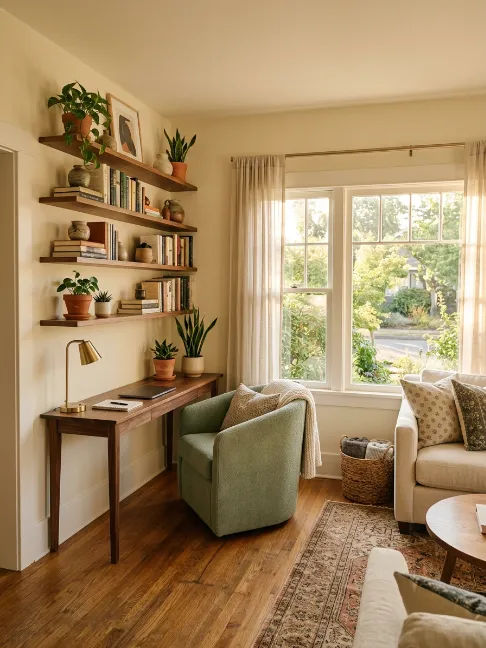
Small doesn’t mean you have to sacrifice function. Honestly, some of the most gorgeous living room setups I’ve ever seen were under 300 square feet. The trick isn’t finding more space — it’s using what you’ve already got more cleverly.
A well-placed desk can actually anchor a living room and give it purpose. It stops the space from feeling like a random collection of furniture and turns it into something intentional. And when you get the balance right? Chef’s kiss
Quick Space Planning Info Table
| Factor | What to Consider |
|---|---|
| Room Size | Under 150 sq ft? Go floating or fold-away |
| Desk Width | 24″–36″ works for most laptop setups |
| Lighting | Natural light = north or east-facing walls |
| Style Match | Match desk tone to existing wood floors or shelves |
The Ground Rules Before You Buy Anything
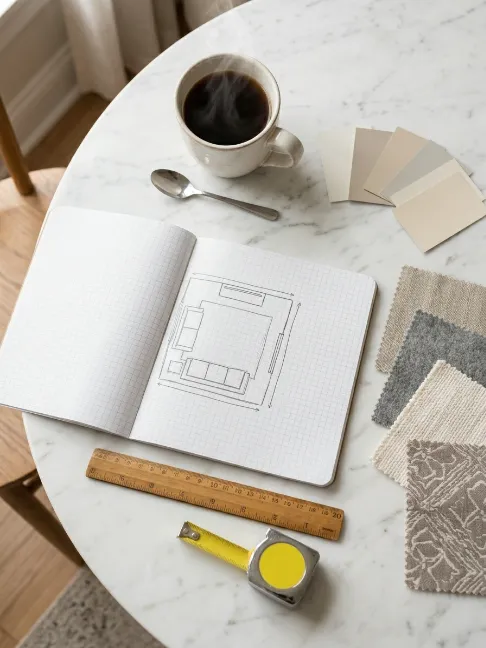
Before we get into the actual ideas, let me save you from the mistakes I made. These aren’t just generic tips — I learned most of these the hard way, bro.
- Measure your wall space first, not just the floor area
- Think about your workflow — one monitor? Two? Just a laptop?
- Decide if you want it hidden or visible — this changes everything
- Cable management is not optional — I repeat, not optional
- I tried skipping the planning phase once and ended up with a desk that blocked my radiator all winter. Never again.
32 Small Living Room Ideas With Desk That Maximize Space & Style
1. The Floating Wall Desk
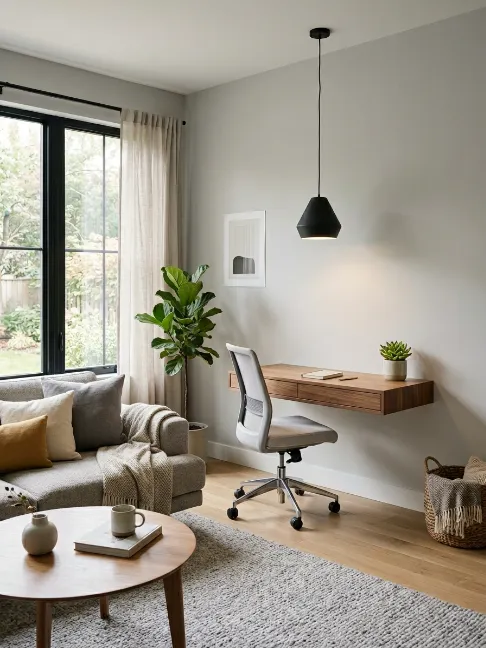
A floating desk is basically a plank mounted to the wall at desk height — no legs, no bulk, just clean surface area. It’s my personal favourite for small rooms because it genuinely disappears into the wall when you’re not using it.
Some versions even fold up completely. Wow, the engineering on some of these is actually impressive!
2. Built-In Bookshelf Desk Combo
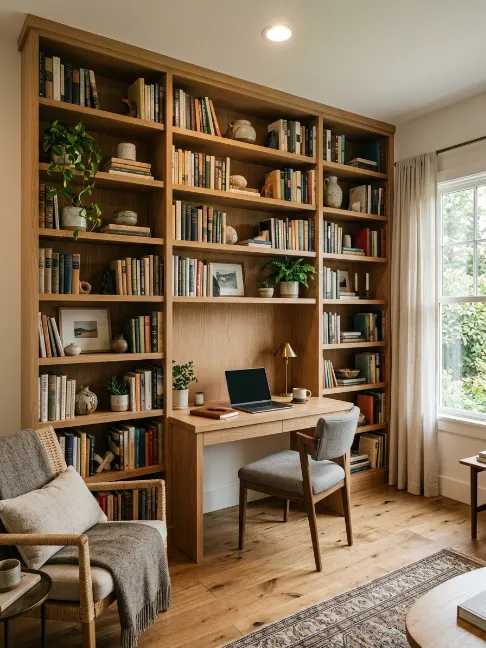
Floor-to-ceiling shelving with a built-in desk section is one of those ideas that looks like it cost thousands but can be pulled off for a few hundred with the right flatpack pieces. IKEA’s Billy and Kallax ranges do this really well.
The storage-to-desk ratio is genuinely unbeatable, and it makes the whole wall feel purposeful rather than cluttered.
3. The Corner Desk Strategy
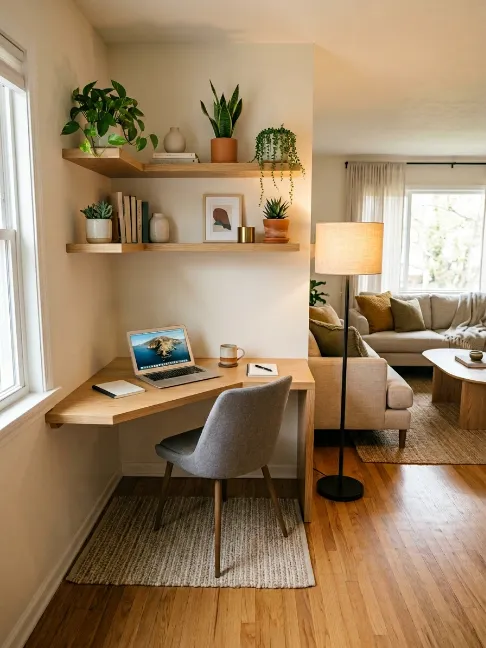
Corners are the most wasted space in any small living room, full stop. An L-shaped or corner desk tucks into that dead zone and gives you way more surface area than a straight desk of the same footprint. I’ve had one in two different apartments now and I’d never go back.
4. Console Table as a Desk
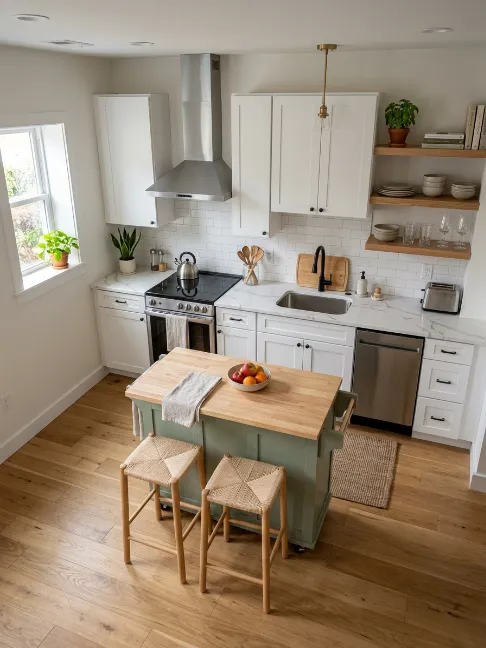
A slim console table — the kind people usually stick behind a sofa — makes a surprisingly solid desk. It’s narrow enough to keep your floor space clear and it blends naturally into a living room because, well, it looks like living room furniture. Which is exactly the point.
5. Murphy Bed With Integrated Desk
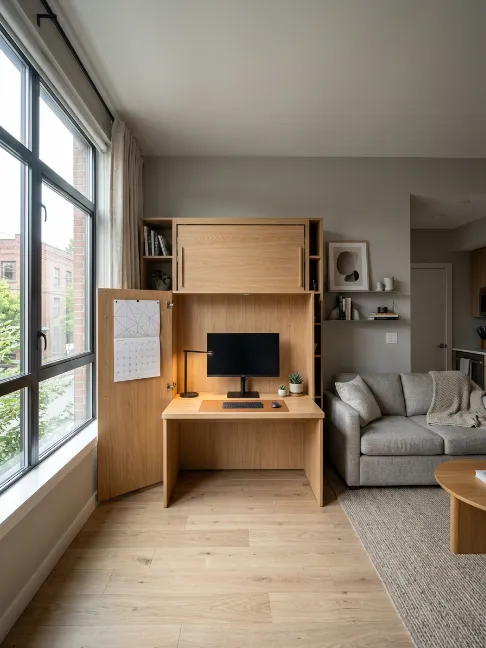
Okay this one feels like something from a spy movie but it’s very real and very practical. Murphy beds with fold-down desks mean that when the bed is stowed, your desk is revealed. It’s a genuinely smart solution for studio flats or living rooms that double as guest spaces. The upfront investment is higher, but the payoff in daily usability is massive.
6. Window Nook Desk
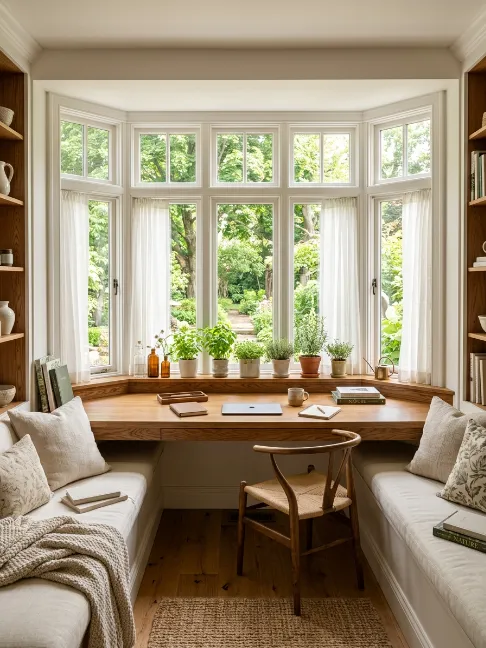
Got a bay window? A deep sill? Any kind of window recess? Turn it into a desk nook immediately. Natural light is the best thing you can give a workspace, and positioning your desk here means you get it for free, every single day. I did this in my current flat and honestly it changed how much I enjoy working from home.
7. Secretary Desk With Fold-Down Lid
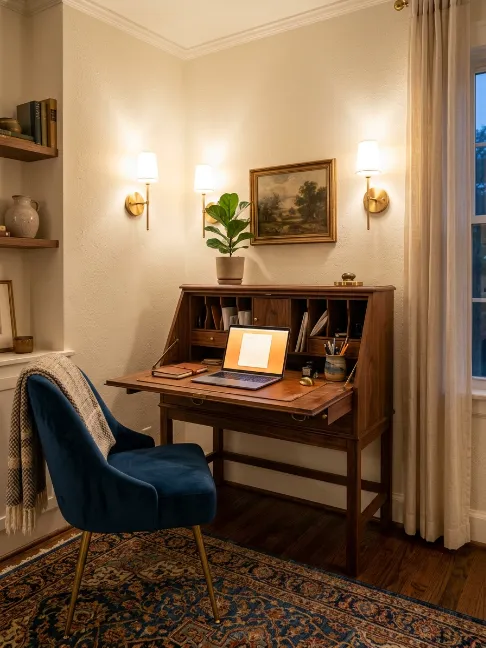
The secretary desk is criminally underrated. It looks like a cabinet — a good-looking one — when closed, and opens up into a proper workspace complete with little cubbies and storage spots.
Perfect for people who want to completely hide their work life when they’re off the clock. I honestly think this is the most stylish solution on this entire list.
8. Glass Desk for Visual Lightness
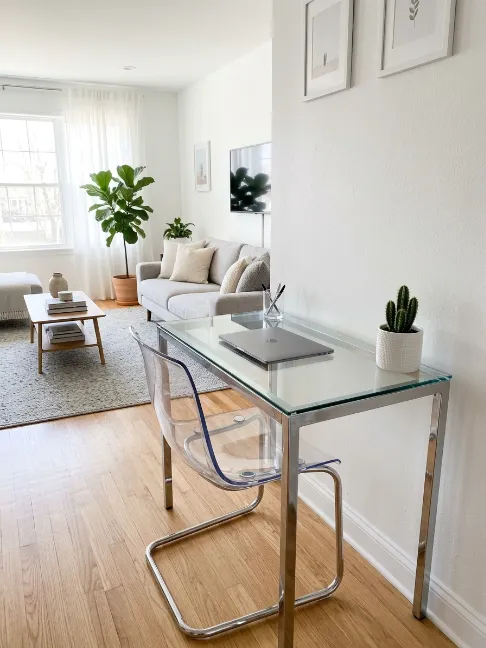
Your eye passes straight through a glass-top desk, which means it barely registers as a piece of furniture in the room.
Pair it with slim metal or acrylic legs and the whole thing almost disappears. This is a genuinely clever visual trick and it works every single time.
9. Sofa Table Desk Hack
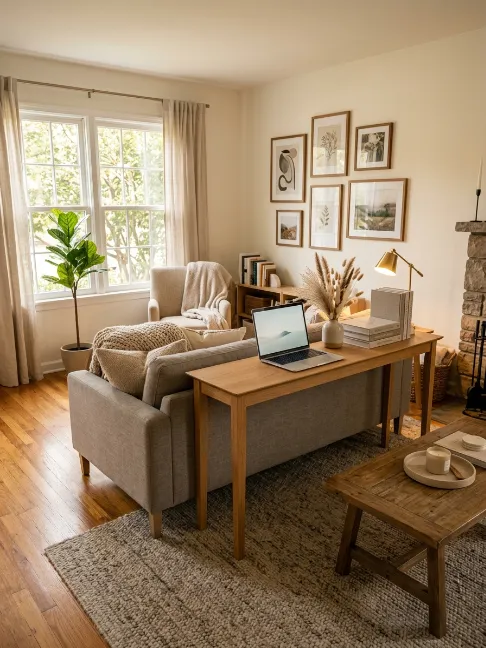
Slide a slim sofa table directly behind your couch and use it as your workspace. It sits at a naturally useful height, doesn’t require any wall mounting, and doubles as a display surface when you’re not working. It’s one of those “why doesn’t everyone do this” moments when you first try it.
10. Pegboard Wall Desk Setup
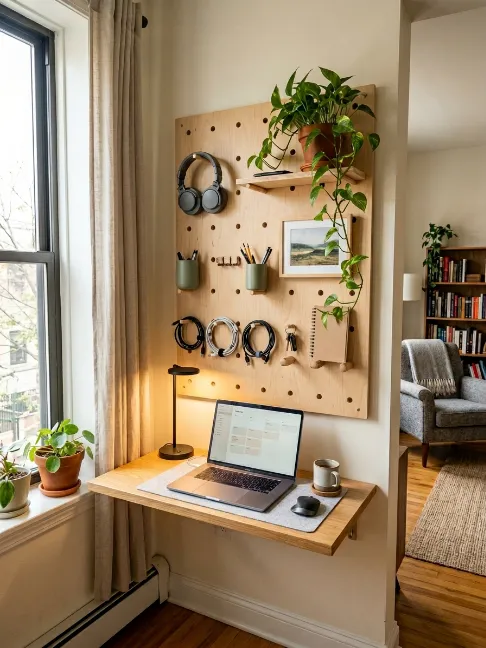
Mount a pegboard above your desk and suddenly you have infinite, reconfigurable storage for almost nothing.
Hooks for headphones, small shelves for books, pen holders, cable clips — all off the desk surface.
My pegboard setup is honestly one of the best things I’ve ever done for my productivity. And it looks cool in a workshop-meets-studio kind of way.
11. Ladder Desk
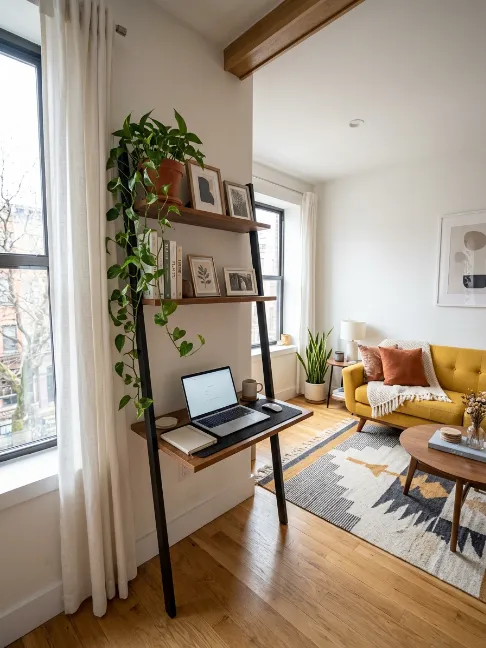
Leans against the wall, no drilling required (perfect for renters), and the built-in shelves above the work surface give you vertical storage without any additional wall mounting.
The look is modern and slightly industrial. It’s not the sturdiest option if you’re working with heavy equipment, but for a laptop and a coffee mug? Absolutely fine.
12. Mirrored Desk Accent
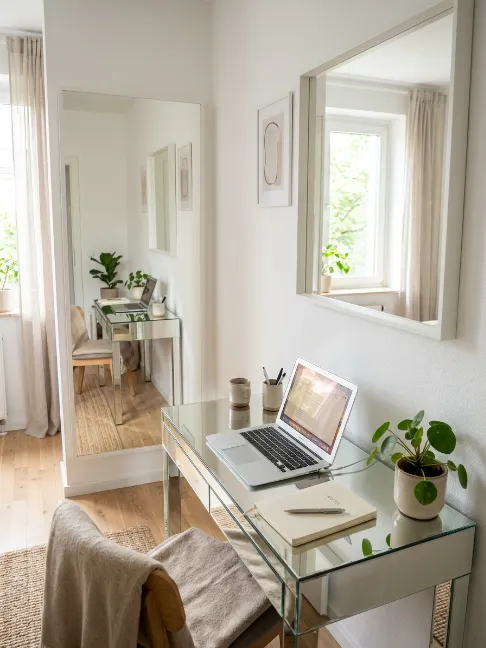
A desk with mirrored panels, or a desk positioned across from a large mirror, bounces light around the room and makes everything feel bigger and brighter.
It’s a design trick interior stylists use constantly and it genuinely works. Pair it with a slim pendant light above and you’ve got a setup that looks genuinely intentional.
13. Rolling Cart Desk
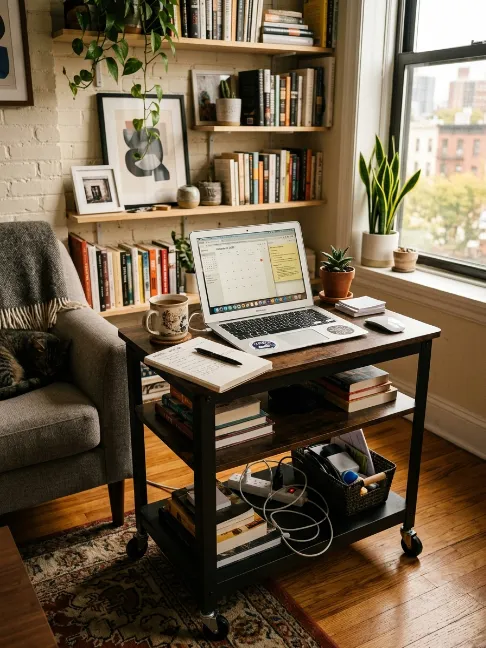
Honestly, this one doesn’t get enough credit. A quality rolling cart or trolley can be your desk when you need it and a side table or kitchen storage when you don’t.
It’s flexible, affordable, and requires zero commitment. Not the most glamorous setup, but if you need maximum adaptability, trust me on this one.
14. Desk Behind a Curtain
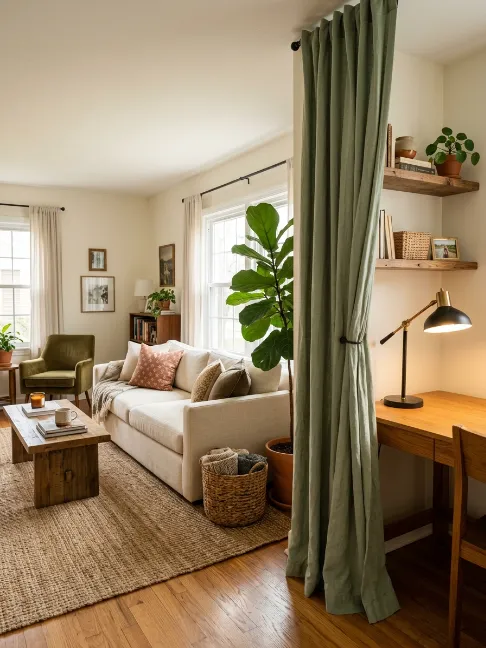
Create a proper hidden office nook by hanging a curtain panel in front of your desk area. When you finish work, close the curtain and your living room looks completely normal.
No desk in sight, no work stress bleeding into your relaxation time. This is one of those ideas that sounds too simple but works shockingly well in practice.
15. Built-In Window Seat With Desk
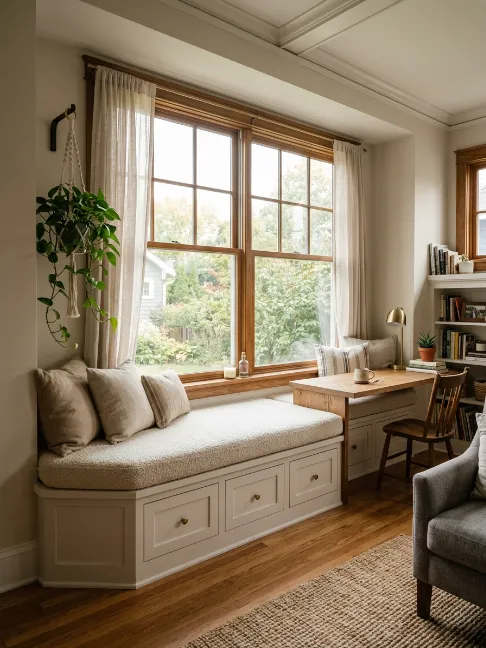
Combine a window seat — ideally with hidden storage underneath — with a small desk surface at one end.
It creates a cosy little work corner that looks completely bespoke and custom even if you’ve done it yourself with off-the-shelf pieces. This is the kind of setup that gets pinned on Pinterest approximately a thousand times a day.
16. Slim Scandinavian-Style Desk
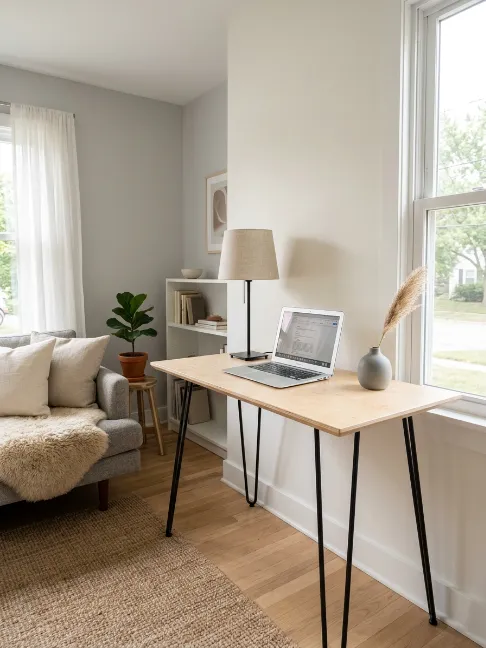
Scandi design is genuinely brilliant for small spaces. Thin legs, light wood tones, clean lines, minimal visual weight.
A proper Scandinavian desk takes up almost no visual space in a room while still giving you a full workspace. And honestly? This design aesthetic never goes out of style — though I do think the all-white-everything Scandi look is getting a bit tired at this point.
17. Acrylic Ghost Chair Pairing
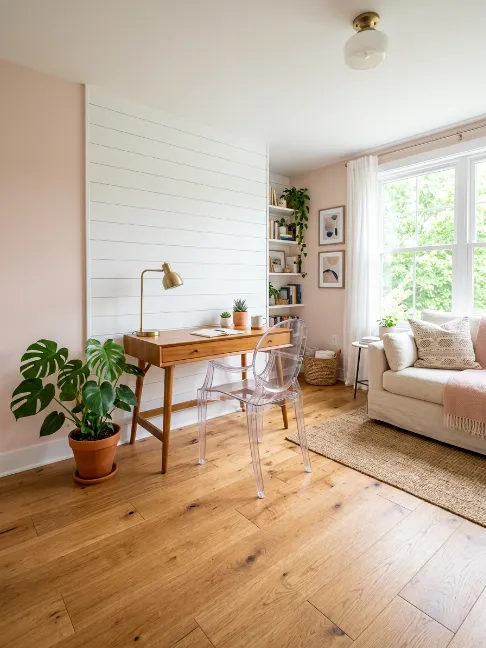
This isn’t really a desk idea on its own, but pair any small desk with a clear acrylic ghost chair and watch the room instantly feel less crowded.
The chair visually disappears. It’s one of those styling tricks that interior designers quietly rely on all the time. FYI — this single swap made my own setup look twice as spacious overnight.
18. Alcove Desk
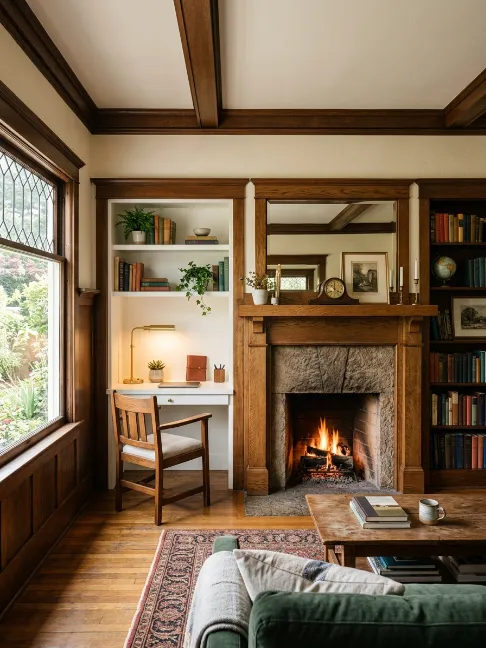
Living room alcoves — those recessed wall sections that often flank fireplaces in older UK homes — are absolutely perfect for built-in desks.
A custom MDF or plywood desk fitted flush into an alcove looks like it was always meant to be there. It uses space that would otherwise just hold a bookshelf and gives it a real purpose.
19. Dual-Purpose Lift-Top Coffee Table
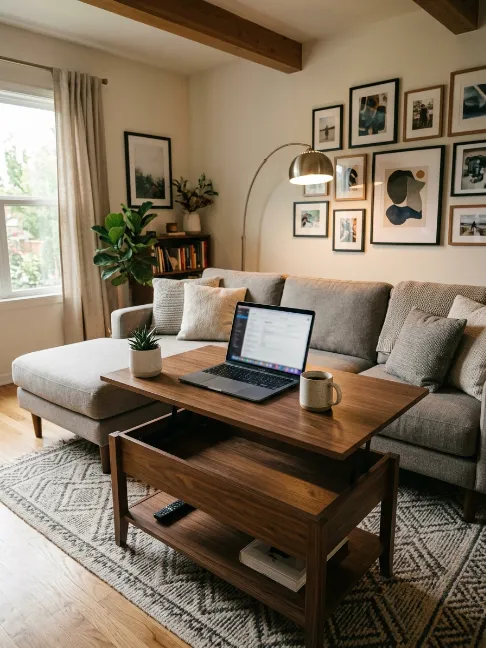
This is INSANE and I mean that in the best possible way. Some coffee tables now have a hydraulic lift mechanism that raises the surface to desk height.
You sit on your sofa and suddenly have a proper work surface right in front of you. Ergonomics are surprisingly decent and the tech involved is genuinely clever.
20. Vertical Storage Desk
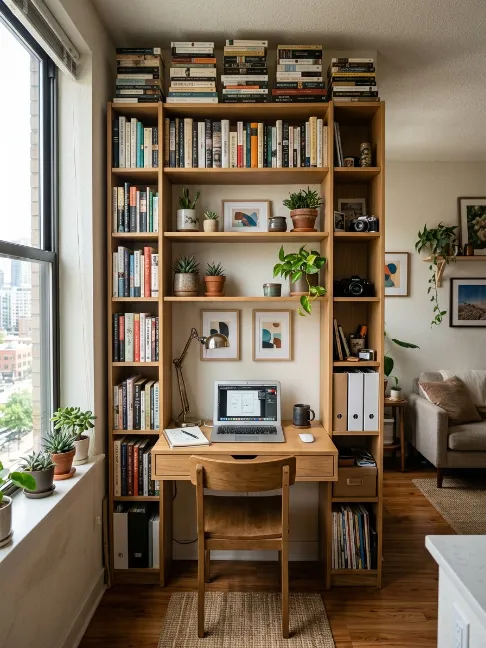
Choose a desk that builds upward rather than outward. A desk with tall shelving attached to one or both sides gives you loads of storage while keeping the overall footprint tight. It’s one of those purchases that pays for itself in avoided clutter almost immediately.
21. Floating Corner Shelf Desk
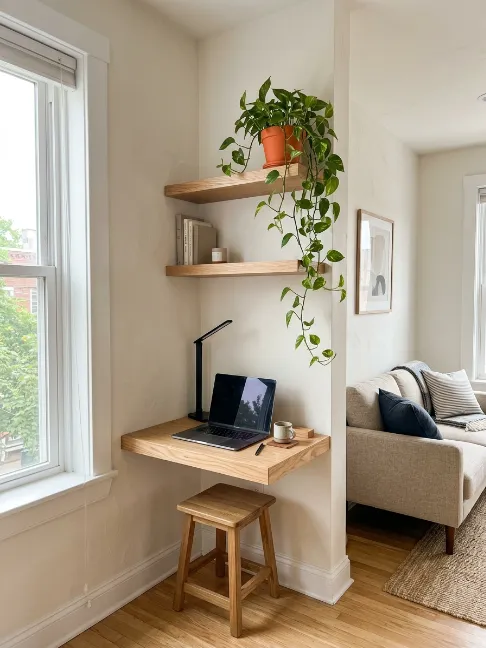
Two floating shelves mounted at a right angle in a corner create a minimal DIY corner desk. It’s cheap, surprisingly sturdy when done properly, and nearly invisible in the room.
I built one of these in an afternoon and it held up for two years without a single wobble.
22. Japandi-Style Low Desk
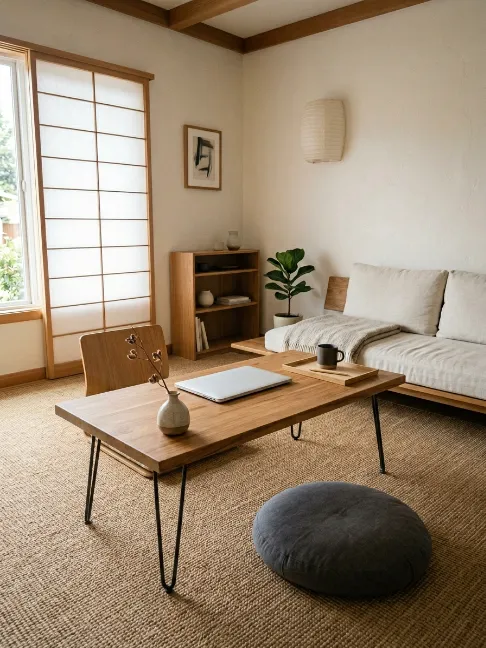
Japandi — the mashup of Japanese and Scandinavian design — is having a big moment right now. Low-profile desks, natural wood, calm neutral tones.
It keeps sightlines open in a small room and creates a genuinely peaceful workspace atmosphere. Dezeen has some brilliant Japandi inspiration if you want to go deeper on this aesthetic.
23. Under-Stairs Desk Nook
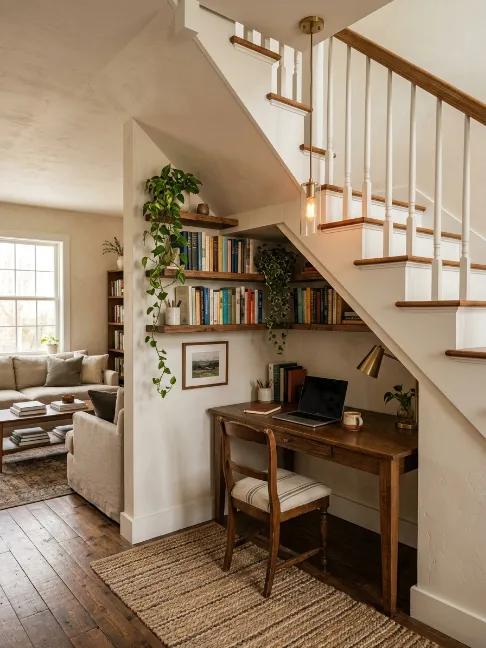
If your living room opens to a staircase — especially common in UK terraced houses — that triangular space underneath is prime real estate.
A custom desk fitted under the stairs looks completely intentional and makes brilliant use of architecture that would otherwise just collect coats and forgotten umbrellas.
24. Repurposed Vintage Bureau
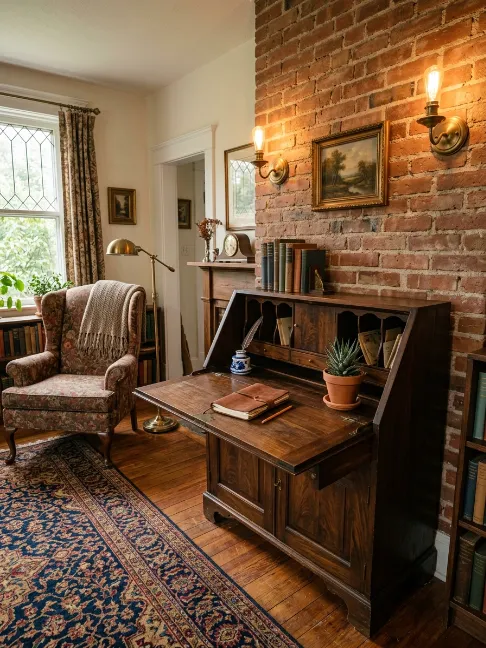
An old wooden bureau or writing desk from a charity shop or antique market adds bags of character to a living room while providing proper desk functionality.
Many vintage pieces have hidden drawers and compartments that solve your storage problems before you’ve even thought about them. Plus supporting secondhand shopping > buying new every single time, IMO.
25. Industrial Pipe Desk
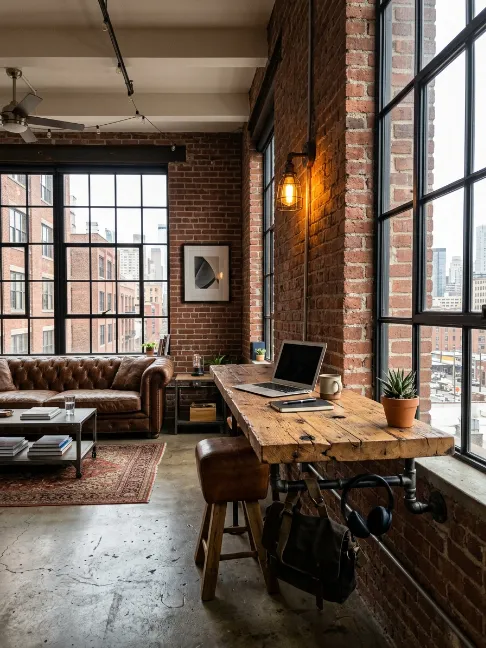
A pipe-and-reclaimed-wood floating desk brings a cool urban edge to a living room.
The brackets double as hooks for bags, headphones, or cable management, and the whole aesthetic is genuinely distinctive. It looks handmade and intentional rather than flatpack-generic.
26. Modular Shelving System With Desk
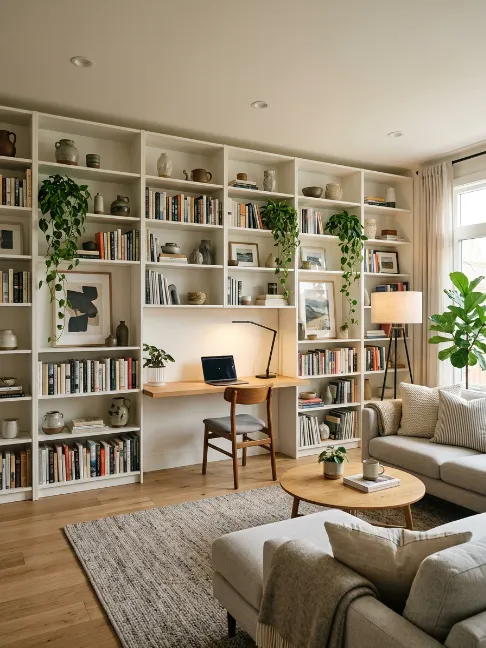
Systems like String Furniture or IKEA Kallax can be configured with a desk surface integrated into a larger shelving unit.
The desk becomes part of the wall rather than something sitting in front of it. If you’re willing to put some planning into the layout, the result looks completely custom.
27. Smart Desk With Built-In Charging
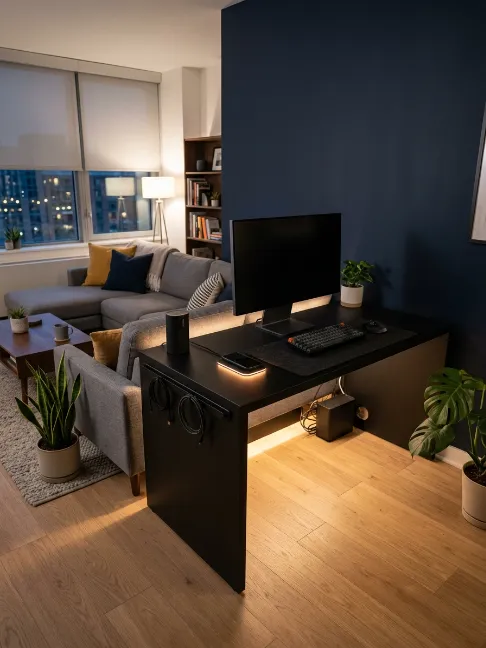
A desk with integrated USB ports and wireless charging pads eliminates the cable situation entirely.
No trailing wires, no adaptor piles, just a clean surface and everything charging invisibly. Modern problems, genuinely modern solutions. And honestly, once you’ve gone wireless-charging-desk, you can’t go back.
28. Gallery Wall With Integrated Desk Shelf
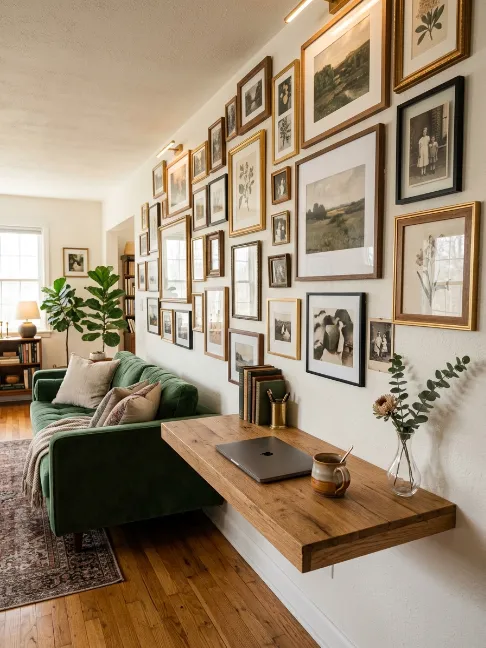
Design your gallery wall with a floating desk shelf positioned at sitting height as part of the display.
The artwork and workspace merge into one cohesive design moment. It looks like something out of an interior design magazine and it’s actually not that hard to pull off.
29. Daybed Plus Side Desk Combo
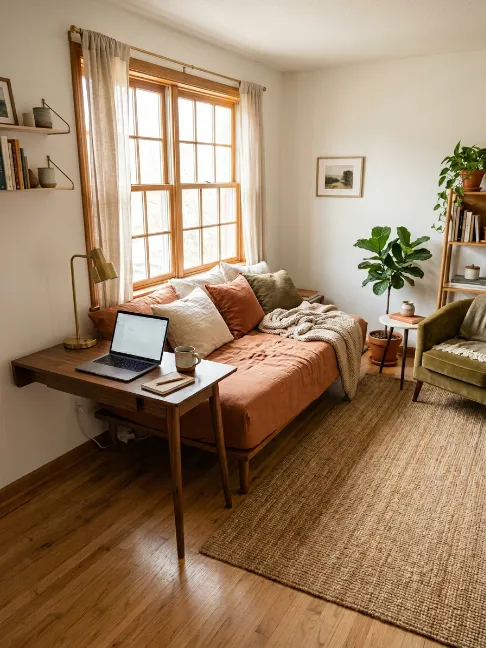
Position a daybed along one wall with a small desk at one end. The two pieces of furniture read as a single arrangement rather than a desk awkwardly stuck in a corner.
It works especially well in studio flats or rooms that need to do double duty as a lounge and a sleep space.
30. Narrow Floating Plank Desk
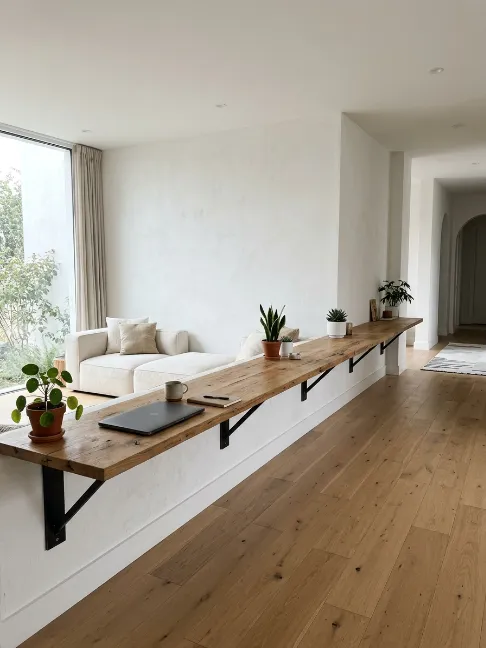
A single wide wooden plank — think 6 to 8 feet — mounted at desk height along an entire wall gives you massive surface area with almost no visual weight.
Cable management is straightforward because there’s nothing underneath to hide wires around. This is actually the setup I’m currently running and I genuinely love it.
31. Bench Desk Hybrid
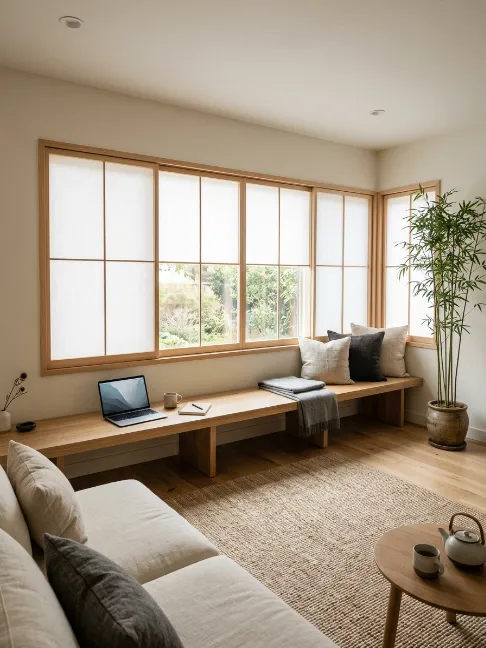
A long, low bench along a wall pulls double duty as seating and a laptop station. Position it under a window for the light bonus and add a few cushions to make it comfortable enough for long sessions.
The result feels more like a Japanese tearoom than a home office, which is honestly not the worst outcome.
32. Nesting Desk Tables
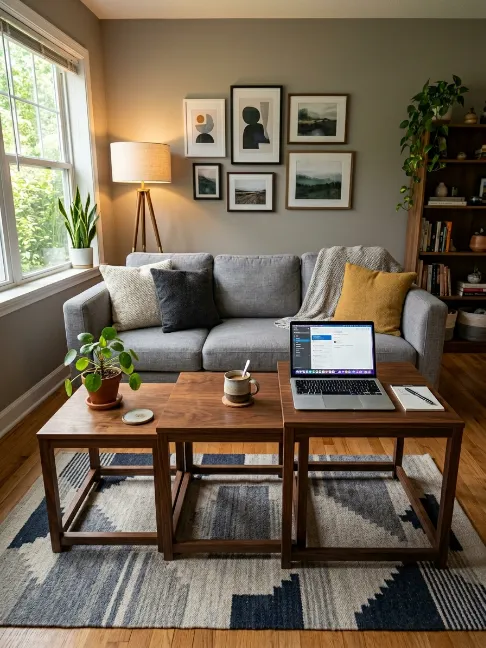
A set of nesting tables used as a desk gives you an expandable work surface that collapses down when you’ve got guests over.
It’s not the most permanent solution, but for flexibility and adaptability in a shared living space, it’s hard to beat.
My Favourite Styling Tips That Actually Made a Difference
Keep Your Cables Completely Invisible
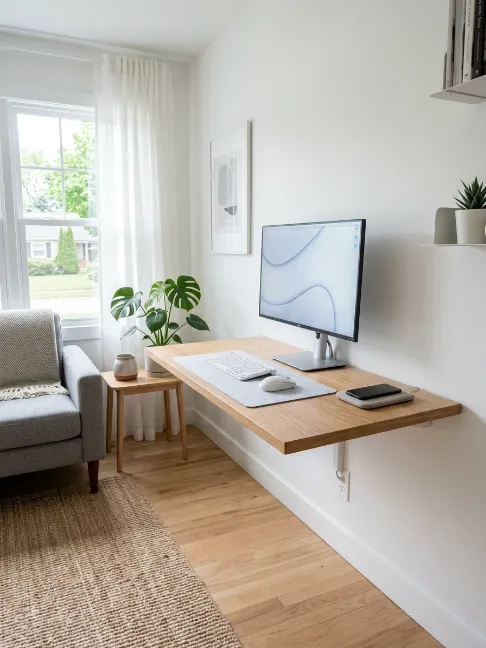
Cable chaos will destroy even the most beautiful setup. Use cable clips, raceways, velcro ties, or a wireless setup wherever humanly possible.
I went full cable-management obsessive last year and my desk photo actually got reposted by an interior design account. Coincidence? I don’t think so.
Match Your Desk to Your Room’s Existing Wood Tones
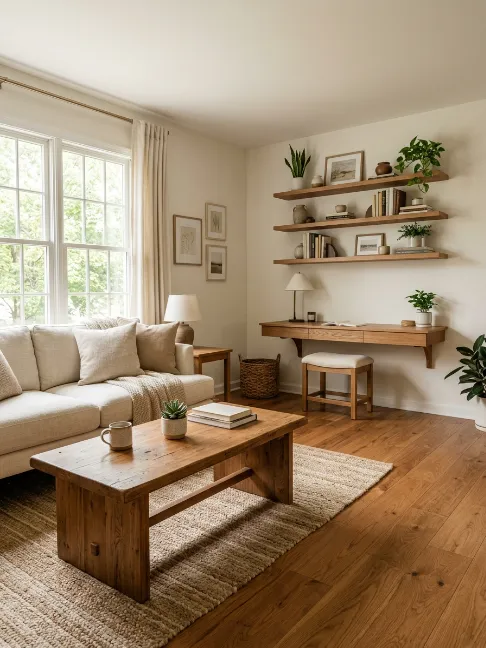
If your floors are warm oak and your desk is cold grey MDF — it’s going to look like a mistake. Consistency in material tones makes everything cohesive without any extra effort.
This is the single easiest way to make a desk feel like it belongs in a living room rather than a corporate office.
Lighting Is Non-Negotiable
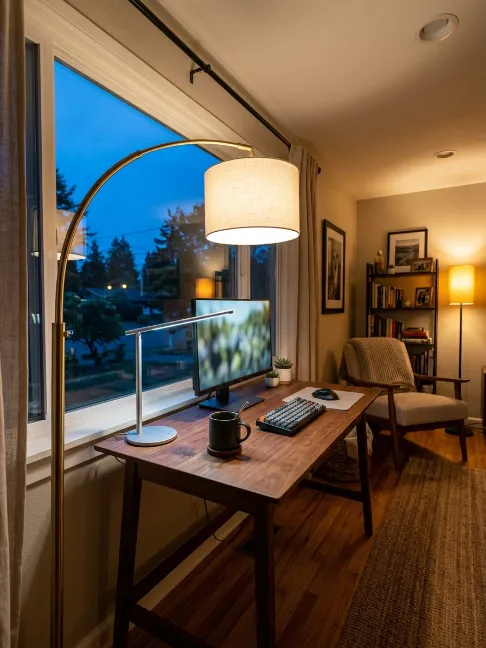
A proper adjustable task lamp with colour temperature control makes your desk functional and aesthetic simultaneously. Warm light for evenings, cooler daylight tones for focused daytime work.
It also makes a genuine difference in video calls — nobody wants to look like they’re being interviewed in a car park.
Use Vertical Space Like Your Rent Depends on It
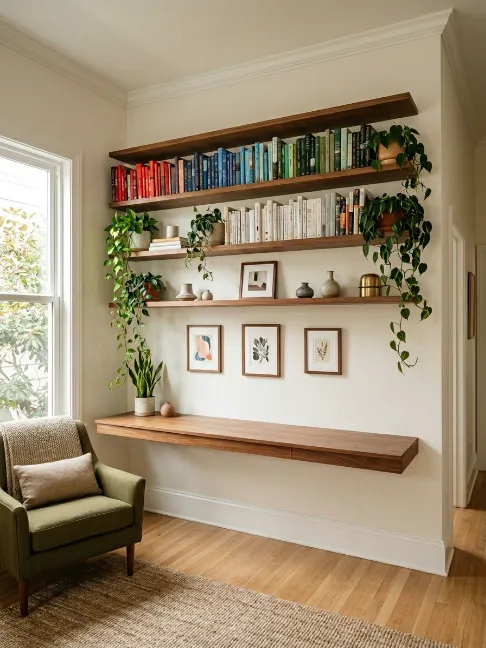
Wall-mounted shelves above your desk keep the surface clear and your sanity intact. A cluttered desk is a stressed desk. And look, I know we all say we’ll tidy it later — we won’t. Build the storage in from the start.
Frequently Asked Questions
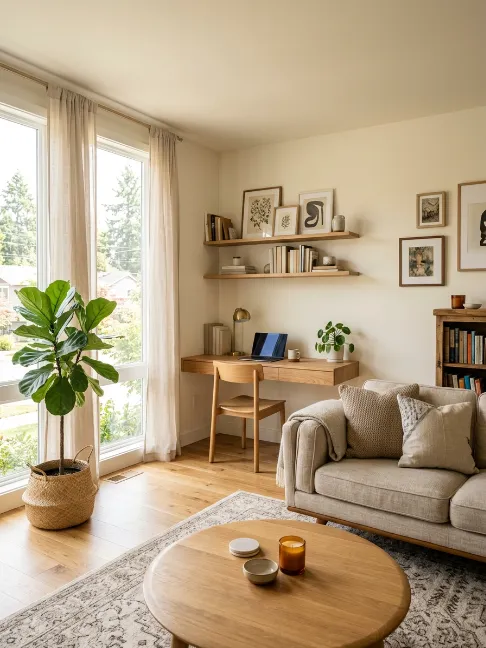
Can a desk actually work in a small living room without making it feel cramped?
Yes, absolutely — but the desk choice matters a lot. A floating wall desk, glass-top desk, or secretary desk can sit in a living room and barely register as a workspace. The key is matching the desk’s scale and finish to the rest of the room rather than treating it as a separate category of furniture.
What’s the minimum space I need for a functional desk setup?
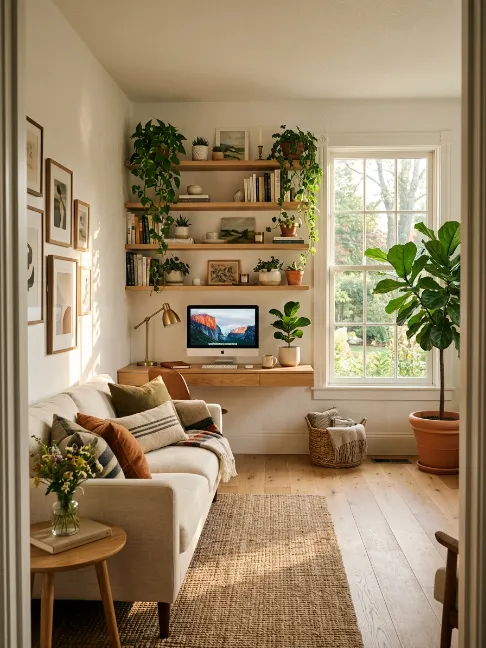
You can genuinely work with as little as 24 inches of width for a basic laptop setup. A floating shelf desk can even go narrower if you’re just using a single screen. For a dual-monitor setup, you’ll want at least 48 to 55 inches of surface width to feel comfortable.
How do I mentally separate work mode from relaxation mode in the same room?
Use physical and visual cues. A small rug under your desk chair, a dedicated task lamp that only comes on during work hours, or a curtain panel that closes off the workspace all help your brain switch between modes. It sounds simple but the psychological difference is real.
Should my desk match my living room furniture exactly?
No — it should complement, not match. Aim for the same tone family and similar material weight. A light oak desk in a room with medium oak floors works perfectly. A jet black metal desk in a room full of natural rattan? That’s going to create visual tension you’ll notice every single day.
Is a floating desk actually sturdy enough for daily use?
Yes, when mounted properly into wall studs or with proper anchors, a floating desk is completely solid for daily laptop use. If you’re running heavy equipment or multiple large monitors, look for models with concealed bracket systems rated for higher loads — they exist and they’re not much more expensive than standard floating shelves.
Let’s Wrap This Up
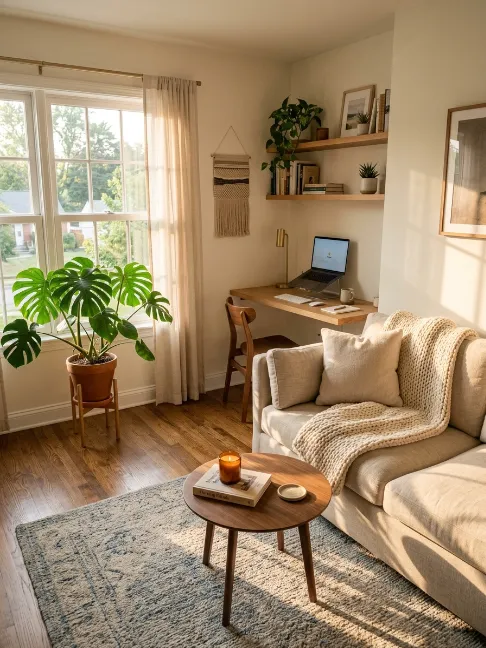
Small living rooms and desks aren’t enemies — they just need a proper introduction. After three apartments and more furniture experiments than I care to admit, the thing I keep coming back to is this: pick a desk that respects the room’s existing personality, hide your cables, and add good light. Everything else is details.
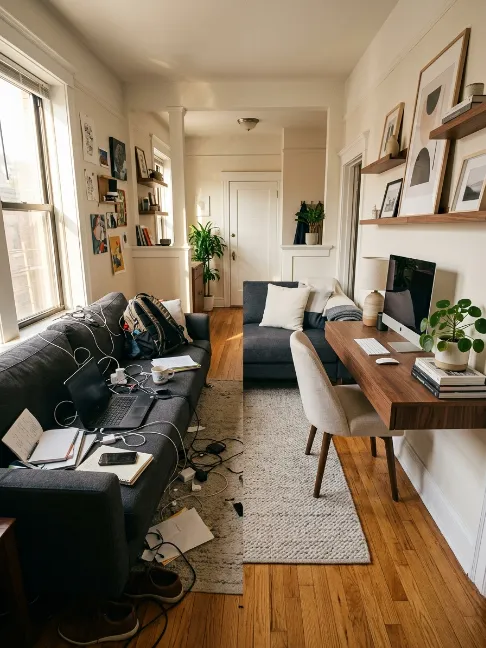
Whether you go floating, fold-away, corner, or convertible — there’s genuinely a solution here for every budget, every style, and every square footage. Start with your awkward corners and your unused walls. That’s where the good stuff hides.
Now I want to hear from you — which of these 32 ideas are you actually planning to try? Drop it in the comments. And if you’ve already cracked the living-room-desk puzzle in your own place, honestly, share it. We could all use the inspiration. 🙌
