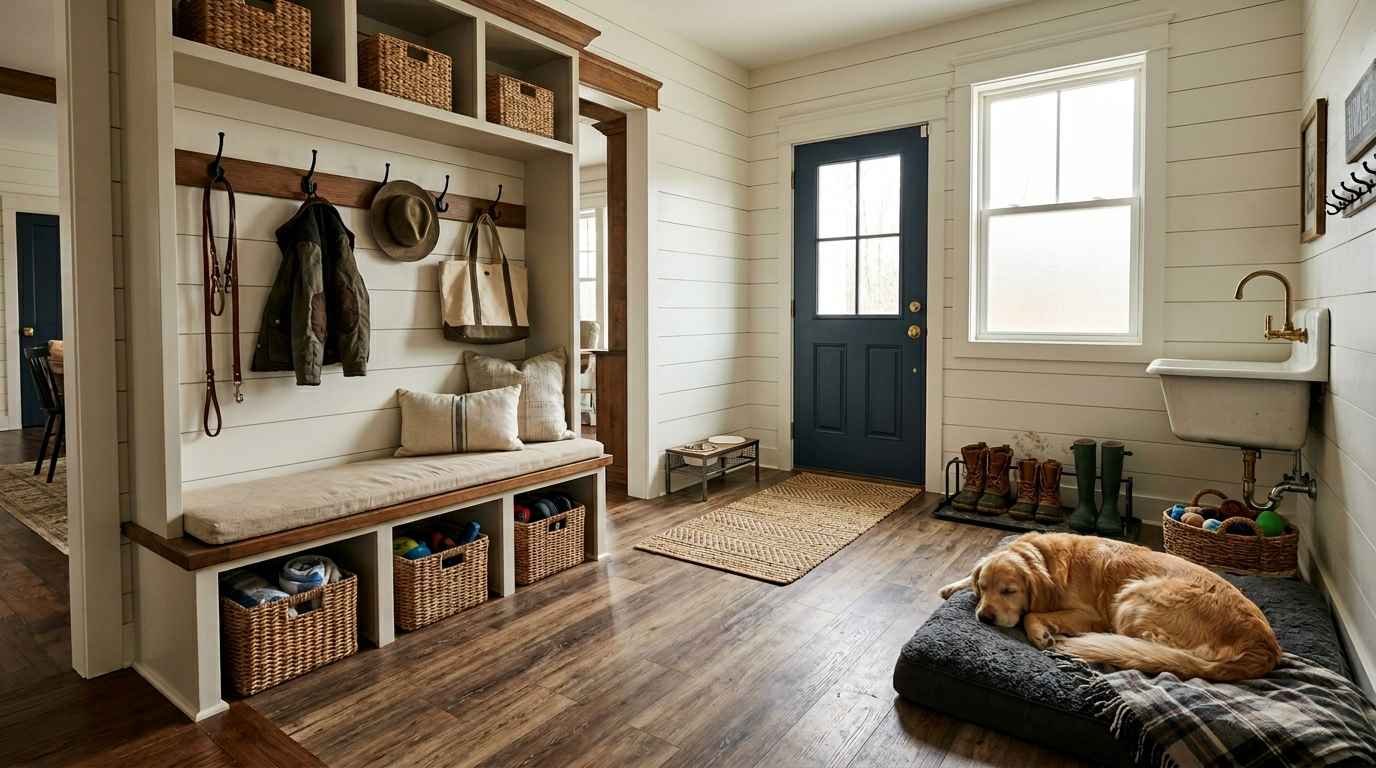
Your dog just ran through the backyard, hit every puddle, and is now doing victory laps across your living room floor. Sound familiar? Yeah, same.
If you have a dog, you already know the front door situation is chaos by default. Mud, fur, wet paws, leashes tangled around your ankles, a treat bag that somehow ended up inside your shoe.
A dedicated dog mud room fixes all of that, and honestly, it makes your whole home feel more put-together without much effort.
These 15 ideas range from budget DIYs to full built-in dream setups. There’s something here whether you rent a 900-square-foot apartment or own a farmhouse with a legit mudroom entry.
Why a Dog Mud Room Actually Changes Your Life
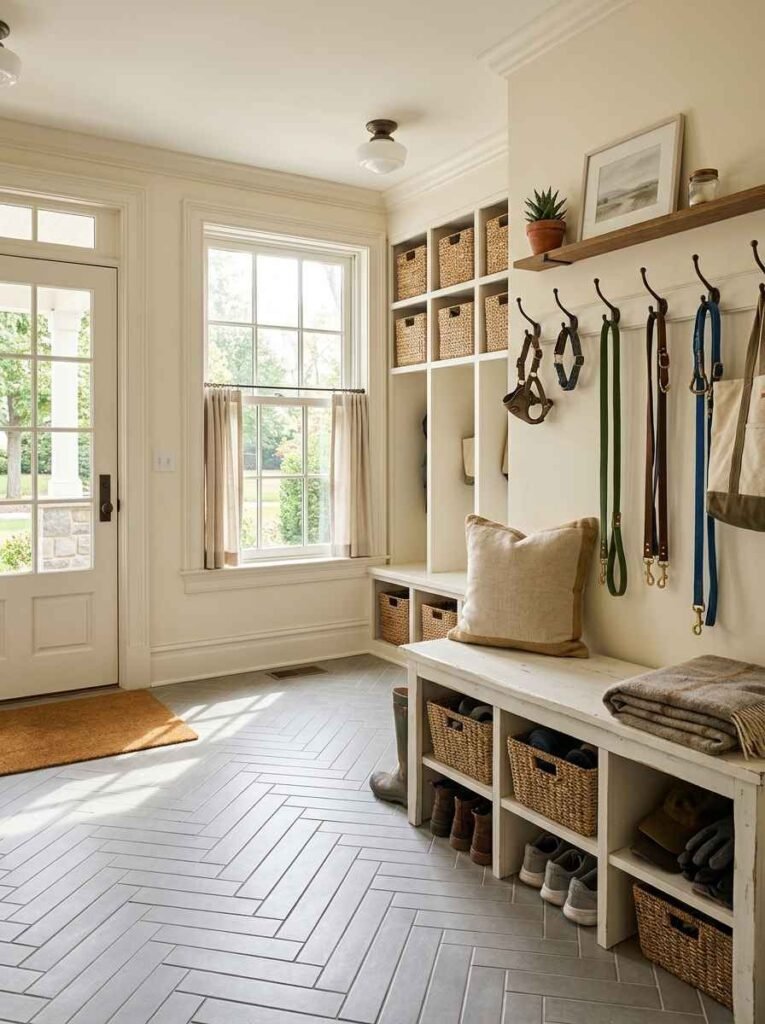
Most people underestimate how much of their daily stress is just… the entryway. It’s the first thing you deal with when you walk in and the last thing you deal with when you leave. If it’s disorganized, that friction stacks up fast.
A dog-specific zone handles the mess before it migrates into the rest of your home. Paws get wiped here. Leashes live here. The bag of treats stops haunting your kitchen counter.
It doesn’t have to be a full room either. A corner, a nook, even a 3-foot section of wall can do the job if you design it right.
1. Built-In Dog Wash Station
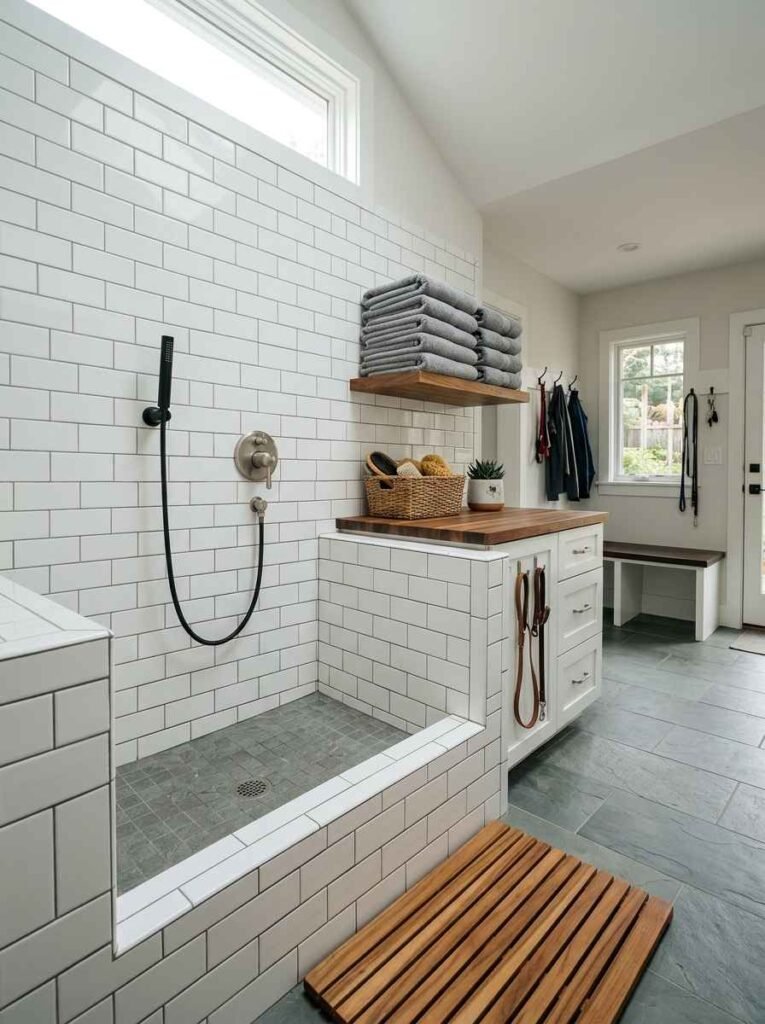
If you have the budget for one thing, make it this. A low, tiled dog wash station with a handheld sprayer is genuinely life-changing. I’m not being dramatic, I installed one two years ago and I’ve used it every single week since.
Built-ins like this sit flush with the wall, so they don’t eat up floor space the way a portable tub does. You can find good inspo on Houzz’s mudroom design gallery if you want to see finished builds before committing.
What to include:
- Handheld sprayer with a long hose
- Non-slip mat or textured tile base
- Hook nearby for hanging the dog mid-wash (saves your back)
- Small shelf for shampoo and a towel
2. Built-In Cubby With a Dog Bed Underneath
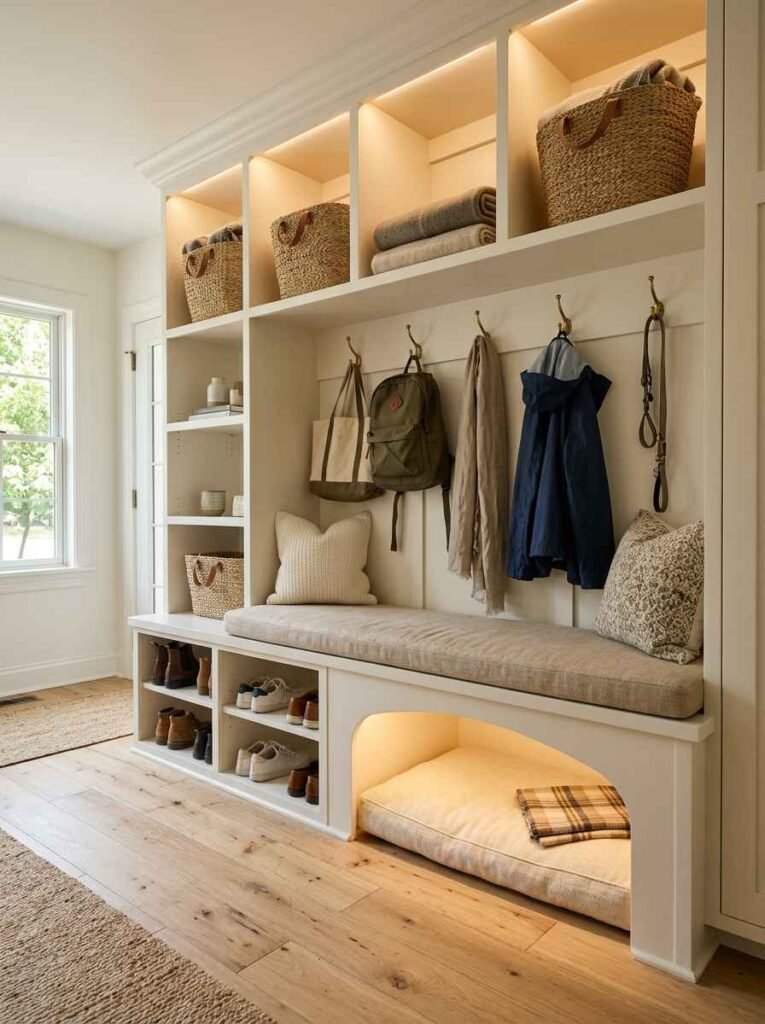
This one is a two-for-one. Upper cubbies for your shoes, bags, and jackets. Dog bed tucked into a lower built-in nook. The dog gets their spot, you get storage, and the whole thing looks intentional instead of chaotic.
It works especially well for smaller dogs. Big dogs might not love a fully enclosed nook, but a dog with a “cave dog” personality? They’ll never leave.
The key is sizing it correctly. Measure your dog lying fully stretched out, then add about 6 inches on each side. Too snug and they won’t use it.
3. Paw Wipe Station by the Door
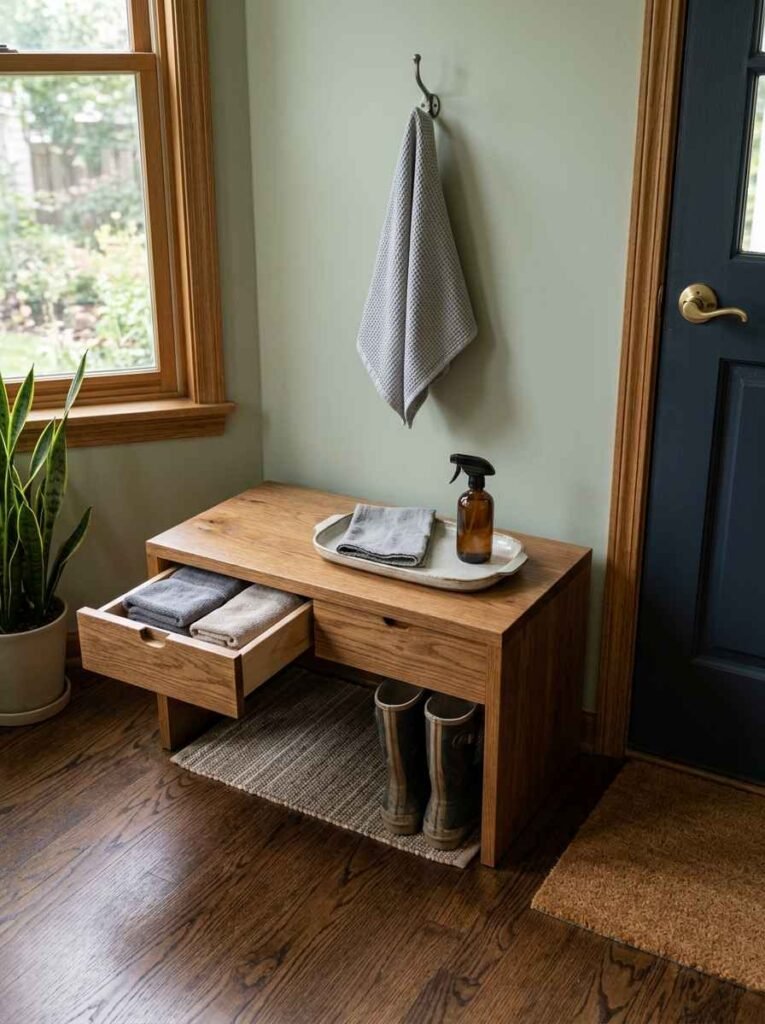
Honestly, this is the easiest win on this list. A small bench, a drawer underneath for paw wipes, and a hook above for a towel. That’s it.
You build the habit of wiping paws at the door, and suddenly you stop finding muddy paw prints on the couch. This one took me about a weekend to DIY and cost maybe $80 in materials. Totally worth it.
4. Wall-Mounted Leash and Collar Hooks
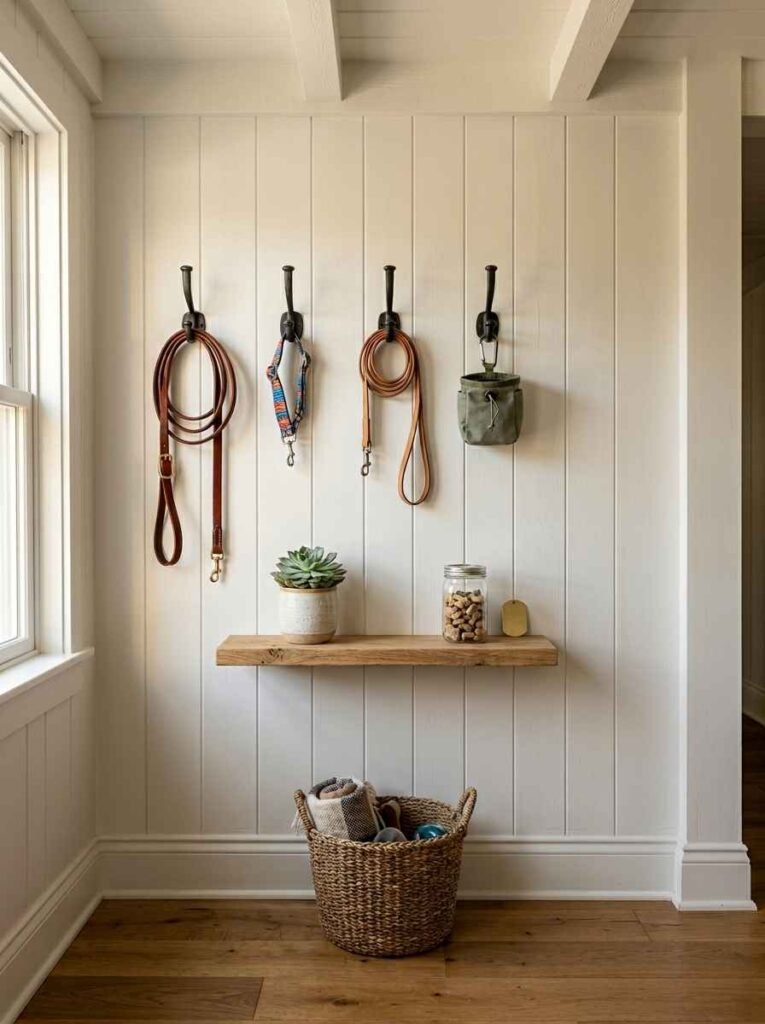
This seems obvious but most people skip it, and then they spend 4 minutes every morning looking for the leash. Mount 3 to 4 hooks at the door at whatever height makes sense for your household.
One hook per leash, one for the harness, one for the long line if you use one. Label them if you’ve got multiple dogs. No more digging through a basket.
5. Dog Food Storage Integrated Into the Mudroom
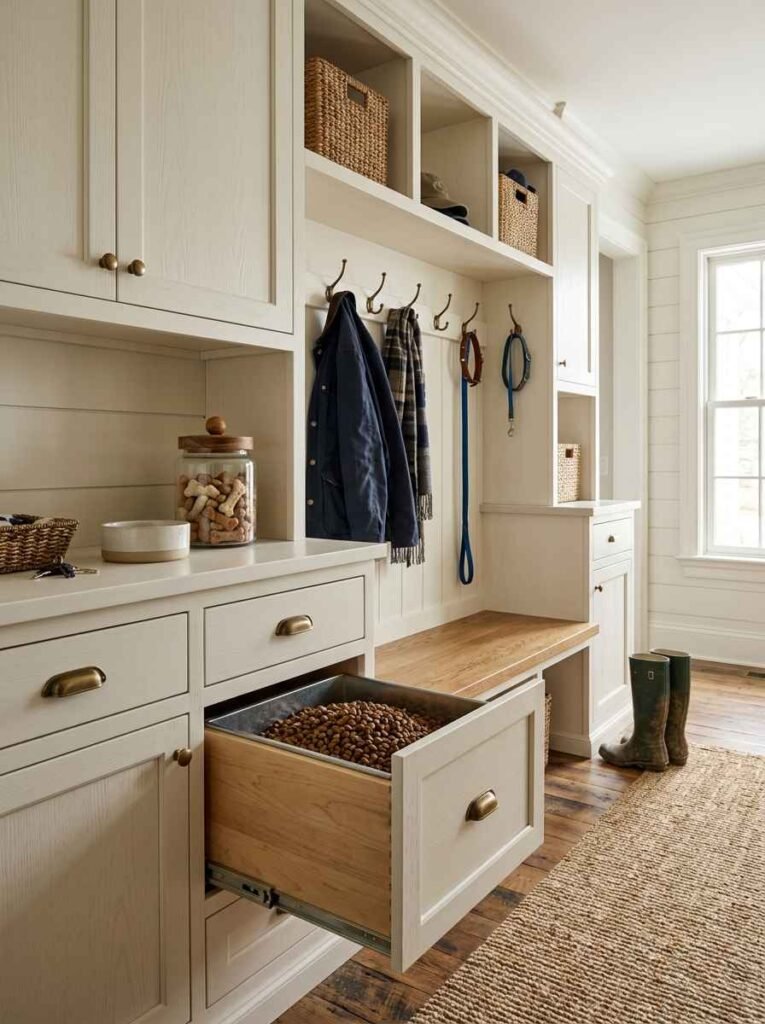
If your mudroom connects to your kitchen or garage, this is a smart move. A pull-out bin or an airtight container built into cabinetry keeps food fresh and out of sight.
Some people hate this idea because they want the food in the kitchen. That’s fine, honestly, but if you’re already going in and out for walks, having food storage near the exit makes the “grab a treat before we leave” process a lot smoother.
Quick Comparison: Storage Types for Dog Mud Rooms
| Storage Type | Best For | Cost Range | DIY-Friendly? |
|---|---|---|---|
| Wall hooks | Leashes, collars | $10-$40 | Yes |
| Built-in cubbies | Gear + dog bed | $500-$2000 | Moderate |
| Pull-out bins | Food storage | $50-$300 | Yes |
| Dog wash station | Post-walk cleanup | $800-$3000 | Hard |
6. A Dedicated Towel Rack (Just for the Dog)
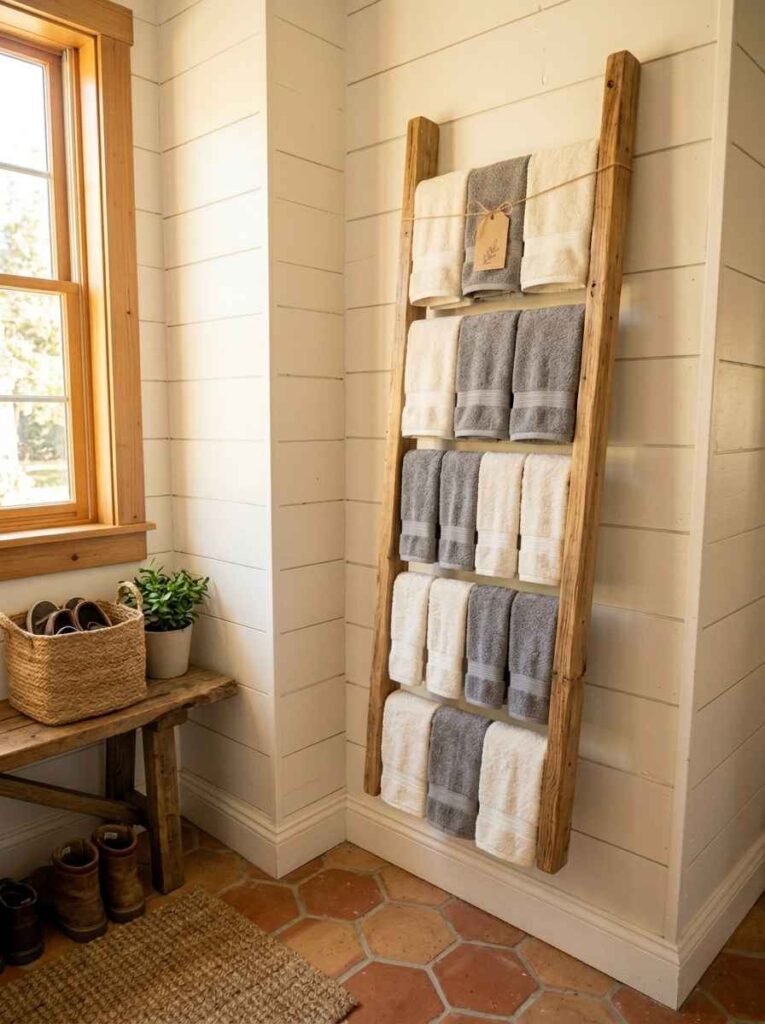
Bro, do not skip this. Get a small towel rack or a couple of hooks and keep 3 to 4 microfiber towels specifically for the dog. Wash them weekly. Label them so nobody accidentally grabs them.
Microfiber works way better than regular cotton for paw drying. Absorbs faster, dries faster, and doesn’t leave that weird damp smell as quickly.
7. Bench With Storage Underneath for Dog Gear
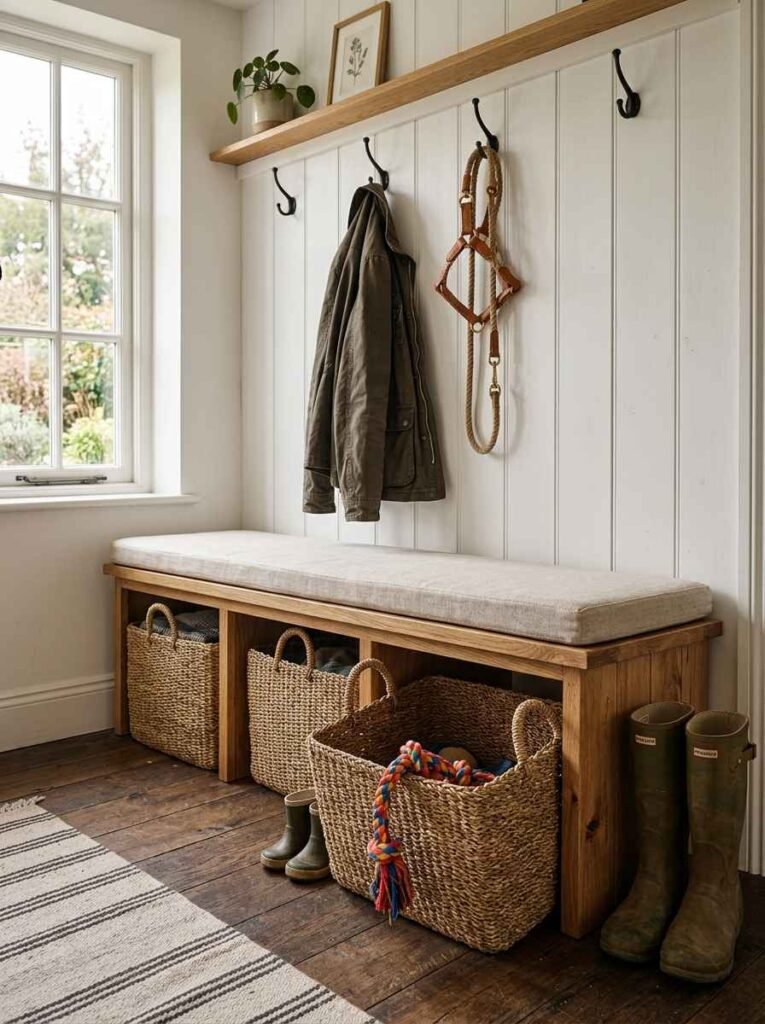
A classic mudroom bench becomes a dog gear station when you use the space underneath intentionally. Baskets or bins for toys, a spot for the backpack carrier if you have one, maybe a bin for dirty toys waiting to be washed.
The bench doubles as a spot to sit while you put on your shoes, and it gives you a surface to rest a bag while you leash up your dog. Two birds.
8. Chalkboard or Whiteboard Wall Section
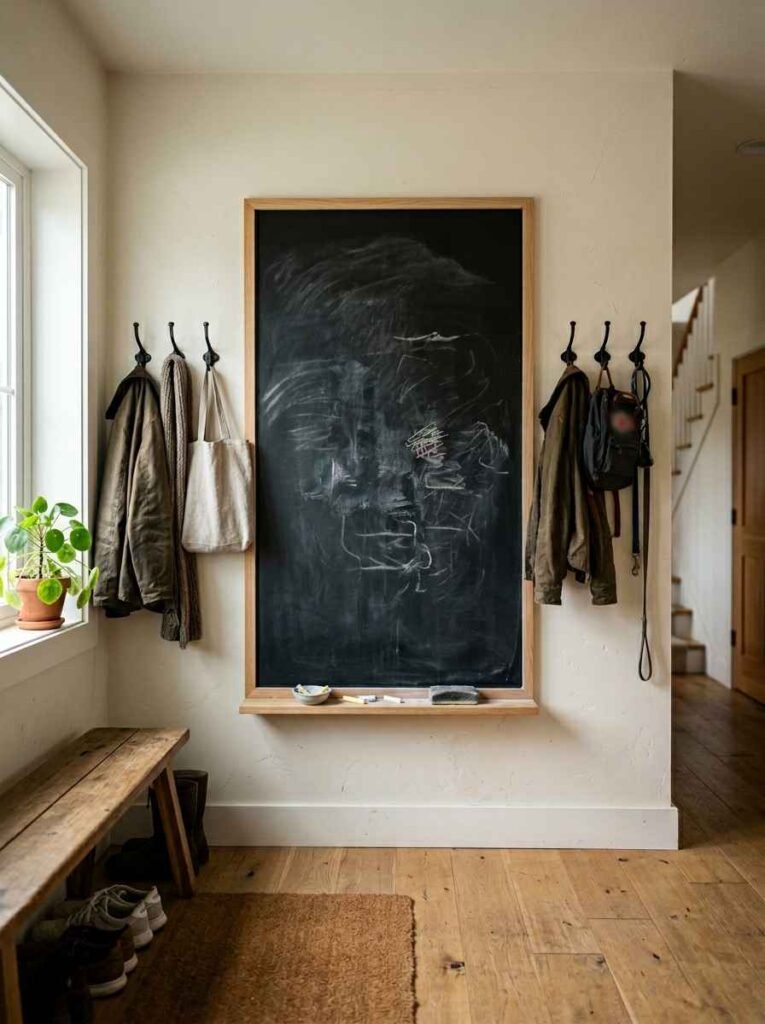
This feels like a Pinterest-only idea but it’s genuinely practical. A small chalkboard section in your dog mud room for tracking vet appointments, medication schedules, or just a note like “Bella got her heartworm pill 5/20.”
If you’ve got multiple dogs or you share pet duties with a partner, this low-tech solution beats trying to remember which app you wrote something in.
9. Tile Flooring That’s Easy to Mop
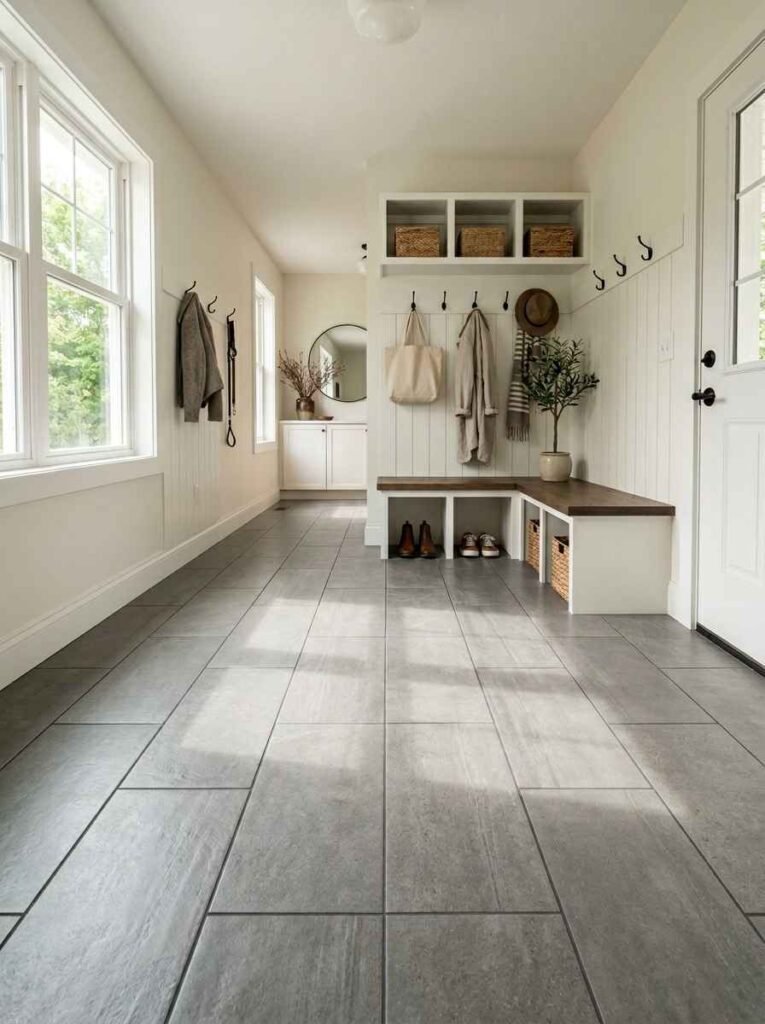
The flooring in your dog mud room matters more than almost anything else in the design. Carpet is a disaster. Hardwood that isn’t properly sealed gets wrecked. Large-format porcelain tile or luxury vinyl plank that’s specifically rated for moisture are your two best options.
Go with a slightly textured surface so paws don’t slip when your dog comes charging in. Lighter grout is harder to keep clean, darker grout hides more. Pick accordingly.
10. Treat Jar Display Shelf
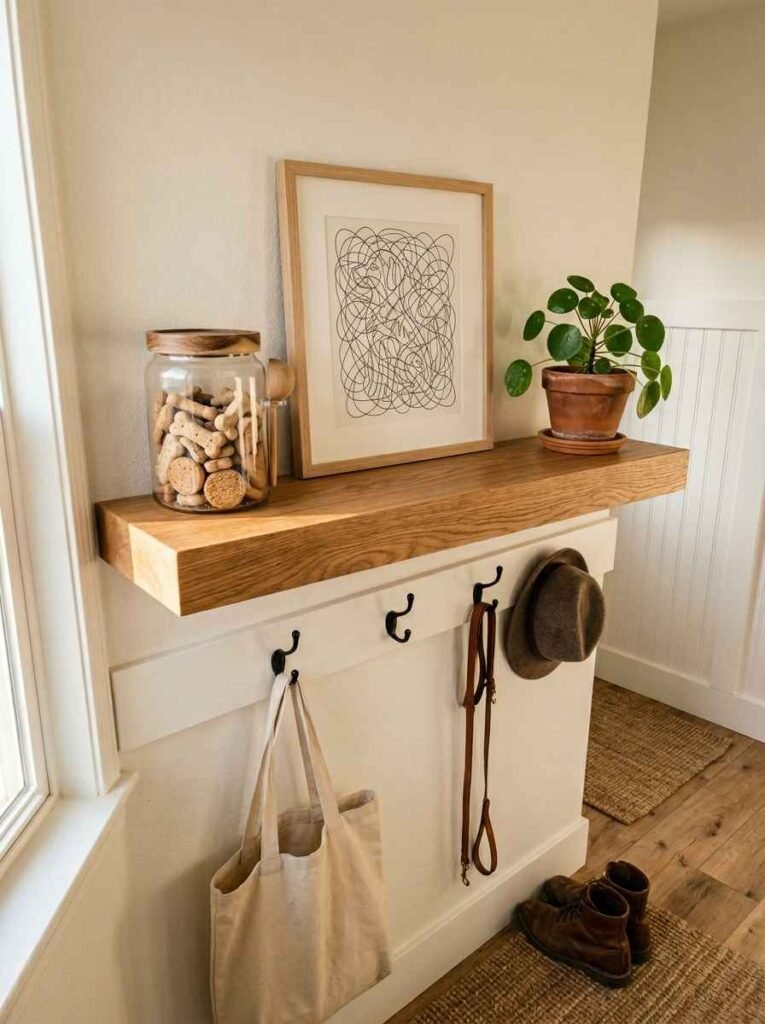
Small thing, big impact. A little floating shelf near the door with a sealed treat jar makes the whole space feel like it was designed for a dog person (which it was). It’s also just practical since you want treats accessible when you’re training at the door.
Honestly this might seem basic but it’s the kind of detail that makes guests go “oh that’s so cute” and also keeps you from leaving treat bags all over the kitchen. IMO, it’s one of the fastest wins on this list.
11. Elevated Dog Bowls Nook
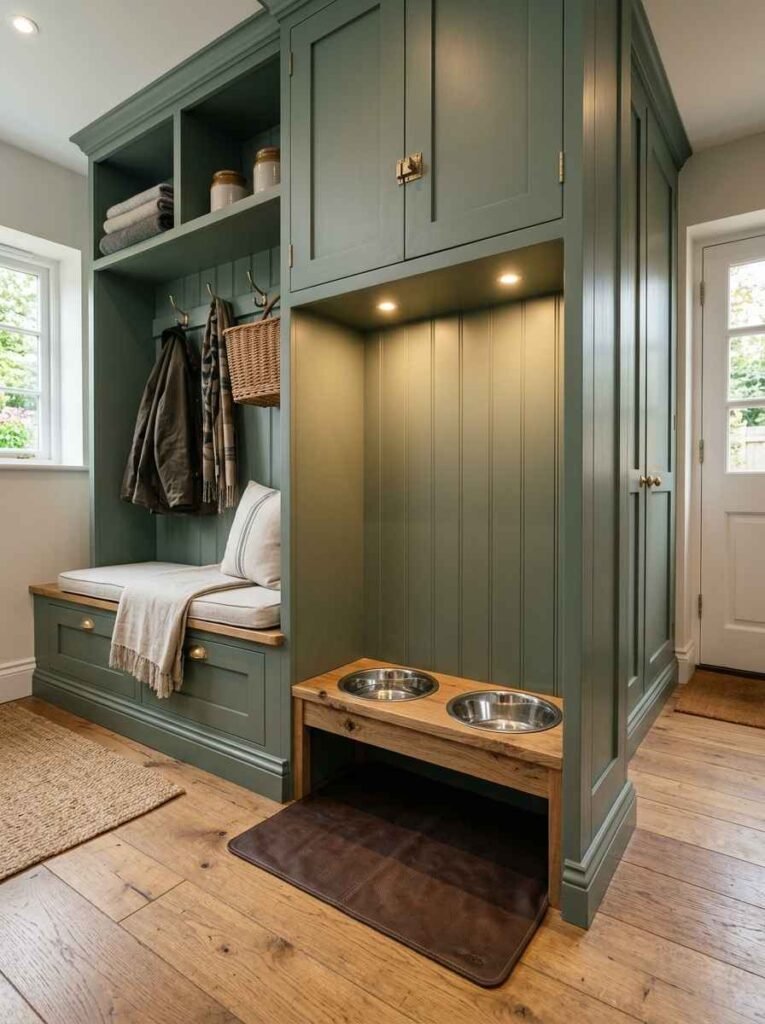
If your mud room is big enough, a built-in nook for elevated food and water bowls keeps that stuff out of the kitchen floor traffic. Elevated bowls are better for most medium to large breeds posture-wise anyway, and a built-in nook means the bowls don’t slide around.
Add a small waterproof mat underneath and you’ve got a clean, contained feeding zone.
12. Multi-Dog Organization (Labels, Bins, Color Coding)
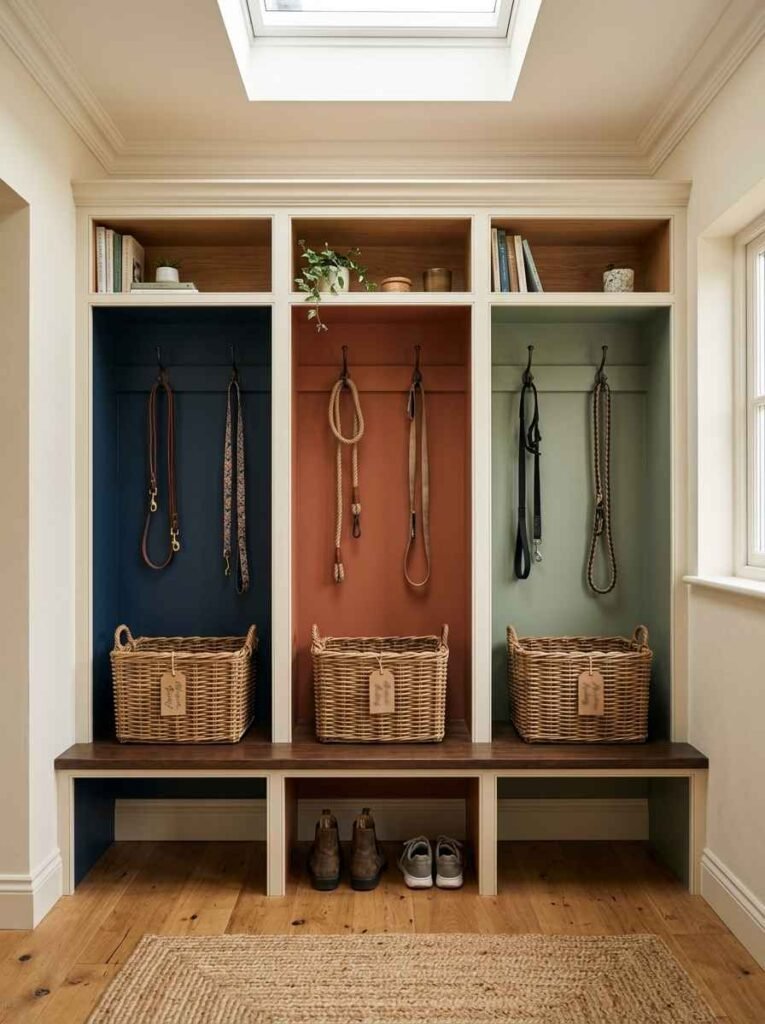
If you have more than 1 dog, the mud room needs to be more structured or it just becomes a pile. Assign a color or a bin to each dog. One hook for each leash, one shelf for each dog’s specific gear.
I tried doing the “shared everything” system with 2 dogs and it lasted about 3 days before everything was completely mixed up.
Color coding was the fix. Sounds fussy but it’s actually the most practical approach.
13. Window for Natural Light and Ventilation
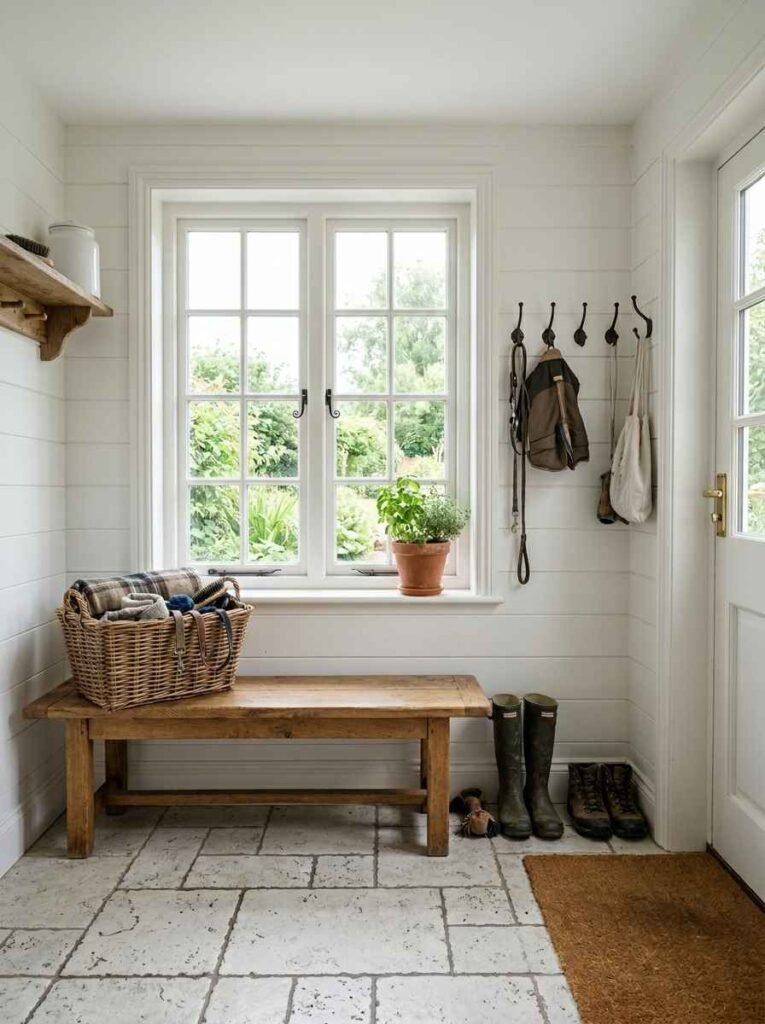
Okay, this one requires planning at the construction or renovation stage, but if you’re building out a proper mud room, add a window.
A wet dog smell in a closed room is, let’s just say, not ideal.
Natural light also makes the space feel less like a utility closet and more like an actual designed room. Even a small casement window makes a big difference.
14. Dog-Specific Cabinetry With Locked Sections
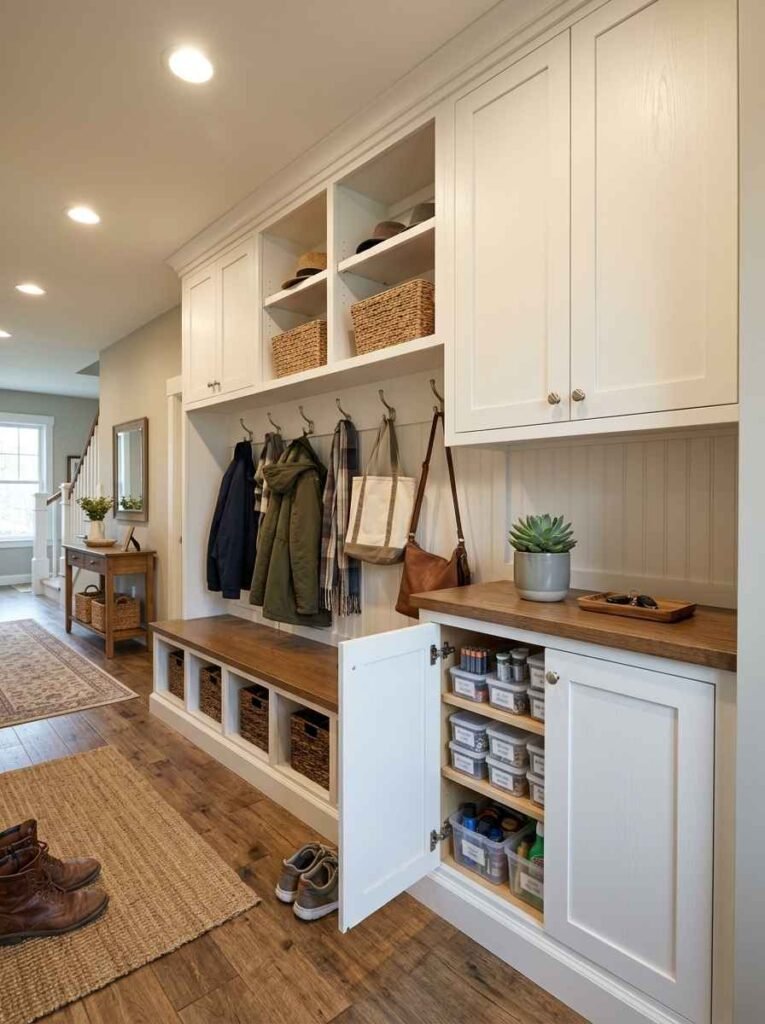
This might sound over the top but if you’ve got a counter surfer or a dog who gets into medications, locked lower cabinets in the mud room make sense.
Store meds, flea treatments, and anything potentially harmful behind a lock.
You can get cabinet latches that are child-proof and work just as well for determined dogs. The Spruce has a solid breakdown of pet-safe storage ideas if you want to go deeper on this.
15. Aesthetic Touches That Make It Feel Designed
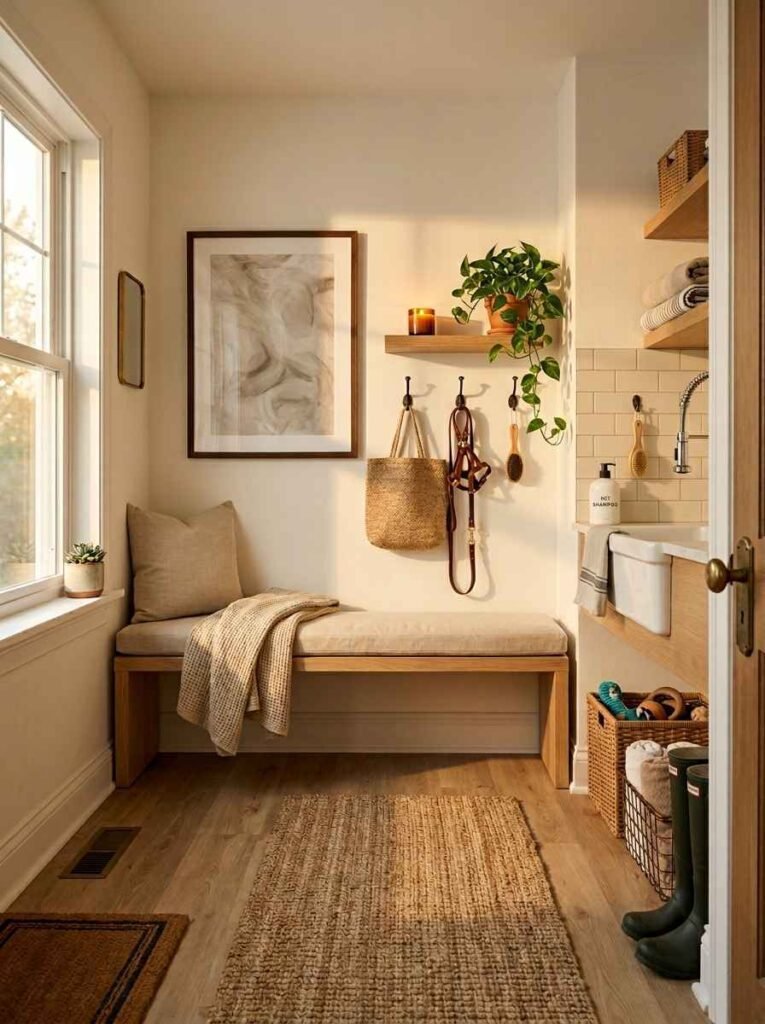
Here’s the thing most functional mud room guides skip: if the space looks good, you’ll actually maintain it. A mud room that feels like an afterthought gets treated like one.
A coat of paint in a color you actually like, a small plant on a high shelf (somewhere the dog can’t destroy it), a framed photo of your dog on the wall.
These don’t cost much but they make the space feel intentional.
Honestly, at this point some of the “farmhouse shiplap” mud room trends feel a bit overdone. Pick something that feels like your house, not a Pinterest template.
Real Talk: What You Actually Need vs. What Looks Good on Pinterest
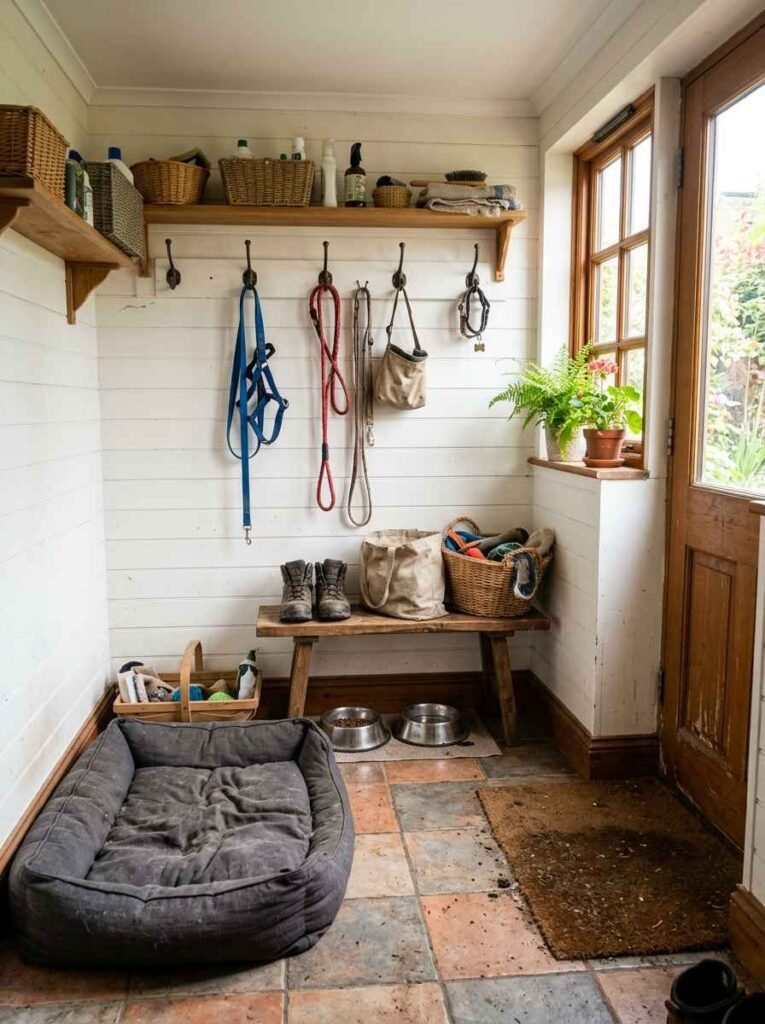
Pinterest mud rooms are gorgeous. They’re also often photographed in a house where the dog doesn’t actually live there regularly. Real dog mud rooms get used hard.
Prioritize function first: easy-to-clean surfaces, proper hook storage, paw drying solution.
Then layer in the aesthetic details. A beautiful space that’s a nightmare to clean isn’t a mud room, it’s a set.
For more design inspiration grounded in real homes, Architectural Digest’s pet-friendly home features are worth bookmarking.
Building on a Budget: What to DIY vs. What to Hire Out
Not everyone has the budget for a full built-in. That’s fine. Most of this list is achievable in phases.
DIY-friendly:
- Hook installation
- Paw wipe station (bench + drawer)
- Treat jar shelf
- Towel rack
- Storage bins and baskets
Worth hiring out:
- Dog wash station plumbing
- Built-in cabinetry
- Tile floor installation (unless you’ve done it before)
Start with hooks and a bench. Those two things alone will cut your entry chaos in half. Build from there as budget allows.
FAQ
Do I need a full room to create a dog mud room setup? No. A dedicated corner, a nook off the garage, or even a 4-foot section of hallway wall can work. The key is having defined zones for specific items so things don’t spread into the rest of your home.
What’s the best flooring for a dog mud room? Large-format porcelain tile or waterproof luxury vinyl plank. Both handle moisture well, clean easily, and hold up to claws. Avoid carpet and unsealed wood.
How do I stop my dog mud room from smelling? Ventilation first, so a window if possible, or at minimum a small vent fan. Wash dog towels weekly. Keep a baking soda-based odor absorber in a corner. Don’t let wet gear sit in a closed space.
A proper dog mud room doesn’t have to be complicated or expensive. Start with one problem (the leash chaos, the wet paws, the gear pile) and solve that first. The rest follows.
So, which of these 15 ideas are you actually going to try first? Drop it in the comments if you’ve got Pinterest boards you’re working from. I’d love to see what people are building out there.
