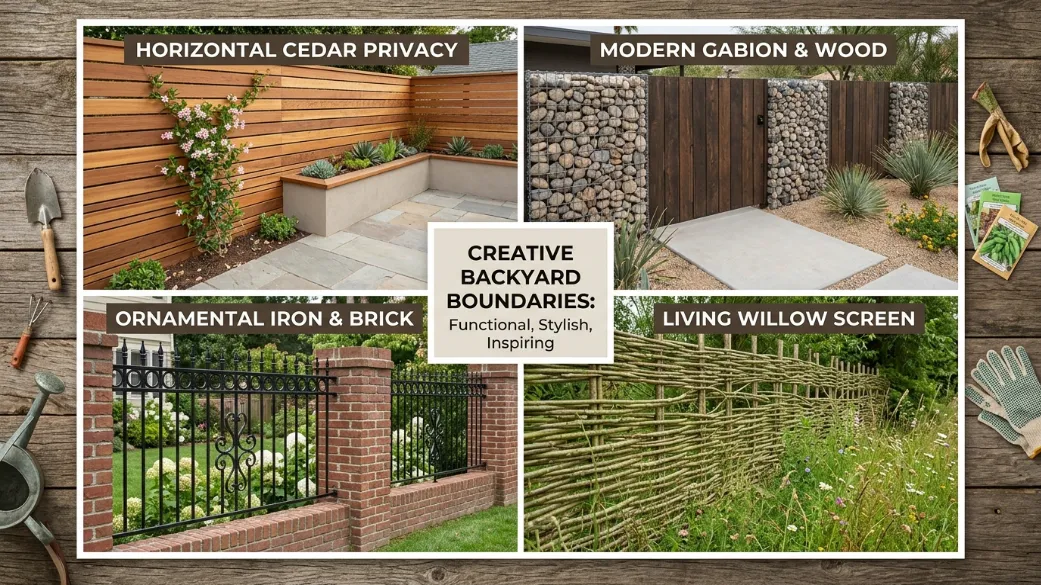
Your backyard is basically your outdoor living room — and right now, if your fence looks like it lost a fight with a rainstorm, we need to talk.
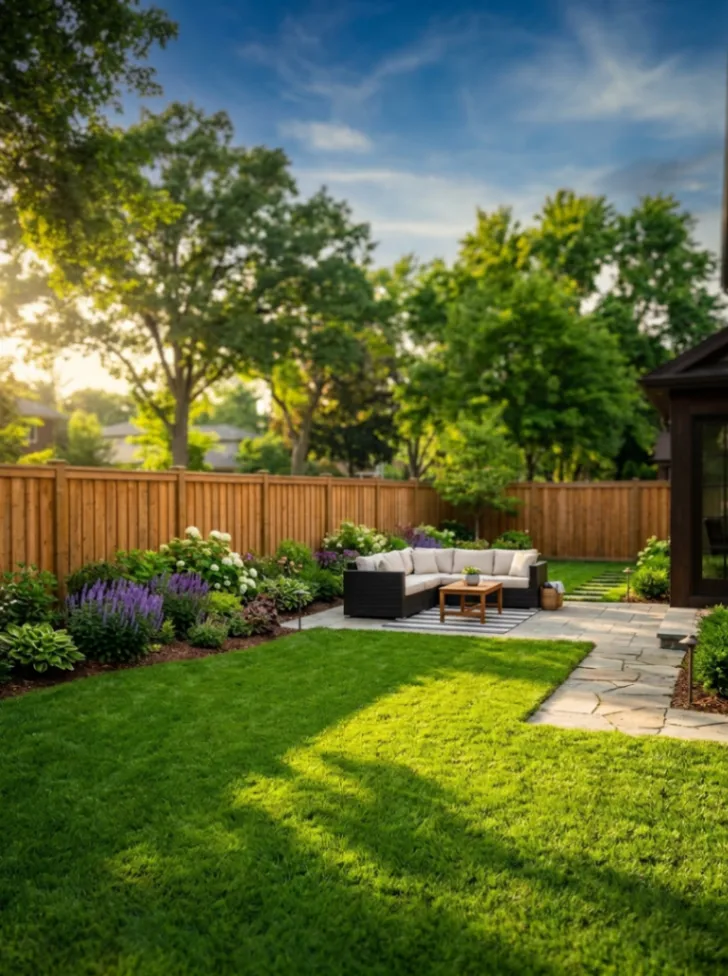
I’ve spent more time than I’m proud of obsessing over fences, ripping out old warped panels, testing materials, and making some genuinely expensive mistakes that I’d love to save you from. The fence isn’t just a boundary.
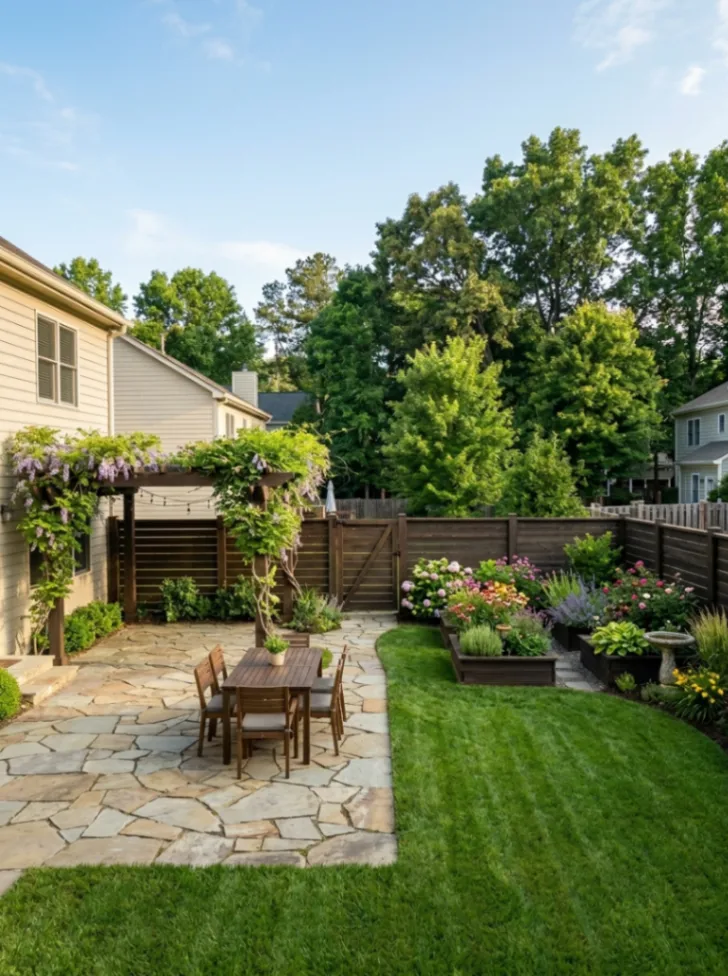
It’s the frame that holds your entire yard together. Get it right, and the whole space clicks.
Why the Right Fence Changes Everything
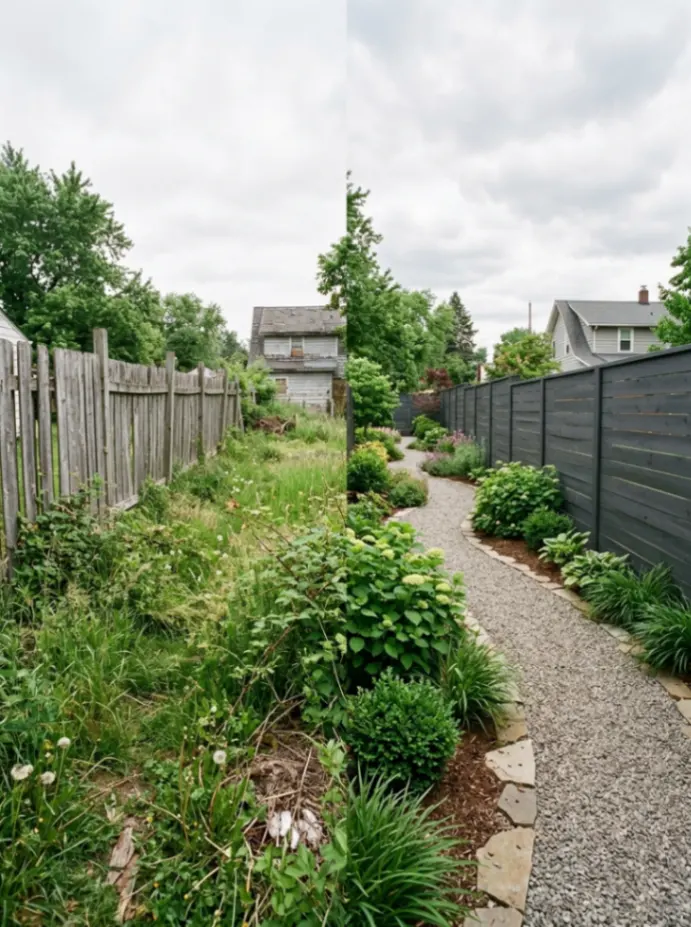
Most people treat fencing like an afterthought. They pick whatever’s cheapest or just copy what the neighbor did — and then wonder why their yard never feels quite right.
Here’s the thing: your fence sets the tone for everything else in the outdoor space. It controls privacy, defines the layout, and honestly? It’s the very first thing people notice when they step into your backyard.I learned this the hard way.
First home, cheapest pressure-treated pine fence I could find. Two summers later it was warping, greying, and basically embarrassing. Lesson?
Think it through once, spend a little more, and you won’t be tearing it out in three years. Trust me on this one.
Classic Wood Fence Ideas
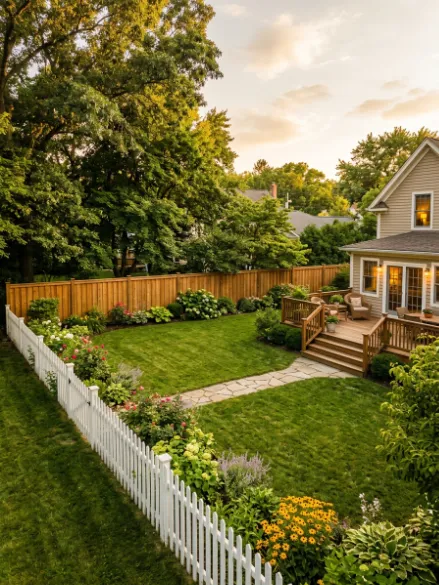
1. Traditional Privacy Fence
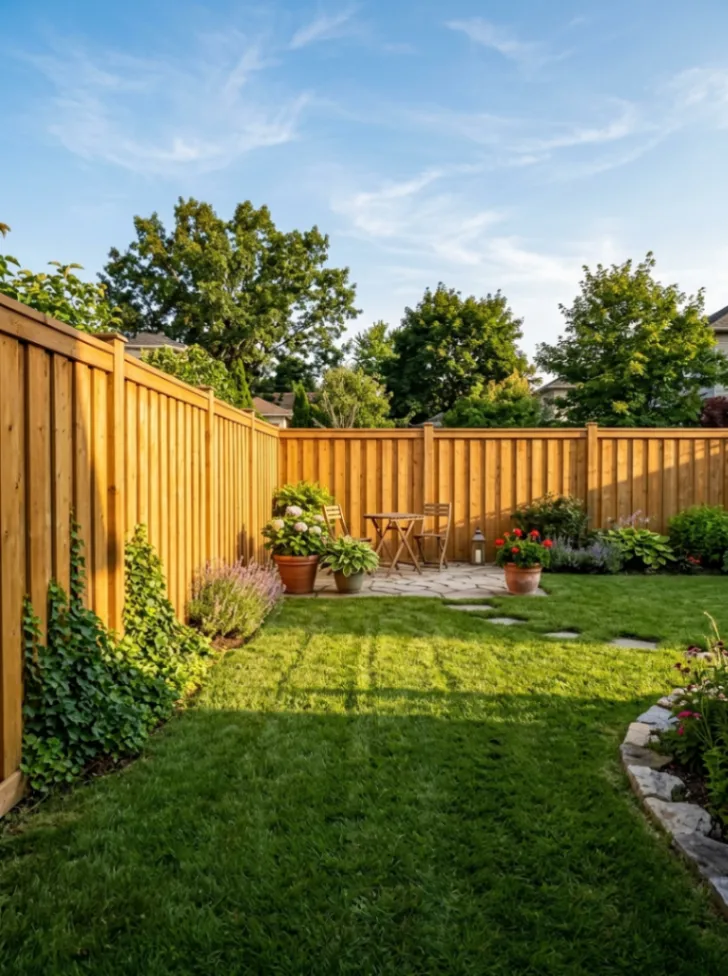
A solid 6-foot cedar or redwood privacy fence is still the gold standard for backyards, and I don’t see that changing anytime soon.
Cedar naturally resists rot and insects without heavy chemical treatment, which matters if you’ve got kids or pets running around back there. It’s warm, classic, and works with virtually any home style.
2. Horizontal Wood Plank Fence
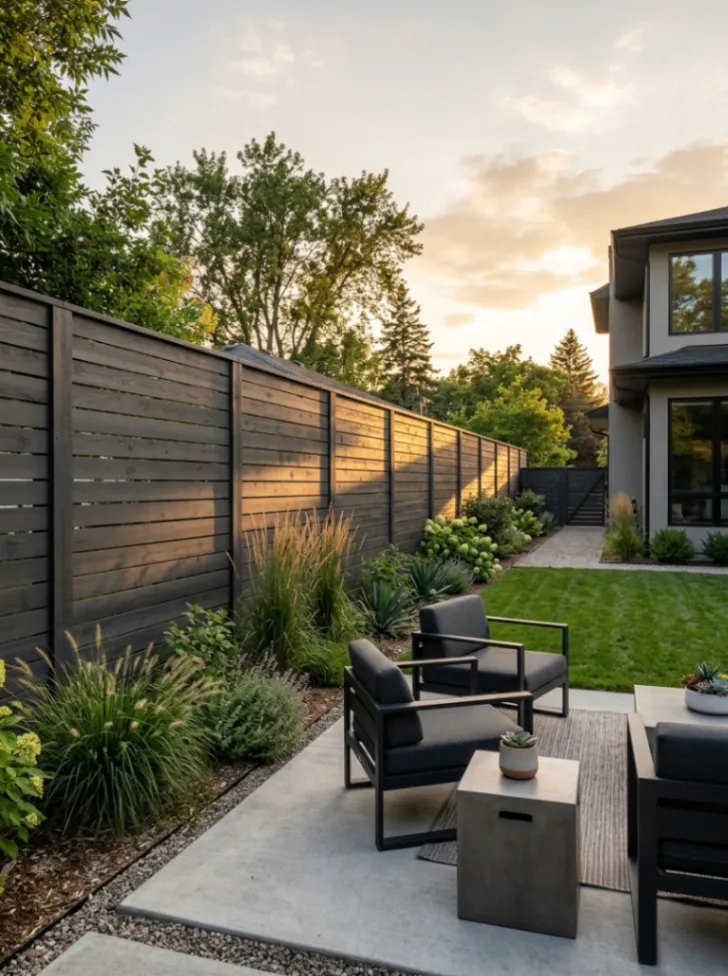
Run your planks horizontally instead of vertically and suddenly the whole fence feels more intentional — more architectural.
I did this in my own yard a few years back and it was genuinely one of the best upgrades I made for the cost.
Pair it with a charcoal stain and you’ve got something that looks like it belongs in a design magazine.
3. Board-on-Board Fence
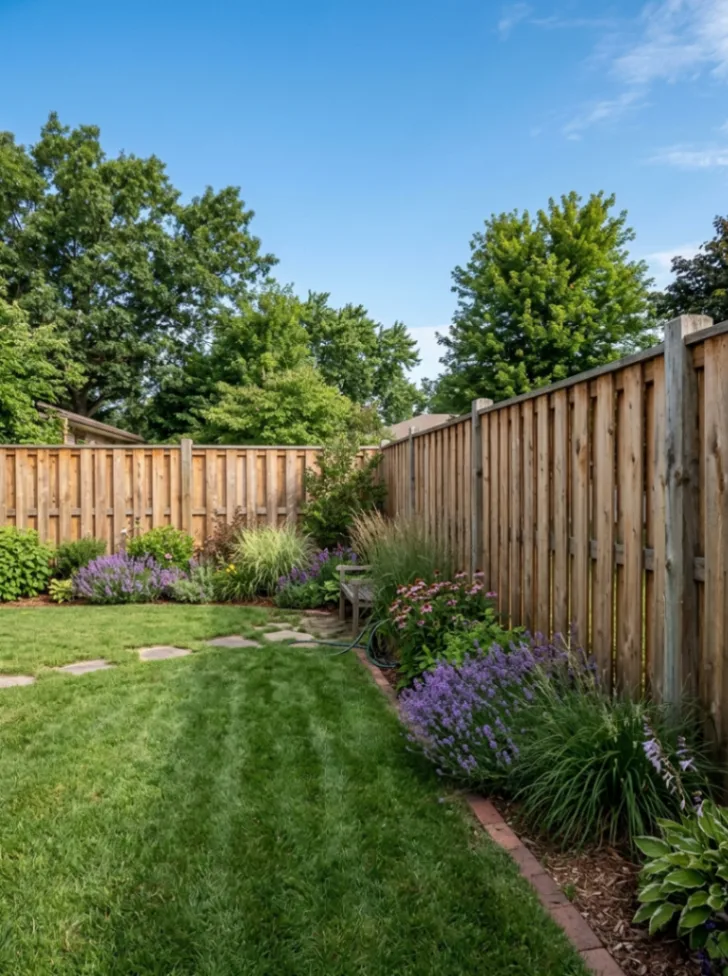
Board-on-board means alternating boards on both sides of the rail so they overlap slightly. You get full privacy from every angle, and it looks sharp from both inside and outside.
Great wind resistance too, which matters more than most people think when they’re actually sitting outside trying to enjoy their yard.
4. Shadowbox Fence
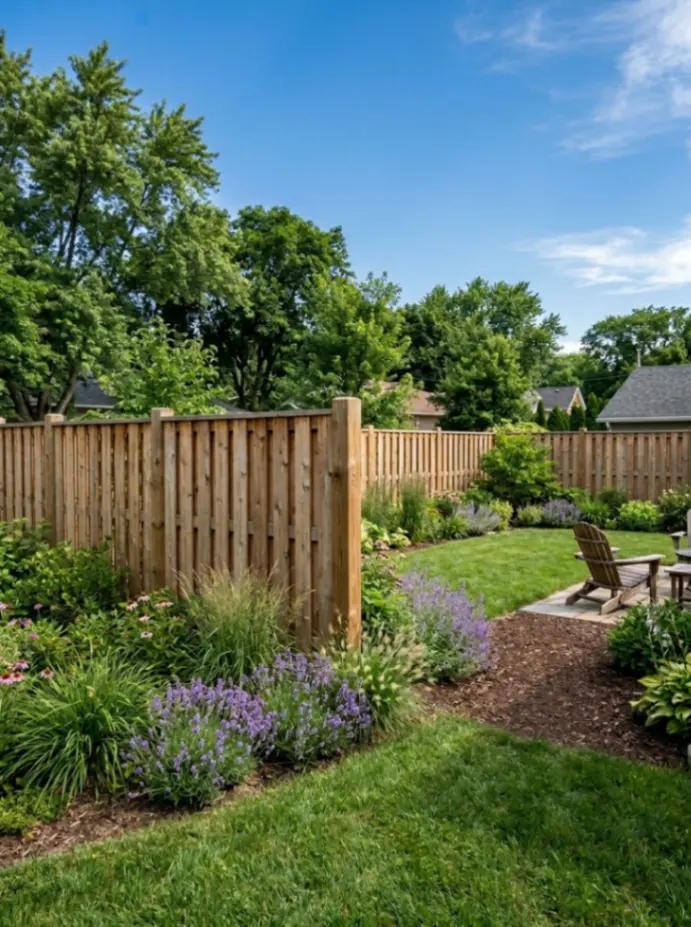
Similar to board-on-board but with deliberate small gaps between the boards. You get airflow, partial privacy, and a clean aesthetic — especially good in areas that get a lot of wind.
This one flopped for me in my first install because I didn’t account for the gap widths properly, so measure twice, install once.
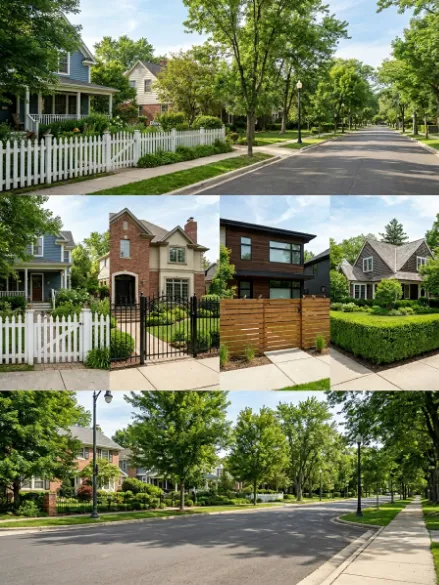
5. Picket Fence (Modernized)
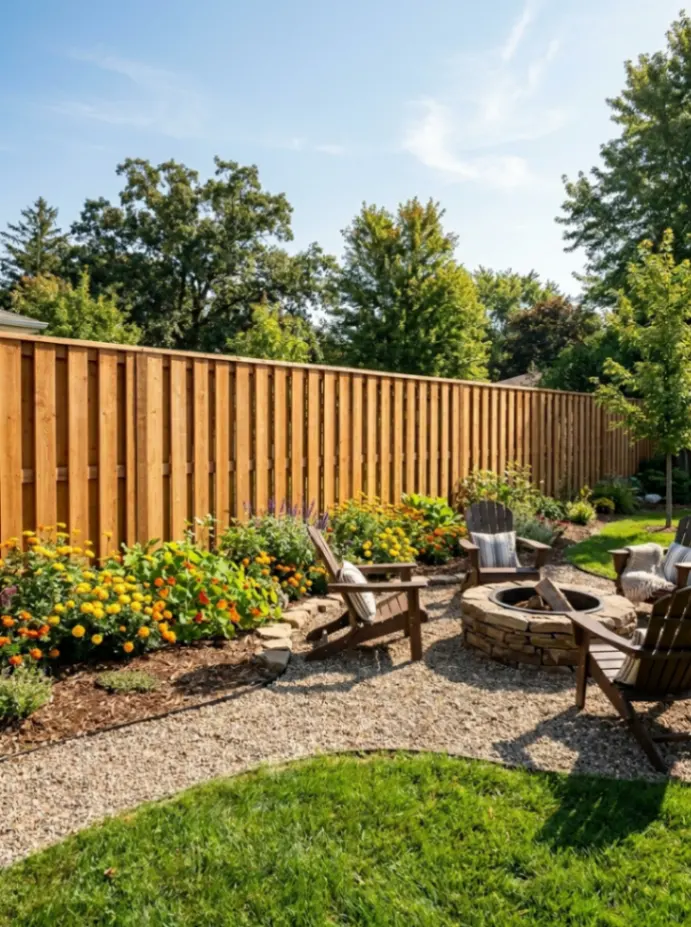
Don’t roll your eyes — the picket fence is having a serious comeback. Flat-top pickets in a deep forest green or matte black look anything but suburban and dated.
It’s a classic shape with a modern sensibility, and it works beautifully for front yard boundaries especially.
6. Split Rail Fence
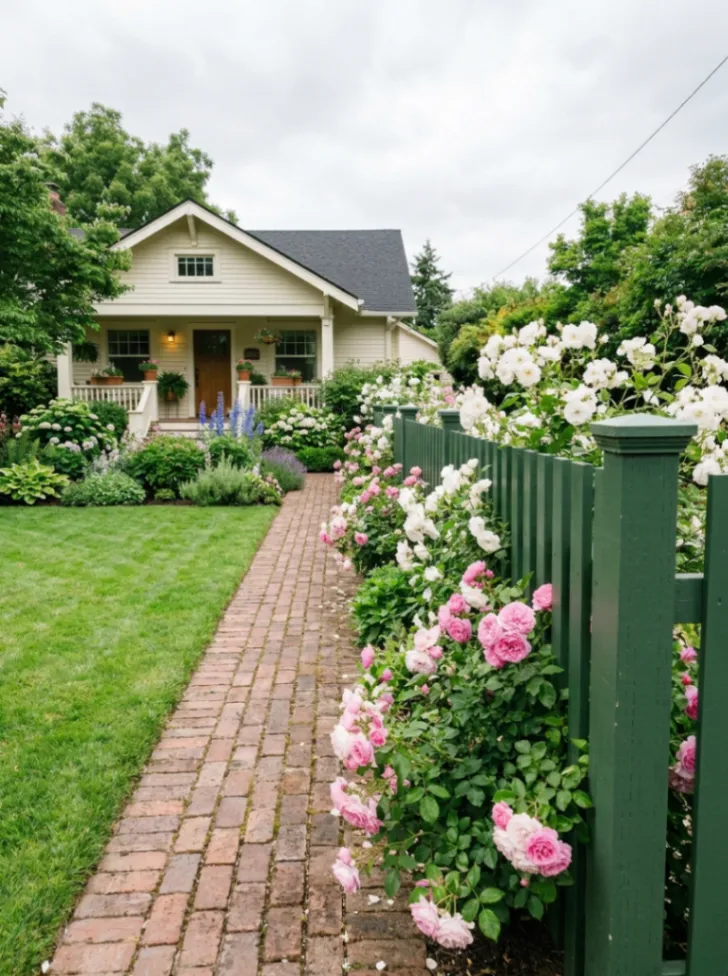
If you’ve got a bigger property with a rustic or natural landscaping style, split rail fencing is the move.
It doesn’t give you privacy, but it defines the space in the most relaxed, open way possible. Feels like a countryside property even if you’re technically in the suburbs.
Metal Fence Ideas for a Modern Yard
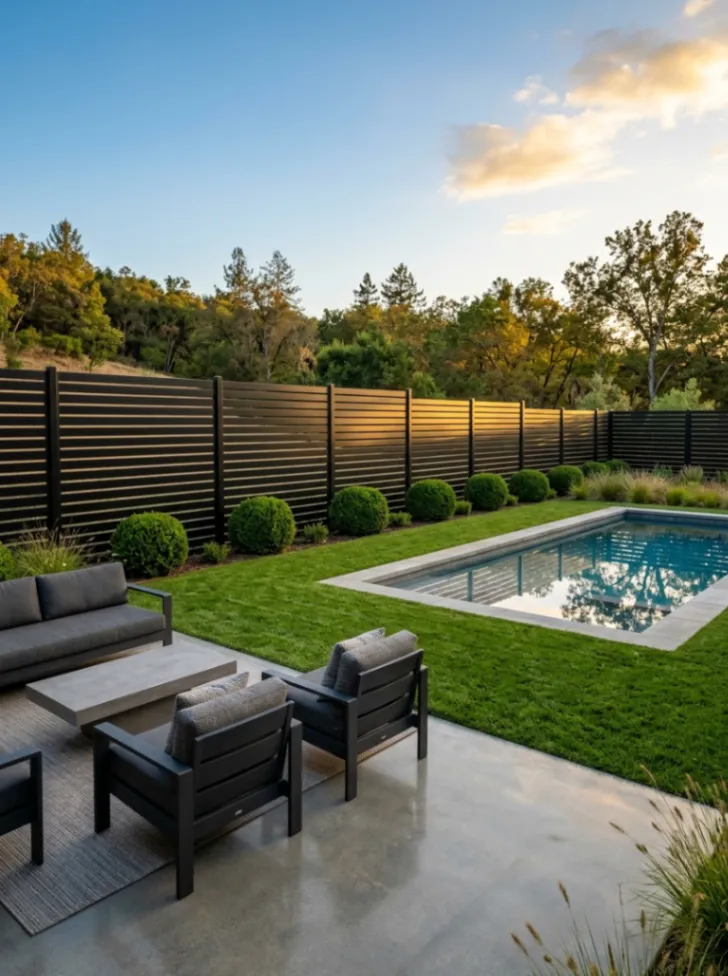
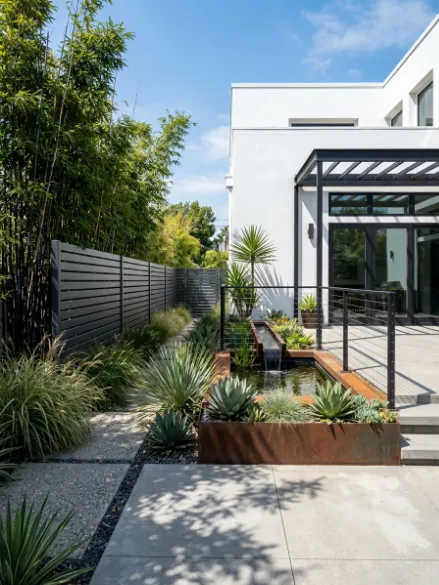
7. Horizontal Steel Slat Fence
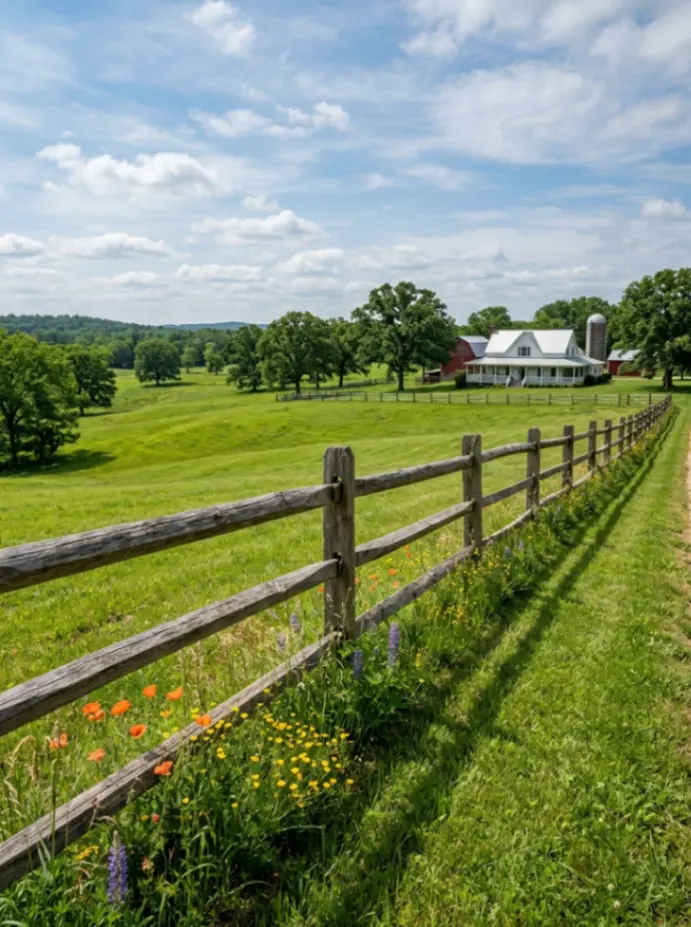
Okay, this is my personal favourite and I will die on this hill 😄 Powder-coated horizontal steel slats — especially in matte black — look incredible against green landscaping.
Low maintenance, seriously durable, and they instantly make a yard feel polished. Yes, they cost more upfront. Worth every penny.
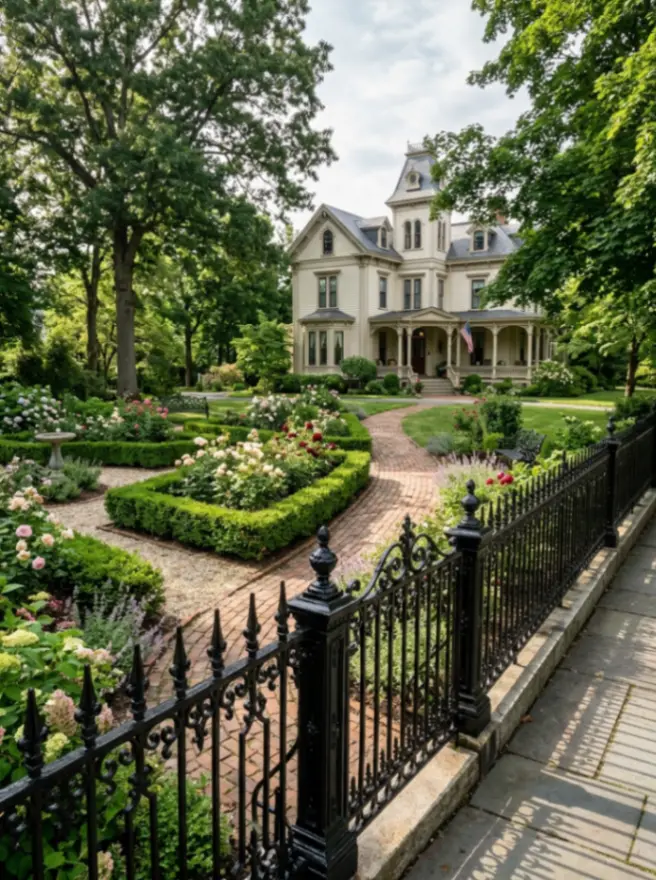
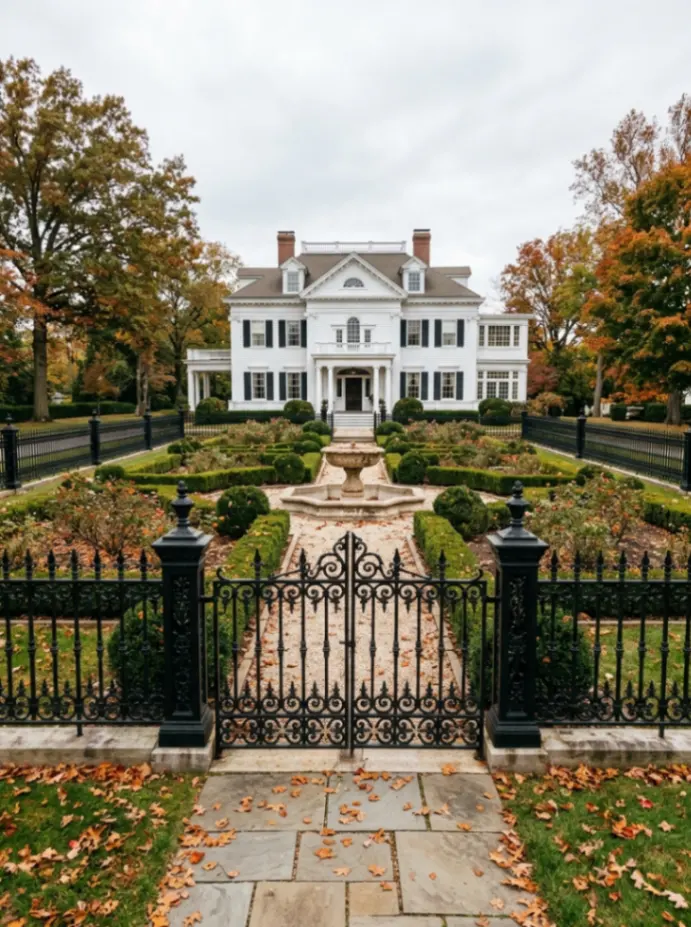
8. Wrought Iron Fence
Elegant, heavy, and built to last generations. Wrought iron is for the homeowner who thinks long-term and likes the classic ornamental look.
The only real downside is rust if you neglect it — repaint and seal every few years and it’ll outlast your mortgage.
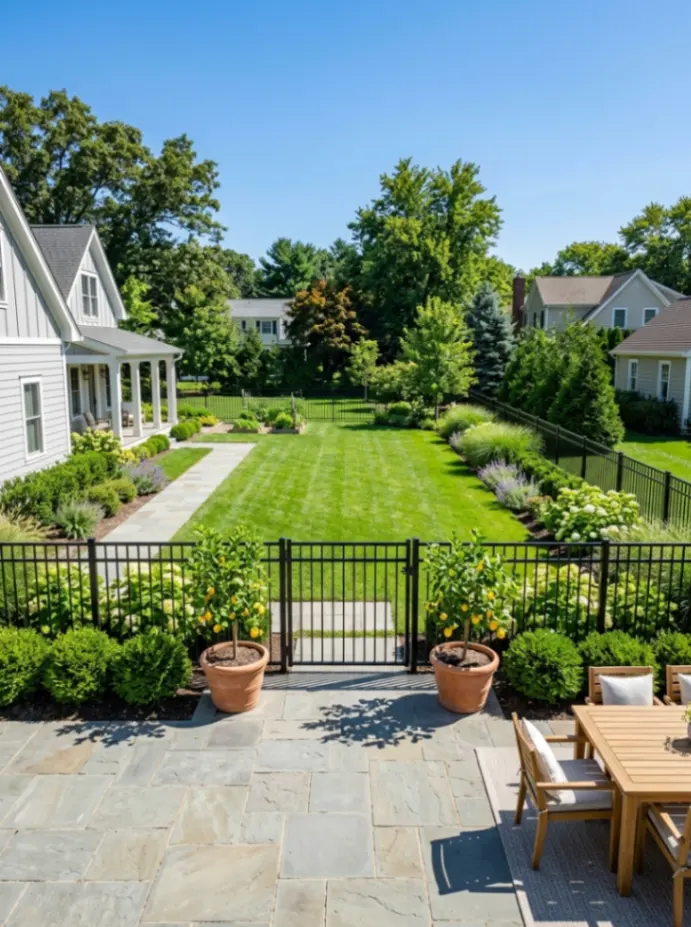
9. Aluminum Fence
Want the wrought iron look without the weight or rust anxiety? Aluminum fencing nails it.
It’s lightweight, doesn’t corrode, comes in loads of styles, and costs less than iron. Honestly, for most homeowners, aluminium is the smarter call.
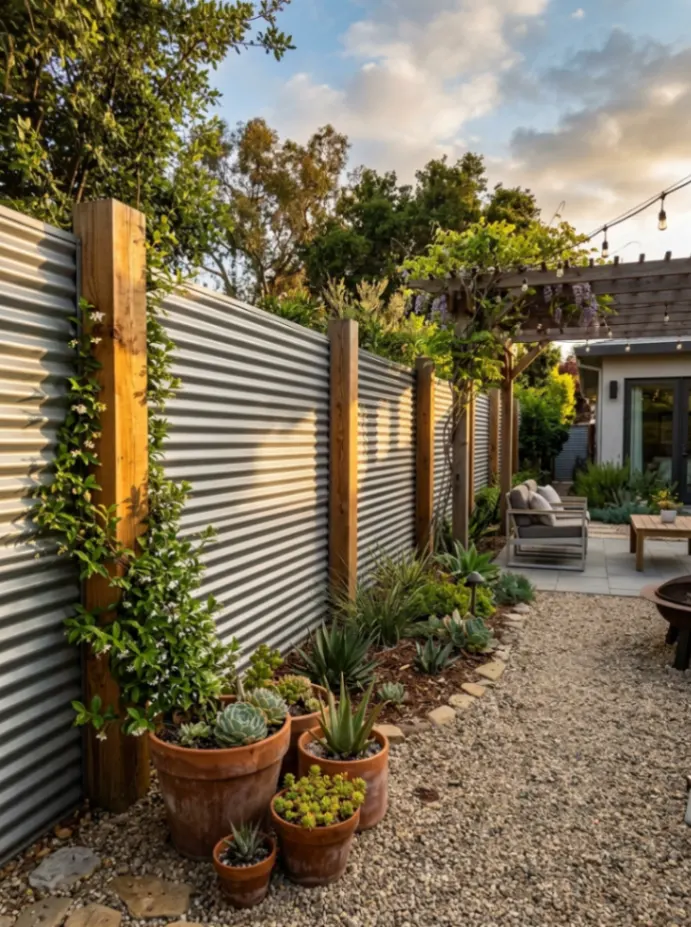
10. Corrugated Metal Fence
This one sounds rough and industrial — and yeah, it kind of is. But done right? It looks incredibly cool.
Corrugated metal panels with warm wood posts create this amazing rustic-industrial contrast that works brilliantly in modern or eclectic yards. Add some string lights above and it’s chef’s kiss.
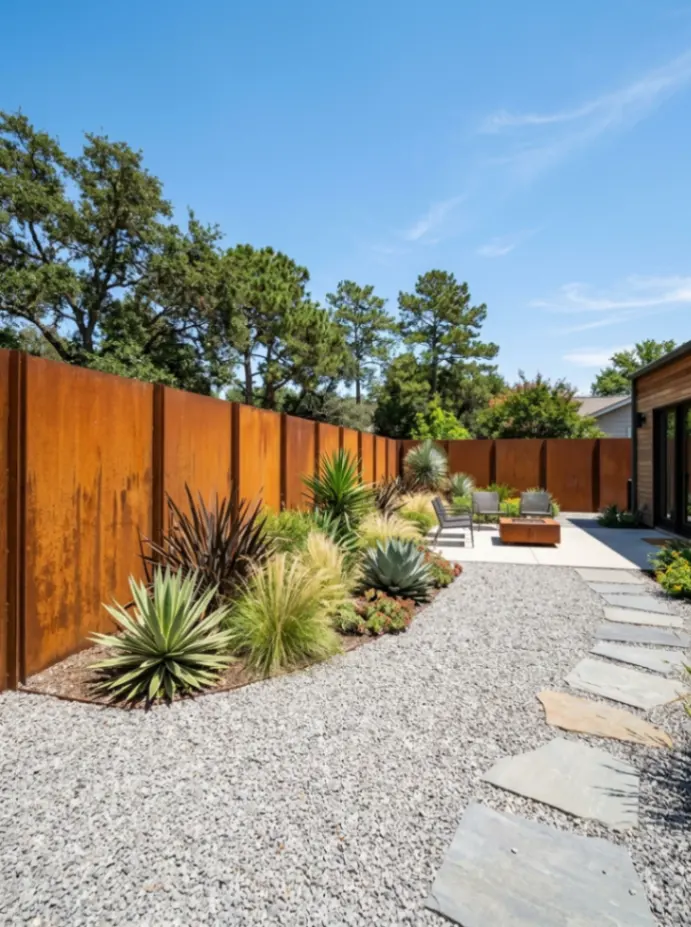
11. Corten Steel Fence
Corten steel develops a natural rust-orange patina over time — and that’s the whole point. It looks rich, textured, and totally unique.
If you want your fence to be an actual design feature rather than just a boundary, corten is the move. It’s bold. It’s confident. I love it.
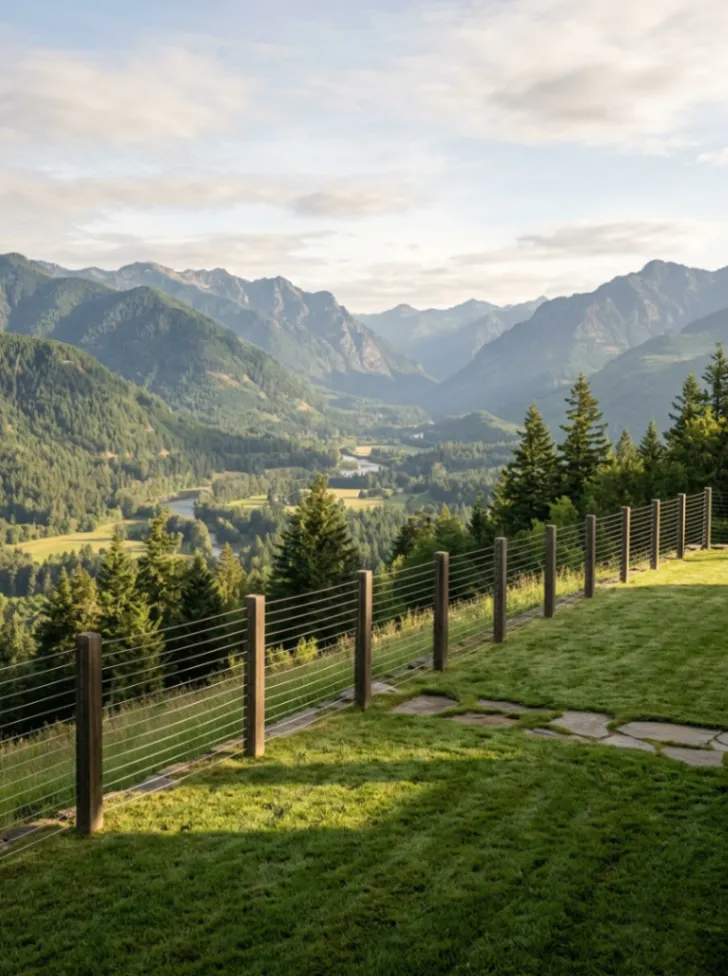
12. Cable Wire Fence
Horizontal stainless steel cables strung between posts give you a defined boundary while keeping your sightlines completely open.
Perfect for properties with views worth preserving — hills, trees, a garden you’ve actually worked hard on. It’s subtle, modern, and underrated.
Vinyl and Composite Fence Ideas
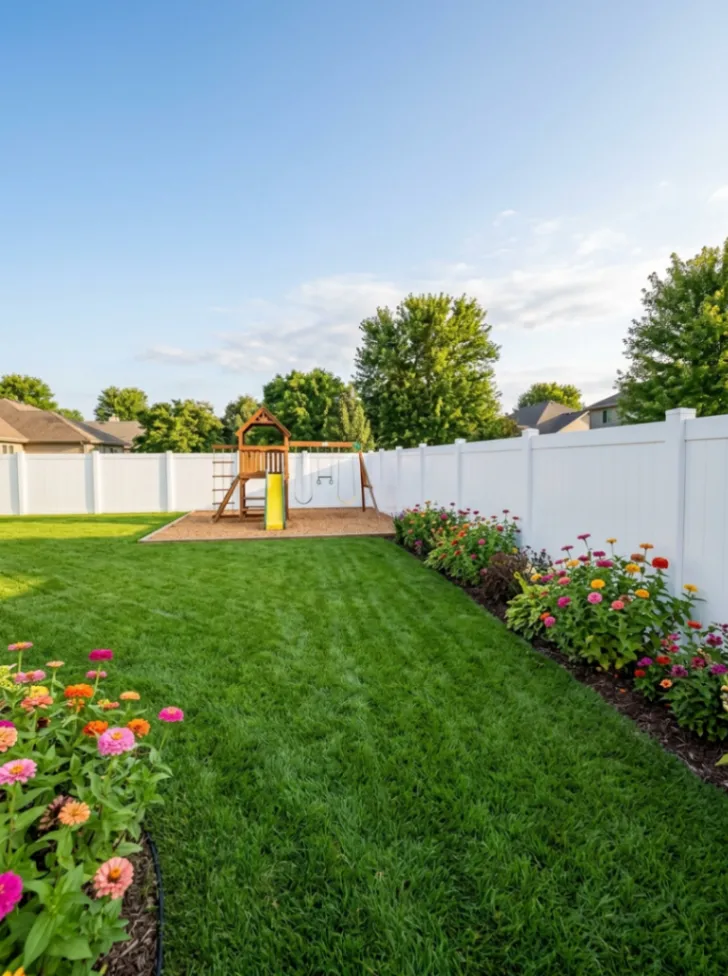
13. Vinyl Privacy Fence
Vinyl has genuinely come a long way. Today’s vinyl privacy fences look close enough to wood that most people can’t tell the difference, and they don’t warp, rot, or need painting.
If low-maintenance is your top priority — and honestly, it should be — vinyl is a seriously smart investment.
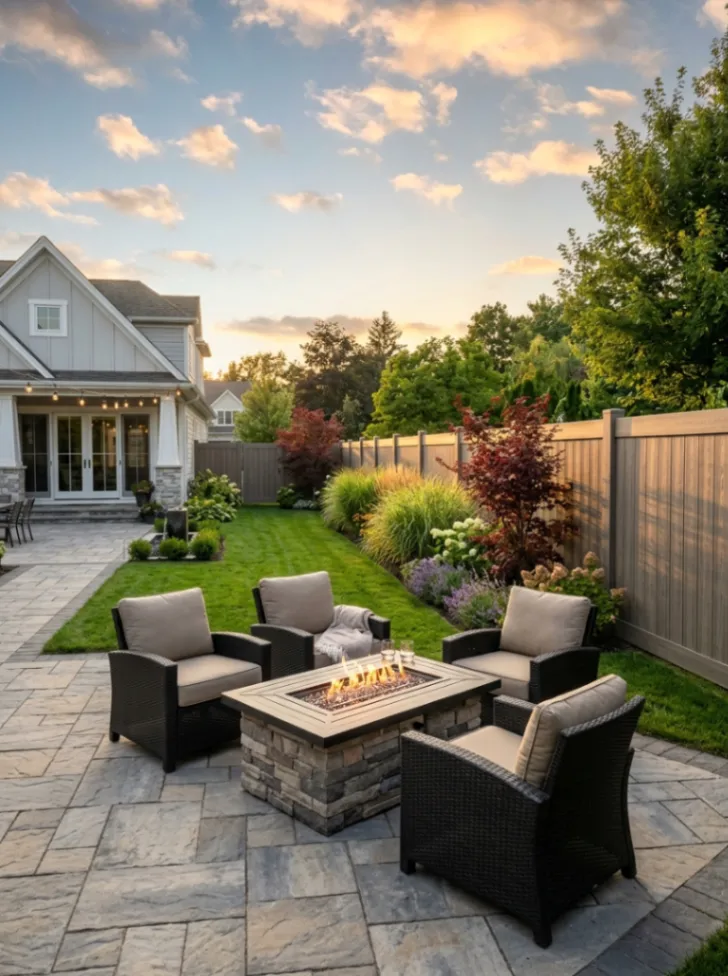
14. Composite Fence Panels
Made from recycled wood fibers and plastic, composite panels give you that warm wood look without the vulnerability.
They don’t splinter, they fade slowly, and they’re great for family yards. A bit pricier than basic wood, but the five-year math usually works out in their favour.
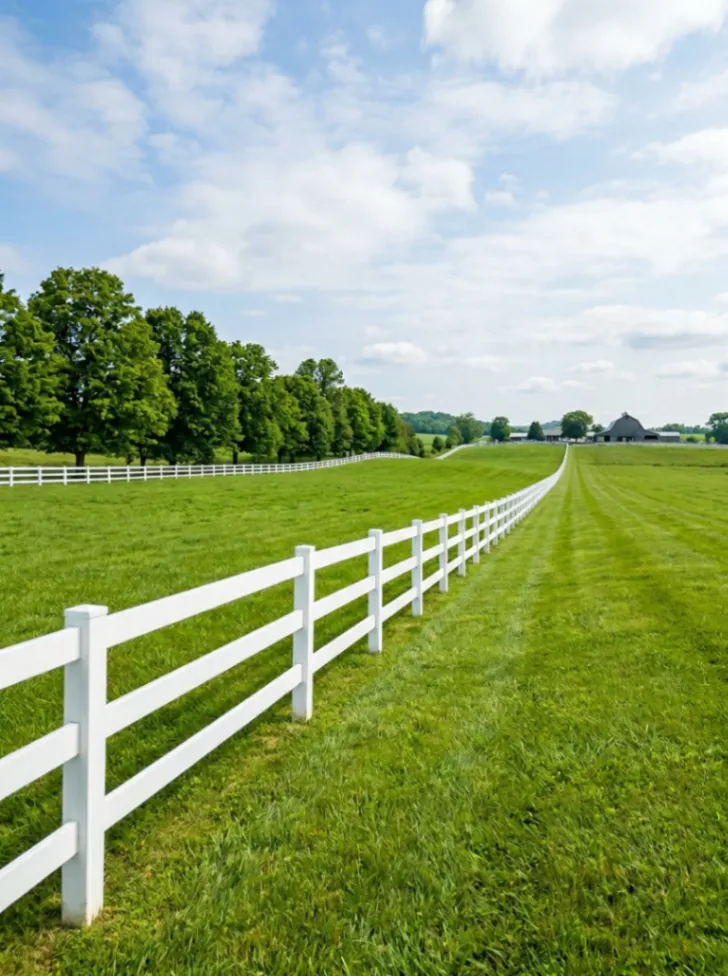
15. Three-Rail Vinyl Fence
Classic farm-style look, zero splinters, and it’ll still be bright white 20 years from now with basically no effort.
Simple, clean, and works brilliantly for properties that want an open, light feel rather than full enclosure.
Front Yard Fence Ideas
16. Low Picket Fence for Curb Appeal
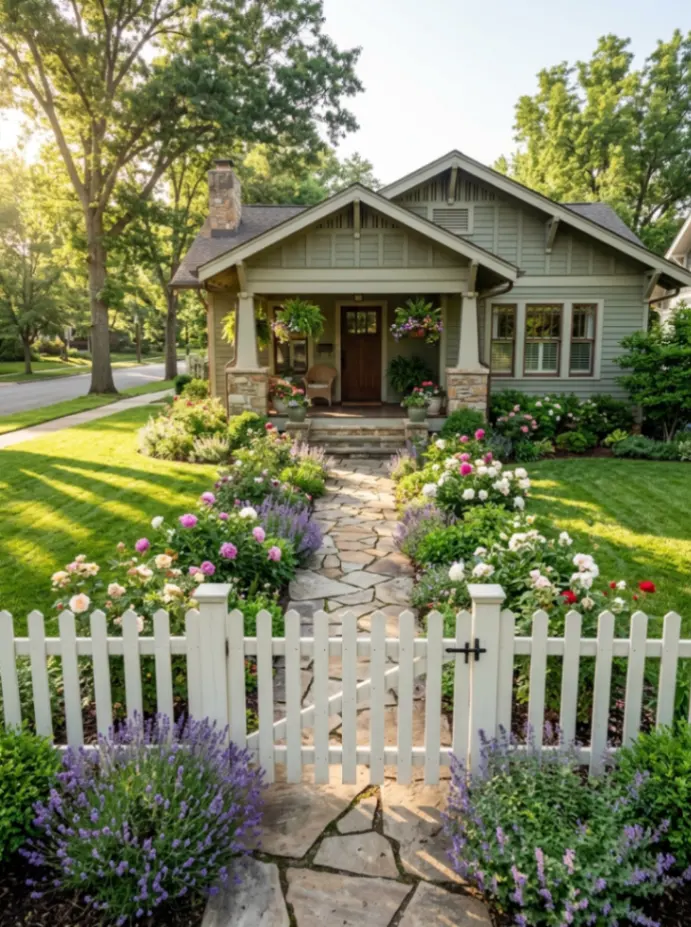
Front yard fencing is a completely different game from the backyard. You’re not necessarily going for privacy — you’re going for kerb appeal and character.
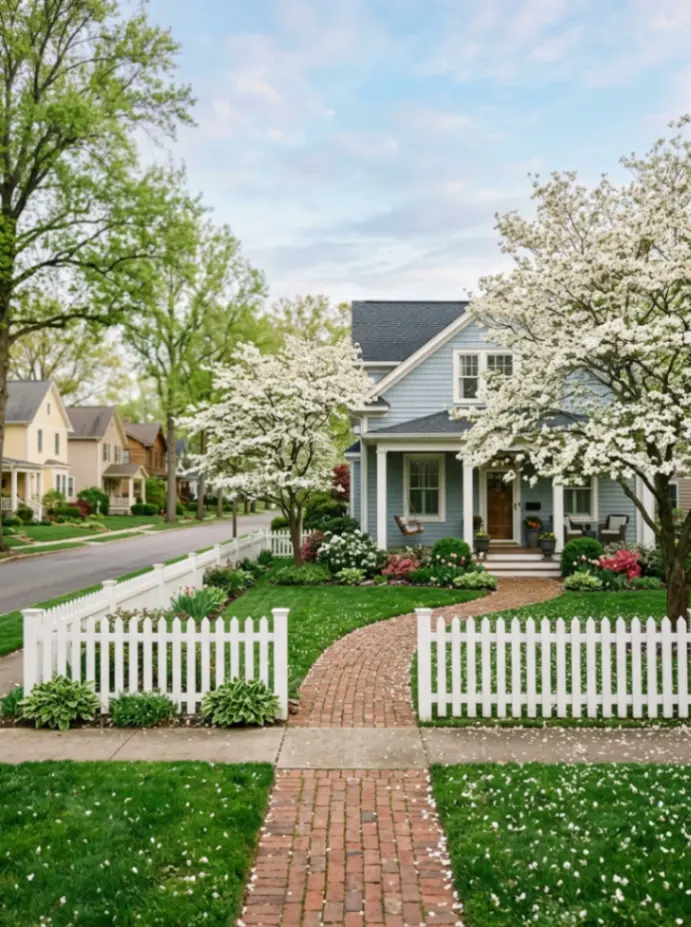
A classic low picket fence (think 3–4 feet) with a clean paint job does more for your home’s street presence than almost any other single upgrade.
And it photographs beautifully, which matters if resale is ever on your mind.
17. Wrought Iron Front Fence
For period homes — Victorian, Georgian, Edwardian — wrought iron front fencing is practically a must.
It respects the architecture, adds genuine elegance, and signals that the homeowner actually cares.
You see a lot of people rip these out and replace with cheap alternatives. That’s almost always a mistake.
18. Horizontal Slat Front Fence (Contemporary Homes)
Got a modern or contemporary-style home? Low horizontal timber or steel slat fencing at the front gives you a sophisticated, architecturally-aware boundary without blocking the view of the house.
I’ve seen this done in dark stained timber and it looks genuinely stunning against rendered or brick facades.
| Front Fence Type | Best Home Style | Average Cost/ft | Maintenance |
|---|---|---|---|
| Low Picket | Traditional / Cottage | $10–$25 | Low–Medium |
| Wrought Iron | Period / Victorian | $25–$50 | Medium |
| Horizontal Slat | Modern / Contemporary | $20–$45 | Low |
| Living Hedge | Any | $5–$15 | High |
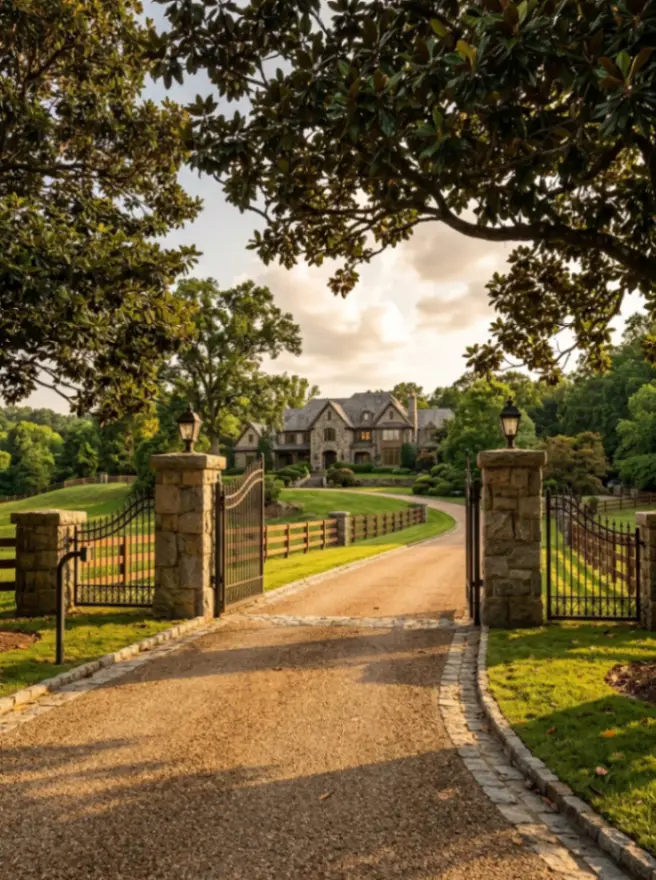
19. Stone Column + Rail Fence
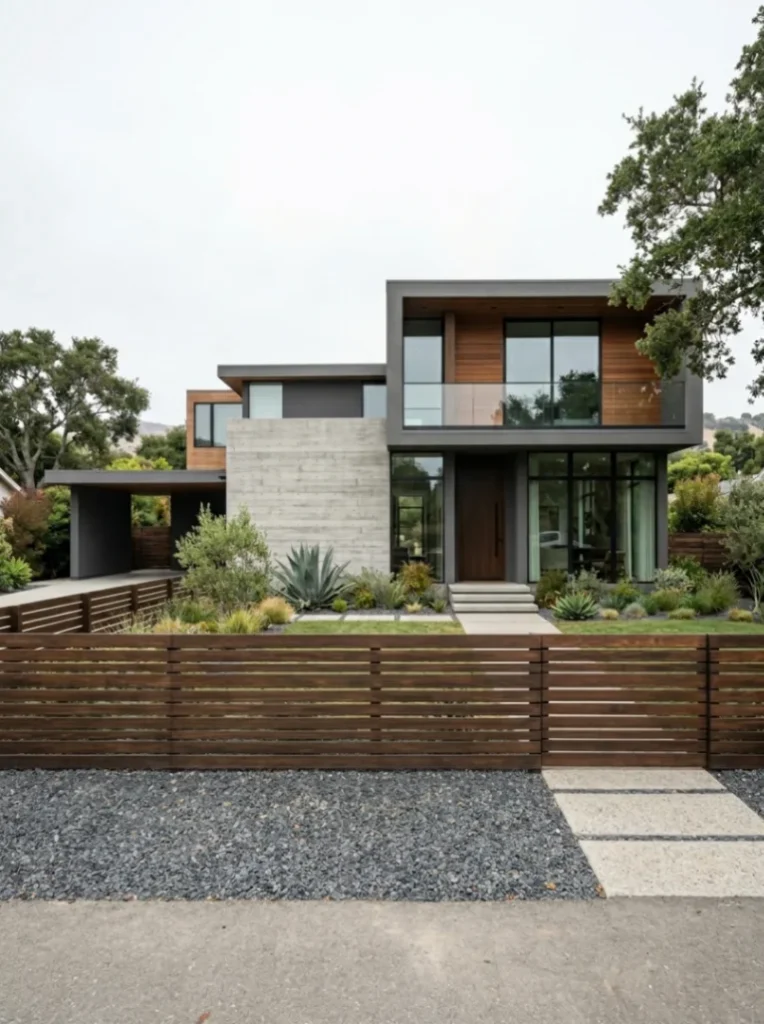
Brick or stone columns paired with timber or iron rails is a front yard combo that looks genuinely grand without being over-the-top.
It’s the kind of fence that makes a house look established and well-cared-for. Also, honestly, if you’ve got the budget for it, this ages better than almost anything else.
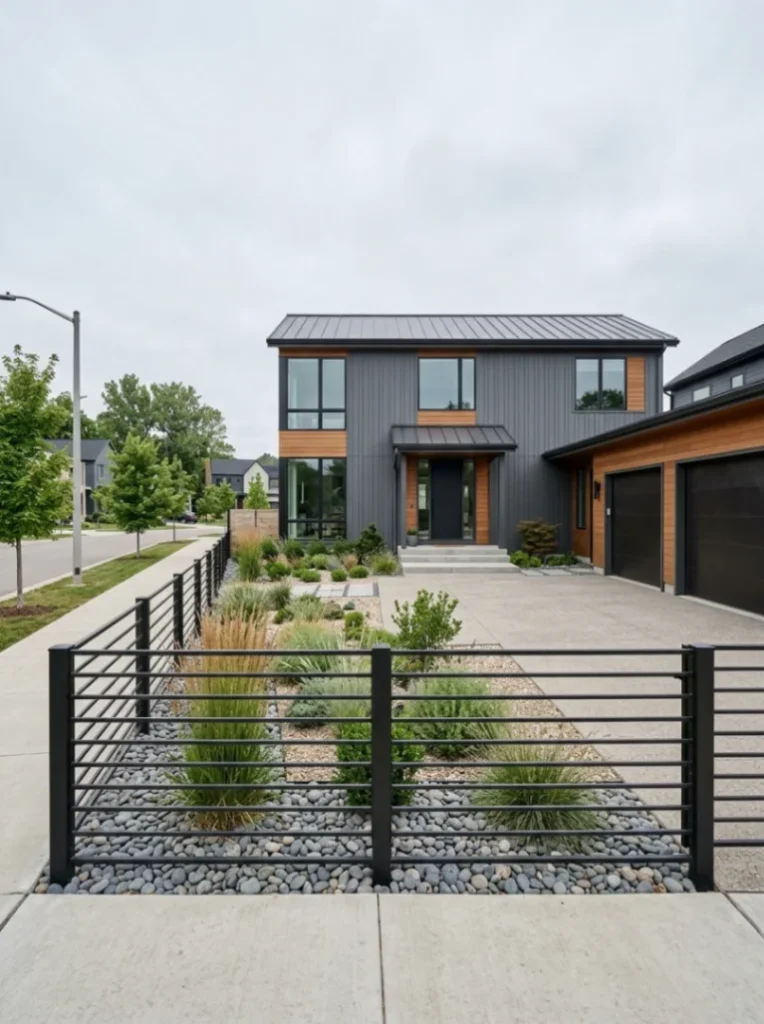
20. Open Tube Steel Fence
Clean, minimal, and very now. Open tube steel fencing with a matte finish is everywhere in new-build contemporary neighbourhoods, and for good reason — it defines the boundary without visually blocking anything. Pairs brilliantly with architectural plantings along the front.
Garden Fence Ideas
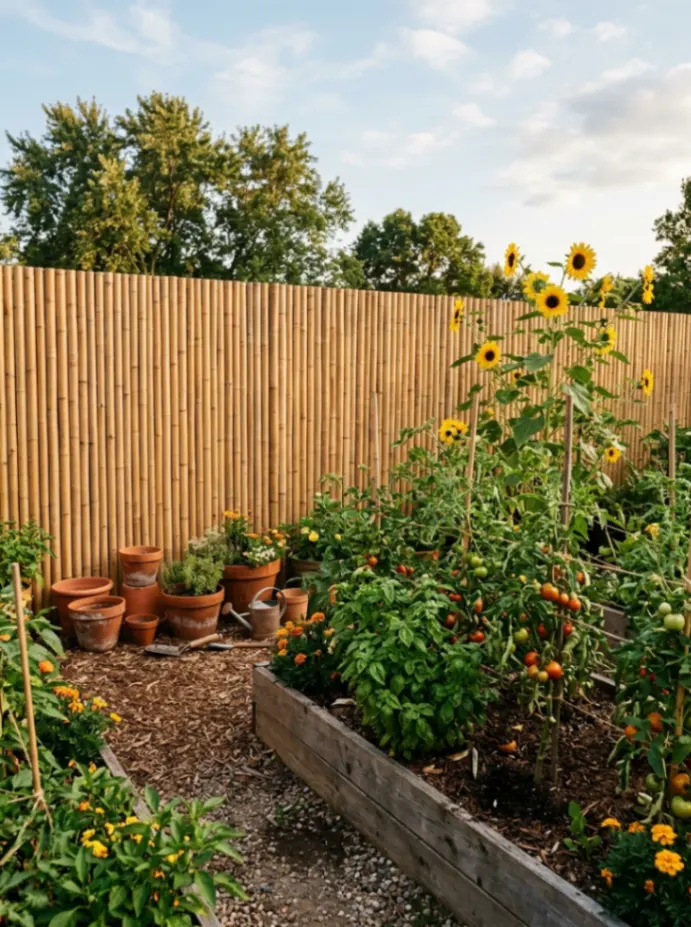
21. Bamboo Garden Fence
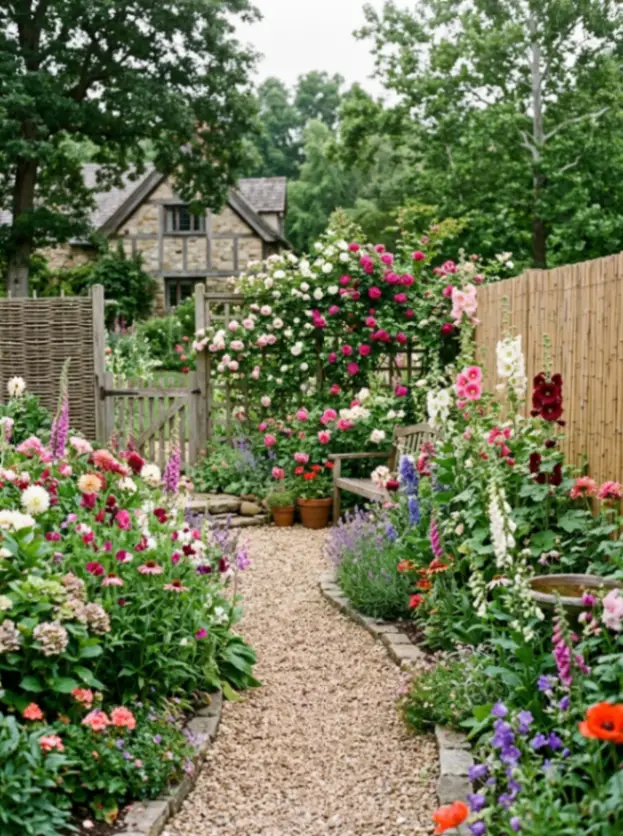
Bamboo roll fencing is fast to install, looks naturally gorgeous, and gives any garden a warm, organic texture.
Use it to screen off a vegetable patch, define a planting bed, or create a backdrop for a flower border. It’s not the most permanent solution, but treat it properly and you’ll get several good seasons out of it.
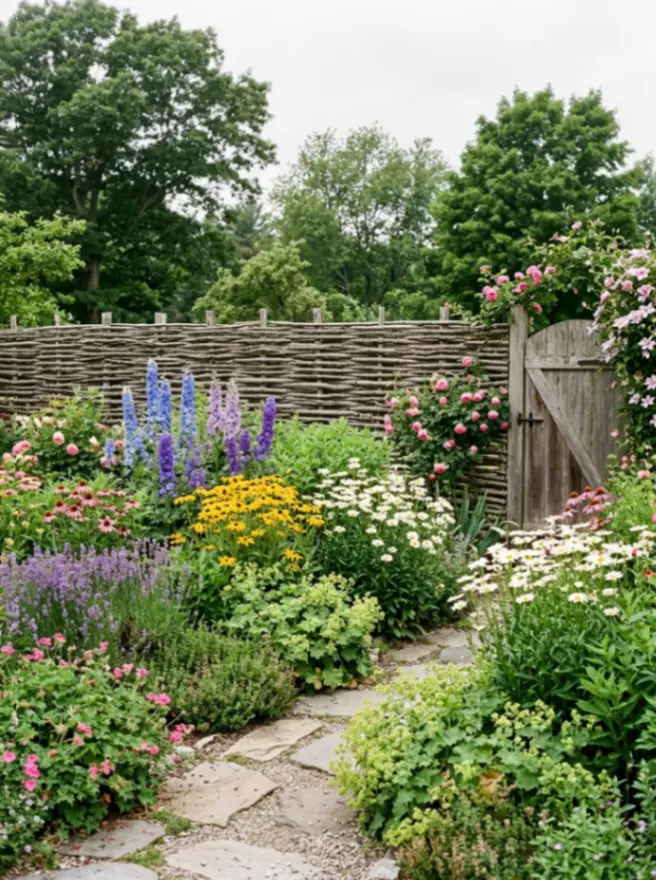
22. Wattle Fence (Woven Willow)
This is such an underrated garden fence option. Woven willow or hazel wattle panels look beautiful in a cottage or wildlife garden and they actually improve over time as they patinate.
Honestly? The first time I saw one done properly in a kitchen garden I was genuinely impressed. Old-school craftsmanship that still totally works.
23. Trellis Panel Garden Fence
Trellis panels are a garden fence and a plant support system all in one, which makes them incredibly efficient.
Install them and let roses, jasmine, clematis, or sweet peas do the decorating for you.
By midsummer you won’t even see the fence — just a wall of blooms. Insane how good this can look! 🌿
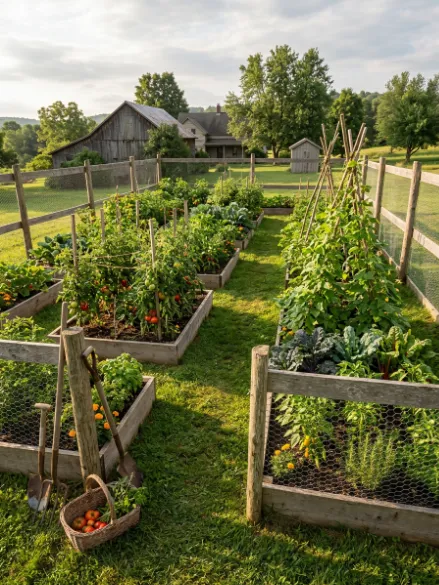
24. Chicken Wire Raised Bed Surround
For vegetable gardens specifically, chicken wire stretched between timber posts keeps rabbits and small animals out without costing a fortune.
I’ve used this around my raised beds for three seasons now — simple, effective, and cheap. Add some wire staples and you’re done in an afternoon.
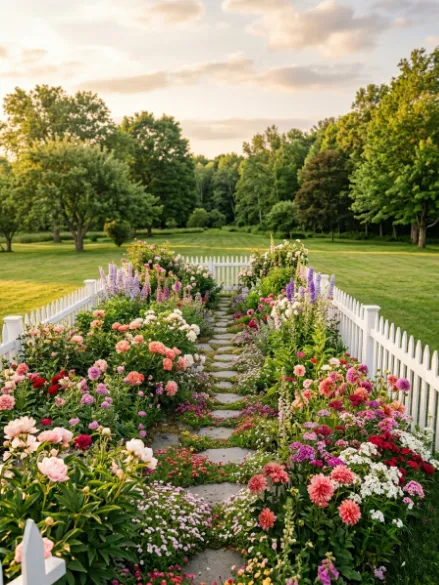
25. Picket Fence Garden Border
A low white picket fence around a flower garden or cottage-style planting bed is charm personified. It defines the planting space,
looks gorgeous in photos (FYI this is the stuff that goes viral on gardening Pinterest boards), and takes a weekend to install.
26. Living Fence / Hedgerow
If you’re patient, grow your own garden fence. Lavender, box hedging, or rosemary planted as a border creates a fragrant, productive, and beautiful living boundary.
It takes a season or two to fill in, but once it does — absolutely worth it.
Backyard Fence Landscaping
This section deserves way more attention than it usually gets. A fence on its own is just a fence. A fence integrated with landscaping becomes a design feature. The two should always work together, and if you’re installing a new fence, it’s the perfect moment to think about what you’re planting against it.
27. Climbing Plants Against a Fence
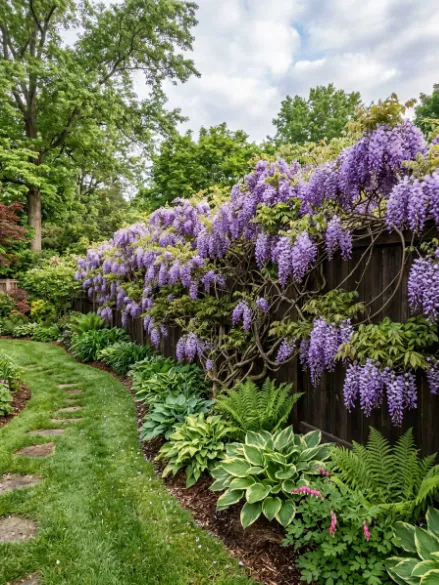
Planting climbers at the base of your fence transforms it from a plain barrier into a living wall. Wisteria, clematis, climbing hydrangea, and Virginia creeper all work brilliantly.
They add colour, texture, and life — and they soften what would otherwise be a hard line in the landscape.
Just make sure you’ve got the right fence material underneath (climbers can trap moisture against wood if not managed).
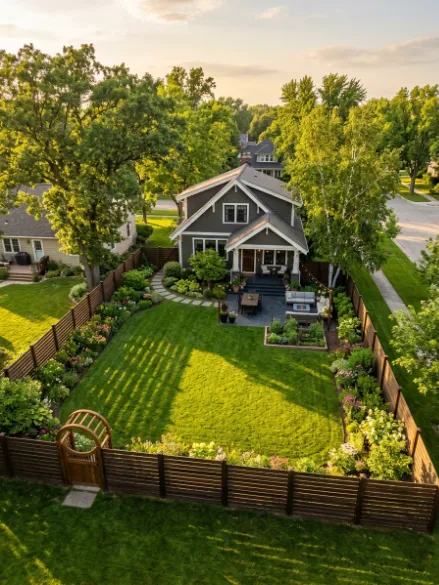
28. Planting Borders Along Fence Lines
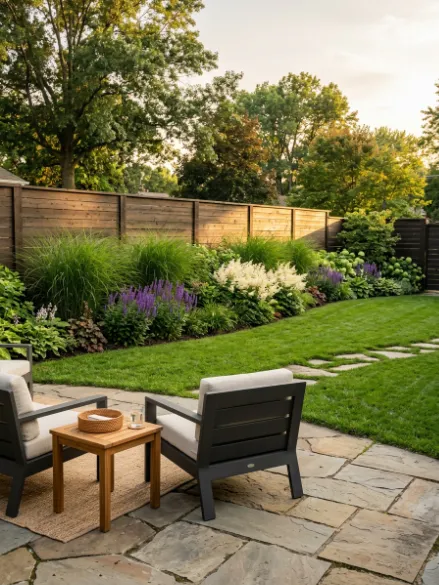
Running a deep planting border along the inside of your fence line is one of the highest-impact landscaping moves you can make.
Tall ornamental grasses at the back, mid-height perennials in the middle, low groundcovers at the front — it creates depth, hides the fence base, and makes the whole yard feel layered and intentional.
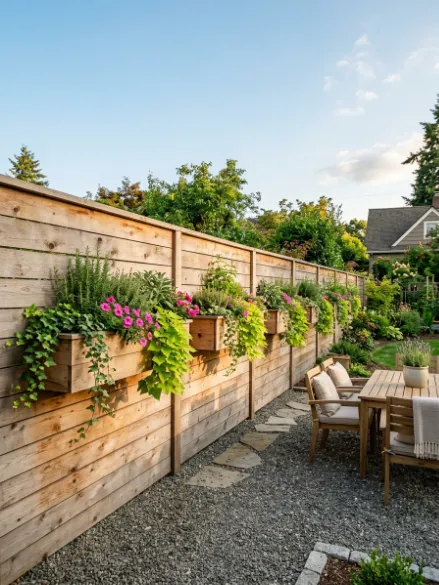
29. Fence-Mounted Planter Boxes
Mount timber or metal planter boxes directly onto fence rails and fill them with herbs, trailing plants, or seasonal flowers.
It’s vertical gardening done simply, and it makes an otherwise bare fence panel look alive.
I’ve got mint and thyme running along my back fence panels and it’s genuinely one of my favourite things out there.
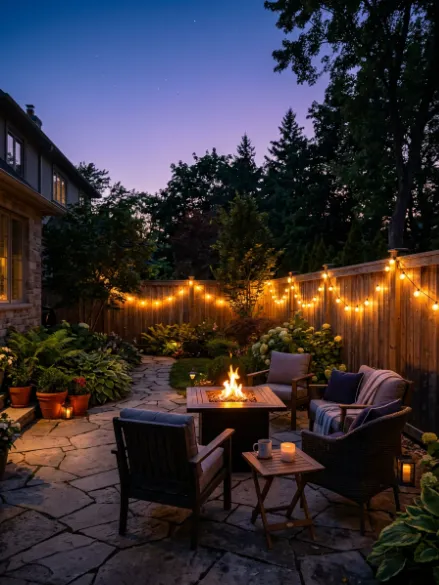
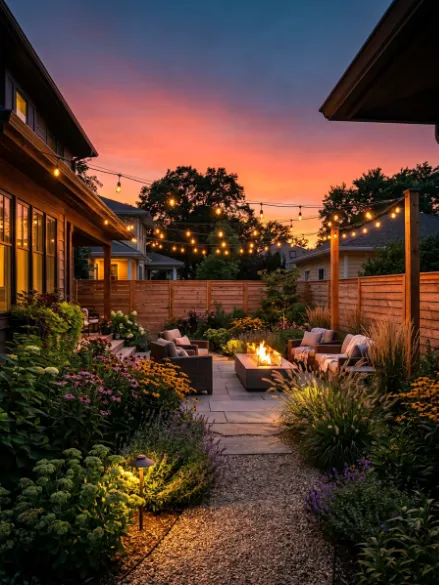
30. String Lights Along the Fence Line
Okay, slightly off-topic from pure landscaping, but hear me out — warm string lights draped along the fence line change the entire atmosphere of a backyard at night.
Honestly, this trend has been around for a while and some people think it’s getting tired, but I still love it. It’s cheap, easy, and works every single time. 🎉
| Landscaping Feature | Cost (Approx.) | Difficulty | Impact Level |
|---|---|---|---|
| Climbing Plants | $20–$80 | Easy | Very High |
| Planting Border | $50–$300 | Medium | Very High |
| Fence Planter Boxes | $30–$150 | Easy | High |
| String Lights | $15–$60 | Very Easy | High |
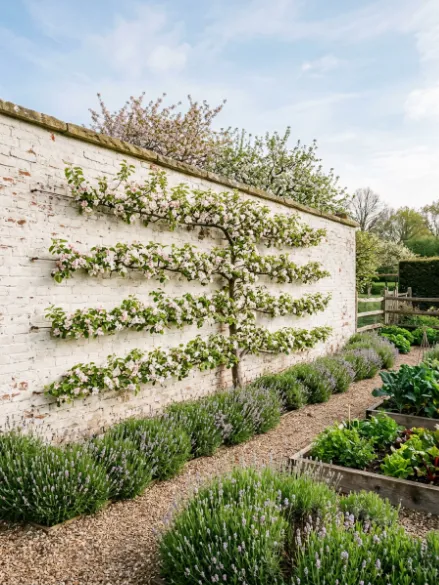
31. Espalier Trees Against a Fence
Espalier is the art of training trees to grow flat against a wall or fence in a deliberate pattern. Apple, pear, and fig trees all work beautifully.
It’s a slow process — honestly, a few years to really establish — but the result is one of those things that makes people stop and stare. Worth every bit of patience.
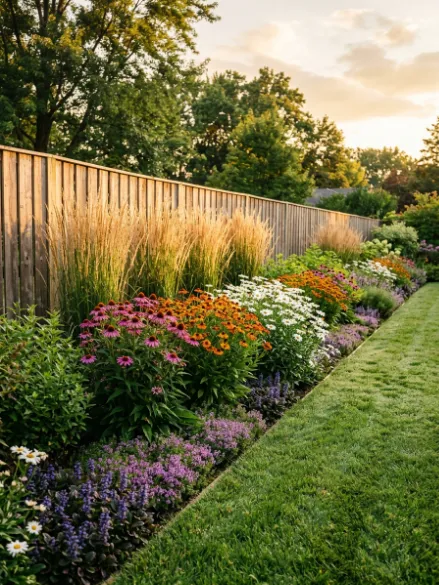
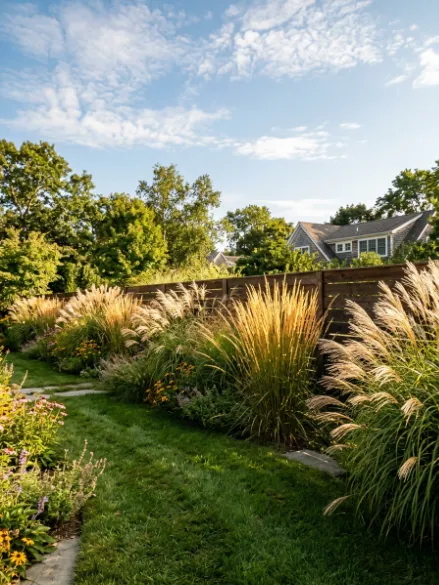
32. Ornamental Grasses as Fence Softeners
Planting tall ornamental grasses — Karl Foerster, Miscanthus, or feather reed grass — along a fence line creates movement, texture, and a soft buffer between the hard fence line and the open lawn.
They look incredible in late summer when they’re fully headed up and catching the breeze.
More Creative and Budget-Friendly Fence Ideas
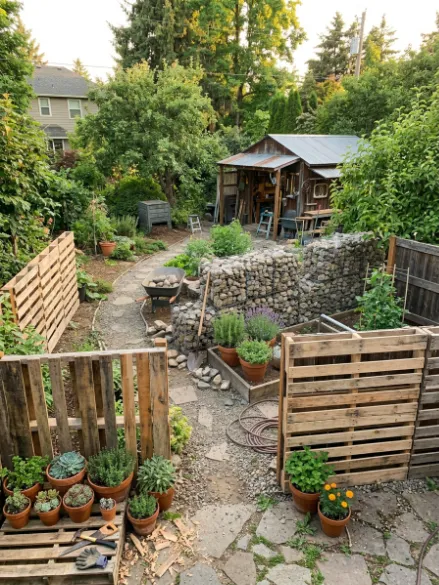
33. Pallet Wood Fence
Bro, pallet fencing is a DIY legend for a reason. Sand them, stain them dark, stack them vertically between posts — it looks genuinely rustic-cool for nearly zero material cost.
I tried this in a side yard once and the results honestly surprised me. Just make sure the pallets are heat-treated (stamped HT) not chemically treated.
34. Gabion Stone Wall Fence
Wire baskets filled with river stones or granite make for an extraordinary garden boundary. Heavy, permanent, and frankly kind of beautiful in a raw, architectural way. They retain heat too, which plants love if you position them along a south-facing bed.
35. Reclaimed Wood Fence
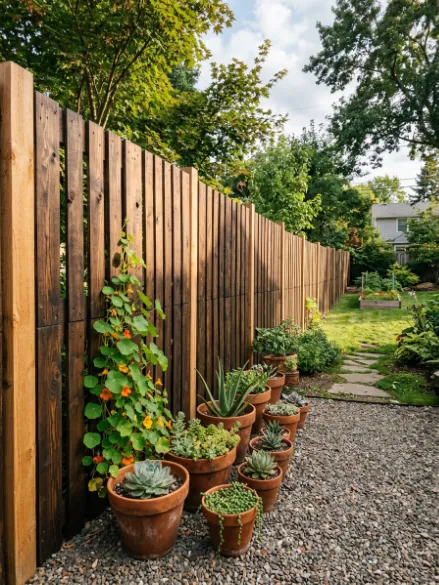
Reclaimed barn wood has a weathered, characterful look that no new timber can convincingly fake. Every plank has history. It’s sustainable, unique, and brings a warmth to a backyard that fresh-cut lumber just doesn’t deliver.
36. Rope and Post Fence
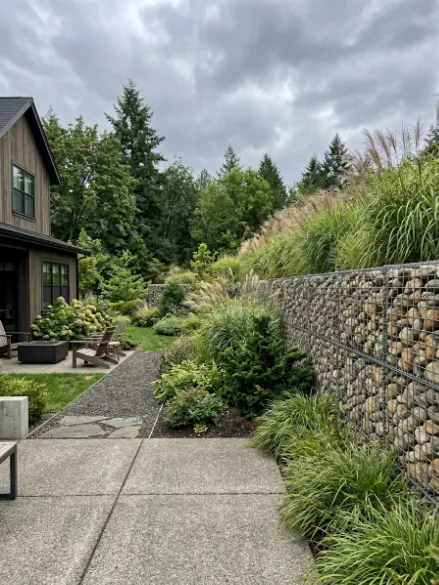
Nautical rope strung between chunky wooden posts is perfect for creating a casual coastal boundary near a deck or patio. No privacy, sure — but as a decorative border? It’s effortlessly cool and costs almost nothing.
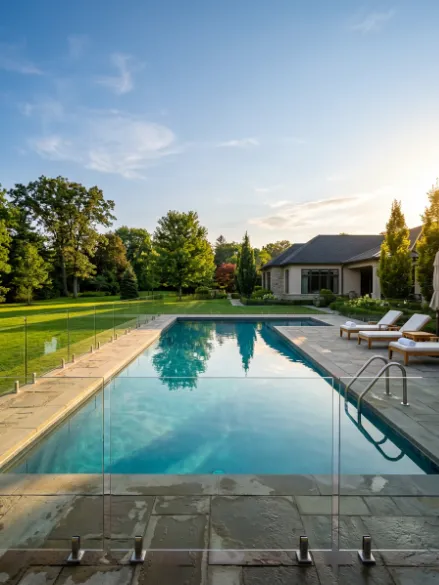
37. Glass Panel Fence
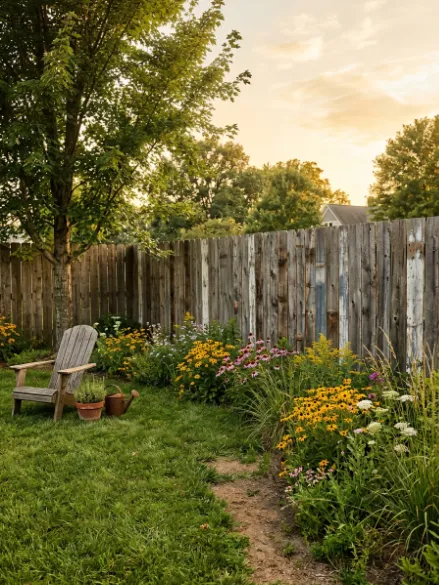
The ultimate luxury option. Frameless toughened glass panels give you completely unobstructed views while still defining your space. Incredible for pool surrounds or yards with views worth protecting. Yes, they’re expensive. Yes, they’re absolutely worth it if you can stretch the budget.
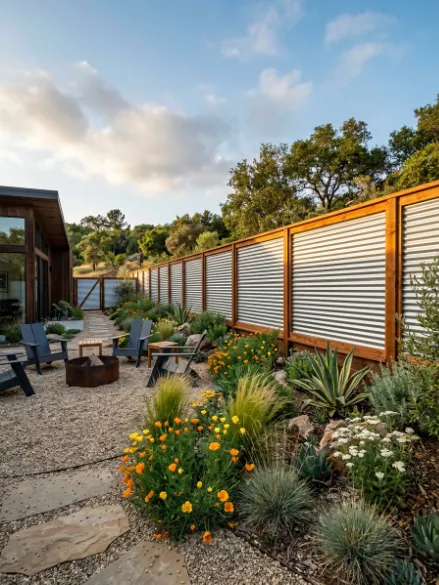
38. Corrugated Metal + Timber Hybrid
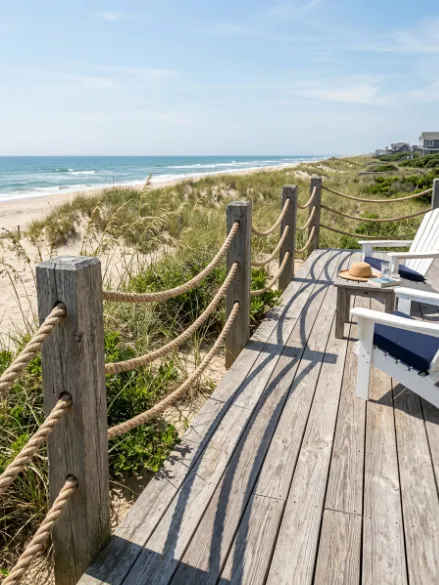
Mix corrugated metal infill panels with warm timber framing for a rustic-industrial look that punches way above its weight.
It’s different, it’s textural, and it makes a genuine statement. This is the one I’d put on my own wish list for the next property — I think it’s just a killer combination.
Quick Fence Material Comparison
| Material | Lifespan | Avg Cost/ft | Best For |
|---|---|---|---|
| Cedar Wood | 15–20 yrs | $15–$30 | Classic privacy, warmth |
| Vinyl | 25–30 yrs | $20–$40 | Low maintenance, longevity |
| Aluminum | 30+ yrs | $20–$35 | Decorative, pool areas |
| Composite | 20–25 yrs | $25–$45 | Wood look, durability |
Things to Sort Out Before You Buy Anything
- Check your HOA rules first — nothing kills a project like getting a cease-and-desist from your homeowners association two weeks in :
- Know your property line — get a survey if you’re not 100% sure. Building over the line is an actual nightmare to fix.
- Think about your climate — wood rots faster in wet climates; metal rusts near the coast. Match the material to the environment.
- Don’t forget drainage — fence posts set in poorly draining ground will rot or shift way sooner than they should.
- Think five years ahead — what will this look like and cost to maintain five years from now? The cheapest option today isn’t always the cheapest option over time.
Frequently Asked Questions
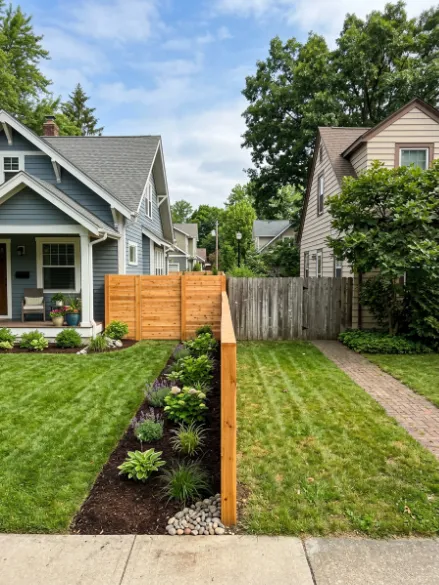
Q: What’s the best fence for a small backyard? Horizontal slat fencing in a lighter timber tone works brilliantly for small yards — it draws the eye along the fence rather than up, which makes the space feel wider and more open. Avoid heavy, dark, solid panels that close everything in.
Explore more ideas
41 Bedroom Ideas Jewel Tones to Create a Luxe Retreat
How to Set Up a Meditation Nook in a Bedroom Corner?
How to Zone an Open Plan Living Room Without Using Walls?
Q: How do I make my fence look more expensive without spending a fortune? Paint or stain it a rich, deliberate colour (charcoal, forest green, deep navy), and plant something along its base.
A planting border and a fresh coat of colour costs maybe $100–$200 total and completely transforms how the fence reads.
Q: Do I need planning permission for a garden fence? In the UK, most garden fences under 2 metres don’t need planning permission — but if you’re on a boundary with a highway or road, that drops to 1 metre. In the US, rules vary by state and municipality,
Q: What fence lasts the longest? Aluminium and vinyl fences consistently outlast other options — 25–30+ years with minimal maintenance.
Stone and brick walls last even longer but cost significantly more upfront.so always check your local building department before starting. Don’t skip this step.
Q: What’s the best cheap DIY fence option? Pallet wood fencing or chicken wire with timber posts are the most budget-friendly options that still look decent.
Both can be genuinely attractive with the right finish and some planting alongside them.
Q: How do I stop my wood fence from rotting at the base? Use concrete post anchors rather than setting posts directly in soil.
Apply a good quality preservative sealant to all cut ends, and ensure your post bases are above ground level. This one mistake is the main reason wood fences fail early — and it’s completely avoidable.
Q: What fence style works best for a cottage garden? Low picket fencing, wattle panels, or a trellis fence with climbing roses are all perfectly at home in a cottage garden.
They have that relaxed, organic quality that suits the informal planting style brilliantly.
Q: Can I attach plants to a vinyl or metal fence? Yes — but use proper plant ties or clips rather than wire, which can damage the fence surface over time. For vinyl especially, avoid anything that traps prolonged moisture against the panel face.
Q: What’s the best fence for windy areas? Slatted or louvre fences that allow airflow through work far better in exposed or windy gardens than solid panel fences.
A solid panel acts like a sail and puts enormous stress on posts and fixings. Shadobox, louvre, and board-on-board styles all handle wind much better.
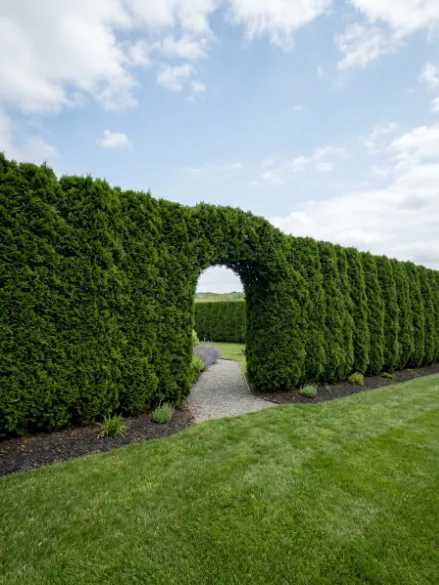
Q: Is a living hedge actually a practical fence option? Absolutely — but patience is non-negotiable. Arborvitae, box, or privet will take two to four seasons to form a solid boundary, and they need watering and trimming.
Once established though, a mature hedge is one of the most beautiful and private boundaries you can have. It genuinely gets better every year.
Final Thoughts — Pick What Actually Excites You
Here’s the honest truth: the “best” fence is the one you’re actually going to love looking at every day.
Whether that’s sleek horizontal steel, a classic cedar privacy fence, a living hedge, or a DIY pallet wall — all of these can look incredible when they’re done with intention and a bit of care.
I’d also say: don’t just think about the fence in isolation. Think about what you’re planting alongside it, how it connects with the rest of your yard, and whether it works with the architecture of your home.
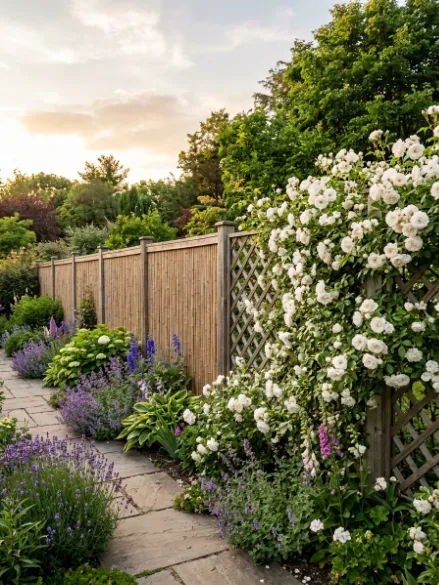
The fence and the landscape should feel like they belong together. When they do, the result is genuinely something special.
So — which of these 38 ideas are you most tempted to try? Are you going full modern steel, or more of a cottage garden trellis person? Drop a comment and let me know — I genuinely want to hear what direction you’re heading in! 🏡
For more inspiration, check out resources like This Old House, Bob Vila’s fence guides, and The Spruce’s garden fence ideas — all genuinely solid references with real project photos and cost breakdowns.
