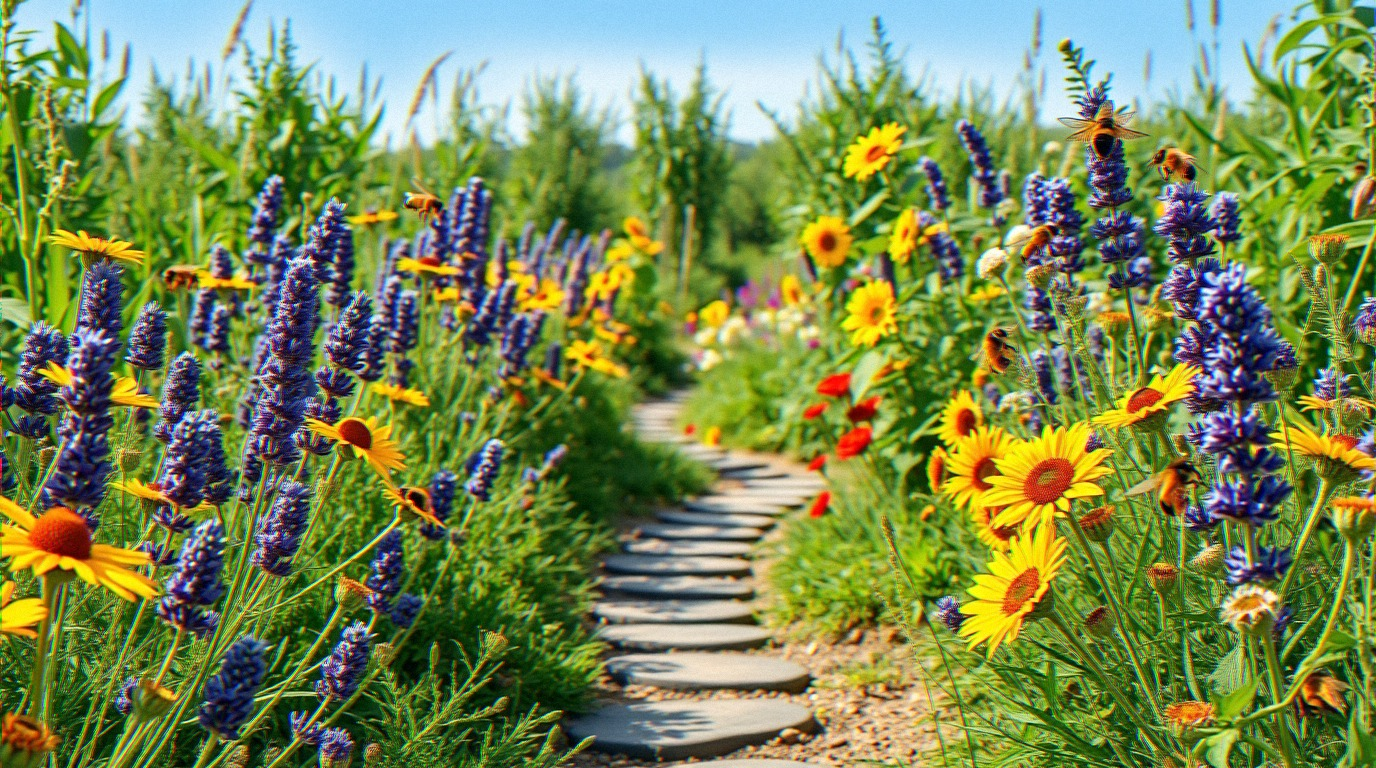
I was terrible at gardening for years. Like, embarrassingly bad. My flower beds looked great on Instagram and did absolutely nothing for actual wildlife. Then I discovered corridor gardening and honestly? It changed everything.
If you’ve been wondering why your garden feels quiet despite all those flowers, stick with me. We’re about to fix that.
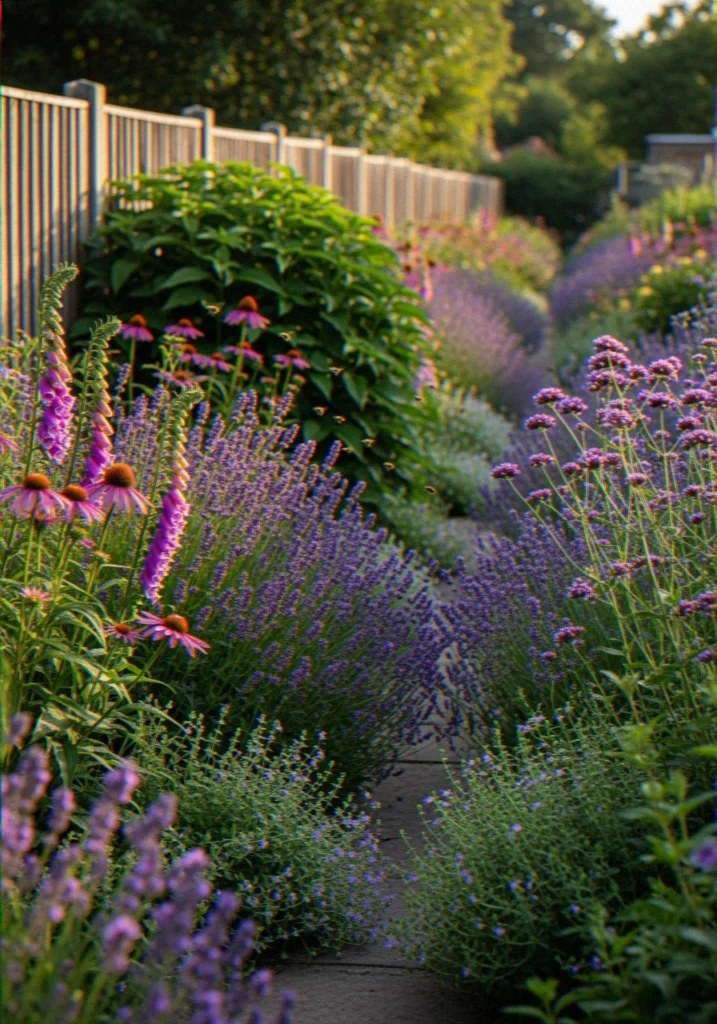
What Even Is a Corridor Garden?
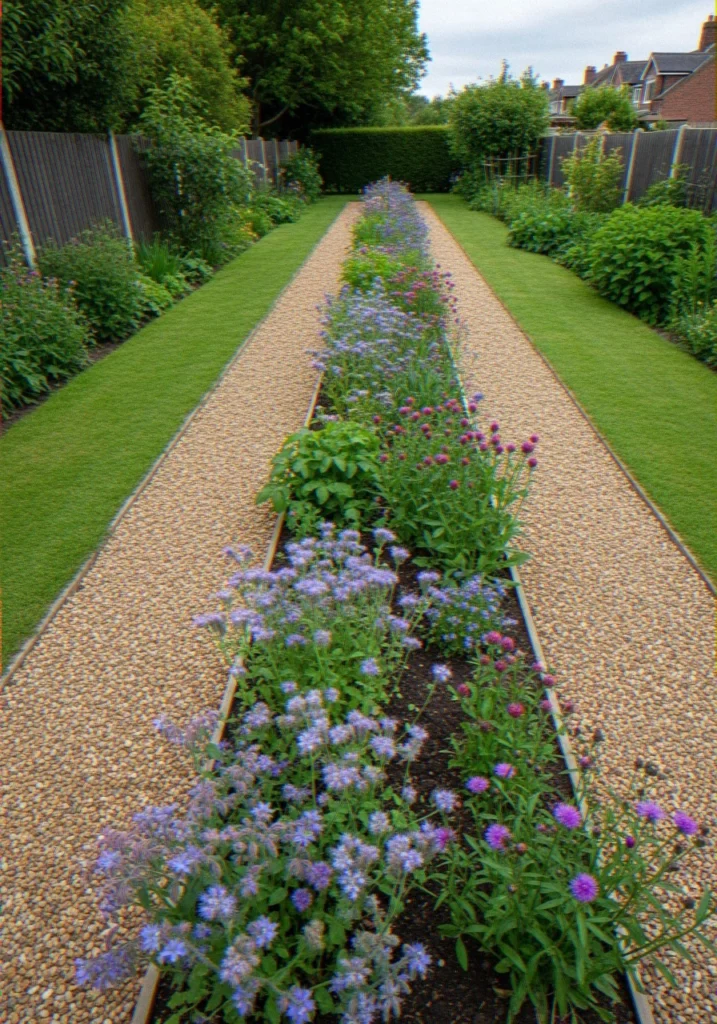
A corridor garden is basically a connected strip of pollinator-friendly plants that works like a living motorway for bees, butterflies, hoverflies, and moths.
Instead of random isolated flower beds — which, bro, are basically useless islands surrounded by concrete — a corridor links green spaces together into one continuous, navigable route.
Think about it from the bee’s perspective. If it has to cross three streets of tarmac to reach your lavender, it burns way more energy than it actually collects.
That’s not sustainable for a colony. A corridor solves this by giving pollinators a food-rich path they can actually follow without exhausting themselves.
I noticed this problem in my own garden. Loads of flowers, barely any bees. Turned out my beds were completely cut off from every other green space nearby.
The moment I planted a connected strip along my back fence, things changed within weeks. Genuinely shocked me how fast they found it.
Why Your Local Pollinators Are Struggling (And Why You Should Care)
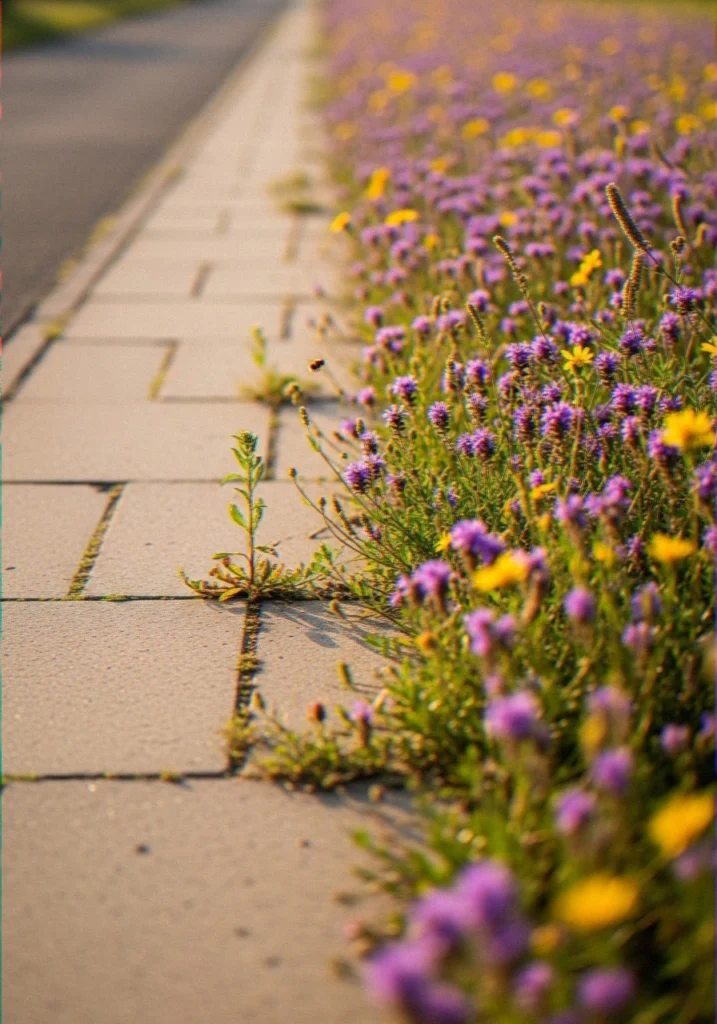
Look, I’m not going to sugarcoat it — pollinators are having a really rough time right now. Habitat loss, pesticide overuse, and climate shifts have hammered native bee and butterfly populations across the US and UK.
According to the Xerces Society, more than 1 in 4 native North American bee species faces some extinction risk. That’s not a small number. That’s genuinely alarming.
And here’s the thing most people don’t connect — about 35% of global food production depends on pollinators.
Almonds, apples, blueberries, courgettes, cucumbers — gone or severely reduced without them. So this isn’t just a “nice for wildlife” situation.
It’s food security. Your corridor garden is a small piece of a much bigger, very urgent puzzle. No pressure though 😅
📊 Corridor Garden — Fast Facts at a Glance
| Category | Details |
|---|---|
| Minimum Strip Width | 50 – 60 cm |
| Ideal Width | 1.2 – 2 metres |
| Bloom Season Target | Early spring → late autumn |
| Best Soil Type | Poor to moderate (wildflowers) |
| Native Plants | Always first choice |
| Key Pollinators | Bees, butterflies, moths, hoverflies |
| Essential Features | Food + nesting + shelter + water |
| Pesticides | Absolutely none |
| Maintenance Level | Low once established |
| Visible Results | 4 – 8 weeks after planting |
Planning Your Corridor Garden
Sketch It Out Before You Touch Any Soil
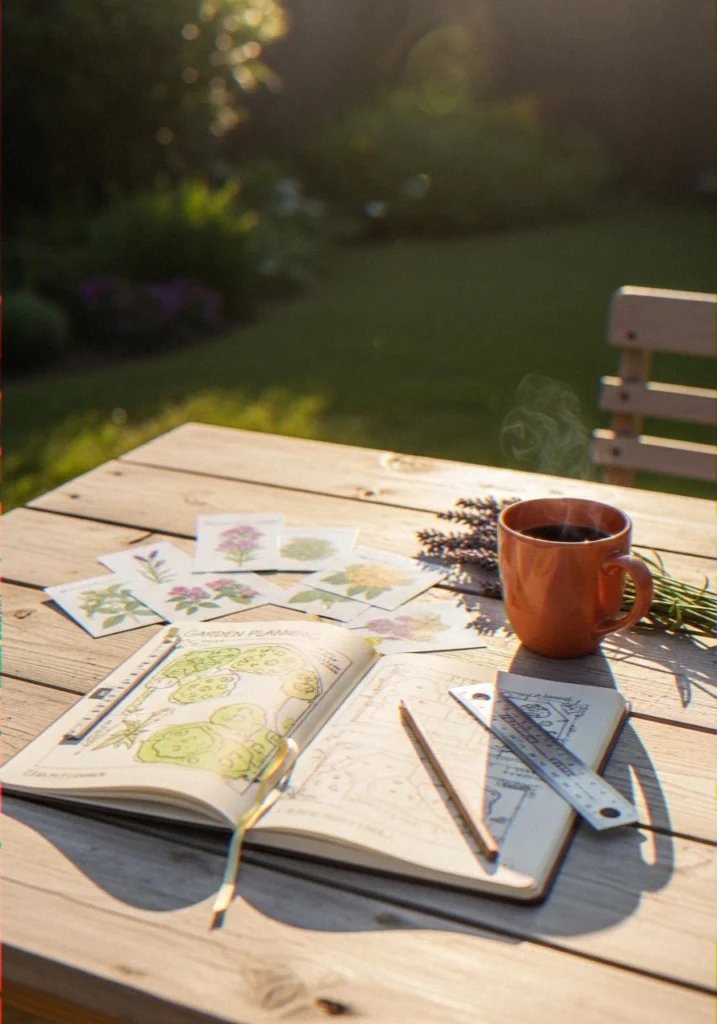
Seriously, don’t skip this step. Grab a notebook — or just use the back of an envelope, no judgment — and sketch your space roughly.
Where does full sun hit? Where does water pool after rain? Are there any existing green spaces nearby, in a neighbor’s garden or along a road verge, that your corridor could potentially connect to?
That last question matters more than people realise. A corridor that links to another planted area nearby performs dramatically better than one that just… ends at a fence panel.
Connectivity is the entire point. Even a modest strip that bridges two green spaces outperforms a large isolated bed every single time. I’ve seen this play out in my own garden and in plenty of others I’ve helped friends set up.
Pick a Layout That Actually Suits Your Space
Three layouts work really well depending on what you’ve got:
- Linear strip — runs along a fence, wall, or path. Brilliant for narrow gardens or tight boundaries. This is what I started with and honestly still my favourite.
- Meandering border — a curved, flowing bed that winds through your garden. More visual interest, and the curves create little sheltered wind pockets that early bees absolutely love for basking in morning sun.
- Stepping-stone patches — clusters of plants spaced close enough for pollinators to hop between. Great if your space is awkward or fragmented.
I went with the meandering border along my back fence, about 1.2 metres wide. The curving shape was partly aesthetic, but those sheltered pockets turned out to be genuinely functional — I see early bumblebees sitting in them on cold spring mornings, warming up before they start foraging. Little details like that make a real difference.
Choosing the Right Plants
Native Plants First — Every Single Time
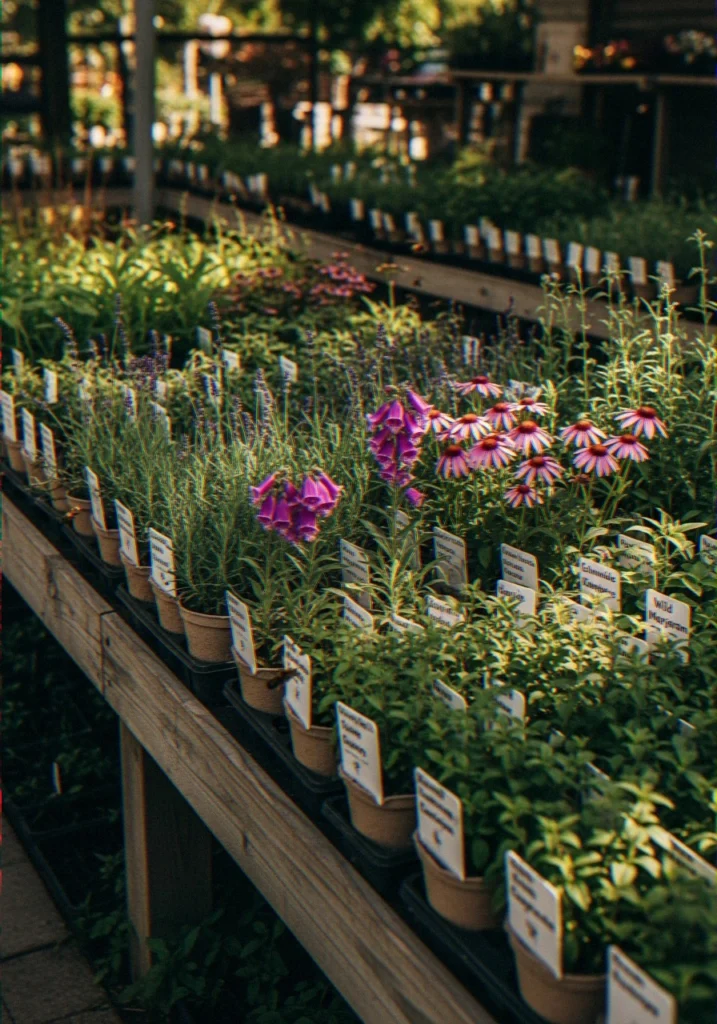
Okay, this is the non-negotiable one. Native plants are always the right call for local pollinators and I won’t hear otherwise.
Local bees have spent thousands of years co-evolving with native plant species — the flower shapes fit their bodies, the pollen nutritionally matches what they need, and the bloom timing lines up with when they’re actually active.
Fancy exotic ornamentals? Often beautiful, frequently useless to local wildlife.
Check out Pollinator Partnership’s Ecoregional Guides for the US, or the RHS Plants for Pollinators list for the UK. Both break things down by region so you’re not just guessing.
Plan for Continuous Bloom — No Gaps
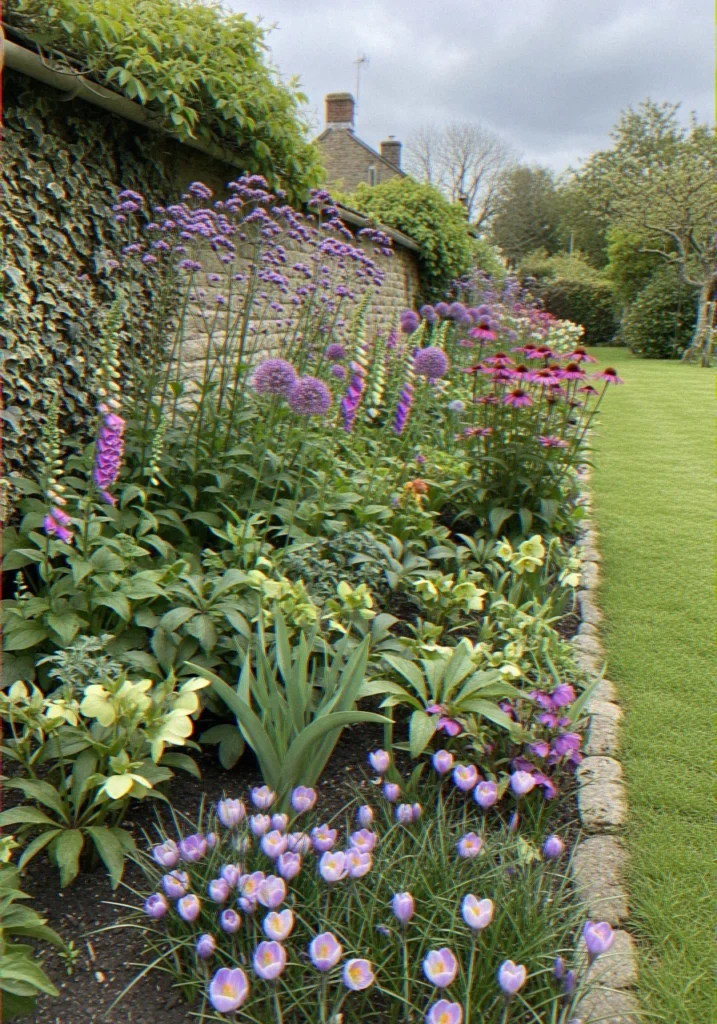
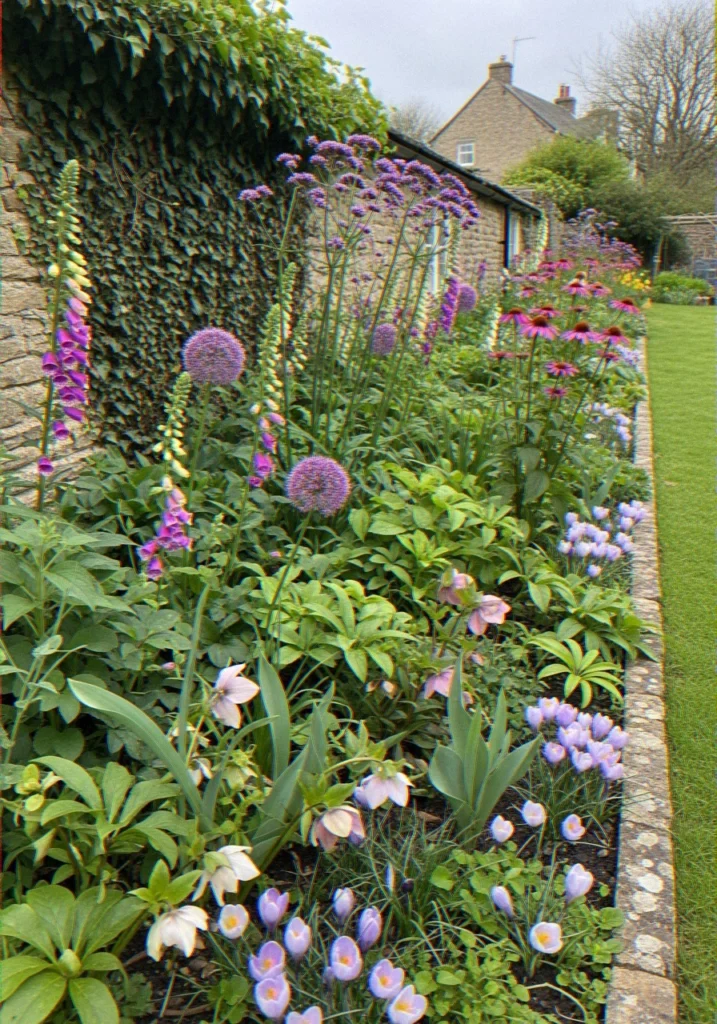
This is where most people go wrong, and I get it because it takes a bit of planning upfront. You want something flowering from early spring right through to late autumn with no significant gaps.
A gap in bloom time is basically a gap in the food supply, and pollinators won’t stick around for it — they’ll just move on.
Here’s the seasonal breakdown I use personally:
Early Spring:
- Crocus, hellebores, lungwort (Pulmonaria)
- Pussy willow — if you have any space at all, plant this. Bees go absolutely wild for it in March
Late Spring into Summer:
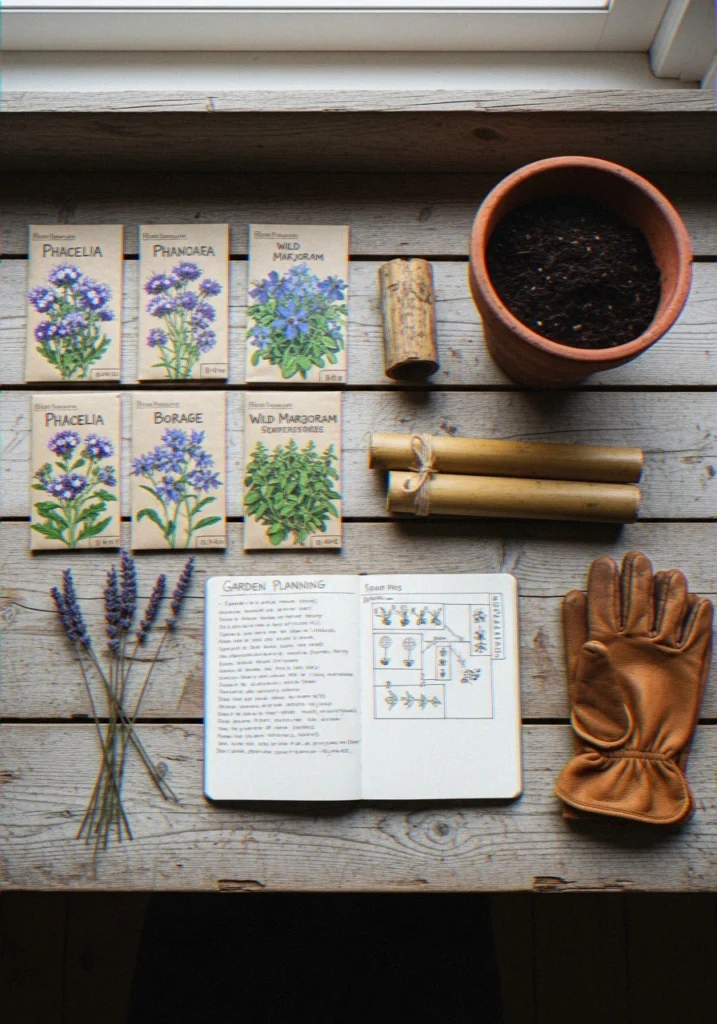
- Foxglove, alliums, borage, phacelia, red clover, wild marjoram
- Borage especially — it self-seeds freely, flowers for months, and bees never leave it alone. I tried this one at home and it genuinely works better than half the things I’ve paid good money for 🌸
Late Summer Through Autumn:
- Echinacea, rudbeckia, verbena bonariensis, sedum, asters
- Ivy — okay, hear me out. Ivy flowers in October and November when almost nothing else does. It looks messy to some people but it’s a lifeline for late bumblebees. Leave it alone.
Honestly, leaving seedheads standing through winter feels wrong at first — every instinct says tidy it up.
But those seedheads feed birds and shelter overwintering insects. Fight the urge. The “messy” look is doing serious ecological work.
Don’t Forget Host Plants — This Is Huge
Most gardeners plant for nectar and stop there, which is a mistake. Butterflies need host plants — specific species where they lay eggs and where caterpillars actually feed and grow.
Without host plants, you get adult butterflies visiting briefly but no breeding population. There’s a big difference between a garden that attracts pollinators and a garden that sustains them.
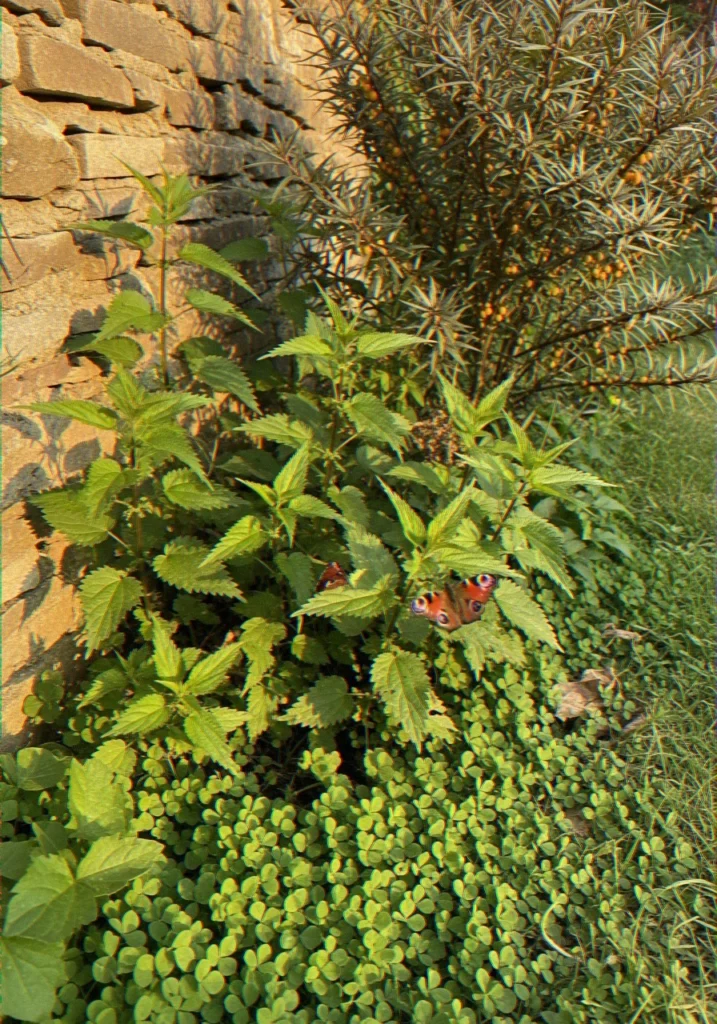
- Stinging nettles → peacock, red admiral, comma, small tortoiseshell butterflies
- Buckthorn → brimstone butterfly (stunning, by the way)
- Bird’s-foot trefoil → common blue butterfly
- Garlic mustard → orange-tip butterfly
I planted a deliberate nettle patch in my garden last year. My neighbor openly questioned my judgment.
Then the peacock butterfly caterpillars showed up and suddenly he was asking where he could get nettle seeds. Vindication feels great 😄
Best Native Plants for Pollinators — My Honest List
Since this comes up constantly, here’s what I’d plant if starting completely from scratch — based on actual experience, not just what looks good in a catalogue:
- Lavender — killer plant for bees, mobbed from June through August. This one never disappoints.
- Borage — self-seeds everywhere, flowers for ages, bees absolutely love it. Tried it, still growing it four years later.
- Phacelia — one of the highest-rated annual bee plants out there. Fast, easy, effective.
- Foxglove — long-tongued bumblebees dive straight inside. Also just gorgeous. Win-win.
- Wild marjoram — drought-tolerant, long flowering season, covered in insects all summer. Underrated honestly.
- Knapweed — tough native wildflower, absolutely smothered in butterflies every July and August. This one flopped for me in a pot but thrived once I put it in the ground, FYI.
- Echinacea — late summer powerhouse, hoverflies and bees both use it heavily.
- Verbena bonariensis — tall, airy, butterflies land on it constantly. Looks awesome too.
Every plant on this list has actually been in my garden at some point. Some were revelations. One or two were disappointments in certain conditions. The ones that work, though — Wow! — they really work.
Bee Garden Design: Getting the Look Right Without Sacrificing Function
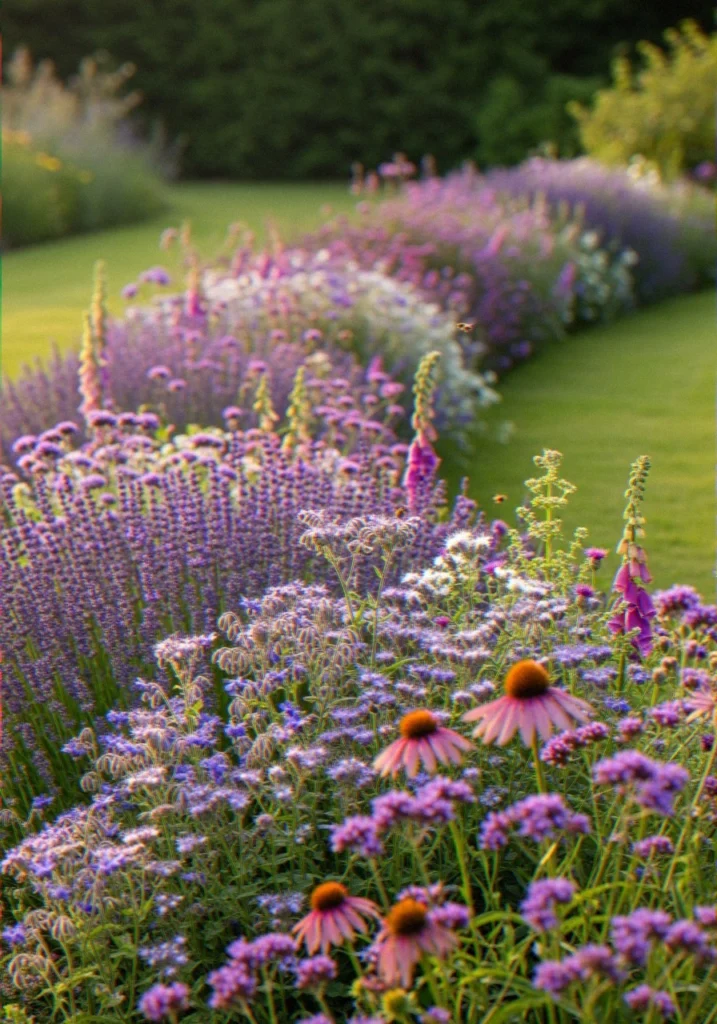
Here’s something nobody talks about enough — your corridor doesn’t have to look wild and chaotic to be ecologically effective.
You can have something that’s both killer-looking and genuinely useful for wildlife. It just takes a bit of design thought.
Plant in drifts, not dots. Groups of 3–5 of the same species create visible blocks of color that pollinators can spot from a distance.
One lavender plant is easy to miss. Five in a row is basically a billboard. I scattered single plants everywhere in my first attempt and the result was a confused-looking salad that did almost nothing. Lesson learned.
Layer your planting — tall plants at the back, medium in the middle, low ground cover at the front. This creates visual depth and also provides foraging at multiple heights, since different insect species work at different levels. Bumblebees often work lower down; hoverflies tend to work higher up on open flowers.
Honestly, this whole idea of “designing” a wildlife garden felt a bit overthought to me at first — I just wanted to bung some plants in and see what happened.
But the layering principle in particular made a noticeable difference to how many species I saw using the space. Sometimes the rules exist for a reason.
Add Nesting Structures — Don’t Skip This
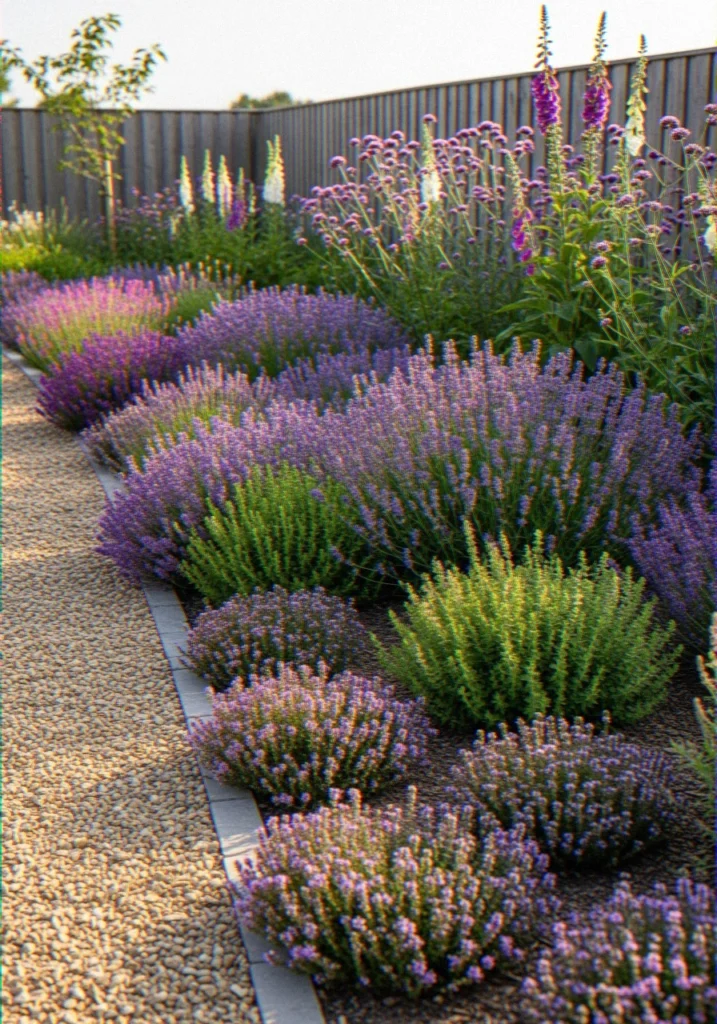
Here’s where a lot of corridor gardens fall short. They nail the plants and completely forget about nesting and shelter, which is just as important for sustaining a pollinator population as food.
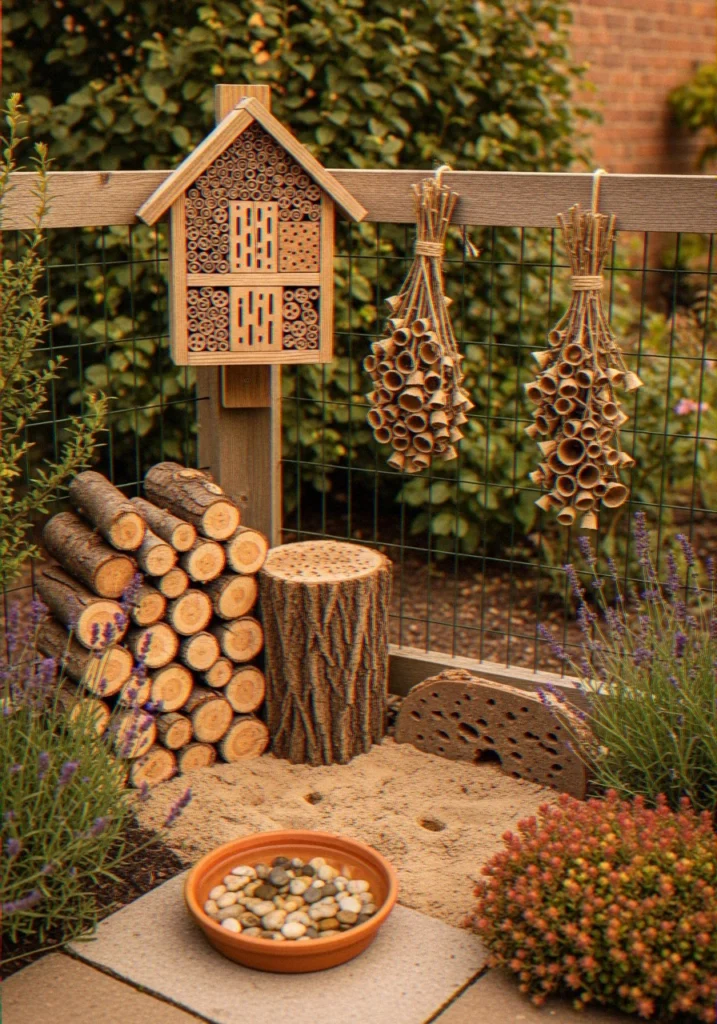
- Bare soil patches — roughly 70% of native bees nest in the ground. Leave some areas of soil exposed and undisturbed.
- Log piles and hollow stems — cavity-nesting solitary bees use these constantly. Leave old plant stems standing over winter before cutting.
- Leaf litter areas — overwintering butterflies, moths, and beetles need this. Just pile leaves loosely in a corner.
- A simple bee hotel — mount one on a south-facing fence or wall. I tried a cheap one from a garden centre and it worked fine. Nothing fancy required.
- Water dish with pebbles — bees need drinking water constantly in summer, and most gardens provide none. Change it every few days to keep it fresh.
Building the Corridor: The Actual Practical Steps
Clear the Ground — But Skip the Chemicals
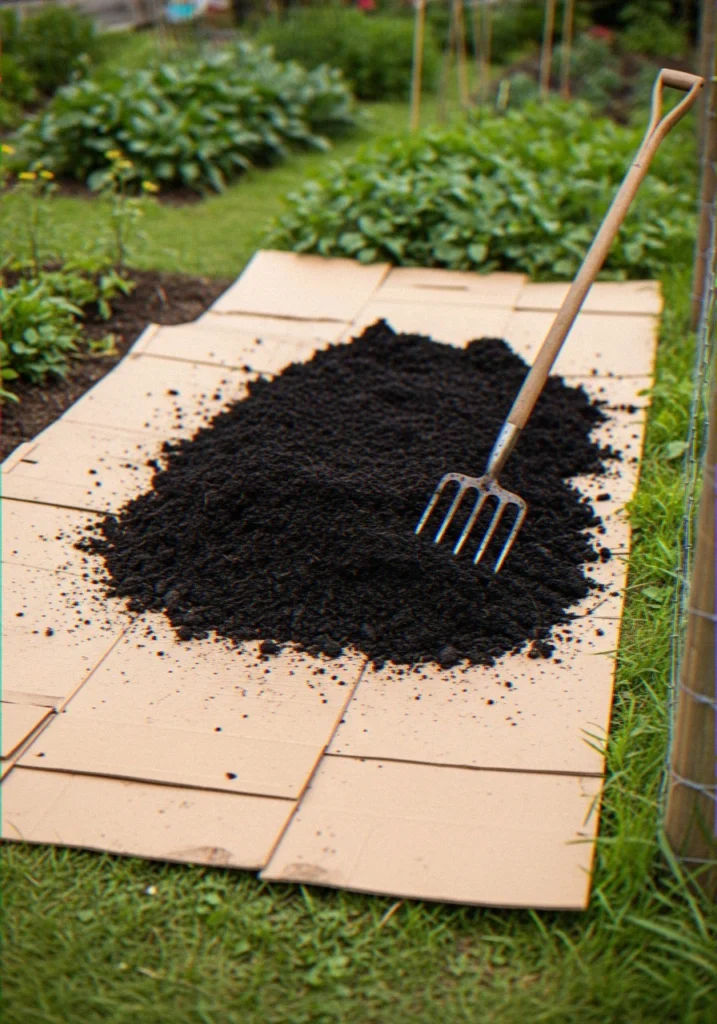
Clear your area manually — no herbicides, not even “natural” ones. I use the no-dig method: lay cardboard directly on the ground, soak it well, then pile 10–15cm of compost on top.
The cardboard smothers weeds as it breaks down harmlessly. It also preserves the underground fungal networks in your soil that genuinely help plants establish faster.
I’ve used this method three times now and it beats digging every single time.
Sort the Soil (But Don’t Over-Enrich It)
Most native wildflowers genuinely prefer poor to moderate soil. Rich, fertile soil pushes plants toward leafy growth at the expense of flowers.
If you’re doing a wildflower strip, mix in sand or grit to reduce fertility rather than loading up with compost.
For perennials and shrubs, moderate compost is fine — just don’t go overboard expecting bigger blooms. More nutrients doesn’t mean more flowers here.
Plant Smart, Not Just Abundantly
Plant in groups of 3–5 same-species plants, spaced for their mature size. Water in well after planting and mulch lightly around (not over) the crown to retain moisture.
Most native plants need decent watering for their first season and then become largely self-sufficient after that. Honestly, the low-maintenance angle kicks in sooner than you’d expect — by year two, I barely water my corridor at all.
Attracting Pollinators to Your Garden: The Details People Miss
Beyond plants and nesting, a few smaller things dramatically increase how attractive your corridor is:
- No pesticides — including “organic” options and anything that kills insects broadly. Even pyrethrin, which many people assume is safe, can devastate beneficial insect populations. I use physical barriers for problem pests now. Takes adjustment but it works.
- Reduce hard surfaces — replacing even a small section of paving with gravel or bare soil opens up ground-nesting opportunities that didn’t exist before.
- Skip the peat compost — peat extraction destroys crucial wetland habitats. Peat-free compost works just as well and doesn’t contribute to habitat loss somewhere else.
- Keep the “mess” — hollow stems, leaf piles, a bit of dead wood. These aren’t eyesores, bro, they’re habitat. This took me a while to genuinely accept but I’m fully converted now.
Pollinator Garden Importance: The Bigger Picture
I want to step back for a second because the bigger picture is actually what keeps me motivated when the garden gets messy or things don’t go to plan.
Pollinators support roughly one-third of all food production globally. The economic value of pollination services runs into the hundreds of billions annually.
Without them, vast portions of our food supply either fail completely or become dramatically more expensive to produce.
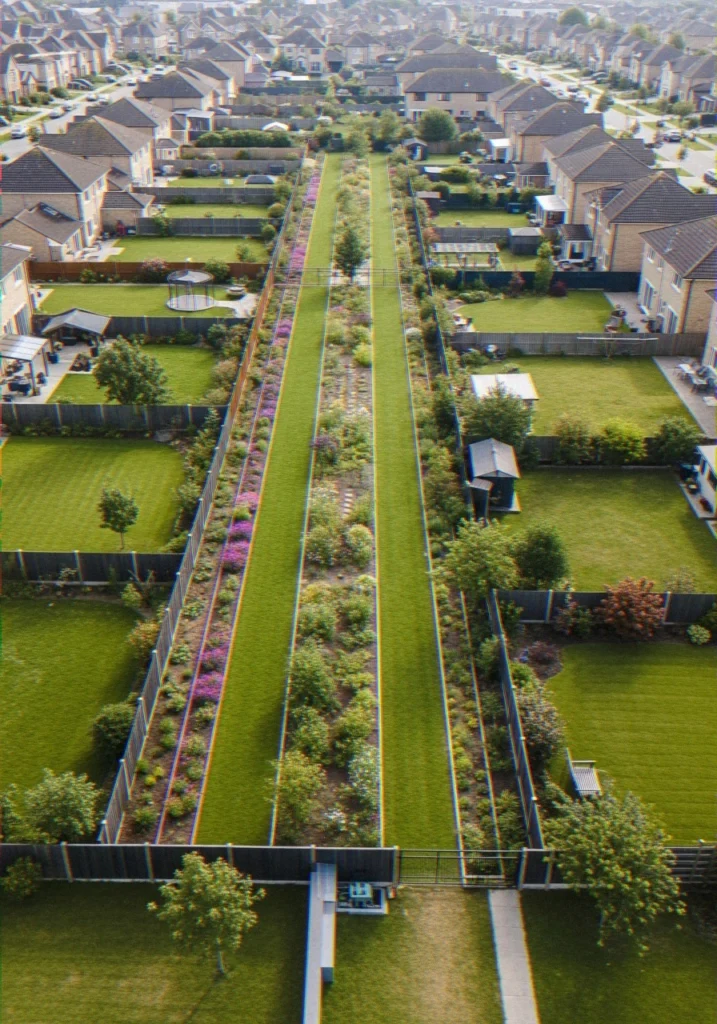
But here’s what genuinely blows my mind — when individual gardeners create corridor gardens, those spaces connect.
Over time, individual garden strips link into neighbourhood networks, which link into district-wide corridors. This is already happening in cities like Manchester, Oslo, and San Francisco.
The Beelines project in the UK is actively mapping these networks and showing gardeners exactly where their patch fits into the wider picture. Your fence line might literally be a missing link. That’s not an exaggeration — that’s genuinely how these networks function and grow.
Maintaining Your Corridor Through the Seasons
Spring: Cut back last year’s growth before new shoots emerge, but do it in thirds across the border — never strip everything at once. Add a light mulch around perennials.
Summer: Deadhead flowers where it encourages more blooms, but leave some to go to seed. Water first-year plants during dry spells. Watch what’s actually getting used and take notes — this info is gold for next year’s planting decisions.
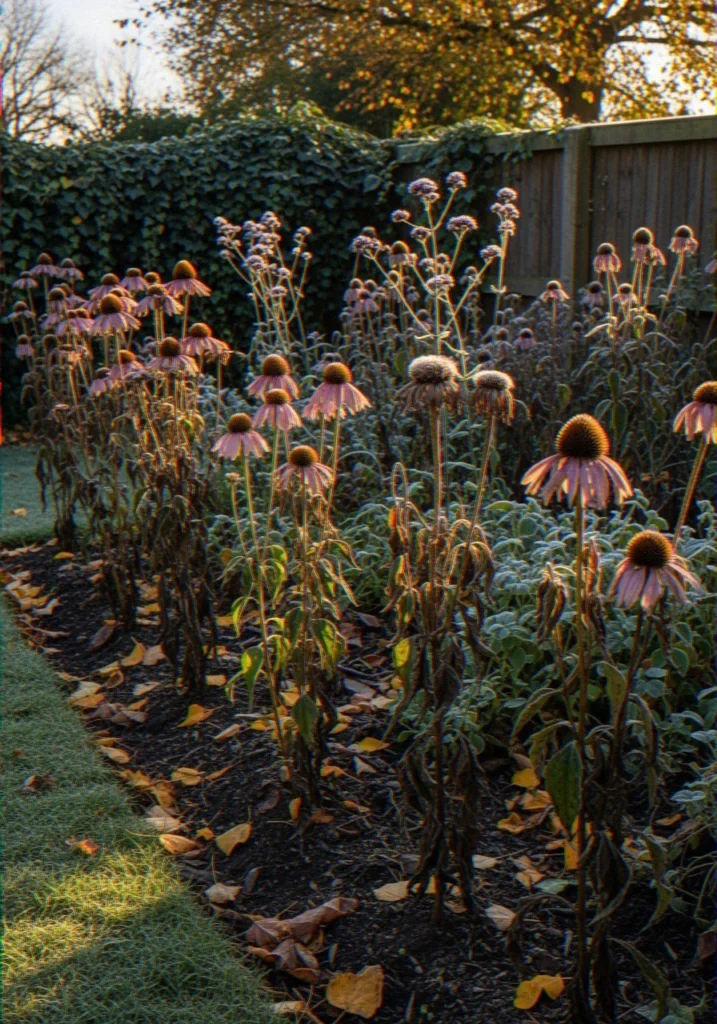
Autumn: Leave everything standing. Seedheads, hollow stems, leaf litter — all of it has a job to do through winter. This is genuinely the hardest part for people who like a tidy garden. Worth it though.
Winter: Perfect time to plan expansions, order plug plants early (good native varieties sell out fast — don’t sleep on this), and plant bare-root shrubs while the ground isn’t frozen.
FAQ — People Also Ask
What Is the Best Way to Create a Pollinator-Friendly Garden?
The best approach combines native plants, a long unbroken bloom season, and physical nesting habitat — not just flowers. Start with plants native to your region since local pollinators have co-evolved with them.
Build your planting so something flowers from early spring through late autumn with no gaps. Then add the physical stuff: bare soil for ground-nesting bees, hollow stems or log piles for cavity nesters, a shallow water dish.
And cut pesticides completely — this matters more than most people realise. A garden hitting all four bases — food, shelter, nesting, water — sustains far more pollinator diversity than one that simply has pretty flowers in summer.
What Is a Bee Corridor?
A bee corridor — also called a pollinator corridor or wildlife corridor — is a connected route of pollinator-friendly habitat allowing bees and other insects to travel, forage, and nest across a landscape without hitting dead ends.
Individual gardens, road verges, parks, school grounds, and even green roofs can all form parts of a connected corridor network.
The key word is connected — isolated patches help marginally, but linked patches create a genuinely functional ecosystem that sustains populations rather than just attracting passing visitors.
Many cities now plan bee corridors at a municipal level, and initiatives like Beelines help residents see exactly where their contribution fits into the wider network.
What Attracts Pollinators to the Garden?
Several things work together — it’s never just one factor:
- Native flowering plants with open, accessible blooms in a range of shapes
- Continuous flowering from spring to autumn — gaps in bloom mean gaps in food
- Variety of flower colors — different pollinators are attracted to different colors, with purple and blue being particularly effective for bees
- Scent — lavender, thyme, wild marjoram, and borage are powerfully attractive
- Nesting opportunities — bare soil patches, hollow stems, log piles
- Clean, fresh water in a shallow dish with pebbles for safe landing
- Complete absence of pesticides — I can’t stress this one enough
IMO, the pesticide thing is the single most underestimated factor. You can have the most impressive native planting on your street, but if you’re spraying regularly, you’re actively undoing all of it.
What Is the Minimum Size for a Pollinator Garden?
Honestly, there’s no hard minimum. Even a window box planted with native annuals provides some value to foraging pollinators.
That said, for a corridor garden specifically, a strip of at least 50–60cm wide and 2–3 metres long starts to function as meaningful connected habitat. The RHS suggests that even gardens of 5–6 square metres can support impressive pollinator diversity when planted thoughtfully.
Width matters less than continuity — a narrow strip that bridges two green spaces beats a wide isolated bed every time. If you have a fence line, a path edge, or even a driveway border available, that’s genuinely enough to get started.
Final Thoughts
Creating a corridor garden for local pollinators isn’t complicated and it doesn’t need a huge budget or a massive space.
What it needs is intentionality — plants that genuinely serve wildlife rather than just looking nice on a garden blog, a connected layout that links to the green spaces around you, and the willingness to leave things a little less than perfectly tidy through autumn and winter.
My corridor went from a completely ignored fence line to a genuinely buzzing, fluttering ecosystem in two growing seasons.
The bees showed up first. Then the butterflies. A hedgehog moved in around October — I’ve decided this is my greatest horticultural achievement to date, and I’m not taking questions about it.
So — have you got a fence line, a path edge, or even just a narrow border going spare? Because that’s all you need to start. What native plants are you thinking of trying first? Drop it in the comments — I’d genuinely love to know! 🌿🐝
